

News

Miro: A New Standard in Responsible Innovation

Miro: A New Standard in Responsible Innovation The Miro monitor arm is setting new benchmarks in sustainability. It offers a high-performance solution without compromising on environmental responsibility. Designed with careful material selection, local sourcing, and longevity in mind, Miro’s responsible approach to design and unique manoeuvrability set it apart from the competition. Sustainable Choices Miro is crafted from energy-efficient materials with a lower carbon impact....

Read more
HSE Advisor

Role Purpose Support in the development, implementation and maintenance of the company’s Health, Safety & Environmental policies, processes, operational procedures, and standards.  Ensuring best practice and championing a continually improving HSE culture within the business. Key Responsibilities Liaise with and provide support to all areas of the business to eliminate, mitigate or reduce identified HSE exposures. Partner with the production management team and team leaders,...

Read more
CMD Ltd LAUNCHES 48-HOUR TURNAROUND ON BETATRAK® RAPID ORDERING SERVICE

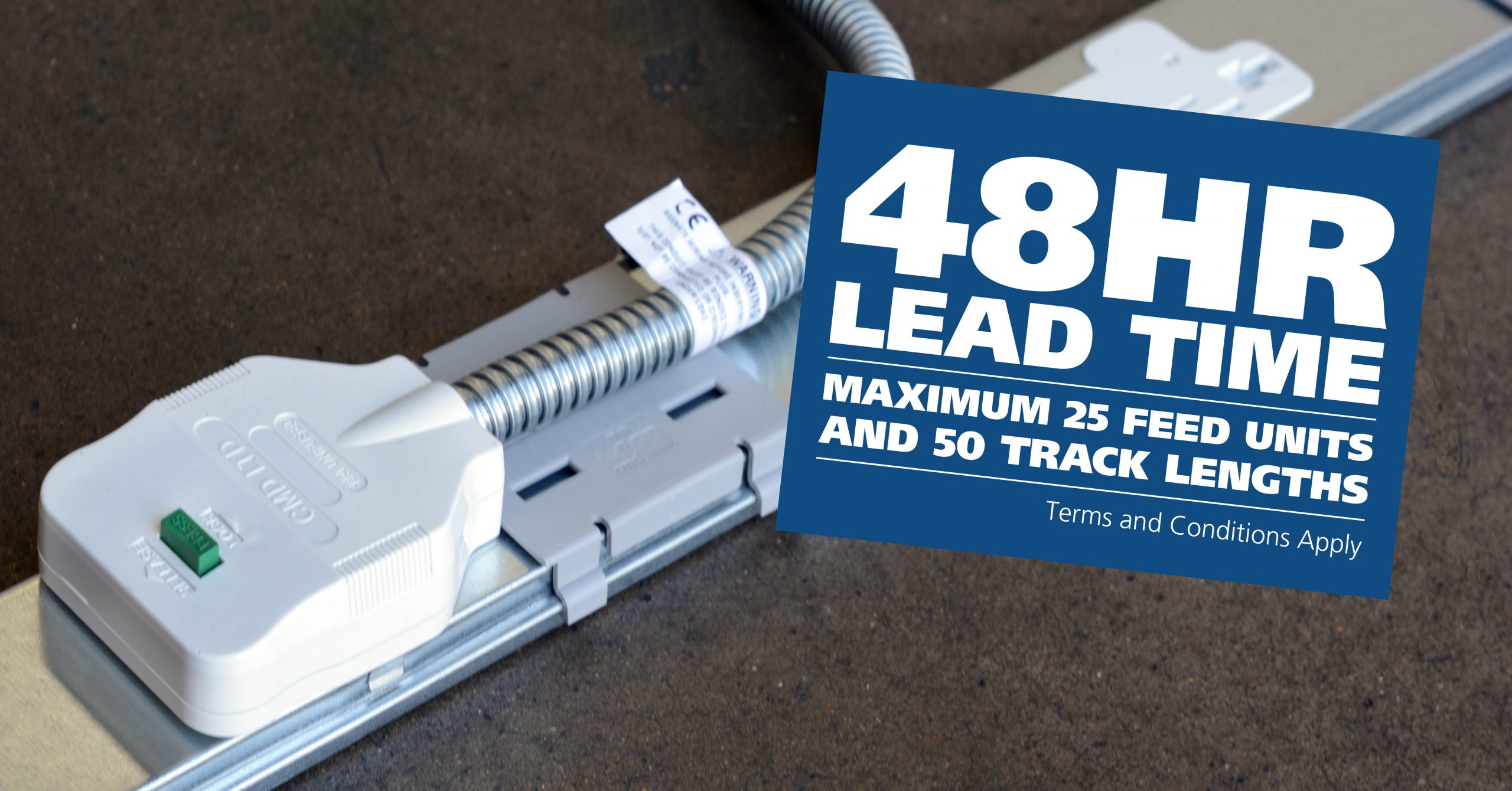
CMD Ltd, the specialist in power distribution systems, workstation power and monitor arms, has launched a rapid ordering service for its Betatrak® underfloor powertrack distribution systems and accessories, with a commitment to delivering within 48-hours of an approved purchase order*. The service enables customers to order up to 50 lengths of Standard or Clean Earth (C/E) low noise Betatrak, along with up to 25 feed...

Read more
CMD INVESTS £1/4 MILLION IN NEW MACHINE AS PART OF FACTORY UPGRADE

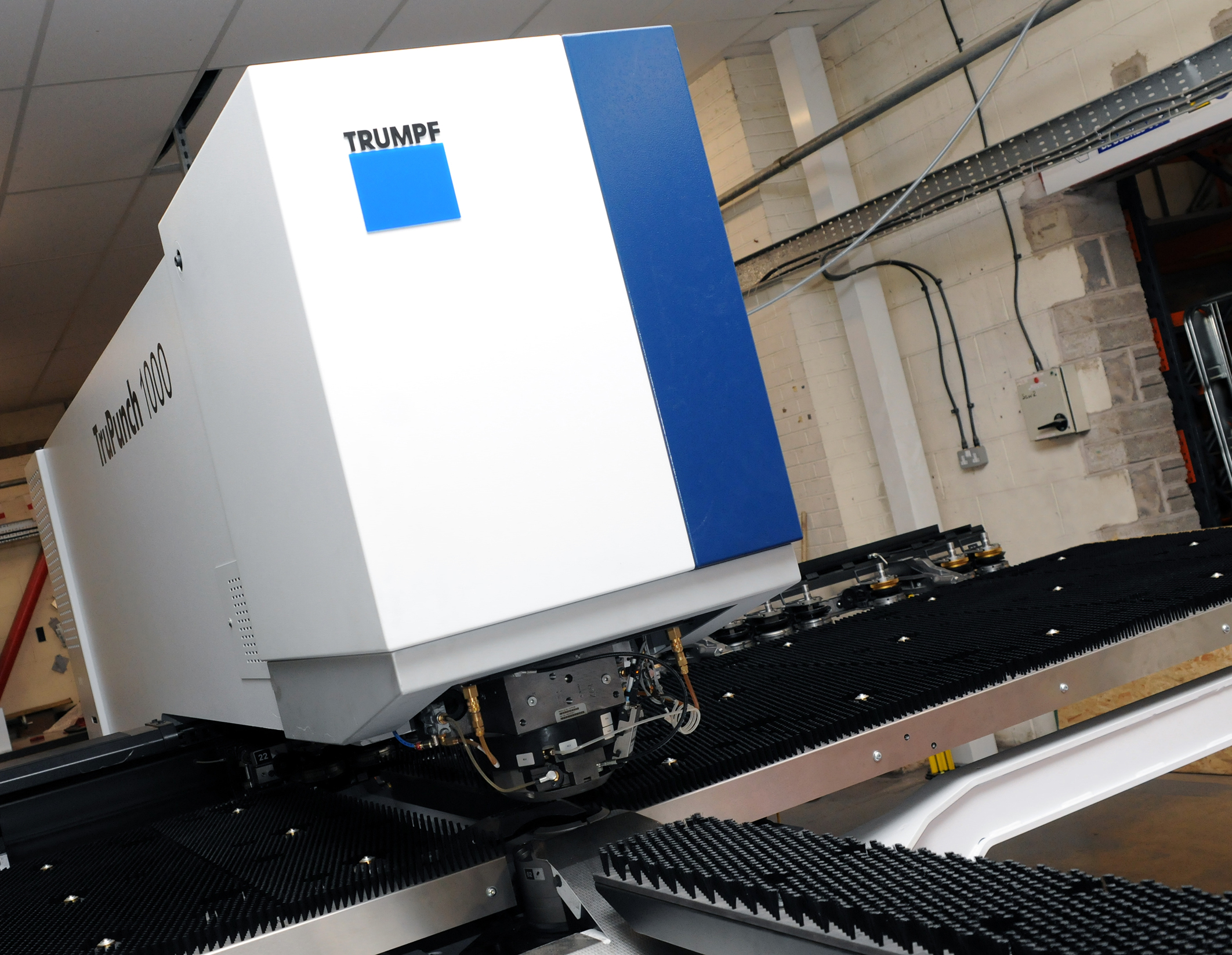
We have invested in a new £1/4m TRUMPF CNC metal punch as part of an asset renewal strategy for our UK manufacturing capability. The new machine will be used in the production of a wide variety of our power distribution systems and workstation power products at our Rotherham factory. Suitable for handling sheet metal between 0.9mm and 3.0mm thick, the new machine will replace one...

Read more
CMD CATALOGUE PROVIDES TECHNICAL POWER DISTRIBUTION GUIDE

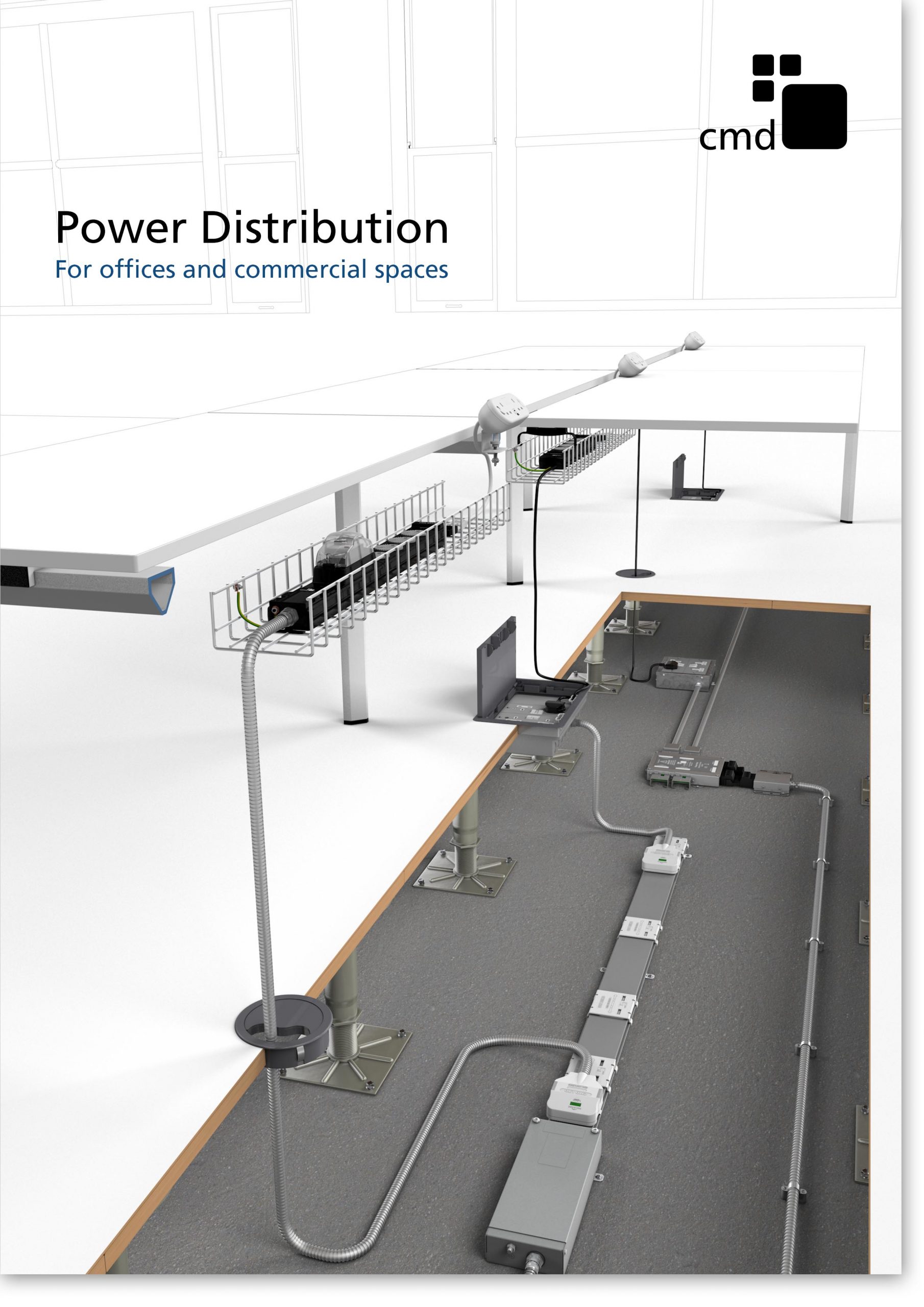
CMD Ltd has released a new catalogue, providing an easy to follow technical guide to our power distribution systems and plug and play desk modules. Detailing CMD’s full range of UK-manufactured power distribution systems and plug and play desk modules, the catalogue will be a helpful source of information to M&E engineers and contractors alike to understand how our power distribution systems connect together and...

Read more
Power Distribution Catalogue
CMD Ltd PLAYS ESSENTIAL ROLE IN ELECTRICAL FIT OUT AT LONDON’S PRESTIGIOUS OFFICE DEVELOPMENT

CMD Ltd, specialist in workplace connectivity and ergonomic solutions, has provided a flexible and high-quality power distribution network for The Ray, a prestigious office development in London’s Farringdon. Well-known for being the former site of The Guardian newspaper, The Ray now stands as an 83,000ft² office development characterised by a modernised warehouse aesthetic, with level two now occupied by a global social media company. The...

Read more

The Ray
CMD plugs in to european opportunity with Schuko Capsule unit launch

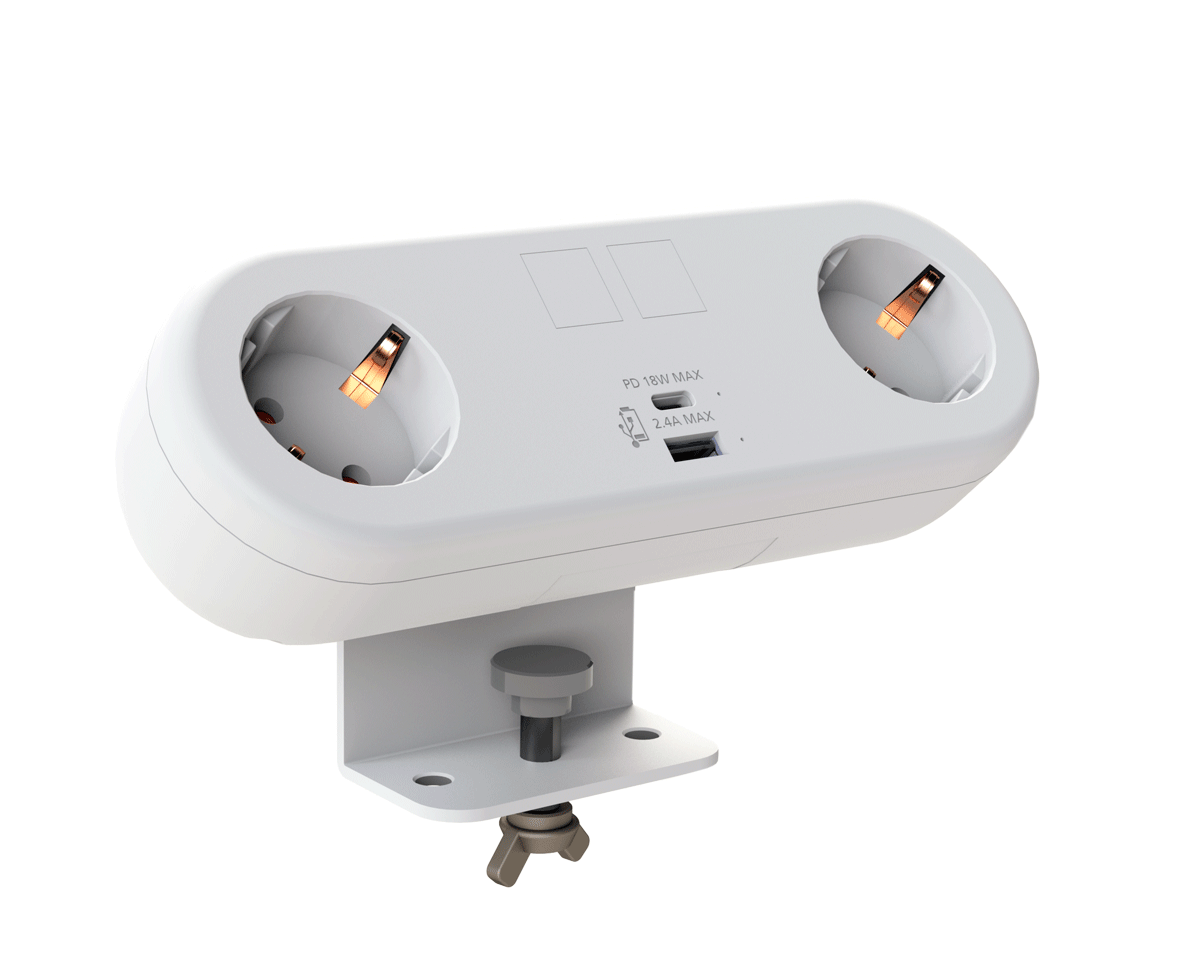
CMD Ltd, the specialist in power and connectivity solutions for commercial environments, has launched a Schuko version of its popular fixed format Capsule workstation power module for export to mainland Europe and beyond. A popular on desk power module comprising two sockets and dual USB (type A and C) chargers, CMD’s Capsule unit is already widely specified in the UK as an off-the-shelf workstation power...

Read more
CMD White Schuko Capsule Desk Power Module
CMD LTD EXTENDS MONITOR ARM RANGE WITH THE LAUNCH OF REACH PLUS

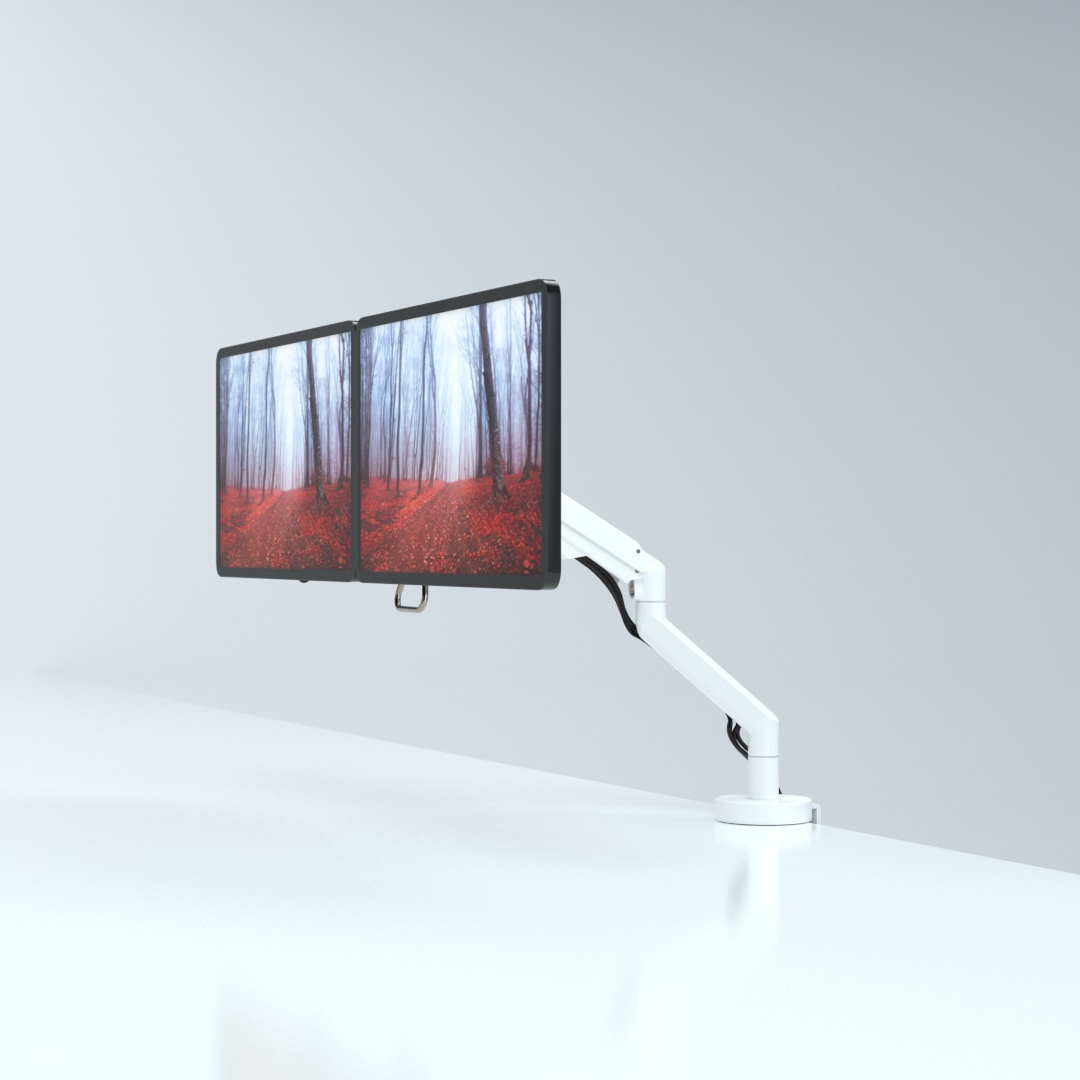
CMD Ltd, the specialist in ergonomic and connectivity solutions for commercial interiors, has completed its Reach monitor arm range with the launch of the Reach Plus. Available in single or dual screen options, the Reach Plus has been designed to provide an ideal solution for both single and dual screen workstation configurations, or can be used with next generation of large format curved screens. Suitable...

Read more
CMD Ltd DEMONSTRATES THE ART OF POWER DISTRIBUTION AT THE UNIVERSITY OF WARWICK

CMD Ltd, the specialist in workplace connectivity and ergonomic solutions, has provided Betatrak busbar power distribution and a range of electrical accessories for two major capital investment projects at the University of Warwick. Designed by Fielden Clegg Bradley Studios, the £33 million Faculty of Arts building is a showpiece development comprising four interconnected structures set around a central atrium, which will enable inter-disciplinary collaboration across...

Read more

University of Warwick
CMD BRINGS HARMONY TO COVENTRY UNIVERSITY RESEARCH FACILITIES

CMD Ltd, the specialist in power distribution solutions and workstation power and ergonomics, has provided under desk and on desk power modules for the refurbishment of three Coventry University research buildings. Located on Coventry University Technology Park, a business park designed to encourage collaboration between the university and knowledge-based businesses, the three buildings are being repurposed as office accommodation for university research teams. The refurbishment...

Read more

Coventry University

China Top Touch Monitor Factory for Global Buyers

A reliable Touch Monitor Factory does more than assemble screens. It checks touch accuracy, brightness, viewing angles, and housing strength before products reach buyers. For global purchasers, those details matter in retail counters, hospital desks, factory floors, and self-service kiosks. A monitor may look impressive under showroom lights yet struggle beneath bright windows or after repeated daily taps. Small tests reveal big differences.

As display-manufacturing engineer Maya Chen puts it, “A touch monitor earns trust through consistent response, careful testing, and honest specifications.” This quotation is an illustrative expert viewpoint, not a sourced statement from a verified interview. Buyers should compare panel type, touch technology, operating temperature, interface options, and warranty terms. They should also ask how the supplier handles sample approval and production quality checks. Ask for evidence. A clear test report is more useful than a broad promise.

This guide examines how to assess a China-based Touch Monitor Factory for international orders, from product selection to communication and shipment planning. Look closely at sample performance, connector placement, bezel finish, and documentation. These practical checks can prevent avoidable surprises. Not every factory fits every project, and a low quote may hide limits in customization or support. There is room for judgment here: specifications do not tell the whole story. A careful buyer weighs them alongside response quality, production transparency, and the intended installation environment.

China Top Touch Monitor Factory for Global Buyers

What Defines a Touch Monitor Factory: PCAP, IR, and Resistive Technologies

A touch monitor factory is defined by how well it matches sensing technology to the working environment. Projected capacitive (PCAP) detects finger contact through a glass surface and supports multi-touch gestures. It suits kiosks, control panels, and retail counters where clear images and smooth interaction matter. Yet thick gloves or water on the glass can reduce accuracy unless the system is tuned for them. Small details matter: a wet fingertip should not trigger a nearby button.

Infrared (IR) frames use emitters and sensors around the screen to detect interruptions in a light grid. This approach works with gloves and many styluses, but dust along the bezel may cause false touches. Resistive panels register pressure between conductive layers. They can respond to a gloved finger or basic stylus, though the surface may feel less smooth. There is no universal winner. MarketsandMarkets estimated the global touchscreen market at USD 75.6 billion in 2023, projecting USD 115.5 billion by 2028. That growth makes technology selection more consequential, not simpler. Buyers should ask factories for tests under actual lighting, humidity, glove, and cleaning conditions. A specification sheet alone cannot reveal every failure point. Good suppliers document test methods and limits, even when the results are inconvenient.

How 10-Point PCAP Touch Supports Multi-User Interaction

A 10-point PCAP touch monitor can register ten touch points at once, allowing several people to work on the same screen. In a planning room, one user can move a map while another marks a route. At a classroom display, students can sort images or write together without waiting for a turn. The glass responds to light finger contact, so users do not need to press hard. That matters during long sessions.

The number of touch points alone does not guarantee a smooth group experience. Screen size, touch accuracy, display placement, and the software all affect how people interact. We recommend testing with the gestures users will actually make: dragging charts, resizing objects, or writing near the screen’s edges. Check how the monitor handles overlapping hands, too. It can be imperfect. Wet fingers, glare, or crowded interfaces may still cause missed inputs or confusion. A brief trial with several users often reveals problems that a specification sheet cannot. For global buyers, confirm the monitor’s touch performance in the intended setup before choosing it for shared work.

How Touch Monitor Manufacturing Applies ISO 9001 Quality Principles

How Touch Monitor Manufacturing Applies ISO 9001 Quality Principles

A touch monitor can pass its final test and still fail in daily use. Dust beneath the glass, uneven bonding, or a loose connector may cause trouble later. ISO 9001 helps factories control these risks through documented processes, checks, and corrective actions. It does not guarantee a flawless product. That distinction matters.

The ISO Survey 2022 recorded 1,265,216 valid ISO 9001 certificates worldwide. The figure shows the standard’s broad adoption, not the performance of touch monitors specifically. In production, teams can apply its principles at each stage: checking incoming panels, recording adhesive batch details, and testing touch response across the screen. A sample may look fine under ordinary lighting. Angled inspection can reveal bubbles or surface marks.

Reliable records make problems easier to trace. If a batch shows inconsistent touch response, production data can help identify whether the cause was calibration, component variation, or handling. A useful quality system also tracks customer complaints and verifies that corrective actions work. Paperwork alone is not improvement. Factories sometimes collect data without acting on it, and that is a weakness worth acknowledging. A good process gives workers clear inspection criteria and room to report defects before shipment.

What IEC 60529 IP Ratings Mean for Touch Monitor Enclosures

IEC 60529 IP ratings describe how well an enclosure resists dust and water. The first digit refers to protection against solid objects; the second covers water exposure. For example, an IP65-rated enclosure is dust-tight and resists water jets under specified test conditions. It is not designed for immersion. That distinction matters.

For a touch monitor, the rating depends on the complete enclosure, including seams, cable entries, buttons, and the display-to-frame seal. A front panel rated IP65 does not automatically make the rear enclosure equally protected. In factory settings, check where the monitor will sit: a washdown area, a dusty production line, or a sheltered operator station each presents different risks. Look at the exact test scope and installation guidance, not just the largest number on a product sheet.

There is a practical wrinkle. A rating measured on a new, correctly assembled unit may not reflect wear, damaged seals, or poorly fitted connectors over time. Not always. Ask suppliers for test documentation and clarify whether the rating applies to the full monitor or only its front face. Then match the specification to actual cleaning methods and exposure. Buyers sometimes choose a higher rating “just in case,” but that can add cost without solving the real installation problem. Recheck the enclosure details before ordering.

How Global Buyers Evaluate Touch Monitors by Size, Interface, and Compliance

Global buyers often begin with screen size, but the installation matters just as much. A 21.5-inch monitor may fit a retail counter, while a larger panel can improve visibility across a factory floor. Measure the available space, viewing distance, and mounting points before comparing quotes. Check the active display area, not only the diagonal size. Small detail, big difference.

Interface choices should match the equipment already in use. USB can carry touch data, while HDMI or DisplayPort usually handles video; some systems require separate cables. Confirm the operating system, connector type, cable length, and whether the monitor supports the intended mounting position. In a bright room, ask for the panel’s brightness rating and test reflections at the actual viewing angle. A specification sheet helps, but it cannot show every glare problem.

Compliance needs careful checking. Ask suppliers for current test reports and declarations relevant to the destination market, product configuration, and intended use. Documents should identify the model clearly; a report for a similar unit may not cover the one being purchased. Also review power ratings, labeling, and packaging requirements with the importer or a qualified compliance specialist. Paperwork can be tedious. It is easy to overlook. Buyers should verify details before placing a large order, since correcting a mismatch later can mean delays, extra freight, or a product that does not suit the installation.