

News

Miro: A New Standard in Responsible Innovation

Miro: A New Standard in Responsible Innovation The Miro monitor arm is setting new benchmarks in sustainability. It offers a high-performance solution without compromising on environmental responsibility. Designed with careful material selection, local sourcing, and longevity in mind, Miro’s responsible approach to design and unique manoeuvrability set it apart from the competition. Sustainable Choices Miro is crafted from energy-efficient materials with a lower carbon impact....

Read more
HSE Advisor

Role Purpose Support in the development, implementation and maintenance of the company’s Health, Safety & Environmental policies, processes, operational procedures, and standards.  Ensuring best practice and championing a continually improving HSE culture within the business. Key Responsibilities Liaise with and provide support to all areas of the business to eliminate, mitigate or reduce identified HSE exposures. Partner with the production management team and team leaders,...

Read more
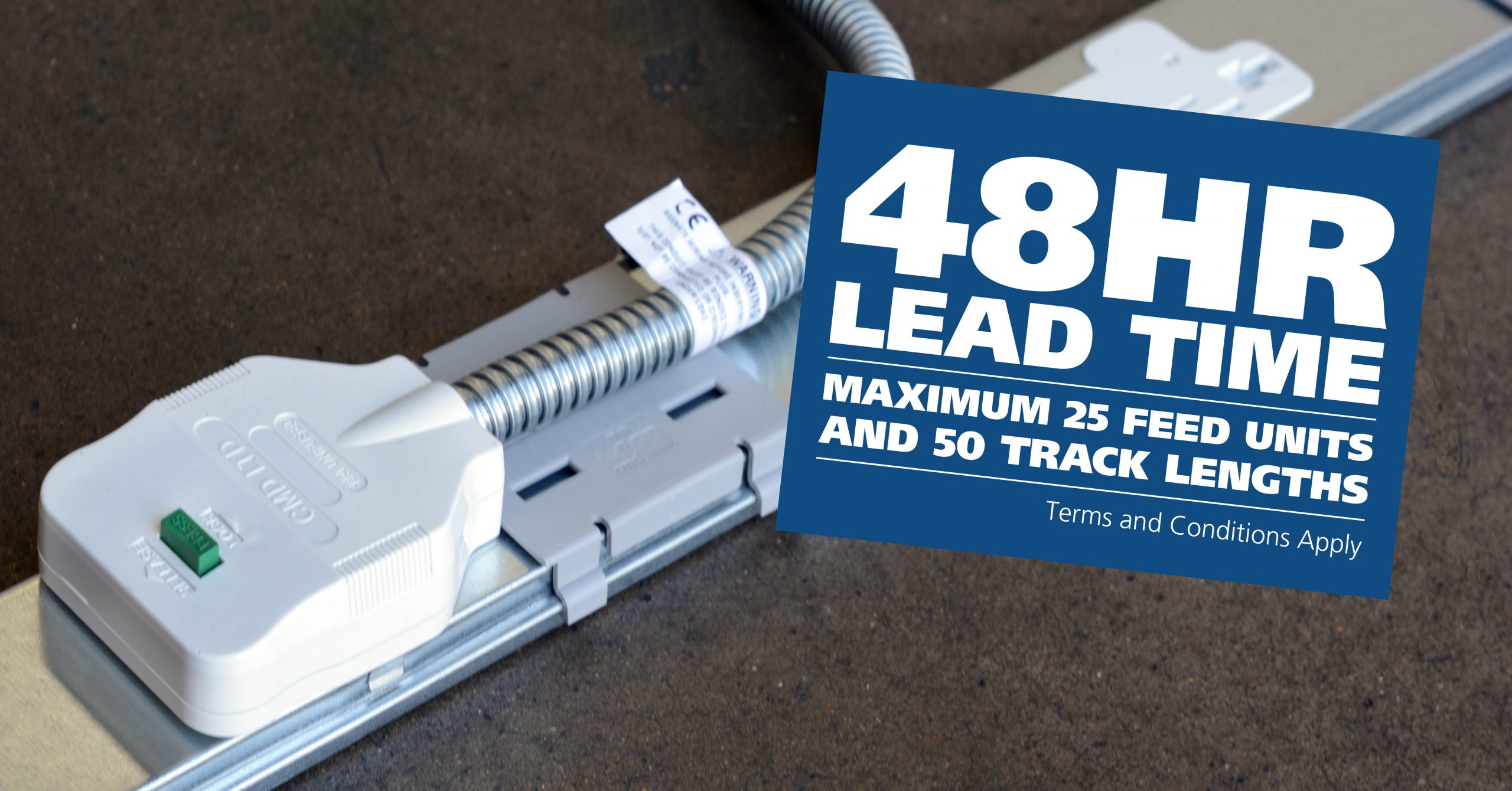
CMD Ltd LAUNCHES 48-HOUR TURNAROUND ON BETATRAK® RAPID ORDERING SERVICE

CMD Ltd, the specialist in power distribution systems, workstation power and monitor arms, has launched a rapid ordering service for its Betatrak® underfloor powertrack distribution systems and accessories, with a commitment to delivering within 48-hours of an approved purchase order*. The service enables customers to order up to 50 lengths of Standard or Clean Earth (C/E) low noise Betatrak, along with up to 25 feed...

Read more
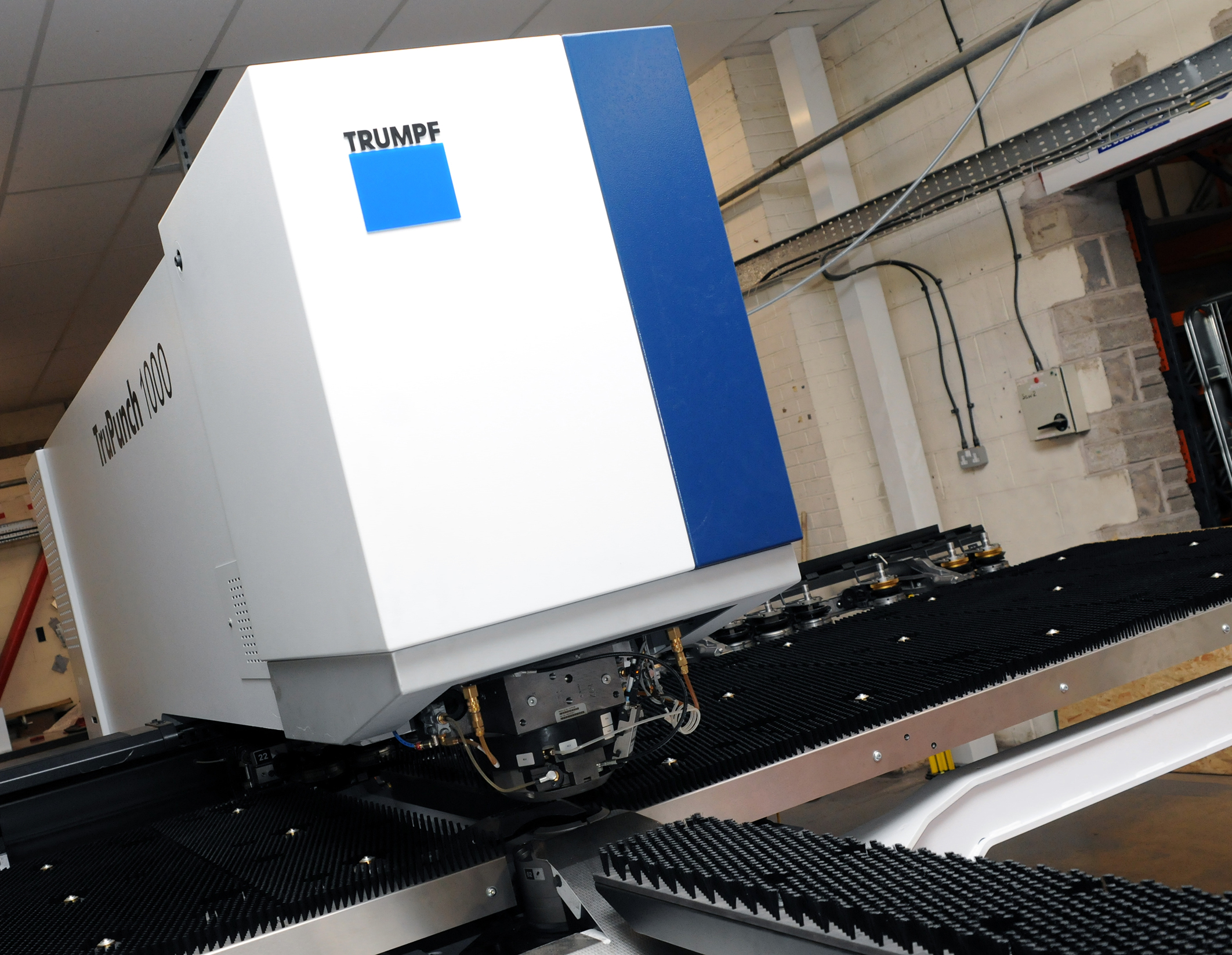
CMD INVESTS £1/4 MILLION IN NEW MACHINE AS PART OF FACTORY UPGRADE

We have invested in a new £1/4m TRUMPF CNC metal punch as part of an asset renewal strategy for our UK manufacturing capability. The new machine will be used in the production of a wide variety of our power distribution systems and workstation power products at our Rotherham factory. Suitable for handling sheet metal between 0.9mm and 3.0mm thick, the new machine will replace one...

Read more
CMD CATALOGUE PROVIDES TECHNICAL POWER DISTRIBUTION GUIDE

CMD Ltd has released a new catalogue, providing an easy to follow technical guide to our power distribution systems and plug and play desk modules. Detailing CMD’s full range of UK-manufactured power distribution systems and plug and play desk modules, the catalogue will be a helpful source of information to M&E engineers and contractors alike to understand how our power distribution systems connect together and...

Read more
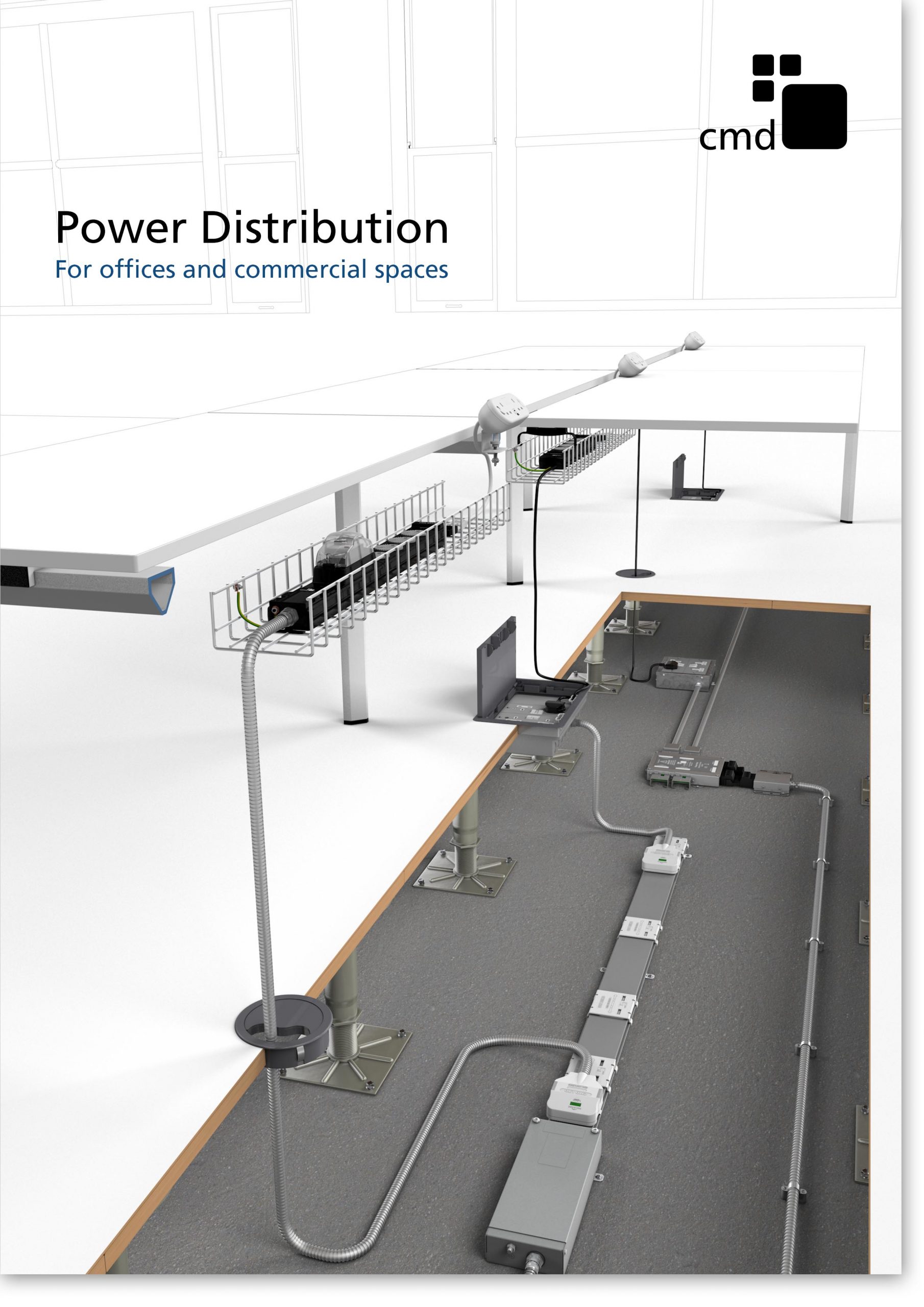
Power Distribution Catalogue
CMD Ltd PLAYS ESSENTIAL ROLE IN ELECTRICAL FIT OUT AT LONDON’S PRESTIGIOUS OFFICE DEVELOPMENT

CMD Ltd, specialist in workplace connectivity and ergonomic solutions, has provided a flexible and high-quality power distribution network for The Ray, a prestigious office development in London’s Farringdon. Well-known for being the former site of The Guardian newspaper, The Ray now stands as an 83,000ft² office development characterised by a modernised warehouse aesthetic, with level two now occupied by a global social media company. The...

Read more

The Ray
CMD plugs in to european opportunity with Schuko Capsule unit launch

CMD Ltd, the specialist in power and connectivity solutions for commercial environments, has launched a Schuko version of its popular fixed format Capsule workstation power module for export to mainland Europe and beyond. A popular on desk power module comprising two sockets and dual USB (type A and C) chargers, CMD’s Capsule unit is already widely specified in the UK as an off-the-shelf workstation power...

Read more
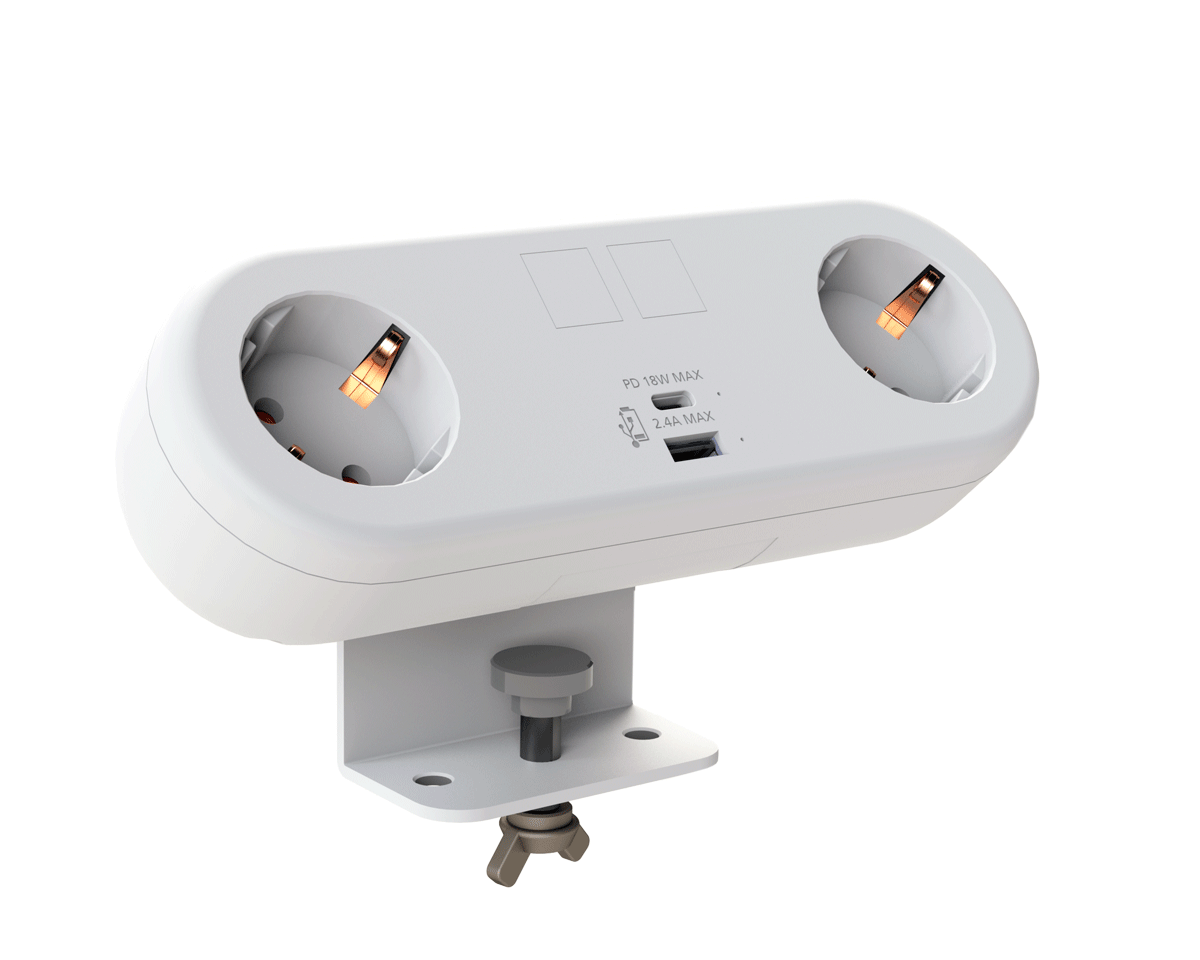
CMD White Schuko Capsule Desk Power Module
CMD LTD EXTENDS MONITOR ARM RANGE WITH THE LAUNCH OF REACH PLUS

CMD Ltd, the specialist in ergonomic and connectivity solutions for commercial interiors, has completed its Reach monitor arm range with the launch of the Reach Plus. Available in single or dual screen options, the Reach Plus has been designed to provide an ideal solution for both single and dual screen workstation configurations, or can be used with next generation of large format curved screens. Suitable...

Read more
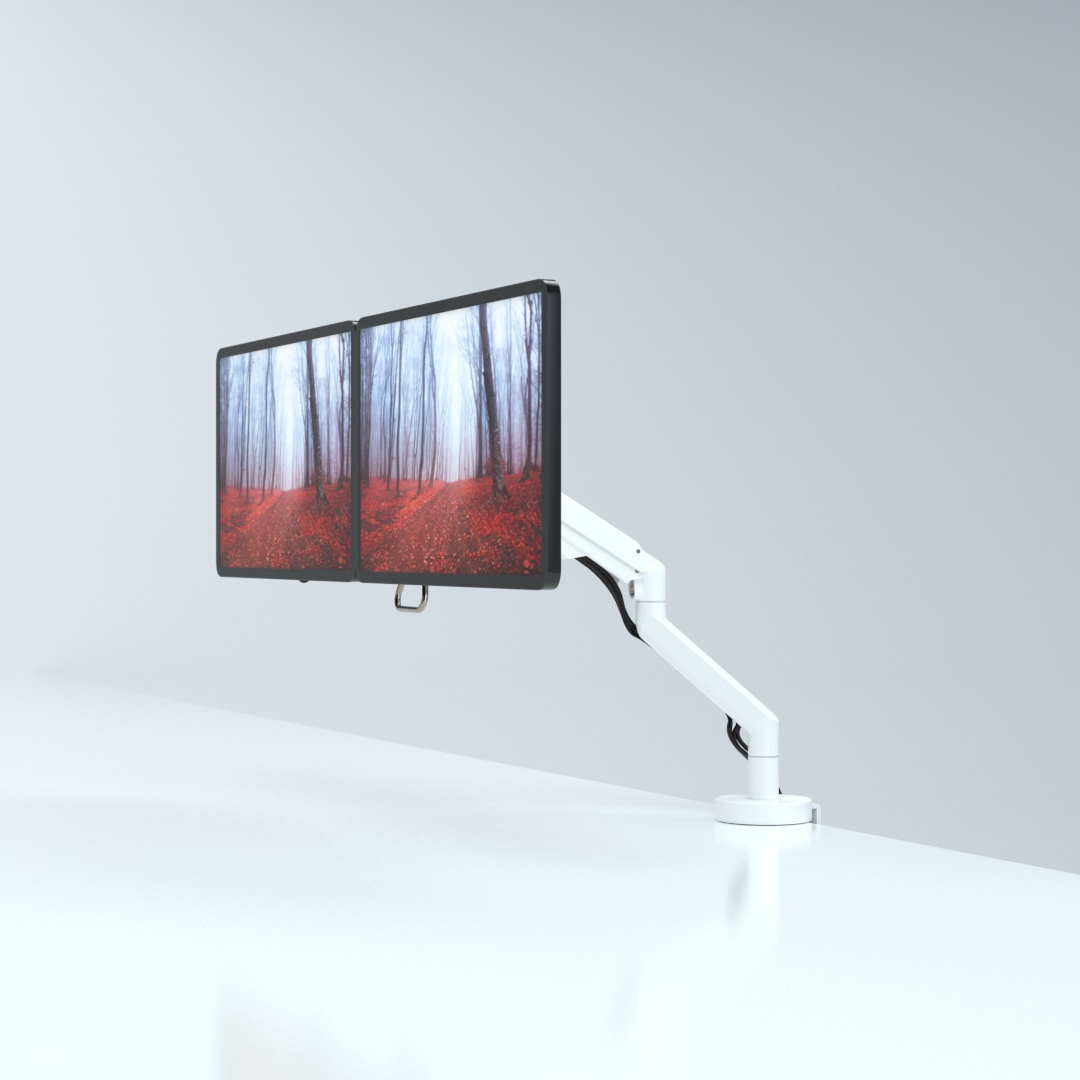
CMD Ltd DEMONSTRATES THE ART OF POWER DISTRIBUTION AT THE UNIVERSITY OF WARWICK

CMD Ltd, the specialist in workplace connectivity and ergonomic solutions, has provided Betatrak busbar power distribution and a range of electrical accessories for two major capital investment projects at the University of Warwick. Designed by Fielden Clegg Bradley Studios, the £33 million Faculty of Arts building is a showpiece development comprising four interconnected structures set around a central atrium, which will enable inter-disciplinary collaboration across...

Read more

University of Warwick
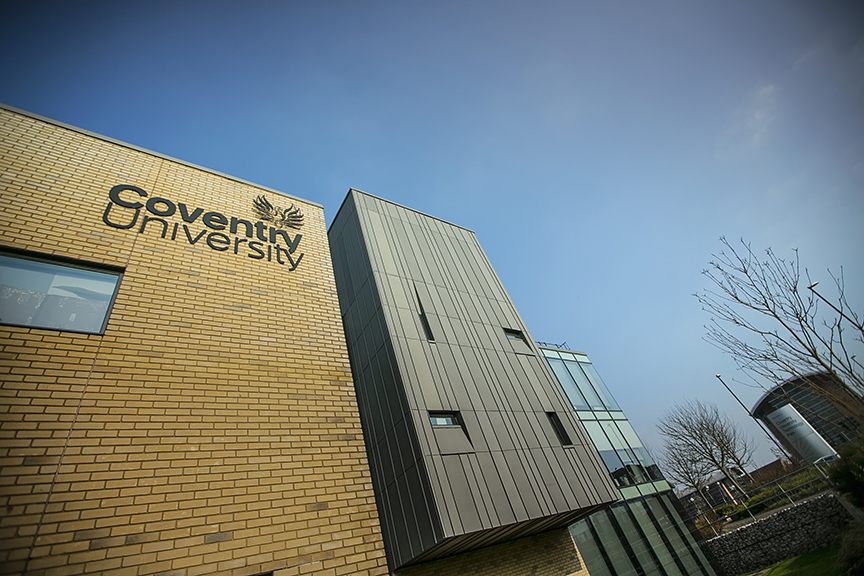
CMD BRINGS HARMONY TO COVENTRY UNIVERSITY RESEARCH FACILITIES

CMD Ltd, the specialist in power distribution solutions and workstation power and ergonomics, has provided under desk and on desk power modules for the refurbishment of three Coventry University research buildings. Located on Coventry University Technology Park, a business park designed to encourage collaboration between the university and knowledge-based businesses, the three buildings are being repurposed as office accommodation for university research teams. The refurbishment...

Read more
Coventry University

What is a Laser Cutting Machine and How Does it Work?

The laser cutting machine has revolutionized manufacturing. According to a report by the International Industry Association, the laser cutting market is expected to reach $5 billion by 2025. This growth highlights a shift towards precision and efficiency in production processes.

Experts like Dr. John Smith, a leading researcher in laser technology, state, “The laser cutting machine is a game-changer in modern manufacturing.” This technology allows for intricate designs and complex geometries. However, the reliance on advanced machinery raises questions about workforce adaptation and skill gaps.

Despite the benefits, not all businesses can access laser cutting technologies. Cost implications remain a concern for smaller companies. Additionally, some may overlook regular maintenance, which can lead to inefficiencies. As the industry evolves, it’s crucial to address these challenges.

What is a Laser Cutting Machine and How Does it Work?

What is a Laser Cutting Machine?

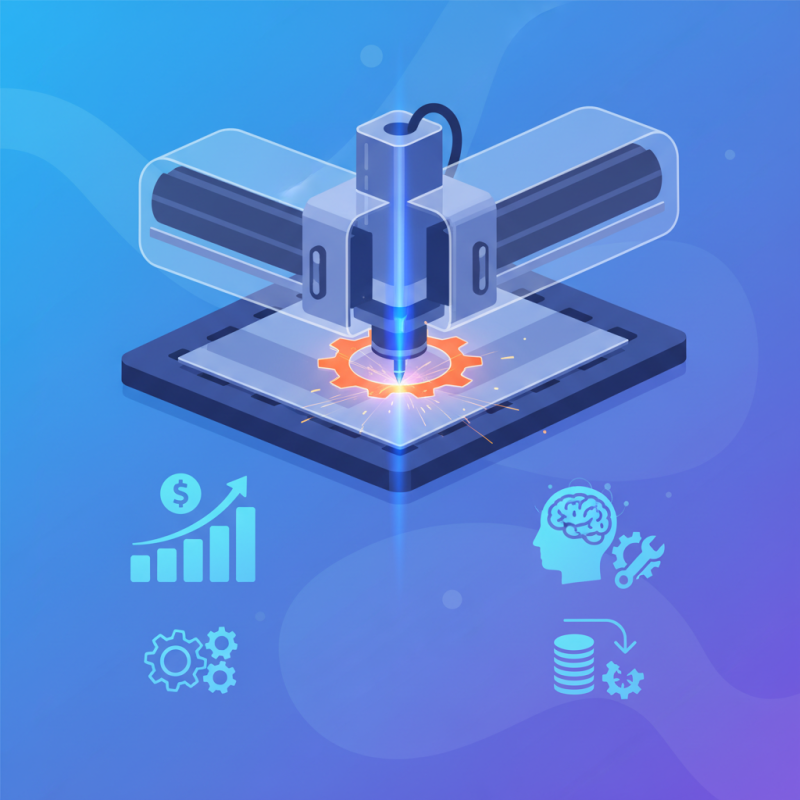
A laser cutting machine is a tool that uses a laser beam to cut materials. It works by focusing light into a small spot, generating heat that melts or vaporizes the material. This method is precise and efficient, making it a popular choice in industries like manufacturing and design.

Laser cutting offers several advantages. According to a recent industry report, the global laser cutting market will reach $7 billion by 2026. This growth highlights the effectiveness of laser systems in producing intricate designs with minimal waste. The technology can cut metals, plastics, and wood, adapting to various applications.

Tips: Ensure proper safety measures. The laser beam is powerful and can cause burns. Regular maintenance of the machine is crucial. It helps maintain optimal performance and prevents downtime.

The versatility of laser cutting is impressive. However, it’s worth noting that high initial costs can be a barrier for some businesses. Operators need training to handle the machine safely. While precise, the process may not suit every material or thickness.

Laser Cutting Machine: Performance by Material Type

The History and Evolution of Laser Cutting Technology

Laser cutting technology has a fascinating history. It began in the 1960s. Early machines were simple and not widely used. Researchers explored the potential of lasers for cutting materials like metals and plastics. At first, the technology was limited. The early lasers were bulky and expensive. Many industries didn't consider them practical.

Over the years, laser cutting evolved significantly. By the 1980s, advancements made the machines more compact and efficient. The introduction of computer control changed everything. Precision improved, allowing intricate designs. By the 1990s, laser cutting became more mainstream. More industries adopted it for its speed and accuracy. Yet, some challenges remained. Costs of maintenance and training were barriers.

In recent times, innovations have focused on making laser machines even more user-friendly. This includes software that simplifies operations. However, not every business embraces this technology. Some hesitate due to the initial investment. Reflection on these choices is essential. The evolution of laser cutting invites us to consider its role in modern manufacturing.

How Laser Cutting Machines Function: Principles and Components

Laser cutting machines operate on the principles of focused light and precise motion. A laser beam is generated through a process called stimulated emission. This beam is then focused onto the material, allowing it to heat rapidly and vaporize or melt. The precision of laser cutting makes it ideal for complex designs. According to market reports, the global laser cutting machine market size was valued at over $3 billion in 2021 and is projected to grow significantly.

The main components of a laser cutting machine include the laser source, optical system, and motion control system. The laser source can be fiber, CO2, or YAG, each with distinct applications. The optical system directs the laser beam towards the material. Advanced systems often use a computer numerical control (CNC) for intricate designs. In recent studies, it is noted that while laser cutting is efficient, it can produce heat-affected zones leading to material distortion.

Operators face challenges such as maintenance and setup time. Misalignments can lead to decreased cut quality. Moreover, some materials can be difficult to cut accurately, resulting in waste. The need for skilled personnel is evident. Training and safety protocols are crucial but sometimes overlooked. Balancing speed and precision remains a constant challenge in the industry.

Applications of Laser Cutting in Various Industries

Laser cutting technology has found its way into a variety of industries. In the manufacturing sector, it is often used for cutting metals and plastics. This precision technique allows for intricate designs and details. It reduces waste material, which is a significant benefit. However, the setup process can be time-consuming. It's essential to ensure the machine is calibrated correctly to avoid inaccuracies.

In the textile industry, laser cutting offers unique applications. Fabrics can be cut into complex shapes and patterns efficiently. This method minimizes fraying, which is commonly seen with traditional cutting tools. Yet, there is a learning curve for operators. They need to understand how different materials react to the laser.

The automotive industry also utilizes laser cutting. It aids in producing parts with high precision, essential for safety and functionality. While the technology allows for rapid production, over-reliance on automation can lead to challenges. Human oversight remains crucial to prevent errors in production.

Advantages and Limitations of Using Laser Cutting Machines

Laser cutting machines revolutionize manufacturing with their precision and speed. They can cut intricate patterns and designs with ease. The technology uses a focused beam of light to melt or vaporize materials. This method is efficient for various materials, including metals, plastics, and wood.

However, there are limitations to consider. One major drawback is the initial investment cost, which can be high. A report from the International Laser Marketplace indicates that cutting machines can cost anywhere from $10,000 to over $500,000, depending on their capabilities. Maintenance costs can also add up over time.

Another concern is the heat-affected zone. This zone can cause material distortion, affecting the final product's quality. For delicate materials, this may lead to unwanted outcomes. Moreover, while laser cutting offers high precision, it can struggle with very thick materials. Users might need to assess their specific needs carefully before investing in this technology.

What is a Laser Cutting Machine and How Does it Work? - Advantages and Limitations of Using Laser Cutting Machines

Feature Details
Technology Type CO2 Laser, Fiber Laser, YAG Laser
Materials Commonly Cut Metal, Wood, Acrylic, Plastics, Fabric
Cutting Thickness Up to 25 mm for metals, 20 mm for plastics
Precision Up to ±0.1 mm
Advantages High precision, Versatility, Non-contact process, Minimal material wastage
Limitations Higher initial cost, Limited speed on thicker materials, Safety concerns due to high power
Typical Applications Sign making, Sheet metal fabrication, Automotive parts, Aerospace components