

News

Miro: A New Standard in Responsible Innovation

Miro: A New Standard in Responsible Innovation The Miro monitor arm is setting new benchmarks in sustainability. It offers a high-performance solution without compromising on environmental responsibility. Designed with careful material selection, local sourcing, and longevity in mind, Miro’s responsible approach to design and unique manoeuvrability set it apart from the competition. Sustainable Choices Miro is crafted from energy-efficient materials with a lower carbon impact....

Read more
HSE Advisor

Role Purpose Support in the development, implementation and maintenance of the company’s Health, Safety & Environmental policies, processes, operational procedures, and standards.  Ensuring best practice and championing a continually improving HSE culture within the business. Key Responsibilities Liaise with and provide support to all areas of the business to eliminate, mitigate or reduce identified HSE exposures. Partner with the production management team and team leaders,...

Read more
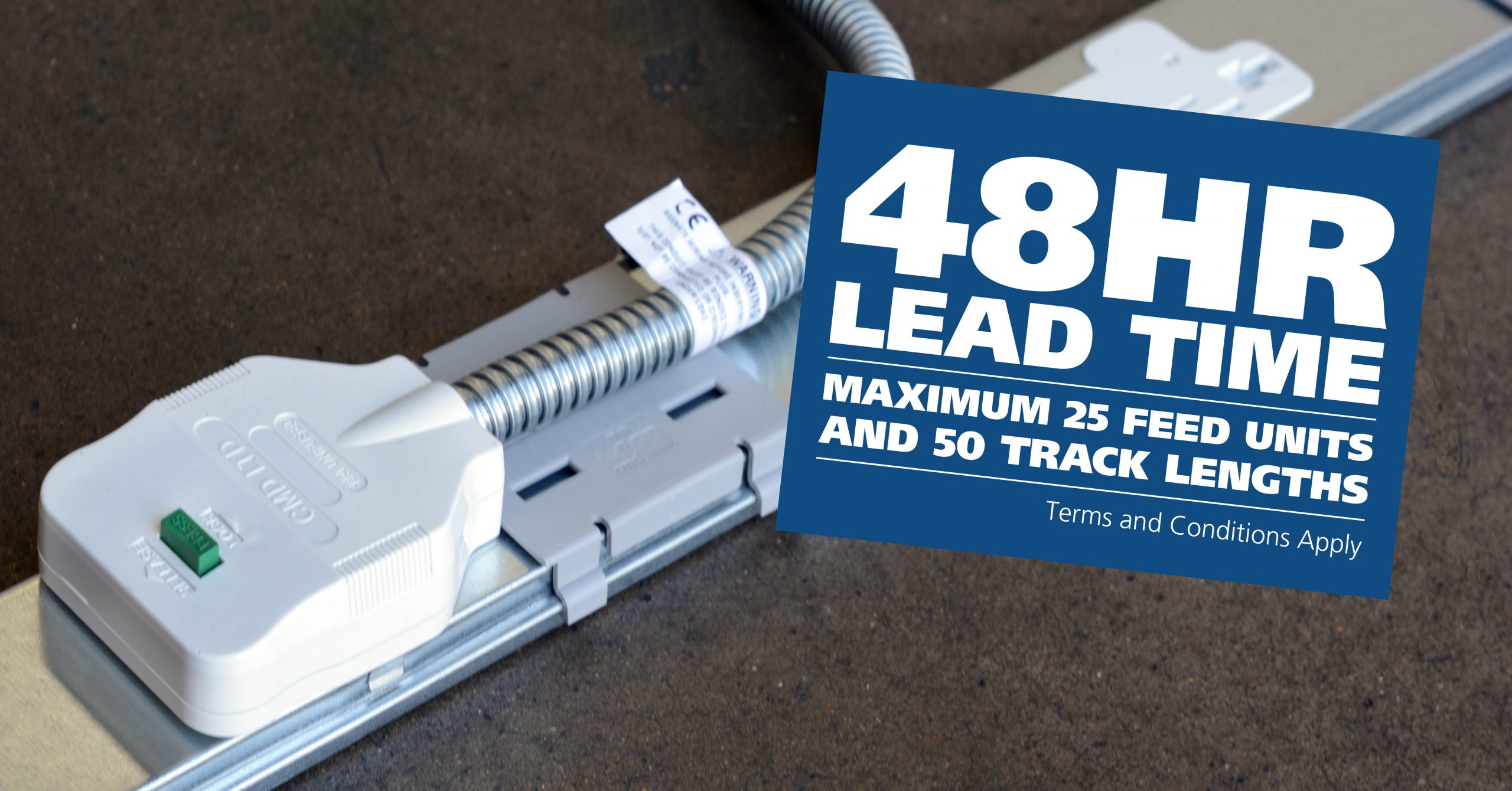
CMD Ltd LAUNCHES 48-HOUR TURNAROUND ON BETATRAK® RAPID ORDERING SERVICE

CMD Ltd, the specialist in power distribution systems, workstation power and monitor arms, has launched a rapid ordering service for its Betatrak® underfloor powertrack distribution systems and accessories, with a commitment to delivering within 48-hours of an approved purchase order*. The service enables customers to order up to 50 lengths of Standard or Clean Earth (C/E) low noise Betatrak, along with up to 25 feed...

Read more
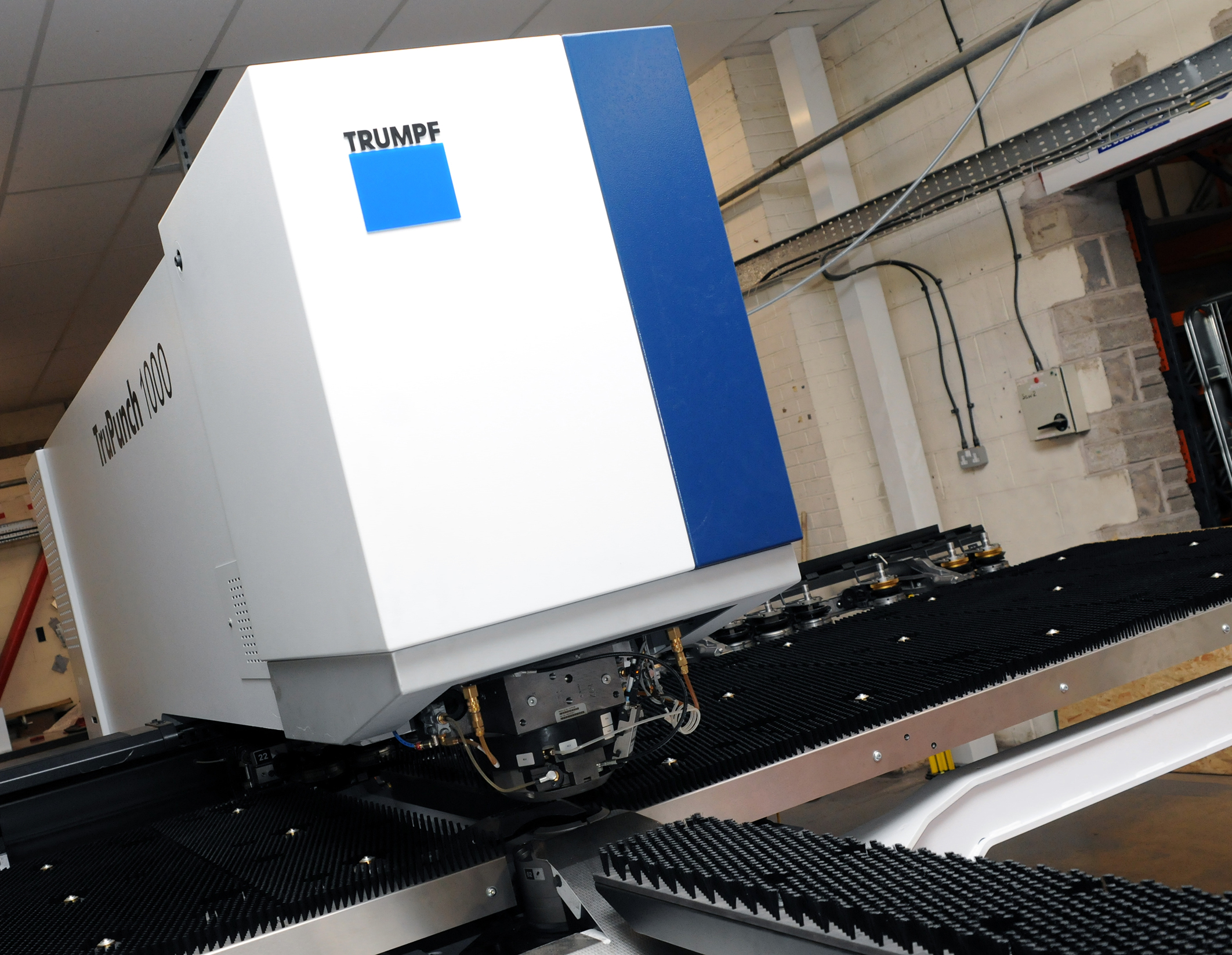
CMD INVESTS £1/4 MILLION IN NEW MACHINE AS PART OF FACTORY UPGRADE

We have invested in a new £1/4m TRUMPF CNC metal punch as part of an asset renewal strategy for our UK manufacturing capability. The new machine will be used in the production of a wide variety of our power distribution systems and workstation power products at our Rotherham factory. Suitable for handling sheet metal between 0.9mm and 3.0mm thick, the new machine will replace one...

Read more
CMD CATALOGUE PROVIDES TECHNICAL POWER DISTRIBUTION GUIDE

CMD Ltd has released a new catalogue, providing an easy to follow technical guide to our power distribution systems and plug and play desk modules. Detailing CMD’s full range of UK-manufactured power distribution systems and plug and play desk modules, the catalogue will be a helpful source of information to M&E engineers and contractors alike to understand how our power distribution systems connect together and...

Read more
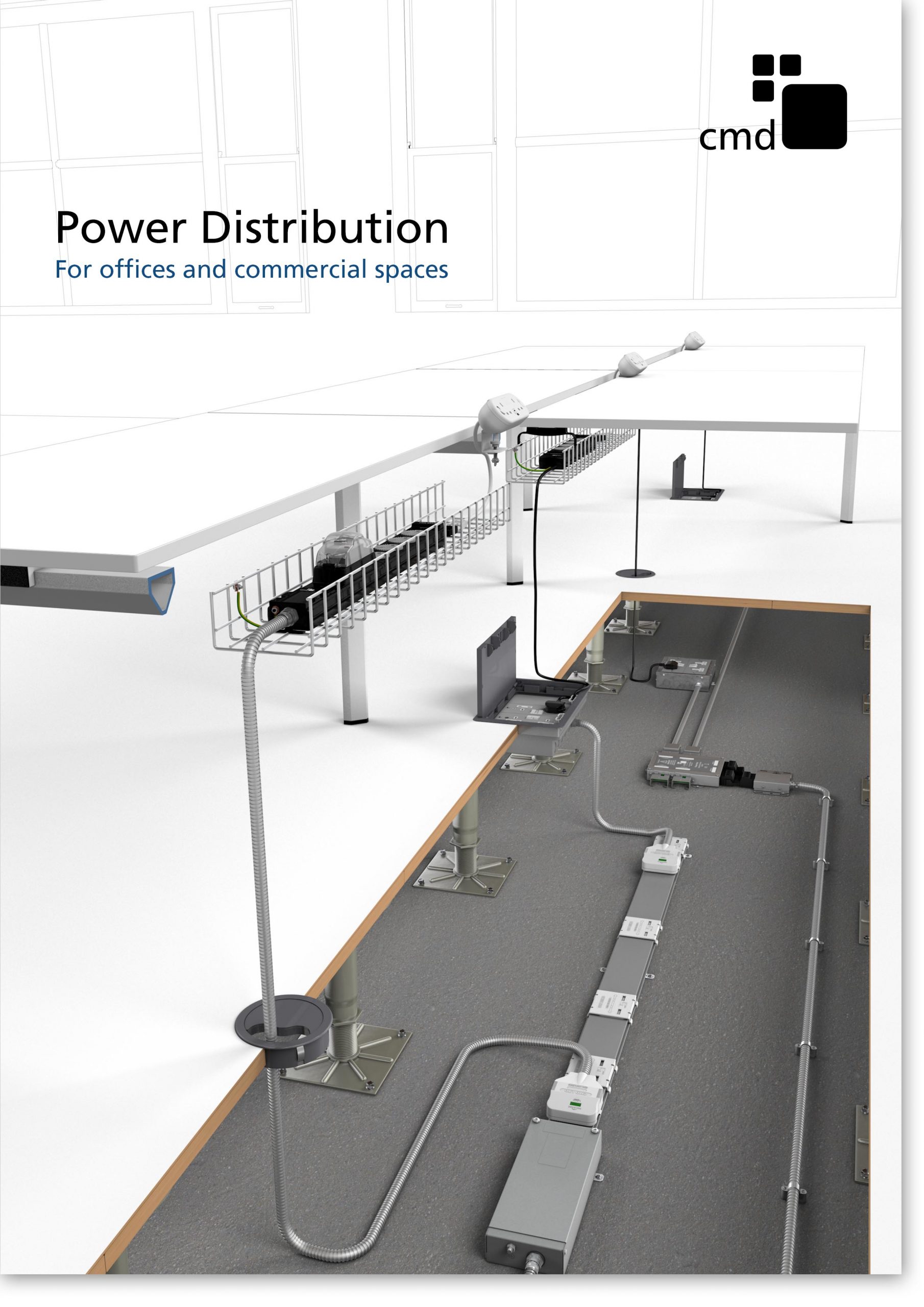
Power Distribution Catalogue
CMD Ltd PLAYS ESSENTIAL ROLE IN ELECTRICAL FIT OUT AT LONDON’S PRESTIGIOUS OFFICE DEVELOPMENT

CMD Ltd, specialist in workplace connectivity and ergonomic solutions, has provided a flexible and high-quality power distribution network for The Ray, a prestigious office development in London’s Farringdon. Well-known for being the former site of The Guardian newspaper, The Ray now stands as an 83,000ft² office development characterised by a modernised warehouse aesthetic, with level two now occupied by a global social media company. The...

Read more

The Ray
CMD plugs in to european opportunity with Schuko Capsule unit launch

CMD Ltd, the specialist in power and connectivity solutions for commercial environments, has launched a Schuko version of its popular fixed format Capsule workstation power module for export to mainland Europe and beyond. A popular on desk power module comprising two sockets and dual USB (type A and C) chargers, CMD’s Capsule unit is already widely specified in the UK as an off-the-shelf workstation power...

Read more
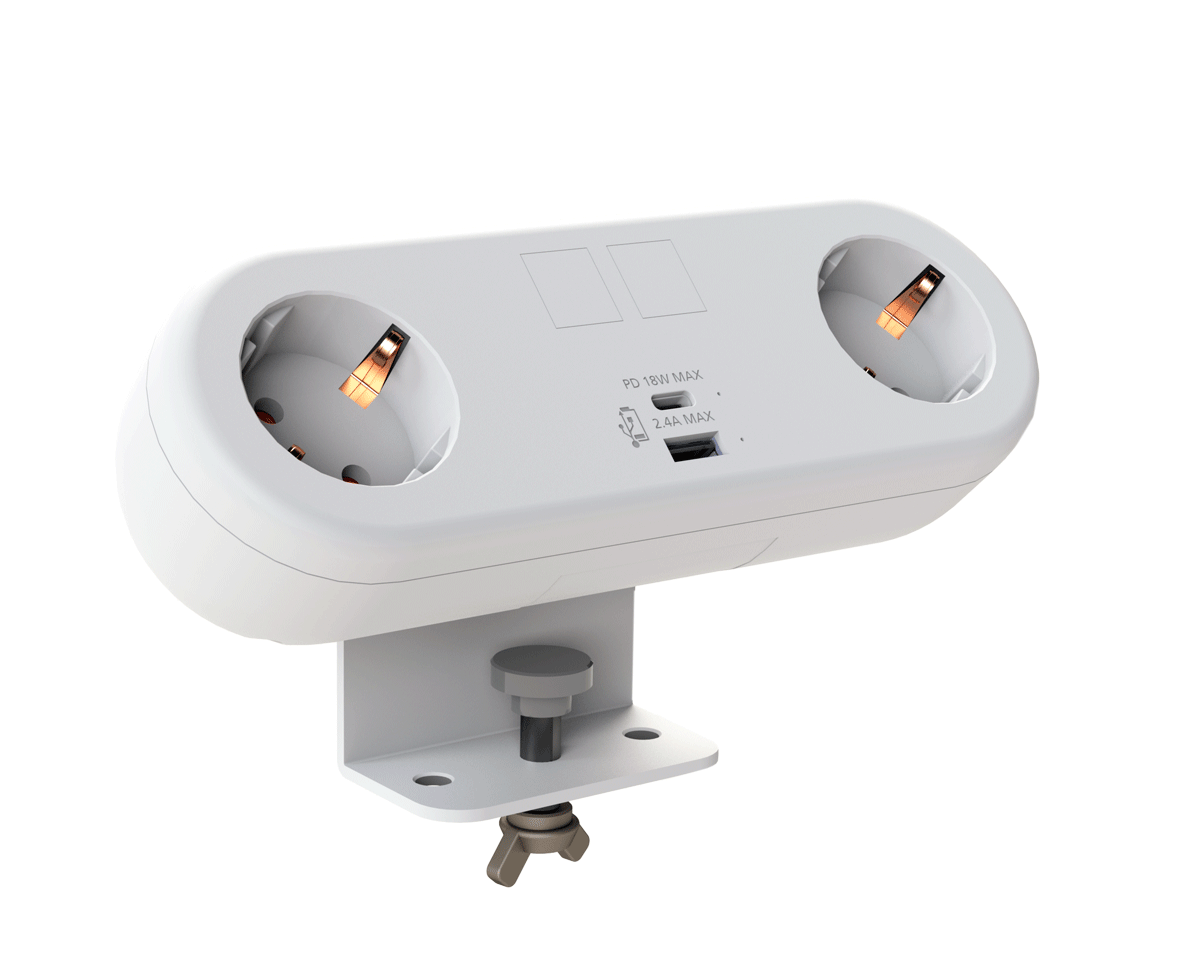
CMD White Schuko Capsule Desk Power Module
CMD LTD EXTENDS MONITOR ARM RANGE WITH THE LAUNCH OF REACH PLUS

CMD Ltd, the specialist in ergonomic and connectivity solutions for commercial interiors, has completed its Reach monitor arm range with the launch of the Reach Plus. Available in single or dual screen options, the Reach Plus has been designed to provide an ideal solution for both single and dual screen workstation configurations, or can be used with next generation of large format curved screens. Suitable...

Read more

CMD Ltd DEMONSTRATES THE ART OF POWER DISTRIBUTION AT THE UNIVERSITY OF WARWICK

CMD Ltd, the specialist in workplace connectivity and ergonomic solutions, has provided Betatrak busbar power distribution and a range of electrical accessories for two major capital investment projects at the University of Warwick. Designed by Fielden Clegg Bradley Studios, the £33 million Faculty of Arts building is a showpiece development comprising four interconnected structures set around a central atrium, which will enable inter-disciplinary collaboration across...

Read more

University of Warwick
CMD BRINGS HARMONY TO COVENTRY UNIVERSITY RESEARCH FACILITIES

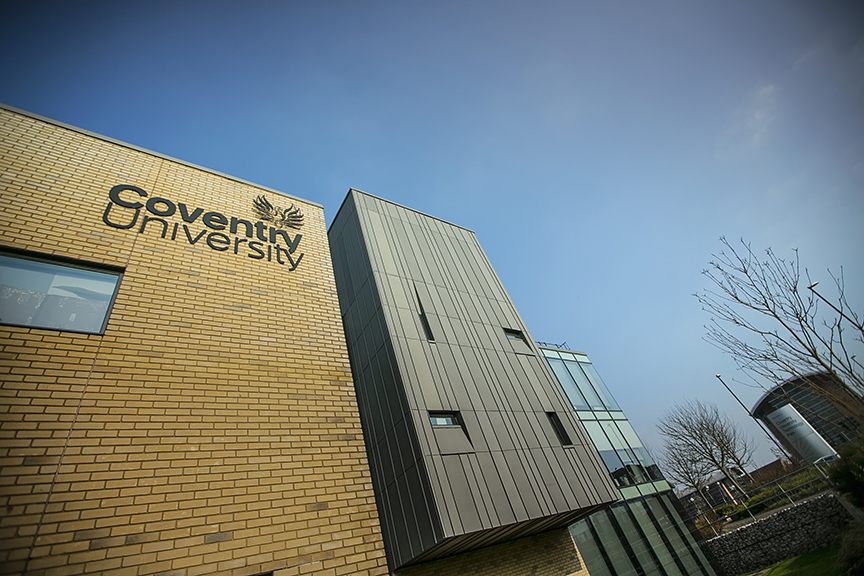
CMD Ltd, the specialist in power distribution solutions and workstation power and ergonomics, has provided under desk and on desk power modules for the refurbishment of three Coventry University research buildings. Located on Coventry University Technology Park, a business park designed to encourage collaboration between the university and knowledge-based businesses, the three buildings are being repurposed as office accommodation for university research teams. The refurbishment...

Read more
Coventry University

What Are the Key Components of an Electrical Substation?

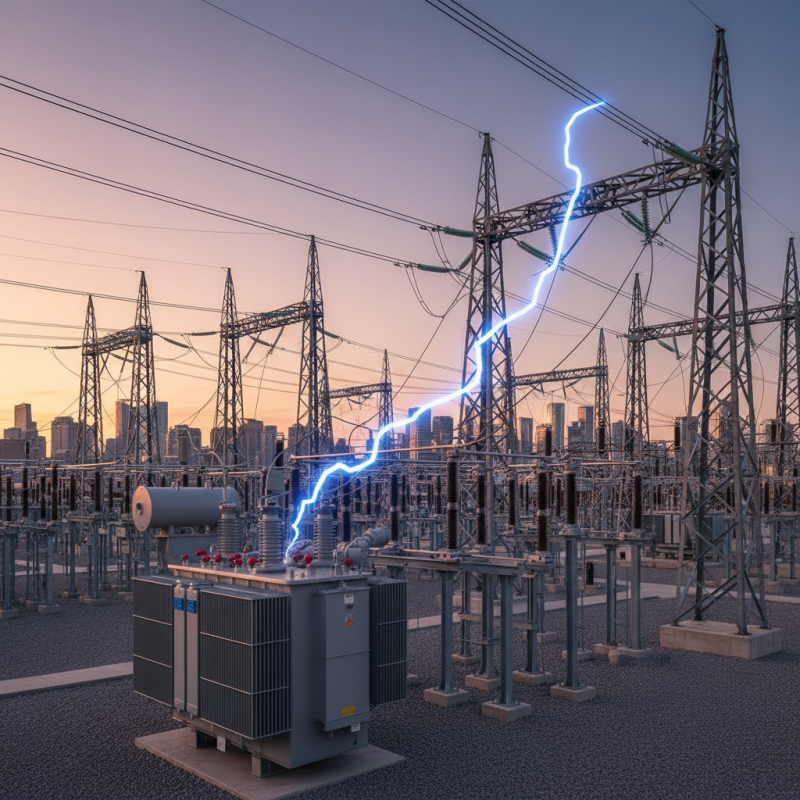
An Electrical Substation plays a crucial role in the power distribution system. It transforms high-voltage electricity from transmission lines to a lower voltage for consumer use. According to the U.S. Energy Information Administration, there are over 55,000 substations across the United States alone, reflecting their importance in our energy infrastructure.

These facilities include key components like transformers, circuit breakers, and busbars. Each element serves a specific function, ensuring efficient power flow while maintaining safety. However, many older substations face challenges related to outdated technology. This situation raises concerns about reliability and efficiency in meeting modern energy demands.

The evolution of smart grid technology highlights the need for upgrades in electrical substations. Proper maintenance and innovation are essential to ensure these facilities operate optimally. Yet, investment in such upgrades often lags, questioning whether our infrastructure can keep pace with future energy needs.

What Are the Key Components of an Electrical Substation?

Key Functions of an Electrical Substation in Power Distribution

Electrical substations play a crucial role in power distribution networks. They serve as key nodes that help manage the flow of electricity from generation to consumers. One main function is voltage transformation. High voltages generated at power plants must be lowered for safe distribution to homes and businesses. This is achieved using transformers within the substation.

Another important function is switching. Substations can route electricity to different lines based on demand. This flexibility ensures that power can be redirected in emergencies or during maintenance. Additionally, substations monitor electrical flow and quality. They utilize advanced meters and sensors, providing real-time data essential for maintaining a stable network.

Despite their importance, there can be challenges in substation management. Equipment failures can occur, leading to outages. Human error in operations may also disrupt power distribution. Continuous training and updates in technology can help mitigate these risks. Realizing these potential shortcomings is vital for improving overall system reliability.

Essential Components: Transformer's Role in Power Conversion

Transformers are critical to the operation of electrical substations. They serve to convert voltage levels, ensuring that electricity is transmitted efficiently over long distances. According to the U.S. Energy Information Administration, transformers can help reduce transmission losses by up to 30%, making them essential for energy efficiency. The ability to step up voltage for high-voltage transmission minimizes energy waste and maximizes the delivery of power to urban centers.

However, transformers are not without challenges. Over time, they can suffer from insulation breakdown, overheating, and even mechanical failures. The International Energy Agency reports that regular maintenance can prevent up to 95% of transformer failures. Investing in advanced monitoring technologies can help identify issues early, yet many facilities still rely on outdated maintenance schedules. This gap in modern practices highlights a significant area for improvement in substation management.

The environmental impact of transformers is also a growing concern. Many transformers contain mineral oil, which poses environmental risks if leakage occurs. In response, some utilities are transitioning to environmentally friendly alternatives, like esters. Despite these advancements, ignorance about maintenance and environmental responsibilities continues to persist in the industry. Addressing these issues is vital for the sustainable future of power distribution.

Switchgear and Circuit Breakers: Ensuring Electrical Safety

Switchgear and circuit breakers play a crucial role in electrical substations. They ensure electrical systems operate safely and efficiently. Switchgear connects different segments of an electrical system. Its main job is to control, protect, and isolate electrical equipment. This action helps prevent damage during faults. When lightning strikes or equipment malfunctions, switchgear steps in. It manages these unexpected challenges.

Circuit breakers are essential companions to switchgear. They automatically cut off power during faults. This quick response minimizes the risk of fires or equipment damage. However, circuit breakers have limitations. They can wear out over time and may malfunction. Regular maintenance is vital. Operators must test and inspect these devices frequently.

The reliability of these systems is paramount for safety. Yet, human error can also occur. Sometimes, operators may overlook faults or maintenance schedules. This oversight can lead to severe consequences. Training and education are crucial to ensure effective use. Operators should understand the complexities involved. This knowledge can help in making informed decisions.

Busbars and Connectors: Facilitating Power Flow and Distribution

In an electrical substation, busbars and connectors play a crucial role in facilitating power flow and distribution. Busbars serve as the backbone, transmitting electricity from the incoming lines to various outgoing circuits. These conductive bars are essential for managing high current levels efficiently. According to a report by the International Energy Agency, the global demand for electricity is expected to rise significantly, making the reliability of busbars even more critical.

Connectors, on the other hand, ensure the safe link between components and equipment. They allow for flexibility in design and ease of maintenance. A study by the Electric Power Research Institute highlighted that nearly 30% of power interruptions are due to connector failings. Thus, selecting high-quality and robust connectors is paramount for maintaining uninterrupted service.

However, not all installations are flawless. Issues such as thermal expansion and corrosion can lead to performance inefficiencies. Observations indicate that over 20% of substations have tripped circuits due to connector problems. This reveals an ongoing challenge in ensuring reliability and longevity in electrical infrastructure. Engineers must continually assess components to enhance performance while addressing these common pitfalls.

Control Systems: Monitoring and Managing Substation Operations

Control systems are crucial in electrical substations. They monitor and manage operations seamlessly. These systems help maintain consistent power flow and enhance reliability. By using advanced sensors and data analytics, operators can track performance in real time.

Tips for choosing control systems: focus on scalability. Your system should grow with your needs. Ensure it can integrate with existing infrastructure and technology. Keeping this in mind can prevent costly upgrades later.

Another important aspect is cybersecurity. Substations are vulnerable to attacks. A robust control system should have built-in security features. Regular software updates are essential. This ongoing maintenance can deter potential threats and ensure safe operations. Aim for a solution that prioritizes both efficiency and security.