

News

Miro: A New Standard in Responsible Innovation

Miro: A New Standard in Responsible Innovation The Miro monitor arm is setting new benchmarks in sustainability. It offers a high-performance solution without compromising on environmental responsibility. Designed with careful material selection, local sourcing, and longevity in mind, Miro’s responsible approach to design and unique manoeuvrability set it apart from the competition. Sustainable Choices Miro is crafted from energy-efficient materials with a lower carbon impact....

Read more
HSE Advisor

Role Purpose Support in the development, implementation and maintenance of the company’s Health, Safety & Environmental policies, processes, operational procedures, and standards.  Ensuring best practice and championing a continually improving HSE culture within the business. Key Responsibilities Liaise with and provide support to all areas of the business to eliminate, mitigate or reduce identified HSE exposures. Partner with the production management team and team leaders,...

Read more
CMD Ltd LAUNCHES 48-HOUR TURNAROUND ON BETATRAK® RAPID ORDERING SERVICE

CMD Ltd, the specialist in power distribution systems, workstation power and monitor arms, has launched a rapid ordering service for its Betatrak® underfloor powertrack distribution systems and accessories, with a commitment to delivering within 48-hours of an approved purchase order*. The service enables customers to order up to 50 lengths of Standard or Clean Earth (C/E) low noise Betatrak, along with up to 25 feed...

Read more

CMD INVESTS £1/4 MILLION IN NEW MACHINE AS PART OF FACTORY UPGRADE

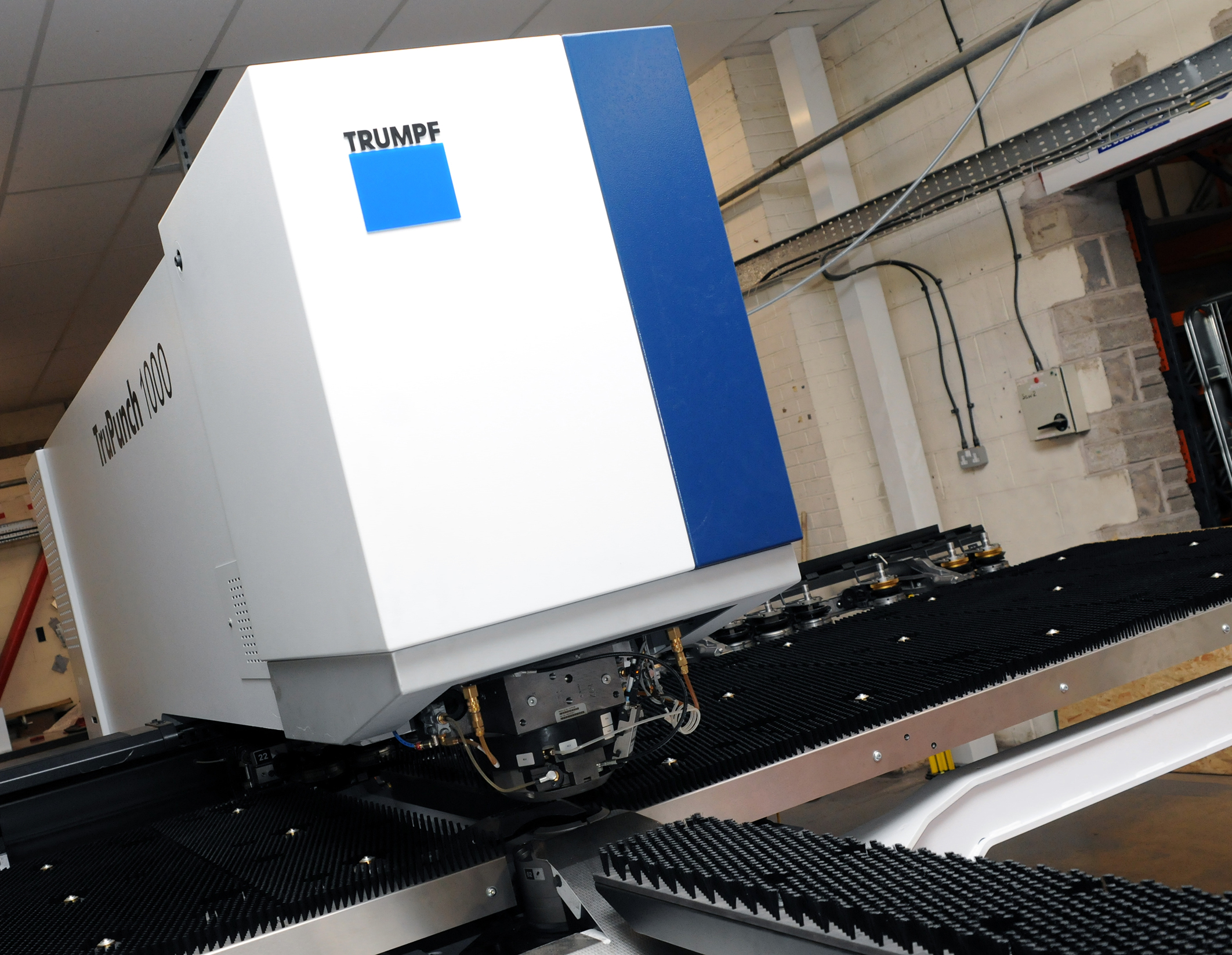
We have invested in a new £1/4m TRUMPF CNC metal punch as part of an asset renewal strategy for our UK manufacturing capability. The new machine will be used in the production of a wide variety of our power distribution systems and workstation power products at our Rotherham factory. Suitable for handling sheet metal between 0.9mm and 3.0mm thick, the new machine will replace one...

Read more
CMD CATALOGUE PROVIDES TECHNICAL POWER DISTRIBUTION GUIDE

CMD Ltd has released a new catalogue, providing an easy to follow technical guide to our power distribution systems and plug and play desk modules. Detailing CMD’s full range of UK-manufactured power distribution systems and plug and play desk modules, the catalogue will be a helpful source of information to M&E engineers and contractors alike to understand how our power distribution systems connect together and...

Read more

Power Distribution Catalogue
CMD Ltd PLAYS ESSENTIAL ROLE IN ELECTRICAL FIT OUT AT LONDON’S PRESTIGIOUS OFFICE DEVELOPMENT

CMD Ltd, specialist in workplace connectivity and ergonomic solutions, has provided a flexible and high-quality power distribution network for The Ray, a prestigious office development in London’s Farringdon. Well-known for being the former site of The Guardian newspaper, The Ray now stands as an 83,000ft² office development characterised by a modernised warehouse aesthetic, with level two now occupied by a global social media company. The...

Read more

The Ray
CMD plugs in to european opportunity with Schuko Capsule unit launch

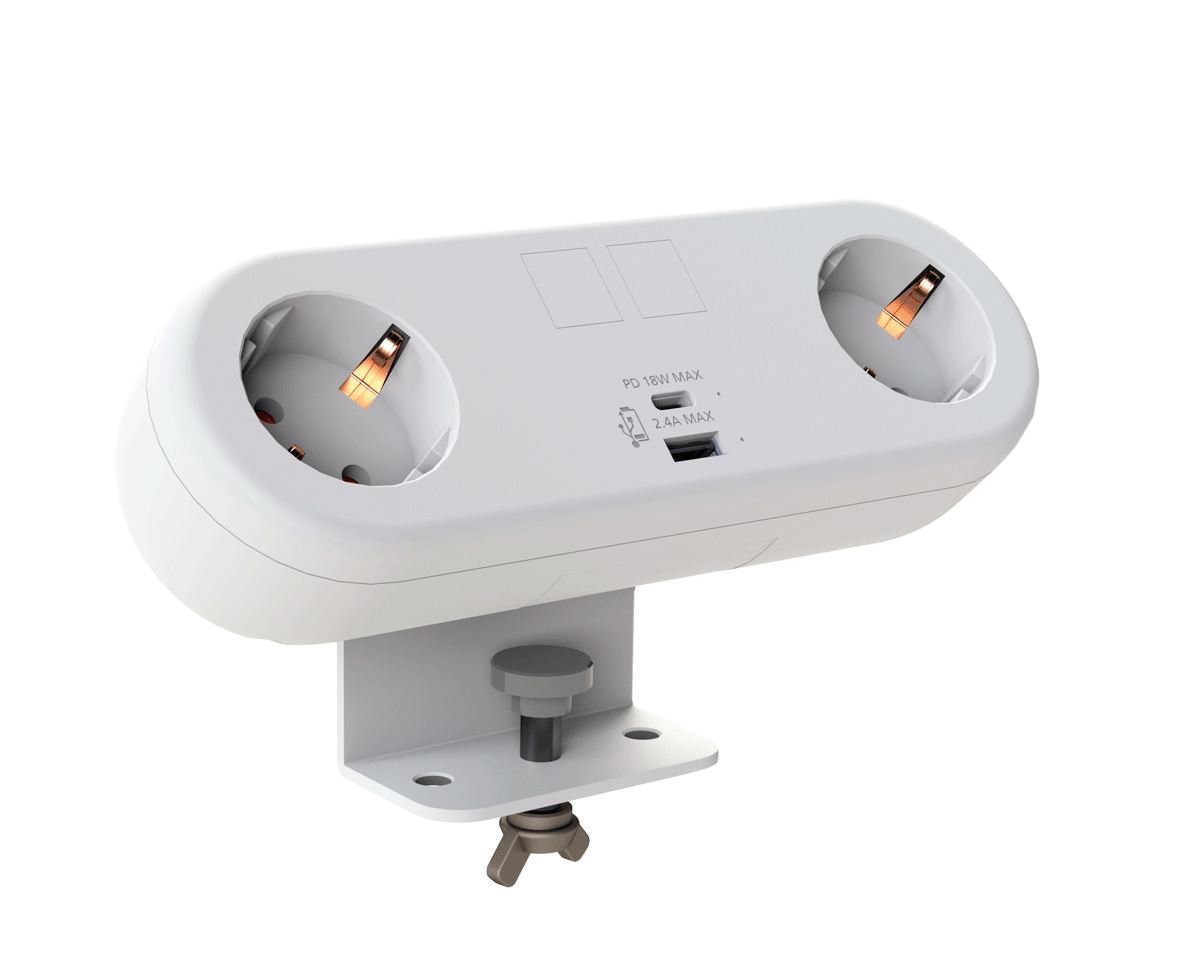
CMD Ltd, the specialist in power and connectivity solutions for commercial environments, has launched a Schuko version of its popular fixed format Capsule workstation power module for export to mainland Europe and beyond. A popular on desk power module comprising two sockets and dual USB (type A and C) chargers, CMD’s Capsule unit is already widely specified in the UK as an off-the-shelf workstation power...

Read more
CMD White Schuko Capsule Desk Power Module
CMD LTD EXTENDS MONITOR ARM RANGE WITH THE LAUNCH OF REACH PLUS

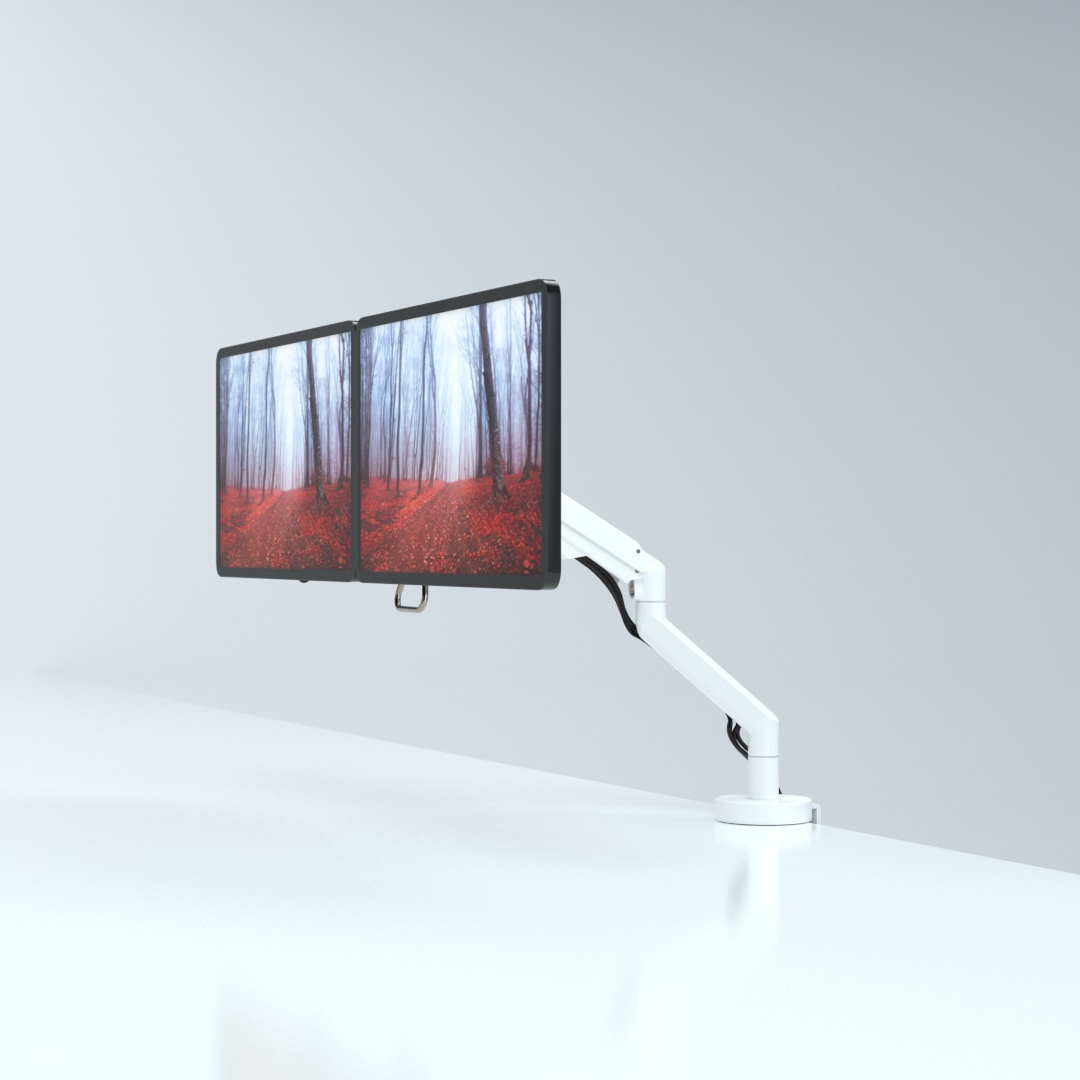
CMD Ltd, the specialist in ergonomic and connectivity solutions for commercial interiors, has completed its Reach monitor arm range with the launch of the Reach Plus. Available in single or dual screen options, the Reach Plus has been designed to provide an ideal solution for both single and dual screen workstation configurations, or can be used with next generation of large format curved screens. Suitable...

Read more
CMD Ltd DEMONSTRATES THE ART OF POWER DISTRIBUTION AT THE UNIVERSITY OF WARWICK

CMD Ltd, the specialist in workplace connectivity and ergonomic solutions, has provided Betatrak busbar power distribution and a range of electrical accessories for two major capital investment projects at the University of Warwick. Designed by Fielden Clegg Bradley Studios, the £33 million Faculty of Arts building is a showpiece development comprising four interconnected structures set around a central atrium, which will enable inter-disciplinary collaboration across...

Read more

University of Warwick
CMD BRINGS HARMONY TO COVENTRY UNIVERSITY RESEARCH FACILITIES

CMD Ltd, the specialist in power distribution solutions and workstation power and ergonomics, has provided under desk and on desk power modules for the refurbishment of three Coventry University research buildings. Located on Coventry University Technology Park, a business park designed to encourage collaboration between the university and knowledge-based businesses, the three buildings are being repurposed as office accommodation for university research teams. The refurbishment...

Read more

Coventry University

What Are the Key Applications of Infrared Optics?

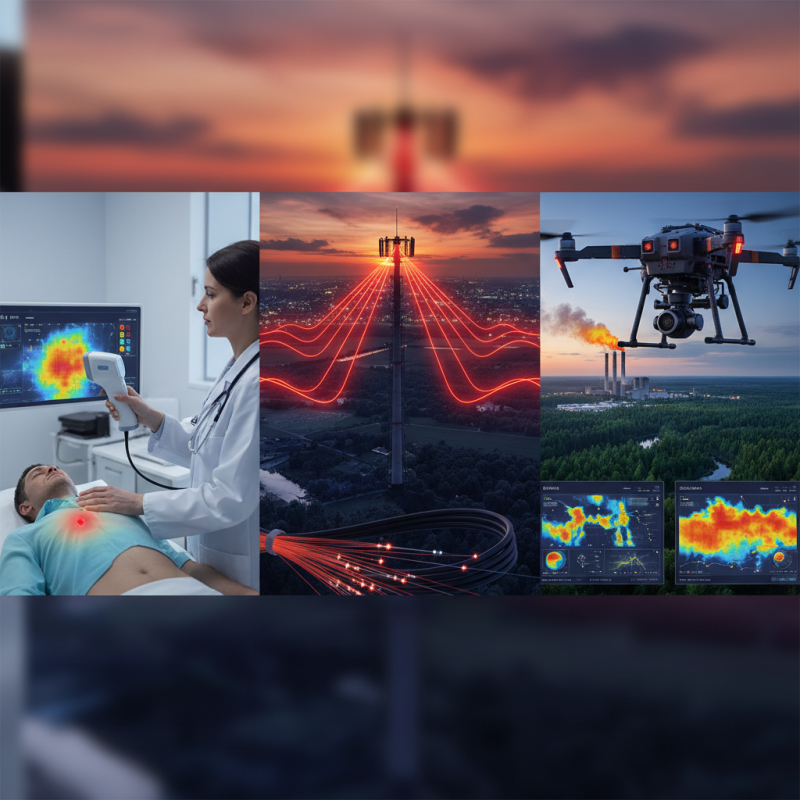
Infrared Optics plays a crucial role in various fields today. These applications range from medical imaging to environmental monitoring. The technology harnesses infrared light for numerous uses, making it essential in contemporary science and industry.

In the medical field, infrared optics aids in diagnostics. For example, it helps detect tumors and monitor inflammation through non-invasive imaging. In the realm of telecommunications, this technology enhances data transmission over long distances. Infrared optics ensures stable communication channels, even in challenging conditions.

Environmental applications are also significant. Infrared optics is used to monitor climate changes and detect pollutants. Yet, understanding its potential requires ongoing research and development. As industries evolve, reflecting on the limitations of current technologies will lead to improvements. Embracing these challenges will shape the future of infrared optics applications.

What Are the Key Applications of Infrared Optics?

Key Applications of Infrared Optics in Military Technology

Infrared optics play a vital role in modern military technology. They enhance surveillance and target acquisition. Night vision systems use infrared sensors to detect heat emitted from objects. This capability allows troops to operate effectively in low-light conditions. Additionally, infrared optics support precision-guided munitions, enabling accurate strikes even in adverse weather.

Military applications extend to reconnaissance drones. These devices rely on infrared imaging to gather intelligence covertly. They can fly at high altitudes, maintaining a safe distance from threats. This technology enhances situational awareness, informing decision-making processes during missions.

Tips: Regular training helps personnel maximize the use of infrared systems. Understanding the limitations of infrared imaging is crucial. It can't penetrate certain materials, which may lead to missed targets. Mistakes in interpreting infrared data can also occur, so clarity is essential.

Infrared Optics in Medical Diagnostics and Treatment

Infrared optics play a critical role in modern medical diagnostics and treatment. They enable non-invasive imaging techniques, such as infrared spectroscopy. This technology helps in identifying various tissue types, aiding in cancer detection and monitoring. A key advantage is its ability to provide real-time data, which enhances decision-making for healthcare professionals.

Tips: Ensure your equipment is calibrated regularly. Accurate readings can significantly impact patient care.

Moreover, infrared imaging is utilized in therapeutic applications. For example, it helps in monitoring blood flow and detecting inflammation. These insights allow doctors to tailor treatments effectively. Infrared light can also be used in therapies like photobiomodulation, which promotes wound healing.

Tips: Always consider patient comfort. Proper wavelengths can enhance therapy effectiveness without causing discomfort.

While the benefits are substantial, challenges remain. Not all tissues respond uniformly to infrared light. Variability in individual responses can complicate treatment approaches. Continuous research is essential to enhance the effectiveness of infrared optics in medical settings. It’s crucial to stay updated on the latest findings to improve patient outcomes.

Role of Infrared Optics in Environmental Monitoring

The role of infrared optics in environmental monitoring is increasingly significant. Infrared sensors are capable of detecting greenhouse gases, water vapor, and other pollutants. These sensors operate in the infrared spectrum, allowing for high precision in measurements. According to a recent report by the Environmental Monitoring Agency, infrared technology can detect methane concentrations as low as 1 part per billion. This level of sensitivity is critical in assessing environmental impact.

The use of infrared optics is not without challenges. Calibration and maintenance can be complex. Infrared sensors must be regularly checked for accuracy. Environmental factors, such as humidity and temperature, can also affect performance. Organizations utilizing this technology must invest in training for their teams. This ensures that they know how to interpret the data effectively.

Tip: Regular calibration can increase the lifespan of your infrared equipment. Small adjustments can make a big difference in data quality. Always keep your devices clean and free of contaminants for optimal performance. The potential for growth in infrared applications within environmental monitoring appears promising, and addressing these challenges is vital for maximizing effectiveness.

Key Applications of Infrared Optics in Environmental Monitoring

Industrial Applications of Infrared Optics in Manufacturing Processes

Infrared optics play a vital role in modern manufacturing processes. They enable precise temperature measurements and non-contact imaging. This technology is prevalent in industries such as automotive, aerospace, and pharmaceuticals. According to the Research Institute for Advanced Computer Science, the global infrared optics market is expected to reach USD 18.4 billion by 2027, showcasing its growing significance.

In manufacturing, infrared sensors help monitor equipment performance. They can detect overheating, allowing preventive maintenance to reduce downtime. For instance, infrared thermography can identify hotspots in machinery, preventing potential failures. This proactive approach can save manufacturers up to 25% in maintenance costs. However, implementation may not be straightforward. Ensuring compatibility with existing systems poses challenges.

Tips: Regular calibration of infrared devices is essential. This practice ensures accurate readings and extends equipment life. Additionally, training staff on the proper use of these technologies enhances operational efficiency. Adapting to new technologies might require a cultural shift within the workforce, emphasizing continuous improvement.

Advancements in Infrared Optics for Communication and Sensing Technologies

Advancements in infrared optics have revolutionized communication and sensing technologies. These innovations include improved sensors that enhance data transmission and reception. For instance, infrared cameras now offer higher resolution. This boost aids in various applications, from industrial monitoring to environmental assessments.

In the realm of communication, infrared optics allow for secure data transfer. The technology minimizes interference from other signals, leading to clearer transmissions. Wireless networks benefit greatly from infrared light. However, integrating these systems poses challenges. Users must consider line-of-sight limitations and potential signal loss in certain environments.

The fields of medicine and security also thrive on these advancements. Infrared sensing helps detect temperature changes in patients or identifies intruders in sensitive areas. Still, the reliance on infrared technology begs important questions about privacy and data security. As we move forward, balancing innovation with ethical considerations will be essential.