

News

Miro: A New Standard in Responsible Innovation

Miro: A New Standard in Responsible Innovation The Miro monitor arm is setting new benchmarks in sustainability. It offers a high-performance solution without compromising on environmental responsibility. Designed with careful material selection, local sourcing, and longevity in mind, Miro’s responsible approach to design and unique manoeuvrability set it apart from the competition. Sustainable Choices Miro is crafted from energy-efficient materials with a lower carbon impact....

Read more
HSE Advisor

Role Purpose Support in the development, implementation and maintenance of the company’s Health, Safety & Environmental policies, processes, operational procedures, and standards.  Ensuring best practice and championing a continually improving HSE culture within the business. Key Responsibilities Liaise with and provide support to all areas of the business to eliminate, mitigate or reduce identified HSE exposures. Partner with the production management team and team leaders,...

Read more
CMD Ltd LAUNCHES 48-HOUR TURNAROUND ON BETATRAK® RAPID ORDERING SERVICE

CMD Ltd, the specialist in power distribution systems, workstation power and monitor arms, has launched a rapid ordering service for its Betatrak® underfloor powertrack distribution systems and accessories, with a commitment to delivering within 48-hours of an approved purchase order*. The service enables customers to order up to 50 lengths of Standard or Clean Earth (C/E) low noise Betatrak, along with up to 25 feed...

Read more

CMD INVESTS £1/4 MILLION IN NEW MACHINE AS PART OF FACTORY UPGRADE

We have invested in a new £1/4m TRUMPF CNC metal punch as part of an asset renewal strategy for our UK manufacturing capability. The new machine will be used in the production of a wide variety of our power distribution systems and workstation power products at our Rotherham factory. Suitable for handling sheet metal between 0.9mm and 3.0mm thick, the new machine will replace one...

Read more

CMD CATALOGUE PROVIDES TECHNICAL POWER DISTRIBUTION GUIDE

CMD Ltd has released a new catalogue, providing an easy to follow technical guide to our power distribution systems and plug and play desk modules. Detailing CMD’s full range of UK-manufactured power distribution systems and plug and play desk modules, the catalogue will be a helpful source of information to M&E engineers and contractors alike to understand how our power distribution systems connect together and...

Read more
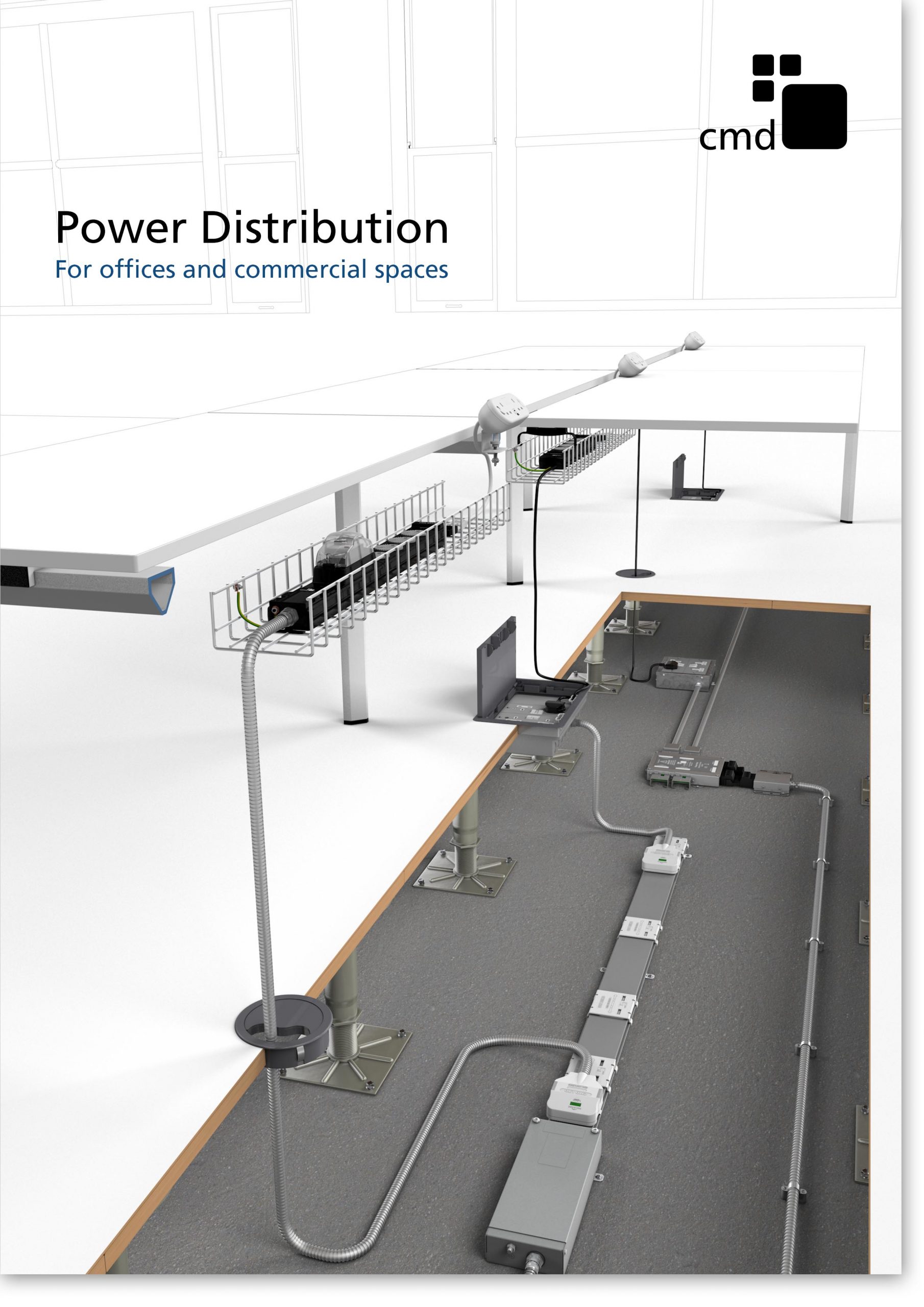
Power Distribution Catalogue
CMD Ltd PLAYS ESSENTIAL ROLE IN ELECTRICAL FIT OUT AT LONDON’S PRESTIGIOUS OFFICE DEVELOPMENT

CMD Ltd, specialist in workplace connectivity and ergonomic solutions, has provided a flexible and high-quality power distribution network for The Ray, a prestigious office development in London’s Farringdon. Well-known for being the former site of The Guardian newspaper, The Ray now stands as an 83,000ft² office development characterised by a modernised warehouse aesthetic, with level two now occupied by a global social media company. The...

Read more

The Ray
CMD plugs in to european opportunity with Schuko Capsule unit launch

CMD Ltd, the specialist in power and connectivity solutions for commercial environments, has launched a Schuko version of its popular fixed format Capsule workstation power module for export to mainland Europe and beyond. A popular on desk power module comprising two sockets and dual USB (type A and C) chargers, CMD’s Capsule unit is already widely specified in the UK as an off-the-shelf workstation power...

Read more
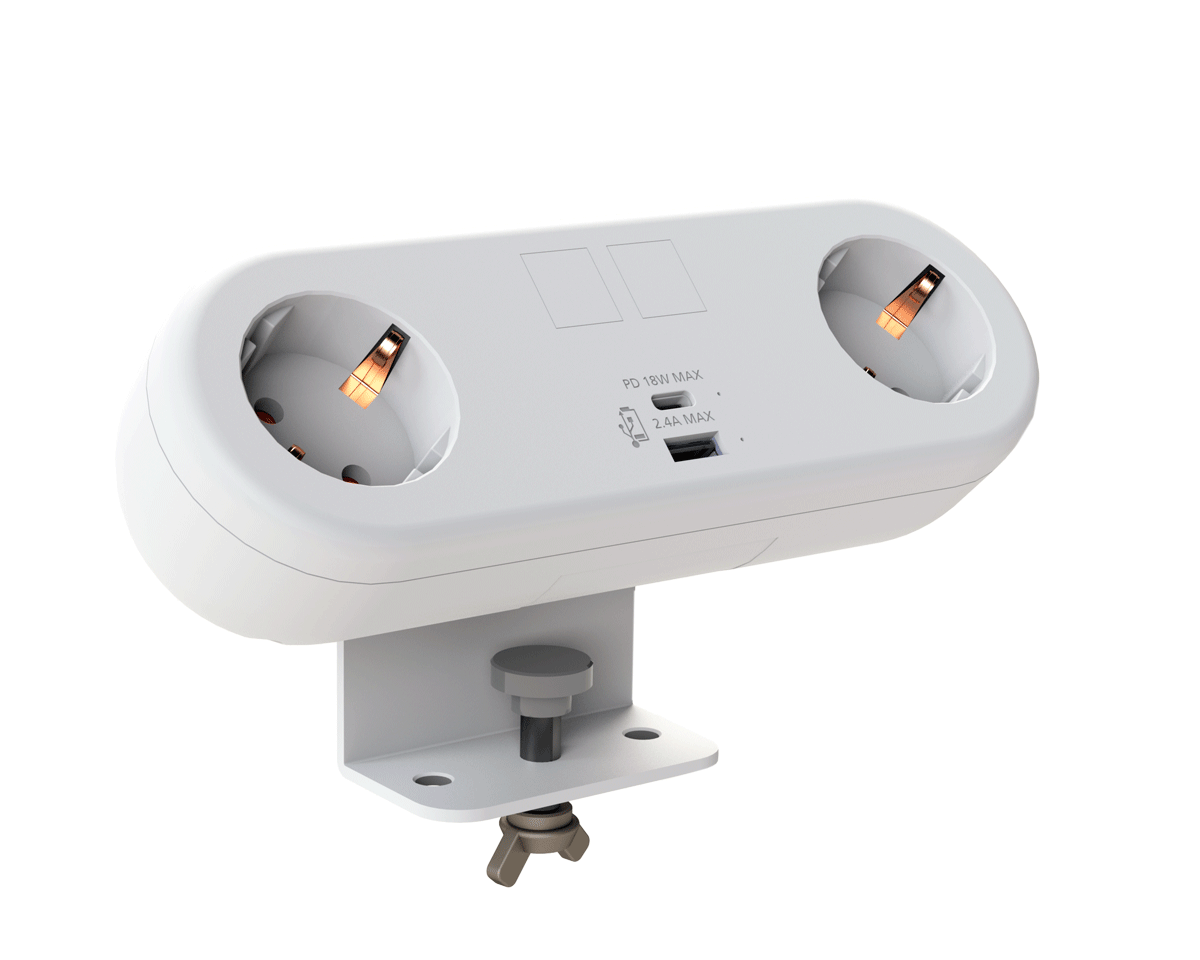
CMD White Schuko Capsule Desk Power Module
CMD LTD EXTENDS MONITOR ARM RANGE WITH THE LAUNCH OF REACH PLUS

CMD Ltd, the specialist in ergonomic and connectivity solutions for commercial interiors, has completed its Reach monitor arm range with the launch of the Reach Plus. Available in single or dual screen options, the Reach Plus has been designed to provide an ideal solution for both single and dual screen workstation configurations, or can be used with next generation of large format curved screens. Suitable...

Read more

CMD Ltd DEMONSTRATES THE ART OF POWER DISTRIBUTION AT THE UNIVERSITY OF WARWICK

CMD Ltd, the specialist in workplace connectivity and ergonomic solutions, has provided Betatrak busbar power distribution and a range of electrical accessories for two major capital investment projects at the University of Warwick. Designed by Fielden Clegg Bradley Studios, the £33 million Faculty of Arts building is a showpiece development comprising four interconnected structures set around a central atrium, which will enable inter-disciplinary collaboration across...

Read more

University of Warwick
CMD BRINGS HARMONY TO COVENTRY UNIVERSITY RESEARCH FACILITIES

CMD Ltd, the specialist in power distribution solutions and workstation power and ergonomics, has provided under desk and on desk power modules for the refurbishment of three Coventry University research buildings. Located on Coventry University Technology Park, a business park designed to encourage collaboration between the university and knowledge-based businesses, the three buildings are being repurposed as office accommodation for university research teams. The refurbishment...

Read more

Coventry University

What is an Inspection System for Global Sourcing?

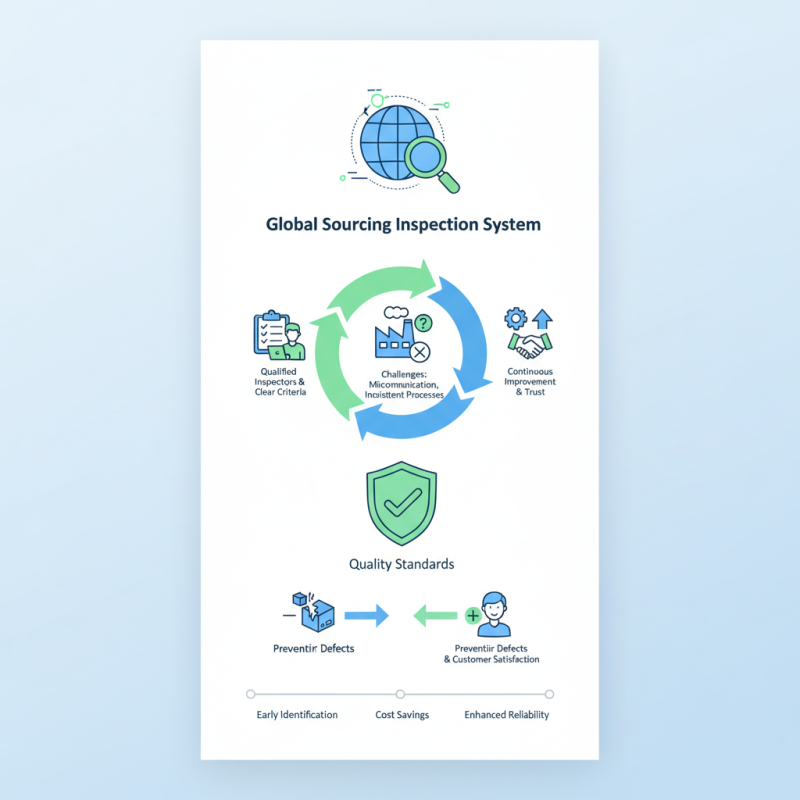
In today's global marketplace, businesses rely on efficient supply chains. An effective Inspection System plays a critical role in this context. It ensures that products meet quality standards before reaching the market. Such systems help in identifying defects early, preventing costly returns and poor customer satisfaction.

Implementing an Inspection System involves various steps. Companies must select qualified inspectors and establish clear criteria for product evaluations. However, challenges often arise. Miscommunication can lead to discrepancies in quality assessments. Additionally, companies may struggle with inconsistent inspection processes across different regions.

It is crucial to reflect on these challenges. A robust Inspection System can greatly enhance product reliability, but it requires continuous improvement. Regular training for inspectors can bridge knowledge gaps. With an effective system in place, businesses can strengthen their global sourcing strategies and build trust with consumers.

What is an Inspection System for Global Sourcing?

Definition of an Inspection System in Global Sourcing

An inspection system in global sourcing is essential for maintaining product quality. This system involves systematic evaluation processes to ensure that goods meet specified standards. Companies can utilize various inspection methods, such as visual checks and measurements, to ensure conformity to requirements. This helps prevent costly mistakes and enhances overall product reliability.

Implementing an effective inspection system requires careful planning. Organizations must train inspectors and develop clear protocols. Some challenges may arise, such as incomplete information or language barriers. These issues can hinder the inspection process. Regular reviews of the inspection process are also necessary to identify areas for improvement.

Ultimately, an inspection system is more than just a checklist. It is an ongoing commitment to quality assurance. By recognizing the limitations and continuously adapting, companies can strengthen their sourcing strategies. This leads to better products and improved customer satisfaction in a competitive market.

What is an Inspection System for Global Sourcing?
Dimension Description Importance
Quality Control Processes to ensure products meet required specifications Minimizes defects and enhances customer satisfaction
Supplier Audits Regular assessments of suppliers' manufacturing capabilities Ensures compliance with quality standards
Pre-Shipments Inspections Checks quality and quantity before shipping Reduces risks of receiving substandard products
Defect Rate Tracking Monitoring the number of defective items produced Helps identify and resolve quality issues
Documentation Standards Maintaining accurate records of inspections Provides accountability and traceability

Key Components of an Effective Inspection System

An effective inspection system is crucial for global sourcing. It ensures that products meet consistent quality standards, regardless of origin. Key components include clear inspection criteria, trained personnel, and reliable documentation processes.

Tip: Define specific quality standards early. This will help align expectations with suppliers. Well-documented criteria reduce misunderstandings and enhance product quality.

Personnel training is equally essential. Inspectors should understand the product specifics. Regular training updates keep staff informed about new regulations and quality expectations.

Tip: Encourage communication among team members. Open discussions can uncover potential issues before they escalate.

Documentation is vital for accountability. Accurate records of inspections track product quality over time. These records provide valuable insights for continuous improvement.

Tip: Use digital tools for documentation. They streamline processes and make it easier to access necessary information.

A robust inspection system helps manage risks. However, challenges persist, such as varying supplier compliance and fluctuating quality levels. Regular system reviews can help identify these issues.

Benefits of Implementing an Inspection System

Implementing an inspection system for global sourcing brings numerous benefits. Businesses can enhance quality control across their supply chains. Regular inspections can identify defects early, reducing costly rework or returns. This proactive approach fosters trust between suppliers and buyers. It ensures that products meet specific standards before reaching the market.

An effective inspection system also streamlines the sourcing process. By utilizing detailed checklists, companies can standardize evaluations. This improves accountability among suppliers. However, not every inspection is foolproof. Human error can occur, and reliance solely on inspections may overlook systemic issues. Despite these challenges, the focus on quality remains crucial. Continuous feedback loops can help refine inspection processes over time. Addressing flaws will ultimately fortify the integrity of the supply chain.

Benefits of Implementing an Inspection System for Global Sourcing

Methods and Techniques Used in Inspection Systems

An inspection system for global sourcing ensures product quality and supplier reliability. Various methods and techniques are crucial in this process. Companies often utilize visual inspections, which involve carefully examining products for defects during production. This technique is straightforward but can miss hidden flaws.

Another effective method is sampling inspection. This approach involves selecting a subset of products for thorough examination. While it saves time, it risks overlooking issues present in non-sampled items. Balancing the sample size is essential to minimize potential losses from defective goods.

**Tips:** Establish clear criteria before inspections. This will lead to better outcomes. Employ trained staff to understand the inspection nuances. An informed team can catch more issues that untrained eyes might miss.

Implementing automated inspection systems also gains traction. These systems use advanced technology to detect defects quickly. However, they require an initial investment and ongoing updates. It's important to weigh the costs against the benefits to find the right balance.

**Tips:** Stay adaptable. An inspection method that works well today may need adjustments tomorrow. Regularly review inspection processes to ensure continued effectiveness and alignment with company goals.

Challenges and Best Practices in Global Sourcing Inspections

In global sourcing, inspections are crucial for maintaining product quality. However, organizations often face challenges that can undermine their supply chain effectiveness. For example, according to a 2022 report by the International Trade Administration, nearly 30% of global sourcing initiatives fail due to inadequate supplier inspections. This highlights the need for a robust inspection system to minimize risks.

One common challenge is the lack of standardization in inspection criteria across regions. Different countries may have different quality expectations. An Ascential report indicated that 40% of companies experience disparities in compliance results. To ensure consistency, organizations must establish clear, criteria-based inspection protocols. This involves training inspectors and utilizing technology for accurate assessments. A focus on real-time data can also enable teams to react quickly to emerging issues.

Another key issue is communication gaps between sourcing teams and suppliers. Poor communication can lead to misunderstandings that result in product defects. A 2023 survey revealed that 45% of sourcing managers reported difficulties in aligning objectives with suppliers. Building strong relationships with suppliers and fostering open dialogue is essential for overcoming these challenges. Regular follow-ups and feedback can enhance alignment and improve inspection outcomes.