

News

Miro: A New Standard in Responsible Innovation

Miro: A New Standard in Responsible Innovation The Miro monitor arm is setting new benchmarks in sustainability. It offers a high-performance solution without compromising on environmental responsibility. Designed with careful material selection, local sourcing, and longevity in mind, Miro’s responsible approach to design and unique manoeuvrability set it apart from the competition. Sustainable Choices Miro is crafted from energy-efficient materials with a lower carbon impact....

Read more
HSE Advisor

Role Purpose Support in the development, implementation and maintenance of the company’s Health, Safety & Environmental policies, processes, operational procedures, and standards.  Ensuring best practice and championing a continually improving HSE culture within the business. Key Responsibilities Liaise with and provide support to all areas of the business to eliminate, mitigate or reduce identified HSE exposures. Partner with the production management team and team leaders,...

Read more
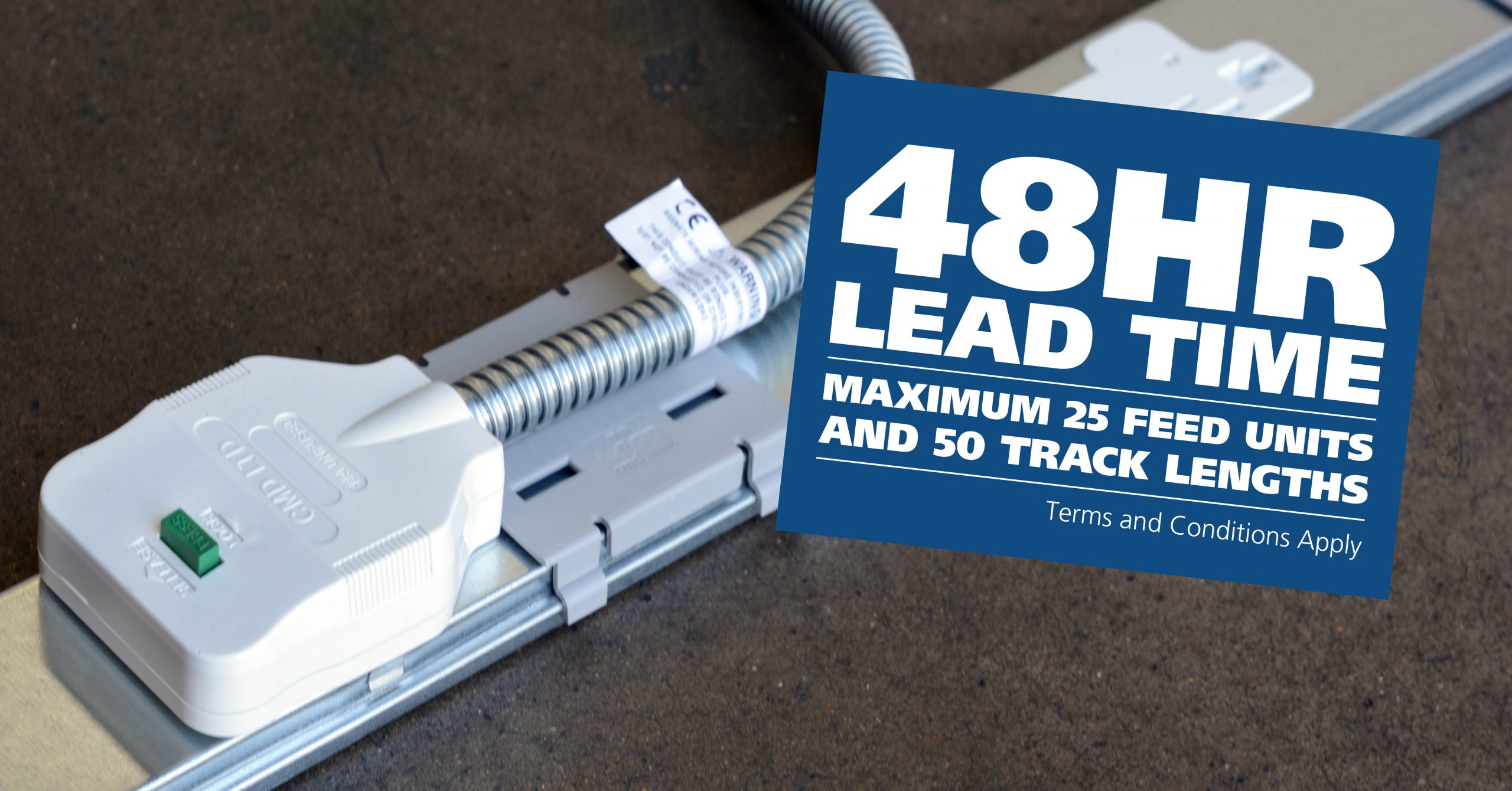
CMD Ltd LAUNCHES 48-HOUR TURNAROUND ON BETATRAK® RAPID ORDERING SERVICE

CMD Ltd, the specialist in power distribution systems, workstation power and monitor arms, has launched a rapid ordering service for its Betatrak® underfloor powertrack distribution systems and accessories, with a commitment to delivering within 48-hours of an approved purchase order*. The service enables customers to order up to 50 lengths of Standard or Clean Earth (C/E) low noise Betatrak, along with up to 25 feed...

Read more
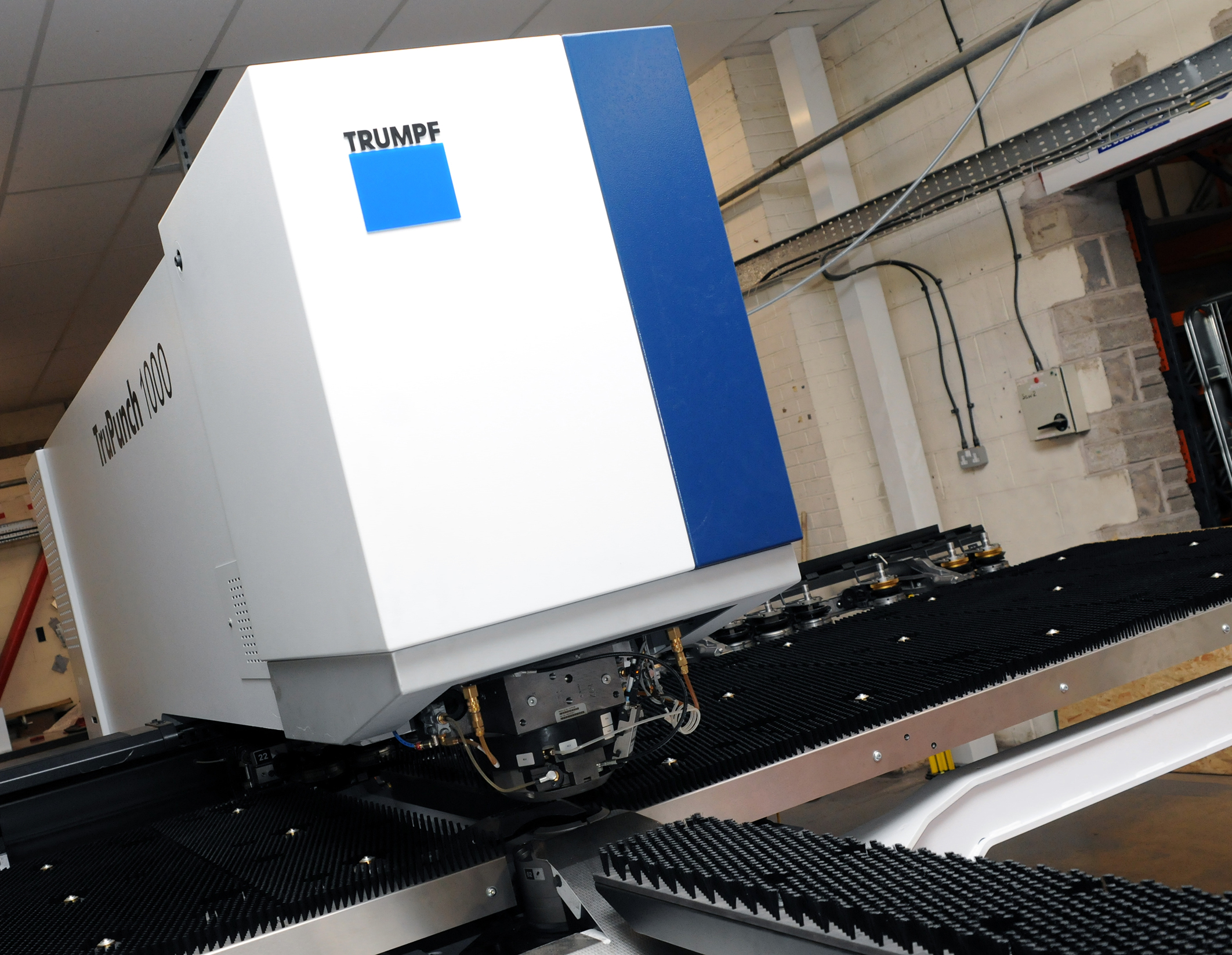
CMD INVESTS £1/4 MILLION IN NEW MACHINE AS PART OF FACTORY UPGRADE

We have invested in a new £1/4m TRUMPF CNC metal punch as part of an asset renewal strategy for our UK manufacturing capability. The new machine will be used in the production of a wide variety of our power distribution systems and workstation power products at our Rotherham factory. Suitable for handling sheet metal between 0.9mm and 3.0mm thick, the new machine will replace one...

Read more
CMD CATALOGUE PROVIDES TECHNICAL POWER DISTRIBUTION GUIDE

CMD Ltd has released a new catalogue, providing an easy to follow technical guide to our power distribution systems and plug and play desk modules. Detailing CMD’s full range of UK-manufactured power distribution systems and plug and play desk modules, the catalogue will be a helpful source of information to M&E engineers and contractors alike to understand how our power distribution systems connect together and...

Read more
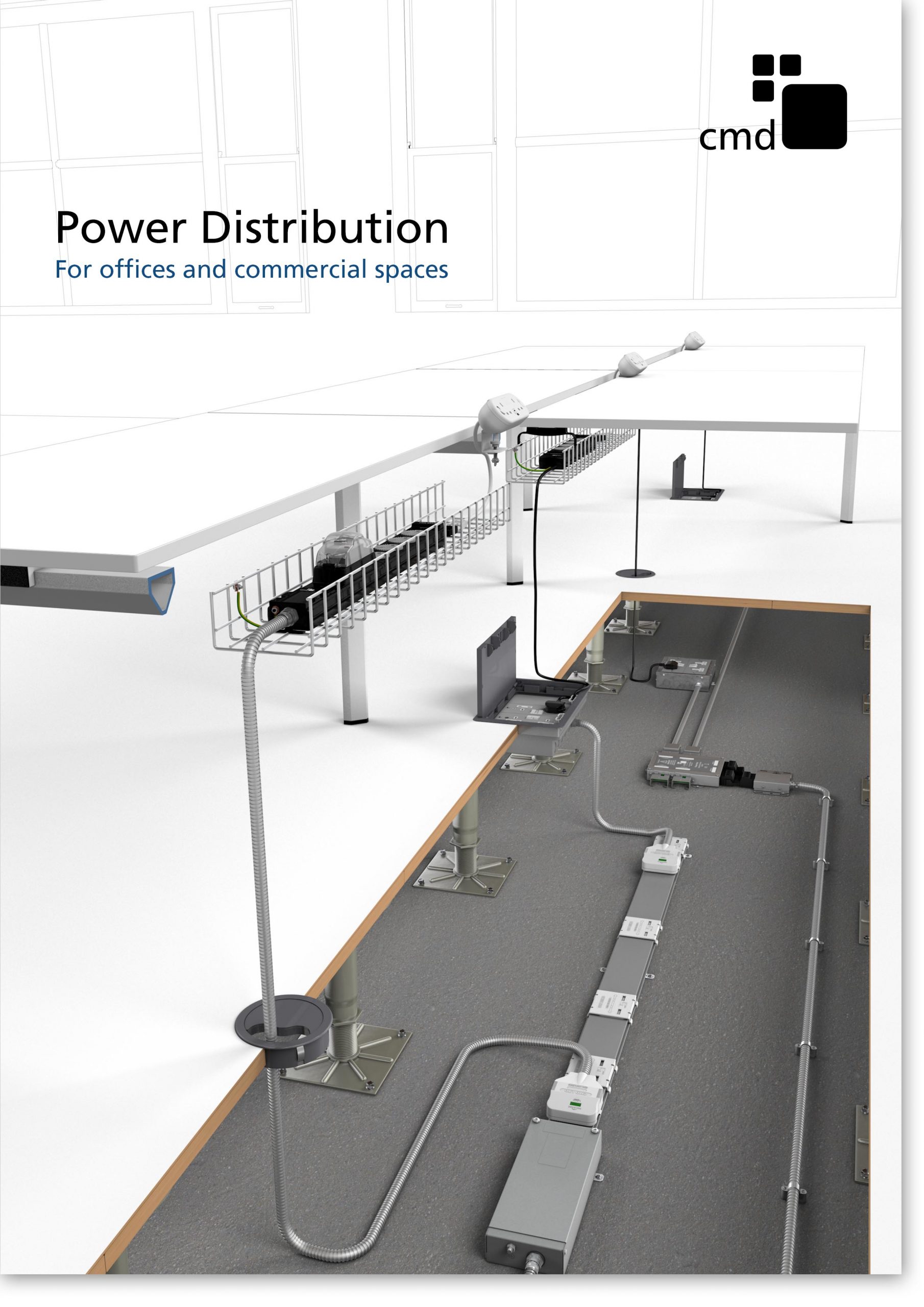
Power Distribution Catalogue
CMD Ltd PLAYS ESSENTIAL ROLE IN ELECTRICAL FIT OUT AT LONDON’S PRESTIGIOUS OFFICE DEVELOPMENT

CMD Ltd, specialist in workplace connectivity and ergonomic solutions, has provided a flexible and high-quality power distribution network for The Ray, a prestigious office development in London’s Farringdon. Well-known for being the former site of The Guardian newspaper, The Ray now stands as an 83,000ft² office development characterised by a modernised warehouse aesthetic, with level two now occupied by a global social media company. The...

Read more

The Ray
CMD plugs in to european opportunity with Schuko Capsule unit launch

CMD Ltd, the specialist in power and connectivity solutions for commercial environments, has launched a Schuko version of its popular fixed format Capsule workstation power module for export to mainland Europe and beyond. A popular on desk power module comprising two sockets and dual USB (type A and C) chargers, CMD’s Capsule unit is already widely specified in the UK as an off-the-shelf workstation power...

Read more
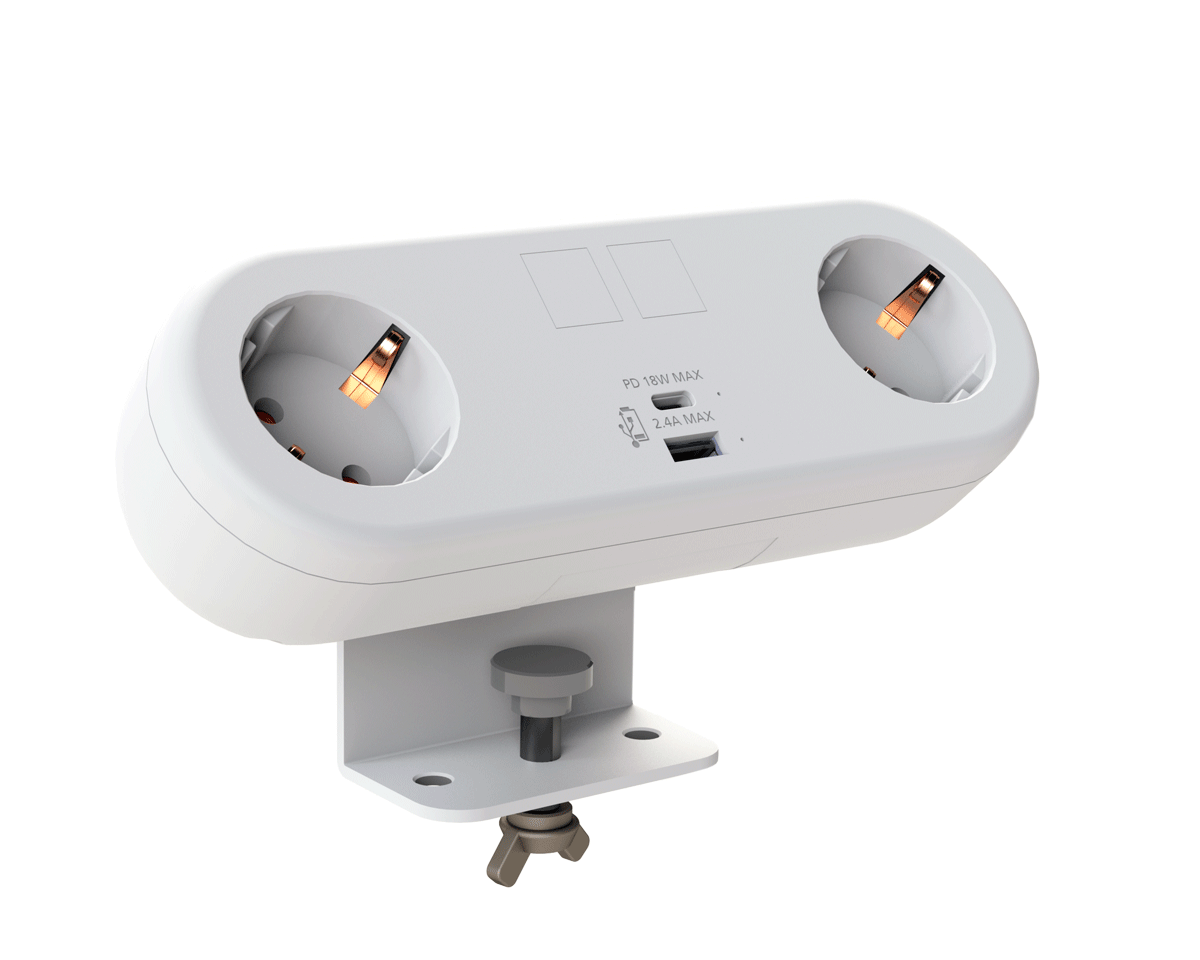
CMD White Schuko Capsule Desk Power Module
CMD LTD EXTENDS MONITOR ARM RANGE WITH THE LAUNCH OF REACH PLUS

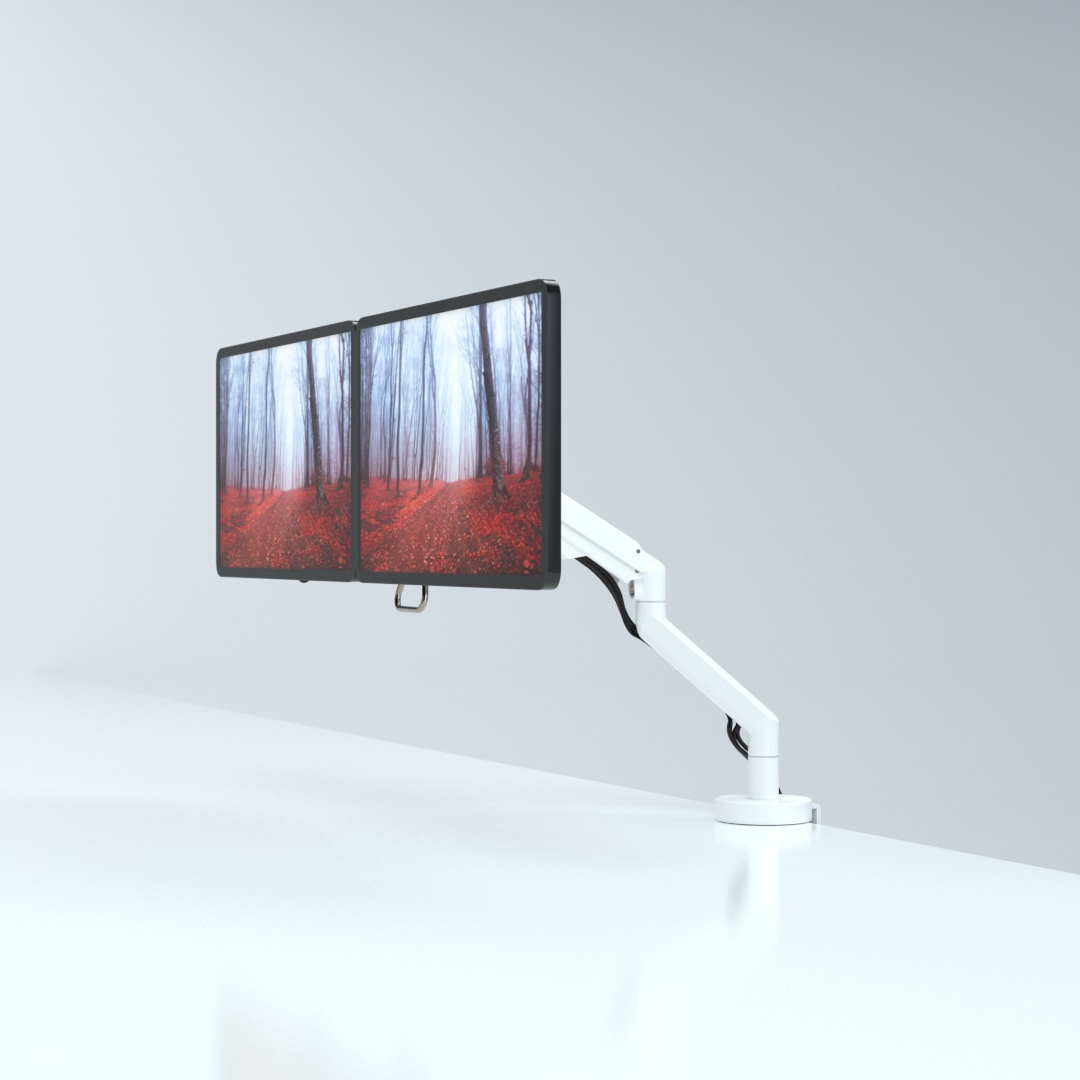
CMD Ltd, the specialist in ergonomic and connectivity solutions for commercial interiors, has completed its Reach monitor arm range with the launch of the Reach Plus. Available in single or dual screen options, the Reach Plus has been designed to provide an ideal solution for both single and dual screen workstation configurations, or can be used with next generation of large format curved screens. Suitable...

Read more
CMD Ltd DEMONSTRATES THE ART OF POWER DISTRIBUTION AT THE UNIVERSITY OF WARWICK

CMD Ltd, the specialist in workplace connectivity and ergonomic solutions, has provided Betatrak busbar power distribution and a range of electrical accessories for two major capital investment projects at the University of Warwick. Designed by Fielden Clegg Bradley Studios, the £33 million Faculty of Arts building is a showpiece development comprising four interconnected structures set around a central atrium, which will enable inter-disciplinary collaboration across...

Read more

University of Warwick
CMD BRINGS HARMONY TO COVENTRY UNIVERSITY RESEARCH FACILITIES

CMD Ltd, the specialist in power distribution solutions and workstation power and ergonomics, has provided under desk and on desk power modules for the refurbishment of three Coventry University research buildings. Located on Coventry University Technology Park, a business park designed to encourage collaboration between the university and knowledge-based businesses, the three buildings are being repurposed as office accommodation for university research teams. The refurbishment...

Read more


Coventry University

What is Industrial PDA and How Does It Improve Efficiency?

Industrial Pdas, or Personal Digital Assistants, have transformed how industries operate. These devices streamline workflows and enhance productivity. By integrating advanced technologies, they provide real-time data access, improving decision-making processes.

In environments like manufacturing and logistics, an Industrial PDA offers critical advantages. Workers can complete tasks efficiently without unnecessary delays. For example, barcode scanning and inventory management become easier and faster. This shift to digital aids in reducing errors and optimizing resources.

However, implementing Industrial PDAs isn't without challenges. Training personnel can be time-consuming. Additionally, ensuring device durability in harsh conditions is crucial. Companies must reflect on these aspects to truly harness the potential of Industrial PDAs for operational success.

What is Industrial PDA and How Does It Improve Efficiency?

Definition and Overview of Industrial PDA

Industrial PDA (Personal Digital Assistant) refers to specialized mobile devices designed for use in industrial environments. These devices combine robust hardware and tailored software to withstand challenging conditions. They are built to endure temperature extremes, dust, and moisture, making them ideal for warehouses, manufacturing plants, and outdoor job sites.

The efficiency of Industrial PDAs stems from their ability to facilitate real-time data entry and communication. Workers can access inventories, track shipments, and manage equipment directly from the field. This immediacy reduces errors linked to manual input and enhances decision-making. However, it may require initial training to ensure all employees can use the technology effectively.


Moreover, while PDAs improve productivity, their implementation can disrupt traditional workflows. Employees accustomed to older methods may struggle to adapt, leading to temporary declines in efficiency. Balancing new technology with existing practices can be challenging. Companies must provide support and time for workers to adjust. Adopting Industrial PDAs demands careful consideration of both potential gains and possible setbacks.

Key Features and Specifications of Industrial PDAs

Industrial PDAs are versatile tools designed for demanding environments. They combine computing power with rugged durability. This fusion makes them invaluable in various industries. Their features cater to specific tasks, enhancing overall performance.

Key specifications of industrial PDAs include high-resolution touchscreens. These screens are often glove-friendly and resistant to harsh conditions. Long battery life is essential for continuous operation. Many models offer multiple connectivity options, supporting Wi-Fi, Bluetooth, and even cellular networks. Their lightweight design allows for easy handling, yet they remain robust enough for tough tasks.

Another critical aspect is the operating system. Many PDAs run on advanced systems that support industry-specific applications. This enables seamless integration into existing workflows. However, not all PDAs offer the same level of customization. This lack of flexibility can be a drawback, particularly in specialized environments. Users must carefully assess their specific needs to ensure the right fit.

Applications of Industrial PDAs in Various Industries

Industrial PDAs enhance operations across various sectors. In manufacturing, these devices streamline workflows. According to a recent report, companies using PDAs saw a 20% increase in productivity. Real-time data access allows workers to make faster decisions.

In the logistics industry, Industrial PDAs are game-changers. They enable accurate tracking of shipments and inventory. A study indicated that businesses that adopted PDAs reduced errors by 30%. This improvement is critical as even minor mistakes can lead to significant losses.

Healthcare also benefits from Industrial PDAs. Medical staff can access patient records on-the-go, improving response times. However, challenges remain, such as ensuring data security. Reports show that 15% of healthcare organizations faced security breaches in mobile devices. This raises important questions about balancing efficiency with patient confidentiality.

Efficiency Improvement with Industrial PDAs Across Various Industries

Benefits of Using Industrial PDAs for Operational Efficiency

Industrial PDAs, or Personal Digital Assistants, significantly enhance operational efficiency. These devices are designed for rugged environments, making them ideal for manufacturing and logistics. They streamline workflows, reduce errors, and facilitate real-time data access. With mobile connectivity, workers can receive updates instantly, allowing for faster decision-making.

One key benefit of using industrial PDAs is improved communication. Teams on the ground can quickly relay information back to management. This reduces delays and keeps projects on track. The ergonomic design of these devices ensures they are user-friendly, even in challenging conditions. However, it's essential to ensure that team members are adequately trained in their use to maximize effectiveness.

Tips: Encourage staff to explore all features of the PDA. Hands-on training can uncover hidden functionalities. Regular updates and feedback sessions help identify any operational issues that may arise. It’s crucial to revisit processes and gather insights periodically. This reflection can lead to further improvements in efficiency and adaptation to new challenges.

Future Trends in Industrial PDA Technology and Applications

The future of Industrial PDA technology is promising. Emerging trends highlight its potential to revolutionize efficiency in industrial environments. As automation increases, the integration of artificial intelligence (AI) into PDAs is significant. AI can analyze data patterns quickly, leading to smarter decision-making and reduced downtime.

Enhanced connectivity is another notable trend. Industrial PDAs now support 5G and IoT integration, enabling real-time data exchange across devices. This rapid communication streamlines operations and allows for immediate response to any issues. Still, organizations must ensure their infrastructure is ready to support these advancements.

Tip: Prioritize training for staff to maximize the benefits of new technology.

Moreover, user interface improvements are on the rise. PDAs are being designed for ease of use, reducing training time for workers. Yet, the balance between advanced features and usability remains. Companies should evaluate if the tech truly fits their team’s needs.

Tip: Regularly gather feedback from users to refine device functionality.

As these trends evolve, industry leaders must adapt to harness their full potential. Embracing change with a critical mindset can prevent costly mistakes. Therefore, a constant review of both technology and its application in the workplace is essential.

Article Source: