

News

Miro: A New Standard in Responsible Innovation

Miro: A New Standard in Responsible Innovation The Miro monitor arm is setting new benchmarks in sustainability. It offers a high-performance solution without compromising on environmental responsibility. Designed with careful material selection, local sourcing, and longevity in mind, Miro’s responsible approach to design and unique manoeuvrability set it apart from the competition. Sustainable Choices Miro is crafted from energy-efficient materials with a lower carbon impact....

Read more
HSE Advisor

Role Purpose Support in the development, implementation and maintenance of the company’s Health, Safety & Environmental policies, processes, operational procedures, and standards.  Ensuring best practice and championing a continually improving HSE culture within the business. Key Responsibilities Liaise with and provide support to all areas of the business to eliminate, mitigate or reduce identified HSE exposures. Partner with the production management team and team leaders,...

Read more
CMD Ltd LAUNCHES 48-HOUR TURNAROUND ON BETATRAK® RAPID ORDERING SERVICE

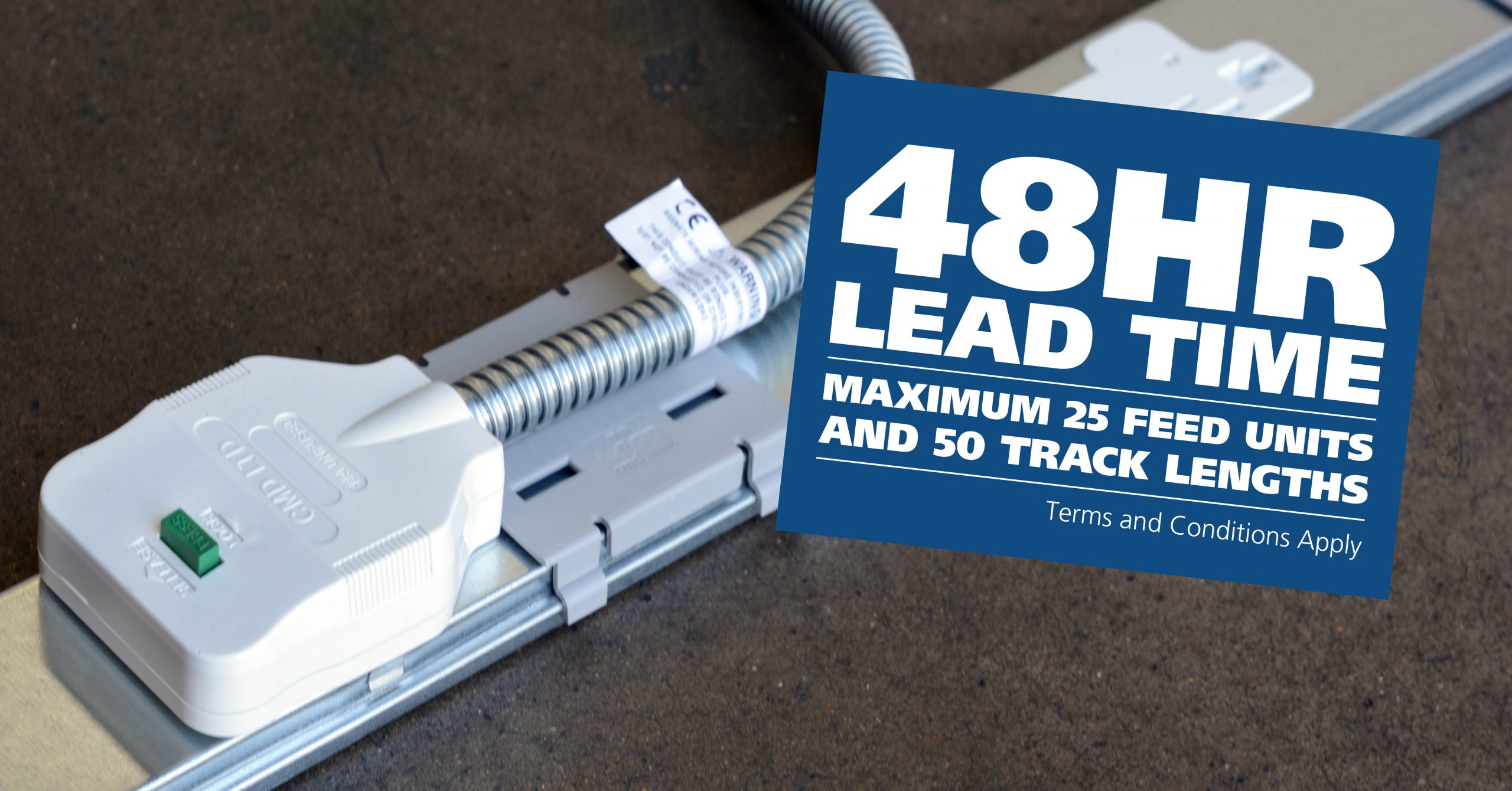
CMD Ltd, the specialist in power distribution systems, workstation power and monitor arms, has launched a rapid ordering service for its Betatrak® underfloor powertrack distribution systems and accessories, with a commitment to delivering within 48-hours of an approved purchase order*. The service enables customers to order up to 50 lengths of Standard or Clean Earth (C/E) low noise Betatrak, along with up to 25 feed...

Read more
CMD INVESTS £1/4 MILLION IN NEW MACHINE AS PART OF FACTORY UPGRADE

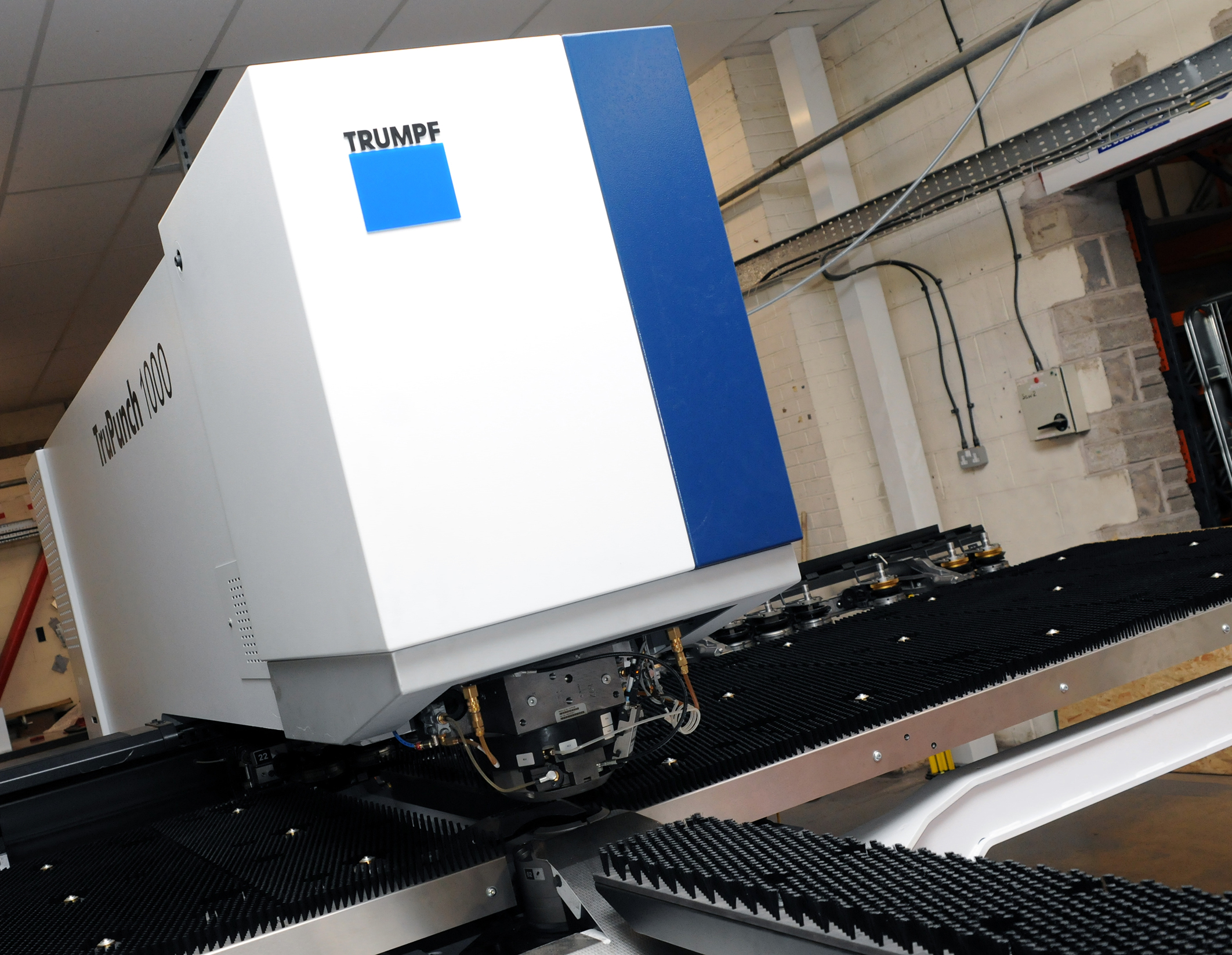
We have invested in a new £1/4m TRUMPF CNC metal punch as part of an asset renewal strategy for our UK manufacturing capability. The new machine will be used in the production of a wide variety of our power distribution systems and workstation power products at our Rotherham factory. Suitable for handling sheet metal between 0.9mm and 3.0mm thick, the new machine will replace one...

Read more
CMD CATALOGUE PROVIDES TECHNICAL POWER DISTRIBUTION GUIDE

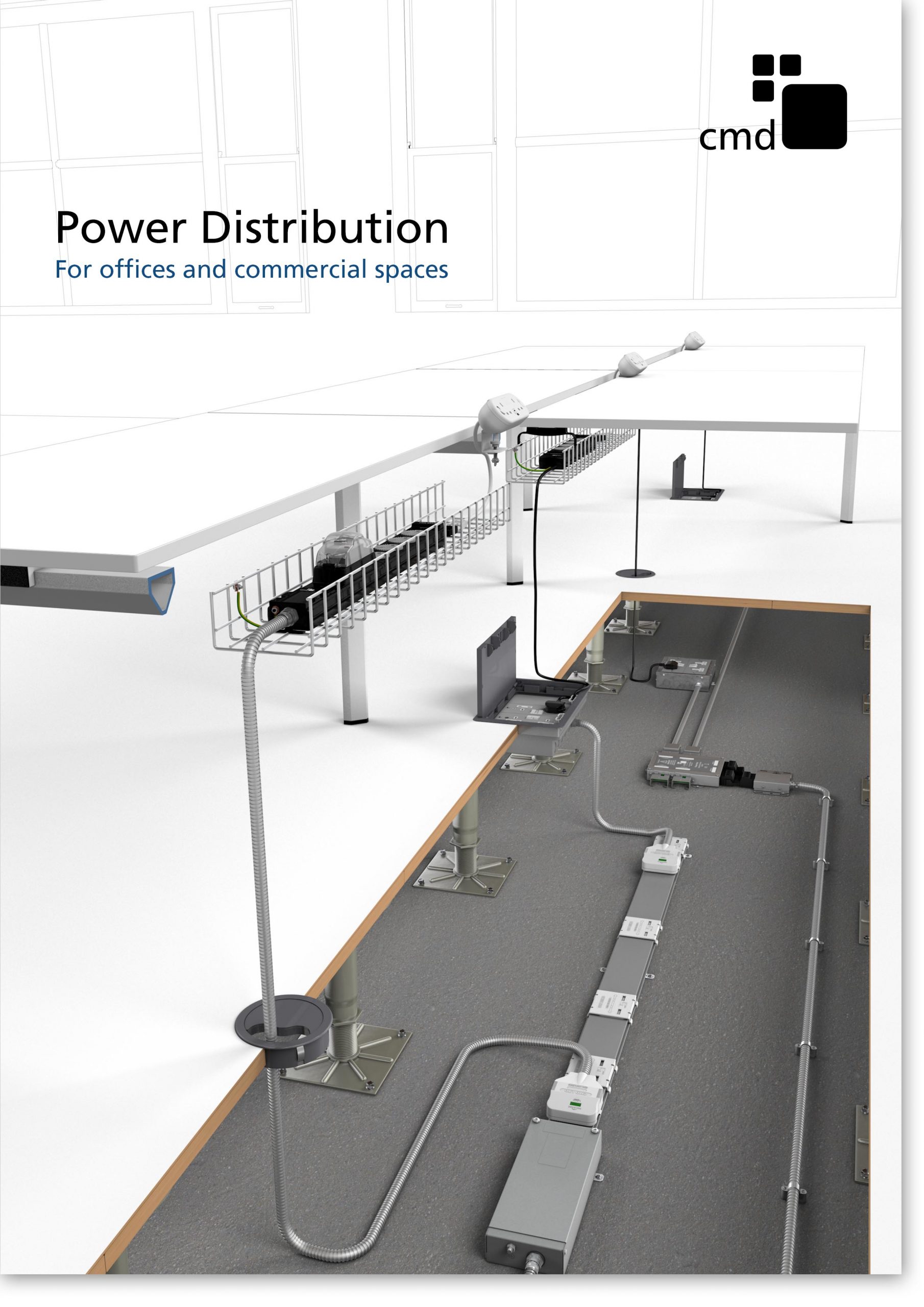
CMD Ltd has released a new catalogue, providing an easy to follow technical guide to our power distribution systems and plug and play desk modules. Detailing CMD’s full range of UK-manufactured power distribution systems and plug and play desk modules, the catalogue will be a helpful source of information to M&E engineers and contractors alike to understand how our power distribution systems connect together and...

Read more
Power Distribution Catalogue
CMD Ltd PLAYS ESSENTIAL ROLE IN ELECTRICAL FIT OUT AT LONDON’S PRESTIGIOUS OFFICE DEVELOPMENT

CMD Ltd, specialist in workplace connectivity and ergonomic solutions, has provided a flexible and high-quality power distribution network for The Ray, a prestigious office development in London’s Farringdon. Well-known for being the former site of The Guardian newspaper, The Ray now stands as an 83,000ft² office development characterised by a modernised warehouse aesthetic, with level two now occupied by a global social media company. The...

Read more

The Ray
CMD plugs in to european opportunity with Schuko Capsule unit launch

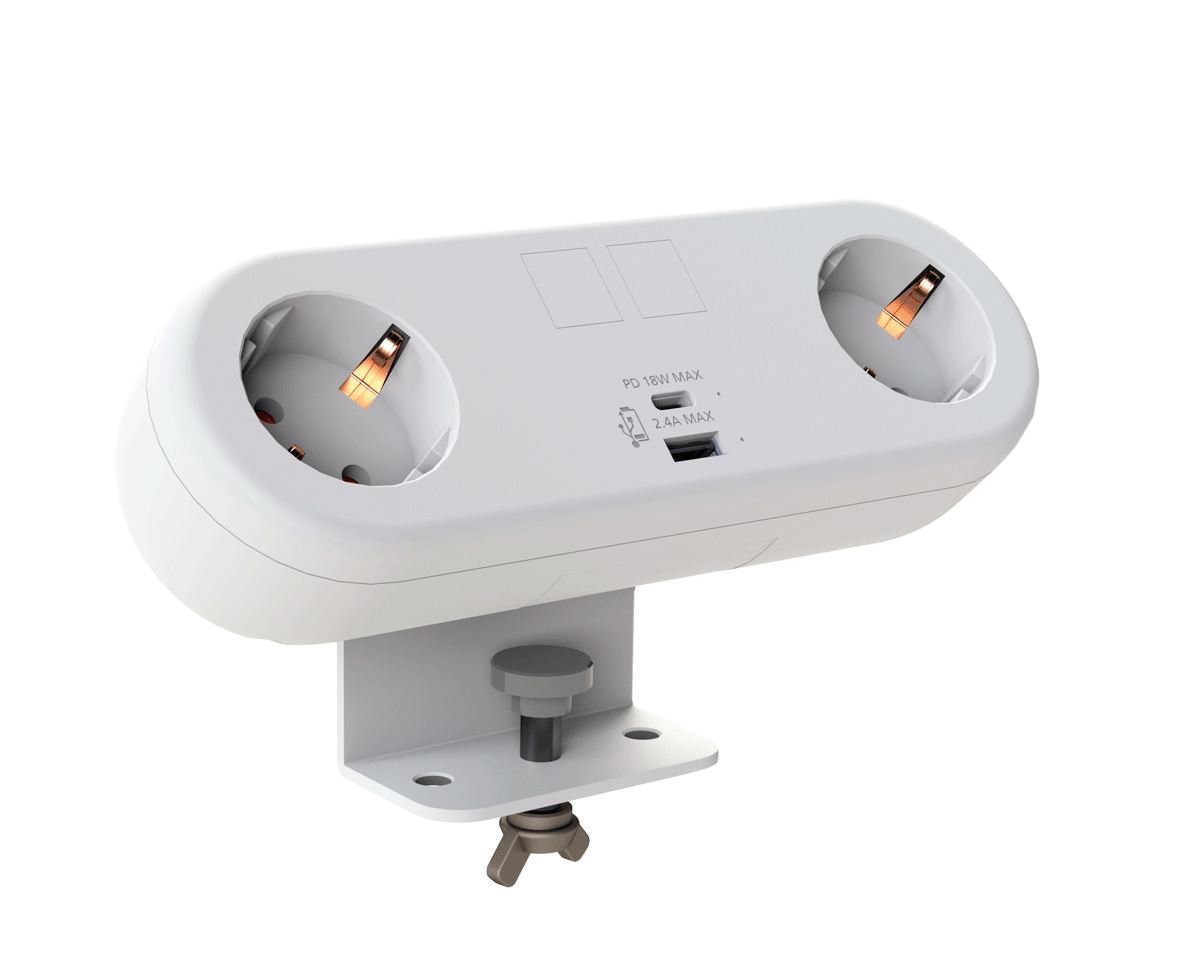
CMD Ltd, the specialist in power and connectivity solutions for commercial environments, has launched a Schuko version of its popular fixed format Capsule workstation power module for export to mainland Europe and beyond. A popular on desk power module comprising two sockets and dual USB (type A and C) chargers, CMD’s Capsule unit is already widely specified in the UK as an off-the-shelf workstation power...

Read more
CMD White Schuko Capsule Desk Power Module
CMD LTD EXTENDS MONITOR ARM RANGE WITH THE LAUNCH OF REACH PLUS

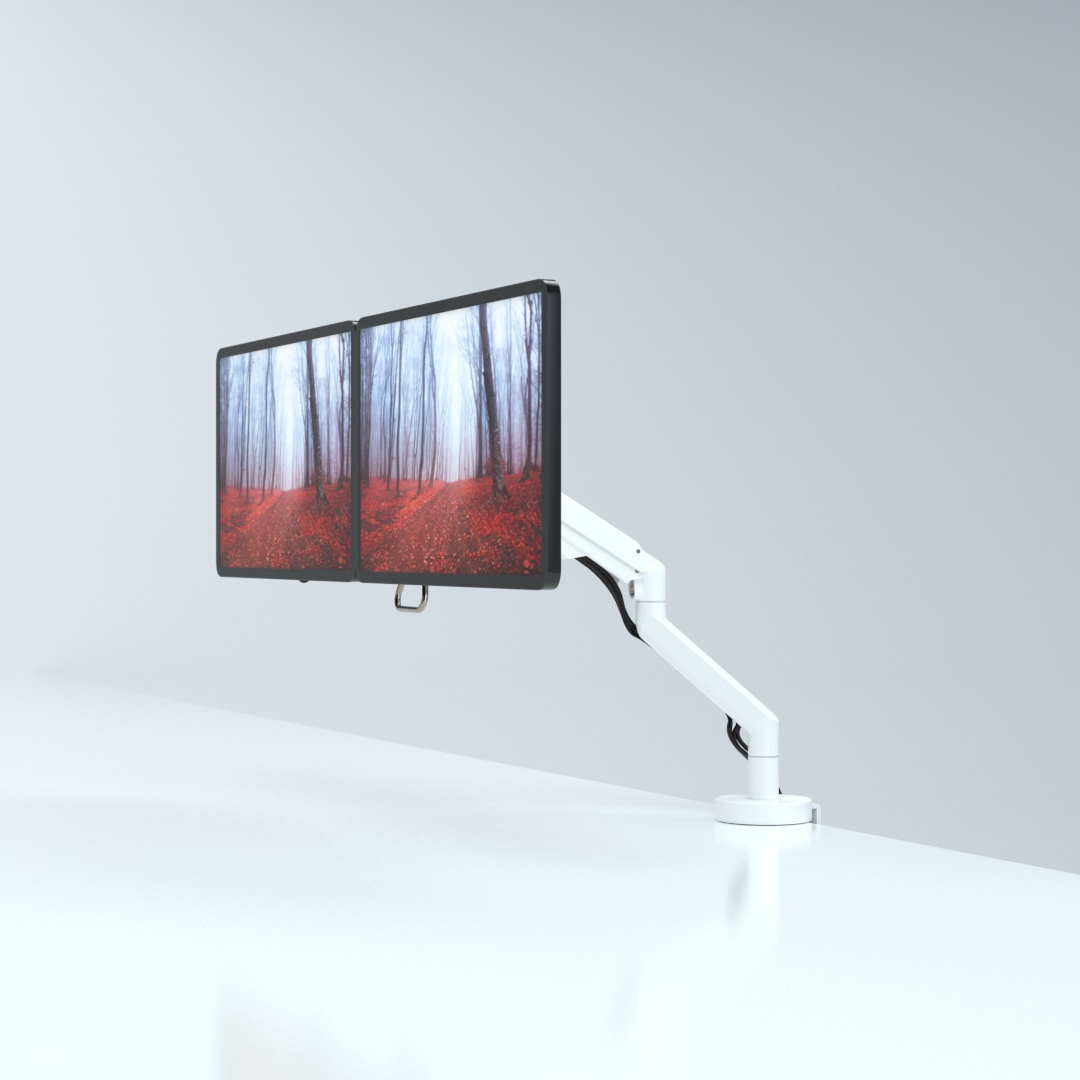
CMD Ltd, the specialist in ergonomic and connectivity solutions for commercial interiors, has completed its Reach monitor arm range with the launch of the Reach Plus. Available in single or dual screen options, the Reach Plus has been designed to provide an ideal solution for both single and dual screen workstation configurations, or can be used with next generation of large format curved screens. Suitable...

Read more
CMD Ltd DEMONSTRATES THE ART OF POWER DISTRIBUTION AT THE UNIVERSITY OF WARWICK

CMD Ltd, the specialist in workplace connectivity and ergonomic solutions, has provided Betatrak busbar power distribution and a range of electrical accessories for two major capital investment projects at the University of Warwick. Designed by Fielden Clegg Bradley Studios, the £33 million Faculty of Arts building is a showpiece development comprising four interconnected structures set around a central atrium, which will enable inter-disciplinary collaboration across...

Read more

University of Warwick
CMD BRINGS HARMONY TO COVENTRY UNIVERSITY RESEARCH FACILITIES

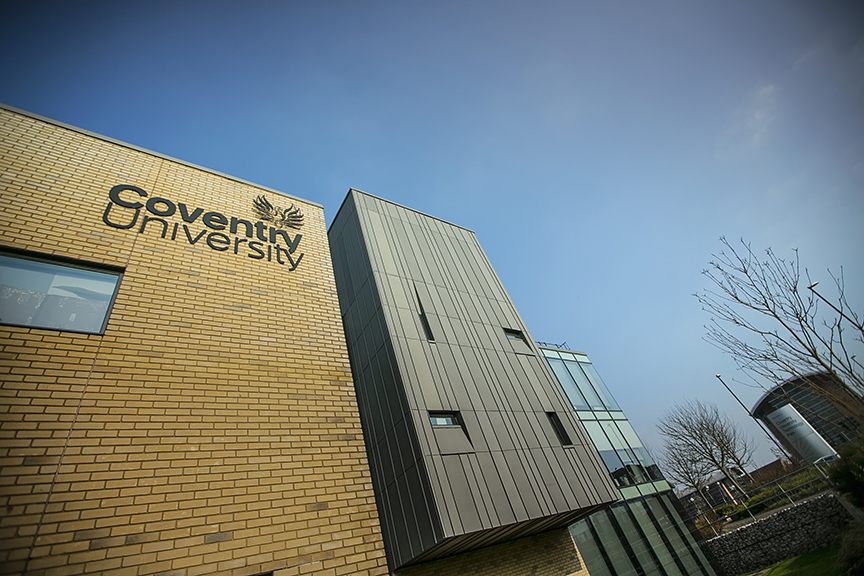
CMD Ltd, the specialist in power distribution solutions and workstation power and ergonomics, has provided under desk and on desk power modules for the refurbishment of three Coventry University research buildings. Located on Coventry University Technology Park, a business park designed to encourage collaboration between the university and knowledge-based businesses, the three buildings are being repurposed as office accommodation for university research teams. The refurbishment...

Read more
Coventry University

What is a Hydraulic Interlocking Brick Making Machine?

The concept of a Hydraulic Interlocking Brick Making Machine has gained significant traction in recent years. Industry reports show that the demand for eco-friendly construction techniques is increasing. In fact, the market for interlocking bricks is projected to reach $2.3 billion by 2027, driven by sustainable building practices.

Dr. Alice Wang, an expert in sustainable construction technologies, states, "Hydraulic Interlocking Brick Making Machines are revolutionizing how we build." This sentiment reflects the industry's embrace of innovation. These machines yield high precision in brick production, creating interlocking patterns that enhance structural integrity. Moreover, they minimize cement usage, promoting environmentally responsible construction.

Despite the benefits, some challenges exist. High initial investment costs can deter small businesses. Additionally, many operators may lack training. Thus, it is crucial to invest in education and training for effective use. Reflecting on these aspects reveals the need for continued development in the field. Embracing the potential of Hydraulic Interlocking Brick Making Machines must go hand in hand with addressing these challenges.

What is a Hydraulic Interlocking Brick Making Machine?

What is a Hydraulic Interlocking Brick Making Machine?

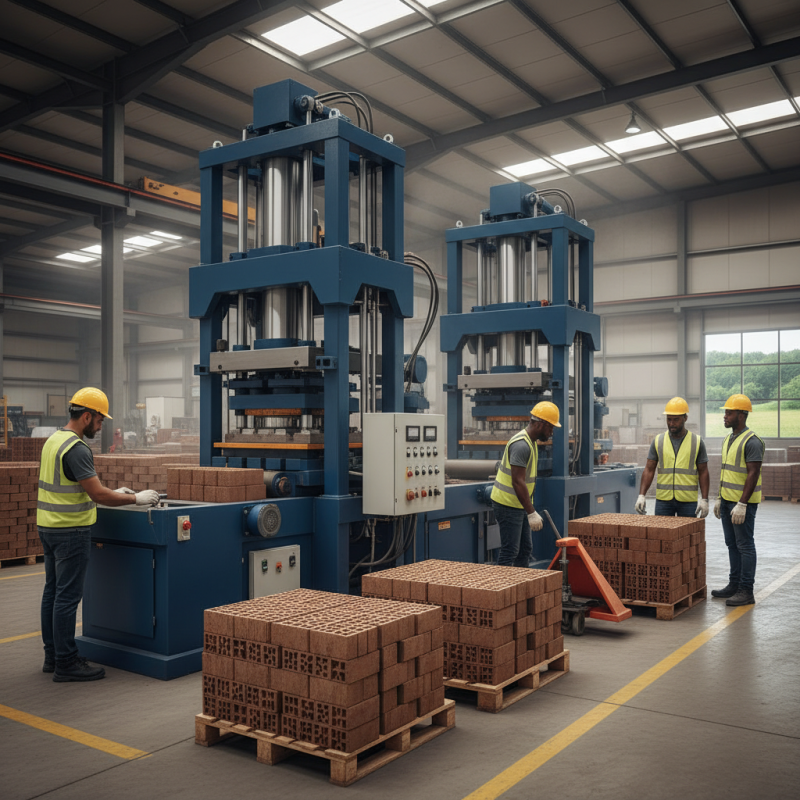
A hydraulic interlocking brick making machine is an innovative solution for sustainable construction. It uses hydraulic pressure to form bricks from a mix of soil and other materials. This method enhances the bricks' strength and durability. The machine operates efficiently, allowing for rapid production of interlocking bricks. These bricks can stack without mortar, simplifying construction processes.

The machine requires proper calibration and maintenance. Operators must understand how to mix materials correctly. The mix usually comprises clay or soil combined with a bit of cement. Over time, the skills of the operator can influence the output quality. Sometimes, inconsistencies occur, and this can lead to weaker bricks. It's crucial to monitor the process regularly to enhance efficiency.

In addition, the initial cost of acquiring a hydraulic interlocking brick making machine can be high. Consideration of long-term durability and repair needs is essential. Not every operator will grasp the machine’s complexities immediately. Training plays a vital role in achieving optimal productivity. Investing in knowledge and skills can mitigate common pitfalls in operation.

Hydraulic Interlocking Brick Making Machine Production Data

The Working Principle of Hydraulic Interlocking Brick Making Machines

Hydraulic interlocking brick making machines operate based on a simple yet effective mechanism. These machines use hydraulic pressure to compress raw materials, usually a mixture of soil and cement. The result is a dense and durable interlocking brick vital for construction. This method allows for strong binding and reduces the need for mortar.

The process begins with loading the material into the machine. Hydraulic systems then apply pressure to mold the bricks. The pressure is crucial; too much can crush the material, while too little can lead to weak bricks. After molding, the bricks undergo a curing process. Proper curing is essential for durability.

However, users often face challenges with calibration. Incorrect settings can lead to inconsistent quality. Regular adjustments and testing are necessary to maintain standards. This requires an understanding of the materials and the equipment. Investing time in user training enhances the effectiveness of these machines, encouraging better overall performance.

What is a Hydraulic Interlocking Brick Making Machine?

Feature Description
Machine Type Hydraulic Interlocking Brick Making Machine
Working Principle Utilizes hydraulic pressure to mold bricks from a mixture of soil, cement, and water
Production Capacity 2000-4000 bricks per 8 hours
Power Requirement 15-30 kW
Dimensions 3900 mm x 1500 mm x 2200 mm
Weight Approximately 2000 kg
Brick Size Standard: 300 mm x 200 mm x 100 mm
Applications Building construction, road construction, and landscaping
Environmental Impact Uses natural materials, reducing carbon footprint compared to fired bricks

Key Features and Advantages of Hydraulic Interlocking Brick Machines

Hydraulic interlocking brick making machines offer remarkable efficiency in brick production. These machines use hydraulic pressure to form bricks with precision. The key advantage is the high compressive strength of the bricks. This strength ensures durability, making them suitable for various construction projects.

Another significant feature is the interlocking design. This provides structural stability without the need for mortar in many cases. The process is eco-friendly, utilizing less energy and reducing waste. Operators appreciate the ease of use and minimal training required.

However, it’s important to consider maintenance needs. Regular checks help prevent mechanical issues. The learning curve for new users can be steep. Understanding the machine’s settings is crucial to achieving optimal results. As with any technology, there’s room for improvement in user-friendliness.

Applications and Uses of Interlocking Bricks in Construction

Interlocking bricks have gained popularity in construction due to their unique design and benefits. These bricks can fit together without the need for mortar, reducing both labor and material costs. According to the Global Industry Analysts, the interlocking brick market is projected to reach USD 2.5 billion by 2027, driven by rising demand for sustainable building materials.

In areas prone to natural disasters, interlocking bricks provide sturdiness along with flexibility. They resist earthquakes better than conventional bricks, creating safer living conditions. The bricks also have excellent thermal insulation properties, which can reduce energy consumption for heating and cooling by around 30%. However, these advantages often come with challenges. Some builders lack adequate training to effectively use these materials, which can lead to structural issues if not applied correctly.

Moreover, the environmental benefits are significant. Interlocking bricks can be made from locally sourced materials, minimizing transportation impacts. Their production process generates less waste than traditional brick making. Yet, there is a gap in awareness about these advantages among local contractors. Educating them could greatly enhance the adoption rate. Understanding the nuances of interlocking brick use can make a substantial difference in construction practices.

Maintenance and Troubleshooting of Hydraulic Brick Making Machines

Hydraulic brick making machines are vital for producing high-quality interlocking bricks. However, they require regular maintenance to ensure longevity and efficiency. Users should pay close attention to hydraulic fluid levels. Low fluid can lead to overheating, which may damage seals and other components. Regularly check fluid for contamination. Dirty fluid can impair the machine's performance, leading to costly repairs.


Troubleshooting is essential in the event of issues. If bricks are not forming correctly, check the mold for obstructions. Grit or debris can cause uneven shapes. Recognizing sounds that are out of the ordinary can also help identify problems early. For example, unusual noises during operation might suggest wear on the moving parts.


Keeping a maintenance log can prove beneficial. Documenting routine checks and repairs helps in identifying patterns of wear. This can guide future maintenance and reveal potential areas for improvement. Adapting maintenance schedules based on usage patterns ensures the machine operates effectively. Remember, even a small oversight in maintenance can lead to significant downtime.