

News

Miro: A New Standard in Responsible Innovation

Miro: A New Standard in Responsible Innovation The Miro monitor arm is setting new benchmarks in sustainability. It offers a high-performance solution without compromising on environmental responsibility. Designed with careful material selection, local sourcing, and longevity in mind, Miro’s responsible approach to design and unique manoeuvrability set it apart from the competition. Sustainable Choices Miro is crafted from energy-efficient materials with a lower carbon impact....

Read more
HSE Advisor

Role Purpose Support in the development, implementation and maintenance of the company’s Health, Safety & Environmental policies, processes, operational procedures, and standards.  Ensuring best practice and championing a continually improving HSE culture within the business. Key Responsibilities Liaise with and provide support to all areas of the business to eliminate, mitigate or reduce identified HSE exposures. Partner with the production management team and team leaders,...

Read more
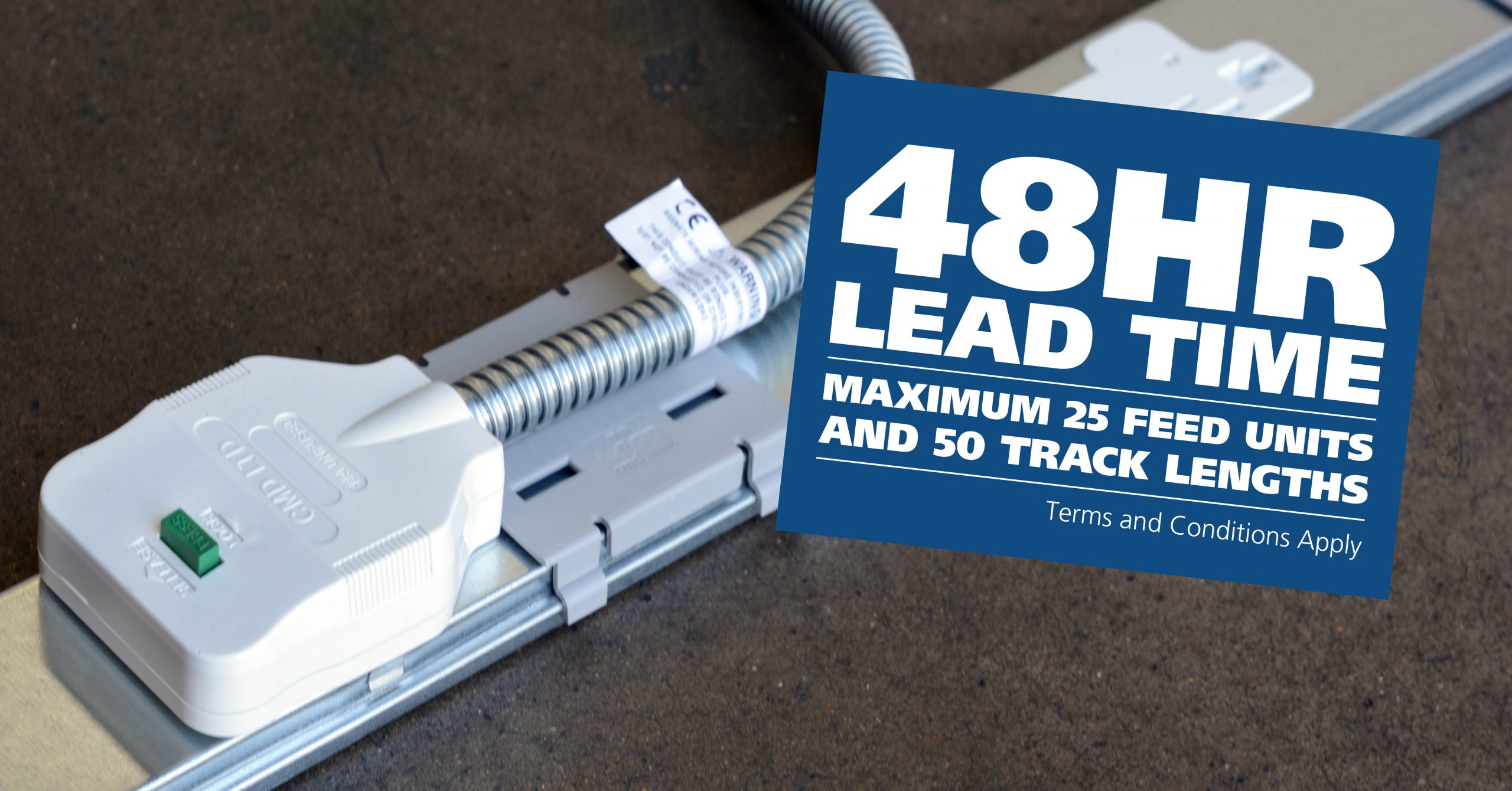
CMD Ltd LAUNCHES 48-HOUR TURNAROUND ON BETATRAK® RAPID ORDERING SERVICE

CMD Ltd, the specialist in power distribution systems, workstation power and monitor arms, has launched a rapid ordering service for its Betatrak® underfloor powertrack distribution systems and accessories, with a commitment to delivering within 48-hours of an approved purchase order*. The service enables customers to order up to 50 lengths of Standard or Clean Earth (C/E) low noise Betatrak, along with up to 25 feed...

Read more
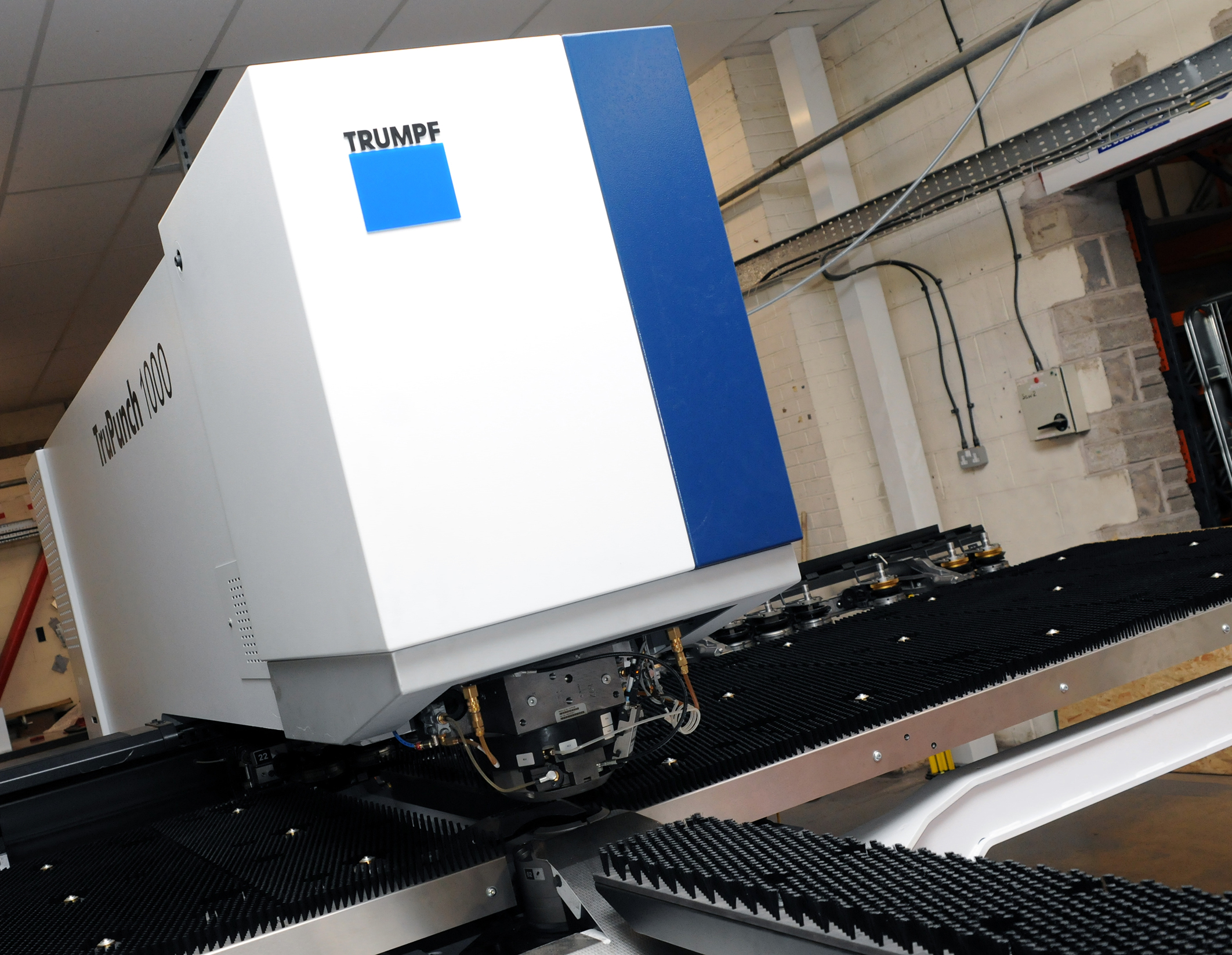
CMD INVESTS £1/4 MILLION IN NEW MACHINE AS PART OF FACTORY UPGRADE

We have invested in a new £1/4m TRUMPF CNC metal punch as part of an asset renewal strategy for our UK manufacturing capability. The new machine will be used in the production of a wide variety of our power distribution systems and workstation power products at our Rotherham factory. Suitable for handling sheet metal between 0.9mm and 3.0mm thick, the new machine will replace one...

Read more
CMD CATALOGUE PROVIDES TECHNICAL POWER DISTRIBUTION GUIDE

CMD Ltd has released a new catalogue, providing an easy to follow technical guide to our power distribution systems and plug and play desk modules. Detailing CMD’s full range of UK-manufactured power distribution systems and plug and play desk modules, the catalogue will be a helpful source of information to M&E engineers and contractors alike to understand how our power distribution systems connect together and...

Read more
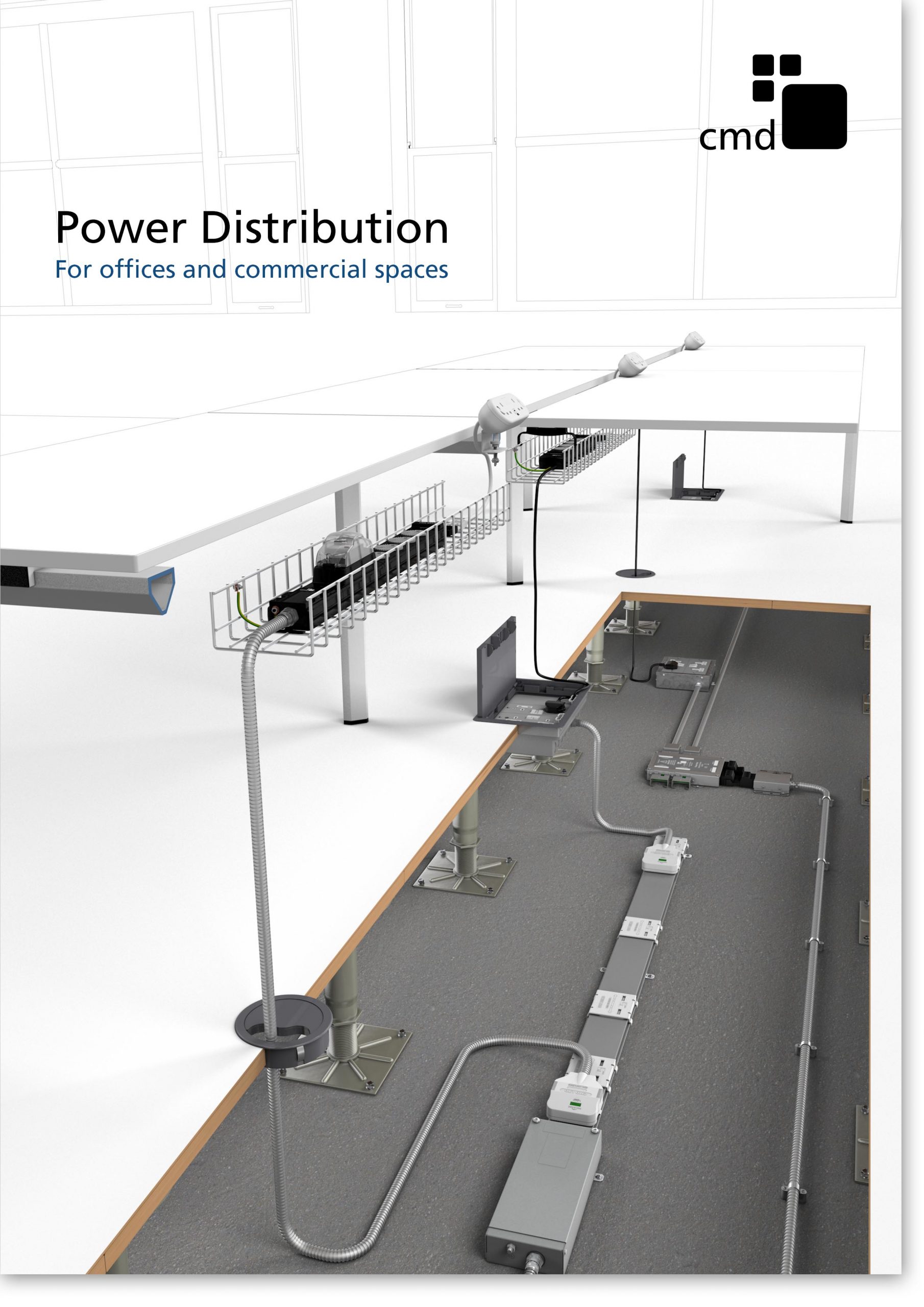
Power Distribution Catalogue
CMD Ltd PLAYS ESSENTIAL ROLE IN ELECTRICAL FIT OUT AT LONDON’S PRESTIGIOUS OFFICE DEVELOPMENT

CMD Ltd, specialist in workplace connectivity and ergonomic solutions, has provided a flexible and high-quality power distribution network for The Ray, a prestigious office development in London’s Farringdon. Well-known for being the former site of The Guardian newspaper, The Ray now stands as an 83,000ft² office development characterised by a modernised warehouse aesthetic, with level two now occupied by a global social media company. The...

Read more

The Ray
CMD plugs in to european opportunity with Schuko Capsule unit launch

CMD Ltd, the specialist in power and connectivity solutions for commercial environments, has launched a Schuko version of its popular fixed format Capsule workstation power module for export to mainland Europe and beyond. A popular on desk power module comprising two sockets and dual USB (type A and C) chargers, CMD’s Capsule unit is already widely specified in the UK as an off-the-shelf workstation power...

Read more
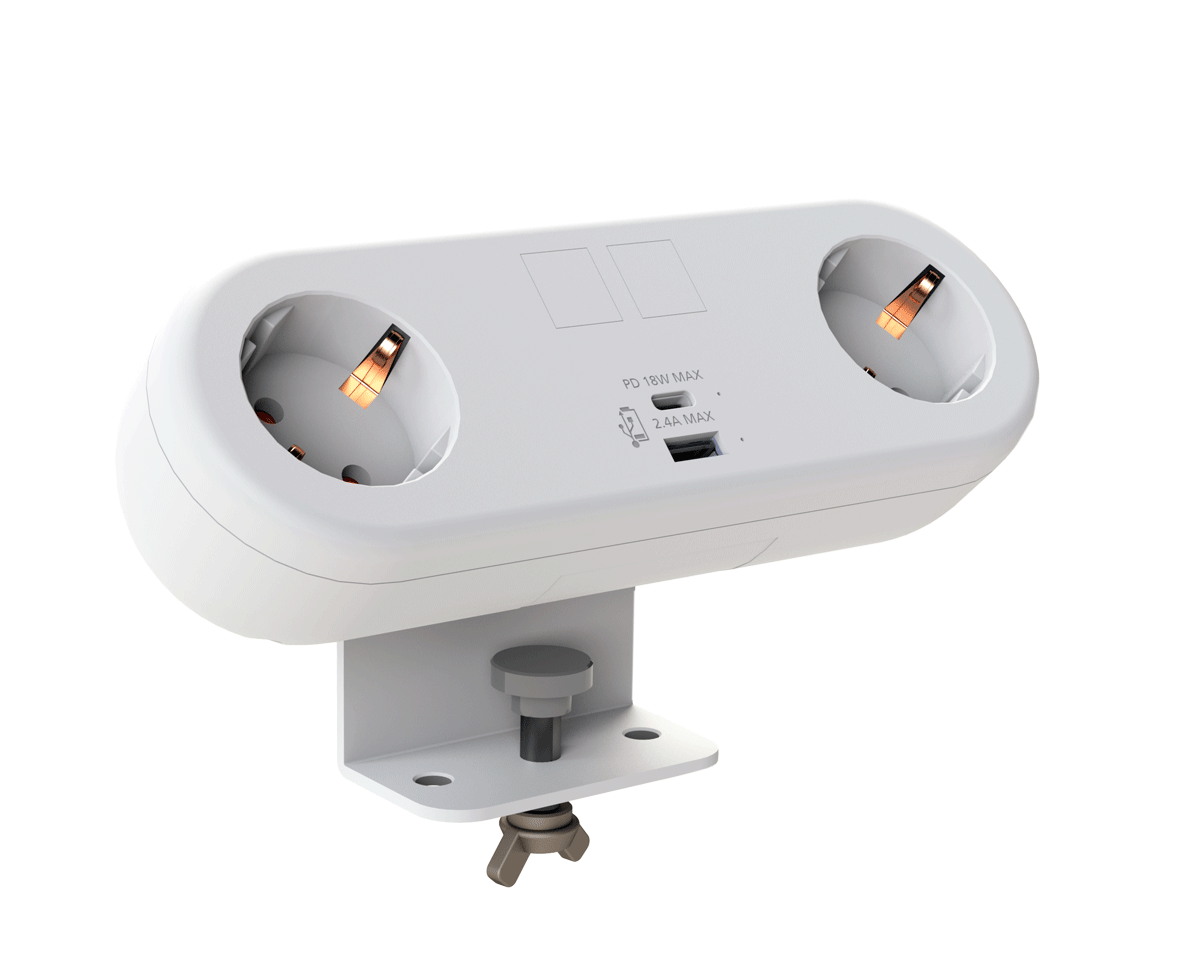
CMD White Schuko Capsule Desk Power Module
CMD LTD EXTENDS MONITOR ARM RANGE WITH THE LAUNCH OF REACH PLUS

CMD Ltd, the specialist in ergonomic and connectivity solutions for commercial interiors, has completed its Reach monitor arm range with the launch of the Reach Plus. Available in single or dual screen options, the Reach Plus has been designed to provide an ideal solution for both single and dual screen workstation configurations, or can be used with next generation of large format curved screens. Suitable...

Read more

CMD Ltd DEMONSTRATES THE ART OF POWER DISTRIBUTION AT THE UNIVERSITY OF WARWICK

CMD Ltd, the specialist in workplace connectivity and ergonomic solutions, has provided Betatrak busbar power distribution and a range of electrical accessories for two major capital investment projects at the University of Warwick. Designed by Fielden Clegg Bradley Studios, the £33 million Faculty of Arts building is a showpiece development comprising four interconnected structures set around a central atrium, which will enable inter-disciplinary collaboration across...

Read more

University of Warwick
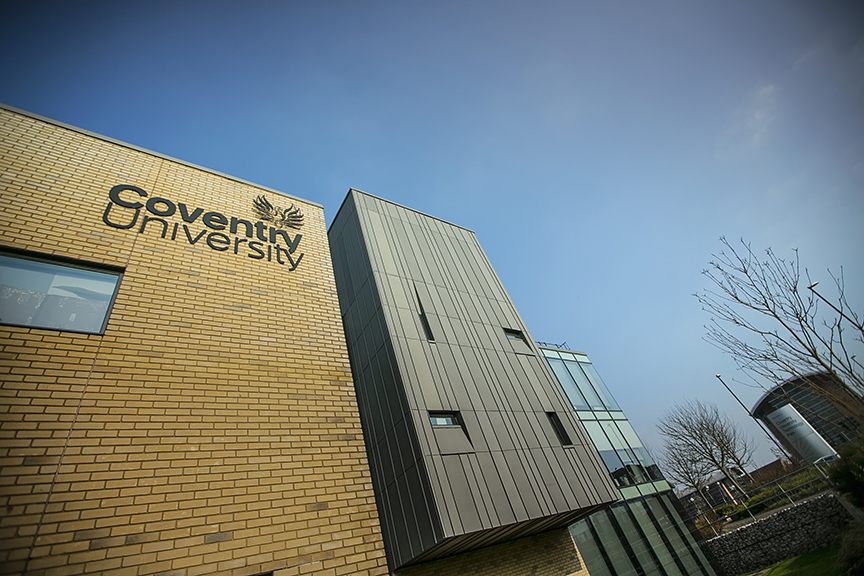
CMD BRINGS HARMONY TO COVENTRY UNIVERSITY RESEARCH FACILITIES

CMD Ltd, the specialist in power distribution solutions and workstation power and ergonomics, has provided under desk and on desk power modules for the refurbishment of three Coventry University research buildings. Located on Coventry University Technology Park, a business park designed to encourage collaboration between the university and knowledge-based businesses, the three buildings are being repurposed as office accommodation for university research teams. The refurbishment...

Read more
Coventry University

How to Choose a Transformer Production Line?

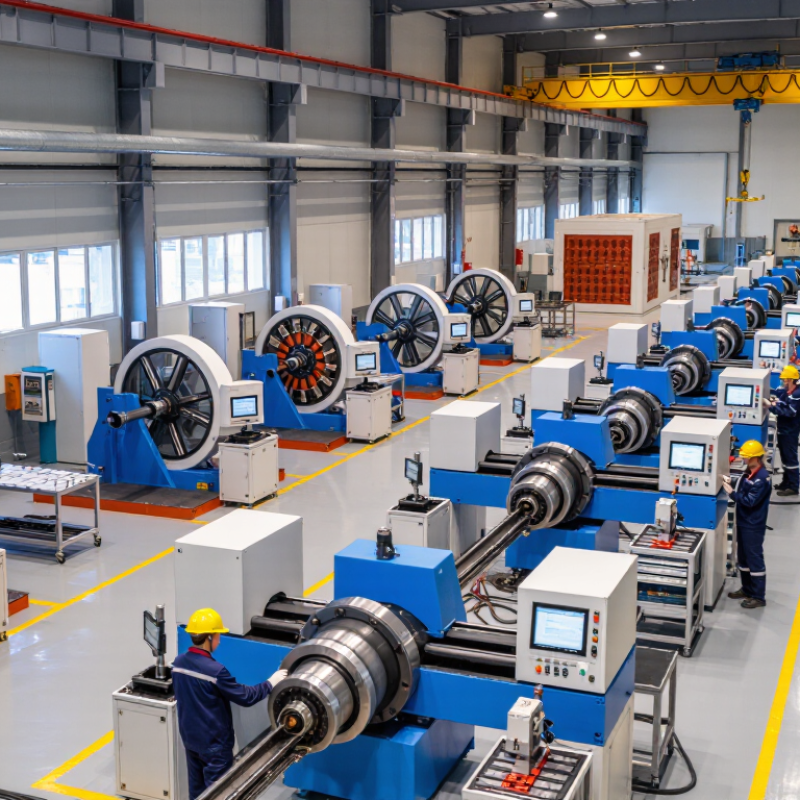
Choosing a Transformer Production Line is a practical decision with long-term consequences. It affects product quality, operating costs, worker safety, and delivery performance. A line that looks impressive in a showroom may perform differently in a real factory. Dust, humidity, unstable power, limited floor space, and changing order sizes can expose hidden weaknesses.

Experienced manufacturers usually begin with the transformer types, voltage ranges, core dimensions, and expected annual output. These details guide decisions about winding machines, core cutting systems, insulation equipment, drying ovens, assembly stations, and testing instruments. Production speed matters, but consistency matters more. A winding machine that produces uneven tension can create costly defects later. Small errors become expensive.

Ask practical questions.

Can operators maintain the equipment without waiting weeks for overseas technicians? Are replacement parts available locally? Does the supplier provide installation training, process documentation, and reliable after-sales support? Independent test reports, factory references, and performance records deserve careful review. Claims alone are not enough.

A reliable evaluation should include a factory visit, sample production, energy consumption data, noise levels, and a realistic maintenance schedule. Buyers should also compare automation with actual labor skills. Full automation may appear efficient, yet it can be unsuitable for smaller batches or frequent design changes. I have seen projects focus heavily on output capacity while underestimating commissioning time. That mistake can delay production for months.

The best Transformer Production Line is not always the fastest or most expensive. It should match technical requirements, workforce capability, quality targets, and future expansion plans. Leave room for honest uncertainty. A thoughtful decision protects investment and supports stable production.

How to Choose a Transformer Production Line?

Define Transformer Type, Rating, and Frequency Under IEC 60076

How to Choose a Transformer Production Line?

Define Transformer Type, Rating, and Frequency Under IEC 60076

Choosing a transformer production line starts with a precise product definition. IEC 60076 provides the technical framework for power transformers, including insulation, temperature rise, tests, and performance requirements. Identify the transformer type before discussing machinery. It may be oil-immersed or dry-type, single-phase or three-phase, and designed for distribution or power service. Each choice affects winding equipment, drying systems, assembly space, and testing capacity.

The rating must describe more than a single MVA value. Record rated power, high- and low-voltage levels, connection symbol, impedance, insulation level, cooling method, and permitted temperature rise. For example, a 10 MVA transformer rated at 33/11 kV needs different production controls from a smaller 400 kVA unit. Frequency is equally important. State 50 Hz or 60 Hz clearly, because frequency influences core design, flux density, losses, and verification tests. A vague frequency assumption can create expensive rework.

Tips: Prepare a product data sheet before selecting machines. Check the applicable IEC 60076 parts with a qualified engineer. Confirm local grid conditions and customer specifications. Leave room for variation in future orders. A first specification is rarely perfect. In design reviews, teams sometimes focus on capacity and overlook testing requirements. That mistake can distort the entire line layout. Validate the production sequence against real transformer dimensions, not only catalog estimates.

Match Core, Coil, and Tank Processes to 10–1,000 kVA Output

How to Choose a Transformer Production Line?

Choosing a transformer production line starts with the output range, not the machine catalog. For 10–100 kVA units, a compact core cutting line, simple winding equipment, and a manual or semi-automatic tank station may be sufficient. These transformers often use smaller conductors and lighter tanks. Operators can correct winding tension quickly. That matters. However, manual work can create unwanted variation.

100–400 kVA

From 100 to 400 kVA, specify controlled core joining, coil winding, drying, and tank fabrication. Step-lap core assembly can reduce losses when joints are accurate. Foil or wire winding should match conductor size, insulation design, and short-circuit requirements. Add tension monitoring and dimensional checks. A line may look fast on paper. It may still bottleneck during drying or testing.

400–1,000 kVA

For 400–1,000 kVA, production usually needs heavier handling, automated winding control, vacuum drying, and consistent tank welding. The core line should move larger laminations without damaging their edges. Coil equipment must maintain pressure and alignment across longer windings. Tank processes require leak testing, bushing positioning, surface preparation, and controlled coating.

I have seen lines optimized for winding but slowed by crane movement. Layout is production equipment too. Review daily volume, product variety, and available floor space before choosing. A perfect design rarely survives unchanged. Pilot runs reveal more than brochures.

Compare Automation Levels Using Cycle Time, OEE, and Labor Requirements

How to Choose a Transformer Production Line?

Compare Automation Levels Using Cycle Time, OEE, and Labor Requirements

Choosing a transformer production line requires more than comparing machine speeds. Cycle time shows how long one unit takes under defined conditions. Measure loading, winding, assembly, testing, and changeovers separately. A quoted cycle time may exclude material handling or inspection. Small delays accumulate.

OEE provides a more realistic view. It combines availability, performance, and quality. Record unplanned stops, reduced speeds, and rejected units during representative production runs. An automated line may produce one transformer every few minutes, yet frequent sensor faults can reduce availability. Manual lines can appear slower, but skilled workers may recover from product variations more quickly. The comparison must use the same product mix and shift length.

Labor requirements also change with automation level. Count operators, material handlers, inspectors, technicians, and supervisors. Semi-automated equipment may need more hands-on work, but it can simplify maintenance and changeovers. Highly automated equipment often reduces direct labor while increasing programming and troubleshooting demands. Training time matters. So does ergonomic risk.

Use measured data rather than sales estimates. Pilot testing helps. My experience suggests that early calculations often overlook rework and waiting time. That is worth challenging. A line with excellent theoretical speed may perform poorly when copper sizes, insulation designs, or order quantities change. Leave practical space for maintenance access, operator movement, and future product adjustments.

How to Choose a Transformer Production Line? - Compare Automation Levels Using Cycle Time, OEE, and Labor Requirements

Production Line Type Typical Manufacturing Scope Nominal Cycle Time
(min/unit)
Expected OEE Direct Labor
(operators/shift)
Estimated Output
(units/shift)
Changeover Time
(min)
Best-Fit Production Profile
Manual Coil preparation, winding, core assembly, connection, and inspection performed mainly by operators 45–70 45–60% 12–20 5–8 30–60 Low-volume production, frequent product variation, and limited initial capital
Semi-Automated Automated winding or cutting combined with manual loading, assembly, testing, and material handling 25–45 55–70% 8–14 8–14 20–40 Medium-volume production with several transformer ratings and moderate customization
Highly Automated Integrated winding, taping, cutting, transfer, assembly support, testing, and production tracking 12–25 65–80% 4–8 14–28 15–30 Stable product families, repeatable demand, and a strong need to reduce labor per unit
Advanced Flexible Automated material flow, programmable processing, inline inspection, digital traceability, and robotic handling 8–18 70–85% 3–6 20–40 10–20 High-volume production requiring consistent quality, traceability, and rapid recipe changes
Planning note: The figures are representative industrial planning benchmarks for small and medium distribution transformer production. Actual performance depends on transformer rating, winding structure, insulation materials, testing requirements, product mix, operator skill, maintenance practices, and shift duration. OEE combines availability, performance, and quality; estimated output is based on an effective 8-hour shift and should be validated through a line-balancing study.

Verify 50/60 Hz Testing, 2–2,500 kV Impulse, and IEC 60076 Compliance

How to Choose a Transformer Production Line?

A credible production line must prove its dielectric testing range, not merely advertise it. Verify 50 Hz and 60 Hz testing with calibrated voltage and frequency records. The test bay should support impulse levels from 2 kV to 2,500 kV, matching the transformer design and insulation class. IEC 60076-3:2013+A1:2018 defines insulation, dielectric, and impulse-test requirements for power transformers. Ask for recent test certificates, calibration dates, and waveform records. Paperwork matters.

Impulse testing needs more than a powerful generator. Check the measuring divider, grounding layout, control system, and response time. A clean impulse trace should show repeatable front time, peak voltage, and oscillation control.

CIGRE Technical Brochure 642, Transformer Reliability Survey, identifies windings, insulation systems, and bushings as recurring transformer failure areas. That evidence makes impulse and applied-voltage testing practical risk controls, not decorative specifications.

Frequency testing also deserves a physical check. Watch the transformer during a 50/60 Hz test: listen for abnormal vibration, inspect temperature rise, and record partial-discharge behavior where required. IEC 60076-1 and IEC 60076-3 should appear in the line’s quality documents. Do not accept a claimed 2,500 kV capability without matching test-object dimensions and safety clearances. I would also question a perfect factory demonstration. Real production includes setup errors, sensor drift, and retesting. A reliable line exposes those weaknesses before shipment.

Select Line Capacity, Quality Controls, and ISO 9001 Traceability Features

How to Choose a Transformer Production Line?

A suitable transformer production line should match output volume, product range, and inspection discipline. Capacity is not only a daily unit number. It also includes core cutting speed, winding stations, drying time, assembly space, and testing queues. The U.S. Department of Energy reported that about 70% of distribution transformers were at least 25 years old. This aging infrastructure increases demand for dependable replacement equipment and consistent production quality.

Quality controls must be visible at each critical stage. A line should record conductor dimensions, winding tension, insulation materials, torque values, vacuum pressure, and oil test results. Factory acceptance tests should cover ratio, resistance, losses, insulation strength, and partial discharge where required. ISO Survey 2023 recorded more than 1.2 million ISO 9001 certificates worldwide. Certification alone proves little, however. A rushed checklist can still hide a weak process.

Tips: Ask for sample production records, not only brochures. Check whether each serial number links to material batches, operators, calibration dates, test results, and approved corrections. Use barcode scanning at winding and assembly stations. Keep electronic records with controlled access. A paper backup is useful, but paper systems are easy to misplace. During a factory visit, follow one transformer from steel receipt to final test. If operators cannot explain a failed result, stop and investigate. Capacity claims deserve skepticism. Wider production lines may create more defects when training and inspection lag behind.