

News

Miro: A New Standard in Responsible Innovation

Miro: A New Standard in Responsible Innovation The Miro monitor arm is setting new benchmarks in sustainability. It offers a high-performance solution without compromising on environmental responsibility. Designed with careful material selection, local sourcing, and longevity in mind, Miro’s responsible approach to design and unique manoeuvrability set it apart from the competition. Sustainable Choices Miro is crafted from energy-efficient materials with a lower carbon impact....

Read more
HSE Advisor

Role Purpose Support in the development, implementation and maintenance of the company’s Health, Safety & Environmental policies, processes, operational procedures, and standards.  Ensuring best practice and championing a continually improving HSE culture within the business. Key Responsibilities Liaise with and provide support to all areas of the business to eliminate, mitigate or reduce identified HSE exposures. Partner with the production management team and team leaders,...

Read more
CMD Ltd LAUNCHES 48-HOUR TURNAROUND ON BETATRAK® RAPID ORDERING SERVICE

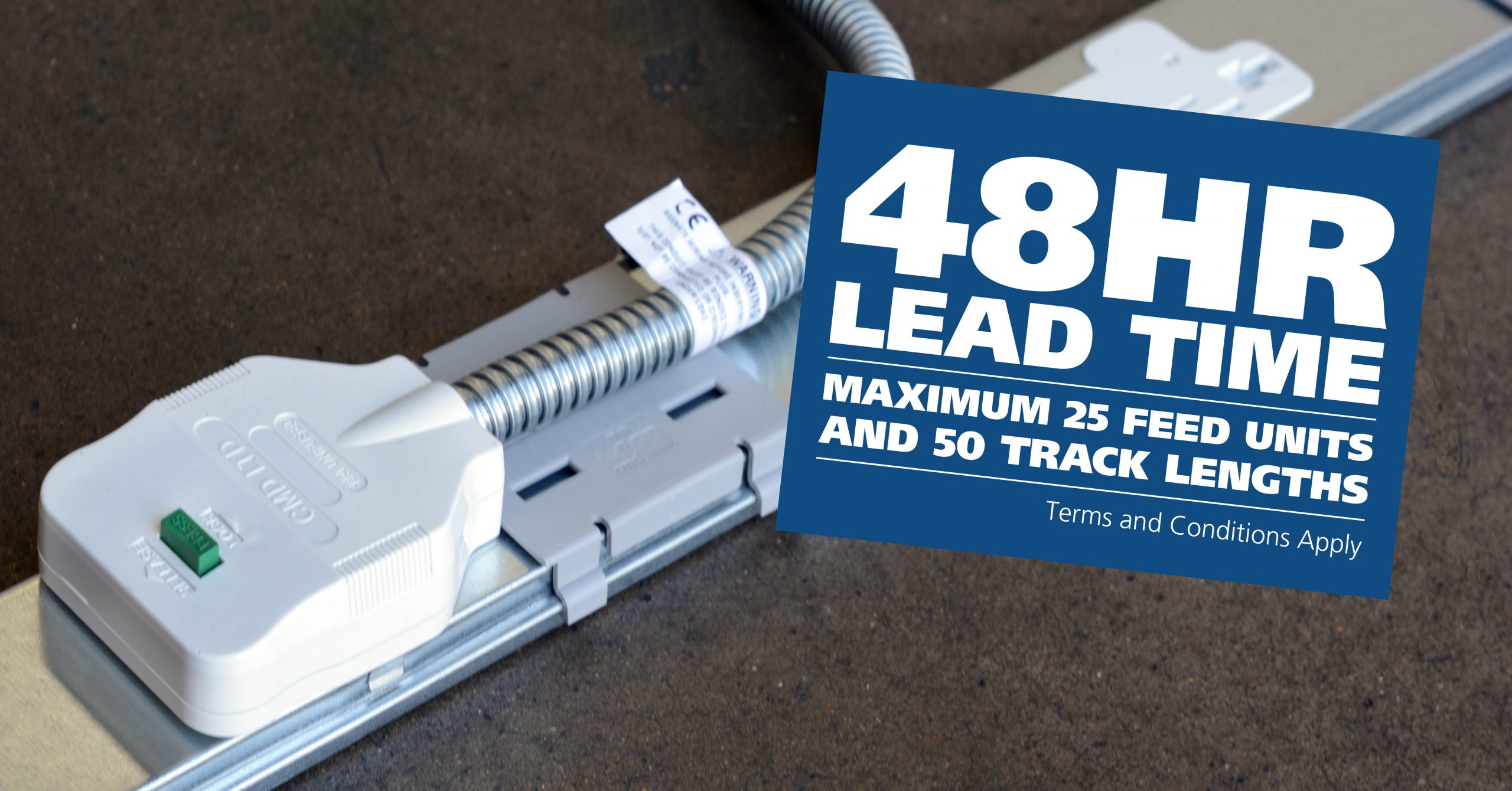
CMD Ltd, the specialist in power distribution systems, workstation power and monitor arms, has launched a rapid ordering service for its Betatrak® underfloor powertrack distribution systems and accessories, with a commitment to delivering within 48-hours of an approved purchase order*. The service enables customers to order up to 50 lengths of Standard or Clean Earth (C/E) low noise Betatrak, along with up to 25 feed...

Read more
CMD INVESTS £1/4 MILLION IN NEW MACHINE AS PART OF FACTORY UPGRADE

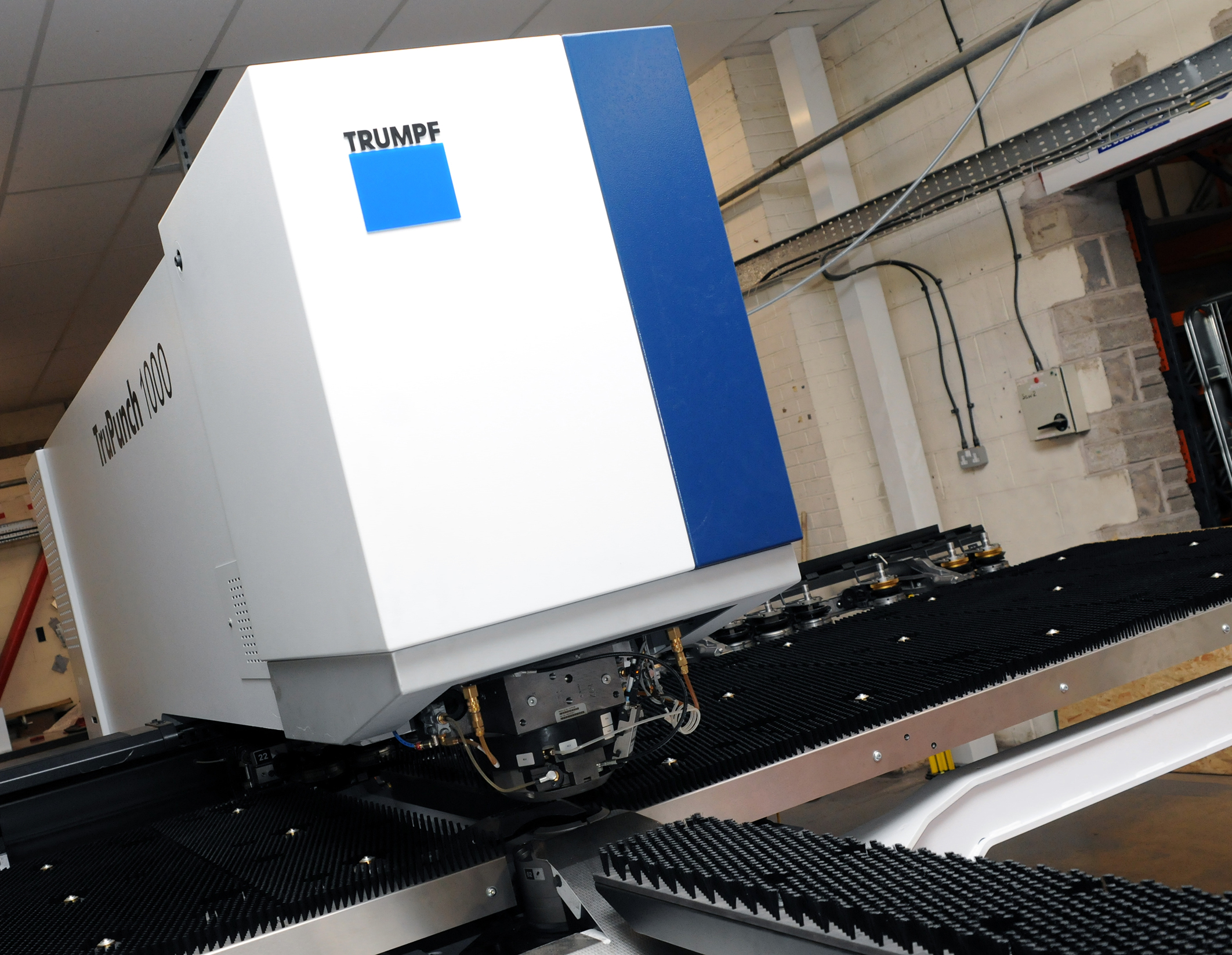
We have invested in a new £1/4m TRUMPF CNC metal punch as part of an asset renewal strategy for our UK manufacturing capability. The new machine will be used in the production of a wide variety of our power distribution systems and workstation power products at our Rotherham factory. Suitable for handling sheet metal between 0.9mm and 3.0mm thick, the new machine will replace one...

Read more
CMD CATALOGUE PROVIDES TECHNICAL POWER DISTRIBUTION GUIDE

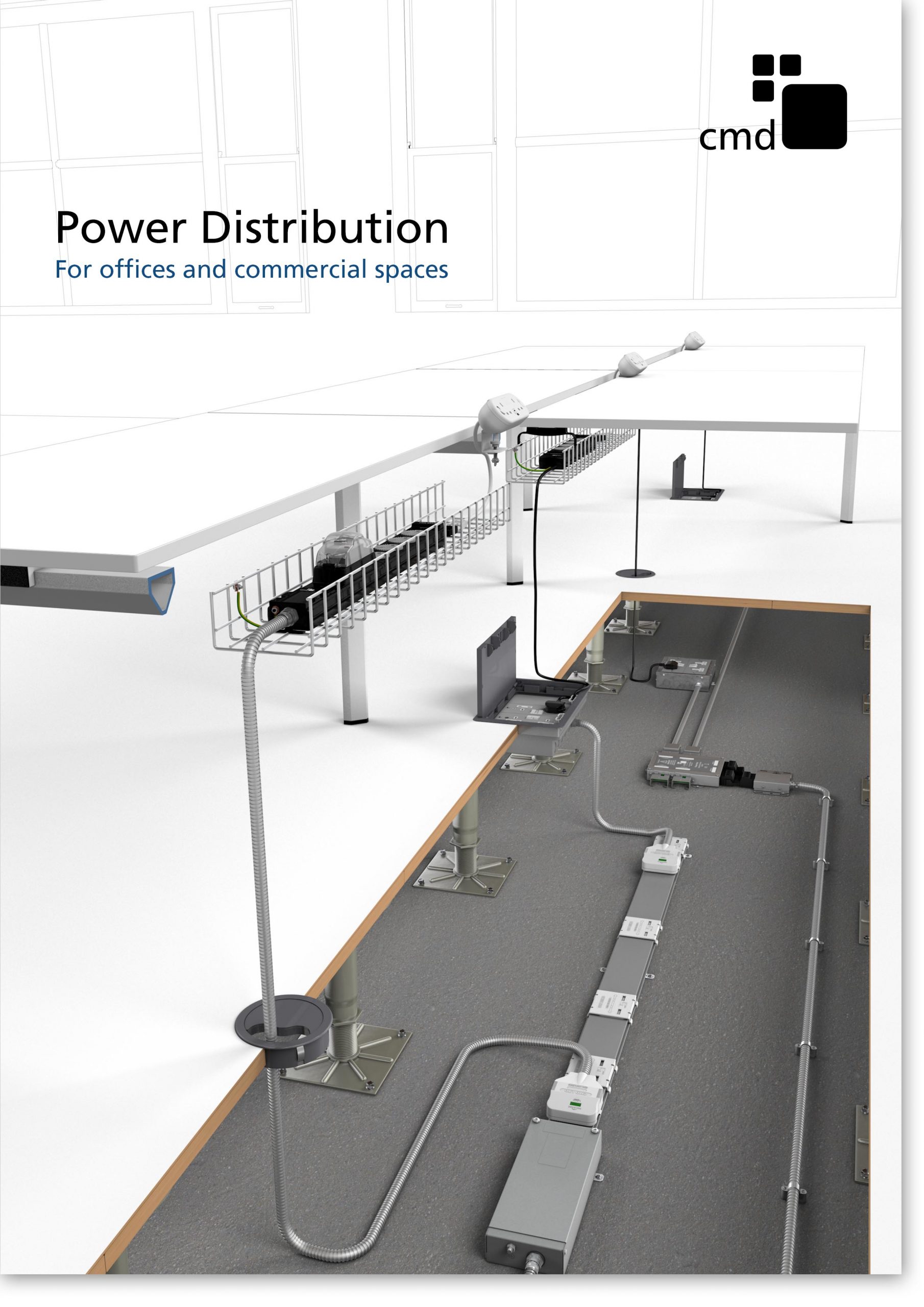
CMD Ltd has released a new catalogue, providing an easy to follow technical guide to our power distribution systems and plug and play desk modules. Detailing CMD’s full range of UK-manufactured power distribution systems and plug and play desk modules, the catalogue will be a helpful source of information to M&E engineers and contractors alike to understand how our power distribution systems connect together and...

Read more
Power Distribution Catalogue
CMD Ltd PLAYS ESSENTIAL ROLE IN ELECTRICAL FIT OUT AT LONDON’S PRESTIGIOUS OFFICE DEVELOPMENT

CMD Ltd, specialist in workplace connectivity and ergonomic solutions, has provided a flexible and high-quality power distribution network for The Ray, a prestigious office development in London’s Farringdon. Well-known for being the former site of The Guardian newspaper, The Ray now stands as an 83,000ft² office development characterised by a modernised warehouse aesthetic, with level two now occupied by a global social media company. The...

Read more

The Ray
CMD plugs in to european opportunity with Schuko Capsule unit launch

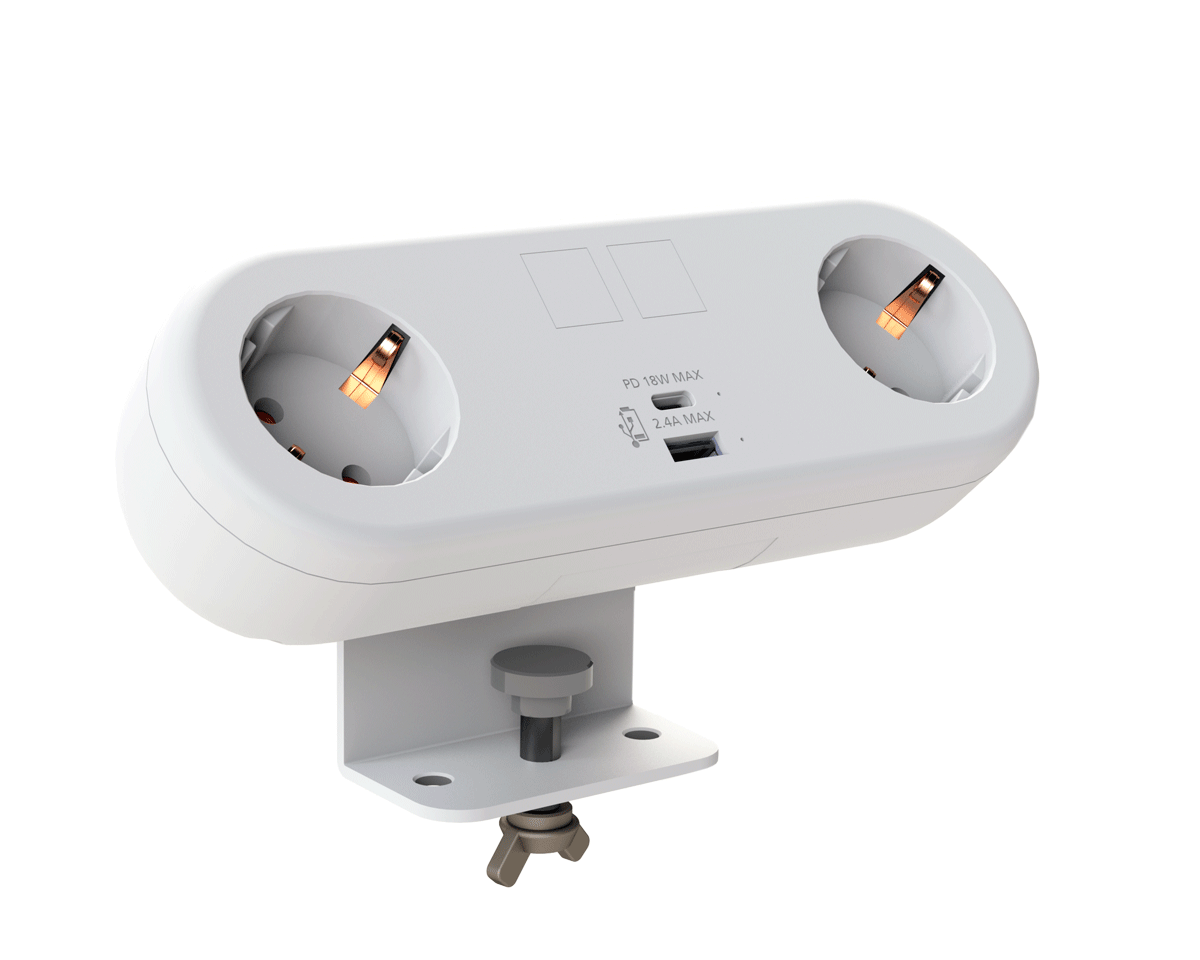
CMD Ltd, the specialist in power and connectivity solutions for commercial environments, has launched a Schuko version of its popular fixed format Capsule workstation power module for export to mainland Europe and beyond. A popular on desk power module comprising two sockets and dual USB (type A and C) chargers, CMD’s Capsule unit is already widely specified in the UK as an off-the-shelf workstation power...

Read more
CMD White Schuko Capsule Desk Power Module
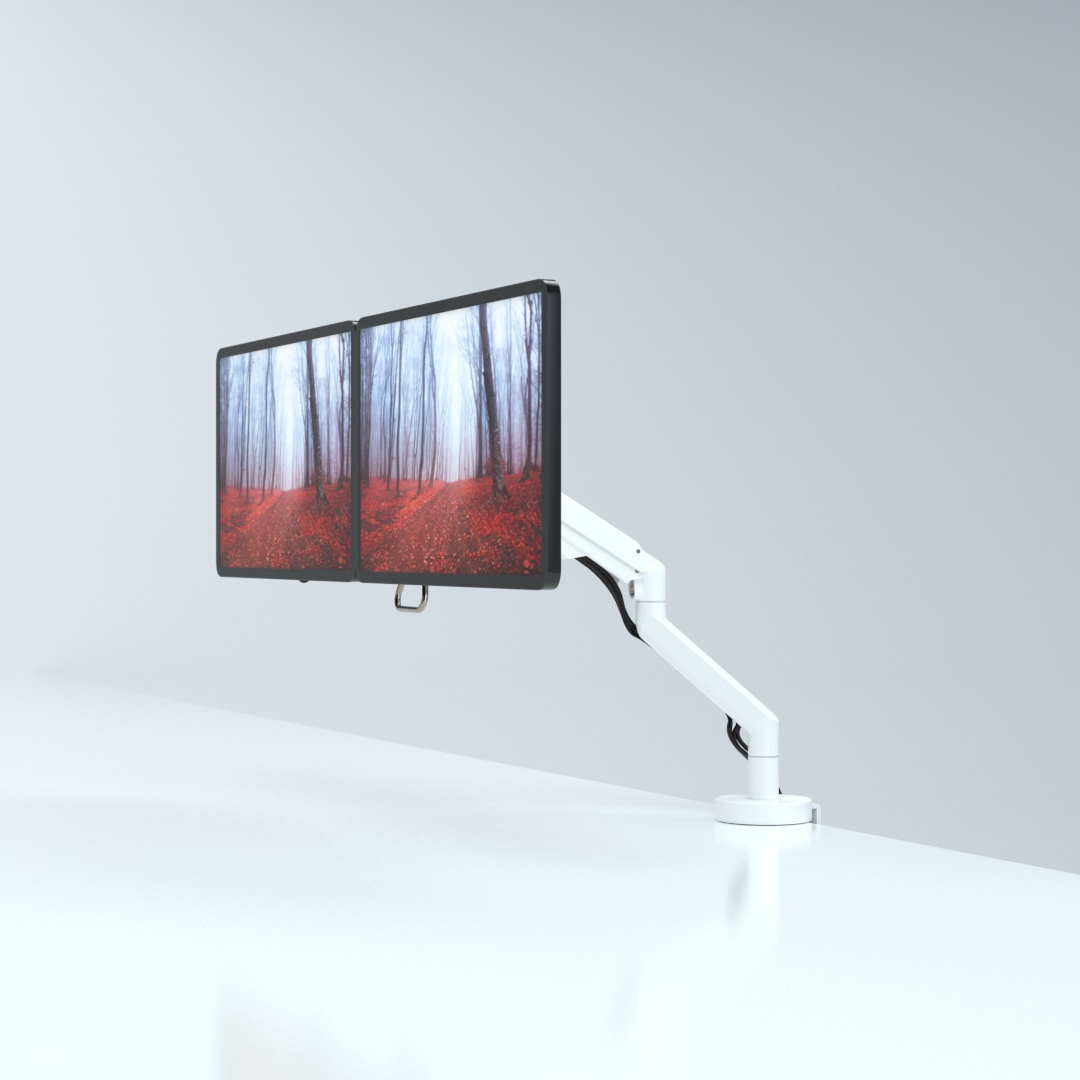
CMD LTD EXTENDS MONITOR ARM RANGE WITH THE LAUNCH OF REACH PLUS

CMD Ltd, the specialist in ergonomic and connectivity solutions for commercial interiors, has completed its Reach monitor arm range with the launch of the Reach Plus. Available in single or dual screen options, the Reach Plus has been designed to provide an ideal solution for both single and dual screen workstation configurations, or can be used with next generation of large format curved screens. Suitable...

Read more
CMD Ltd DEMONSTRATES THE ART OF POWER DISTRIBUTION AT THE UNIVERSITY OF WARWICK

CMD Ltd, the specialist in workplace connectivity and ergonomic solutions, has provided Betatrak busbar power distribution and a range of electrical accessories for two major capital investment projects at the University of Warwick. Designed by Fielden Clegg Bradley Studios, the £33 million Faculty of Arts building is a showpiece development comprising four interconnected structures set around a central atrium, which will enable inter-disciplinary collaboration across...

Read more

University of Warwick
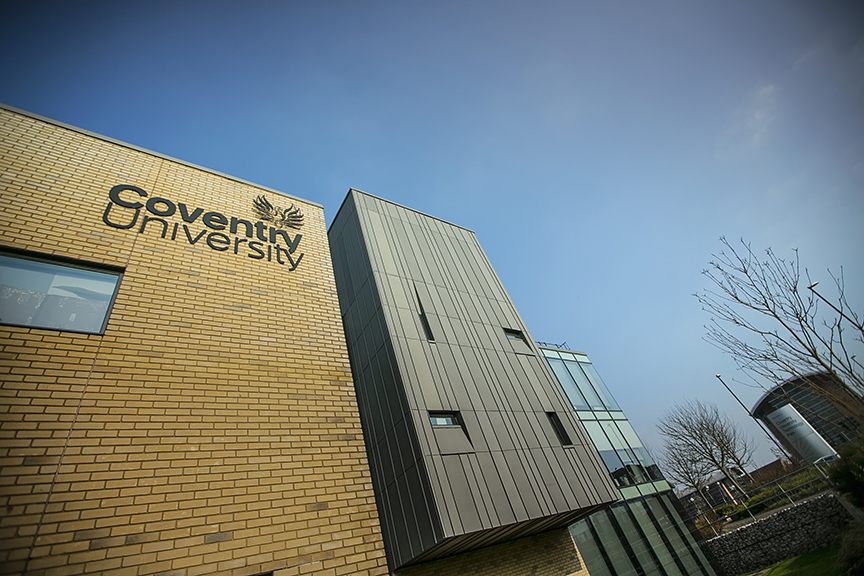
CMD BRINGS HARMONY TO COVENTRY UNIVERSITY RESEARCH FACILITIES

CMD Ltd, the specialist in power distribution solutions and workstation power and ergonomics, has provided under desk and on desk power modules for the refurbishment of three Coventry University research buildings. Located on Coventry University Technology Park, a business park designed to encourage collaboration between the university and knowledge-based businesses, the three buildings are being repurposed as office accommodation for university research teams. The refurbishment...

Read more
Coventry University

How to Choose the Right Quartz Reactor for Your Needs?

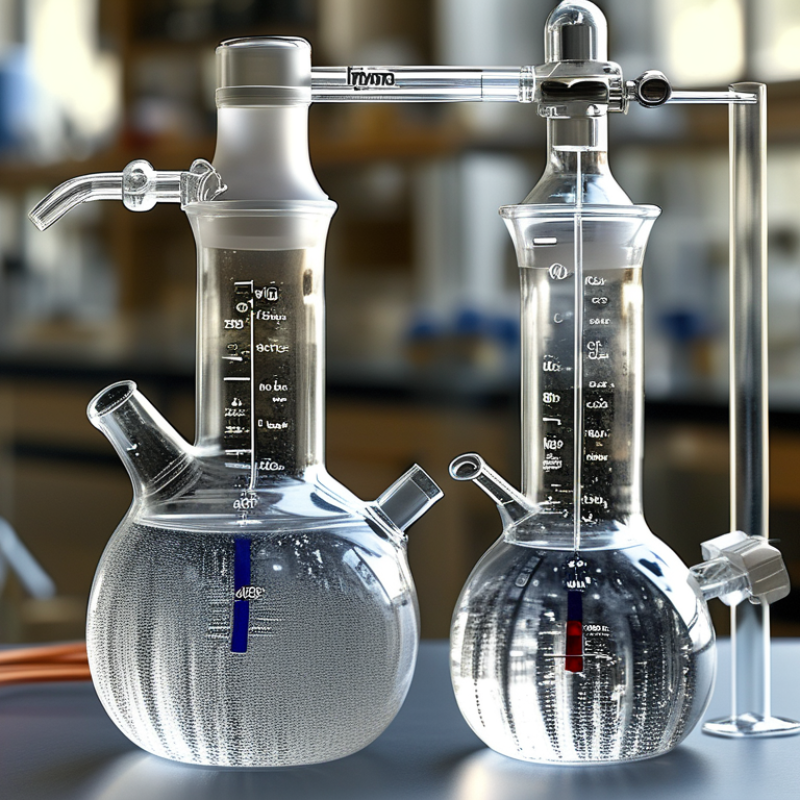
Choosing the right Quartz Reactor begins with understanding your process, not simply selecting the largest vessel. A reactor may look suitable in a catalog, yet fail under real operating conditions. Consider the working wavelength, temperature range, pressure, liquid volume, and chemical compatibility. These factors influence reaction stability and equipment life. Clear quartz supports excellent light transmission, while opaque or coated designs may suit thermal processes better. Measure twice.

In practical laboratory and pilot-scale work, reactor geometry can change mixing, irradiation, and heat transfer. A narrow tube may improve light exposure, but it can restrict cleaning and material loading. A wider chamber offers easier access, though it may create uneven temperature zones. Check the quartz wall thickness, flange design, seals, ports, and connection materials. Weak fittings can undermine a strong reactor body. Small details matter.

Reliable selection also requires traceable specifications and honest communication with the manufacturer. Ask for temperature limits, dimensional tolerances, surface quality, and inspection records. Confirm whether the design supports your cleaning method and expected operating cycles. Do not rely only on attractive photographs or broad performance claims. They can hide practical limitations. A perfect choice rarely exists. The best Quartz Reactor balances safety, process control, maintenance, budget, and future expansion. Review your assumptions before ordering, because an overlooked detail can become an expensive lesson.

How to Choose the Right Quartz Reactor for Your Needs?

Define the Process Requirements for Your Quartz Reactor

How to Choose the Right Quartz Reactor for Your Needs?

Define the Process Requirements for Your Quartz Reactor

Choosing a quartz reactor should begin with the process, not the vessel shape. Define the reaction temperature, pressure, volume, and operating time. These details determine the quartz grade, wall thickness, and reactor geometry. Quartz handles high temperatures well, but it is not suitable for every chemical environment. Check compatibility with acids, solvents, gases, and cleaning agents before finalizing the design.

Consider how materials will enter and leave the reactor. A batch process may need a wide opening and simple sampling port. A continuous process requires controlled flow, stable residence time, and reliable connections. Light-driven reactions also need clear optical paths and a specified wavelength range. In practical testing, small dead zones can affect results more than expected. That detail is easy to miss. It deserves review.

Tips: Record normal and worst-case conditions separately. Include pressure spikes, rapid heating, cooling cycles, and cleaning procedures. Ask whether the reactor will be inspected manually or monitored with sensors. Use documented material data and verified calculations when sizing ports, seals, and supports. A perfect specification is rarely achieved on the first attempt. Recheck every assumption with the operators who will use the reactor.

Compare Quartz Reactor Designs and Operating Configurations

Choosing the right quartz reactor starts with comparing its design and operating configuration. A tubular reactor suits continuous processing, especially when stable flow and controlled residence time matter. A batch reactor offers better flexibility for changing recipes, sampling, and small production runs. Quartz provides excellent thermal resistance and chemical transparency, but it is not indestructible.

Consider the reactor’s geometry carefully. A narrow tube improves contact between gases and heated surfaces, while a wider vessel allows easier loading and cleaning. Jacketed designs support more even temperature control. However, temperature gradients can still appear near seals, inlets, or poorly insulated zones. I have seen minor design details create major differences in repeatability. Flow rate, pressure, mixing, and exposure time should match the process, not just the vessel volume. For light-driven work, inspect the optical path and wall thickness. Small changes can reduce energy reaching the reaction zone.

Tips: Define the working volume, peak temperature, pressure, and chemical compatibility before comparing models. Check whether the configuration supports sensors, sampling ports, and safe venting. Ask for documented testing, material specifications, and maintenance guidance. Leave enough headspace. It is an easy detail to overlook. Also, test a smaller setup first when scale-up behavior is uncertain; heat transfer and flow patterns may change unexpectedly. A practical decision often requires revisiting the original assumptions.

How to Choose the Right Quartz Reactor for Your Needs? - Compare Quartz Reactor Designs and Operating Configurations

Reactor Design Typical Operating Mode Typical Working Volume or Flow Typical Temperature Range Typical Pressure Range Main Advantages Key Limitations Best-Fit Applications
Batch Quartz Reactor Closed or partially vented batch processing 0.1–20 L laboratory scale Ambient to approximately 1,100°C, depending on furnace and assembly Vacuum to near atmospheric pressure; pressure-rated designs require special engineering Simple setup; easy sample loading; suitable for screening and recipe development Limited scalability; temperature and concentration may vary during a long batch cycle Material testing, thermal treatment, catalyst screening, small-batch synthesis
Straight-Through Tubular Reactor Continuous plug-flow or near plug-flow operation Common laboratory internal diameters: 5–50 mm; flow depends on residence time and pressure drop Ambient to approximately 1,100°C with appropriate heating equipment Vacuum to atmospheric pressure in standard laboratory configurations Continuous operation; defined residence time; straightforward scale-up by length, diameter, or parallelization Can develop axial temperature gradients; solids or viscous fluids may cause blockage Gas-phase reactions, thermal conversion, continuous photochemistry, coating and deposition studies
Annular Quartz Reactor Continuous flow through the space between concentric quartz tubes Typically tens of milliliters to several liters per hour in laboratory systems Ambient to approximately 800°C, depending on seals, lamps, and heating method Usually near atmospheric pressure; vacuum operation is possible with suitable seals Good optical access; compact light path; relatively uniform irradiation around the flow channel More complex assembly; annular gap must be controlled to avoid excessive pressure drop UV photochemistry, advanced oxidation, photocatalytic water treatment, gas–liquid irradiation
Immersion-Well Quartz Reactor Batch or recirculating liquid operation with a quartz light well immersed in the fluid Approximately 0.2–10 L for common laboratory vessels Usually ambient to approximately 150°C for liquid photoreactions Generally atmospheric pressure unless a separately rated vessel is used Efficient light transfer; easy temperature control; suitable for opaque or strongly absorbing mixtures Lamp fouling can reduce transmission; cleaning and cooling are important Photocatalysis, UV disinfection, liquid-phase photolysis, reaction kinetics
Coil or Serpentine Quartz Reactor Continuous flow through a coiled quartz tube Common tube inside diameters: 1–10 mm; flow is selected to achieve the required residence time Ambient to approximately 500°C, depending on tube diameter and support structure Usually atmospheric to moderate pressure; verify the pressure rating of the complete assembly High surface-area-to-volume ratio; compact footprint; fast heat and mass transfer Higher pressure drop; difficult to inspect and clean; unsuitable for large particles Microflow chemistry, rapid screening, photochemical residence-time studies, heat-sensitive reactions
Fluidized-Bed Quartz Reactor Continuous gas flow suspending catalyst or particulate material Laboratory tubes commonly use approximately 10–100 g of solids, subject to particle size and gas velocity Ambient to approximately 1,000°C with suitable furnace design Usually near atmospheric pressure; higher pressure requires a specifically engineered system Good gas–solid contact; relatively uniform particle temperature; useful for catalyst evaluation Requires careful gas-velocity control; particle carryover and attrition may occur Catalyst testing, adsorption, gasification, combustion, and particulate reaction studies
Quartz CVD or Deposition Tube Continuous or semi-continuous gas flow through a heated zone Tube diameters commonly range from 20–100 mm in laboratory furnaces Approximately 500–1,100°C, depending on the deposited material and process chemistry Vacuum to atmospheric pressure; process-specific limits apply High-temperature chemical resistance; low contamination; clear view of substrates and deposition zone Thermal gradients can affect film uniformity; deposits may require frequent tube cleaning Thin-film deposition, nanoparticle synthesis, carbon processing, and semiconductor research
Pressurized Quartz Reactor Batch or continuous operation under controlled pressure Typically small laboratory volumes, often below 1 L for specialized designs Temperature depends on the vessel design, seals, wall thickness, and pressure rating Must be specified by the engineered vessel rating; never assume standard quartz tubing is pressure-rated Enables controlled gas dissolution, elevated boiling points, and pressure-dependent reaction studies Higher safety and engineering requirements; thermal shock and mechanical stress must be carefully managed Superheated liquid studies, gas–liquid reactions, hydrothermal screening, and pressure-dependent kinetics

Note: Operating ranges are typical laboratory selection guidelines rather than universal ratings. Final reactor selection should confirm quartz grade, wall thickness, thermal-shock resistance, seal compatibility, pressure rating, light wavelength, chemical compatibility, and required residence time for the specific process.

Select the Right Quartz Grade, Size, and Shape

Choosing a quartz reactor starts with matching the quartz grade to the process environment. High-purity fused silica suits applications where contamination control matters. Low hydroxyl quartz can perform better in dry, high-temperature conditions. However, higher hydroxyl content may support better ultraviolet transmission. Check the operating wavelength, temperature range, and chemical exposure before ordering. Purity alone does not guarantee the best result.

Size should follow the real process, not only the sample volume. Leave enough headspace for gas movement, thermal expansion, and safe loading. A reactor that is too large may create uneven heating and waste energy. One that is too small can restrict flow and increase contact with the walls. Measure the furnace zone carefully. Small dimensional errors matter.

Shape also affects performance. Straight tubes support simple gas-flow systems, while wider chambers provide easier sample handling. Boats and trays work well for flat materials, but sharp corners may concentrate thermal stress. Rounded transitions are often safer. I would also inspect wall thickness and port placement, not just the outer dimensions. This step is easy to overlook. In practice, custom designs can solve uneven flow, yet they may require more cleaning and longer lead times. Review drawings with the fabricator and confirm tolerances before production.

Evaluate Temperature Control, Sealing, and Chemical Compatibility

How to Choose the Right Quartz Reactor for Your Needs?

Temperature control starts with the heating zone, not the controller display. Fused quartz can tolerate very high temperatures, but its low thermal conductivity, about 1.4 W/m·K at room temperature, may create uneven heating. The U.S. National Institute of Standards and Technology reports that thermal properties change with temperature, so calibration at operating conditions matters. Use a multi-point thermocouple check. Small hot spots can damage samples.

Sealing deserves equal attention. A reactor may operate at low pressure, yet repeated heating can stress joints, O-rings, and feedthroughs. ASTM vacuum testing practices recommend checking leakage under actual thermal conditions, not only at room temperature. That detail is easy to miss. It should not be. Select seals according to temperature, pressure, and exposure time. A perfect seal at 25°C may fail after several cycles.

Chemical compatibility is more than a resistance chart. Fused quartz performs well with many acids and solvents, but hydrofluoric acid and hot concentrated alkaline solutions can attack it significantly. Data from ASM International’s corrosion references support this caution. Check concentration, temperature, vapor phase, and cleaning method together. I once treated “quartz compatible” as a complete answer. It was not. A small pilot test, followed by visual inspection and mass-change measurement, can reveal surface damage before full-scale use.

How to Choose the Right Quartz Reactor for Your Needs?

Evaluate temperature control, sealing performance, and chemical compatibility before selecting the reactor configuration.

A fluoropolymer-sealed quartz reactor is suitable for lower-temperature processing, while graphite sealing supports higher temperatures but requires attention to oxidation conditions. A fused-quartz welded closure provides the highest temperature capability and excellent chemical resistance, but it is less convenient when frequent opening or maintenance is required. Actual limits depend on pressure, thermal cycling, seal geometry, and chemical concentration.

Verify Safety, Maintenance Needs, and Supplier Support

Choosing a quartz reactor requires more than checking volume and temperature limits. Safety details deserve equal attention. Confirm the reactor’s pressure rating, thermal range, and quartz wall thickness. Ask whether the design includes suitable shielding, temperature monitoring, and pressure relief measures. The reactor should match your process conditions, not merely your planned batch size. In routine laboratory work, I have found that overlooked fittings often create more trouble than the quartz vessel itself. Small leaks matter.

Maintenance needs should be visible before purchase. Examine the reactor for stress marks, clouding, devitrification, and fine cracks after repeated heating cycles. Request clear cleaning instructions for the quartz body, seals, valves, and connectors. Some residues appear harmless but become difficult to remove after heating. Keep inspection records and define replacement intervals for wear parts. I once underestimated the time required for seal replacement. That mistake disrupted a test schedule.

Supplier support can determine whether the reactor remains useful after installation. A reliable supplier should provide drawings, material information, operating limits, inspection guidance, and documented safety instructions. Ask how quickly technical questions are answered and whether replacement components remain available. Training is valuable when several operators share the equipment. Request practical advice for abnormal conditions, not only routine operation. Support may sound like a service feature, but it directly affects safe use. Even experienced teams should question unclear documentation.