

News

Miro: A New Standard in Responsible Innovation

Miro: A New Standard in Responsible Innovation The Miro monitor arm is setting new benchmarks in sustainability. It offers a high-performance solution without compromising on environmental responsibility. Designed with careful material selection, local sourcing, and longevity in mind, Miro’s responsible approach to design and unique manoeuvrability set it apart from the competition. Sustainable Choices Miro is crafted from energy-efficient materials with a lower carbon impact....

Read more
HSE Advisor

Role Purpose Support in the development, implementation and maintenance of the company’s Health, Safety & Environmental policies, processes, operational procedures, and standards.  Ensuring best practice and championing a continually improving HSE culture within the business. Key Responsibilities Liaise with and provide support to all areas of the business to eliminate, mitigate or reduce identified HSE exposures. Partner with the production management team and team leaders,...

Read more
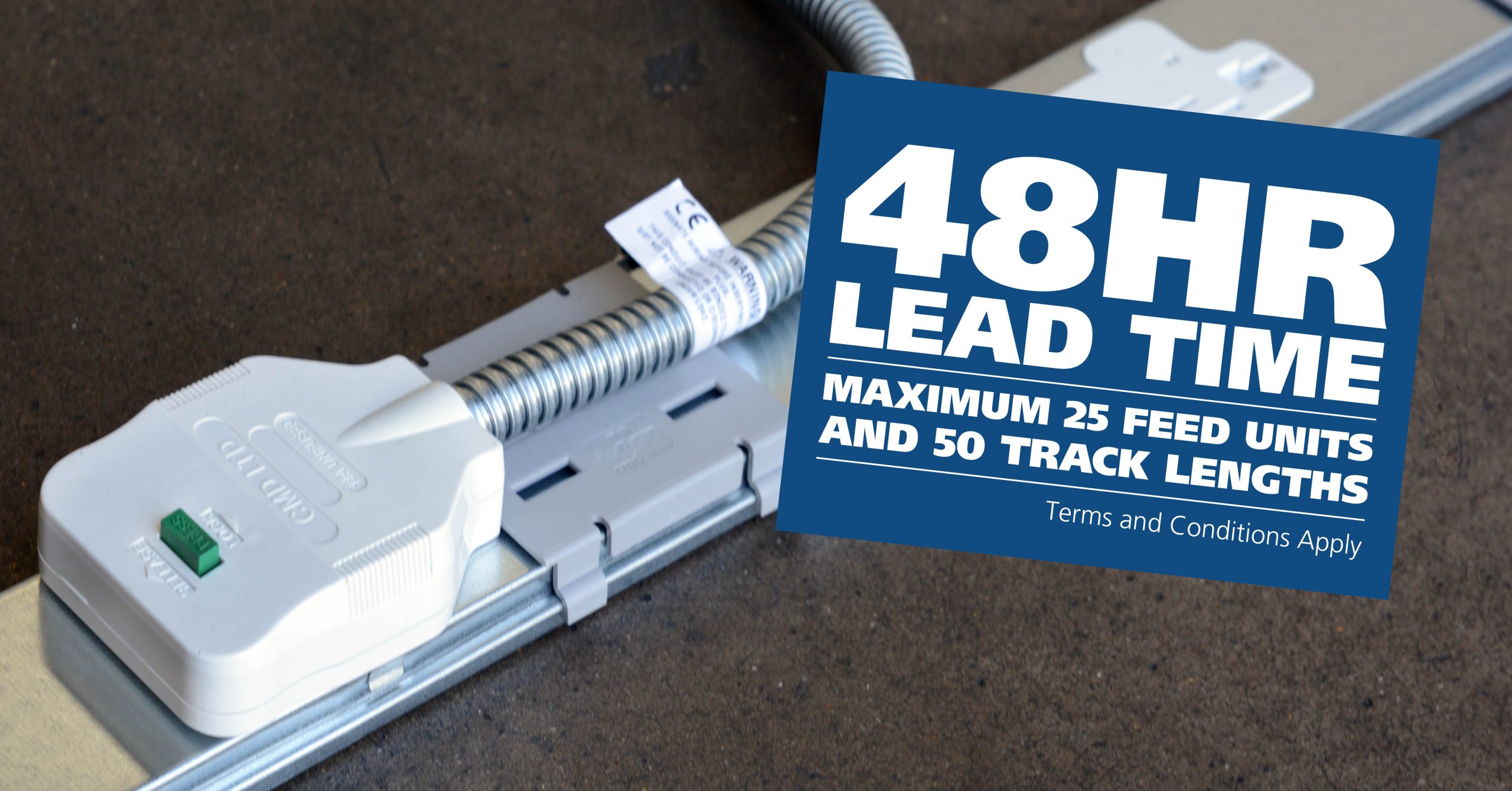
CMD Ltd LAUNCHES 48-HOUR TURNAROUND ON BETATRAK® RAPID ORDERING SERVICE

CMD Ltd, the specialist in power distribution systems, workstation power and monitor arms, has launched a rapid ordering service for its Betatrak® underfloor powertrack distribution systems and accessories, with a commitment to delivering within 48-hours of an approved purchase order*. The service enables customers to order up to 50 lengths of Standard or Clean Earth (C/E) low noise Betatrak, along with up to 25 feed...

Read more
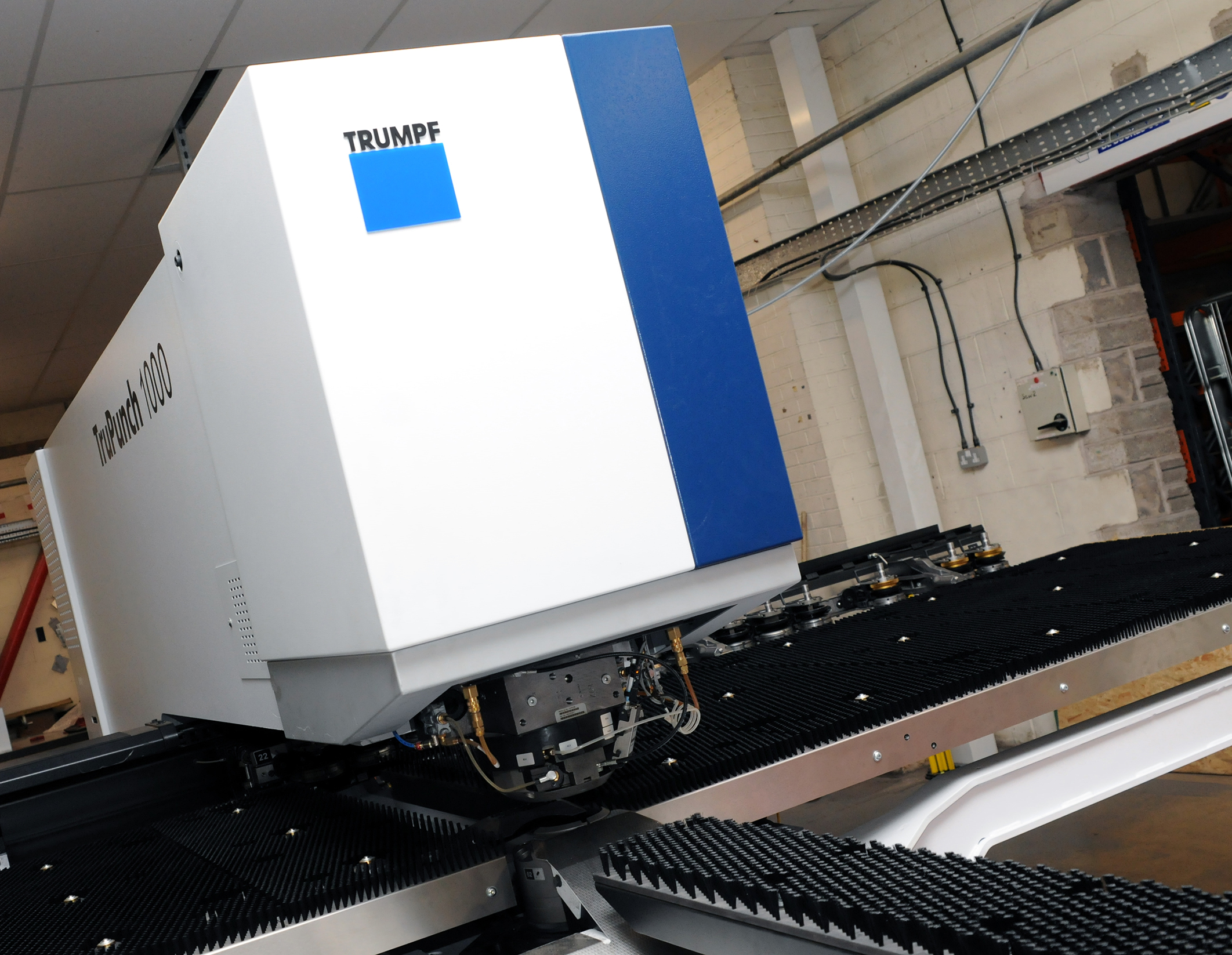
CMD INVESTS £1/4 MILLION IN NEW MACHINE AS PART OF FACTORY UPGRADE

We have invested in a new £1/4m TRUMPF CNC metal punch as part of an asset renewal strategy for our UK manufacturing capability. The new machine will be used in the production of a wide variety of our power distribution systems and workstation power products at our Rotherham factory. Suitable for handling sheet metal between 0.9mm and 3.0mm thick, the new machine will replace one...

Read more
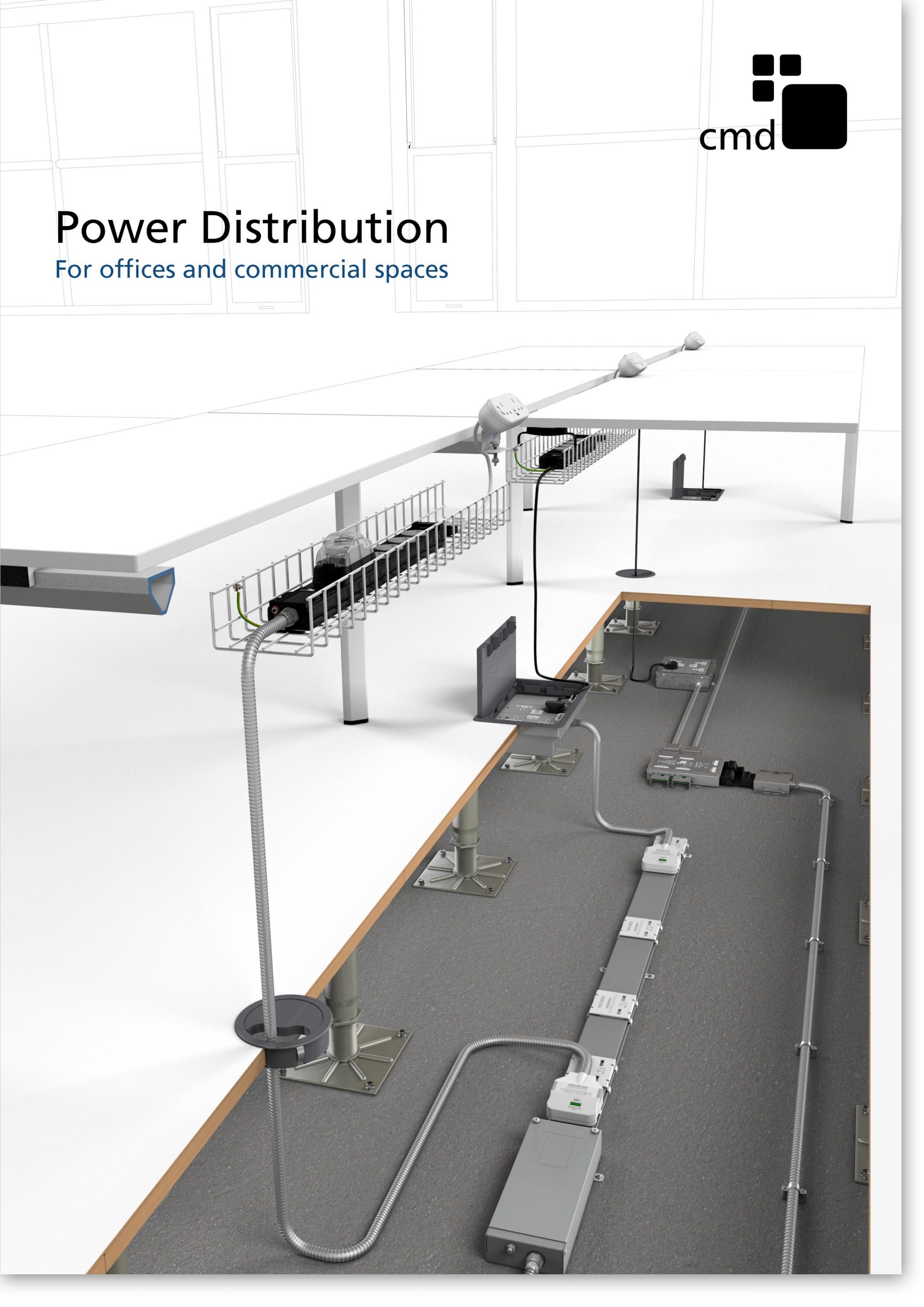
CMD CATALOGUE PROVIDES TECHNICAL POWER DISTRIBUTION GUIDE

CMD Ltd has released a new catalogue, providing an easy to follow technical guide to our power distribution systems and plug and play desk modules. Detailing CMD’s full range of UK-manufactured power distribution systems and plug and play desk modules, the catalogue will be a helpful source of information to M&E engineers and contractors alike to understand how our power distribution systems connect together and...

Read more
Power Distribution Catalogue
CMD Ltd PLAYS ESSENTIAL ROLE IN ELECTRICAL FIT OUT AT LONDON’S PRESTIGIOUS OFFICE DEVELOPMENT

CMD Ltd, specialist in workplace connectivity and ergonomic solutions, has provided a flexible and high-quality power distribution network for The Ray, a prestigious office development in London’s Farringdon. Well-known for being the former site of The Guardian newspaper, The Ray now stands as an 83,000ft² office development characterised by a modernised warehouse aesthetic, with level two now occupied by a global social media company. The...

Read more

The Ray
CMD plugs in to european opportunity with Schuko Capsule unit launch

CMD Ltd, the specialist in power and connectivity solutions for commercial environments, has launched a Schuko version of its popular fixed format Capsule workstation power module for export to mainland Europe and beyond. A popular on desk power module comprising two sockets and dual USB (type A and C) chargers, CMD’s Capsule unit is already widely specified in the UK as an off-the-shelf workstation power...

Read more
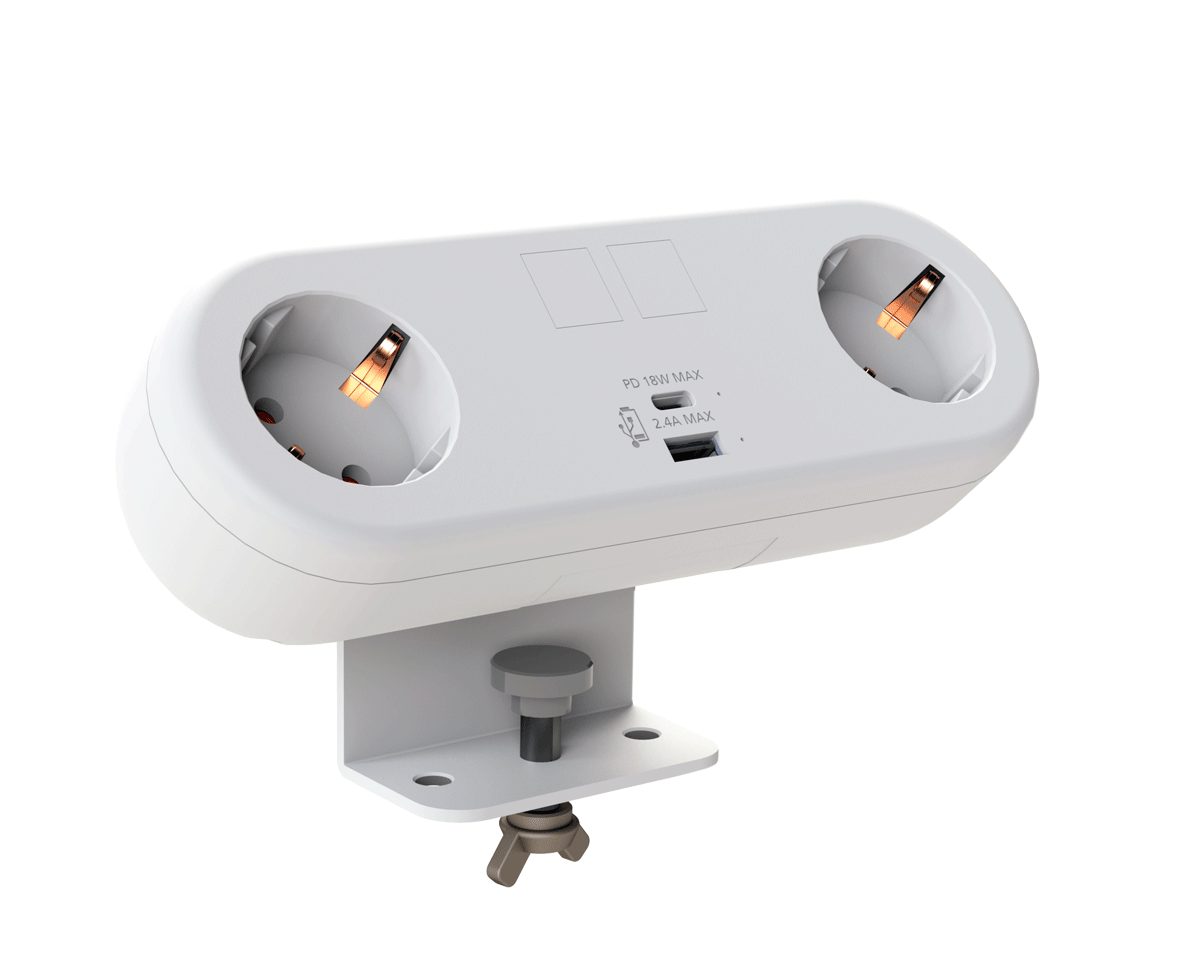
CMD White Schuko Capsule Desk Power Module
CMD LTD EXTENDS MONITOR ARM RANGE WITH THE LAUNCH OF REACH PLUS

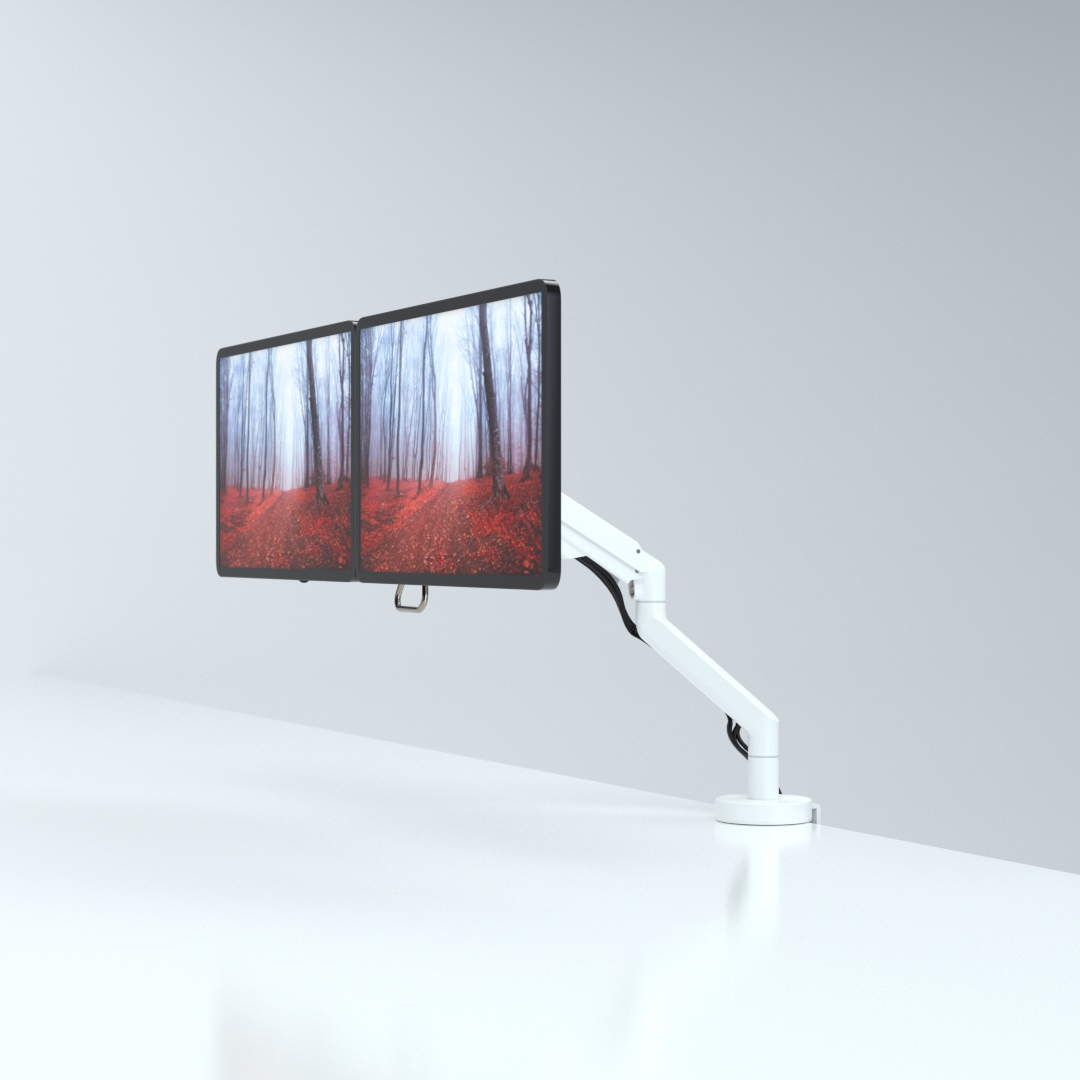
CMD Ltd, the specialist in ergonomic and connectivity solutions for commercial interiors, has completed its Reach monitor arm range with the launch of the Reach Plus. Available in single or dual screen options, the Reach Plus has been designed to provide an ideal solution for both single and dual screen workstation configurations, or can be used with next generation of large format curved screens. Suitable...

Read more
CMD Ltd DEMONSTRATES THE ART OF POWER DISTRIBUTION AT THE UNIVERSITY OF WARWICK

CMD Ltd, the specialist in workplace connectivity and ergonomic solutions, has provided Betatrak busbar power distribution and a range of electrical accessories for two major capital investment projects at the University of Warwick. Designed by Fielden Clegg Bradley Studios, the £33 million Faculty of Arts building is a showpiece development comprising four interconnected structures set around a central atrium, which will enable inter-disciplinary collaboration across...

Read more

University of Warwick
CMD BRINGS HARMONY TO COVENTRY UNIVERSITY RESEARCH FACILITIES

CMD Ltd, the specialist in power distribution solutions and workstation power and ergonomics, has provided under desk and on desk power modules for the refurbishment of three Coventry University research buildings. Located on Coventry University Technology Park, a business park designed to encourage collaboration between the university and knowledge-based businesses, the three buildings are being repurposed as office accommodation for university research teams. The refurbishment...

Read more

Coventry University

How to Choose the Right Industrial PC?

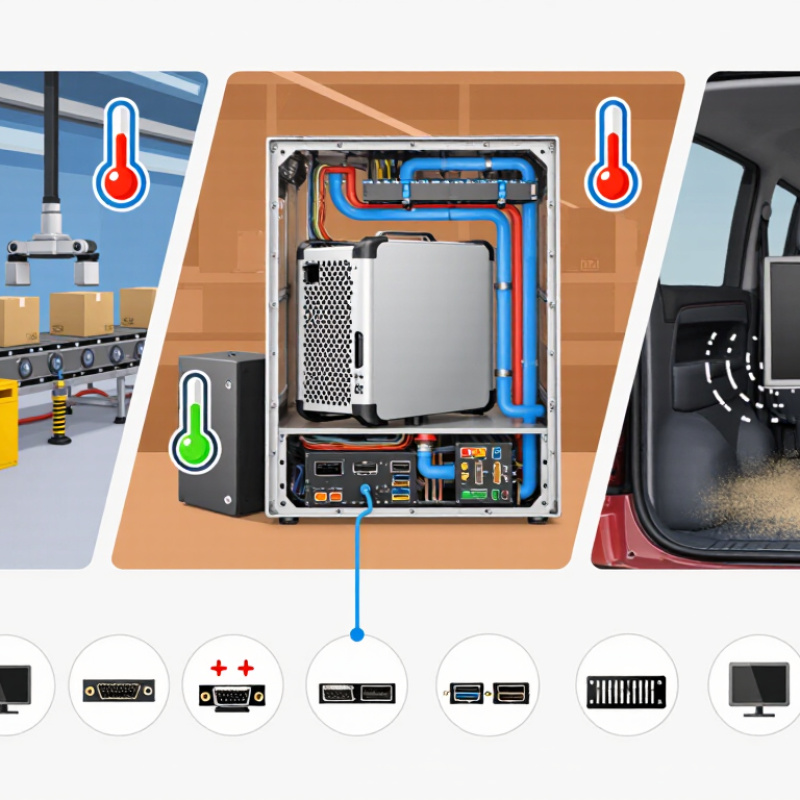
Choosing an Industrial Pc starts with the job it must perform, not a processor number on a product sheet. A controller beside a packaging line faces a different workload from a fanless computer in a vehicle. Heat, vibration, dust, and limited cabinet space can shape the decision before software features do. Small details count. A connector that is difficult to reach can slow maintenance, while an unsuitable mounting method may complicate installation.

A practical selection process compares the operating environment, computing load, interfaces, and support requirements. Check the expected temperature range and vibration exposure against the manufacturer’s specifications. Then list the devices the system must connect to, such as cameras, sensors, or displays. Confirm that the required serial, Ethernet, USB, or expansion ports are available. Also review power input, storage type, operating system compatibility, and how long replacement parts are likely to remain available. These checks help narrow choices without treating any single specification as decisive.

Testing matters. If possible, evaluate the computer with the actual application and peripherals before deployment. A unit that performs well on a desk may behave differently inside a warm, crowded enclosure. That part is easy to overlook. Even a careful shortlist may need revision when wiring, airflow, or maintenance access becomes clear. The right Industrial Pc is therefore the one that meets real site demands reliably, with enough capacity for planned needs but without paying for features the installation will never use.

How to Choose the Right Industrial PC?

Define the Industrial PC’s Intended Role and Operating Environment

Define the industrial PC’s role before comparing processors or ports. A machine vision station may need fast image processing and several camera interfaces. A line-side controller may value stable communications, predictable restart behavior, and long service life more. Note required software, data connections, and recovery steps. Heat matters. Dust gets everywhere.

Then map its environment: cabinet temperature, vibration, moisture, airborne particles, electrical noise, and available space. Check the full operating-temperature range, ingress protection, shock and vibration ratings, and cooling method against actual site conditions. A fanless unit can reduce dust intake, but may still overheat inside a sealed cabinet. A catalog rating alone can mislead; measure cabinet temperature during a real production cycle. Uptime Institute’s 2024 outage analysis found that 54% of respondents said their latest significant outage cost more than $100,000. The survey concerns data centers, not factories, but it underscores why recovery needs belong in equipment planning.

Tips: Write down the PC’s job, worst-case ambient temperature, and required uptime before selecting a model. Test a sample in its intended enclosure, with production software running. Recheck assumptions after installation; site conditions are rarely as tidy as drawings suggest.

Match Processing, Memory, and Storage to Application Demands

Start with the workload, not the processor label. A vision station checking 30 frames per second needs sustained compute throughput; a temperature historian needs less processing but dependable writes. Gartner forecast in 2018 that 75% of data would be created and processed at the edge by 2025. That was a forecast, not a sizing rule. Still, it shows why local processing matters when network links are slow or intermittent.

Size memory for peak load, not an average shift. Include the operating system, applications, camera buffers, and simultaneous tasks. If memory runs short, dropped frames or delayed controls may appear before an obvious crash. IDC’s 2018 Global DataSphere forecast projected 175 zettabytes of worldwide data creation in 2025. That broad estimate is not a plant’s storage target. Measure how much data the application must keep, and for how long.

For storage, estimate daily writes and retention time, then check drive endurance and performance under sustained logging. A machine recording high-resolution images needs a different capacity plan from one storing brief sensor histories. Allow room for growth, but avoid buying capacity without a retention need. Test the real load. I would leave some headroom, though the right amount is easy to overestimate; validate it with peak-load testing before deployment.

How to Choose the Right Industrial PC?

Match Processing, Memory, and Storage to Application Demands

Representative RAM planning baselines: HMI and control: 8 GB; machine vision: 16 GB; edge analytics: 32 GB; AI inference: 64 GB. These are practical starting points, not universal minimums. Also size the processor for workload and concurrency, and choose SSD capacity for the operating system, applications, data retention, and required write endurance.

Select a Form Factor, Mounting Style, and Expansion Options

Choosing an industrial PC starts with its installation envelope, not its processor. A compact fanless unit can fit a narrow machine bay; a panel PC keeps the screen and computer together at the operator station. For dusty lines, verify protection for the complete installation, including connectors and cable glands. An enclosure rating alone can mislead. DIN-rail mounting suits control cabinets, while wall or VESA mounting may improve service access. Measure airflow clearance, door swing, and cable bend radius before ordering.

Plan expansion around actual signals and likely upgrades. Count Ethernet ports, serial interfaces, digital I/O, storage bays, and PCIe slots. Reserve a spare connection when practical. Gartner’s 2018 forecast projected that 75% of enterprise-generated data would be created and processed outside traditional centralized data centers by 2025. It was a forecast, not a guarantee; still, it highlights why local processing can matter. Not every machine needs a large PC. Extra slots add cost and heat. This trade-off is easy to underestimate.

Tips: Sketch the cabinet and mark mounting holes before comparing units. Check operating-temperature and vibration limits in the datasheet. Leave an expansion path if more sensors are likely. Small details matter.

Compare Connectivity, Power, and Environmental Protection

How to Choose the Right Industrial PC?

Compare Connectivity, Power, and Environmental Protection

An industrial PC should match the machine’s actual signals, not just a port checklist. Count the connected devices: sensors, drives, scanners, and operator displays. Then check connector types, network speed, and whether serial or isolated I/O is required. Leave room. A spare port can prevent a small change from becoming a costly redesign. Confirm that cables can be secured and replaced in the real cabinet, not only on a clean desk. That detail is easy to overlook.

Power needs equal care. Check the available supply voltage, startup demand, and exposure to electrical noise. A unit that runs normally may still fail during a voltage dip or motor start. Protection and backup plans should fit the site, rather than being added by habit. Next, assess heat, dust, moisture, and vibration where the computer will actually sit. A sealed, fanless enclosure can limit dust entry, but it may retain heat. Check the specified operating temperature and protection rating against measured conditions. Measure twice. One planning weakness is relying on a room-temperature test; cabinet temperatures can rise sharply near drives or power supplies. Allow for that uncertainty, and verify the installation under realistic operating conditions.

Check Compatibility, Lifecycle Support, and Total Cost of Ownership

How to Choose the Right Industrial PC?

Choosing an industrial PC starts with the machine it must control, not its processor speed. Match its operating system, interface ports, and expansion slots to existing equipment. Check temperature ratings, vibration tolerance, mounting, and power requirements against the actual site. A cabinet beside a furnace has different needs from a clean control room. Confirm that drivers and software work with the chosen operating system. Small details matter.

Lifecycle support and total cost of ownership deserve equal attention. Ask how long the unit, replacement parts, firmware, and operating-system drivers will remain supported. Confirm repair times and whether a replacement can run the same configuration. Uptime Institute’s 2024 Annual Outage Analysis found that 54% of surveyed organizations’ most serious outages in the prior three years cost more than $100,000. The survey concerns data centers, not factory PCs, but it shows how costly interruptions can become. Compare purchase price with energy use, maintenance, spare inventory, integration labor, and the cost of production downtime. A neat spreadsheet may still miss the disruption of changing software.

Tips: Before buying, record every required port and environmental limit. Request a written support-life estimate and repair-time commitment. Test one unit with your actual software and peripherals; compatibility claims can look convincing until a legacy device refuses to connect.