

News

Miro: A New Standard in Responsible Innovation

Miro: A New Standard in Responsible Innovation The Miro monitor arm is setting new benchmarks in sustainability. It offers a high-performance solution without compromising on environmental responsibility. Designed with careful material selection, local sourcing, and longevity in mind, Miro’s responsible approach to design and unique manoeuvrability set it apart from the competition. Sustainable Choices Miro is crafted from energy-efficient materials with a lower carbon impact....

Read more
HSE Advisor

Role Purpose Support in the development, implementation and maintenance of the company’s Health, Safety & Environmental policies, processes, operational procedures, and standards.  Ensuring best practice and championing a continually improving HSE culture within the business. Key Responsibilities Liaise with and provide support to all areas of the business to eliminate, mitigate or reduce identified HSE exposures. Partner with the production management team and team leaders,...

Read more
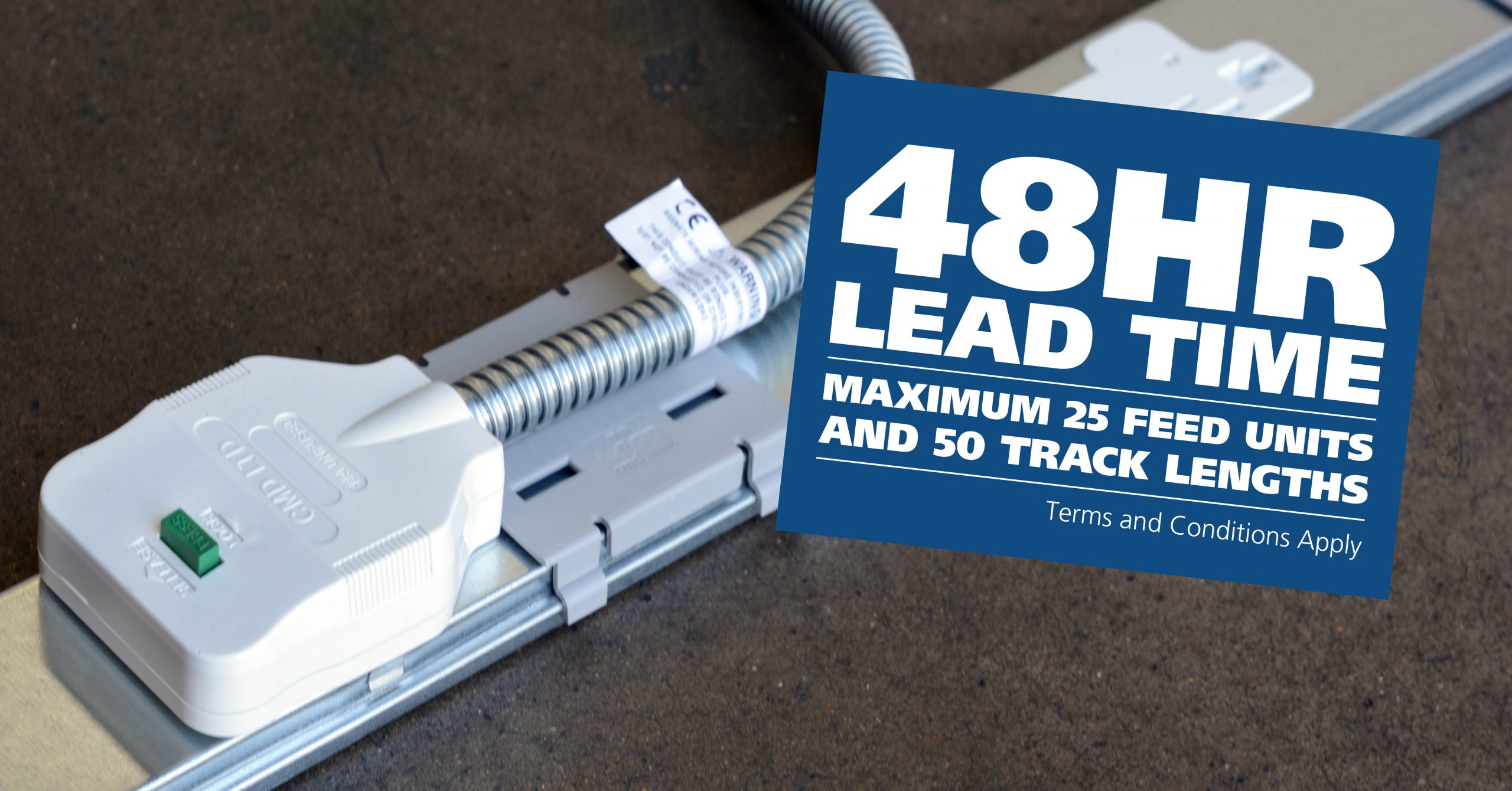
CMD Ltd LAUNCHES 48-HOUR TURNAROUND ON BETATRAK® RAPID ORDERING SERVICE

CMD Ltd, the specialist in power distribution systems, workstation power and monitor arms, has launched a rapid ordering service for its Betatrak® underfloor powertrack distribution systems and accessories, with a commitment to delivering within 48-hours of an approved purchase order*. The service enables customers to order up to 50 lengths of Standard or Clean Earth (C/E) low noise Betatrak, along with up to 25 feed...

Read more
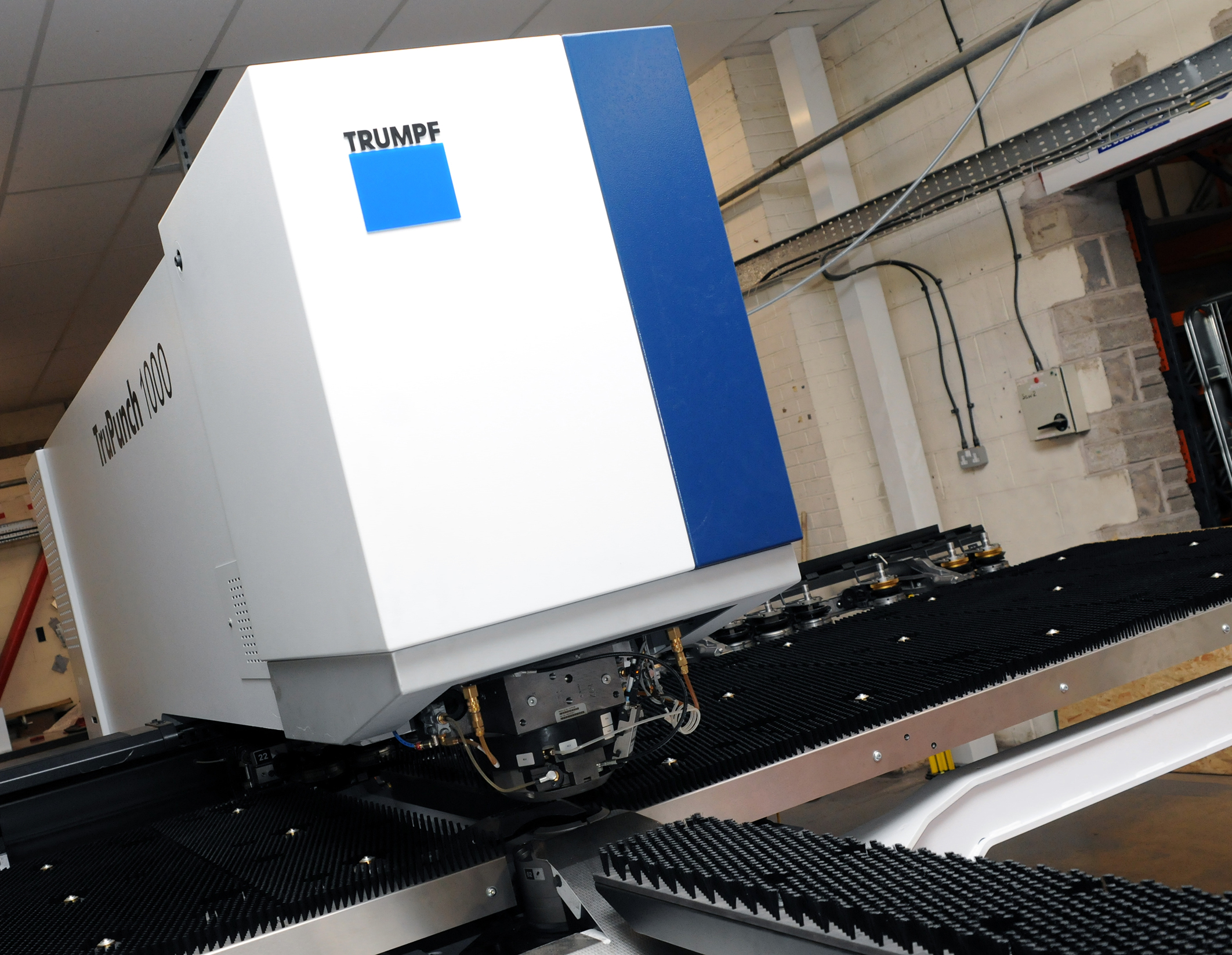
CMD INVESTS £1/4 MILLION IN NEW MACHINE AS PART OF FACTORY UPGRADE

We have invested in a new £1/4m TRUMPF CNC metal punch as part of an asset renewal strategy for our UK manufacturing capability. The new machine will be used in the production of a wide variety of our power distribution systems and workstation power products at our Rotherham factory. Suitable for handling sheet metal between 0.9mm and 3.0mm thick, the new machine will replace one...

Read more
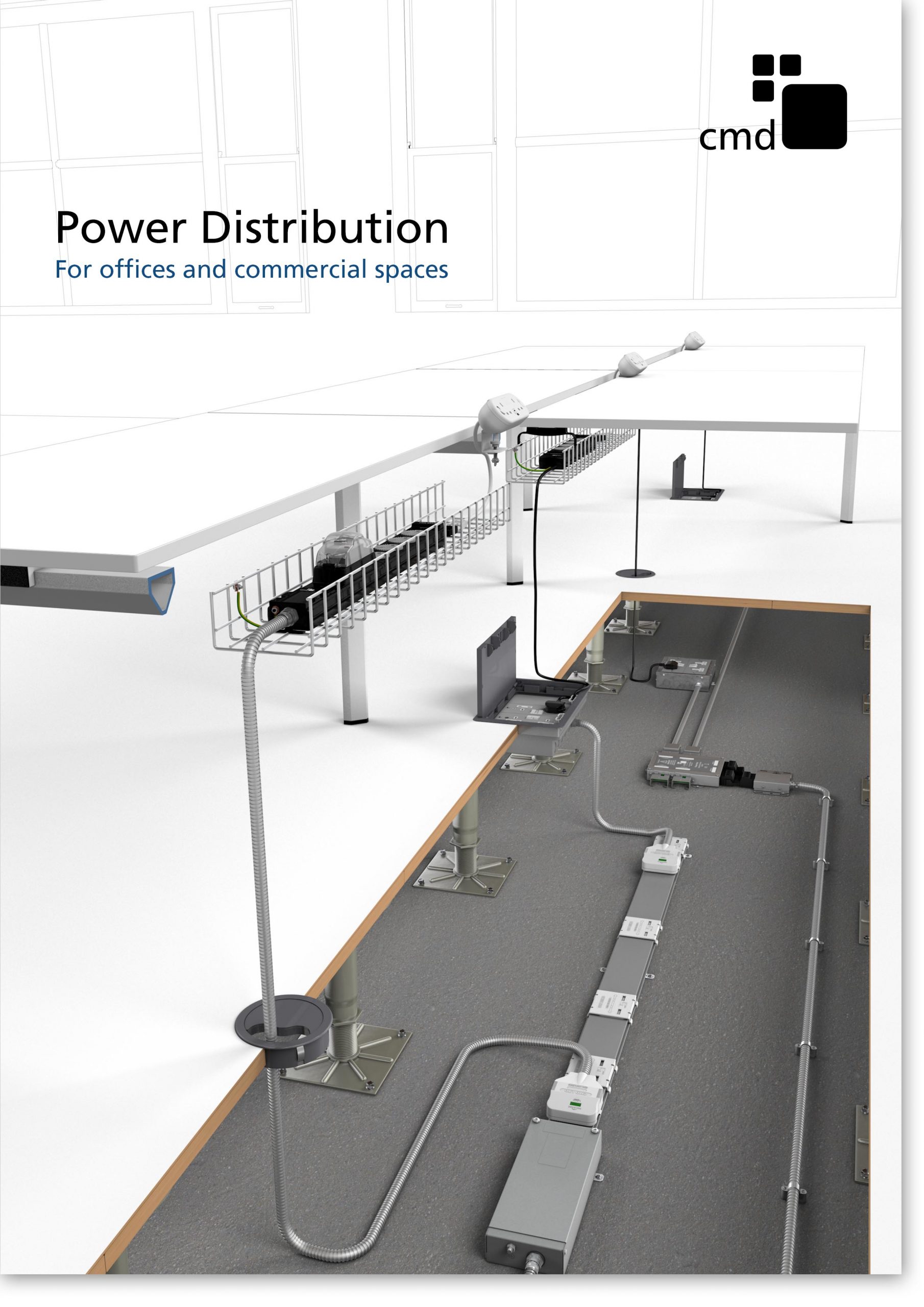
CMD CATALOGUE PROVIDES TECHNICAL POWER DISTRIBUTION GUIDE

CMD Ltd has released a new catalogue, providing an easy to follow technical guide to our power distribution systems and plug and play desk modules. Detailing CMD’s full range of UK-manufactured power distribution systems and plug and play desk modules, the catalogue will be a helpful source of information to M&E engineers and contractors alike to understand how our power distribution systems connect together and...

Read more
Power Distribution Catalogue
CMD Ltd PLAYS ESSENTIAL ROLE IN ELECTRICAL FIT OUT AT LONDON’S PRESTIGIOUS OFFICE DEVELOPMENT

CMD Ltd, specialist in workplace connectivity and ergonomic solutions, has provided a flexible and high-quality power distribution network for The Ray, a prestigious office development in London’s Farringdon. Well-known for being the former site of The Guardian newspaper, The Ray now stands as an 83,000ft² office development characterised by a modernised warehouse aesthetic, with level two now occupied by a global social media company. The...

Read more

The Ray
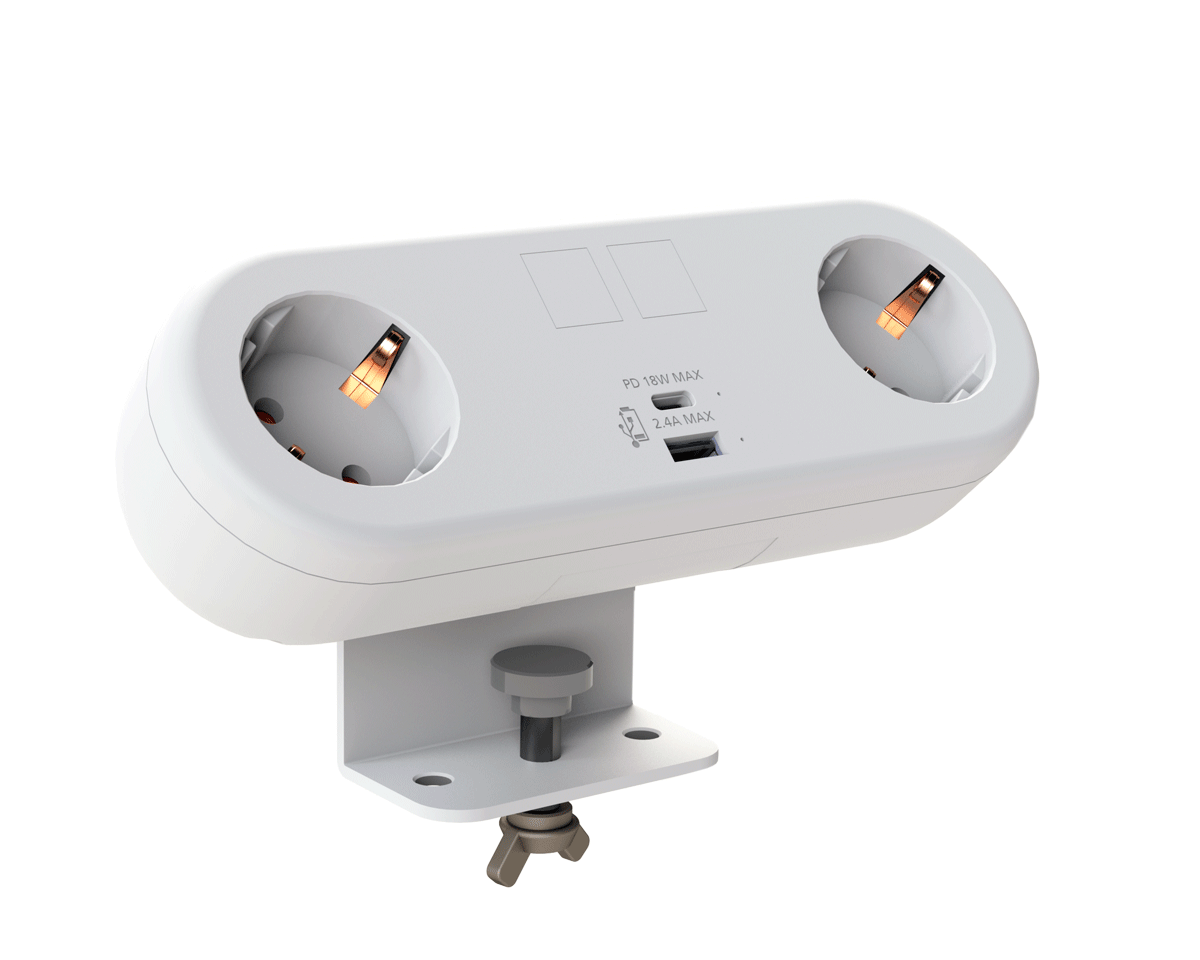
CMD plugs in to european opportunity with Schuko Capsule unit launch

CMD Ltd, the specialist in power and connectivity solutions for commercial environments, has launched a Schuko version of its popular fixed format Capsule workstation power module for export to mainland Europe and beyond. A popular on desk power module comprising two sockets and dual USB (type A and C) chargers, CMD’s Capsule unit is already widely specified in the UK as an off-the-shelf workstation power...

Read more
CMD White Schuko Capsule Desk Power Module
CMD LTD EXTENDS MONITOR ARM RANGE WITH THE LAUNCH OF REACH PLUS

CMD Ltd, the specialist in ergonomic and connectivity solutions for commercial interiors, has completed its Reach monitor arm range with the launch of the Reach Plus. Available in single or dual screen options, the Reach Plus has been designed to provide an ideal solution for both single and dual screen workstation configurations, or can be used with next generation of large format curved screens. Suitable...

Read more

CMD Ltd DEMONSTRATES THE ART OF POWER DISTRIBUTION AT THE UNIVERSITY OF WARWICK

CMD Ltd, the specialist in workplace connectivity and ergonomic solutions, has provided Betatrak busbar power distribution and a range of electrical accessories for two major capital investment projects at the University of Warwick. Designed by Fielden Clegg Bradley Studios, the £33 million Faculty of Arts building is a showpiece development comprising four interconnected structures set around a central atrium, which will enable inter-disciplinary collaboration across...

Read more

University of Warwick
CMD BRINGS HARMONY TO COVENTRY UNIVERSITY RESEARCH FACILITIES

CMD Ltd, the specialist in power distribution solutions and workstation power and ergonomics, has provided under desk and on desk power modules for the refurbishment of three Coventry University research buildings. Located on Coventry University Technology Park, a business park designed to encourage collaboration between the university and knowledge-based businesses, the three buildings are being repurposed as office accommodation for university research teams. The refurbishment...

Read more


Coventry University

2026 How to Choose the Best Household Gas Detector?

In the world of safety, a reliable household gas detector is essential for every family. According to a report by the National Fire Protection Association (NFPA), nearly 45% of U.S. households are at risk of gas leaks. These leaks can lead to fire hazards or health issues. Dr. Emily Carson, a safety expert with over 15 years in the field, states, "Choosing the right household gas detector can significantly reduce risks associated with gas leaks."

Selecting a household gas detector involves understanding the various types available. Options include models that detect natural gas, propane, and carbon monoxide. Each type has unique features suited to different homes. Reliability and prompt detection are paramount. A good detector can provide early warnings and help prevent disasters.

Many consumers, however, overlook key aspects when purchasing a household gas detector. They often focus solely on price but should also consider features like battery life and ease of installation. Investing in quality could save lives and ensure peace of mind. Remember, a household gas detector is more than just a device; it’s a safeguard for your loved ones.

2026 How to Choose the Best Household Gas Detector?

Types of Household Gas Detectors Available in 2026

When selecting a household gas detector in 2026, understanding the types available is crucial. There are primarily three categories: natural gas detectors, carbon monoxide detectors, and multi-gas detectors. Each type serves a unique purpose. Natural gas detectors alert you to leaks from gas stoves or heating systems. They work by sensing the presence of methane, a common component in household natural gas.

Carbon monoxide detectors are vital for safety. They monitor the air for this colorless, odorless gas produced by incomplete combustion. When appliances malfunction, carbon monoxide can accumulate dangerously. Multi-gas detectors combine the functions of both types. They offer flexibility, ensuring protection against multiple gases, which can be especially useful in homes with various fuel sources.

In 2026, technologies have advanced. Many detectors now include smart features. You can receive alerts on your phone if gas levels become dangerous. However, smart devices may also pose risks. A malfunctioning app could delay your response. Always check your devices regularly. While modern detectors offer better safety, human vigilance remains essential for preventing gas-related incidents.

2026 How to Choose the Best Household Gas Detector? - Types of Household Gas Detectors Available in 2026

Type of Gas Detector Detection Method Key Features Typical Usage Price Range
Carbon Monoxide Detector Electrochemical LCD display, battery backup, voice alert Home, garages, and enclosed spaces $30 - $100
Natural Gas Detector Infrared Automatic calibration, mobile connectivity Kitchens, heating systems $50 - $150
Propane Gas Detector Semiconductor Alarm system, easy installation Outdoor grills, heating equipment $40 - $120
Smoke Detector with Gas Alert Photoelectric Combination alerts, long battery life General household use $25 - $80

Key Features to Consider When Choosing a Gas Detector

Choosing the right household gas detector involves several critical features. Detection technology is paramount. Most detectors utilize electrochemical sensors, which are known for their accuracy. A study by the National Fire Protection Association shows that detectors with these sensors can identify gas leaks faster. This leads to quicker reaction times and potentially life-saving actions.

Another key feature is the range of gases detected. Many detectors can sense natural gas, carbon monoxide, and propane. A report from the U.S. Consumer Product Safety Commission highlights that multi-gas detectors are often more effective. Households should assess their specific risks and choose detectors accordingly. Additionally, a noticeable alarm is vital. Safety experts recommend detectors with alarms exceeding 85 decibels. This is critical for alerting occupants, even in noisy environments.

Battery life should not be overlooked. Most modern detectors boast a lifespan of 5-10 years. However, regular maintenance checks are essential. Reports indicate that many households fail to replace detectors in a timely manner, leading to decreased reliability. The placement of the detector matters, too. Ideally, it should be installed near sleeping areas and in high-risk zones. Awareness and education about gas safety can significantly reduce hazards at home. Every household has unique needs, but prioritizing these features can enhance safety.

Factors Influencing Gas Detector Accuracy and Reliability

When choosing a household gas detector, accuracy and reliability are paramount. Several factors can influence how well a detector performs. Understanding these is crucial for effective safety measures.

Sensor technology is one key aspect. Certain sensors respond better to specific gases. For instance, some may detect methane more efficiently than carbon monoxide. Calibration plays a vital role too. A poorly calibrated device can produce false alarms or fail to alert you in a critical situation. Regular maintenance checks are often overlooked, yet they can greatly enhance a detector’s reliability.

Environmental conditions also affect performance. Humidity, temperature, and air pressure can impact sensor readings. For example, high humidity might trigger unnecessary alarms. Additionally, it’s important to consider the detector's placement in your home. A detector positioned near gas appliances may yield different readings than one located in a hallway. Ultimately, understanding these influencing factors can guide you in selecting the best gas detector for your safety needs.

Installation and Maintenance Tips for Gas Detectors

When it comes to gas detectors, proper installation and maintenance are crucial for safety. According to the National Fire Protection Association (NFPA), improper placement can lead to a 40% higher risk of gas accumulation. Install detectors near fuel-burning appliances and in hallways. Avoid areas with high humidity or drafts. Proper positioning enhances their effectiveness and reliability.


Regular maintenance is equally important. At least once a month, test the alarms to ensure they function correctly. Clean the detectors to prevent dust buildup. Research from the International Association of Fire Fighters shows that 30% of detectors failed due to lack of maintenance. Check batteries annually, replacing them as necessary. Detectors have a limited lifespan, often around 5-7 years. Keep track of installation dates for timely replacements. Regularly review the manufacturer’s guidance for optimal performance standards.


Listening to alert signals is vital. A persistent alarm indicates immediate evacuation is necessary. Be prepared to act swiftly. Awareness can save lives. Even minor negligence in maintenance can have serious repercussions. Acknowledge these factors—they protect your home and family.

Understanding the Importance of Certifications and Standards

Choosing the right household gas detector is crucial for maintaining safety. One key aspect to consider is certifications and standards. These indicate whether a product meets quality and safety benchmarks set by professionals. Reliable detectors usually carry labels from recognized organizations. This ensures that they have undergone rigorous testing.

It's important to familiarize yourself with various certifications. For instance, look for detectors certified by safety organizations like UL or CSA. These labels signify that the detector has been evaluated for performance and safety. A certified gas detector provides peace of mind. It assures users that the product adheres to strict safety regulations.

When selecting a gas detector, don’t rush. Check for any recalls or customer reviews. Gaps in information can lead to poor choices. Reflecting on user experiences can illuminate potential deficiencies. Always prioritize products that provide clear and comprehensive data on their certifications. This vigilance can prevent hazardous situations in your home.