

News

Miro: A New Standard in Responsible Innovation

Miro: A New Standard in Responsible Innovation The Miro monitor arm is setting new benchmarks in sustainability. It offers a high-performance solution without compromising on environmental responsibility. Designed with careful material selection, local sourcing, and longevity in mind, Miro’s responsible approach to design and unique manoeuvrability set it apart from the competition. Sustainable Choices Miro is crafted from energy-efficient materials with a lower carbon impact....

Read more
HSE Advisor

Role Purpose Support in the development, implementation and maintenance of the company’s Health, Safety & Environmental policies, processes, operational procedures, and standards.  Ensuring best practice and championing a continually improving HSE culture within the business. Key Responsibilities Liaise with and provide support to all areas of the business to eliminate, mitigate or reduce identified HSE exposures. Partner with the production management team and team leaders,...

Read more
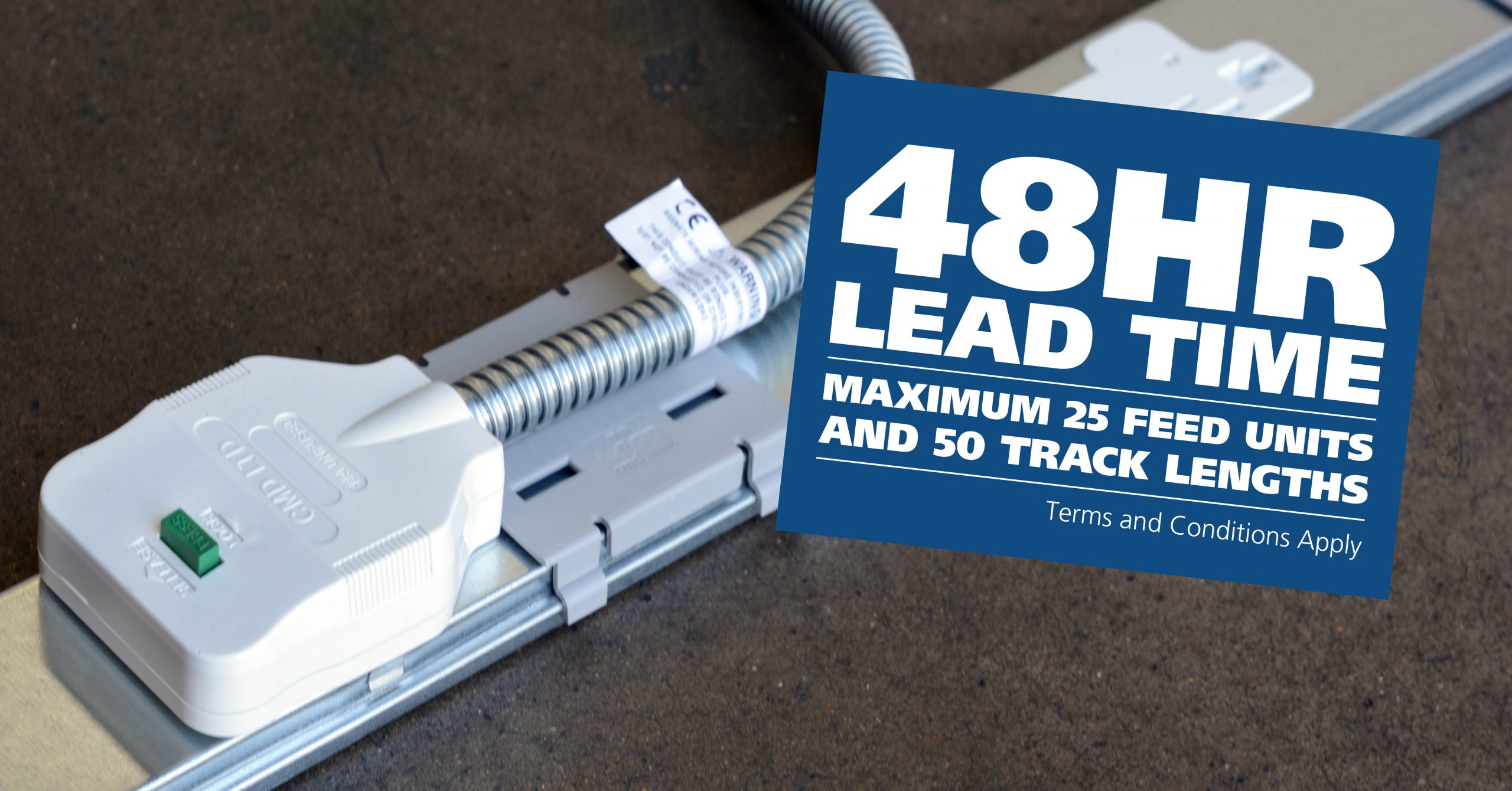
CMD Ltd LAUNCHES 48-HOUR TURNAROUND ON BETATRAK® RAPID ORDERING SERVICE

CMD Ltd, the specialist in power distribution systems, workstation power and monitor arms, has launched a rapid ordering service for its Betatrak® underfloor powertrack distribution systems and accessories, with a commitment to delivering within 48-hours of an approved purchase order*. The service enables customers to order up to 50 lengths of Standard or Clean Earth (C/E) low noise Betatrak, along with up to 25 feed...

Read more
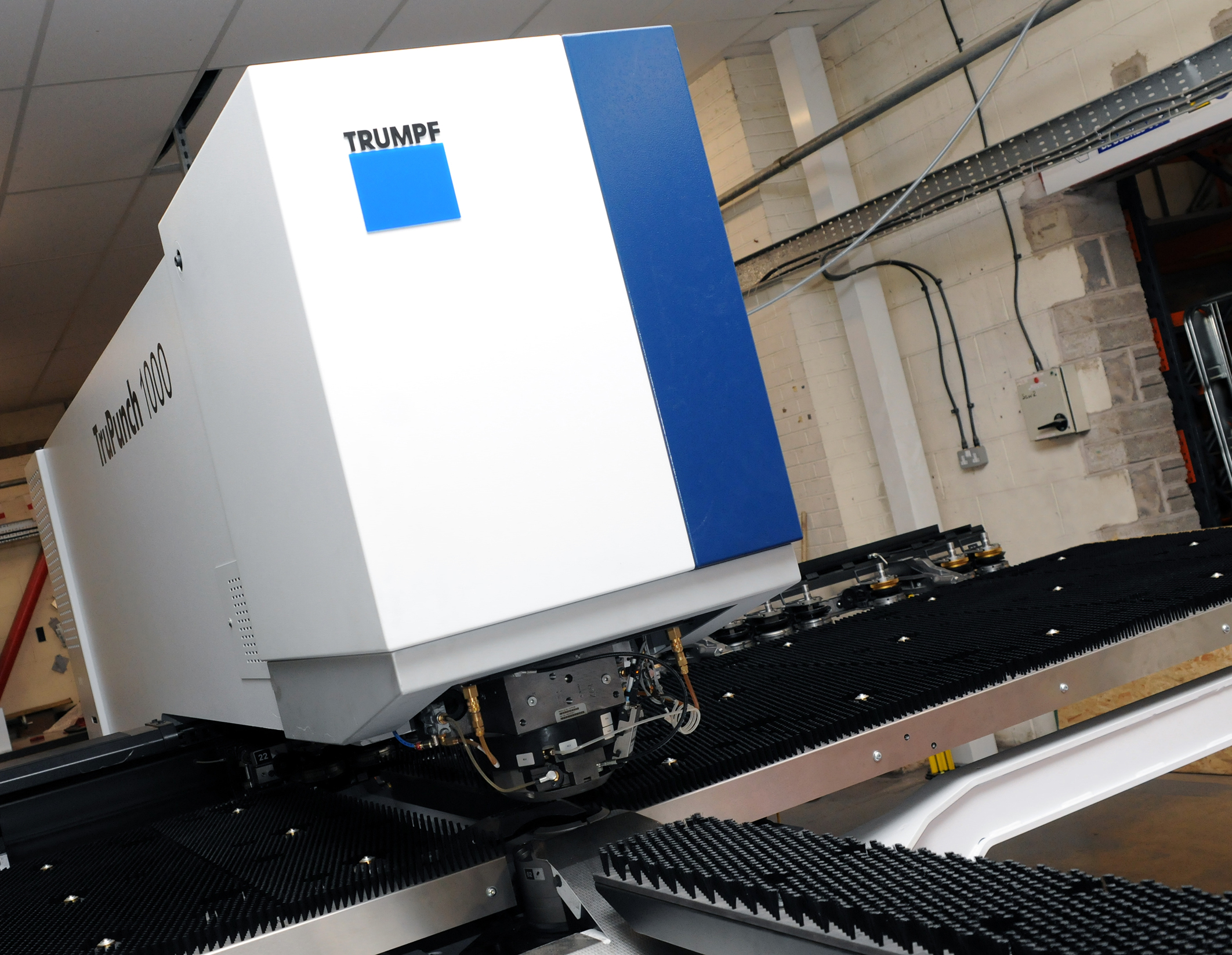
CMD INVESTS £1/4 MILLION IN NEW MACHINE AS PART OF FACTORY UPGRADE

We have invested in a new £1/4m TRUMPF CNC metal punch as part of an asset renewal strategy for our UK manufacturing capability. The new machine will be used in the production of a wide variety of our power distribution systems and workstation power products at our Rotherham factory. Suitable for handling sheet metal between 0.9mm and 3.0mm thick, the new machine will replace one...

Read more
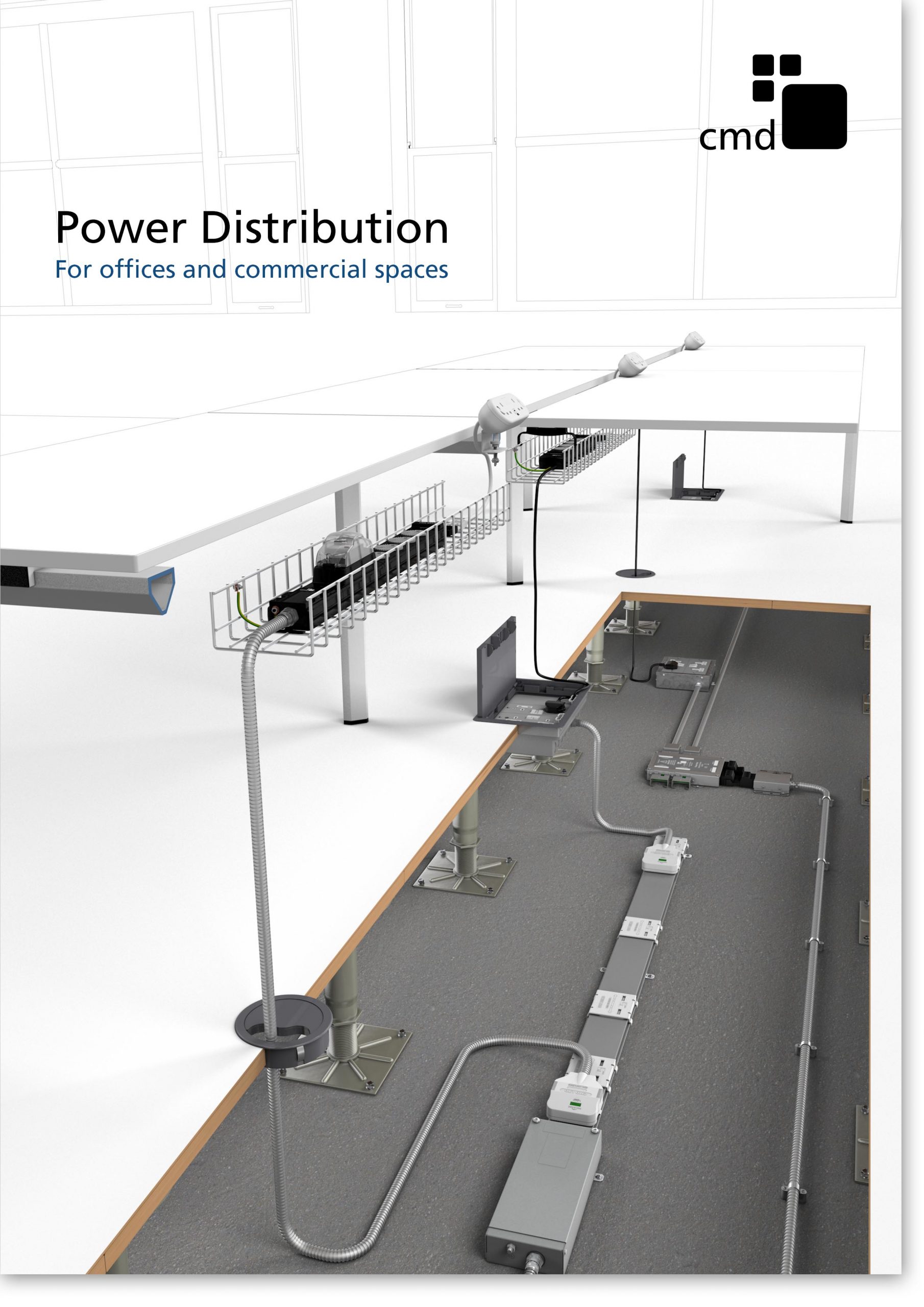
CMD CATALOGUE PROVIDES TECHNICAL POWER DISTRIBUTION GUIDE

CMD Ltd has released a new catalogue, providing an easy to follow technical guide to our power distribution systems and plug and play desk modules. Detailing CMD’s full range of UK-manufactured power distribution systems and plug and play desk modules, the catalogue will be a helpful source of information to M&E engineers and contractors alike to understand how our power distribution systems connect together and...

Read more
Power Distribution Catalogue
CMD Ltd PLAYS ESSENTIAL ROLE IN ELECTRICAL FIT OUT AT LONDON’S PRESTIGIOUS OFFICE DEVELOPMENT

CMD Ltd, specialist in workplace connectivity and ergonomic solutions, has provided a flexible and high-quality power distribution network for The Ray, a prestigious office development in London’s Farringdon. Well-known for being the former site of The Guardian newspaper, The Ray now stands as an 83,000ft² office development characterised by a modernised warehouse aesthetic, with level two now occupied by a global social media company. The...

Read more

The Ray
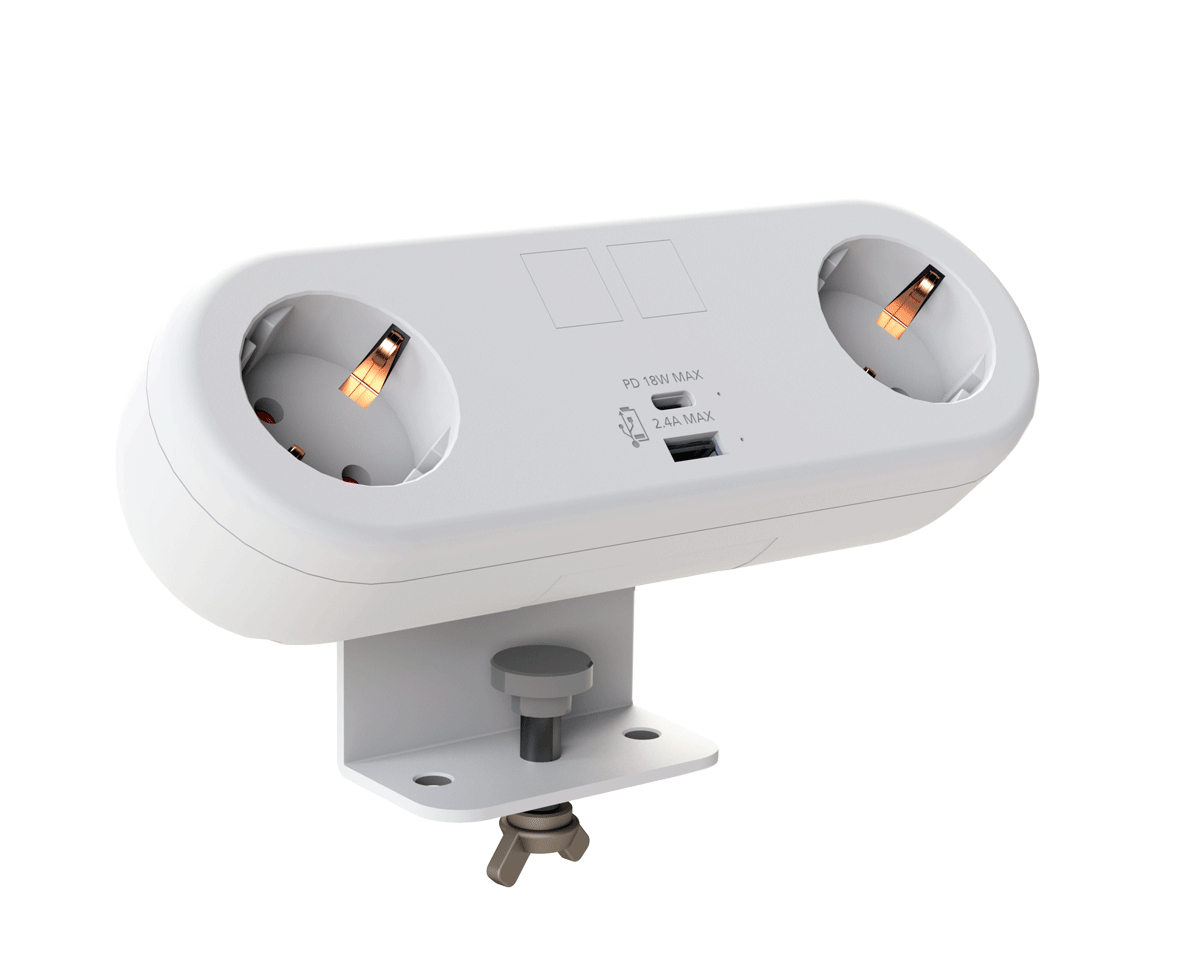
CMD plugs in to european opportunity with Schuko Capsule unit launch

CMD Ltd, the specialist in power and connectivity solutions for commercial environments, has launched a Schuko version of its popular fixed format Capsule workstation power module for export to mainland Europe and beyond. A popular on desk power module comprising two sockets and dual USB (type A and C) chargers, CMD’s Capsule unit is already widely specified in the UK as an off-the-shelf workstation power...

Read more
CMD White Schuko Capsule Desk Power Module
CMD LTD EXTENDS MONITOR ARM RANGE WITH THE LAUNCH OF REACH PLUS

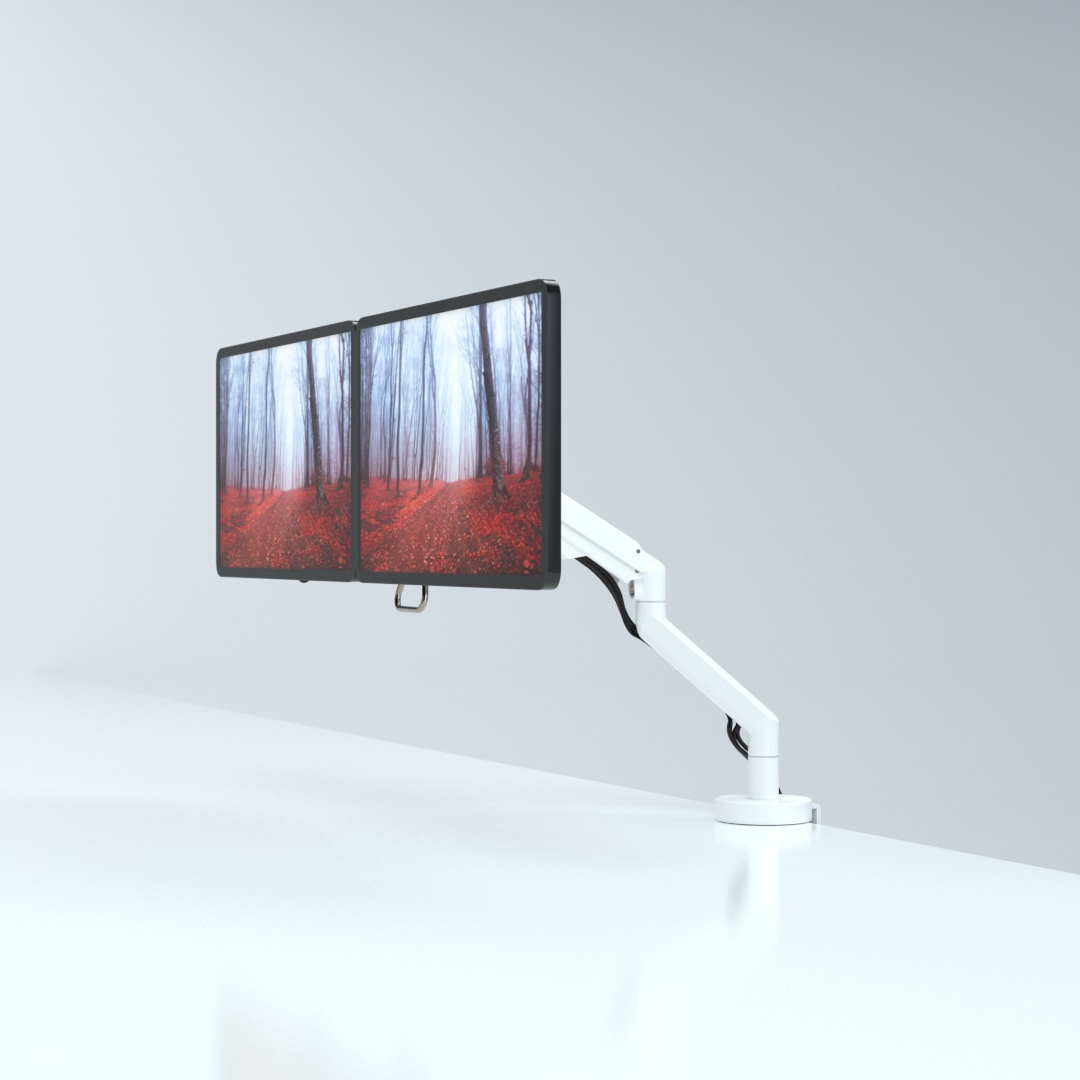
CMD Ltd, the specialist in ergonomic and connectivity solutions for commercial interiors, has completed its Reach monitor arm range with the launch of the Reach Plus. Available in single or dual screen options, the Reach Plus has been designed to provide an ideal solution for both single and dual screen workstation configurations, or can be used with next generation of large format curved screens. Suitable...

Read more
CMD Ltd DEMONSTRATES THE ART OF POWER DISTRIBUTION AT THE UNIVERSITY OF WARWICK

CMD Ltd, the specialist in workplace connectivity and ergonomic solutions, has provided Betatrak busbar power distribution and a range of electrical accessories for two major capital investment projects at the University of Warwick. Designed by Fielden Clegg Bradley Studios, the £33 million Faculty of Arts building is a showpiece development comprising four interconnected structures set around a central atrium, which will enable inter-disciplinary collaboration across...

Read more

University of Warwick
CMD BRINGS HARMONY TO COVENTRY UNIVERSITY RESEARCH FACILITIES

CMD Ltd, the specialist in power distribution solutions and workstation power and ergonomics, has provided under desk and on desk power modules for the refurbishment of three Coventry University research buildings. Located on Coventry University Technology Park, a business park designed to encourage collaboration between the university and knowledge-based businesses, the three buildings are being repurposed as office accommodation for university research teams. The refurbishment...

Read more

Coventry University

How to Choose a Smart Air Pressure Gauge?

Choosing a Smart Air Pressure Gauge is not simply a matter of selecting the brightest screen. It requires matching technology with real working conditions. A gauge used beside a workshop compressor faces different demands from one carried between construction sites. I learned this through practical testing. A device can look advanced, yet feel awkward when wearing gloves. That difference matters. Small details matter.

A dependable model should offer suitable pressure range, clear units, steady readings, and useful resolution. Check whether it supports PSI, bar, kPa, or other required measurements. Consider hose compatibility, valve access, battery life, display visibility, and operating temperature. A backlit screen helps in a dim garage. An automatic shut-off can preserve battery power. However, extra functions do not always improve accuracy. Sometimes, they add confusion. The best choice remains the simplest tool that performs consistently.

Reliability also depends on calibration information and manufacturer support. Look for documented specifications, calibration procedures, warranty coverage, and replacement parts. Independent reviews can reveal leakage, slow response, or fragile buttons that product pages may not mention. I would also test the gauge against a trusted reference before using it for critical equipment. My first selection was too focused on digital features and ignored long-term handling. That was a useful mistake. This guide will examine accuracy, connectivity, durability, safety, and value, helping readers choose a Smart Air Pressure Gauge with greater confidence.

How to Choose a Smart Air Pressure Gauge?

Understand the Purpose and Measurement Range

Choosing a smart air pressure gauge starts with the job, not the screen. A bicycle tire, workshop compressor, and pneumatic tool need different pressure behavior. I check the equipment specification before touching the valve. It shows the target pressure, acceptable tolerance, and pressure unit. Small detail. A low-pressure gauge may respond poorly near a high-pressure compressor line. Using the wrong purpose can create a precise-looking mistake.

The measurement range should surround your working pressure, with room for normal variation. If a tire requires 35 psi, a 0–50 psi gauge may offer better control than a 0–300 psi model. A wide range can reduce readable resolution. Check the smallest displayed increment, stated accuracy, and whether accuracy changes across the scale. I prefer the target pressure near the middle of the scale. For repeated checks, compare readings with a trusted reference gauge. Not forever. Calibration can drift after drops, moisture, or heavy use.

Smart features should support measurement. A backlit display helps in a dim garage, while automatic shutoff protects battery life. Data logging may help maintenance records, but it cannot detect every leaking valve. Confirm whether the gauge measures gauge pressure or absolute pressure. This matters in technical systems. Read the operating temperature range too. Cold mornings can affect equipment pressure and sensor behavior. I sometimes overvalue app functions and undervalue the hose connection. That is an avoidable error.

Compare Accuracy, Units, and Pressure Compatibility

Choosing a smart air pressure gauge starts with accuracy, not extra features. A display showing 0.1 psi does not guarantee 0.1 psi accuracy. Check the stated accuracy range, resolution, and calibration method. A gauge rated at ±1% may produce different results than one rated at ±0.5%.

Units also matter during real work. Common options include psi, bar, kPa, and kgf/cm². Choose a device with clear switching between units. Confusing psi with bar can create a serious pressure error.

I once focused on screen brightness and overlooked unit conversion. That was a poor decision. A reliable gauge should also hold a stable reading instead of changing whenever the hose moves.

Pressure compatibility is equally important. Compare the gauge’s maximum pressure with your application’s normal and peak levels. Leave a safety margin. Check the valve connector, hose fitting, sealing method, and working temperature. A technically accurate gauge is useless if it cannot connect securely. Confirm these details in the technical specifications, not only in product photos.

Tips: Test the gauge against a trusted reference before regular use. Record the result. Check calibration periodically, especially after drops or harsh storage. Choose the smallest suitable pressure range for better readability, but do not force the gauge beyond its rated limit. Even experienced users can miss compatibility details.

Evaluate Sensors, Display Features, and Smart Connectivity

How to Choose a Smart Air Pressure Gauge?

A reliable smart air pressure gauge begins with its sensor. Check the stated accuracy, pressure range, and measurement resolution. A sensor designed for your equipment should not operate constantly near its maximum limit. Look for calibration information and clear testing conditions. These details reveal more than a large accuracy claim. Display quality matters too. Choose readable numbers, strong contrast, and a backlight for dim workshops. Physical buttons can be useful when gloves make touch controls frustrating.

Tips: Test the gauge against a trusted reference. Check readings at low, middle, and high pressure. Select the correct unit before recording measurements. A visible warning for overpressure can prevent careless mistakes.

Smart connectivity adds practical value when it works reliably. Bluetooth or wireless data transfer can support inspection records, pressure trends, and shared maintenance reports. Check connection range, device compatibility, data export options, and privacy controls. Battery life also deserves attention, especially during field inspections. I once focused too heavily on app features and overlooked slow screen response. That was a poor choice. A connected gauge is still a measuring instrument, not just a digital accessory. Choose stable communication and dependable readings over impressive menus. Recheck critical measurements manually when results look unusual.

Check Power Supply, Durability, and Ease of Use

How to Choose a Smart Air Pressure Gauge?

Power supply is easy to overlook during a roadside check. Choose a gauge with a replaceable battery or reliable USB charging. A dead display is useless beside a cold tire. Check the stated battery life, charging time, and low-temperature performance. Batteries often lose capacity in winter. I learned this the inconvenient way.

Durability matters when the gauge lives in a glove compartment. Look for a reinforced case, a sealed keypad, and a flexible hose. A readable backlit screen helps at night. The gauge should also resist dust, oil, and occasional drops. Accuracy is more important than a flashy interface. The U.S. Department of Energy reports that properly inflated tires can improve fuel economy by about 0.6% on average, with savings reaching 3% in some cases. Small measurement errors can therefore become repeated operating costs.

Ease of use should reduce hesitation. Select a model with one-handed controls, automatic shutoff, and several pressure units. Preset targets are helpful, but they must be checked against the vehicle placard. NHTSA recorded 738 deaths in tire-related crashes during 2017, showing why pressure checks deserve practical attention. A gauge that requires multiple menus may discourage regular use. I still prefer a simple design over excessive smart features. Bluetooth can be convenient, yet pairing failures and app updates add friction. Test the display in direct sunlight before purchasing. Also, compare its reading with a calibrated workshop gauge occasionally. No consumer instrument stays perfect forever.

Match the Gauge with Your Vehicle or Equipment Needs

Choosing a smart air pressure gauge starts with the vehicle or equipment you actually use. A small passenger car may need a compact gauge with readings in PSI, while a truck, trailer, or agricultural machine may require higher pressure capacity. Check the recommended pressure range before buying. A gauge that measures too narrowly can produce misleading readings or become damaged.

Valve compatibility matters too. Most cars use standard tire valves, but bicycles, motorcycles, compressors, and specialized equipment may use different fittings. Some work areas are dusty, wet, or poorly lit. In those conditions, choose a gauge with a sealed housing, a clear display, and a backlight. A flexible hose can help when the valve sits behind a narrow wheel opening. Small details matter.

Accuracy should be supported by calibration information, not only a large digital screen. Compare the gauge with a trusted workshop instrument occasionally, especially after drops or exposure to extreme temperatures. I once trusted a convenient reading without checking the valve connection, and the result was several units low. That mistake changed how I inspect the seal before every measurement. Smart features, such as automatic shutoff or pressure recording, are useful only when they fit your routine. For frequent fleet checks, data storage may save time. For occasional household use, it may add cost and complexity without improving the result. Test the gauge under real conditions before relying on it.

How to Choose a Smart Air Pressure Gauge?

Match the gauge with your vehicle or equipment needs by checking its pressure range, accuracy, resolution, and display readability.

The ranges shown are common reference ranges in psi. Actual pressure requirements vary by tire size, load, temperature, and equipment design. Always follow the vehicle placard, tire sidewall limits, or equipment manual, and select a gauge whose maximum rating exceeds the required pressure.