

News

Miro: A New Standard in Responsible Innovation

Miro: A New Standard in Responsible Innovation The Miro monitor arm is setting new benchmarks in sustainability. It offers a high-performance solution without compromising on environmental responsibility. Designed with careful material selection, local sourcing, and longevity in mind, Miro’s responsible approach to design and unique manoeuvrability set it apart from the competition. Sustainable Choices Miro is crafted from energy-efficient materials with a lower carbon impact....

Read more
HSE Advisor

Role Purpose Support in the development, implementation and maintenance of the company’s Health, Safety & Environmental policies, processes, operational procedures, and standards.  Ensuring best practice and championing a continually improving HSE culture within the business. Key Responsibilities Liaise with and provide support to all areas of the business to eliminate, mitigate or reduce identified HSE exposures. Partner with the production management team and team leaders,...

Read more
CMD Ltd LAUNCHES 48-HOUR TURNAROUND ON BETATRAK® RAPID ORDERING SERVICE

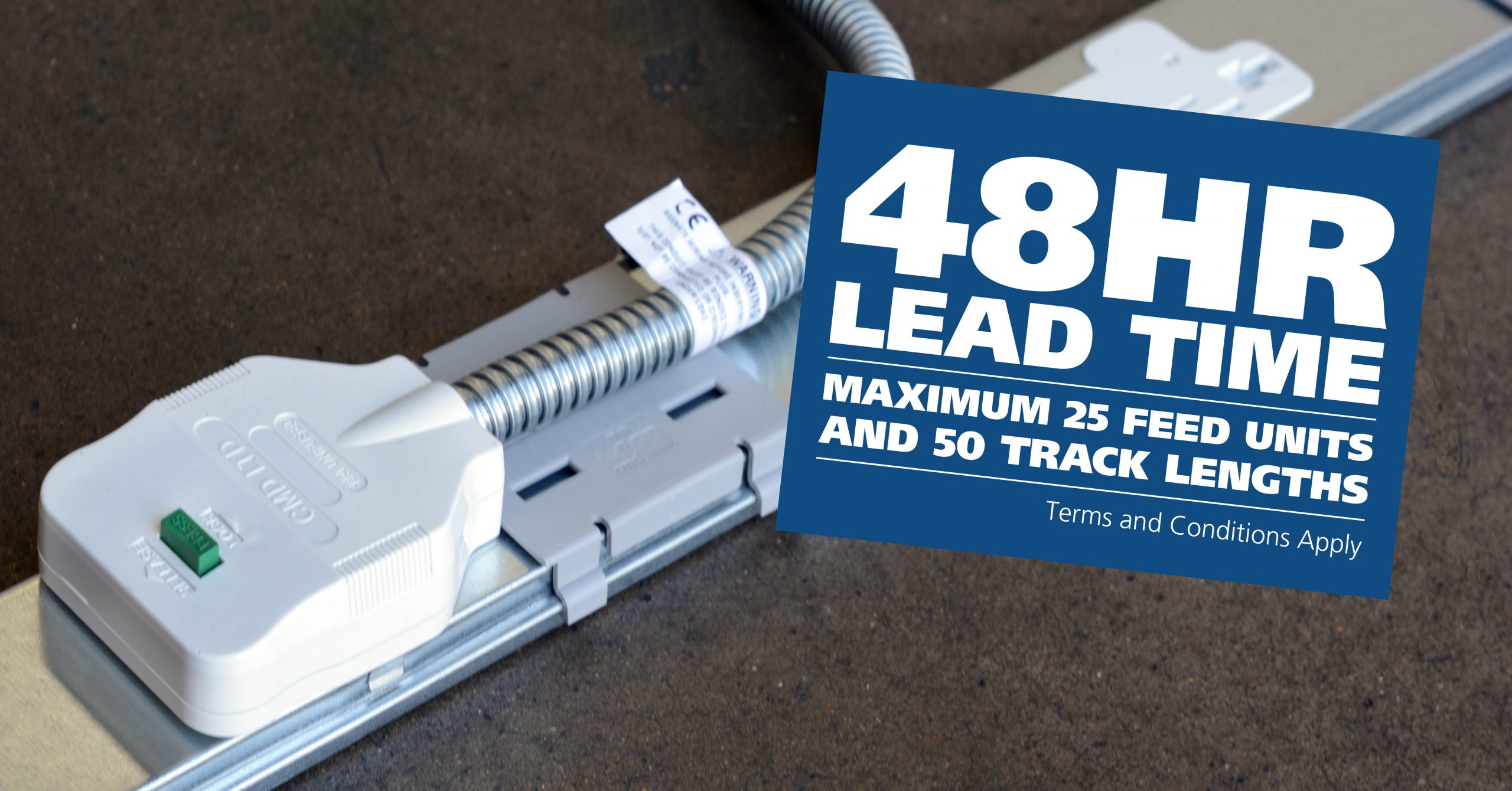
CMD Ltd, the specialist in power distribution systems, workstation power and monitor arms, has launched a rapid ordering service for its Betatrak® underfloor powertrack distribution systems and accessories, with a commitment to delivering within 48-hours of an approved purchase order*. The service enables customers to order up to 50 lengths of Standard or Clean Earth (C/E) low noise Betatrak, along with up to 25 feed...

Read more
CMD INVESTS £1/4 MILLION IN NEW MACHINE AS PART OF FACTORY UPGRADE

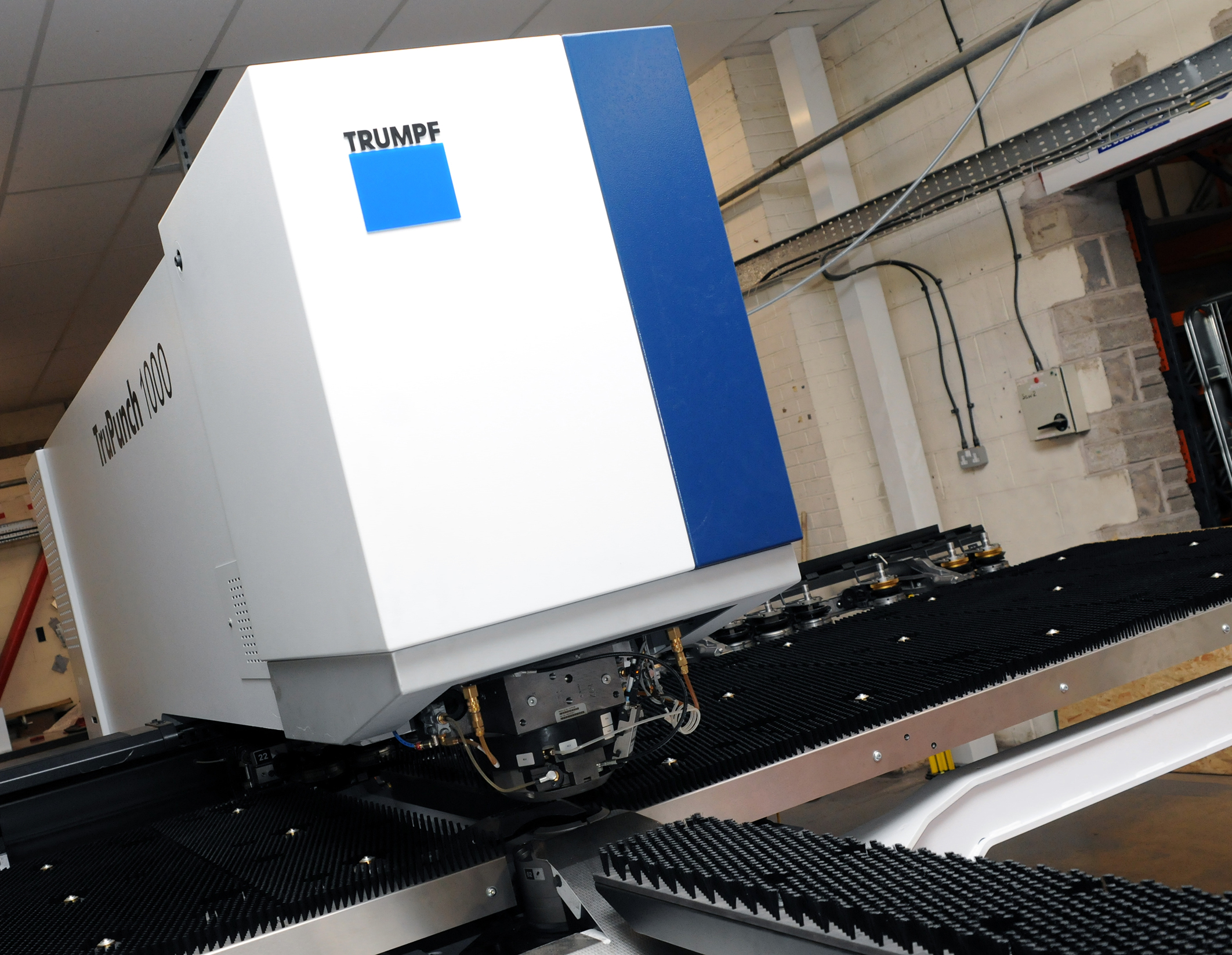
We have invested in a new £1/4m TRUMPF CNC metal punch as part of an asset renewal strategy for our UK manufacturing capability. The new machine will be used in the production of a wide variety of our power distribution systems and workstation power products at our Rotherham factory. Suitable for handling sheet metal between 0.9mm and 3.0mm thick, the new machine will replace one...

Read more
CMD CATALOGUE PROVIDES TECHNICAL POWER DISTRIBUTION GUIDE

CMD Ltd has released a new catalogue, providing an easy to follow technical guide to our power distribution systems and plug and play desk modules. Detailing CMD’s full range of UK-manufactured power distribution systems and plug and play desk modules, the catalogue will be a helpful source of information to M&E engineers and contractors alike to understand how our power distribution systems connect together and...

Read more

Power Distribution Catalogue
CMD Ltd PLAYS ESSENTIAL ROLE IN ELECTRICAL FIT OUT AT LONDON’S PRESTIGIOUS OFFICE DEVELOPMENT

CMD Ltd, specialist in workplace connectivity and ergonomic solutions, has provided a flexible and high-quality power distribution network for The Ray, a prestigious office development in London’s Farringdon. Well-known for being the former site of The Guardian newspaper, The Ray now stands as an 83,000ft² office development characterised by a modernised warehouse aesthetic, with level two now occupied by a global social media company. The...

Read more

The Ray
CMD plugs in to european opportunity with Schuko Capsule unit launch

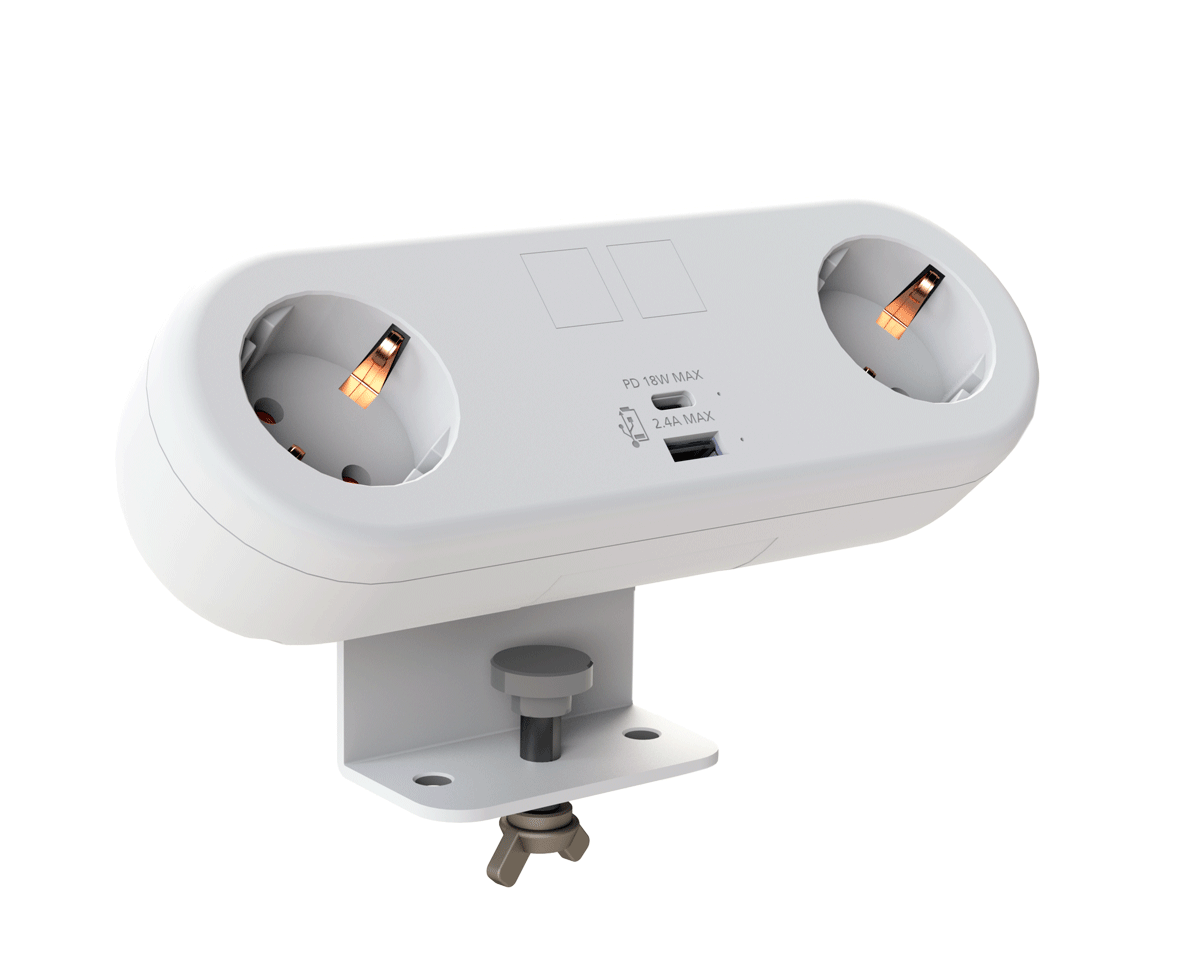
CMD Ltd, the specialist in power and connectivity solutions for commercial environments, has launched a Schuko version of its popular fixed format Capsule workstation power module for export to mainland Europe and beyond. A popular on desk power module comprising two sockets and dual USB (type A and C) chargers, CMD’s Capsule unit is already widely specified in the UK as an off-the-shelf workstation power...

Read more
CMD White Schuko Capsule Desk Power Module
CMD LTD EXTENDS MONITOR ARM RANGE WITH THE LAUNCH OF REACH PLUS

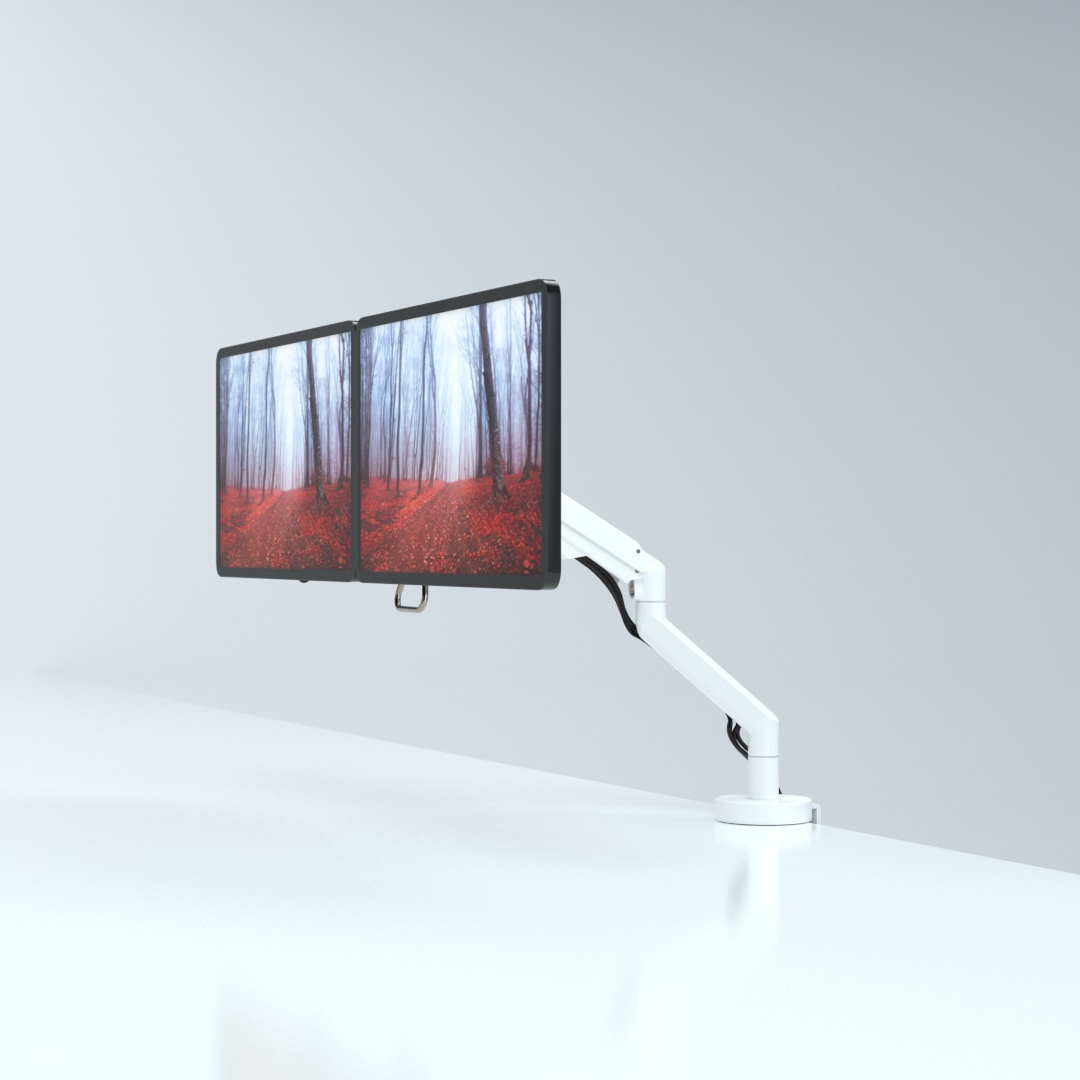
CMD Ltd, the specialist in ergonomic and connectivity solutions for commercial interiors, has completed its Reach monitor arm range with the launch of the Reach Plus. Available in single or dual screen options, the Reach Plus has been designed to provide an ideal solution for both single and dual screen workstation configurations, or can be used with next generation of large format curved screens. Suitable...

Read more
CMD Ltd DEMONSTRATES THE ART OF POWER DISTRIBUTION AT THE UNIVERSITY OF WARWICK

CMD Ltd, the specialist in workplace connectivity and ergonomic solutions, has provided Betatrak busbar power distribution and a range of electrical accessories for two major capital investment projects at the University of Warwick. Designed by Fielden Clegg Bradley Studios, the £33 million Faculty of Arts building is a showpiece development comprising four interconnected structures set around a central atrium, which will enable inter-disciplinary collaboration across...

Read more

University of Warwick
CMD BRINGS HARMONY TO COVENTRY UNIVERSITY RESEARCH FACILITIES

CMD Ltd, the specialist in power distribution solutions and workstation power and ergonomics, has provided under desk and on desk power modules for the refurbishment of three Coventry University research buildings. Located on Coventry University Technology Park, a business park designed to encourage collaboration between the university and knowledge-based businesses, the three buildings are being repurposed as office accommodation for university research teams. The refurbishment...

Read more
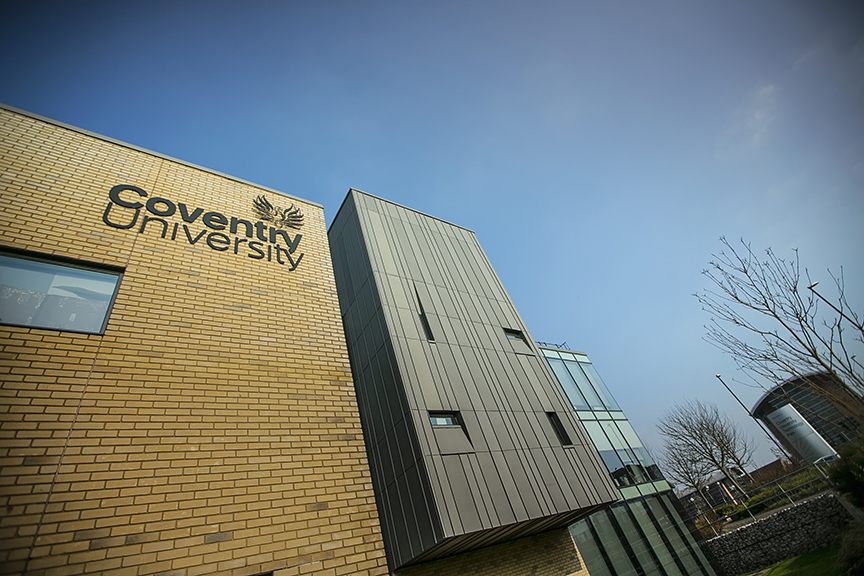
Coventry University

What is Glass and How is it Made?

glass is a fascinating material that has been part of human culture for centuries. Dr. Emily Carter, a leading expert in materials science, once said, "Glass is not just material; it is a reflection of innovation." This statement emphasizes the remarkable journey of glass from raw ingredients to finished products.

The process of making glass involves high temperatures and precise techniques. Silica sand is a primary ingredient, combined with other elements, like soda and lime. This mixture is heated until it melts. The molten glass can then be shaped in various ways. Each method influences the final appearance and functionality. However, controlling the quality and consistency of glass can be challenging. Tiny imperfections can occur during production, leading to flaws.

Exploring the world of glass reveals the delicate balance between art and science. It evokes wonder and appreciation. Yet, even small mistakes in the manufacturing process can impact the material's strength and clarity. The glass industry continually seeks perfection, but it remains an imperfect art form. This complex relationship makes glass truly intriguing.

What is Glass? A Comprehensive Overview of Its Definition and Types

Glass is a fascinating material with many uses. At its core, glass is a hard, brittle substance made from silica, soda, and lime. There are various types of glass, each with unique properties. Common types include soda-lime glass, borosilicate glass, and tempered glass. Each type serves specific purposes, from windows to laboratory equipment.

According to the Glass Packaging Institute, the global glass market is expected to reach $746 billion by 2027. This growth reflects increased demand across industries. Notably, environmentally friendly glass is gaining traction. Many consumers prefer glass packaging due to its recyclability. It's a step towards reducing plastic waste.

Tip: When selecting glass products, consider the type that fits your needs. Soda-lime glass is versatile, while borosilicate is better for thermal resistance. Remember to recycle glass items responsibly.

While glass is durable, it does have limitations. For example, it's prone to shattering upon impact. This makes it essential to handle glass products with care. Research suggests that better manufacturing processes can minimize flaws that lead to breakage. Look for signs of quality when buying glass items.

The Composition of Glass: Key Ingredients and Their Roles in Formation

Glass is a remarkable material, with its unique properties stemming from its composition. The primary ingredients in glass production are silica sand, soda ash, and limestone. Silica sand acts as the foundation of the glass matrix, making up about 70% of its composition. It's essential for providing durability and clarity. Soda ash lowers the melting point of silica, enabling easier production. Finally, limestone adds stability, preventing the glass from being too brittle.

Interestingly, the proportions of these ingredients can vary. For instance, the International Commission on Glass indicates that using more soda ash can lead to softer glass, which may not be suitable for all applications. Balancing these ingredients is crucial. If the ratio is off, it can result in a glass that breaks too easily or lacks the desired transparency.

Tips: When selecting glass products, consider their intended use. Thicker glass panes often offer better insulation. Pay attention to recycling codes, as they indicate the material's adaptability. Taking the time to understand the composition helps make informed choices. Experimenting with glass thickness can yield surprising results in both strength and aesthetics.

The Glassmaking Process: Step-by-Step Guide from Raw Materials to Final Product

The glassmaking process is fascinating yet intricate. It begins with the selection of raw materials. Silica sand, soda ash, and limestone are the primary components. These materials need precise proportions to ensure quality. Often, impurities can disrupt the clarity. The quality of sand matters significantly in this stage.

Once the materials are prepared, they undergo intense heating in a furnace. Temperatures can reach 1700 degrees Celsius. At this point, the silica melts and becomes liquid glass. However, issues can arise during melting. Sometimes, bubbles form, tarnishing the final product. The next phase involves shaping the molten glass into desired forms. This happens through various methods such as blowing, pressing, or molding. Each technique affects the texture and appearance of the glass.

After shaping, the glass must cool slowly in an annealing oven. This step is crucial to prevent cracks. Even minor fluctuations in temperature can lead to imperfections. The final stage includes cutting, polishing, and inspection. During this phase, any flaws may be spotted. It's essential, as glass requires both beauty and functionality. Glassmaking encompasses art and science, with its own challenges and rewards.

Industry Standards and Quality Control in Glass Manufacturing

In the glass manufacturing industry, maintaining quality is crucial. Each step in the production process must meet stringent standards. However, not all manufacturers adhere to these guidelines. This inconsistency can lead to defects in the finished products. Quality control measures vary widely across companies. Some facilities employ advanced technologies, while others rely on manual inspections.

Focus on raw materials is essential. Using pure silica can enhance the final product's clarity. Yet, some manufacturers cut costs by using lower-quality materials. This often results in uneven textures and imperfections. Regular testing of the glass during production can help catch these flaws early. Operators must be vigilant and well-trained to identify issues before final inspection.

It’s also important to consider the environmental impact. Many glass manufacturers are implementing sustainable practices. Still, challenges remain in waste management and energy consumption. Reflecting on these issues is vital for the industry to improve. Proper training and awareness could help elevate standards across the board. Balancing quality, cost, and sustainability is an ongoing struggle.

Applications of Glass: From Everyday Use to Advanced Technologies

Glass is more than just a clear material. It has a wide range of applications that impact our daily lives. From windows and bottles to advanced technology, glass is integral to many products we use regularly. When we think of glass, we often picture a drinking glass or a shiny windowpane. However, its properties lend themselves to innovative uses as well.

In modern technology, glass plays a crucial role. Fiber optics rely on glass to transmit data at high speeds. The medical field uses glass in laboratory equipment and surgical tools, ensuring precision and safety. Even in architecture, glass creates stunning designs that blend aesthetics with functionality. Yet, challenges remain. Glass is fragile and can break easily, raising concerns in certain applications. Developing stronger, more durable glass continues to be a pertinent area of research.

Everyday items, though familiar, prompt reflection on their complexities. How do we enhance glass for better safety or functionality? This question drives innovation. Sustainability is another consideration. Finding ways to recycle and reuse glass can improve its environmental impact. These reflections remind us that even the simplest materials can lead to profound advancements.