

News

Miro: A New Standard in Responsible Innovation

Miro: A New Standard in Responsible Innovation The Miro monitor arm is setting new benchmarks in sustainability. It offers a high-performance solution without compromising on environmental responsibility. Designed with careful material selection, local sourcing, and longevity in mind, Miro’s responsible approach to design and unique manoeuvrability set it apart from the competition. Sustainable Choices Miro is crafted from energy-efficient materials with a lower carbon impact....

Read more
HSE Advisor

Role Purpose Support in the development, implementation and maintenance of the company’s Health, Safety & Environmental policies, processes, operational procedures, and standards.  Ensuring best practice and championing a continually improving HSE culture within the business. Key Responsibilities Liaise with and provide support to all areas of the business to eliminate, mitigate or reduce identified HSE exposures. Partner with the production management team and team leaders,...

Read more
CMD Ltd LAUNCHES 48-HOUR TURNAROUND ON BETATRAK® RAPID ORDERING SERVICE

CMD Ltd, the specialist in power distribution systems, workstation power and monitor arms, has launched a rapid ordering service for its Betatrak® underfloor powertrack distribution systems and accessories, with a commitment to delivering within 48-hours of an approved purchase order*. The service enables customers to order up to 50 lengths of Standard or Clean Earth (C/E) low noise Betatrak, along with up to 25 feed...

Read more

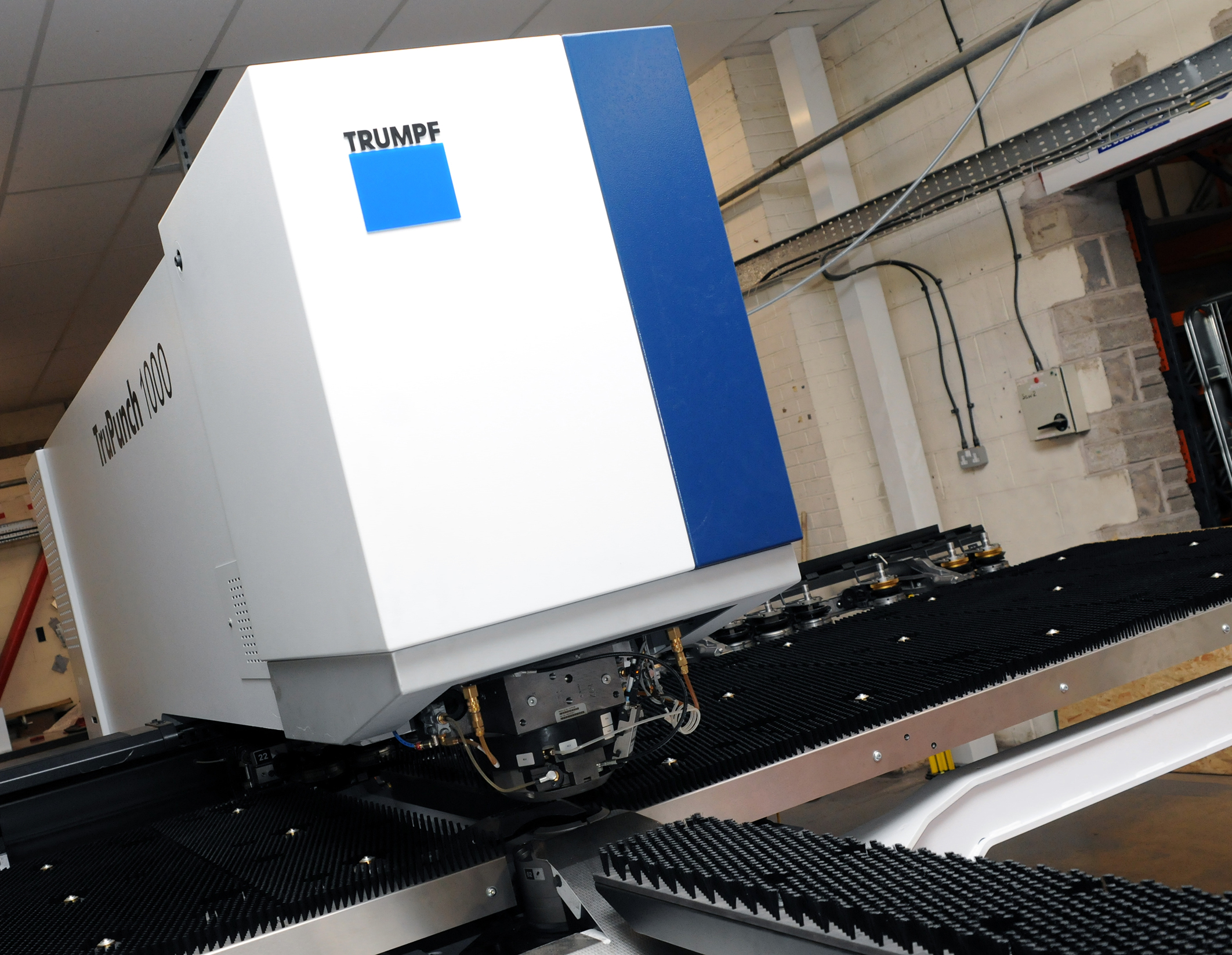
CMD INVESTS £1/4 MILLION IN NEW MACHINE AS PART OF FACTORY UPGRADE

We have invested in a new £1/4m TRUMPF CNC metal punch as part of an asset renewal strategy for our UK manufacturing capability. The new machine will be used in the production of a wide variety of our power distribution systems and workstation power products at our Rotherham factory. Suitable for handling sheet metal between 0.9mm and 3.0mm thick, the new machine will replace one...

Read more
CMD CATALOGUE PROVIDES TECHNICAL POWER DISTRIBUTION GUIDE

CMD Ltd has released a new catalogue, providing an easy to follow technical guide to our power distribution systems and plug and play desk modules. Detailing CMD’s full range of UK-manufactured power distribution systems and plug and play desk modules, the catalogue will be a helpful source of information to M&E engineers and contractors alike to understand how our power distribution systems connect together and...

Read more

Power Distribution Catalogue
CMD Ltd PLAYS ESSENTIAL ROLE IN ELECTRICAL FIT OUT AT LONDON’S PRESTIGIOUS OFFICE DEVELOPMENT

CMD Ltd, specialist in workplace connectivity and ergonomic solutions, has provided a flexible and high-quality power distribution network for The Ray, a prestigious office development in London’s Farringdon. Well-known for being the former site of The Guardian newspaper, The Ray now stands as an 83,000ft² office development characterised by a modernised warehouse aesthetic, with level two now occupied by a global social media company. The...

Read more

The Ray
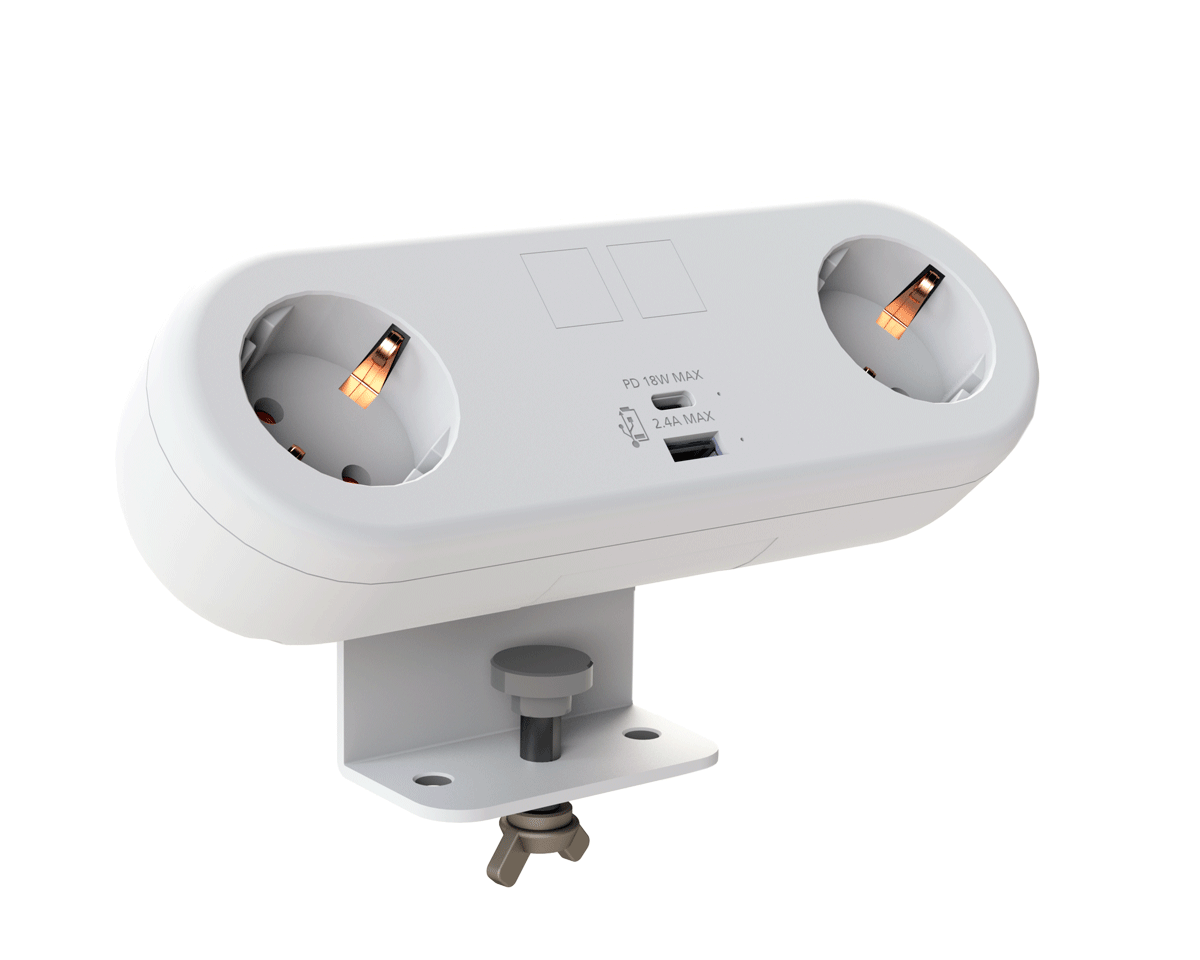
CMD plugs in to european opportunity with Schuko Capsule unit launch

CMD Ltd, the specialist in power and connectivity solutions for commercial environments, has launched a Schuko version of its popular fixed format Capsule workstation power module for export to mainland Europe and beyond. A popular on desk power module comprising two sockets and dual USB (type A and C) chargers, CMD’s Capsule unit is already widely specified in the UK as an off-the-shelf workstation power...

Read more
CMD White Schuko Capsule Desk Power Module
CMD LTD EXTENDS MONITOR ARM RANGE WITH THE LAUNCH OF REACH PLUS

CMD Ltd, the specialist in ergonomic and connectivity solutions for commercial interiors, has completed its Reach monitor arm range with the launch of the Reach Plus. Available in single or dual screen options, the Reach Plus has been designed to provide an ideal solution for both single and dual screen workstation configurations, or can be used with next generation of large format curved screens. Suitable...

Read more

CMD Ltd DEMONSTRATES THE ART OF POWER DISTRIBUTION AT THE UNIVERSITY OF WARWICK

CMD Ltd, the specialist in workplace connectivity and ergonomic solutions, has provided Betatrak busbar power distribution and a range of electrical accessories for two major capital investment projects at the University of Warwick. Designed by Fielden Clegg Bradley Studios, the £33 million Faculty of Arts building is a showpiece development comprising four interconnected structures set around a central atrium, which will enable inter-disciplinary collaboration across...

Read more

University of Warwick
CMD BRINGS HARMONY TO COVENTRY UNIVERSITY RESEARCH FACILITIES

CMD Ltd, the specialist in power distribution solutions and workstation power and ergonomics, has provided under desk and on desk power modules for the refurbishment of three Coventry University research buildings. Located on Coventry University Technology Park, a business park designed to encourage collaboration between the university and knowledge-based businesses, the three buildings are being repurposed as office accommodation for university research teams. The refurbishment...

Read more

Coventry University

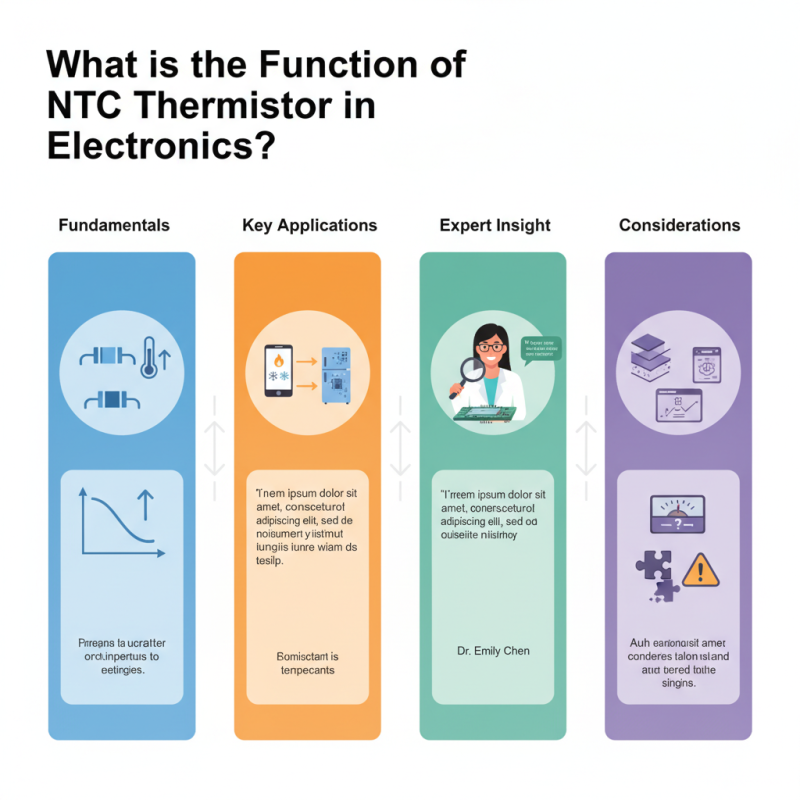
What is the Function of NTC Thermistor in Electronics?

In the realm of electronics, understanding the Ntc Thermistor Function is crucial. NTC (Negative Temperature Coefficient) thermistors are temperature-sensitive resistors. Their resistance decreases as temperature rises, making them versatile components in various applications. Dr. Emily Chen, an expert in thermal management solutions, states, "NTC thermistors are the unsung heroes in circuit design, providing both accuracy and safety."

These thermistors play vital roles in temperature measurement and compensation. They help in controlling heat in circuits by adjusting resistance based on environmental changes. This capability is essential in devices like smartphones and refrigerators. However, their performance can vary, and reliance on them requires careful calibration and testing.

Moreover, not all NTC thermistors perform equally under different conditions. Factors like material composition and environmental variables can affect their accuracy. This unpredictability calls for a cautious approach. The NTC Thermistor function, while invaluable, is not infallible. Understanding its limitations is key to harnessing its full potential in electronic designs.

What is the Function of NTC Thermistor in Electronics?

What is an NTC Thermistor?

NTC thermistors, or Negative Temperature Coefficient thermistors, are essential components in electronics. They are resistive temperature devices that exhibit a decrease in resistance as temperature increases. This unique property makes them valuable for temperature sensing and control. According to a recent market report by ResearchAndMarkets, the global NTC thermistor market is projected to reach $2 billion by 2026, highlighting their growing importance in modern applications.

These thermistors are widely used in circuits to provide accurate temperature readings. For example, they can be found in climate control systems, battery packs, and medical devices. Their sensitivity to temperature changes is crucial for maintaining optimal performance in these applications. However, not all NTC thermistors are equal; some require careful selection based on operational requirements.

Tips: When choosing NTC thermistors, consider the temperature range and resistance values. Testing the thermistor in a specific circuit can reveal critical performance insights. Ensure to review datasheets to match specifications with your project's needs. The integration process also requires caution. An incorrect installation can lead to inaccurate readings or component failure. The learning curve can be steep, but gaining hands-on experience enhances understanding.

Function of NTC Thermistor in Electronics

Parameter Description
Type Negative Temperature Coefficient (NTC)
Temperature Range Typically -55°C to 125°C
Resistance at 25°C Common values include 5kΩ, 10kΩ, 50kΩ
Application Temperature sensing, circuit protection, and inrush current limiting
Benefits High sensitivity, fast response time, and compact size
Limitations Non-linear response, susceptibility to overheating

Principle of Operation of NTC Thermistors

NTC thermistors, or Negative Temperature Coefficient thermistors, play a crucial role in electronic circuits. Their primary function is temperature sensing and control. As temperature increases, the resistance of NTC thermistors decreases. This characteristic makes them useful in various applications, from temperature measurement to overcurrent protection. According to recent industry reports, the global thermistor market is projected to grow at a compound annual growth rate of 6.5% through 2027, highlighting their increasing importance in technology.


The principle of operation of NTC thermistors is based on semiconductor properties. They are usually made from metal oxides. When heated, these materials exhibit a dramatic drop in resistance. This change can be measured and translated into temperature readings. Research indicates that NTC thermistors provide high sensitivity in detection and offer fast response times, which is critical in applications like HVAC systems and automotive controls. However, they have limitations too. Their non-linearity can complicate precise measurements. Understanding these characteristics is essential for engineers and developers working with temperature-sensitive devices. Proper calibration is often necessary to achieve reliable performance in diverse environments.

Applications of NTC Thermistors in Electronics

NTC thermistors, or Negative Temperature Coefficient thermistors, are widely used in electronics due to their unique properties. These components decrease their resistance as the temperature increases. This characteristic makes them invaluable in various applications.

In automotive electronics, NTC thermistors play a critical role in temperature sensing. They monitor engine temperatures and ensure optimal operation. According to recent industry reports, the automotive sector is projected to grow at a CAGR of 7% through 2025, fueling demand for effective temperature management solutions. Similarly, in consumer electronics, NTC thermistors are common in appliances to prevent overheating. They are found in devices like refrigerators and air conditioners, helping to maintain consistent temperatures, thus prolonging appliance lifespan.

Tips: When using NTC thermistors, consider their temperature range and specifications for accurate performance. Selecting the right type is crucial for reliability.

In medical equipment, NTC thermistors monitor patient temperatures with high accuracy. Their sensitivity is vital in applications like infant incubators. However, one must watch for temperature drift, which can lead to incorrect readings. Ensuring proper calibration can mitigate this risk. Moreover, as their resistance change is non-linear, it may complicate circuit design. Compatibility with other components is essential for effective integration.

Benefits of Using NTC Thermistors

NTC thermistors, or Negative Temperature Coefficient thermistors, play a vital role in modern electronics. They are widely recognized for their significant benefits in temperature sensing and circuit protection. One of the key advantages of NTC thermistors is their high sensitivity to temperature changes. This feature is crucial in various applications, leading to precise temperature measurements.

Moreover, NTC thermistors can effectively stabilize circuit performance. According to a report by Market Research Future, the demand for high-performance temperature sensors, including NTC thermistors, is expected to grow at a CAGR of 5.6% from 2020 to 2027. This growth indicates their increasing reliability in electronic devices. NTC thermistors can also contribute to energy efficiency. They help in reducing power consumption by adjusting the circuit operation based on temperature.

However, engineers sometimes face challenges when implementing them. The response time can be slower in specific conditions, risking delayed feedback in critical systems. Additionally, their nonlinear resistance characteristics may complicate circuit design. Understanding these challenges is vital for leveraging their full potential. Balancing these factors is essential for optimal use in electronics.

Limitations and Considerations in NTC Thermistor Use

NTC thermistors play a vital role in electronics by acting as temperature sensors and providing precise measurements. However, their use comes with certain limitations and considerations. One major concern is their non-linear resistance-temperature characteristics. This means that as temperature variations occur, the resistance does not change in a straightforward manner. Accuracy can diminish if not compensated for appropriately in designs.

Temperature sensitivity is another factor to consider. While NTC thermistors excel in detecting small temperature changes, their response time can be slow. Industry reports show that response times can vary from a few seconds to several minutes, which may not be suitable for all applications.

Additionally, environmental factors can affect their performance. High humidity and exposure to chemicals can lead to instability. Engineers often advise using protective coatings to enhance reliability in challenging environments. Balancing these considerations is crucial for effective implementation in various applications.