

News

Miro: A New Standard in Responsible Innovation

Miro: A New Standard in Responsible Innovation The Miro monitor arm is setting new benchmarks in sustainability. It offers a high-performance solution without compromising on environmental responsibility. Designed with careful material selection, local sourcing, and longevity in mind, Miro’s responsible approach to design and unique manoeuvrability set it apart from the competition. Sustainable Choices Miro is crafted from energy-efficient materials with a lower carbon impact....

Read more
HSE Advisor

Role Purpose Support in the development, implementation and maintenance of the company’s Health, Safety & Environmental policies, processes, operational procedures, and standards.  Ensuring best practice and championing a continually improving HSE culture within the business. Key Responsibilities Liaise with and provide support to all areas of the business to eliminate, mitigate or reduce identified HSE exposures. Partner with the production management team and team leaders,...

Read more
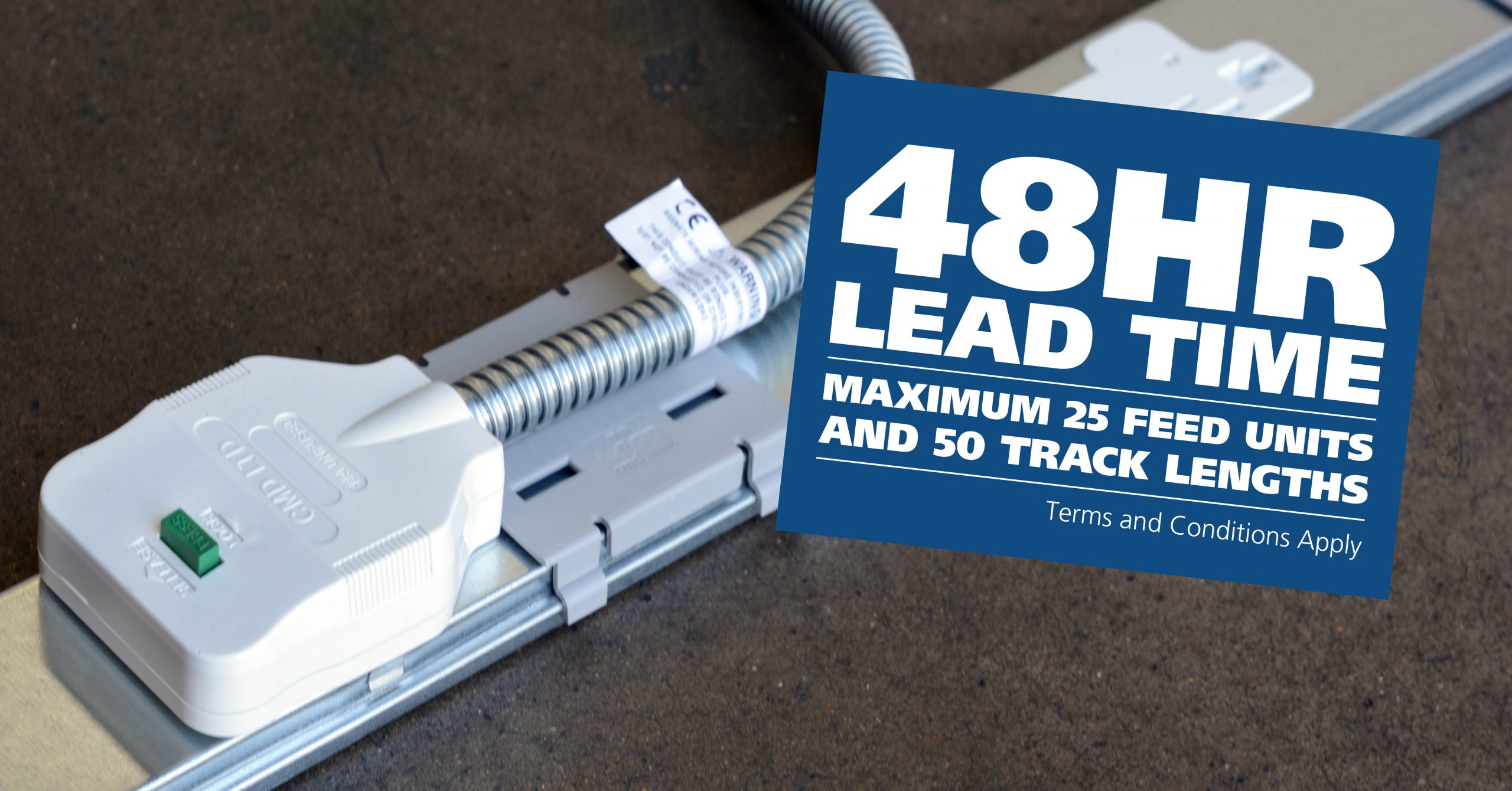
CMD Ltd LAUNCHES 48-HOUR TURNAROUND ON BETATRAK® RAPID ORDERING SERVICE

CMD Ltd, the specialist in power distribution systems, workstation power and monitor arms, has launched a rapid ordering service for its Betatrak® underfloor powertrack distribution systems and accessories, with a commitment to delivering within 48-hours of an approved purchase order*. The service enables customers to order up to 50 lengths of Standard or Clean Earth (C/E) low noise Betatrak, along with up to 25 feed...

Read more
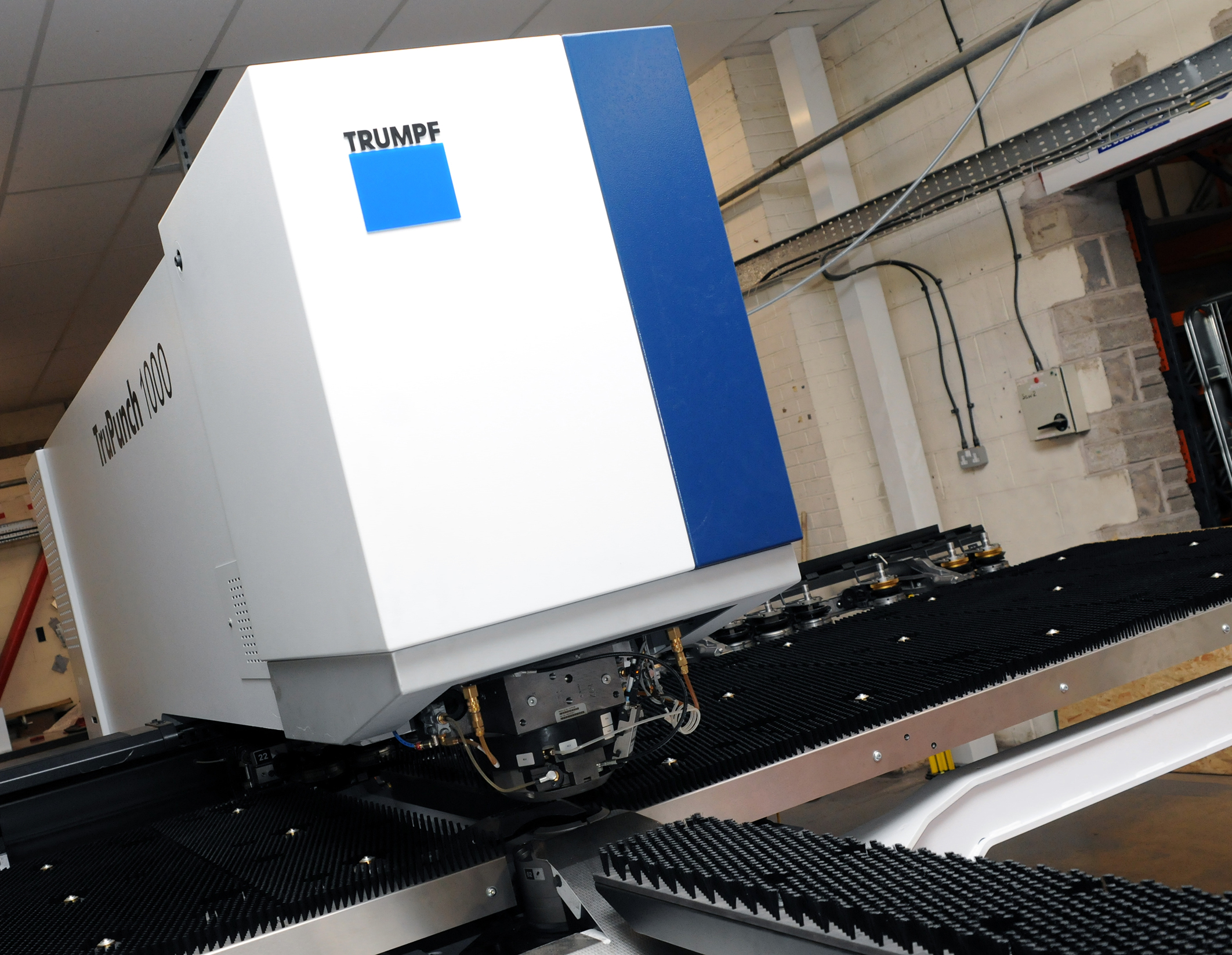
CMD INVESTS £1/4 MILLION IN NEW MACHINE AS PART OF FACTORY UPGRADE

We have invested in a new £1/4m TRUMPF CNC metal punch as part of an asset renewal strategy for our UK manufacturing capability. The new machine will be used in the production of a wide variety of our power distribution systems and workstation power products at our Rotherham factory. Suitable for handling sheet metal between 0.9mm and 3.0mm thick, the new machine will replace one...

Read more
CMD CATALOGUE PROVIDES TECHNICAL POWER DISTRIBUTION GUIDE

CMD Ltd has released a new catalogue, providing an easy to follow technical guide to our power distribution systems and plug and play desk modules. Detailing CMD’s full range of UK-manufactured power distribution systems and plug and play desk modules, the catalogue will be a helpful source of information to M&E engineers and contractors alike to understand how our power distribution systems connect together and...

Read more
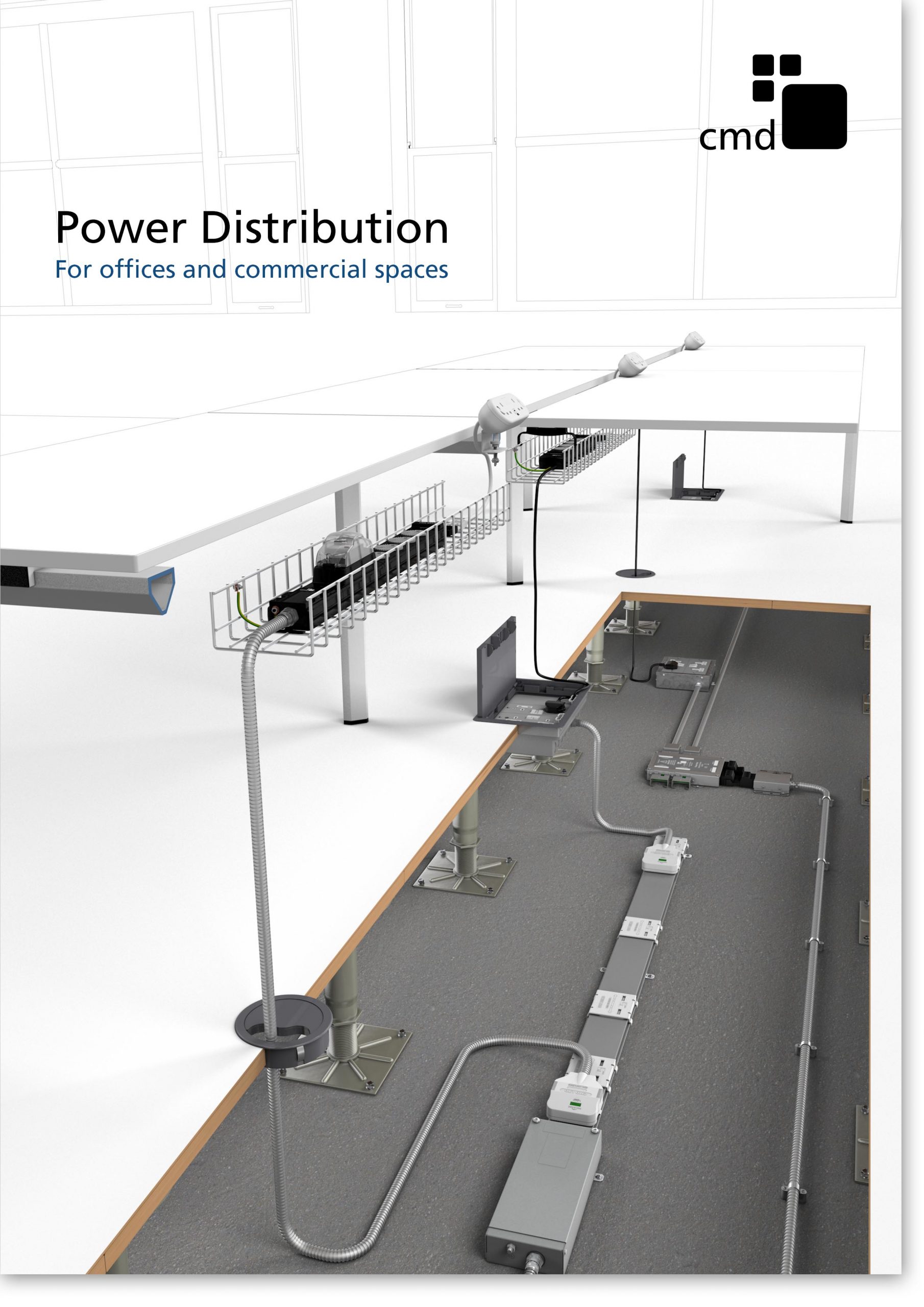
Power Distribution Catalogue
CMD Ltd PLAYS ESSENTIAL ROLE IN ELECTRICAL FIT OUT AT LONDON’S PRESTIGIOUS OFFICE DEVELOPMENT

CMD Ltd, specialist in workplace connectivity and ergonomic solutions, has provided a flexible and high-quality power distribution network for The Ray, a prestigious office development in London’s Farringdon. Well-known for being the former site of The Guardian newspaper, The Ray now stands as an 83,000ft² office development characterised by a modernised warehouse aesthetic, with level two now occupied by a global social media company. The...

Read more

The Ray
CMD plugs in to european opportunity with Schuko Capsule unit launch

CMD Ltd, the specialist in power and connectivity solutions for commercial environments, has launched a Schuko version of its popular fixed format Capsule workstation power module for export to mainland Europe and beyond. A popular on desk power module comprising two sockets and dual USB (type A and C) chargers, CMD’s Capsule unit is already widely specified in the UK as an off-the-shelf workstation power...

Read more
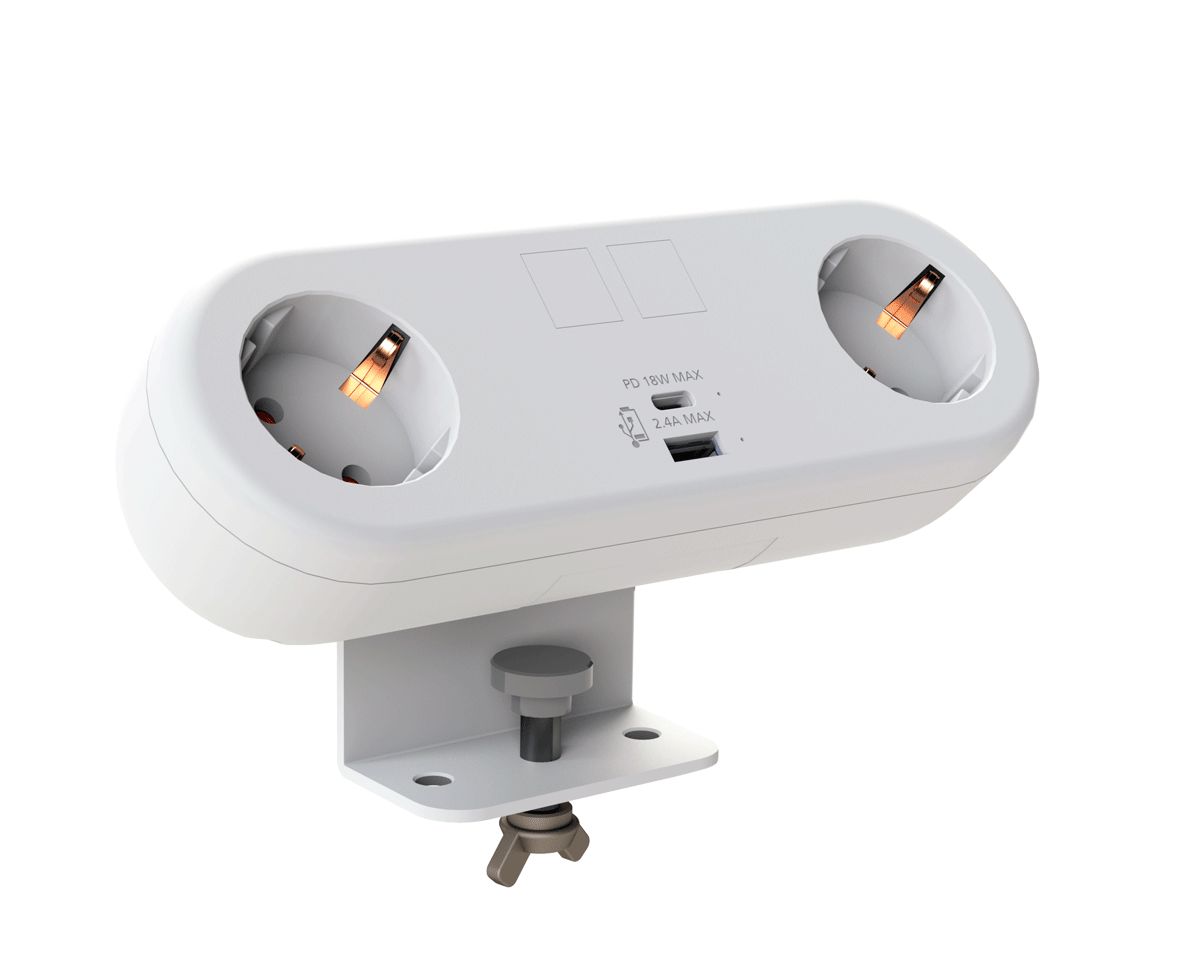
CMD White Schuko Capsule Desk Power Module
CMD LTD EXTENDS MONITOR ARM RANGE WITH THE LAUNCH OF REACH PLUS

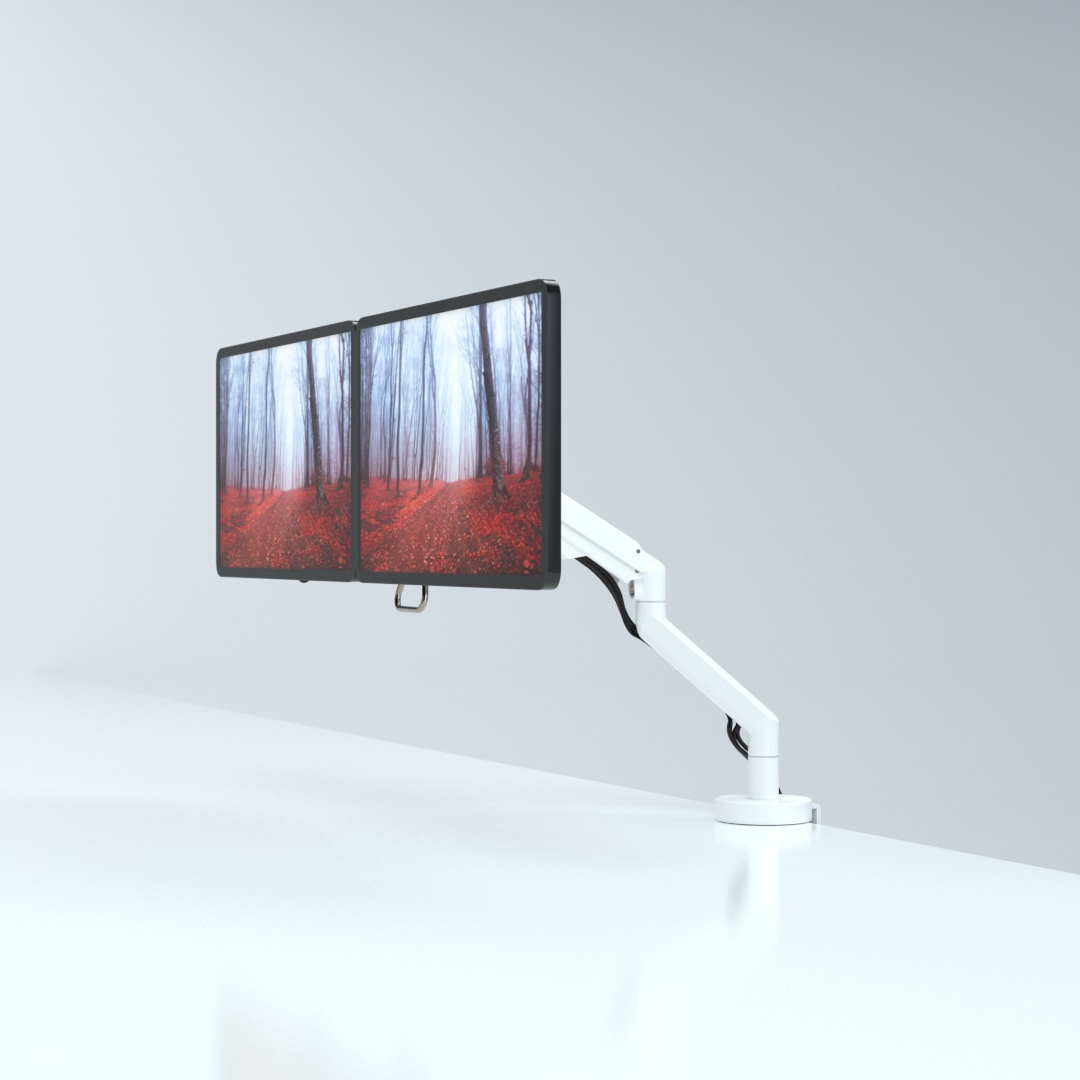
CMD Ltd, the specialist in ergonomic and connectivity solutions for commercial interiors, has completed its Reach monitor arm range with the launch of the Reach Plus. Available in single or dual screen options, the Reach Plus has been designed to provide an ideal solution for both single and dual screen workstation configurations, or can be used with next generation of large format curved screens. Suitable...

Read more
CMD Ltd DEMONSTRATES THE ART OF POWER DISTRIBUTION AT THE UNIVERSITY OF WARWICK

CMD Ltd, the specialist in workplace connectivity and ergonomic solutions, has provided Betatrak busbar power distribution and a range of electrical accessories for two major capital investment projects at the University of Warwick. Designed by Fielden Clegg Bradley Studios, the £33 million Faculty of Arts building is a showpiece development comprising four interconnected structures set around a central atrium, which will enable inter-disciplinary collaboration across...

Read more

University of Warwick
CMD BRINGS HARMONY TO COVENTRY UNIVERSITY RESEARCH FACILITIES

CMD Ltd, the specialist in power distribution solutions and workstation power and ergonomics, has provided under desk and on desk power modules for the refurbishment of three Coventry University research buildings. Located on Coventry University Technology Park, a business park designed to encourage collaboration between the university and knowledge-based businesses, the three buildings are being repurposed as office accommodation for university research teams. The refurbishment...

Read more


Coventry University

What is a Flat Membrane Keypad and How Does it Work?

In the world of user interfaces, the "Flat Membrane Keypad" stands out for its versatility and efficiency. Experts like Dr. Sarah Wong, a leading figure in human-computer interaction, emphasize, “Flat membrane keypads provide a clean and durable solution for various applications.” These keypads are commonly used in devices from appliances to medical equipment. Their seamless design allows for easy cleaning and a modern aesthetic.

Flat membrane keypads work on a basic principle: they utilize pressure sensors to register input. When pressed, the surface connects two conductive traces, sending signals to the device. This simplicity is a significant advantage. However, challenges exist. Users sometimes miss the tactile feedback provided by mechanical keys. Additionally, the long-term durability can vary based on material quality.

In exploring the functionality and application of flat membrane keypads, one realizes their importance. They combine practicality with modern design. As technology advances, the relevance of these keypads in everyday devices will likely continue to grow, demanding further innovation and refinement.

What is a Flat Membrane Keypad and How Does it Work?

What is a Flat Membrane Keypad?

Flat membrane keypads are widely used in various devices. They are designed with a smooth surface that allows users to interact effortlessly. These keypads consist of multiple layers, including a flexible top layer and a bottom layer with conductive traces. When you press a button, the top layer makes contact with the bottom layer, completing an electrical circuit. This simple mechanism is effective in many applications, from household appliances to industrial machines.

Tips: Keep your keypad clean. Dust and grime can interfere with button sensitivity. Regular maintenance extends its lifespan and ensures optimal performance.

One limitation is the tactile feedback. Users often prefer mechanical switches for a more physical response. Flat membrane keypads may feel unresponsive or unclear, making it harder to know if a button has been pressed. Additionally, the durability of the design can vary. Some keypads may wear out faster than expected if used excessively. Testing different designs can help you find a suitable option.

Tips: When selecting a keypad, consider your usage environment. High moisture levels or extreme temperatures may affect functionality. Choose materials that can withstand such conditions for better reliability.

Components of a Flat Membrane Keypad

Flat membrane keypads consist of several essential components that work together to create an efficient interface for various devices. The upper layer often features printed graphics, indicating functionality. This top layer is crucial because it provides users with a visual guide. Below it lies a spacer layer, which also plays a significant role. This layer keeps the conductive elements apart, preventing accidental activation from unintended pressure.

The core of a flat membrane keypad is the conductive layer. This layer is typically made of a conductive ink that allows for the necessary electrical connections. When a button is pressed, the conductive layer makes contact with a circuit below, sending a signal to the device. This design is simple yet effective. However, the durability of these components can sometimes be an afterthought. Long-term use may cause wear, affecting performance. Regular troubleshooting and timely replacements can help maintain functionality.

Understanding these components is essential for anyone involved in design or maintenance. Each part serves a purpose, contributing to the overall user experience. Reflecting on the design cycle ensures that any shortcomings are addressed. Identifying potential issues early can lead to improvements.

Components of a Flat Membrane Keypad

How a Flat Membrane Keypad Functions

A flat membrane keypad is a simple yet effective input device commonly used in various electronic applications. It consists of several layers, including a flexible top layer printed with graphic symbols. When pressure is applied, this top layer makes contact with the underlying conductive material, completing an electrical circuit. This design offers a sealed interface, making it resistant to dust and moisture.

The functioning of a flat membrane keypad relies on pressure-sensitive technology. Each button is usually made from a conductive material. Upon pressing a button, the conductive material touches a substrate layer, sending a signal to the connected device. The feedback is instantaneous, allowing for seamless interaction. However, not all designs provide the same tactile feedback. Users might experience occasional misclicks, leading to frustration.

These keypads have advantages and disadvantages. They are lightweight and easy to install, but their lifespan may be shorter compared to mechanical switches. Moreover, they can be less responsive in high-temperature environments. Users must consider these aspects when integrating a flat membrane keypad into their devices. Reflection on user experience is crucial to improve future designs and address shortcomings.

Applications of Flat Membrane Keypads

Flat membrane keypads serve various applications across different industries. They are often utilized in medical devices, home appliances, and consumer electronics. These keypads provide a user-friendly interface that enhances the overall experience. Their compact design makes them ideal for devices with space constraints.

In medical equipment, flat membrane keypads ensure easy access to critical functions. For instance, they are commonly found in diagnostic machines, where quick input is essential. Their durability against spills and contaminants is a significant advantage in hospital environments. Similarly, in home appliances like microwave ovens, flat membrane keypads facilitate straightforward navigation through settings.

While these keypads are widely used, some challenges can arise. For example, they may wear out faster under heavy use, affecting their responsiveness. Users might find it frustrating when the keypad does not register their input promptly. Manufacturers need to continually improve durability and user experience. Overall, flat membrane keypads will remain a staple in many applications despite these challenges.

What is a Flat Membrane Keypad and How Does it Work? - Applications of Flat Membrane Keypads

Dimension Description
Material Polyester or Polycarbonate
Thickness 0.5 to 1.5 mm
Key Life Cycle Up to 1 million presses
Operating Temperature -20°C to 70°C
Applications Consumer electronics, industrial controls, medical devices
Customization Options Graphic overlays, colors, sizes, shapes
Sealing IP65 or higher

Advantages and Disadvantages of Flat Membrane Keypads

Flat membrane keypads offer a blend of simplicity and functionality. They consist of layers of flexible plastic with conductive elements. This design makes them durable but also limits tactile feedback. Users may find it challenging to operate them without clear pressure indicators.

One significant advantage is their compact design. They can fit into tight spaces where traditional buttons cannot. This is valuable for modern devices. However, the lack of tactile sensation can lead to user errors, especially in high-stress environments. Some users feel disconnected from their devices.

On the downside, flat membrane keypads can be sensitive to environmental factors. Liquids and dust can compromise their functionality. Regular maintenance is required to keep them operational. While they are cost-effective, the need for replacement due to wear and tear can add to long-term expenses. It's essential to weigh these factors when considering flat membrane keypads for specific applications.