

News

Miro: A New Standard in Responsible Innovation

Miro: A New Standard in Responsible Innovation The Miro monitor arm is setting new benchmarks in sustainability. It offers a high-performance solution without compromising on environmental responsibility. Designed with careful material selection, local sourcing, and longevity in mind, Miro’s responsible approach to design and unique manoeuvrability set it apart from the competition. Sustainable Choices Miro is crafted from energy-efficient materials with a lower carbon impact....

Read more
HSE Advisor

Role Purpose Support in the development, implementation and maintenance of the company’s Health, Safety & Environmental policies, processes, operational procedures, and standards.  Ensuring best practice and championing a continually improving HSE culture within the business. Key Responsibilities Liaise with and provide support to all areas of the business to eliminate, mitigate or reduce identified HSE exposures. Partner with the production management team and team leaders,...

Read more
CMD Ltd LAUNCHES 48-HOUR TURNAROUND ON BETATRAK® RAPID ORDERING SERVICE

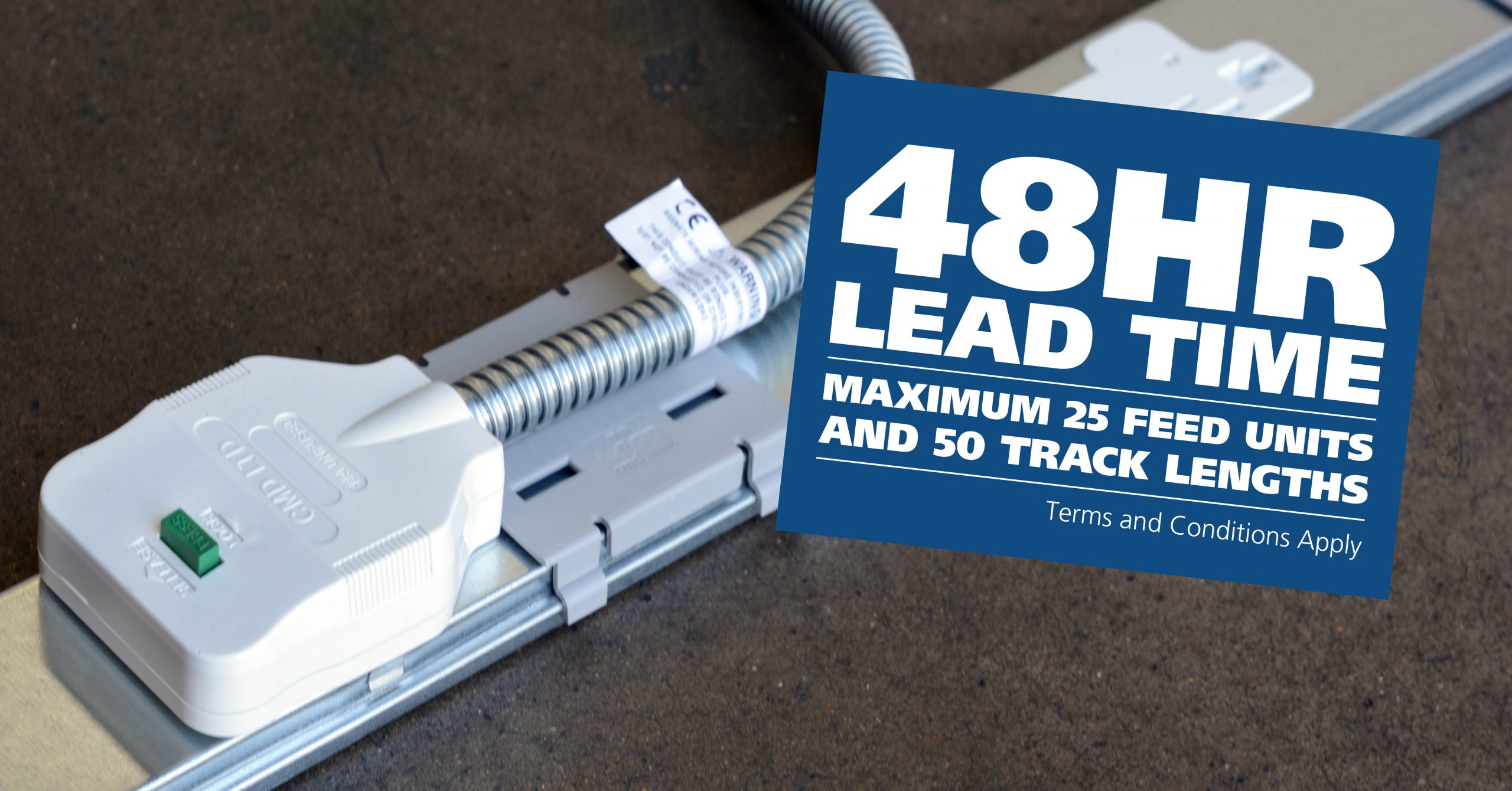
CMD Ltd, the specialist in power distribution systems, workstation power and monitor arms, has launched a rapid ordering service for its Betatrak® underfloor powertrack distribution systems and accessories, with a commitment to delivering within 48-hours of an approved purchase order*. The service enables customers to order up to 50 lengths of Standard or Clean Earth (C/E) low noise Betatrak, along with up to 25 feed...

Read more
CMD INVESTS £1/4 MILLION IN NEW MACHINE AS PART OF FACTORY UPGRADE

We have invested in a new £1/4m TRUMPF CNC metal punch as part of an asset renewal strategy for our UK manufacturing capability. The new machine will be used in the production of a wide variety of our power distribution systems and workstation power products at our Rotherham factory. Suitable for handling sheet metal between 0.9mm and 3.0mm thick, the new machine will replace one...

Read more

CMD CATALOGUE PROVIDES TECHNICAL POWER DISTRIBUTION GUIDE

CMD Ltd has released a new catalogue, providing an easy to follow technical guide to our power distribution systems and plug and play desk modules. Detailing CMD’s full range of UK-manufactured power distribution systems and plug and play desk modules, the catalogue will be a helpful source of information to M&E engineers and contractors alike to understand how our power distribution systems connect together and...

Read more
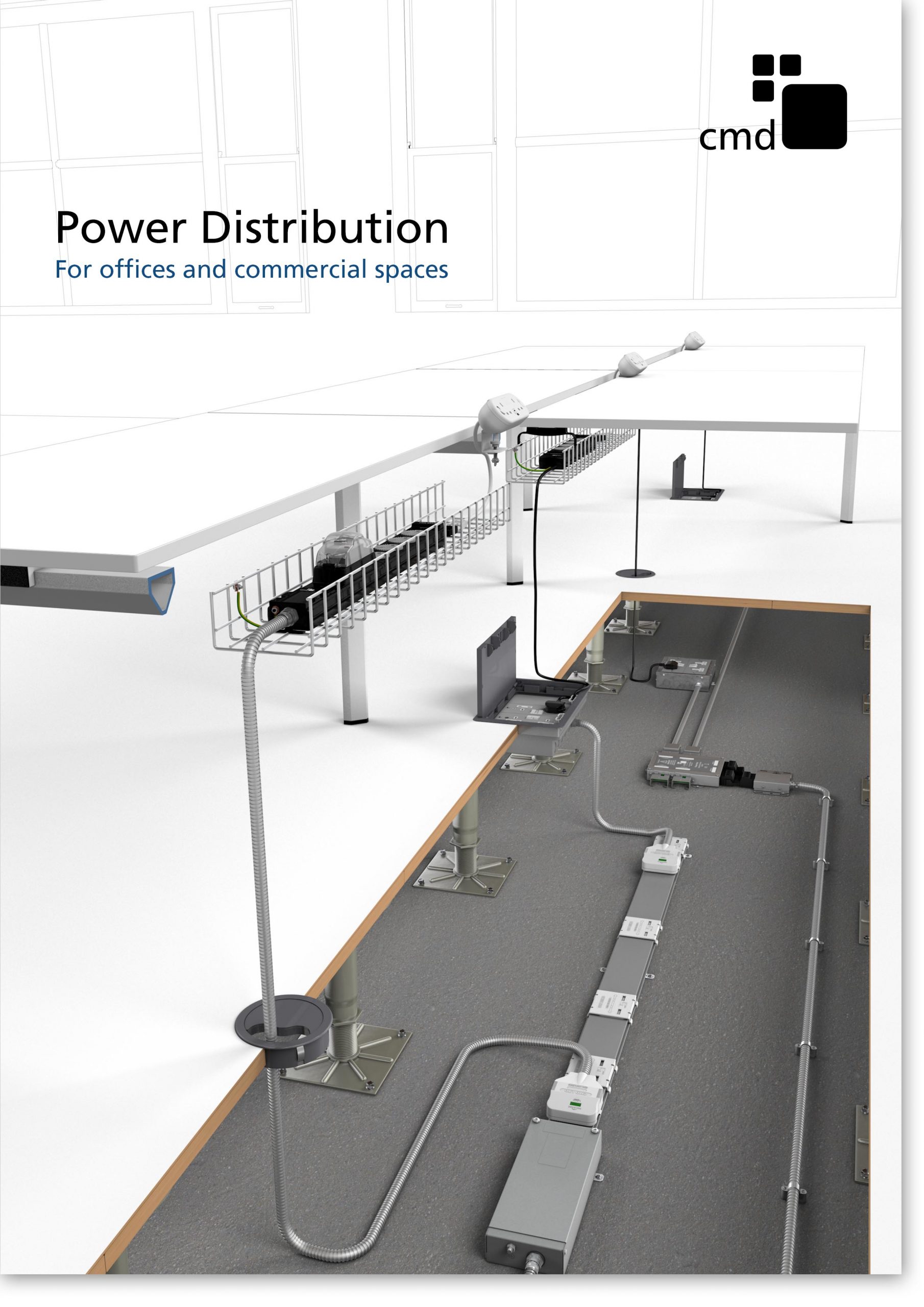
Power Distribution Catalogue
CMD Ltd PLAYS ESSENTIAL ROLE IN ELECTRICAL FIT OUT AT LONDON’S PRESTIGIOUS OFFICE DEVELOPMENT

CMD Ltd, specialist in workplace connectivity and ergonomic solutions, has provided a flexible and high-quality power distribution network for The Ray, a prestigious office development in London’s Farringdon. Well-known for being the former site of The Guardian newspaper, The Ray now stands as an 83,000ft² office development characterised by a modernised warehouse aesthetic, with level two now occupied by a global social media company. The...

Read more

The Ray
CMD plugs in to european opportunity with Schuko Capsule unit launch

CMD Ltd, the specialist in power and connectivity solutions for commercial environments, has launched a Schuko version of its popular fixed format Capsule workstation power module for export to mainland Europe and beyond. A popular on desk power module comprising two sockets and dual USB (type A and C) chargers, CMD’s Capsule unit is already widely specified in the UK as an off-the-shelf workstation power...

Read more
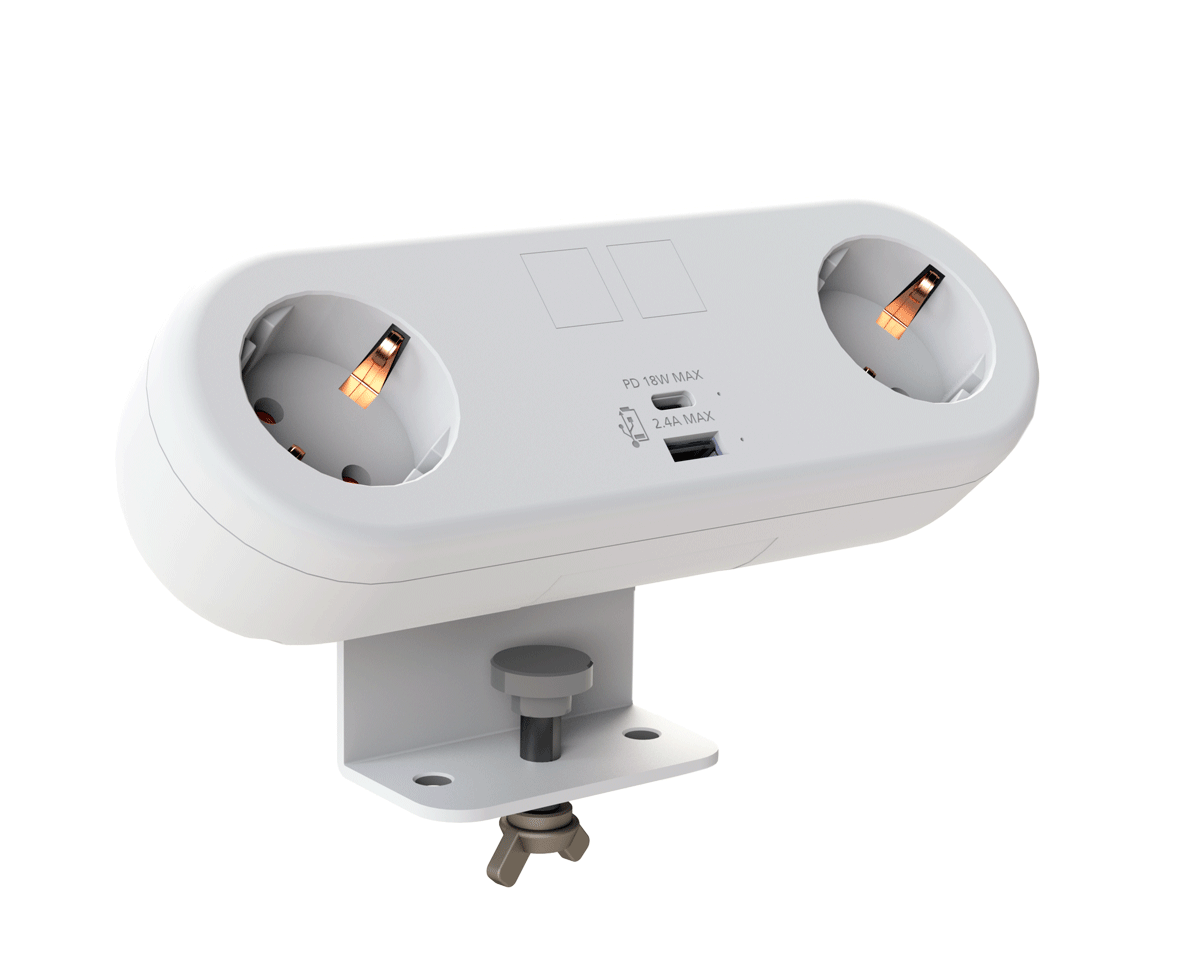
CMD White Schuko Capsule Desk Power Module
CMD LTD EXTENDS MONITOR ARM RANGE WITH THE LAUNCH OF REACH PLUS

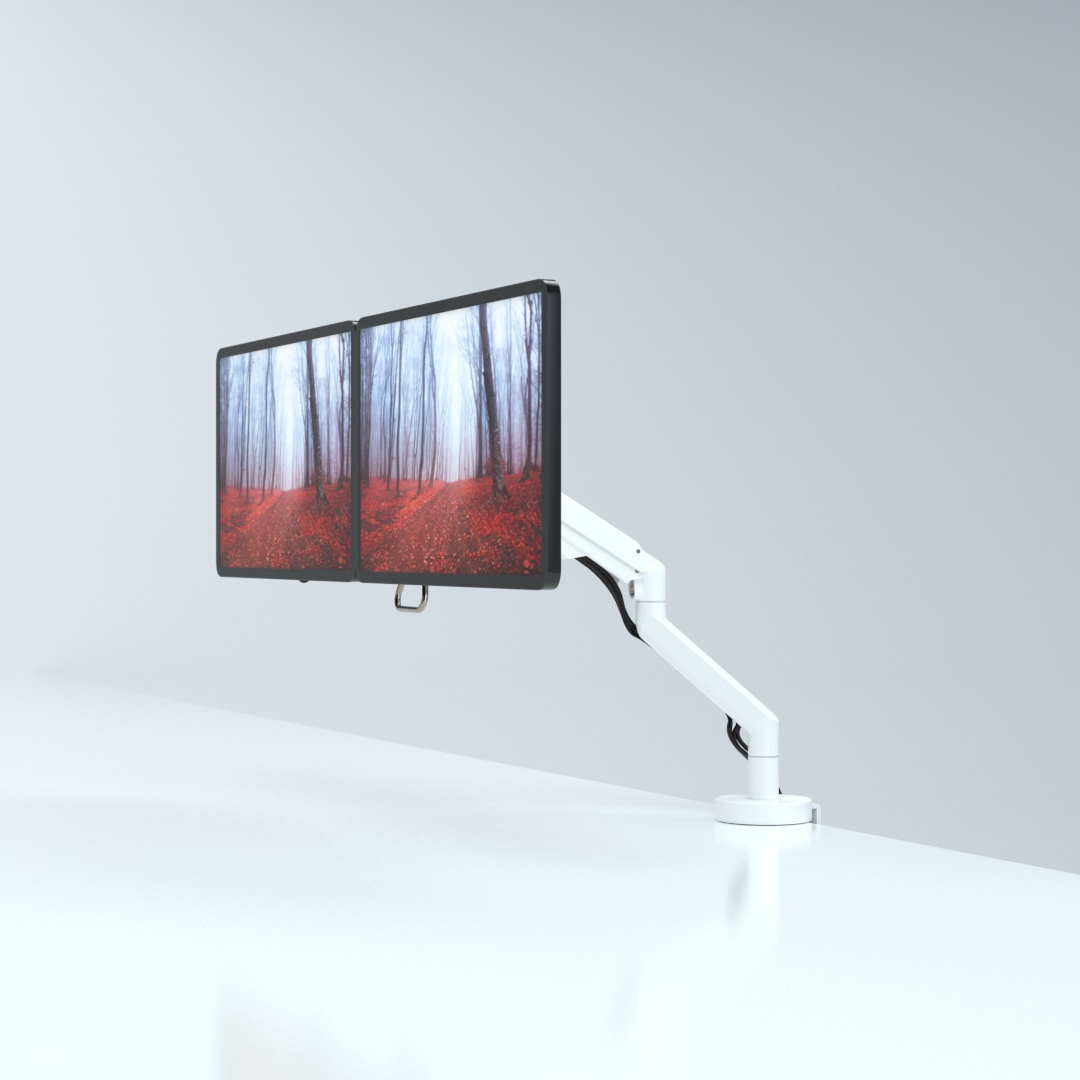
CMD Ltd, the specialist in ergonomic and connectivity solutions for commercial interiors, has completed its Reach monitor arm range with the launch of the Reach Plus. Available in single or dual screen options, the Reach Plus has been designed to provide an ideal solution for both single and dual screen workstation configurations, or can be used with next generation of large format curved screens. Suitable...

Read more
CMD Ltd DEMONSTRATES THE ART OF POWER DISTRIBUTION AT THE UNIVERSITY OF WARWICK

CMD Ltd, the specialist in workplace connectivity and ergonomic solutions, has provided Betatrak busbar power distribution and a range of electrical accessories for two major capital investment projects at the University of Warwick. Designed by Fielden Clegg Bradley Studios, the £33 million Faculty of Arts building is a showpiece development comprising four interconnected structures set around a central atrium, which will enable inter-disciplinary collaboration across...

Read more

University of Warwick
CMD BRINGS HARMONY TO COVENTRY UNIVERSITY RESEARCH FACILITIES

CMD Ltd, the specialist in power distribution solutions and workstation power and ergonomics, has provided under desk and on desk power modules for the refurbishment of three Coventry University research buildings. Located on Coventry University Technology Park, a business park designed to encourage collaboration between the university and knowledge-based businesses, the three buildings are being repurposed as office accommodation for university research teams. The refurbishment...

Read more


Coventry University

How to Find the Best Photochromic Lenses Supplier in 2026?

Finding the Best Photochromic Lenses Supplier in 2026 requires more than comparing online prices. Lens performance depends on materials, coating quality, production controls, and after-sales support. A reliable supplier should provide clear technical specifications, consistent tint activation, and traceable quality records. Ask about transmission ranges, UV protection, activation speed, temperature testing, and available prescription powers. These details reveal whether the supplier understands optical manufacturing or simply repeats marketing language.

Experience matters when samples arrive. Test lenses under bright sunlight, behind a vehicle windshield, and in cooler outdoor conditions. Note how evenly they darken, how quickly they fade indoors, and whether the coating shows visible defects. Request independent laboratory reports and verify relevant certifications for your target market. Standards and labeling requirements can differ, so responsible suppliers should explain their documentation without making exaggerated claims. Communication is another practical signal. A professional contact answers technical questions directly and admits limitations when necessary.

That honesty matters.

The Best Photochromic Lenses Supplier should also support stable production after the first order. Review sample consistency, minimum order quantities, packaging protection, replacement policies, and delivery records. Speak with existing customers when possible, especially optical retailers or laboratories with similar needs. However, supplier reviews are not perfect evidence. One successful order can hide later delays. Keep testing, record results, and compare promises with measurable performance. This careful process helps buyers choose a partner based on dependable evidence, not attractive wording alone.

How to Find the Best Photochromic Lenses Supplier in 2026?

Define Your Photochromic Lens Requirements

Define your photochromic lens requirements before contacting a supplier. Specify the lens material, prescription range, index, tint speed, activation temperature, and UV protection level. Outdoor users may need darker activation, while office users often prefer faster indoor clearing. The World Health Organization reports that at least 2.2 billion people have near or distance vision impairment worldwide. This highlights the need for accurate prescription support and consistent optical quality.

Ask suppliers for measurable test results, not attractive promises. Request transmission data for indoor and outdoor conditions, UV400 performance, impact resistance, and coating durability. ISO 8980-3 provides a recognized framework for spectacle lens transmittance requirements. The Vision Council’s 2024 consumer research also shows that eyewear buyers increasingly value lens performance and everyday comfort. However, market reports can differ in scope and methodology. Treat forecasts as guidance, not proof.

Tips: Prepare a one-page requirement sheet. Include target users, lens colors, prescription limits, sample quantities, packaging needs, and delivery expectations. Test samples in a cold car, bright sunlight, and an office. Real conditions expose weaknesses. Ask whether the supplier can provide batch-level inspection records and independent laboratory reports. A supplier that avoids specific answers may create costly delays. My own practical lesson is simple: speed alone is not enough. A lens that changes quickly but clears unevenly can still disappoint customers.

Assess Lens Quality, Performance, and Safety Standards

How to Find the Best Photochromic Lenses Supplier in 2026?

Assess Lens Quality, Performance, and Safety Standards

A reliable supplier should provide measurable evidence, not attractive claims. Request optical test reports, material specifications, and batch inspection records. Check lens clarity under indoor lighting and direct sunlight. Look for even darkening without visible patches or color distortion. Ask how quickly the lenses activate and fade. Performance can vary in cold weather, behind windshields, or after repeated use. These details matter during real customer trials.

Safety deserves equal attention. Confirm impact-resistance testing and suitable UV protection documentation. Ask whether production follows recognized quality systems and applicable market requirements. Certificates should be current, traceable, and issued by qualified testing organizations. Review the supplier’s quality-control process, including coating checks, thickness measurements, and defect handling. A transparent supplier will explain failed inspections instead of hiding them. No supplier is flawless. The response to mistakes reveals more than a polished brochure.

Tips: Order samples from different production batches. Compare activation speed, fading time, optical clarity, and surface durability. Test lenses in realistic conditions, including outdoor glare and changing temperatures. Keep written records with photographs. Also, ask about replacement procedures and complaint response times. A low price may look efficient, but inconsistent performance can create costly rework. I would avoid making a decision from one successful sample. That is an easy mistake. A broader evaluation gives stronger evidence before long-term cooperation.

Verify Supplier Manufacturing Capacity and Certifications

When selecting a photochromic lenses supplier, verify production capacity before trusting sales claims. Grand View Research valued the global photochromic lenses market at approximately USD 4.3 billion in 2023. Growing demand can encourage exaggerated capacity statements. Ask for the number of coating lines, monthly output, standard batch size, and current utilization rate. Request recent production records, not only a factory video.

Check whether the quoted capacity covers finished lenses or only semi-finished blanks. A supplier may have many molding machines but limited coating chambers. Review sample lead times, batch consistency, and recovery plans for equipment failures. Test several batches for activation speed, fading time, ultraviolet response, optical power, tint uniformity, and surface durability. Small samples can look excellent. Mass production may behave differently.

Certifications require careful verification. The ISO Survey 2023 reported more than 1.26 million ISO 9001 certificates worldwide, but certification alone does not prove photochromic performance. Confirm the certificate number, legal manufacturing site, scope, expiry date, and accredited auditing body. Check whether the documented scope includes lens production, coating, or quality control. For photochromic claims, request testing against applicable ISO 8980 requirements and review complete laboratory reports. Do not accept a cropped certificate.

I would also compare audit dates with shipment history. A recent certificate may hide limited operating experience. That detail matters. Supplier transparency, traceable batch records, and repeatable test results offer stronger evidence than polished presentations.

Compare Pricing, Customization, and Delivery Conditions

How to Find the Best Photochromic Lenses Supplier in 2026?

Price comparisons often fail because suppliers quote different specifications. Ask for a line-by-line offer covering lens index, prescription range, tint speed, coating, packaging, minimum order quantity, and warranty. A 2024 market outlook from Grand View Research estimated the photochromic lens market could grow at roughly 8% annually through 2030. That growth may increase factory demand and shorten negotiation windows.

Low prices deserve questions. Request sample invoices, testing records, and the cost of replacing rejected units. My own checklist is not perfect. Hidden charges still appear.

Customization should be tested, not promised. Ask for a physical sample with your color target, logo-free packaging, UV performance, and laser-marking requirements. Confirm whether samples use production materials. Delivery conditions need equal attention.

The World Bank’s 2023 Logistics Performance Index surveyed 4,090 trade professionals across 139 economies. It highlights customs, tracking, and shipment reliability as practical supply-chain measures. Ask for separate sample and mass-production lead times. Also confirm the agreed Incoterm, inspection stage, batch tolerance, and late-delivery remedy.

UNCTAD reports that maritime transport carries over 80% of global merchandise trade by volume, so port congestion can affect even well-planned orders. Request recent on-time delivery records, not only optimistic promises. A supplier that documents capacity, inspection results, and recovery plans is easier to evaluate. Sometimes the cheapest quote is simply incomplete.

Evaluate Support Services Before Choosing a Supplier

How to Find the Best Photochromic Lenses Supplier in 2026?

Evaluate Support Services Before Choosing a Supplier

A reliable photochromic lenses supplier should offer support beyond price quotations. Ask how quickly technical questions receive clear answers. Request product specifications, activation ranges, coating details, and test reports. These documents should identify testing methods and production dates. Support teams should also explain sample differences without hiding limitations. A polished email is not proof.

Tips: Send the same questions to several suppliers. Compare response time, technical accuracy, and consistency. Ask for a small sample batch. Test tint change indoors and outdoors, especially during cool mornings. Keep written records of every reply.

Good support continues after an order arrives. Confirm whether the supplier provides installation guidance, inspection procedures, and replacement assistance. A dependable team should help investigate scratches, uneven tinting, or delayed activation. Ask about batch traceability and complaint handling. Clear escalation steps matter when a shipment fails inspection. Check whether customer service can communicate in understandable technical English.

Do not rely only on a friendly sales representative. Speak with a quality specialist if possible. Ask for realistic lead times during busy seasons. Some suppliers promise rapid delivery, then revise schedules later. That happens. It deserves careful review, not automatic rejection. Evaluate how openly the supplier discusses errors, corrective actions, and future prevention. Support quality often reveals operational maturity more accurately than a sample lens.