

News

Miro: A New Standard in Responsible Innovation

Miro: A New Standard in Responsible Innovation The Miro monitor arm is setting new benchmarks in sustainability. It offers a high-performance solution without compromising on environmental responsibility. Designed with careful material selection, local sourcing, and longevity in mind, Miro’s responsible approach to design and unique manoeuvrability set it apart from the competition. Sustainable Choices Miro is crafted from energy-efficient materials with a lower carbon impact....

Read more
HSE Advisor

Role Purpose Support in the development, implementation and maintenance of the company’s Health, Safety & Environmental policies, processes, operational procedures, and standards.  Ensuring best practice and championing a continually improving HSE culture within the business. Key Responsibilities Liaise with and provide support to all areas of the business to eliminate, mitigate or reduce identified HSE exposures. Partner with the production management team and team leaders,...

Read more
CMD Ltd LAUNCHES 48-HOUR TURNAROUND ON BETATRAK® RAPID ORDERING SERVICE

CMD Ltd, the specialist in power distribution systems, workstation power and monitor arms, has launched a rapid ordering service for its Betatrak® underfloor powertrack distribution systems and accessories, with a commitment to delivering within 48-hours of an approved purchase order*. The service enables customers to order up to 50 lengths of Standard or Clean Earth (C/E) low noise Betatrak, along with up to 25 feed...

Read more

CMD INVESTS £1/4 MILLION IN NEW MACHINE AS PART OF FACTORY UPGRADE

We have invested in a new £1/4m TRUMPF CNC metal punch as part of an asset renewal strategy for our UK manufacturing capability. The new machine will be used in the production of a wide variety of our power distribution systems and workstation power products at our Rotherham factory. Suitable for handling sheet metal between 0.9mm and 3.0mm thick, the new machine will replace one...

Read more

CMD CATALOGUE PROVIDES TECHNICAL POWER DISTRIBUTION GUIDE

CMD Ltd has released a new catalogue, providing an easy to follow technical guide to our power distribution systems and plug and play desk modules. Detailing CMD’s full range of UK-manufactured power distribution systems and plug and play desk modules, the catalogue will be a helpful source of information to M&E engineers and contractors alike to understand how our power distribution systems connect together and...

Read more

Power Distribution Catalogue
CMD Ltd PLAYS ESSENTIAL ROLE IN ELECTRICAL FIT OUT AT LONDON’S PRESTIGIOUS OFFICE DEVELOPMENT

CMD Ltd, specialist in workplace connectivity and ergonomic solutions, has provided a flexible and high-quality power distribution network for The Ray, a prestigious office development in London’s Farringdon. Well-known for being the former site of The Guardian newspaper, The Ray now stands as an 83,000ft² office development characterised by a modernised warehouse aesthetic, with level two now occupied by a global social media company. The...

Read more

The Ray
CMD plugs in to european opportunity with Schuko Capsule unit launch

CMD Ltd, the specialist in power and connectivity solutions for commercial environments, has launched a Schuko version of its popular fixed format Capsule workstation power module for export to mainland Europe and beyond. A popular on desk power module comprising two sockets and dual USB (type A and C) chargers, CMD’s Capsule unit is already widely specified in the UK as an off-the-shelf workstation power...

Read more

CMD White Schuko Capsule Desk Power Module
CMD LTD EXTENDS MONITOR ARM RANGE WITH THE LAUNCH OF REACH PLUS

CMD Ltd, the specialist in ergonomic and connectivity solutions for commercial interiors, has completed its Reach monitor arm range with the launch of the Reach Plus. Available in single or dual screen options, the Reach Plus has been designed to provide an ideal solution for both single and dual screen workstation configurations, or can be used with next generation of large format curved screens. Suitable...

Read more

CMD Ltd DEMONSTRATES THE ART OF POWER DISTRIBUTION AT THE UNIVERSITY OF WARWICK

CMD Ltd, the specialist in workplace connectivity and ergonomic solutions, has provided Betatrak busbar power distribution and a range of electrical accessories for two major capital investment projects at the University of Warwick. Designed by Fielden Clegg Bradley Studios, the £33 million Faculty of Arts building is a showpiece development comprising four interconnected structures set around a central atrium, which will enable inter-disciplinary collaboration across...

Read more

University of Warwick
CMD BRINGS HARMONY TO COVENTRY UNIVERSITY RESEARCH FACILITIES

CMD Ltd, the specialist in power distribution solutions and workstation power and ergonomics, has provided under desk and on desk power modules for the refurbishment of three Coventry University research buildings. Located on Coventry University Technology Park, a business park designed to encourage collaboration between the university and knowledge-based businesses, the three buildings are being repurposed as office accommodation for university research teams. The refurbishment...

Read more

Coventry University

How to Find the Best Heat Lamination Machine Price?

Finding the right heat lamination machine price requires more than comparing online quotations. A machine listed at USD 8,000 may exclude freight, installation, spare rollers, or temperature-control upgrades. Another model may cost more but reduce film waste on every production shift. The real question is simple: what will the machine cost to operate reliably?

Industry reports provide useful market context. Smithers’ The Future of Global Packaging to 2028 identifies continued demand for efficient, attractive, and durable packaging formats. Grand View Research also reports steady growth in packaging machinery and lamination-related markets, supported by flexible packaging, labels, and printed materials. These trends suggest stronger investment in automation and energy efficiency. However, market growth does not automatically mean every expensive machine is suitable.

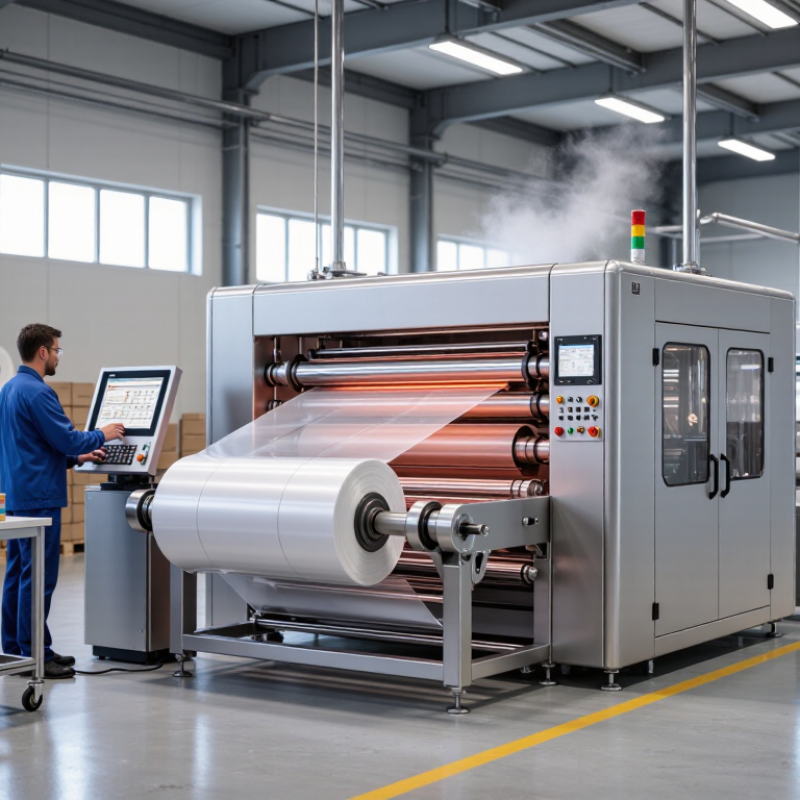
A practical evaluation should examine working width, laminating speed, film compatibility, heating accuracy, pressure control, and expected daily output. A 650-millimeter machine may suit short digital-printing runs, while a wider industrial unit may be necessary for continuous packaging production. Ask for test samples using your actual paper, film, and adhesive. That small step can reveal wrinkles, weak bonding, or uneven edges.

Service quality matters too. Check warranty length, technician response time, replacement-part availability, and operator training. These details often disappear from the first quotation. Unfortunately, price comparisons can become misleading. A cheaper machine may create higher maintenance costs and more rejected sheets. Therefore, this guide explains how to assess heat lamination machine price through total ownership cost, performance evidence, supplier credibility, and realistic production needs. There is no perfect formula. But careful questioning usually exposes the better investment.

How to Find the Best Heat Lamination Machine Price?

Define Your Heat Lamination Needs and Machine Requirements

Finding a fair heat lamination machine price starts with defining the job, not browsing the cheapest listing. Measure the widest document, longest working time, and expected daily volume. Record the materials you will laminate, including paper, cards, photographs, or thicker sheets. Thickness matters. A machine designed for thin pouches may struggle with rigid media.

Specify your required working width, temperature range, warm-up time, and laminating speed. Check whether the machine supports the film sizes and thicknesses used in your workplace. Adjustable temperature and pressure can reduce bubbles, wrinkles, and wasted materials. A clear control panel is helpful for new operators. Safety features and suitable electrical requirements should also match local workplace standards. Test samples before purchasing.

Price should include more than the machine itself. Estimate film costs, replacement rollers, maintenance, shipping, installation, and staff training. Ask for written specifications, service terms, spare-part availability, and realistic delivery dates. I once underestimated the cost of replacement rollers, and the “low-price” machine became less economical within months. That mistake still influences how I compare equipment. A short trial can reveal uneven heating, noisy rollers, or slow recovery between jobs. Do not ignore those details. Performance records, supplier experience, and clear technical support provide stronger evidence than attractive advertising alone.

Compare Machine Types, Features, and Their Typical Price Ranges

How to Find the Best Heat Lamination Machine Price?

Machine type strongly affects the purchase price. A desktop pouch laminator usually costs between $100 and $500. It suits menus, certificates, and short print runs. Roll-to-roll models often range from $1,000 to $10,000. They handle wider media and higher daily volumes. Industrial systems may exceed $10,000, especially with automatic feeding, dual heating zones, and fast cooling rollers.

Price alone can mislead. Check working width, laminating speed, temperature control, roller pressure, and warm-up time. A 27-inch machine running at 30 meters per minute may outperform a cheaper model with a wider frame. According to PMMI’s 2024 State of the Industry report, automation and labor availability remain important packaging-equipment purchasing factors. Smithers also identifies productivity and material efficiency as continuing priorities in the global print market. These findings support a total-cost view. Film waste, electricity, maintenance, and operator time can change the real price. My estimate is not perfect, because local taxes and installation costs vary sharply.

Tips: Request three written quotations. Ask for power requirements, replacement-roller prices, training, and warranty limits. Test your actual film and printed sheets before buying. Small samples reveal silvering, bubbles, and uneven edges quickly. Do not ignore noise. A machine can be affordable, yet unpleasant to operate all day.

Evaluate Total Ownership Costs Beyond the Initial Purchase Price

How to Find the Best Heat Lamination Machine Price?

Evaluate Total Ownership Costs Beyond the Initial Purchase Price

A low heat lamination machine price can look attractive on a purchasing sheet. However, the invoice is only one part of the investment. Compare energy consumption, warm-up time, film usage, maintenance, and expected service life. A machine using extra power every hour may cost more than expected within one year.

Ask for measurable operating details. How many sheets can it laminate per hour? What temperature range does it maintain? Does it require special rollers or cleaning supplies? A reliable supplier should provide clear specifications, warranty terms, and replacement-part information. Request a sample run using your actual paper thickness and film type. That test may expose wrinkles, slow feeding, or uneven sealing.

Downtime deserves careful attention. A blocked roller can stop a small team for half a day. Lost labor and delayed orders quickly become ownership costs. Training also matters, especially when operators change frequently. Simple controls can reduce mistakes, but simplicity is not guaranteed by a low price.

Small costs accumulate.

Calculate the cost per finished sheet, including film waste, electricity, labor, maintenance, and repairs. Then compare that figure with your expected monthly volume. I have seen buyers focus too heavily on the purchase price and overlook frequent cleaning or slow output. That approach is understandable, but it can produce an incomplete decision. Keep a replacement allowance in the budget, because even dependable equipment eventually needs attention.

How to Find the Best Heat Lamination Machine Price?

Compare the five-year total ownership cost—not only the initial purchase price. This scenario assumes 2,000 operating hours per year, commercial electricity at $0.15 per kWh, scheduled maintenance, normal consumables, and estimated production downtime.

The basic machine has the lowest upfront price, but its higher energy use and downtime increase the five-year cost. A mid-range machine offers the lowest total ownership cost in this comparison, while the industrial model requires a larger initial investment but reduces operating and downtime expenses.

Check Supplier Quality, Warranty Terms, and After-Sales Support

A low quote can look attractive, but machine quality often explains the difference. Check the supplier’s production experience, inspection process, and technical documentation. Ask for a test using your actual film, paper, and board thickness. Watch the heated rollers closely. Uneven temperature can create bubbles, silvering, or weak edges. Request sample results, not only catalog claims. A professional supplier should explain temperature control, pressure adjustment, and daily maintenance in clear language.

Read the warranty before discussing the final price. Confirm its length, covered parts, labor conditions, and response procedure. Ask whether heating elements, rollers, sensors, and control panels are included. Some warranties sound generous but exclude the parts most likely to wear. That detail matters. Get every promise in writing, including delivery of replacement components and remote troubleshooting. Vague answers deserve caution.

After-sales support can protect your investment when production stops unexpectedly. Check whether trained technicians offer installation guidance, video support, or on-site service. Ask about spare-part availability and normal response times. A supplier that replies within hours is usually easier to work with than one that disappears after payment. Compare the full ownership cost, including training, maintenance, shipping, and downtime. I once underestimated these expenses; the cheaper machine became less economical within months. A small mistake in evaluation can become a costly lesson.

Choose the Best Value Machine for Your Budget and Workload

How to Find the Best Heat Lamination Machine Price?

The best value machine is not always the one with the lowest price. When I compare machines, I examine output speed, film compatibility, heating control, and daily workload. A machine that costs less may consume more electricity or require frequent maintenance. Measure your usual document size and thickness before contacting suppliers. If you laminate hundreds of sheets weekly, a stronger roller system may justify a higher investment.

Ask for temperature accuracy, warm-up time, safety features, warranty coverage, and spare-part availability. These details affect real operating costs.

Tips:

Request a sample test with your materials. Check the finished edges, surface clarity, and bonding strength. Calculate the cost per laminated sheet, not only the purchase price. Leave space in your budget for film, cleaning tools, and staff training.

I once focused too heavily on the initial quote and overlooked setup time. That estimate was wrong.

A slower machine created delays during busy orders, even though it seemed economical. Review your workload for both normal and peak periods. A compact unit may suit occasional office use, while continuous production needs stable heat and consistent pressure. Compare verified specifications with practical demonstrations whenever possible.

Ask experienced operators about noise, jam recovery, and daily cleaning. Their feedback may reveal weaknesses that product sheets do not show. Also consider the workspace, power supply, ventilation, and operator skill level before deciding.