

News

Miro: A New Standard in Responsible Innovation

Miro: A New Standard in Responsible Innovation The Miro monitor arm is setting new benchmarks in sustainability. It offers a high-performance solution without compromising on environmental responsibility. Designed with careful material selection, local sourcing, and longevity in mind, Miro’s responsible approach to design and unique manoeuvrability set it apart from the competition. Sustainable Choices Miro is crafted from energy-efficient materials with a lower carbon impact....

Read more
HSE Advisor

Role Purpose Support in the development, implementation and maintenance of the company’s Health, Safety & Environmental policies, processes, operational procedures, and standards.  Ensuring best practice and championing a continually improving HSE culture within the business. Key Responsibilities Liaise with and provide support to all areas of the business to eliminate, mitigate or reduce identified HSE exposures. Partner with the production management team and team leaders,...

Read more
CMD Ltd LAUNCHES 48-HOUR TURNAROUND ON BETATRAK® RAPID ORDERING SERVICE

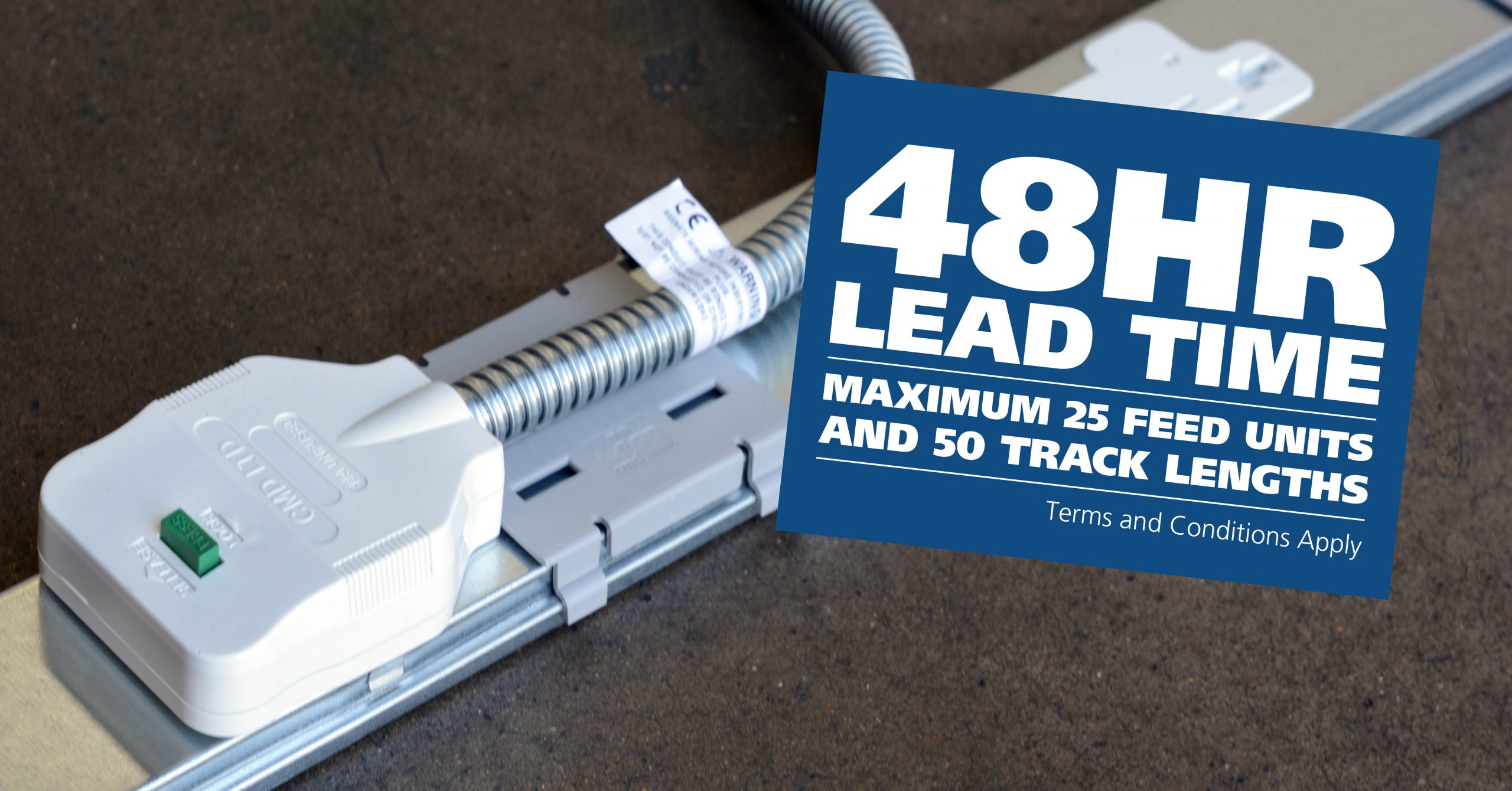
CMD Ltd, the specialist in power distribution systems, workstation power and monitor arms, has launched a rapid ordering service for its Betatrak® underfloor powertrack distribution systems and accessories, with a commitment to delivering within 48-hours of an approved purchase order*. The service enables customers to order up to 50 lengths of Standard or Clean Earth (C/E) low noise Betatrak, along with up to 25 feed...

Read more
CMD INVESTS £1/4 MILLION IN NEW MACHINE AS PART OF FACTORY UPGRADE

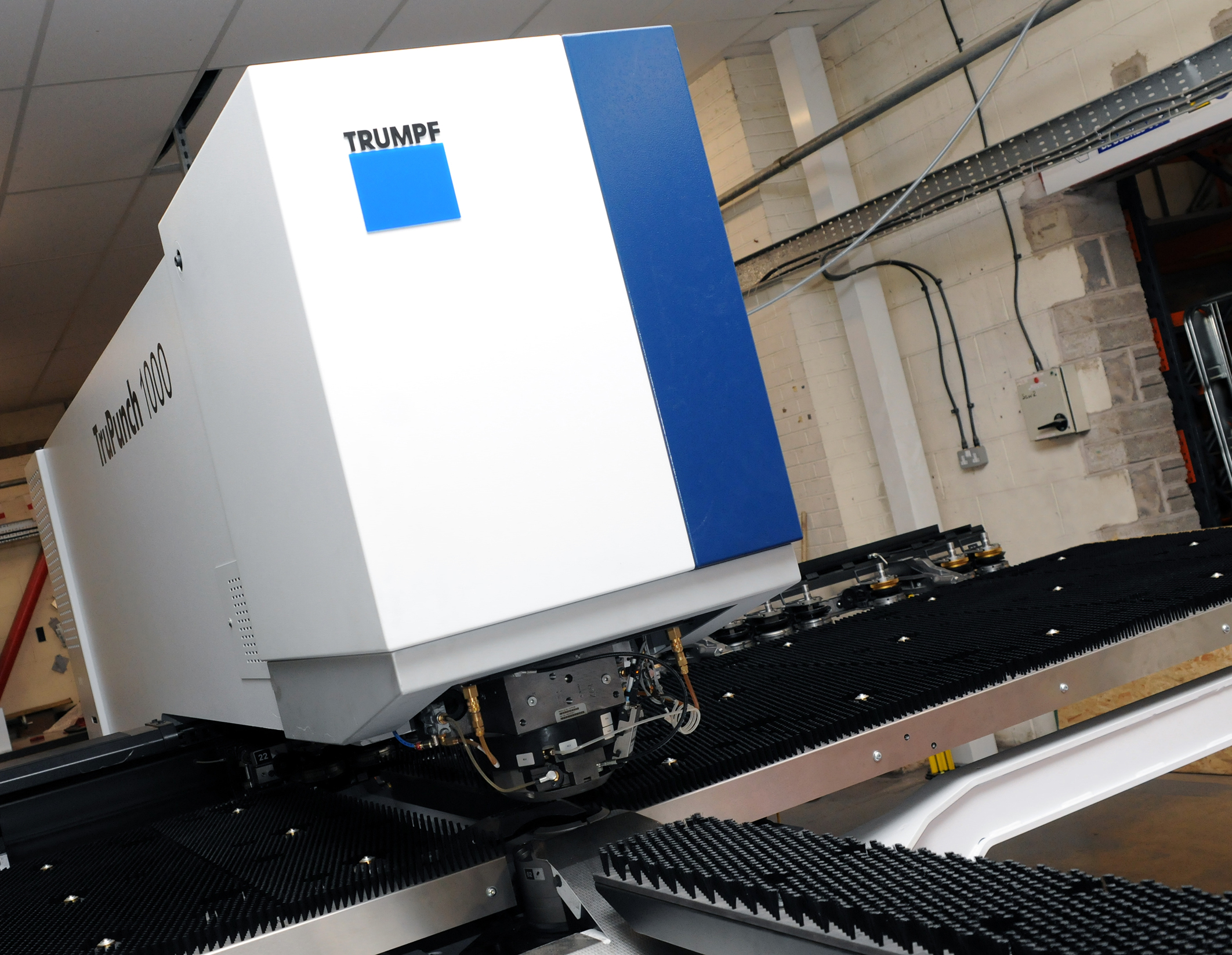
We have invested in a new £1/4m TRUMPF CNC metal punch as part of an asset renewal strategy for our UK manufacturing capability. The new machine will be used in the production of a wide variety of our power distribution systems and workstation power products at our Rotherham factory. Suitable for handling sheet metal between 0.9mm and 3.0mm thick, the new machine will replace one...

Read more
CMD CATALOGUE PROVIDES TECHNICAL POWER DISTRIBUTION GUIDE

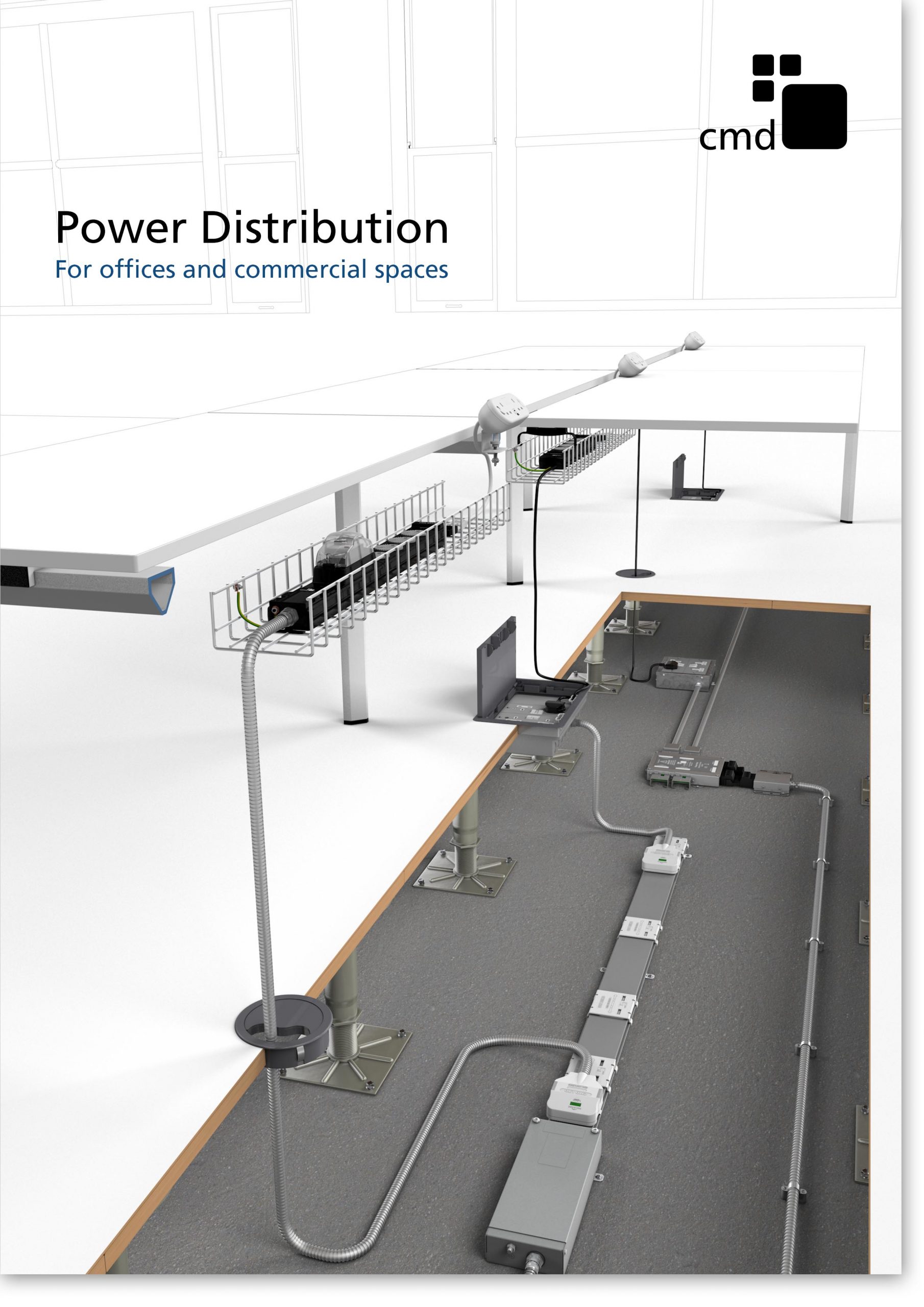
CMD Ltd has released a new catalogue, providing an easy to follow technical guide to our power distribution systems and plug and play desk modules. Detailing CMD’s full range of UK-manufactured power distribution systems and plug and play desk modules, the catalogue will be a helpful source of information to M&E engineers and contractors alike to understand how our power distribution systems connect together and...

Read more
Power Distribution Catalogue
CMD Ltd PLAYS ESSENTIAL ROLE IN ELECTRICAL FIT OUT AT LONDON’S PRESTIGIOUS OFFICE DEVELOPMENT

CMD Ltd, specialist in workplace connectivity and ergonomic solutions, has provided a flexible and high-quality power distribution network for The Ray, a prestigious office development in London’s Farringdon. Well-known for being the former site of The Guardian newspaper, The Ray now stands as an 83,000ft² office development characterised by a modernised warehouse aesthetic, with level two now occupied by a global social media company. The...

Read more

The Ray
CMD plugs in to european opportunity with Schuko Capsule unit launch

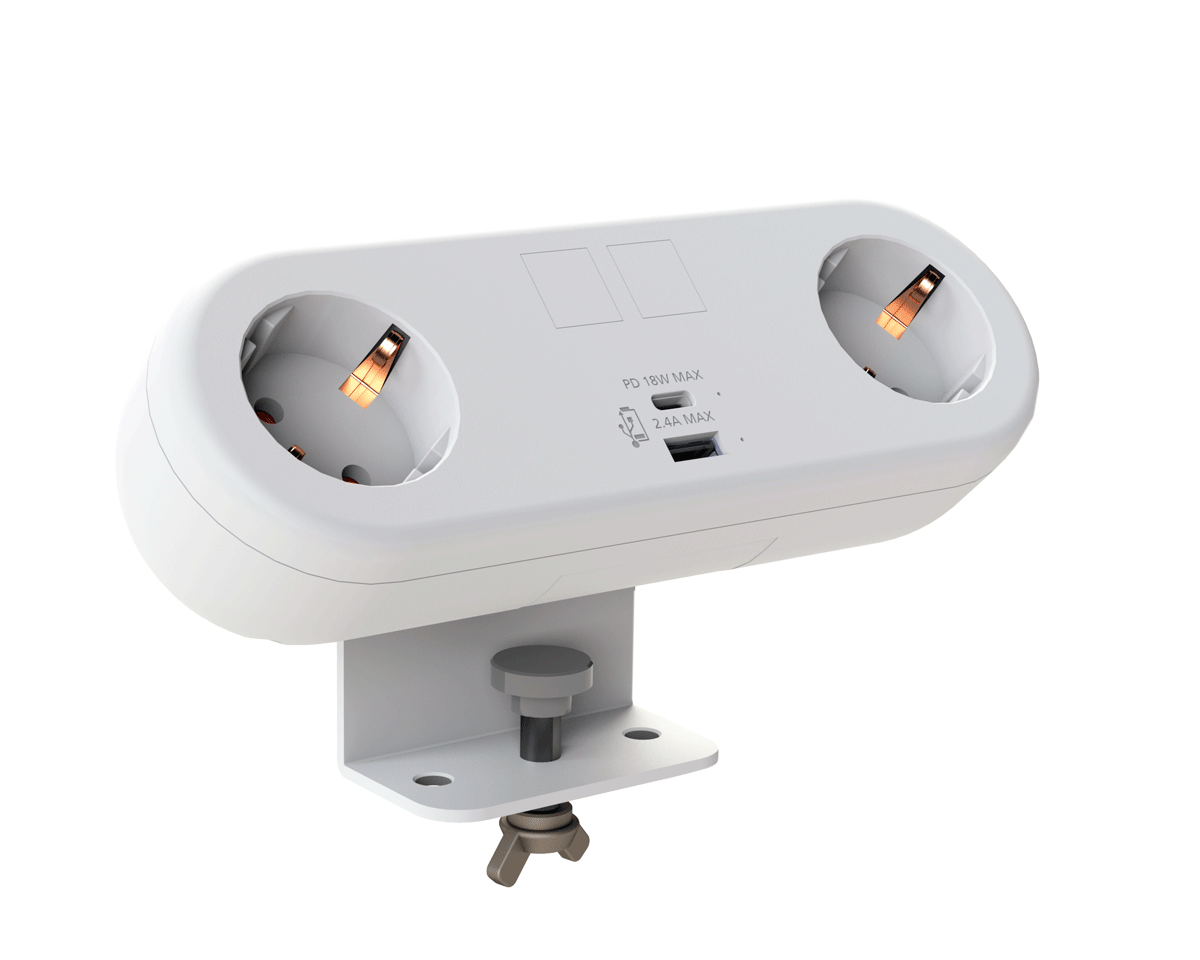
CMD Ltd, the specialist in power and connectivity solutions for commercial environments, has launched a Schuko version of its popular fixed format Capsule workstation power module for export to mainland Europe and beyond. A popular on desk power module comprising two sockets and dual USB (type A and C) chargers, CMD’s Capsule unit is already widely specified in the UK as an off-the-shelf workstation power...

Read more
CMD White Schuko Capsule Desk Power Module
CMD LTD EXTENDS MONITOR ARM RANGE WITH THE LAUNCH OF REACH PLUS

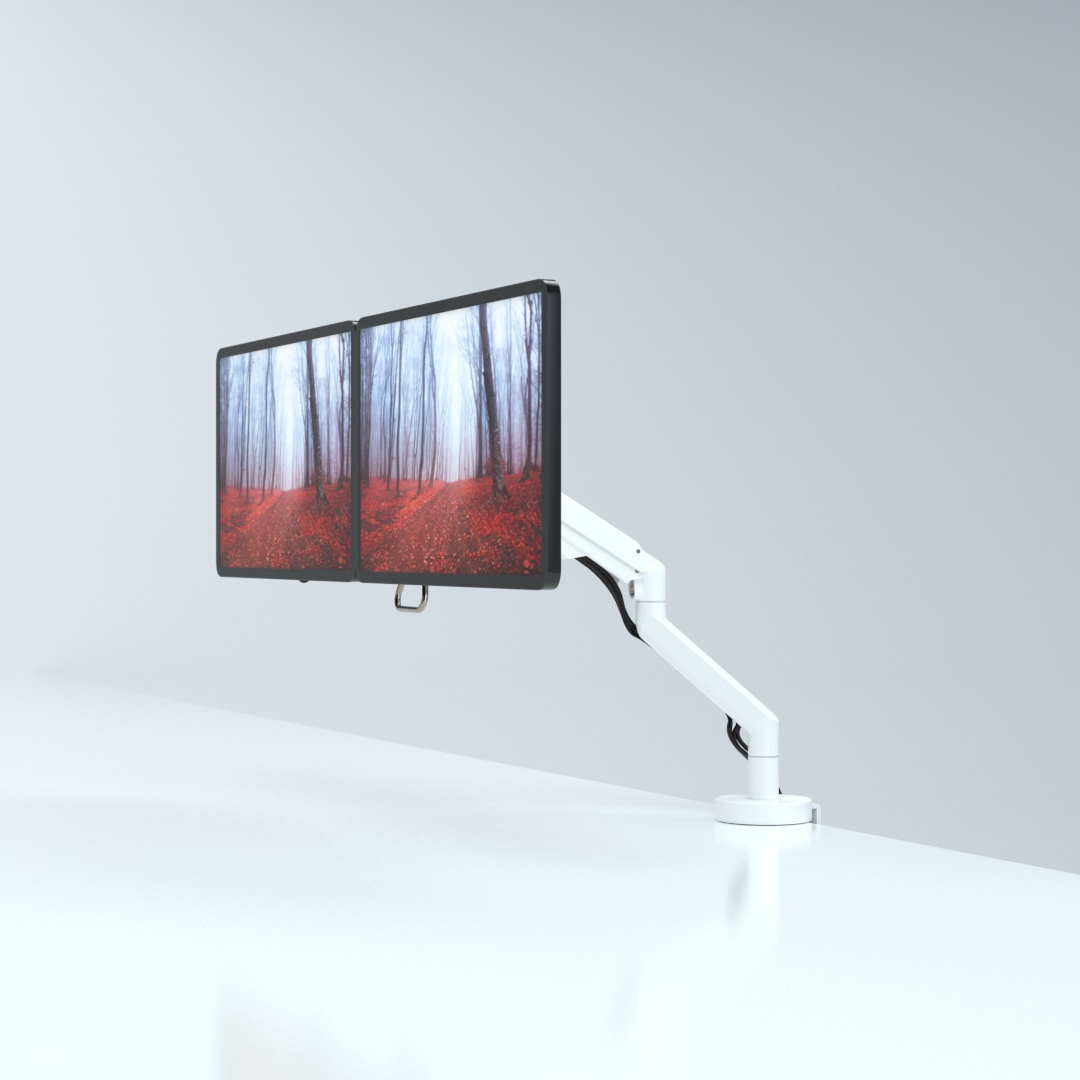
CMD Ltd, the specialist in ergonomic and connectivity solutions for commercial interiors, has completed its Reach monitor arm range with the launch of the Reach Plus. Available in single or dual screen options, the Reach Plus has been designed to provide an ideal solution for both single and dual screen workstation configurations, or can be used with next generation of large format curved screens. Suitable...

Read more
CMD Ltd DEMONSTRATES THE ART OF POWER DISTRIBUTION AT THE UNIVERSITY OF WARWICK

CMD Ltd, the specialist in workplace connectivity and ergonomic solutions, has provided Betatrak busbar power distribution and a range of electrical accessories for two major capital investment projects at the University of Warwick. Designed by Fielden Clegg Bradley Studios, the £33 million Faculty of Arts building is a showpiece development comprising four interconnected structures set around a central atrium, which will enable inter-disciplinary collaboration across...

Read more

University of Warwick
CMD BRINGS HARMONY TO COVENTRY UNIVERSITY RESEARCH FACILITIES

CMD Ltd, the specialist in power distribution solutions and workstation power and ergonomics, has provided under desk and on desk power modules for the refurbishment of three Coventry University research buildings. Located on Coventry University Technology Park, a business park designed to encourage collaboration between the university and knowledge-based businesses, the three buildings are being repurposed as office accommodation for university research teams. The refurbishment...

Read more

Coventry University

What is an Electronic Cabinet Lock and How Does It Work?

In the world of security technology, the "Electronic Cabinet Lock" stands out as a modern solution for safeguarding valuables. Expert Michael Greene, a leading figure in lock technology, stated, “Security is as much about access control as it is about protection.” This highlights the dual purpose of electronic locks—they not only secure items but also manage who can access them.

An Electronic Cabinet Lock functions through digital systems, often using codes or biometric data for entry. This kind of lock can replace traditional key locks, offering enhanced convenience. Consider a workplace where sensitive documents must be protected. An electronic lock streamlines access, allowing authorized personnel to unlock cabinets quickly without fumbling for keys. However, reliance on technology means that these locks can sometimes fail or require regular maintenance.

The transition to electronic locking systems raises questions about user experience and reliability. As more businesses adopt these locks, ensuring staff understand how to use them effectively becomes crucial. Some may find the technology intimidating, leading to potential access issues. Balancing security with usability remains a challenge in this evolving field.

What is an Electronic Cabinet Lock and How Does It Work?

What Are Electronic Cabinet Locks? Definition and Purpose Explained

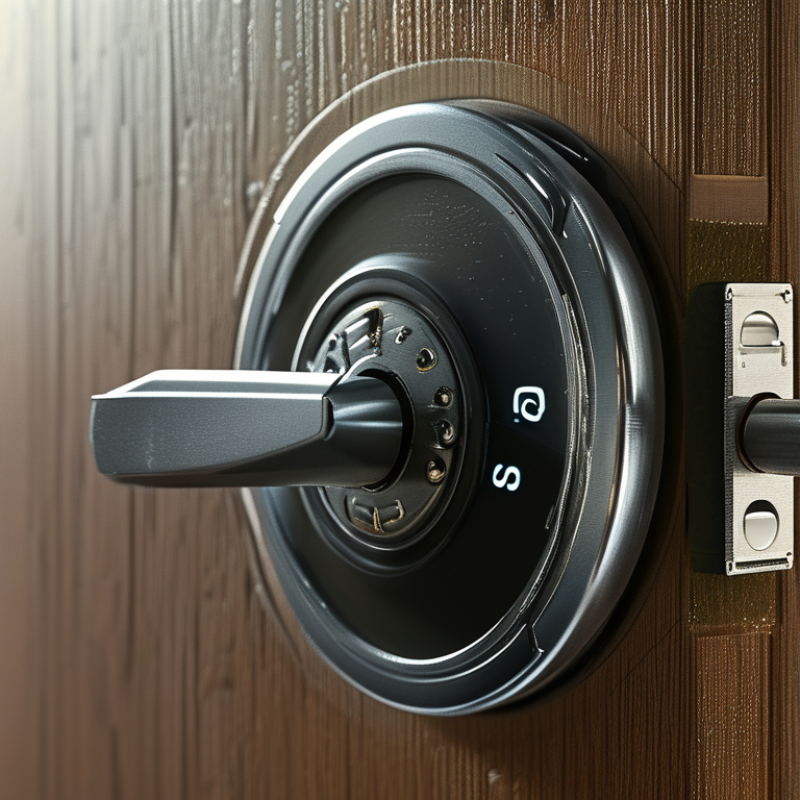
Electronic cabinet locks are innovative security devices designed to safeguard various storage units. These locks replace traditional lock-and-key systems, providing enhanced security and convenience. They typically operate using codes, biometric scans, or RFID technology. This transformation allows users to manage access more efficiently while minimizing the risk of unauthorized entry.

The purpose of electronic cabinet locks extends beyond mere security. They offer convenience in both personal and professional settings. For instance, in an office, these locks can streamline access to sensitive files or materials. In a home environment, they add a layer of protection for valuables. However, the reliance on technology does raise questions about potential vulnerabilities. Power outages or technical malfunctions can leave cabinets unsecured, leading to a need for backup systems.

Installation of electronic locks requires some technical knowledge. Misalignment during installation can compromise the lock's function. It is essential to ensure they are set up correctly for optimal performance. Furthermore, users must regularly maintain these systems, including updating codes and ensuring batteries are charged. This level of commitment to security reflects not just a preference for technology, but a responsibility to protect assets effectively.

What is an Electronic Cabinet Lock and How Does It Work?

Feature Description
Type of Lock Electronic
Power Source Battery powered
Access Method Keypad, RFID, Bluetooth, App
Security Features Tamper alerts, auto-lock, audit trails
Installation Easy installation, fits standard cabinet sizes
Common Uses Offices, homes, hospitals, schools
Benefits Increased security, convenience, remote access
Drawbacks Dependence on batteries, technology failures

Components of Electronic Cabinet Locks: Hardware and Software Overview

Electronic cabinet locks are gaining traction in various industries due to their advanced features. These locks employ both hardware and software components, ensuring reliable security while providing ease of access. The hardware typically includes a locking mechanism, a keypad or card reader, and a power source. The software component often involves a management system that allows users to configure settings, monitor access logs, and issue temporary codes. According to a report by Grand View Research, the electronic security market is anticipated to grow by over 10% annually, indicating rising demand for such solutions.

The effectiveness of electronic cabinet locks hinges on these components working in harmony. For instance, the keypad may allow for a combination of numeric and alphanumeric codes, enhancing security. However, issues can arise from software glitches or power failures, potentially compromising access control. The integration between user hardware and the management software is crucial. Failing to keep this updated can result in vulnerabilities. Security experts emphasize the importance of regular updates and assessments to maintain integrity.

While electronic cabinet locks present many advantages, they are not infallible. Data from the Security Industry Association shows that nearly 20% of organizations have faced challenges with system integration. This underscores the need for ongoing evaluation of hardware and software performance to address potential shortcomings. Overall, selecting the right components and regularly maintaining them is vital for optimal performance and security.

Components Usage in Electronic Cabinet Locks

How Electronic Cabinet Locks Work: The Mechanism Behind the Security

Electronic cabinet locks have gained popularity due to their enhanced security features. These locks use digital technology, making access control simpler and more secure. When an authorized user enters their code, the lock's internal mechanism engages to unlock the cabinet. Many designs utilize electric motors or solenoids to release the locking mechanism. This provides a robust physical barrier against unauthorized access.

In a recent report, around 30% of businesses experienced security breaches due to poor locking systems. Electronic cabinet locks can mitigate this risk significantly. They allow for keyless entry, reducing the chances of lost keys or compromised physical locks. Some models even feature real-time monitoring, enabling users to track who accesses the cabinet and when.

Security is paramount, but it's essential to choose a lock that fits your needs. Look for models with a reliable battery life. Regular maintenance checks can also ensure the lock functions properly. Evaluate user reviews critically; even highly rated products may have undiscovered flaws. Always consider your specific security requirements before investing.

Benefits of Electronic Cabinet Locks: Security, Accessibility, and Efficiency

Electronic cabinet locks offer security, accessibility, and efficiency for various settings, from offices to healthcare facilities. According to a report by ResearchAndMarkets, the global smart lock market is expected to grow significantly, with electronic locks becoming a preferred choice for maintaining safety. These locks provide keyless entry, reducing the risk of lost keys and unauthorized access.

The security benefits are substantial. Electronic locks use advanced technology, making it difficult for intruders to bypass them. A study by the Security Industry Association highlights that properties using electronic locks have a 30% lower burglary rate. Additionally, the accessibility aspect enhances user experience. Users can grant or revoke access quickly, allowing seamless entry for employees or authorized personnel.

Efficiency improves with these systems too. Many electronic locks integrate with management systems, offering monitoring capabilities. This provides real-time data, such as who accessed a cabinet and when. However, reliance on technology can pose challenges. Potential system failures may lock users out. Thus, it is crucial to have backup access methods. Striking a balance between security and user convenience should always be a consideration.

Market Trends: Adoption Rates and Technological Innovations in the Industry

The adoption of electronic cabinet locks is steadily increasing in various industries. Businesses seek better security solutions. This shift is driven by heightened concerns over theft and unauthorized access. People want more control over who can enter restricted areas. The growing reliance on smart technology further accelerates this trend.

Recent innovations show that users prefer ease of access. Many electronic locks now offer biometric features, such as fingerprint recognition. This offers a reliable and fast alternative to traditional keys. However, it's essential to address the potential risks of dependency on electronics. Power failures or software bugs can pose challenges. Users need backup plans for access control.

Market research indicates that the installation of these locks is particularly popular in commercial settings. Companies recognize the importance of protecting sensitive information. Yet, some still hesitate to fully commit to electronic solutions. Cost and complexity remain barriers for some businesses. Despite these concerns, the trend is shifting toward smarter, more secure options for the future.