

News

Miro: A New Standard in Responsible Innovation

Miro: A New Standard in Responsible Innovation The Miro monitor arm is setting new benchmarks in sustainability. It offers a high-performance solution without compromising on environmental responsibility. Designed with careful material selection, local sourcing, and longevity in mind, Miro’s responsible approach to design and unique manoeuvrability set it apart from the competition. Sustainable Choices Miro is crafted from energy-efficient materials with a lower carbon impact....

Read more
HSE Advisor

Role Purpose Support in the development, implementation and maintenance of the company’s Health, Safety & Environmental policies, processes, operational procedures, and standards.  Ensuring best practice and championing a continually improving HSE culture within the business. Key Responsibilities Liaise with and provide support to all areas of the business to eliminate, mitigate or reduce identified HSE exposures. Partner with the production management team and team leaders,...

Read more
CMD Ltd LAUNCHES 48-HOUR TURNAROUND ON BETATRAK® RAPID ORDERING SERVICE

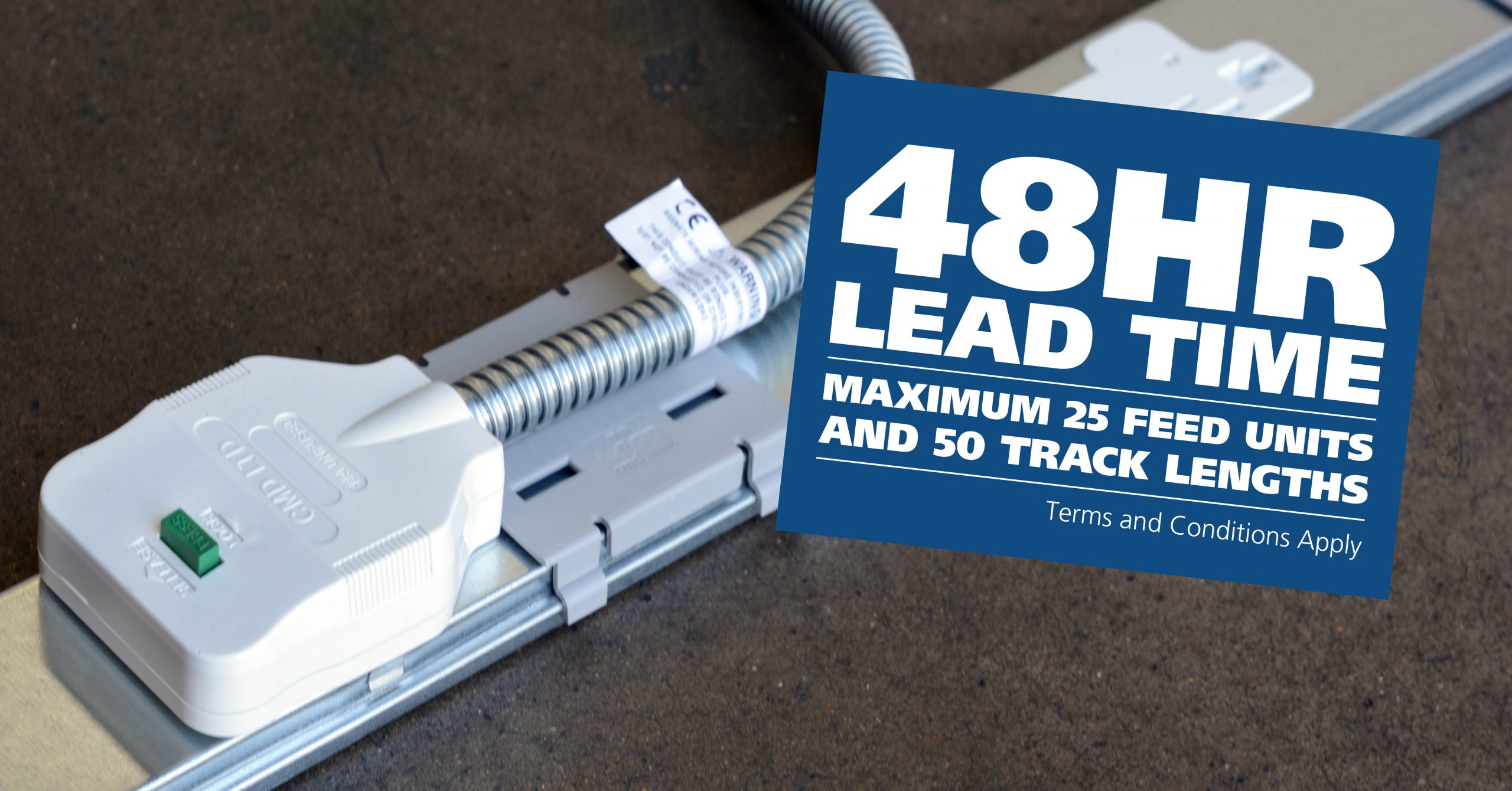
CMD Ltd, the specialist in power distribution systems, workstation power and monitor arms, has launched a rapid ordering service for its Betatrak® underfloor powertrack distribution systems and accessories, with a commitment to delivering within 48-hours of an approved purchase order*. The service enables customers to order up to 50 lengths of Standard or Clean Earth (C/E) low noise Betatrak, along with up to 25 feed...

Read more
CMD INVESTS £1/4 MILLION IN NEW MACHINE AS PART OF FACTORY UPGRADE

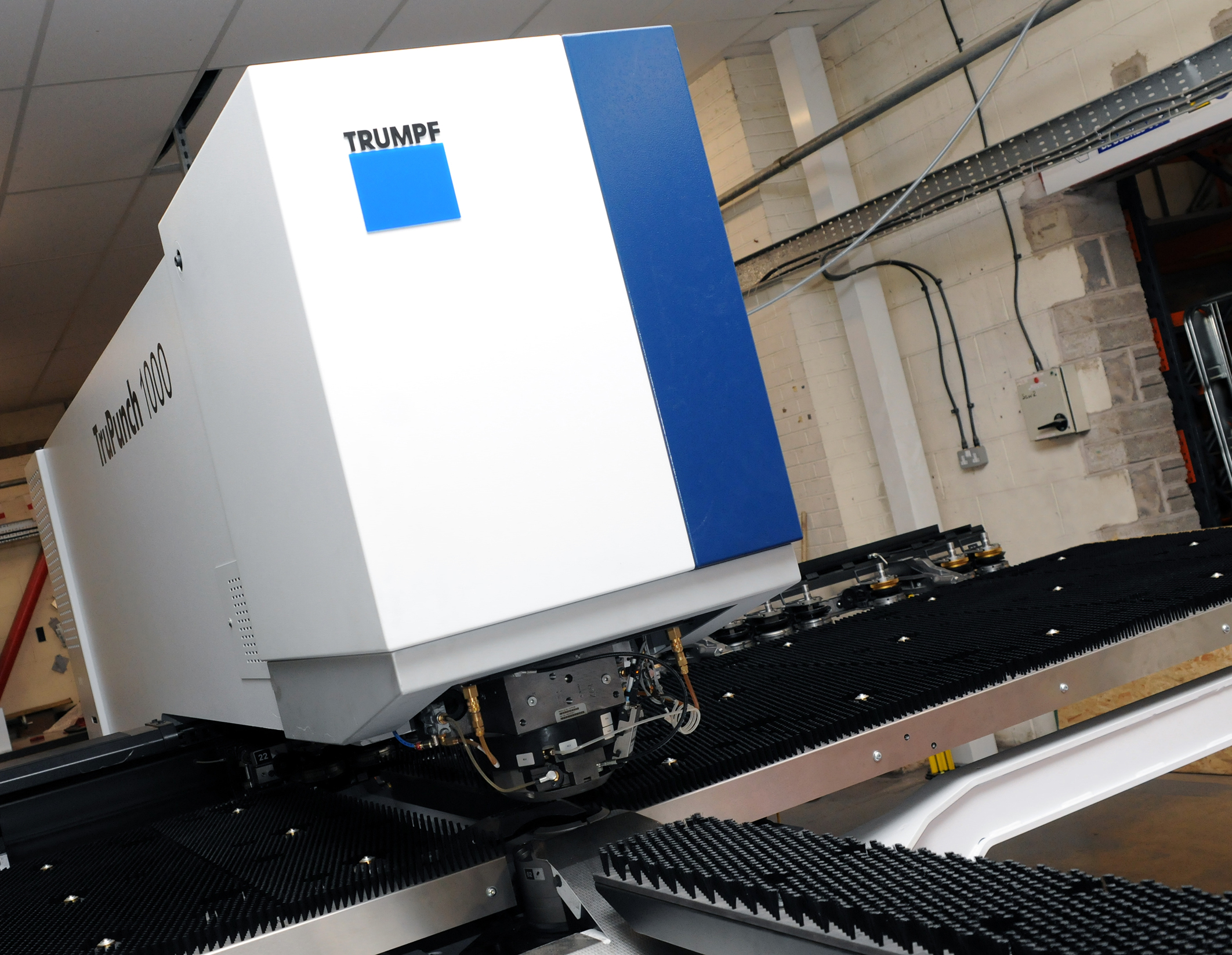
We have invested in a new £1/4m TRUMPF CNC metal punch as part of an asset renewal strategy for our UK manufacturing capability. The new machine will be used in the production of a wide variety of our power distribution systems and workstation power products at our Rotherham factory. Suitable for handling sheet metal between 0.9mm and 3.0mm thick, the new machine will replace one...

Read more
CMD CATALOGUE PROVIDES TECHNICAL POWER DISTRIBUTION GUIDE

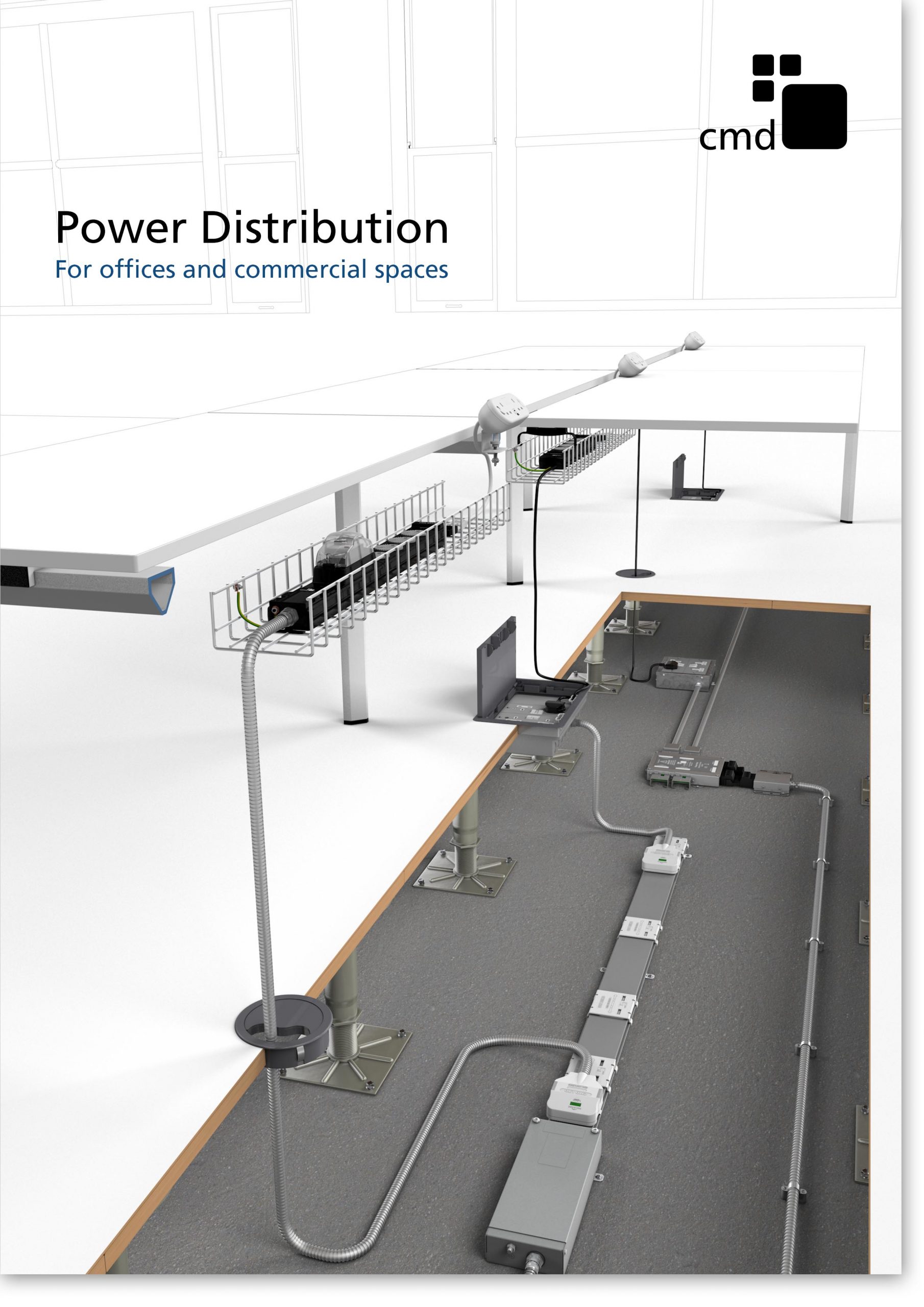
CMD Ltd has released a new catalogue, providing an easy to follow technical guide to our power distribution systems and plug and play desk modules. Detailing CMD’s full range of UK-manufactured power distribution systems and plug and play desk modules, the catalogue will be a helpful source of information to M&E engineers and contractors alike to understand how our power distribution systems connect together and...

Read more
Power Distribution Catalogue
CMD Ltd PLAYS ESSENTIAL ROLE IN ELECTRICAL FIT OUT AT LONDON’S PRESTIGIOUS OFFICE DEVELOPMENT

CMD Ltd, specialist in workplace connectivity and ergonomic solutions, has provided a flexible and high-quality power distribution network for The Ray, a prestigious office development in London’s Farringdon. Well-known for being the former site of The Guardian newspaper, The Ray now stands as an 83,000ft² office development characterised by a modernised warehouse aesthetic, with level two now occupied by a global social media company. The...

Read more

The Ray
CMD plugs in to european opportunity with Schuko Capsule unit launch

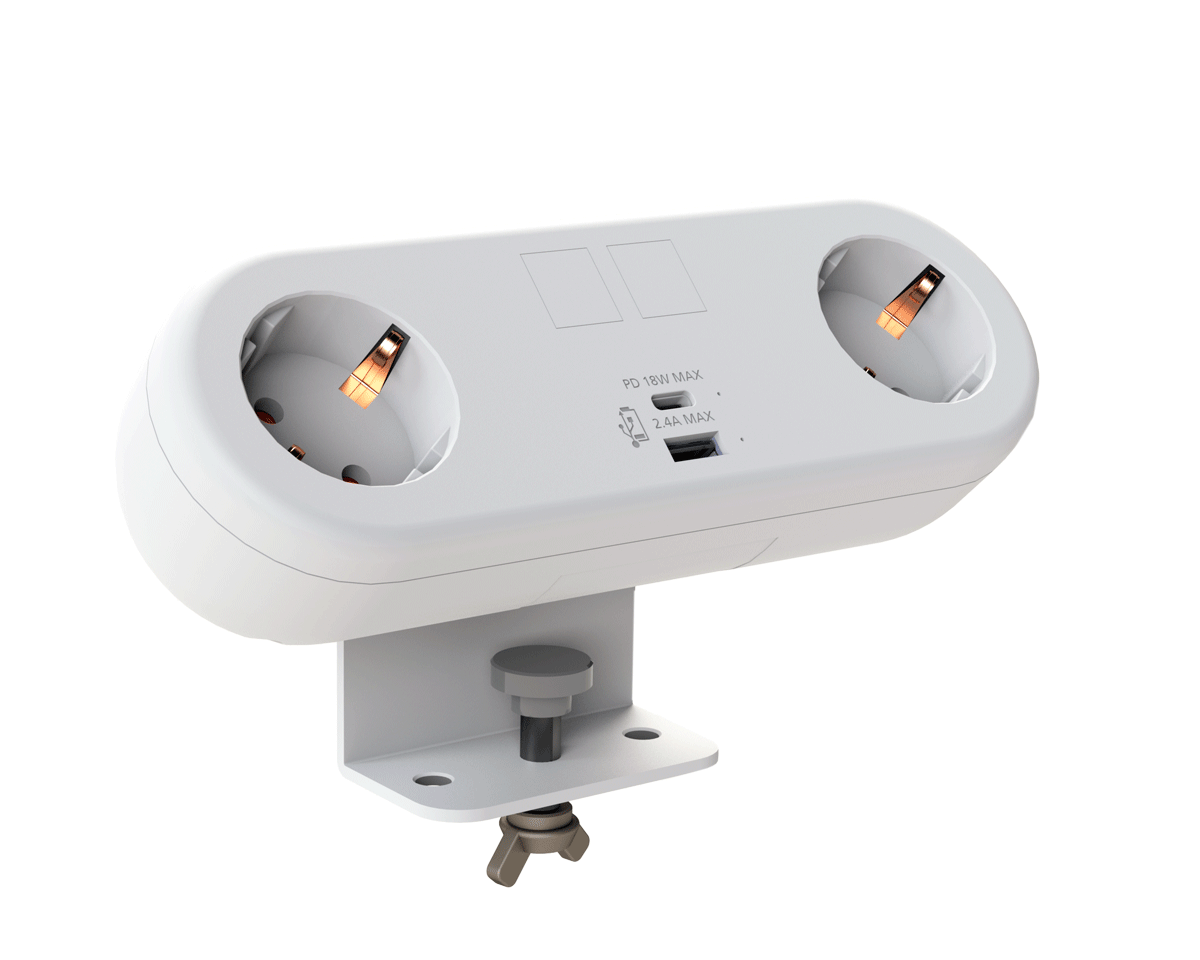
CMD Ltd, the specialist in power and connectivity solutions for commercial environments, has launched a Schuko version of its popular fixed format Capsule workstation power module for export to mainland Europe and beyond. A popular on desk power module comprising two sockets and dual USB (type A and C) chargers, CMD’s Capsule unit is already widely specified in the UK as an off-the-shelf workstation power...

Read more
CMD White Schuko Capsule Desk Power Module
CMD LTD EXTENDS MONITOR ARM RANGE WITH THE LAUNCH OF REACH PLUS

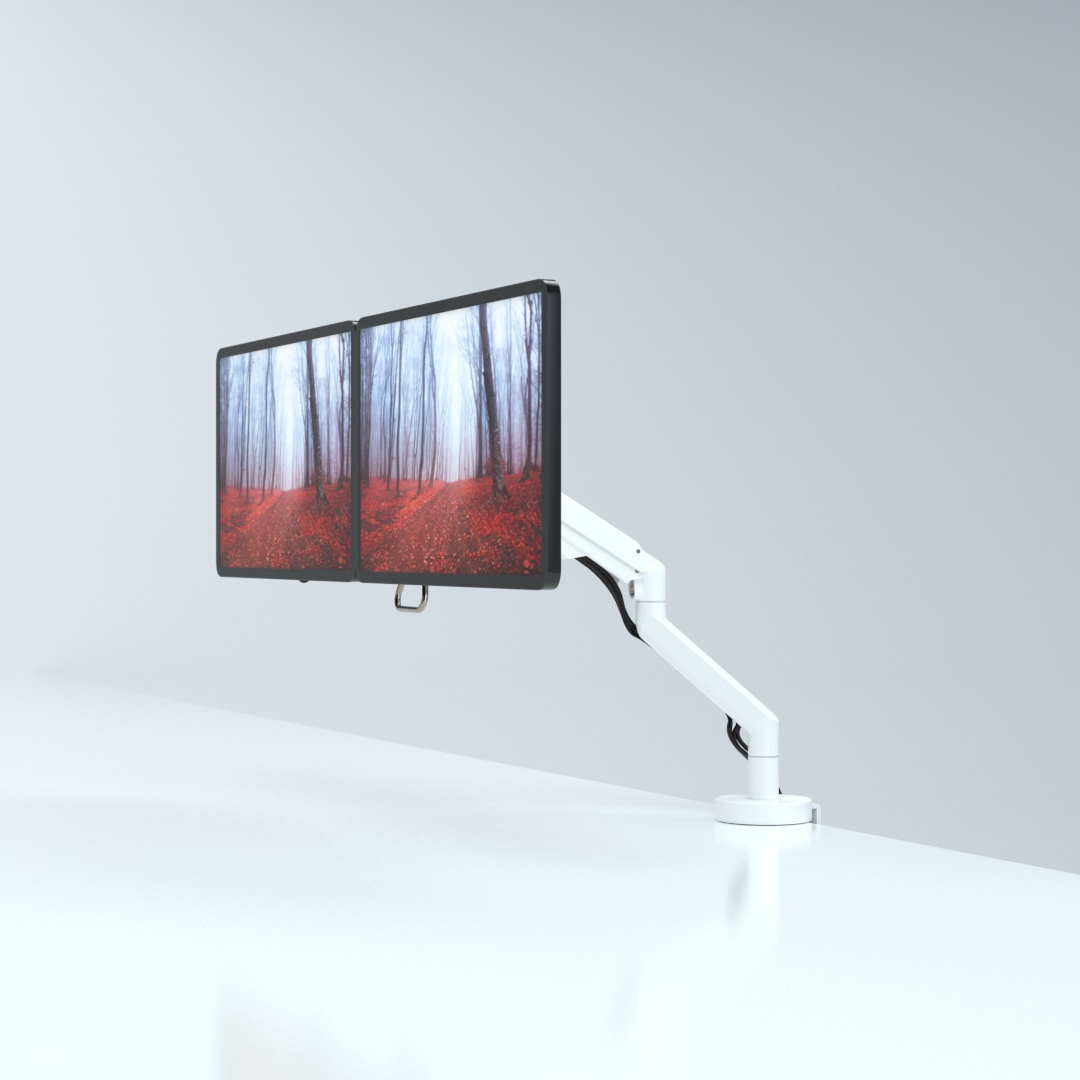
CMD Ltd, the specialist in ergonomic and connectivity solutions for commercial interiors, has completed its Reach monitor arm range with the launch of the Reach Plus. Available in single or dual screen options, the Reach Plus has been designed to provide an ideal solution for both single and dual screen workstation configurations, or can be used with next generation of large format curved screens. Suitable...

Read more
CMD Ltd DEMONSTRATES THE ART OF POWER DISTRIBUTION AT THE UNIVERSITY OF WARWICK

CMD Ltd, the specialist in workplace connectivity and ergonomic solutions, has provided Betatrak busbar power distribution and a range of electrical accessories for two major capital investment projects at the University of Warwick. Designed by Fielden Clegg Bradley Studios, the £33 million Faculty of Arts building is a showpiece development comprising four interconnected structures set around a central atrium, which will enable inter-disciplinary collaboration across...

Read more

University of Warwick
CMD BRINGS HARMONY TO COVENTRY UNIVERSITY RESEARCH FACILITIES

CMD Ltd, the specialist in power distribution solutions and workstation power and ergonomics, has provided under desk and on desk power modules for the refurbishment of three Coventry University research buildings. Located on Coventry University Technology Park, a business park designed to encourage collaboration between the university and knowledge-based businesses, the three buildings are being repurposed as office accommodation for university research teams. The refurbishment...

Read more


Coventry University

How to Effectively Control Components in Your Projects?

Effective project management relies heavily on the successful implementation of Control Components. According to a recent report by the Project Management Institute, 70% of projects fail due to inadequate control measures. Engaging with these components allows teams to monitor progress and adapt as necessary. Industry expert, John Smith, emphasizes this point by stating, "The right control components can transform uncertainty into opportunity.”

Implementing Control Components can be complex. Each component plays a specific role in ensuring project stability and success. Failure to address them can lead to unpredictable results and wasted resources. In a study conducted by the International Institute of Project Management, over 60% of project managers reported struggles with maintaining effective control mechanisms.

Reflecting on the nuances of project management, it's crucial for teams to understand that no solution is foolproof. Challenges will arise, requiring constant iteration and adjustment. Some may overlook the importance of minor control elements, only to face significant setbacks later. Recognizing the need for ongoing assessment is vital for lasting success.

How to Effectively Control Components in Your Projects?

Understanding the Importance of Component Control in Project Management

Effective component control is crucial in project management. It ensures that all parts of a project align with the overall goals. When components are managed well, teams can deliver results on time and within budget. Ignoring component control can lead to chaos and delays.

One tip is to define clear roles. Make sure everyone knows their responsibilities. This reduces confusion and keeps the project on track. Another important aspect is regular communication. Team members should discuss progress frequently. This helps identify issues early. Sometimes, team members may overlook small problems, leading to bigger setbacks later.

It’s essential to have a flexible approach. Changes are inevitable. Adapting to new circumstances can be challenging. Reflecting on what works and what doesn’t is vital for improvement. Not every project will go as planned, and that’s okay. Learning from these experiences is part of effective project management.

How to Effectively Control Components in Your Projects?

Component Name Description Management Status Control Method Last Update
Component A Primary software module On Track Version Control 2023-10-01
Component B Database management system At Risk Periodic Review 2023-09-15
Component C User interface design Completed Stakeholder Feedback 2023-10-05
Component D Testing framework Pending Review Test Automation 2023-10-03

Key Metrics for Measuring Component Performance and Effectiveness

In project management, measuring the performance of components is crucial. You need clear metrics to assess effectiveness. Key metrics include reliability, performance speed, and user satisfaction rates. These indicators reveal much about how components function together. For instance, if a component consistently fails, it affects the entire project’s timeline.

One area often overlooked is the context in which components operate. Different teams might interpret metrics differently. A high performance speed may not matter if quality suffers. Collecting qualitative feedback enhances understanding of numerical data. Short surveys from team members help capture insights.

We should also consider the correlation between component performance and project outcomes. If the metrics look good but the outcomes are lacking, it's time to reflect. Are the components misaligned with the project's goals? It’s a reminder to revisit the objectives. Continuous evaluation leads to better alignment and improved project success.

Strategies for Implementing Component Control Systems in Projects

Controlling components in projects is crucial for success. Many organizations struggle with this aspect, leading to delays and cost overruns. A recent industry report indicated that nearly 55% of projects exceed their budgets due to poor component management. This highlights the need for effective systems.

One strategy involves implementing robust tracking systems. Real-time data can help teams monitor the status of each component. However, companies often fail to use these tools effectively. For example, only 40% of firms utilize project management software to its full potential. Regular training can improve this statistic, ensuring teams understand how to leverage the tools available.

Another important strategy is establishing clear communication channels. Miscommunication can lead to mistakes that are costly. Studies show that projects with poor communication see a 30% increase in errors. Encouraging open dialogue and regular updates can minimize misunderstandings. Yet, many teams resist these practices due to a lack of time or resources. Addressing these barriers is essential for impactful component control systems.

Project Component Control Strategies Overview

This bar chart illustrates the effectiveness of various strategies for implementing component control systems in projects. The data reflects the percentage of project managers who found each strategy helpful.

Evaluating Tools and Technologies for Component Management

Effective component management is crucial for any project. Choosing the right tools and technologies can make a big difference. Start by evaluating your project needs. What type of components are you working with? Are you using software libraries, hardware parts, or both? Your answer will guide your tool selection.

Next, consider user experience. Some tools may have a steep learning curve. A familiar interface can save time and frustration. Don’t overlook integrations. Check how well the tools work with existing systems. It's vital for smooth operations. Sometimes, popular tools may not fit your specific requirements. This can lead to inefficiencies.

Finally, look for details. Data tracking features matter. What about version control? Accurate tracking helps in maintaining quality. Review user feedback on each option. Users often highlight gaps that marketing materials won't address. Embrace the journey of trial and error. It’s part of refining your component management strategy.

Best Practices for Continuous Improvement in Component Control Processes

Effective component control is crucial for project success. Many teams struggle with maintaining consistent standards. Establishing clear guidelines helps address this issue. Regularly reviewing these standards can identify gaps and areas for improvement. Teams need to communicate openly. This allows for sharing of challenges and innovative solutions.

Continuous improvement involves feedback loops. Making adjustments based on lessons learned drives progress. It's important to note that not every strategy will work. Trial and error can lead to valuable insights. Keeping an open mind fosters creative problem-solving. Engaging team members encourages ownership of the processes.

Tracking metrics is another critical practice. Knowing where components fail or succeed helps refine methods. Documentation should be clear but may require regular updates. It’s easy to overlook small details that could enhance efficiency. Embracing imperfection is a way to grow. Acknowledging what doesn’t work can lead to breakthroughs in component control.