

News

Miro: A New Standard in Responsible Innovation

Miro: A New Standard in Responsible Innovation The Miro monitor arm is setting new benchmarks in sustainability. It offers a high-performance solution without compromising on environmental responsibility. Designed with careful material selection, local sourcing, and longevity in mind, Miro’s responsible approach to design and unique manoeuvrability set it apart from the competition. Sustainable Choices Miro is crafted from energy-efficient materials with a lower carbon impact....

Read more
HSE Advisor

Role Purpose Support in the development, implementation and maintenance of the company’s Health, Safety & Environmental policies, processes, operational procedures, and standards.  Ensuring best practice and championing a continually improving HSE culture within the business. Key Responsibilities Liaise with and provide support to all areas of the business to eliminate, mitigate or reduce identified HSE exposures. Partner with the production management team and team leaders,...

Read more
CMD Ltd LAUNCHES 48-HOUR TURNAROUND ON BETATRAK® RAPID ORDERING SERVICE

CMD Ltd, the specialist in power distribution systems, workstation power and monitor arms, has launched a rapid ordering service for its Betatrak® underfloor powertrack distribution systems and accessories, with a commitment to delivering within 48-hours of an approved purchase order*. The service enables customers to order up to 50 lengths of Standard or Clean Earth (C/E) low noise Betatrak, along with up to 25 feed...

Read more

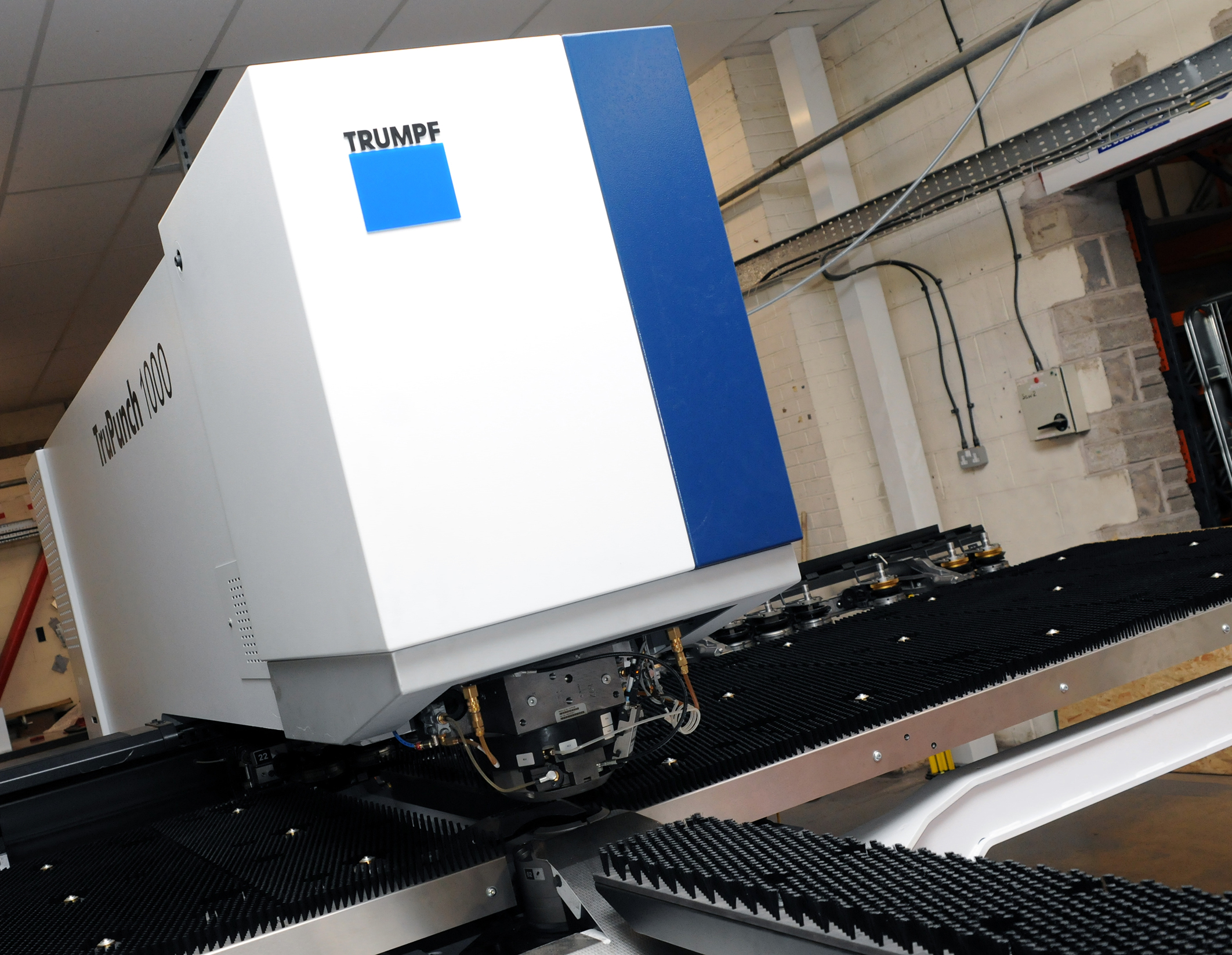
CMD INVESTS £1/4 MILLION IN NEW MACHINE AS PART OF FACTORY UPGRADE

We have invested in a new £1/4m TRUMPF CNC metal punch as part of an asset renewal strategy for our UK manufacturing capability. The new machine will be used in the production of a wide variety of our power distribution systems and workstation power products at our Rotherham factory. Suitable for handling sheet metal between 0.9mm and 3.0mm thick, the new machine will replace one...

Read more
CMD CATALOGUE PROVIDES TECHNICAL POWER DISTRIBUTION GUIDE

CMD Ltd has released a new catalogue, providing an easy to follow technical guide to our power distribution systems and plug and play desk modules. Detailing CMD’s full range of UK-manufactured power distribution systems and plug and play desk modules, the catalogue will be a helpful source of information to M&E engineers and contractors alike to understand how our power distribution systems connect together and...

Read more
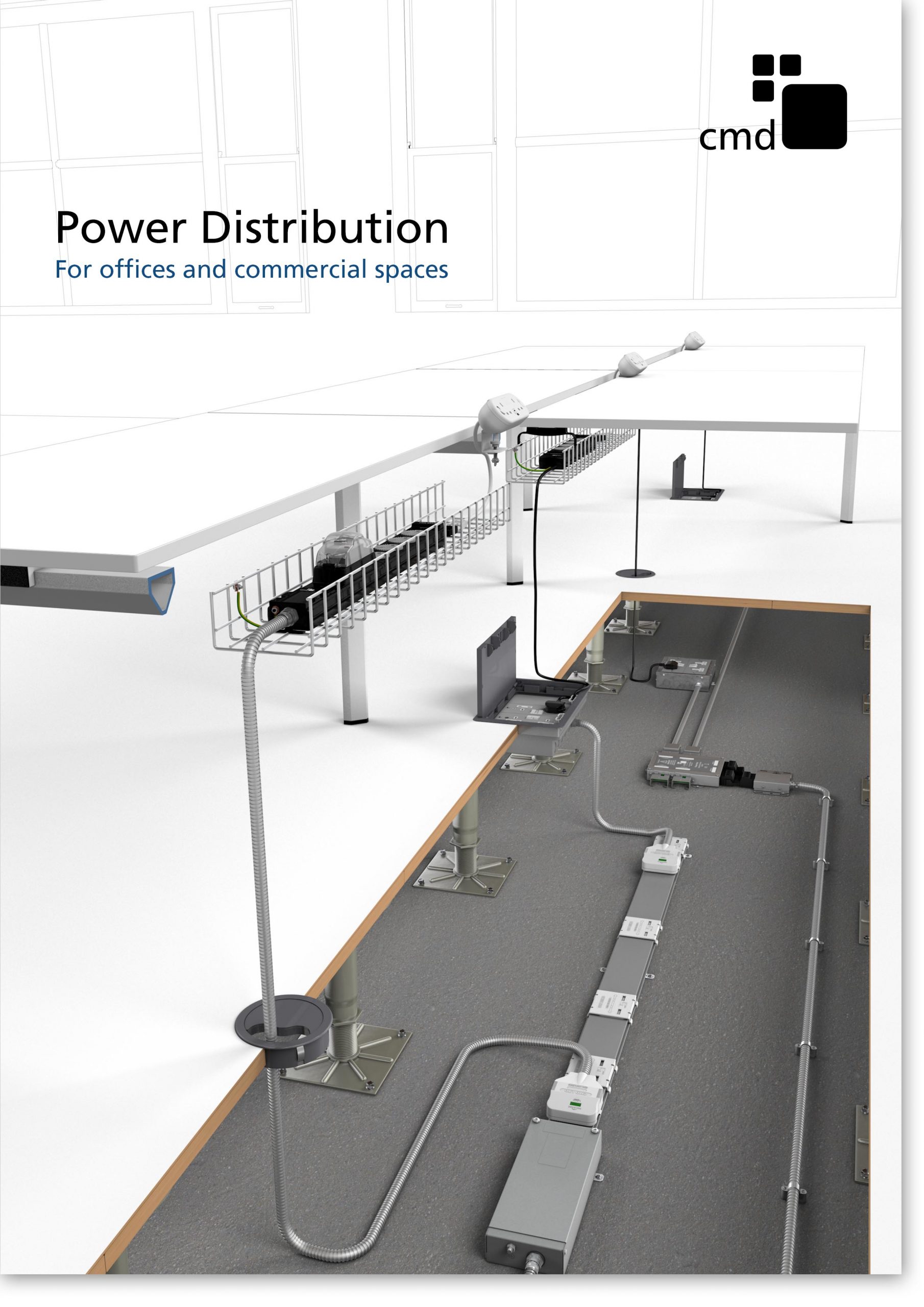
Power Distribution Catalogue
CMD Ltd PLAYS ESSENTIAL ROLE IN ELECTRICAL FIT OUT AT LONDON’S PRESTIGIOUS OFFICE DEVELOPMENT

CMD Ltd, specialist in workplace connectivity and ergonomic solutions, has provided a flexible and high-quality power distribution network for The Ray, a prestigious office development in London’s Farringdon. Well-known for being the former site of The Guardian newspaper, The Ray now stands as an 83,000ft² office development characterised by a modernised warehouse aesthetic, with level two now occupied by a global social media company. The...

Read more

The Ray
CMD plugs in to european opportunity with Schuko Capsule unit launch

CMD Ltd, the specialist in power and connectivity solutions for commercial environments, has launched a Schuko version of its popular fixed format Capsule workstation power module for export to mainland Europe and beyond. A popular on desk power module comprising two sockets and dual USB (type A and C) chargers, CMD’s Capsule unit is already widely specified in the UK as an off-the-shelf workstation power...

Read more
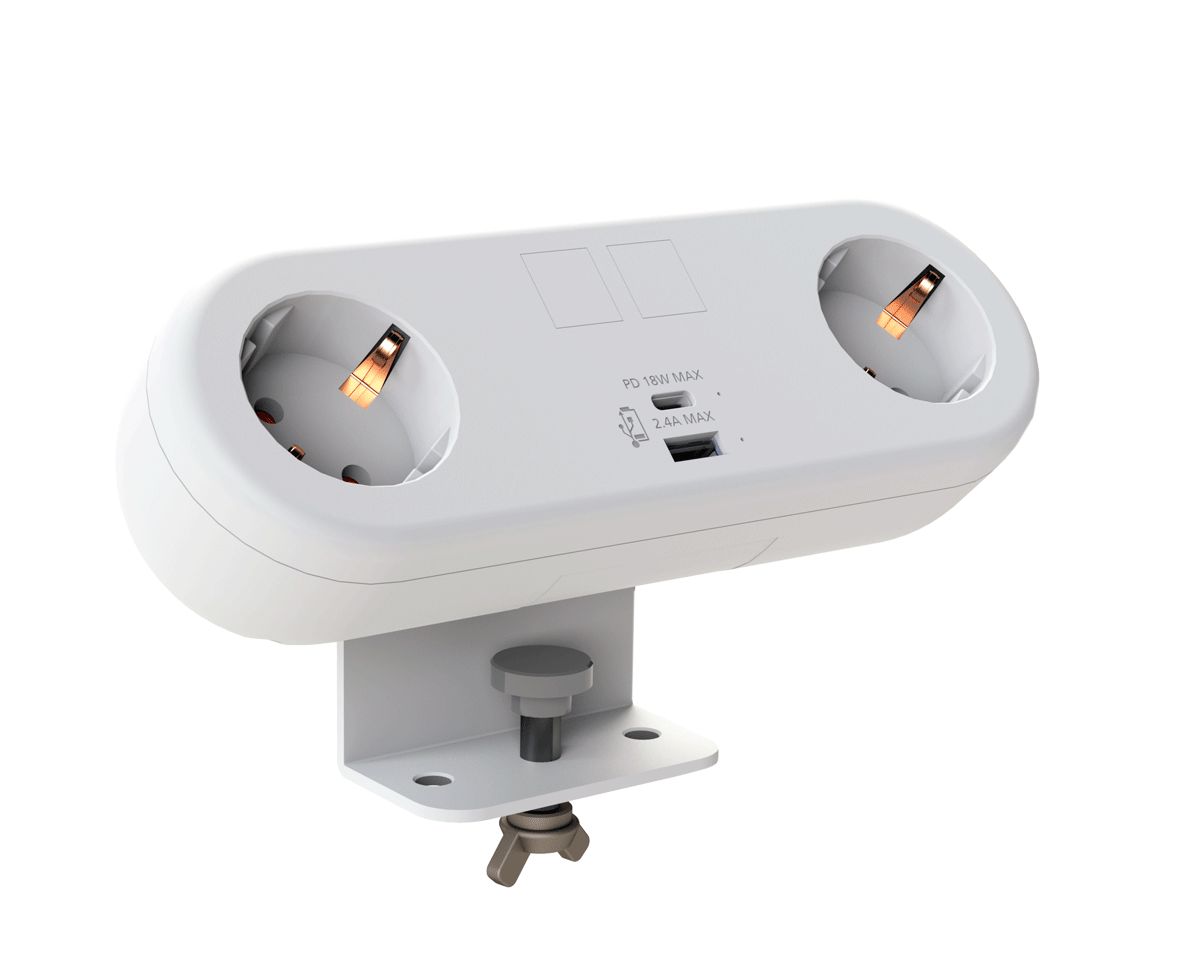
CMD White Schuko Capsule Desk Power Module
CMD LTD EXTENDS MONITOR ARM RANGE WITH THE LAUNCH OF REACH PLUS

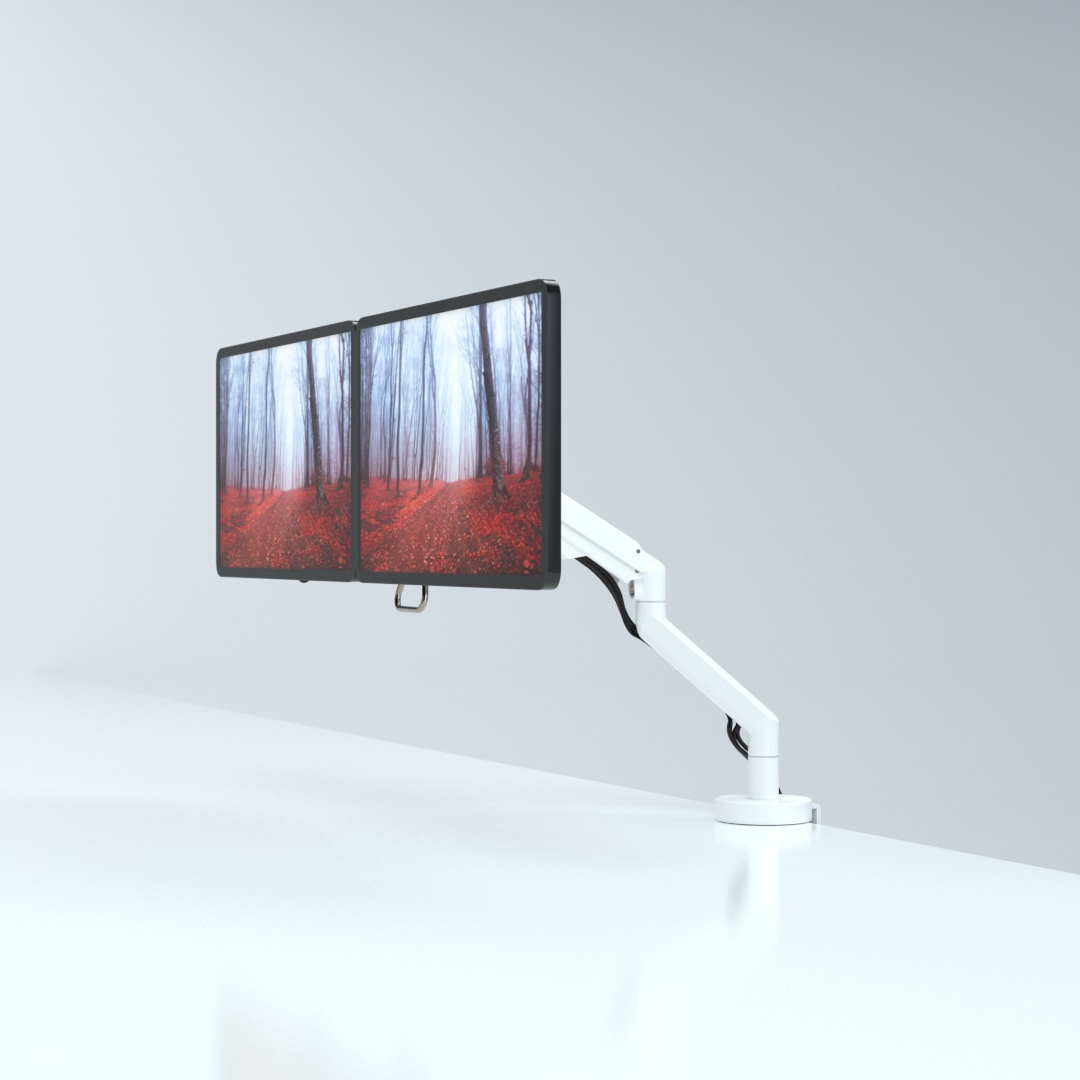
CMD Ltd, the specialist in ergonomic and connectivity solutions for commercial interiors, has completed its Reach monitor arm range with the launch of the Reach Plus. Available in single or dual screen options, the Reach Plus has been designed to provide an ideal solution for both single and dual screen workstation configurations, or can be used with next generation of large format curved screens. Suitable...

Read more
CMD Ltd DEMONSTRATES THE ART OF POWER DISTRIBUTION AT THE UNIVERSITY OF WARWICK

CMD Ltd, the specialist in workplace connectivity and ergonomic solutions, has provided Betatrak busbar power distribution and a range of electrical accessories for two major capital investment projects at the University of Warwick. Designed by Fielden Clegg Bradley Studios, the £33 million Faculty of Arts building is a showpiece development comprising four interconnected structures set around a central atrium, which will enable inter-disciplinary collaboration across...

Read more

University of Warwick
CMD BRINGS HARMONY TO COVENTRY UNIVERSITY RESEARCH FACILITIES

CMD Ltd, the specialist in power distribution solutions and workstation power and ergonomics, has provided under desk and on desk power modules for the refurbishment of three Coventry University research buildings. Located on Coventry University Technology Park, a business park designed to encourage collaboration between the university and knowledge-based businesses, the three buildings are being repurposed as office accommodation for university research teams. The refurbishment...

Read more

Coventry University

How to Effectively Apply Motors in Industrial Applications?

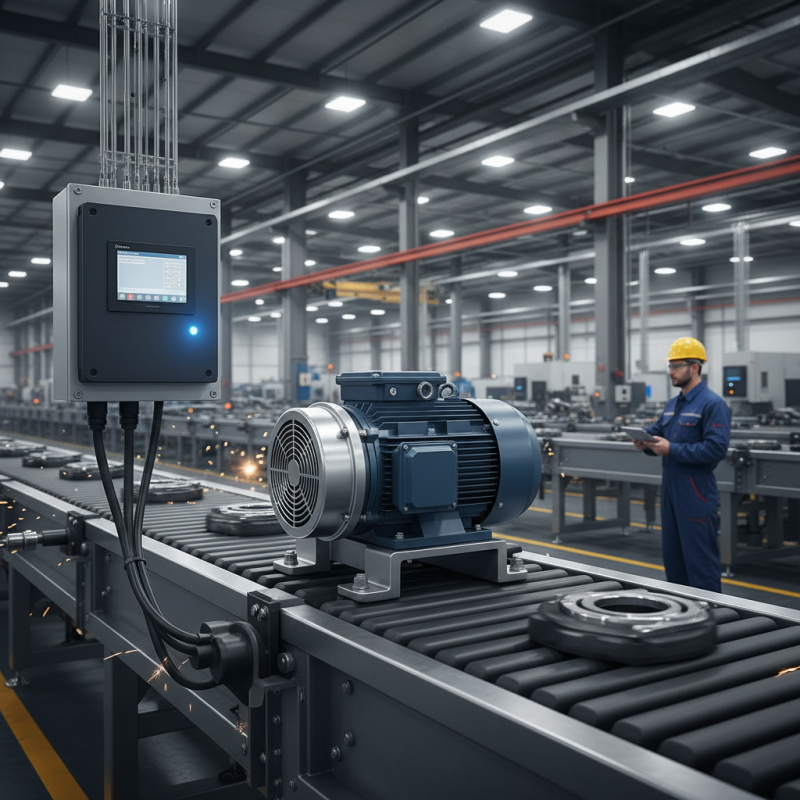
In today's industrial landscape, the application of motors is crucial for operational efficiency. According to the International Electrotechnical Commission, electric motors consume about 45% of the world’s energy in industrial applications. This significant figure highlights the need for efficient motor application strategies. Industries ranging from manufacturing to agriculture depend heavily on these motors for various tasks, including driving conveyors and pumps.

However, not all applications maximize the potential of motors. For example, improper sizing can lead to energy losses and increased operational costs. A report from the U.S. Department of Energy indicates that poorly applied motors can waste up to 50% of their energy output. This indicates that a thoughtful approach is essential. Companies must analyze their processes carefully to find optimal motor solutions.

Innovation continues in this field, with developments in smart motors and variable frequency drives (VFDs). These advancements provide better control and efficiency but require careful integration. Organizations often overlook the importance of regular maintenance and upgrades, which can lead to diminished performance over time. Therefore, understanding the application of motors in various contexts remains fundamental for enhancing productivity and sustainability in industrial operations.

How to Effectively Apply Motors in Industrial Applications?

Understanding the Basics of Industrial Motors and Their Types

Industrial motors are vital components in various applications. Understanding different types can enhance efficiency. Common motor types include AC, DC, and stepper motors. AC motors, widely used, run on alternating current. They’re efficient and require less maintenance. DC motors provide precise control and are easily adjustable. They suit applications needing torque and speed variation. Stepper motors enable miniaturization and are ideal for automation.

When choosing a motor, consider its operational environment. Harsh conditions may require rugged designs. Not all motors work seamlessly with every equipment. Testing compatibility is crucial.

**Tips:** Always assess the torque and speed requirements. An underpowered motor can lead to malfunctions. Consider energy efficiency ratings. A lower rating may increase operational costs. Consult with experts to align motor specifications with project requirements. Making informed choices can prevent costly mistakes later.

Identifying Suitable Applications for Different Motor Types

Choosing the right motor type is crucial for optimization in industrial applications. Different motors serve various purposes, affecting efficiency and productivity. For instance, DC motors are great for precise speed control. They are often used in conveyor systems to regulate speed and manage heavy loads. Their responsive control allows for fine-tuning in operations.

Conversely, AC motors dominate in larger applications. They shine in environments requiring durability and lower maintenance. Induction motors, a common AC type, excel in pumping and compression processes. Their robust construction handles the rigors of continuous operation. However, careful consideration of voltage and phase is necessary to avoid issues.

Stepper motors are ideal for automation tasks. They provide high torque at low speeds, making them perfect for 3D printers and robotic arms. Yet, they struggle with high-speed operations. Assessing specific needs is key. Balancing motor choice with application requirements enhances efficiency and longevity. Reflecting on these factors ensures optimal motor selection for unique challenges.

Key Factors to Consider When Selecting Motors for Industries

Selecting the right motor for industrial applications is crucial. Each industrial setup has unique requirements. Understanding these needs can lead to improved efficiency and reliability.

Tips: Always assess the specific application. Consider factors like load requirements and operational environment.

When evaluating motors, think about the duty cycle. This affects lifespan. A motor working under constant stress may require more robust features. Prioritize energy efficiency as well. Higher efficiency often leads to lower operational costs.

Tips: Monitor energy consumption regularly. Small changes can yield significant savings over time.

Most importantly, reliability cannot be compromised. A dependable motor minimizes downtime. Review maintenance needs as well. Regular checks can prevent unexpected failures.

Balancing cost with quality is vital too. Choose wisely to ensure long-term success.

Best Practices for Installing and Maintaining Industrial Motors

Installing and maintaining industrial motors requires careful attention to detail. A recent report from the International Energy Agency (IEA) highlights that proper maintenance can improve motor efficiency by 10-15%. Regular checks on alignment and lubrication are crucial. Unaligned motors can lead to increased wear and energy loss.

Operational conditions also affect longevity. Dust and moisture can create significant challenges. In fact, a study by the Electric Power Research Institute indicates that 60% of motor failures are attributed to environmental factors. Using appropriate enclosures is key. They protect motors from contaminants, extending operational lifespan.

Moreover, training staff on best practices is essential. Knowledge gaps can lead to improper installation and maintenance. Continuous education helps mitigate risks. Regular training sessions, focusing on troubleshooting and basic repairs, empower workers. Better-trained personnel can catch potential issues early, reducing downtime and repair costs.

Evaluating Performance Metrics for Industrial Motor Efficiency

Evaluating performance metrics is key to understanding motor efficiency in industrial applications. Energy consumption is often the primary focus. Assessing input and output power helps establish efficiency ratios. However, efficiency alone does not tell the whole story. We must also consider the environmental impact of motor usage.

Temperature and vibration monitoring are crucial metrics that often get overlooked. Excessive heat can lead to premature motor failure. Regular checks on these parameters can enhance operational longevity. Tracking these aspects can reveal issues before they escalate. Efficiency is not just about saving energy; it is about maintaining operational links.

Maintenance schedules play an essential role in performance evaluation. Unexpected downtimes can disrupt production and lead to significant losses. Monitoring wear and tear helps identify when preventive measures are needed. Yet, many facilities still delay routine maintenance. This often results in a complete performance breakdown, costing more than proactive care. Addressing these points ensures that industrial motors operate at their peak efficiency while avoiding larger operational pitfalls.