

News

Miro: A New Standard in Responsible Innovation

Miro: A New Standard in Responsible Innovation The Miro monitor arm is setting new benchmarks in sustainability. It offers a high-performance solution without compromising on environmental responsibility. Designed with careful material selection, local sourcing, and longevity in mind, Miro’s responsible approach to design and unique manoeuvrability set it apart from the competition. Sustainable Choices Miro is crafted from energy-efficient materials with a lower carbon impact....

Read more
HSE Advisor

Role Purpose Support in the development, implementation and maintenance of the company’s Health, Safety & Environmental policies, processes, operational procedures, and standards.  Ensuring best practice and championing a continually improving HSE culture within the business. Key Responsibilities Liaise with and provide support to all areas of the business to eliminate, mitigate or reduce identified HSE exposures. Partner with the production management team and team leaders,...

Read more
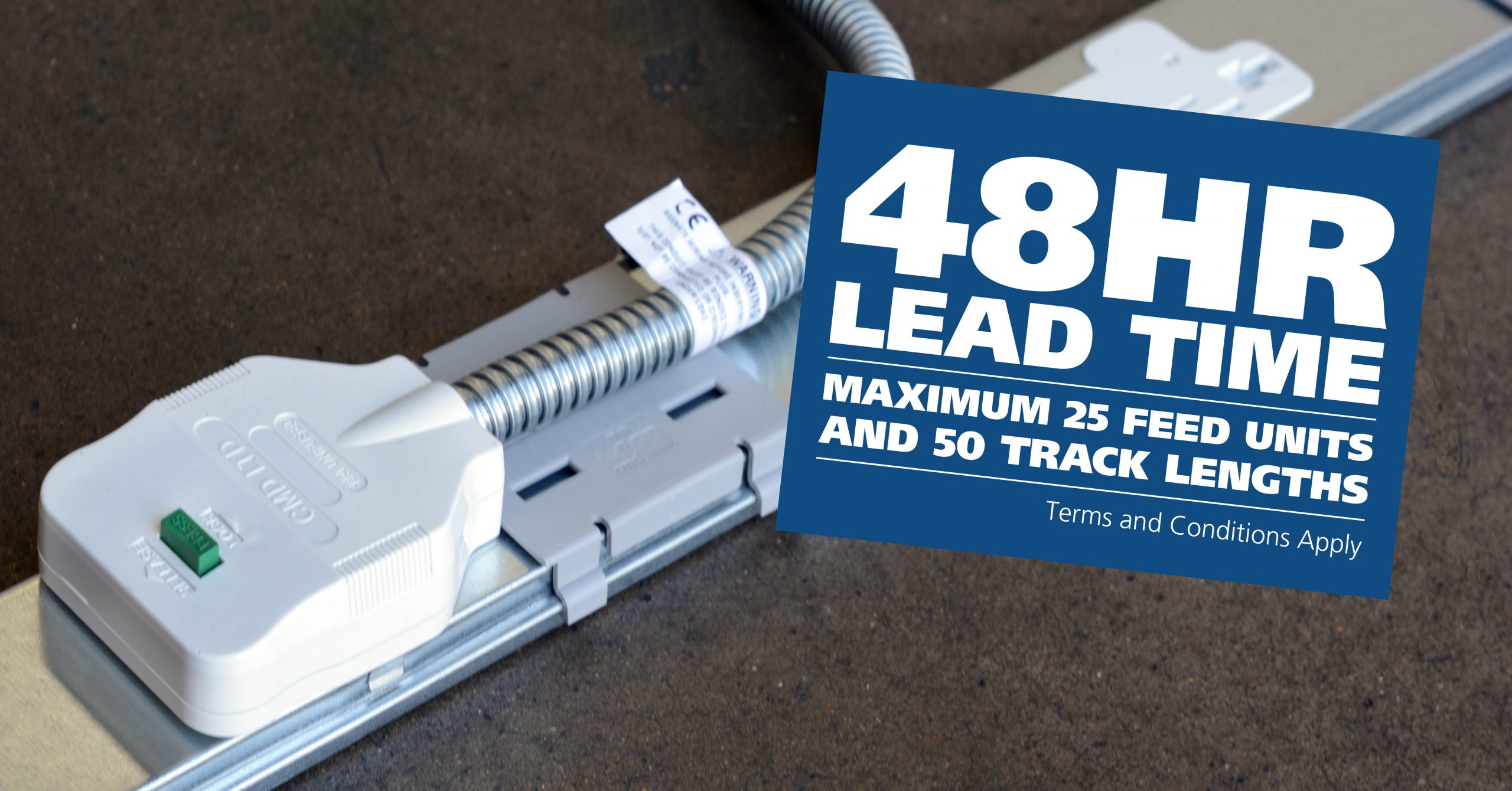
CMD Ltd LAUNCHES 48-HOUR TURNAROUND ON BETATRAK® RAPID ORDERING SERVICE

CMD Ltd, the specialist in power distribution systems, workstation power and monitor arms, has launched a rapid ordering service for its Betatrak® underfloor powertrack distribution systems and accessories, with a commitment to delivering within 48-hours of an approved purchase order*. The service enables customers to order up to 50 lengths of Standard or Clean Earth (C/E) low noise Betatrak, along with up to 25 feed...

Read more
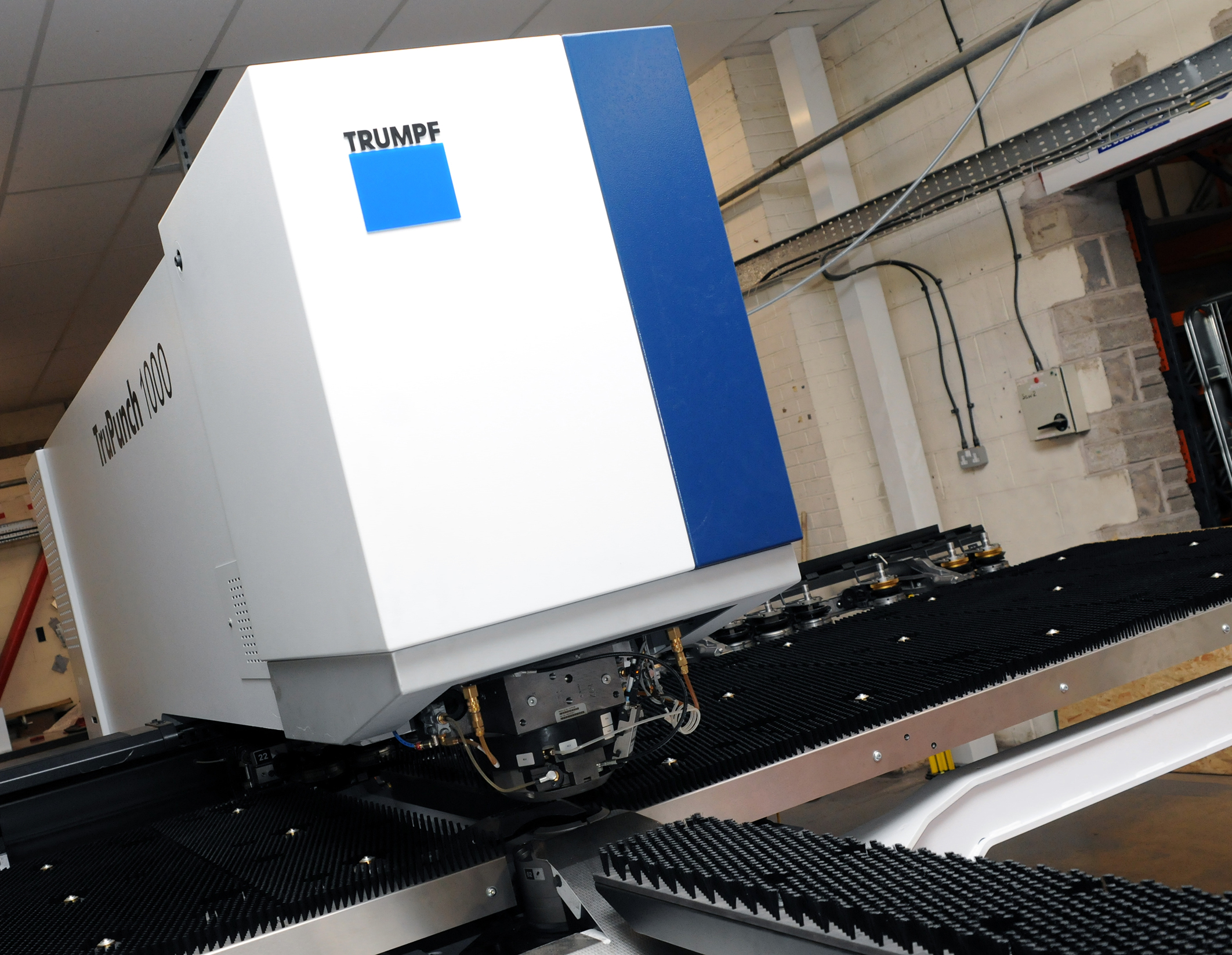
CMD INVESTS £1/4 MILLION IN NEW MACHINE AS PART OF FACTORY UPGRADE

We have invested in a new £1/4m TRUMPF CNC metal punch as part of an asset renewal strategy for our UK manufacturing capability. The new machine will be used in the production of a wide variety of our power distribution systems and workstation power products at our Rotherham factory. Suitable for handling sheet metal between 0.9mm and 3.0mm thick, the new machine will replace one...

Read more
CMD CATALOGUE PROVIDES TECHNICAL POWER DISTRIBUTION GUIDE

CMD Ltd has released a new catalogue, providing an easy to follow technical guide to our power distribution systems and plug and play desk modules. Detailing CMD’s full range of UK-manufactured power distribution systems and plug and play desk modules, the catalogue will be a helpful source of information to M&E engineers and contractors alike to understand how our power distribution systems connect together and...

Read more
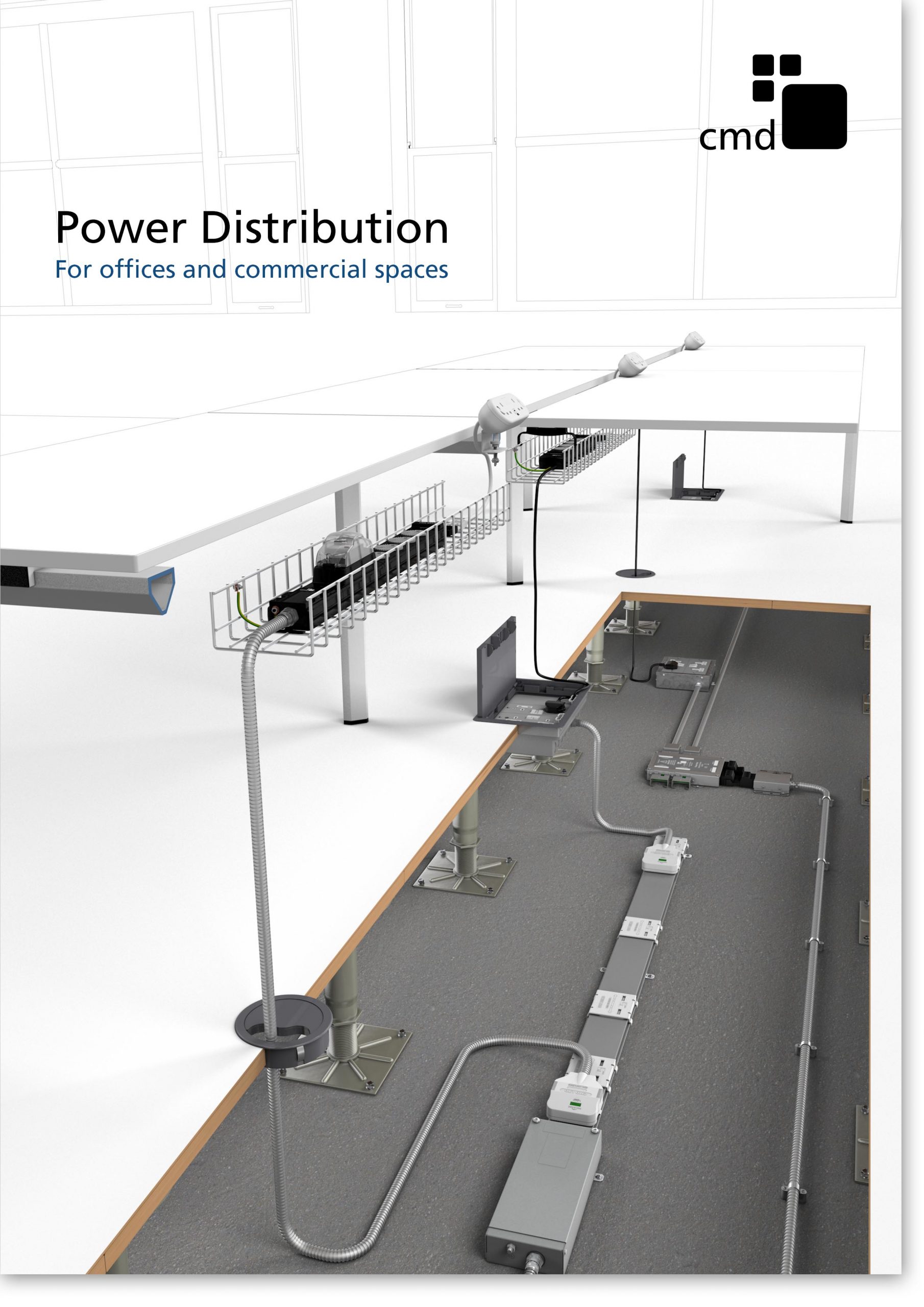
Power Distribution Catalogue
CMD Ltd PLAYS ESSENTIAL ROLE IN ELECTRICAL FIT OUT AT LONDON’S PRESTIGIOUS OFFICE DEVELOPMENT

CMD Ltd, specialist in workplace connectivity and ergonomic solutions, has provided a flexible and high-quality power distribution network for The Ray, a prestigious office development in London’s Farringdon. Well-known for being the former site of The Guardian newspaper, The Ray now stands as an 83,000ft² office development characterised by a modernised warehouse aesthetic, with level two now occupied by a global social media company. The...

Read more

The Ray
CMD plugs in to european opportunity with Schuko Capsule unit launch

CMD Ltd, the specialist in power and connectivity solutions for commercial environments, has launched a Schuko version of its popular fixed format Capsule workstation power module for export to mainland Europe and beyond. A popular on desk power module comprising two sockets and dual USB (type A and C) chargers, CMD’s Capsule unit is already widely specified in the UK as an off-the-shelf workstation power...

Read more
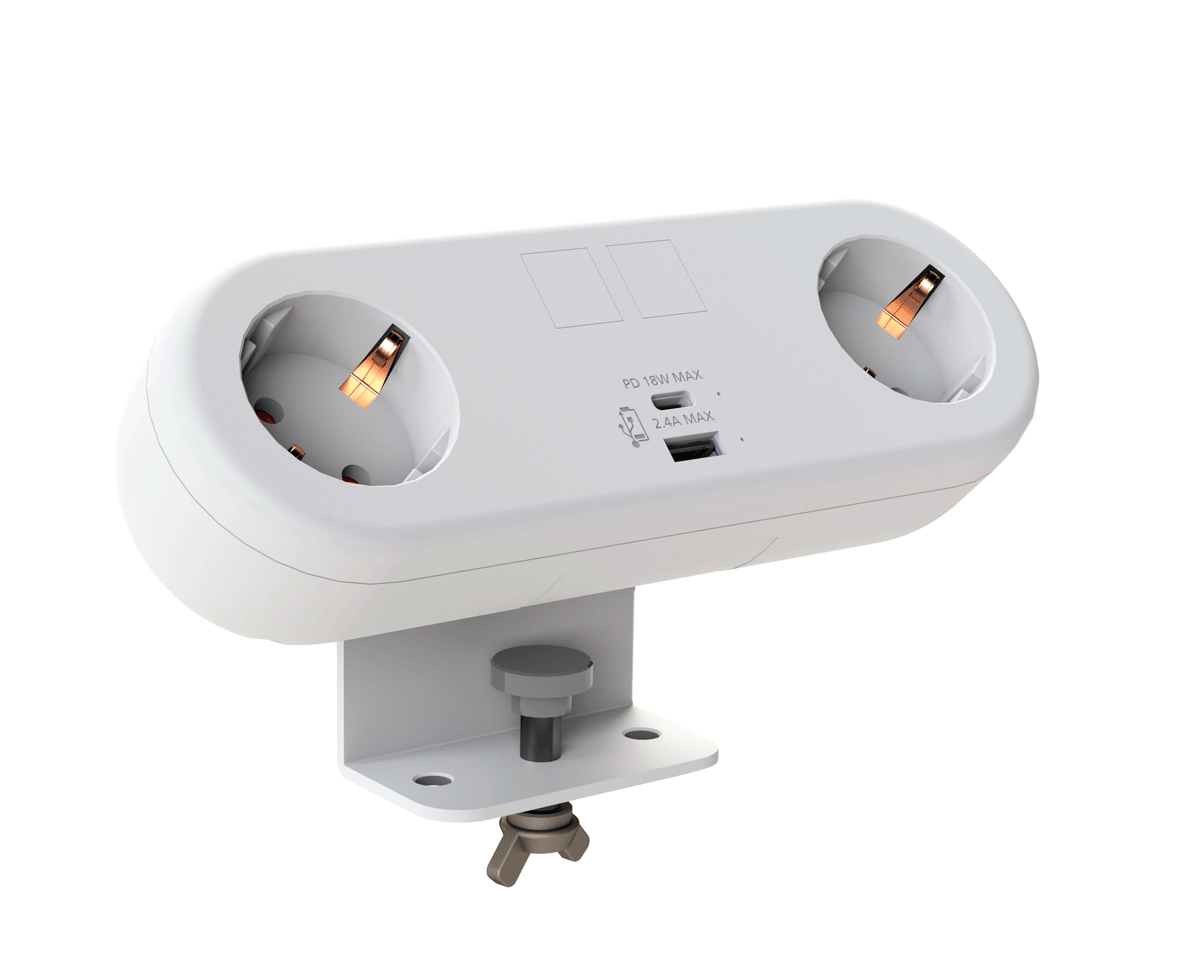
CMD White Schuko Capsule Desk Power Module
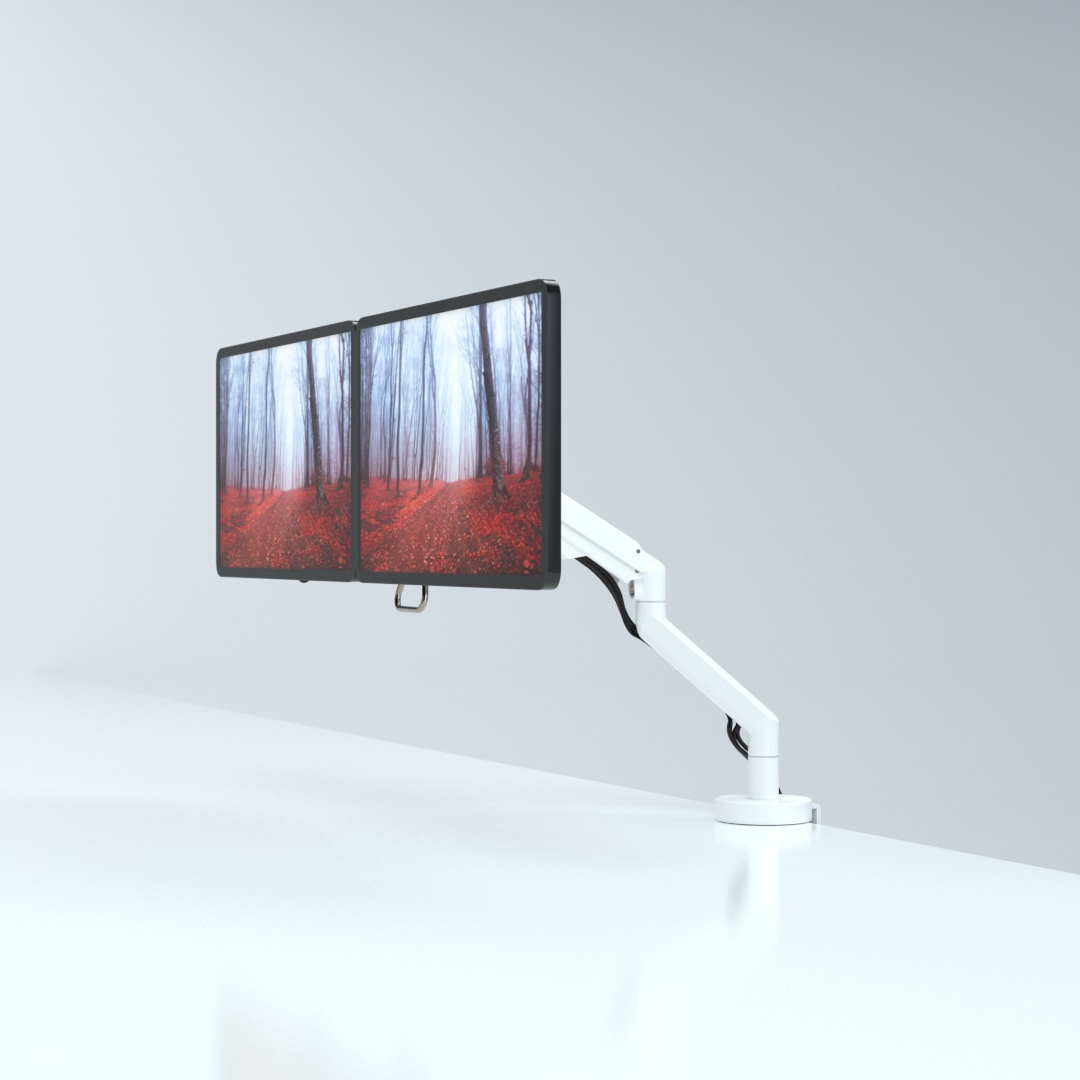
CMD LTD EXTENDS MONITOR ARM RANGE WITH THE LAUNCH OF REACH PLUS

CMD Ltd, the specialist in ergonomic and connectivity solutions for commercial interiors, has completed its Reach monitor arm range with the launch of the Reach Plus. Available in single or dual screen options, the Reach Plus has been designed to provide an ideal solution for both single and dual screen workstation configurations, or can be used with next generation of large format curved screens. Suitable...

Read more
CMD Ltd DEMONSTRATES THE ART OF POWER DISTRIBUTION AT THE UNIVERSITY OF WARWICK

CMD Ltd, the specialist in workplace connectivity and ergonomic solutions, has provided Betatrak busbar power distribution and a range of electrical accessories for two major capital investment projects at the University of Warwick. Designed by Fielden Clegg Bradley Studios, the £33 million Faculty of Arts building is a showpiece development comprising four interconnected structures set around a central atrium, which will enable inter-disciplinary collaboration across...

Read more

University of Warwick
CMD BRINGS HARMONY TO COVENTRY UNIVERSITY RESEARCH FACILITIES

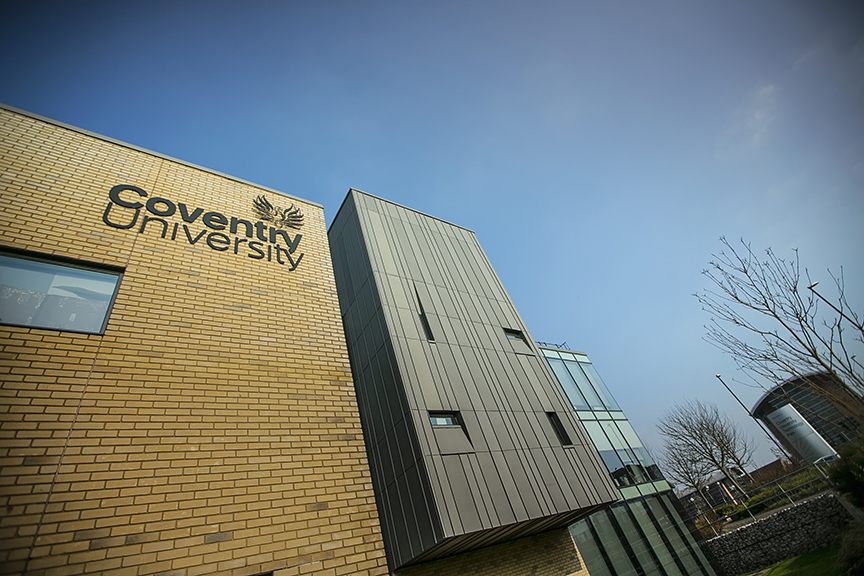
CMD Ltd, the specialist in power distribution solutions and workstation power and ergonomics, has provided under desk and on desk power modules for the refurbishment of three Coventry University research buildings. Located on Coventry University Technology Park, a business park designed to encourage collaboration between the university and knowledge-based businesses, the three buildings are being repurposed as office accommodation for university research teams. The refurbishment...

Read more

Coventry University

Top Tips for Using Slow Release Fertilizer Effectively?

Using fertilizer slow release can transform your gardening efforts. This method offers a steady supply of nutrients, promoting healthy growth over time. It’s a smart choice for busy gardeners who might forget to fertilize regularly.

Choosing the right fertilizer slow release product is crucial. Understand the nutrient needs of your plants. Different plants require different nutrients at varying stages. An imbalance can lead to problems, like yellowing leaves or stunted growth. Consider soil type as well; it affects how nutrients are absorbed.

Application is key to success. Overusing slow-release fertilizer can harm plants. It's essential to follow guidelines on packaging. Be mindful of weather conditions. Heavy rain can wash away nutrients, while dry spells may hinder absorption. Testing soil periodically can help you adjust your approach. Remember, gardening is about learning from your experiences and refining your techniques.

Top Tips for Using Slow Release Fertilizer Effectively?

Understanding Slow Release Fertilizer: What You Need to Know

Slow-release fertilizers are gaining popularity among gardeners and farmers. They provide nutrients over an extended period. This reduces the risk of nutrient leaching. According to a study by the American Society of Agronomy, slow-release fertilizers can improve nutrient efficiency by up to 40%. They minimize the need for frequent applications. This can save both time and money for anyone managing plants.

Understanding the composition of slow-release fertilizers is crucial. They typically contain nitrogen, phosphorus, and potassium in a controlled-release formulation. This formulation allows nutrients to be gradually available. Research shows that plants benefit significantly when nutrients are released slowly. This approach can lead to healthier soil and better plant growth. However, improper application can lead to underfeeding or overfeeding. This is where careful planning comes into play.

It’s important to consider soil conditions before applying slow-release fertilizers. pH levels, moisture, and temperature can all influence nutrient release. A report from the International Fertilizer Association suggests analyzing soil before application. This helps determine whether slow-release fertilizers are suitable. Observing your plants after application is essential. You might notice some unexpected results. Adjustments may be necessary to achieve the desired growth.

Top Tips for Using Slow Release Fertilizer Effectively

Tip Description Best Time to Apply Recommended Plants Duration of Effect
Understand Nutrient Release Different fertilizers release nutrients at varying rates. Knowing this helps in timing applications. During planting or early growth stages. Vegetables, shrubs, and trees. Up to 6 months.
Correct Usage Rate Follow the manufacturer's guidelines for application rates to avoid over-fertilization. At the beginning of the growing season. Flowering plants and perennials. Up to 4 months.
Incorporate into Soil Mixing fertilizer into the soil promotes even nutrient distribution. Before planting or transplanting. Lawns, gardens, and container plants. 3 to 6 months.
Monitor Plant Health Keep an eye on plant growth and adjust fertilizer application as needed. Throughout the growing season. All plants. Varies depending on plant type.
Water Appropriately Regular watering helps to activate the slow release of nutrients. After applying fertilizer. Flowering and leafy plants. Up to 4 months.

Benefits of Using Slow Release Fertilizer in Your Garden

Slow release fertilizers have gained popularity among gardeners for their long-lasting benefits. Unlike traditional fertilizers, they release nutrients gradually over time. According to the American Society of Horticultural Science, slow release fertilizers can improve nutrient efficiency by up to 30%. This means that plants receive nourishment consistently without the risk of over-fertilization.

Using slow release fertilizers can lead to healthier plant growth. Research suggests that they enhance root development and improve overall plant vigor. Plants can access nutrients when needed, which is crucial during dry seasons. A study from the University of Florida indicates that gardens using slow release fertilizers show 50% better growth in comparison to those treated with quick-release options.

However, it’s essential to monitor soil nutrient levels periodically. Some gardeners may overestimate the need for slow release fertilizers. Too much can lead to nutrient imbalances. Understanding your plants' specific needs is crucial for optimal performance. Although slow release fertilizers simplify feeding, they do not replace the necessity of observing plant health closely.

Optimal Application Methods for Slow Release Fertilizer

When applying slow release fertilizers, understanding the optimal methods is crucial. Research shows that nearly 70% of nutrient release occurs within the first 6-8 weeks. This indicates that timing and application depth are key factors. Applying the fertilizer too shallow can lead to nutrient loss due to evaporation. Therefore, aim for a depth of 1-2 inches to maximize nutrient uptake.


Foliar application is another effective method, especially for leafy crops. Studies indicate that foliar feeding can increase nutrient absorption by up to 60%. However, ensure that the spray is fine to minimize runoff. It’s worth noting that environmental conditions, such as temperature and humidity, can affect absorption rates. Adjust your application strategy based on these factors for better results.


Regularly testing your soil is essential. Soil testing helps determine nutrient levels and pH, guiding the correct amount of slow release fertilizer needed. Over-application can lead to nutrient lockout and environmental harm. An analytical approach to soil and fertilizer helps in achieving sustainable growth.

Timing Your Fertilization: When to Use Slow Release Products

Timing your fertilization is crucial when using slow release fertilizer. These products work gradually, supplying nutrients over an extended period. Applying them at the right moment can maximize their effectiveness. For many gardeners, spring is the ideal time to fertilize. As plants awaken from winter dormancy, they require nutrients to support new growth. However, consider your specific plants. Some may benefit from additional feedings in summer or fall.

It's important to monitor soil conditions as well. If rainfall is scarce, slow release fertilizers may not break down adequately. In such cases, a little extra watering can help activate them. Conversely, heavy rainfall can wash away nutrients before plants can absorb them. Observing these conditions helps in making timely decisions.

Remember that every garden is different. What works for one type of plant may not suit another. Experimentation is key. You might find that a different schedule enhances growth in your garden. Document your experiences to refine your approach over time.

Monitoring Plant Response to Slow Release Fertilizer Application

Monitoring plant response to slow release fertilizer application is crucial for successful gardening. Observing how plants react can guide future fertilizer use. Begin by checking for changes in leaf color and growth rate. Dark green leaves indicate healthy nutrient absorption. Yellowing can signal nutrient deficiency or over-fertilization.

Track growth patterns over time. Measure the height of your plants regularly. Note any differences in flowering or fruiting times. An increase in blooms or fruit signifies effective fertilization. Conversely, slow growth may suggest a need for adjustment. Soil tests can also provide valuable insights. They reveal whether nutrients are being effectively utilized.

Be ready to adapt your approach based on your observations. Follow-up applications may need to be adjusted. Consider varying the amounts or types of fertilizer used. Each plant species has unique nutrient requirements. Learning from past applications can lead to better results. This process requires patience and continual evaluation.

Plant Growth Response to Slow Release Fertilizer Over 12 Weeks

This bar chart illustrates the increase in plant height over 12 weeks following the application of slow release fertilizer. As shown, there is a steady growth trend indicating the effectiveness of the fertilizer in supporting plant development.