

News

Miro: A New Standard in Responsible Innovation

Miro: A New Standard in Responsible Innovation The Miro monitor arm is setting new benchmarks in sustainability. It offers a high-performance solution without compromising on environmental responsibility. Designed with careful material selection, local sourcing, and longevity in mind, Miro’s responsible approach to design and unique manoeuvrability set it apart from the competition. Sustainable Choices Miro is crafted from energy-efficient materials with a lower carbon impact....

Read more
HSE Advisor

Role Purpose Support in the development, implementation and maintenance of the company’s Health, Safety & Environmental policies, processes, operational procedures, and standards.  Ensuring best practice and championing a continually improving HSE culture within the business. Key Responsibilities Liaise with and provide support to all areas of the business to eliminate, mitigate or reduce identified HSE exposures. Partner with the production management team and team leaders,...

Read more
CMD Ltd LAUNCHES 48-HOUR TURNAROUND ON BETATRAK® RAPID ORDERING SERVICE

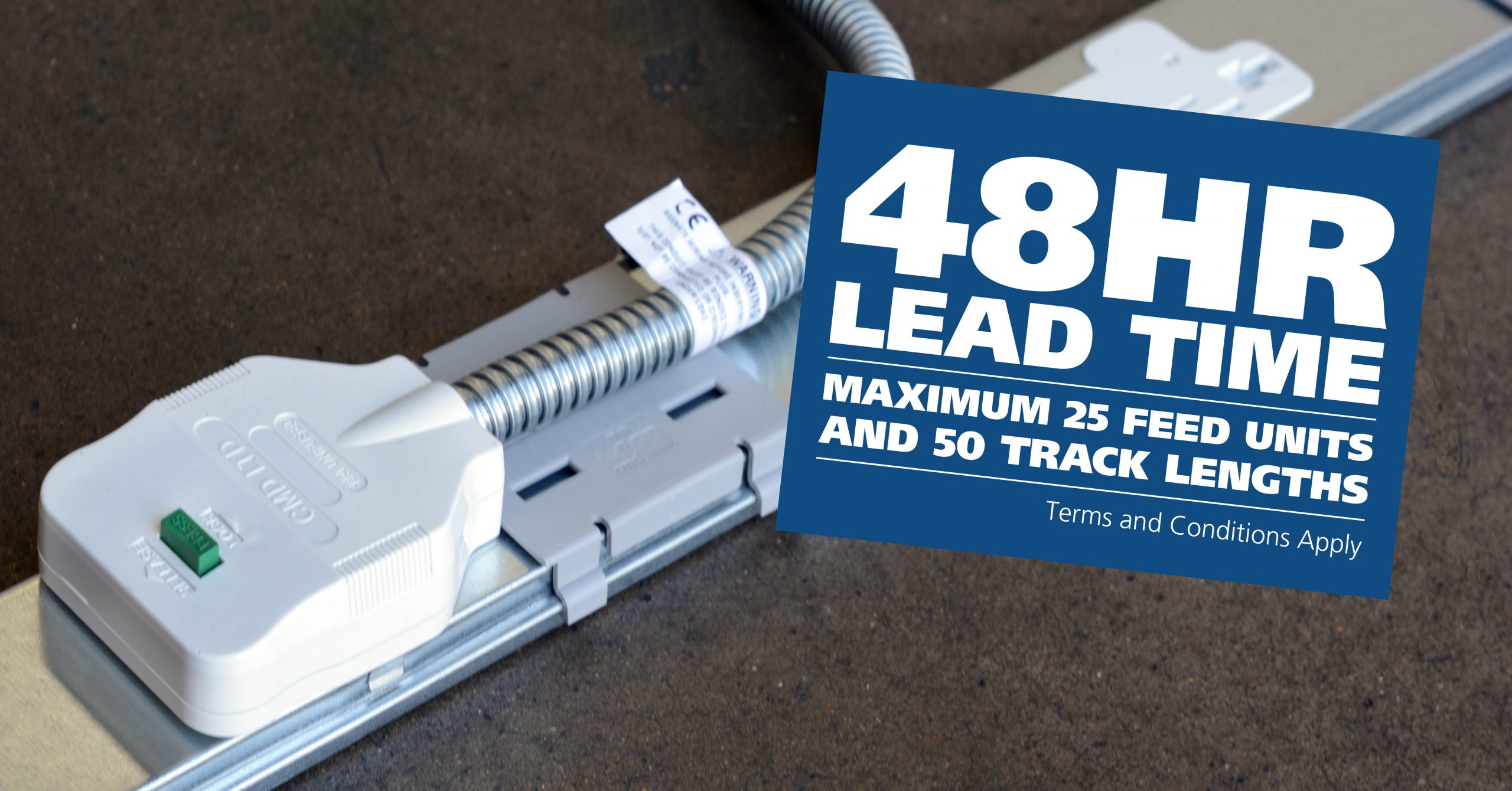
CMD Ltd, the specialist in power distribution systems, workstation power and monitor arms, has launched a rapid ordering service for its Betatrak® underfloor powertrack distribution systems and accessories, with a commitment to delivering within 48-hours of an approved purchase order*. The service enables customers to order up to 50 lengths of Standard or Clean Earth (C/E) low noise Betatrak, along with up to 25 feed...

Read more
CMD INVESTS £1/4 MILLION IN NEW MACHINE AS PART OF FACTORY UPGRADE

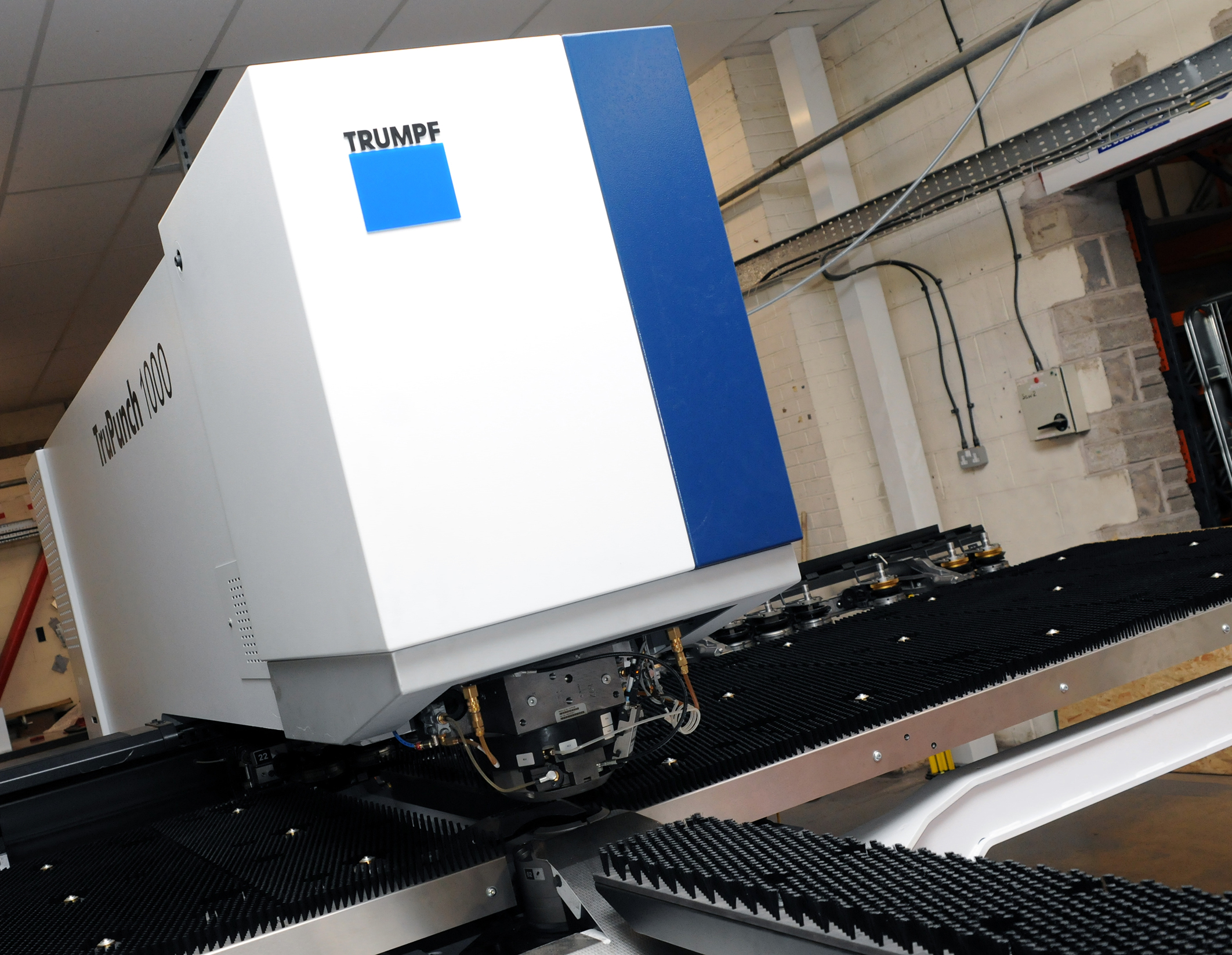
We have invested in a new £1/4m TRUMPF CNC metal punch as part of an asset renewal strategy for our UK manufacturing capability. The new machine will be used in the production of a wide variety of our power distribution systems and workstation power products at our Rotherham factory. Suitable for handling sheet metal between 0.9mm and 3.0mm thick, the new machine will replace one...

Read more
CMD CATALOGUE PROVIDES TECHNICAL POWER DISTRIBUTION GUIDE

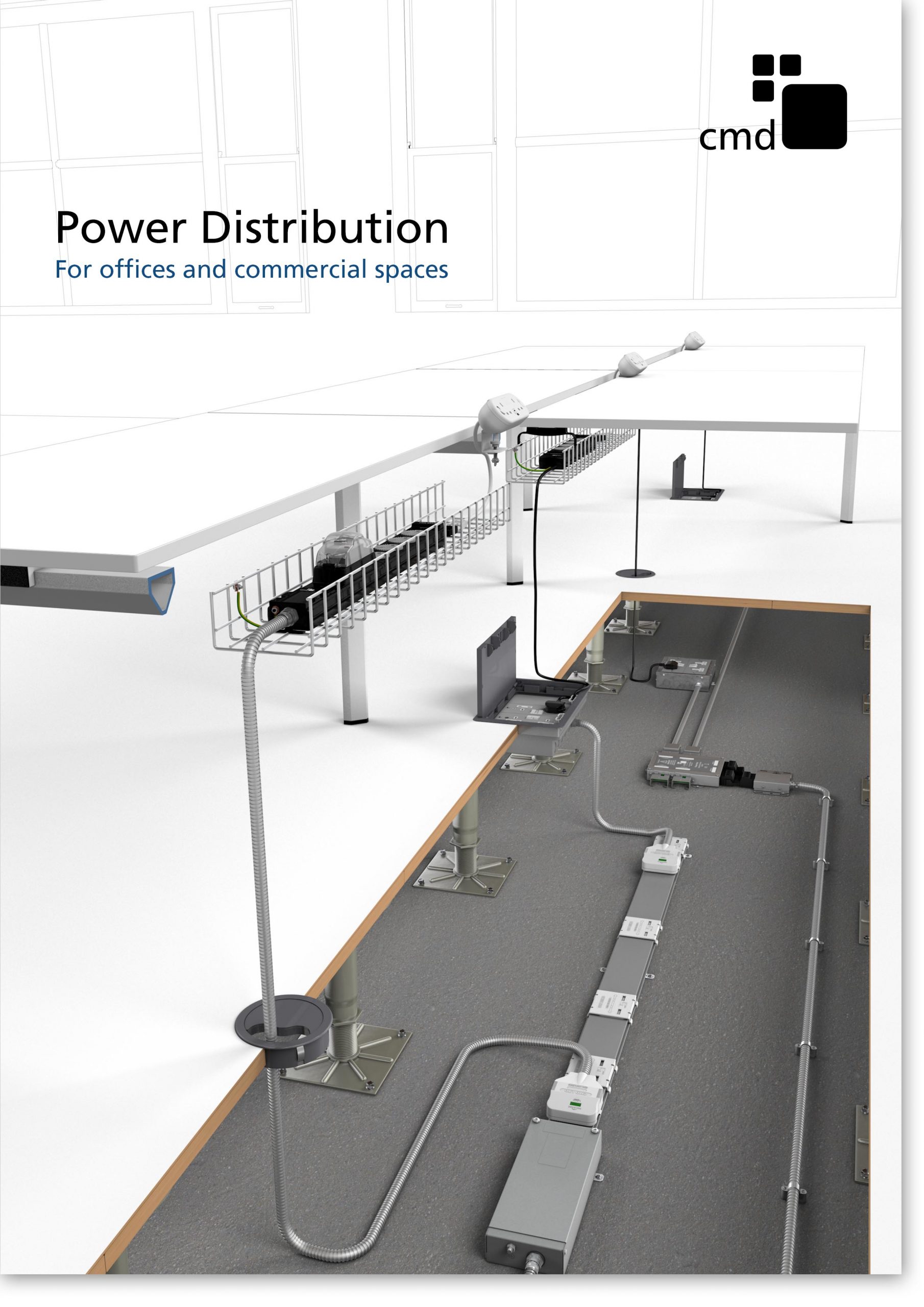
CMD Ltd has released a new catalogue, providing an easy to follow technical guide to our power distribution systems and plug and play desk modules. Detailing CMD’s full range of UK-manufactured power distribution systems and plug and play desk modules, the catalogue will be a helpful source of information to M&E engineers and contractors alike to understand how our power distribution systems connect together and...

Read more
Power Distribution Catalogue
CMD Ltd PLAYS ESSENTIAL ROLE IN ELECTRICAL FIT OUT AT LONDON’S PRESTIGIOUS OFFICE DEVELOPMENT

CMD Ltd, specialist in workplace connectivity and ergonomic solutions, has provided a flexible and high-quality power distribution network for The Ray, a prestigious office development in London’s Farringdon. Well-known for being the former site of The Guardian newspaper, The Ray now stands as an 83,000ft² office development characterised by a modernised warehouse aesthetic, with level two now occupied by a global social media company. The...

Read more

The Ray
CMD plugs in to european opportunity with Schuko Capsule unit launch

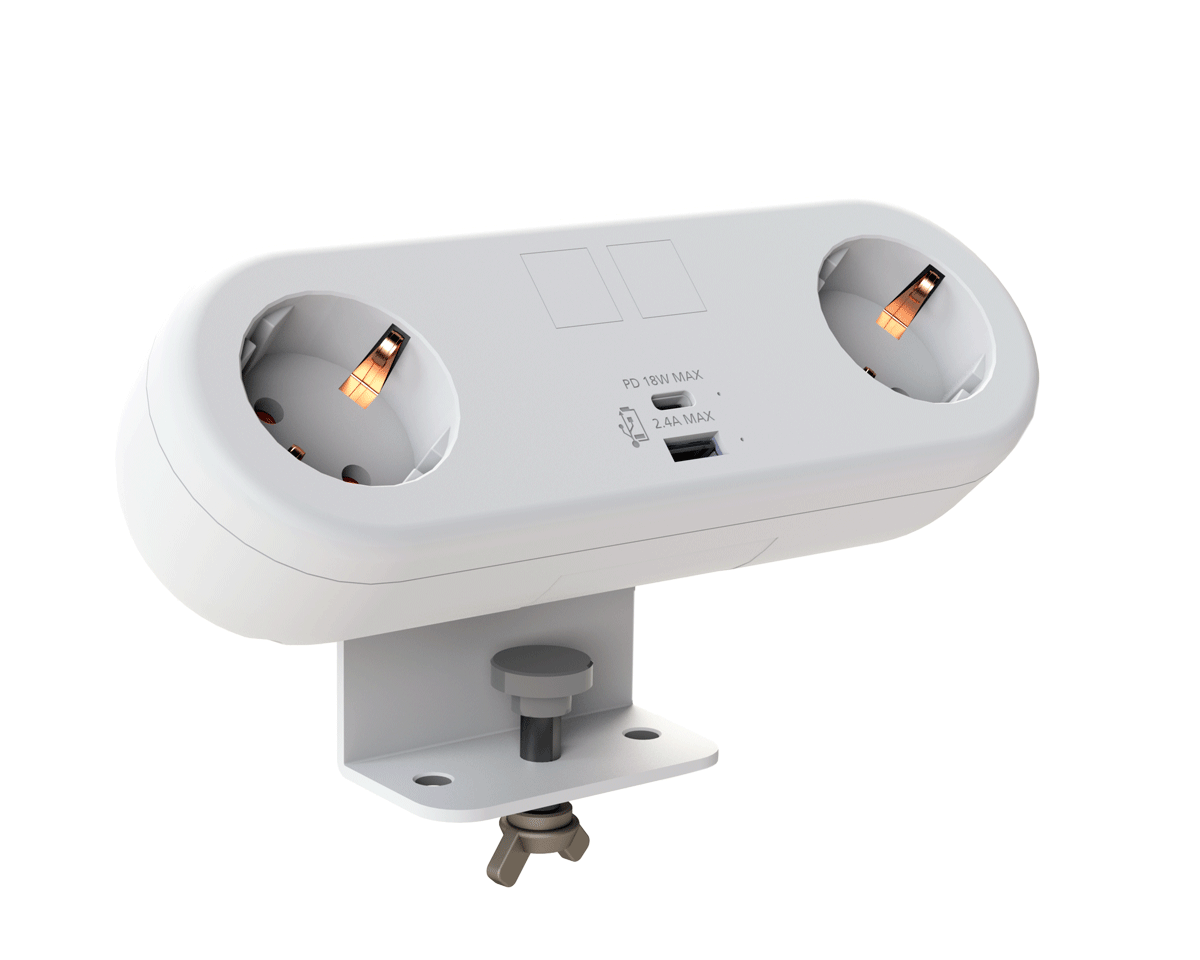
CMD Ltd, the specialist in power and connectivity solutions for commercial environments, has launched a Schuko version of its popular fixed format Capsule workstation power module for export to mainland Europe and beyond. A popular on desk power module comprising two sockets and dual USB (type A and C) chargers, CMD’s Capsule unit is already widely specified in the UK as an off-the-shelf workstation power...

Read more
CMD White Schuko Capsule Desk Power Module
CMD LTD EXTENDS MONITOR ARM RANGE WITH THE LAUNCH OF REACH PLUS

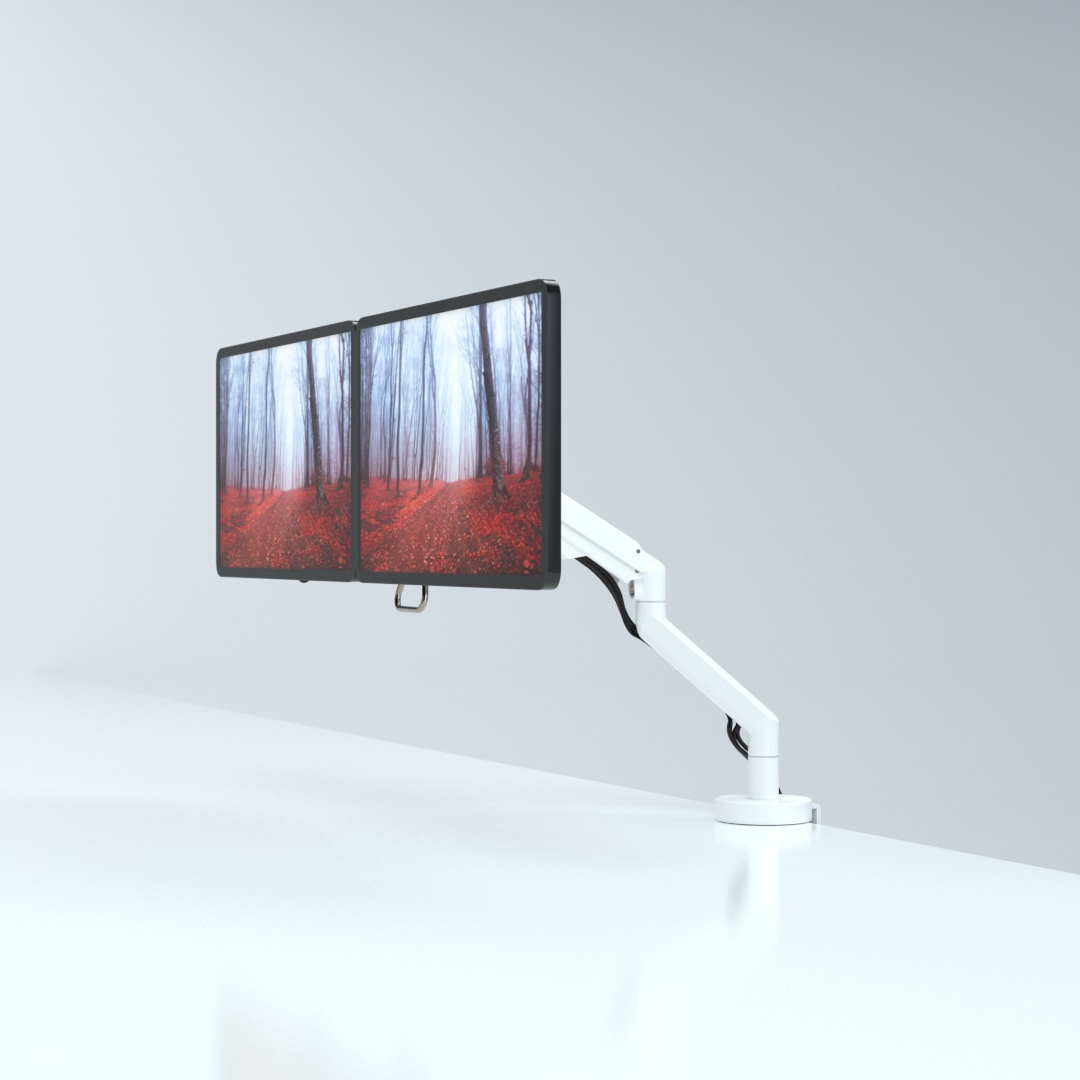
CMD Ltd, the specialist in ergonomic and connectivity solutions for commercial interiors, has completed its Reach monitor arm range with the launch of the Reach Plus. Available in single or dual screen options, the Reach Plus has been designed to provide an ideal solution for both single and dual screen workstation configurations, or can be used with next generation of large format curved screens. Suitable...

Read more
CMD Ltd DEMONSTRATES THE ART OF POWER DISTRIBUTION AT THE UNIVERSITY OF WARWICK

CMD Ltd, the specialist in workplace connectivity and ergonomic solutions, has provided Betatrak busbar power distribution and a range of electrical accessories for two major capital investment projects at the University of Warwick. Designed by Fielden Clegg Bradley Studios, the £33 million Faculty of Arts building is a showpiece development comprising four interconnected structures set around a central atrium, which will enable inter-disciplinary collaboration across...

Read more

University of Warwick
CMD BRINGS HARMONY TO COVENTRY UNIVERSITY RESEARCH FACILITIES

CMD Ltd, the specialist in power distribution solutions and workstation power and ergonomics, has provided under desk and on desk power modules for the refurbishment of three Coventry University research buildings. Located on Coventry University Technology Park, a business park designed to encourage collaboration between the university and knowledge-based businesses, the three buildings are being repurposed as office accommodation for university research teams. The refurbishment...

Read more

Coventry University

How to Effectively Sound Deadening Your Car for a Quieter Ride

Driving can be a noisy experience, filled with sounds from the road, engine, and wind. Many car owners seek a quieter ride. One effective solution is car sound deadening, which can transform your vehicle's acoustic environment.

Car sound deadening involves using materials that absorb or block sound. These products can significantly reduce unwanted noise. By prioritizing the right areas in your vehicle, such as floors and doors, you can enhance your driving experience. The process may seem straightforward, but it often requires careful consideration of materials and placement.

While some installations may not yield perfect results, experimenting with different techniques can lead to improvement. It’s essential to assess your vehicle's unique sound profile. Each car presents different challenges, making it a learning experience. Careful planning and reflection on what works best will guide you toward achieving a peaceful ride.

Understanding the Basics of Sound Deadening in Automotive Applications

When it comes to sound deadening in automotive applications, understanding the basics is key. Engine noise, tire rumble, and wind sounds can significantly disrupt your driving experience. According to a report from the Society of Automotive Engineers, nearly 80% of drivers seek quieter rides. This indicates a strong demand for efficient sound deadening solutions.

To start, sound waves travel through solid materials, including car parts. Therefore, adding mass to surfaces can help reduce noise. Materials like foam and mass-loaded vinyl are popular choices. They can lower decibel levels by up to 10 dB in some cases. However, it’s vital to apply them correctly. Poor installation may lead to gaps, which can create a resonating effect. A common oversight is focusing only on the floor and ignoring doors, which can also transmit significant sound.

Another crucial aspect is the use of absorptive materials. These reduce sound reflections within the cabin. Studies show that treating just 50% of a vehicle's interior surfaces can lead to a noticeable decrease in noise. Yet, many enthusiasts overlook this detail. Balance is necessary; overly soft materials may absorb too much and compromise clarity. Striking the right mix is often a challenge but essential for optimal results.

Common Sources of Noise in Vehicles and Their Impact on Driving Experience

Noise in vehicles can come from various sources. Road noise, for instance, seeps in through tires. The sound of gravel or asphalt can disrupt a peaceful drive. Engine noise also adds to the cacophony in the cabin. It can be quite loud during acceleration. Wind noise is another common nuisance. It increases at higher speeds and can be distracting.

These sounds impact the driving experience significantly. They can cause stress and fatigue on long journeys. A noisy environment can make conversations difficult. Drivers often crank the volume of the radio, which only leads to further distraction. The constant din can even mask warning sounds from the car, creating safety concerns.

There are ways to address these issues. Sound deadening materials can be applied to the interior surfaces. These materials can absorb and block unwanted sound. However, improper installation may lead to uneven coverage. It is crucial to approach sound deadening with care and planning. Each vehicle has different noise challenges, so solutions may vary. A quieter ride can greatly enhance the enjoyment of driving.

Materials and Techniques for Effective Soundproofing in Cars

When it comes to soundproofing your car, choosing the right materials is crucial. Acoustic foam is a popular choice for reducing noise. Studies show that using 1-inch thick foam can absorb up to 80% of sound waves. This can significantly lessen road noise and create a more enjoyable driving experience. Additionally, mass-loaded vinyl is effective for blocking sound transmission. It can add weight to your vehicle’s interior, which helps dampen vibrations from the engine and road.

Techniques also matter. Proper installation of sound-deadening mats can enhance effectiveness. Placing these mats on the doors, floor, and firewall reduces sound entry. A report from the Institute of Automotive Engineering notes that a well-insulated cabin can decrease interior noise levels by up to 10 decibels. However, many overlook small areas like wheel wells or trunk space. Neglecting these spots can lead to disappointing results.

Reflection on the process is necessary. It’s easy to get carried away with materials and neglect effective application. Even the best products won't work if not applied correctly. Moreover, budget constraints may limit options. Balancing quality and cost is always a challenge. Every car is different, and results can vary based on factors like vehicle type and design.

Measuring the Effectiveness of Sound Deadening: Key Metrics and Standards

When measuring the effectiveness of sound deadening, specific metrics come into play. The sound transmission class (STC) is essential. This rating indicates how well materials block sound. A higher STC means better sound insulation. The noise reduction coefficient (NRC) is another key metric. It measures how much sound is absorbed by materials. These metrics help you choose the right products for your vehicle.

To improve your results, consider these tips:

  • Focus on properly sealing gaps. Even small openings can let noise enter.
  • Use thick mats and dense materials for maximum effect.
  • Pay attention to the area where you install them. Ideally, cover the floor, doors, and trunk. Every bit makes a difference in achieving that quieter ride.

Yet, no solution is perfect. You might notice some noise still persists. Sometimes, it’s hard to pinpoint the source. Reflect on the areas you treated. Were they sufficient? Evaluate your work regularly. Adjust your methods based on what you hear. Even minor improvements in sound deadening can transform your driving experience.

DIY vs. Professional Sound Deadening: Cost-Benefit Analysis and Recommendations

When considering sound deadening for your car, two main options arise: DIY or professional installation. DIY projects often seem appealing due to lower costs. You might purchase sound deadening mats or sprays, allowing you to customize your vehicle gradually. However, results can be hit or miss. Improper installation may lead to gaps, leaving noise issues unresolved.

On the other hand, hiring professionals guarantees a higher quality finish. Experts have the right tools and experience. They can also identify hidden noise sources that you might overlook. However, this route can significantly increase costs. The investment may be worthwhile for those who prioritize comfort and don’t mind spending extra.

Ultimately, a well-balanced choice depends on your budget and requirements. If you want to save money, consider doing some work yourself. If you opt for professional help, ensure you choose a reputable service. Not all professionals deliver quality work, and reviews are essential. Balancing cost with effectiveness is crucial in this decision.

How to Effectively Sound Deadening Your Car for a Quieter Ride

Method Cost ($) Effectiveness (Scale 1-10) Time Required (Hours) Skill Level Required
DIY Foam Sheets 100 6 3 Beginner
Professional Installation 500 9 2 None
Mass Loaded Vinyl 200 8 4 Intermediate
Sealant and Caulking 50 5 2 Beginner
Self-Adhesive Sound Deadening Mats 150 7 3 Beginner