

News

Miro: A New Standard in Responsible Innovation

Miro: A New Standard in Responsible Innovation The Miro monitor arm is setting new benchmarks in sustainability. It offers a high-performance solution without compromising on environmental responsibility. Designed with careful material selection, local sourcing, and longevity in mind, Miro’s responsible approach to design and unique manoeuvrability set it apart from the competition. Sustainable Choices Miro is crafted from energy-efficient materials with a lower carbon impact....

Read more
HSE Advisor

Role Purpose Support in the development, implementation and maintenance of the company’s Health, Safety & Environmental policies, processes, operational procedures, and standards.  Ensuring best practice and championing a continually improving HSE culture within the business. Key Responsibilities Liaise with and provide support to all areas of the business to eliminate, mitigate or reduce identified HSE exposures. Partner with the production management team and team leaders,...

Read more
CMD Ltd LAUNCHES 48-HOUR TURNAROUND ON BETATRAK® RAPID ORDERING SERVICE

CMD Ltd, the specialist in power distribution systems, workstation power and monitor arms, has launched a rapid ordering service for its Betatrak® underfloor powertrack distribution systems and accessories, with a commitment to delivering within 48-hours of an approved purchase order*. The service enables customers to order up to 50 lengths of Standard or Clean Earth (C/E) low noise Betatrak, along with up to 25 feed...

Read more

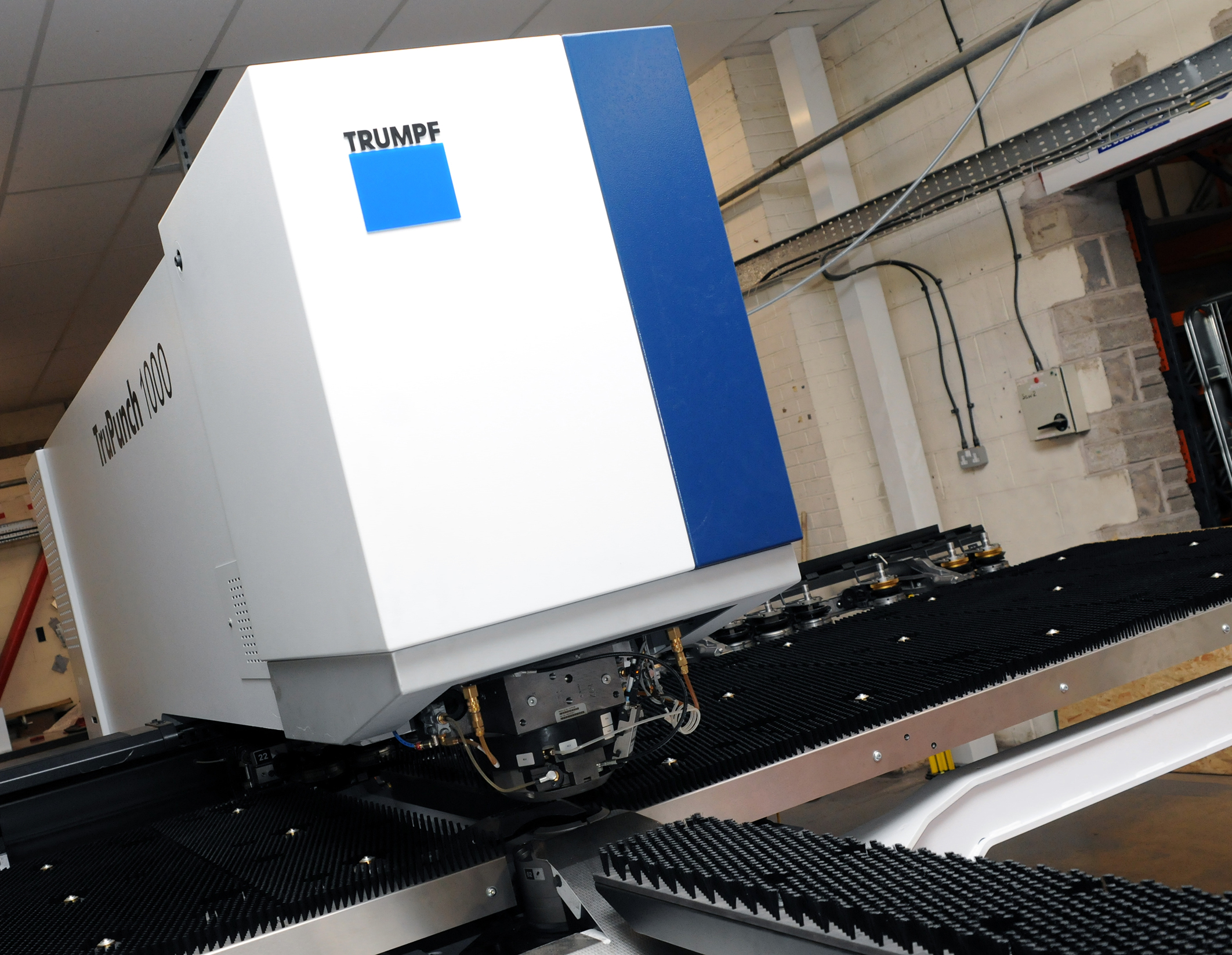
CMD INVESTS £1/4 MILLION IN NEW MACHINE AS PART OF FACTORY UPGRADE

We have invested in a new £1/4m TRUMPF CNC metal punch as part of an asset renewal strategy for our UK manufacturing capability. The new machine will be used in the production of a wide variety of our power distribution systems and workstation power products at our Rotherham factory. Suitable for handling sheet metal between 0.9mm and 3.0mm thick, the new machine will replace one...

Read more
CMD CATALOGUE PROVIDES TECHNICAL POWER DISTRIBUTION GUIDE

CMD Ltd has released a new catalogue, providing an easy to follow technical guide to our power distribution systems and plug and play desk modules. Detailing CMD’s full range of UK-manufactured power distribution systems and plug and play desk modules, the catalogue will be a helpful source of information to M&E engineers and contractors alike to understand how our power distribution systems connect together and...

Read more
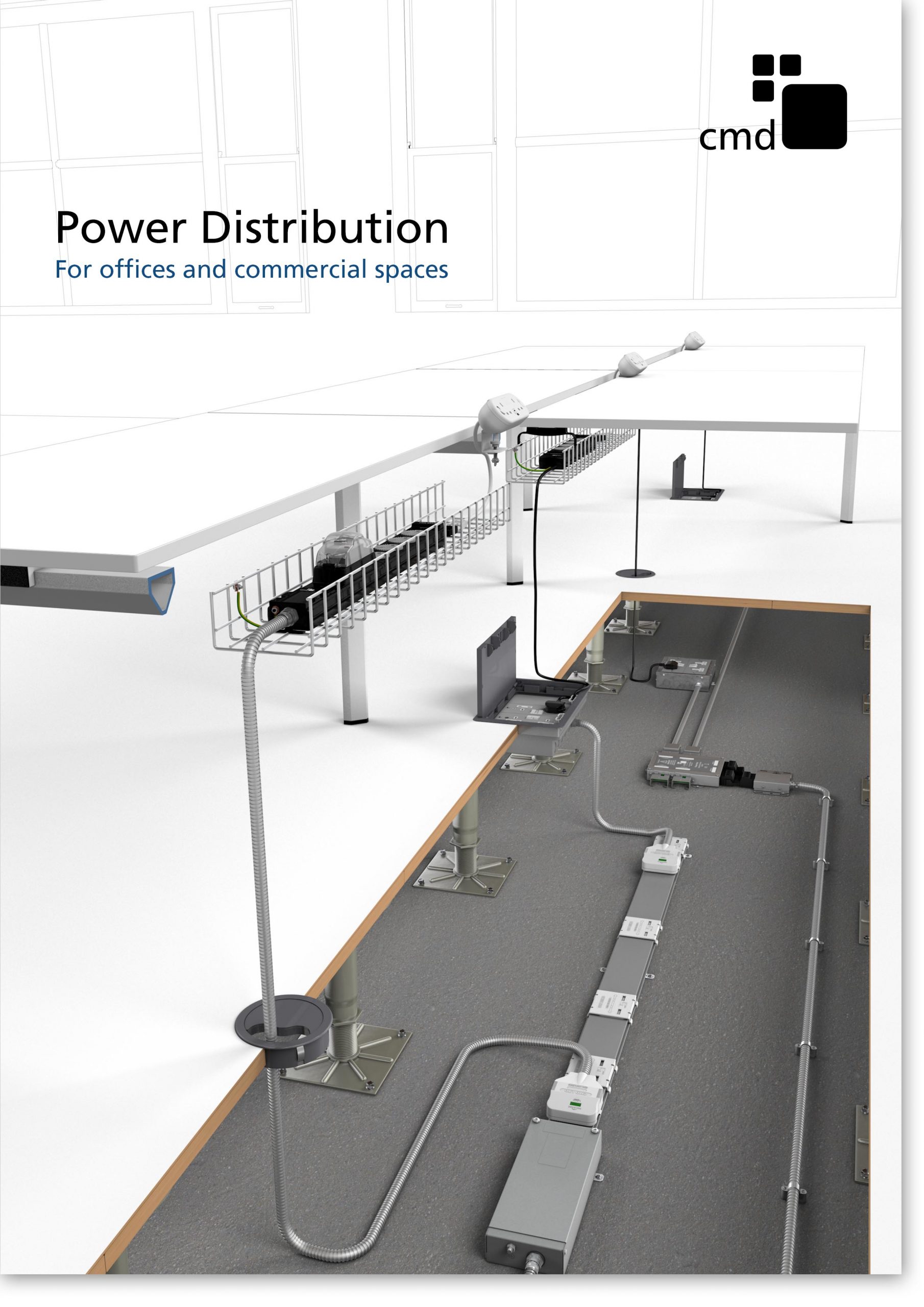
Power Distribution Catalogue
CMD Ltd PLAYS ESSENTIAL ROLE IN ELECTRICAL FIT OUT AT LONDON’S PRESTIGIOUS OFFICE DEVELOPMENT

CMD Ltd, specialist in workplace connectivity and ergonomic solutions, has provided a flexible and high-quality power distribution network for The Ray, a prestigious office development in London’s Farringdon. Well-known for being the former site of The Guardian newspaper, The Ray now stands as an 83,000ft² office development characterised by a modernised warehouse aesthetic, with level two now occupied by a global social media company. The...

Read more

The Ray
CMD plugs in to european opportunity with Schuko Capsule unit launch

CMD Ltd, the specialist in power and connectivity solutions for commercial environments, has launched a Schuko version of its popular fixed format Capsule workstation power module for export to mainland Europe and beyond. A popular on desk power module comprising two sockets and dual USB (type A and C) chargers, CMD’s Capsule unit is already widely specified in the UK as an off-the-shelf workstation power...

Read more
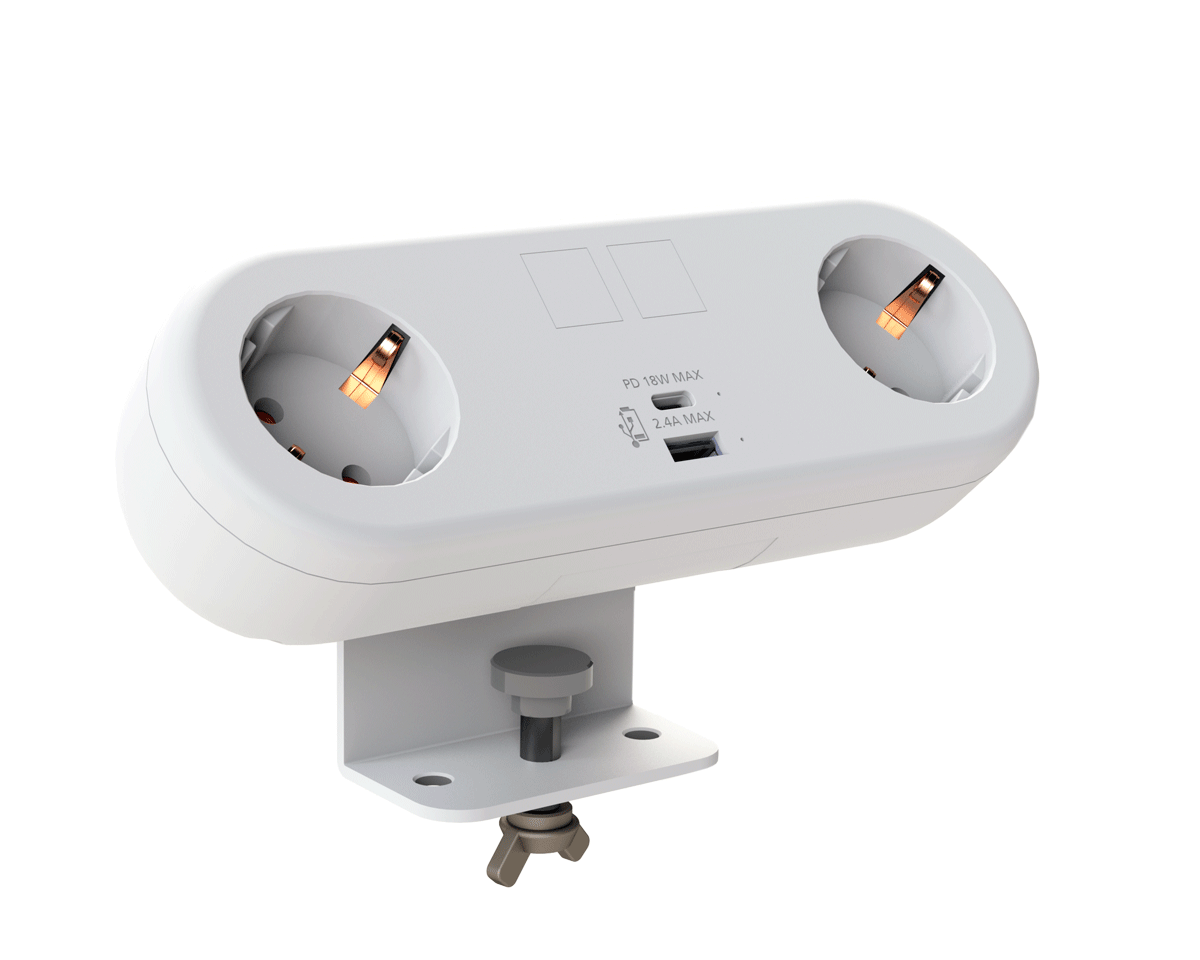
CMD White Schuko Capsule Desk Power Module
CMD LTD EXTENDS MONITOR ARM RANGE WITH THE LAUNCH OF REACH PLUS

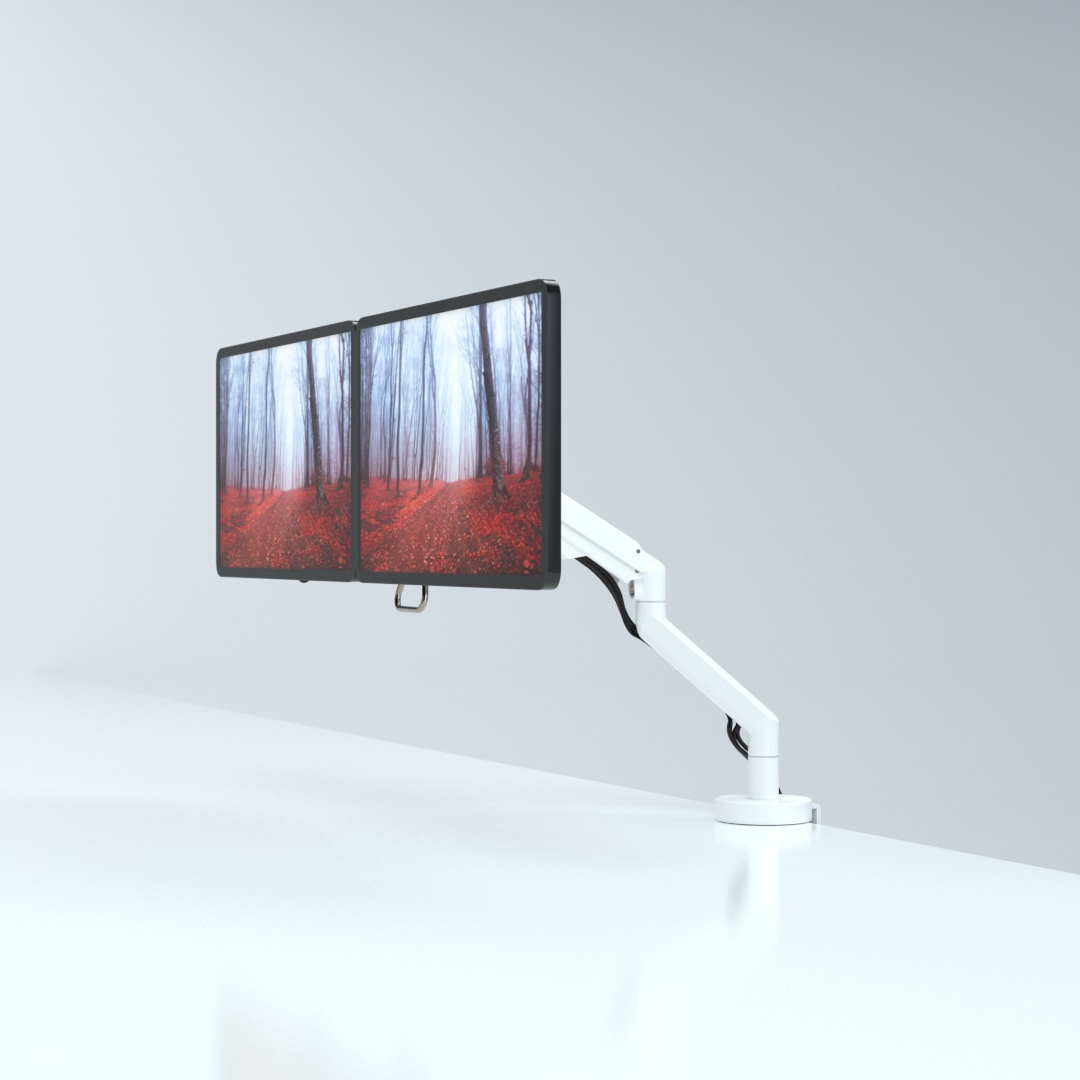
CMD Ltd, the specialist in ergonomic and connectivity solutions for commercial interiors, has completed its Reach monitor arm range with the launch of the Reach Plus. Available in single or dual screen options, the Reach Plus has been designed to provide an ideal solution for both single and dual screen workstation configurations, or can be used with next generation of large format curved screens. Suitable...

Read more
CMD Ltd DEMONSTRATES THE ART OF POWER DISTRIBUTION AT THE UNIVERSITY OF WARWICK

CMD Ltd, the specialist in workplace connectivity and ergonomic solutions, has provided Betatrak busbar power distribution and a range of electrical accessories for two major capital investment projects at the University of Warwick. Designed by Fielden Clegg Bradley Studios, the £33 million Faculty of Arts building is a showpiece development comprising four interconnected structures set around a central atrium, which will enable inter-disciplinary collaboration across...

Read more

University of Warwick
CMD BRINGS HARMONY TO COVENTRY UNIVERSITY RESEARCH FACILITIES

CMD Ltd, the specialist in power distribution solutions and workstation power and ergonomics, has provided under desk and on desk power modules for the refurbishment of three Coventry University research buildings. Located on Coventry University Technology Park, a business park designed to encourage collaboration between the university and knowledge-based businesses, the three buildings are being repurposed as office accommodation for university research teams. The refurbishment...

Read more

Coventry University

What is a Digital Signage Player and How Does It Work?

In today's digital age, the importance of effective communication cannot be overstated. Enter the Digital Signage Player, a vital tool for businesses looking to engage their audience. This device is designed to display dynamic content on various screens, from storefronts to corporate offices. Its functionality goes beyond mere display; it operates as a central hub that streams media, updates information, and promotes brands in real-time.

Understanding how a Digital Signage Player works is crucial for maximizing its potential. These players receive content from a network and can manage multiple screens simultaneously. This flexibility allows for tailored messaging, enhancing customer experiences. However, the technology requires a thoughtful approach to avoid overwhelming viewers with information. Striking the right balance is key.

As we delve deeper into the specifics, it’s vital to consider the challenges that may arise. Network reliability, content relevance, and display quality all play significant roles in effectiveness. While the Digital Signage Player offers transformative capabilities, users must continuously evaluate their strategies to ensure success. By doing so, they can fully harness the power of digital signage in an ever-evolving landscape.

What is a Digital Signage Player and How Does It Work?

What is a Digital Signage Player?

A digital signage player is a device used to display content on digital signs. It connects to screens, streaming media, and various content management systems. The player handles video, images, and other forms of media, enabling businesses to communicate effectively with their audience. These devices are often used in retail stores, restaurants, and corporate environments.

Setting up a digital signage player requires attention to detail. Ensure compatibility with your screen and media sources. Also, consider the resolution and format of your content. Failure to align these aspects may lead to unclear displays. Regular updates to the content are essential for maintaining viewer engagement. Content should be relevant and attention-grabbing to make a strong impact.

When using a digital signage player, keep the following in mind. Regularly test the playback quality. Glitches can undermine your message. Also, engage with the audience on social media for feedback. Understanding viewer responses can guide future content choices. Maintaining consistency in branding is vital. It fosters recognition and trust among your audience. In the world of digital signage, small tweaks can lead to significant improvements.

Key Components of a Digital Signage Player

Digital signage players are crucial for modern visual communication. They act as the hub for displaying digital content across various platforms. A typical digital signage player consists of several key components. These components include hardware, software, and connectivity options. Each element plays a vital role in the overall functionality of the system.

The hardware aspect generally includes a media player device and a display unit. According to a recent report by MarketsandMarkets, the digital signage market is expected to reach $31.62 billion by 2026, illustrating the growing reliance on advanced hardware. Software is equally essential, providing the interface for content management. This software enables users to create, schedule, and control the displayed content effortlessly. Many businesses fail to maximize their signage potential due to inadequate software training.

Connectivity options also play a vital role. They ensure that digital signage players stay updated with real-time data. These can range from wired Ethernet to wireless connections like Wi-Fi and Bluetooth. Industry insights indicate that 58% of digital signage users prioritize network reliability. This reliance means that poor connectivity can undermine the effectiveness of an otherwise stellar display system. Each component must work together seamlessly to achieve the desired impact and facilitate effective communication.

How Digital Signage Players Operate

Digital signage players are critical components in the realm of visual communication. They serve as the backbone for displaying dynamic content across various digital surfaces. These players can manage and stream multimedia content seamlessly, allowing businesses to convey messages effectively. According to a report from MarketsandMarkets, the digital signage market is projected to grow from USD 20 billion in 2021 to over USD 30 billion by 2026. This growth reflects the rising adoption of digital signage solutions across retail, transportation, and corporate sectors.

Digital signage players typically operate by receiving content from a central server. They process this content and deliver it to screens in real-time. A key feature is their ability to integrate with various data sources, enabling tailored displays based on audience engagement. For instance, studies found that targeted digital signage can increase sales by 30%. However, issues may arise with connectivity and player compatibility, which can disrupt the intended message delivery.

Understanding the function and operation of digital signage players requires insight into technology and marketing. The effectiveness of these players hinges on not just hardware but also software capabilities. As businesses evaluate their digital signage strategies, they must consider content relevance and audience engagement tactics. Missteps in these areas can lead to ineffective messaging, highlighting the need for continuous optimization and adjustment in their setup.

What is a Digital Signage Player and How Does It Work? - Data Overview

Dimension Description Typical Features
Hardware The physical device that retrieves and displays content for digital signage. Processor, RAM, Storage, Output Ports
Software The application used to manage and schedule content on the digital signage player. Content Management System (CMS), User Interface, Analytics tools
Connectivity Methods through which the player connects to the network and content sources. Wi-Fi, Ethernet, 4G/5G
Compatibility Ability to work with different display types and content formats. HDMI, DisplayPort, image and video formats
Deployment How the player can be installed and configured in various locations. Wall-mounted, Tabletop, Kiosk setup
Content Delivery Methods to deliver and update content remotely to the player. Cloud-based, Local storage updates, Remote management

Types of Digital Signage Players Available

Digital signage players are crucial in the digital communication landscape. They serve as the backbone for displaying content on screens. Different types of players cater to various needs. There are hardware players, software-based players, and cloud-based options.

Hardware players are standalone devices that connect directly to displays. They often require minimal setup but can lack flexibility. Software-based players utilize existing computer hardware and offer more versatility. They allow users to update content in real time. A report by the Digital Signage Federation states that nearly 70% of businesses prefer software players for their scalability.

Cloud-based digital signage players are gaining traction. They offer robust remote management capabilities, making content updates easier. According to a 2022 industry survey, cloud solutions provide a 40% reduction in operational costs. However, dependency on internet connectivity can be a drawback. Each type of player has strengths and weaknesses, and choosing the right option requires careful consideration.

Benefits of Using Digital Signage Players

Digital signage players are becoming essential in various industries. They offer significant advantages that enhance communication and customer engagement. According to a recent report by MarketsandMarkets, the digital signage market is expected to grow from $23.5 billion in 2023 to $34.2 billion by 2028, reflecting the increasing adoption of this technology.

One major benefit of digital signage players is their ability to deliver real-time content updates. This feature allows businesses to respond quickly to changing circumstances. For example, retailers can alter promotions based on inventory or customer behavior. Studies indicate that dynamic content can increase viewer engagement by up to 400%. This level of interactivity is not achievable with traditional static signage.

Flexibility is another key advantage. Digital signage players permit a diverse range of media formats, including videos, images, and text. This versatility helps to capture attention more effectively than a single static message. Moreover, companies can tailor these displays for specific audiences. Over time, this customization can lead to improved brand loyalty and customer retention.

While digital signage players are beneficial, businesses must reflect on their strategy. Choosing the right content and placement is crucial. Poorly managed displays can lead to viewer fatigue, reducing their effectiveness. Investing in quality and relevance will enhance the overall impact.