

News

Miro: A New Standard in Responsible Innovation

Miro: A New Standard in Responsible Innovation The Miro monitor arm is setting new benchmarks in sustainability. It offers a high-performance solution without compromising on environmental responsibility. Designed with careful material selection, local sourcing, and longevity in mind, Miro’s responsible approach to design and unique manoeuvrability set it apart from the competition. Sustainable Choices Miro is crafted from energy-efficient materials with a lower carbon impact....

Read more
HSE Advisor

Role Purpose Support in the development, implementation and maintenance of the company’s Health, Safety & Environmental policies, processes, operational procedures, and standards.  Ensuring best practice and championing a continually improving HSE culture within the business. Key Responsibilities Liaise with and provide support to all areas of the business to eliminate, mitigate or reduce identified HSE exposures. Partner with the production management team and team leaders,...

Read more
CMD Ltd LAUNCHES 48-HOUR TURNAROUND ON BETATRAK® RAPID ORDERING SERVICE

CMD Ltd, the specialist in power distribution systems, workstation power and monitor arms, has launched a rapid ordering service for its Betatrak® underfloor powertrack distribution systems and accessories, with a commitment to delivering within 48-hours of an approved purchase order*. The service enables customers to order up to 50 lengths of Standard or Clean Earth (C/E) low noise Betatrak, along with up to 25 feed...

Read more

CMD INVESTS £1/4 MILLION IN NEW MACHINE AS PART OF FACTORY UPGRADE

We have invested in a new £1/4m TRUMPF CNC metal punch as part of an asset renewal strategy for our UK manufacturing capability. The new machine will be used in the production of a wide variety of our power distribution systems and workstation power products at our Rotherham factory. Suitable for handling sheet metal between 0.9mm and 3.0mm thick, the new machine will replace one...

Read more

CMD CATALOGUE PROVIDES TECHNICAL POWER DISTRIBUTION GUIDE

CMD Ltd has released a new catalogue, providing an easy to follow technical guide to our power distribution systems and plug and play desk modules. Detailing CMD’s full range of UK-manufactured power distribution systems and plug and play desk modules, the catalogue will be a helpful source of information to M&E engineers and contractors alike to understand how our power distribution systems connect together and...

Read more

Power Distribution Catalogue
CMD Ltd PLAYS ESSENTIAL ROLE IN ELECTRICAL FIT OUT AT LONDON’S PRESTIGIOUS OFFICE DEVELOPMENT

CMD Ltd, specialist in workplace connectivity and ergonomic solutions, has provided a flexible and high-quality power distribution network for The Ray, a prestigious office development in London’s Farringdon. Well-known for being the former site of The Guardian newspaper, The Ray now stands as an 83,000ft² office development characterised by a modernised warehouse aesthetic, with level two now occupied by a global social media company. The...

Read more

The Ray
CMD plugs in to european opportunity with Schuko Capsule unit launch

CMD Ltd, the specialist in power and connectivity solutions for commercial environments, has launched a Schuko version of its popular fixed format Capsule workstation power module for export to mainland Europe and beyond. A popular on desk power module comprising two sockets and dual USB (type A and C) chargers, CMD’s Capsule unit is already widely specified in the UK as an off-the-shelf workstation power...

Read more
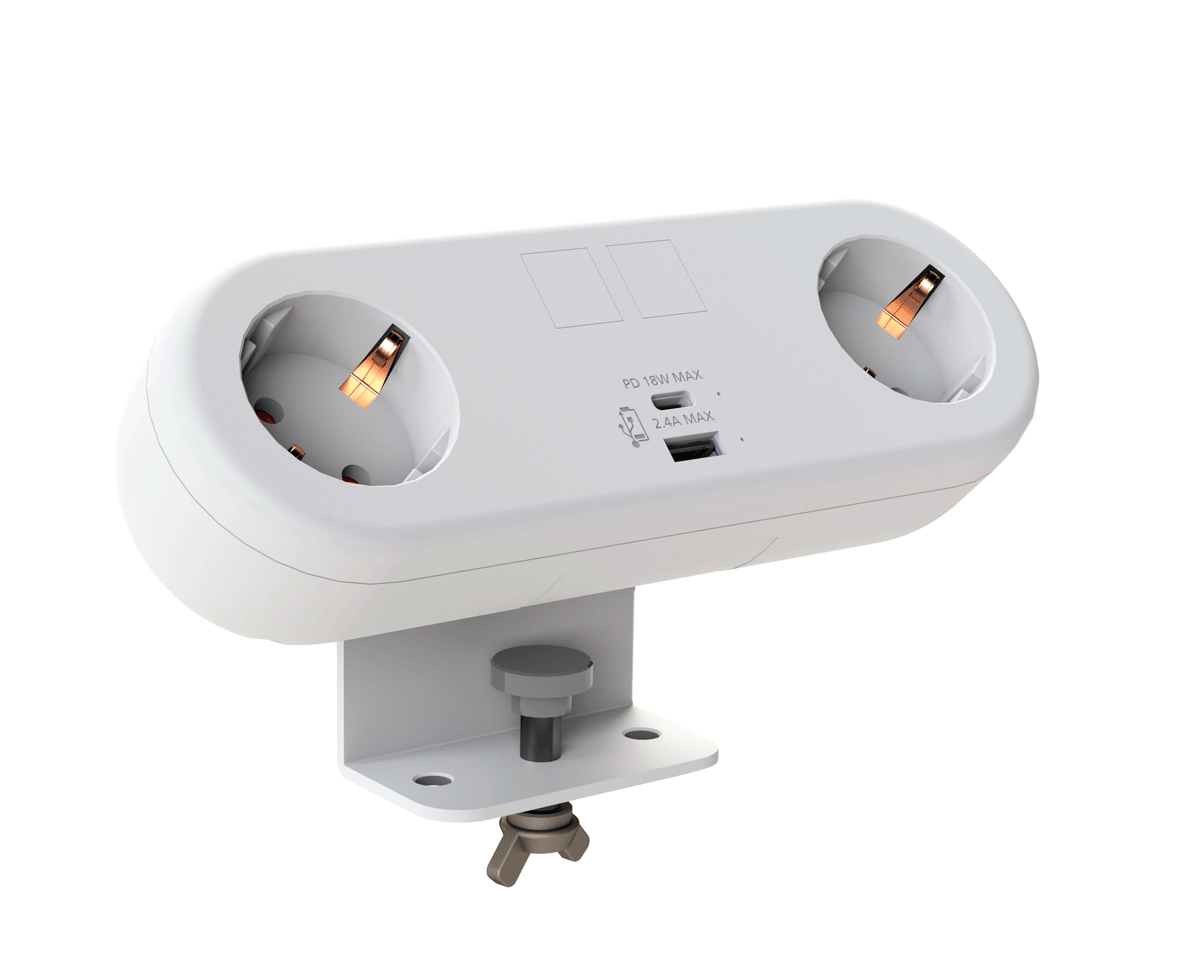
CMD White Schuko Capsule Desk Power Module
CMD LTD EXTENDS MONITOR ARM RANGE WITH THE LAUNCH OF REACH PLUS

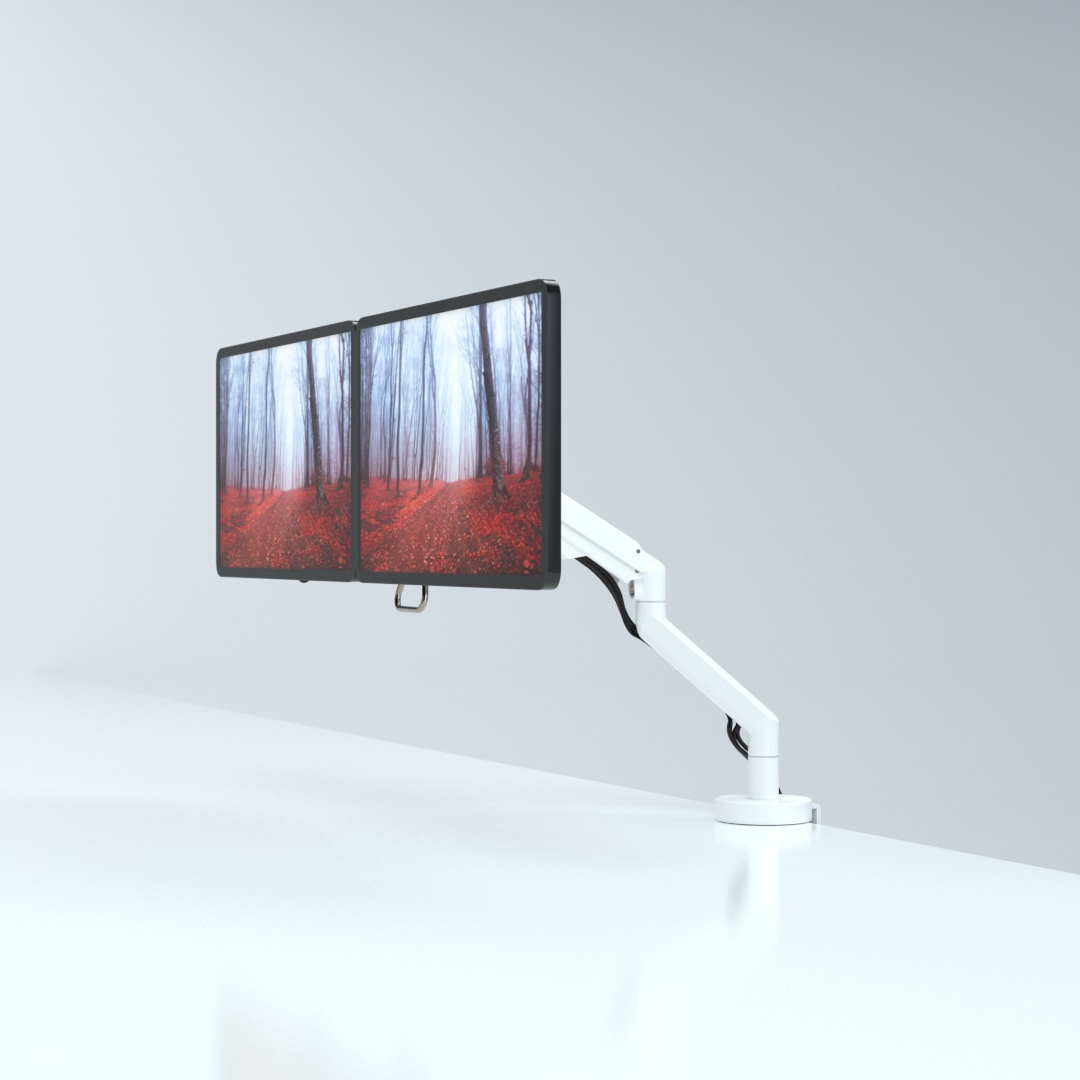
CMD Ltd, the specialist in ergonomic and connectivity solutions for commercial interiors, has completed its Reach monitor arm range with the launch of the Reach Plus. Available in single or dual screen options, the Reach Plus has been designed to provide an ideal solution for both single and dual screen workstation configurations, or can be used with next generation of large format curved screens. Suitable...

Read more
CMD Ltd DEMONSTRATES THE ART OF POWER DISTRIBUTION AT THE UNIVERSITY OF WARWICK

CMD Ltd, the specialist in workplace connectivity and ergonomic solutions, has provided Betatrak busbar power distribution and a range of electrical accessories for two major capital investment projects at the University of Warwick. Designed by Fielden Clegg Bradley Studios, the £33 million Faculty of Arts building is a showpiece development comprising four interconnected structures set around a central atrium, which will enable inter-disciplinary collaboration across...

Read more

University of Warwick
CMD BRINGS HARMONY TO COVENTRY UNIVERSITY RESEARCH FACILITIES

CMD Ltd, the specialist in power distribution solutions and workstation power and ergonomics, has provided under desk and on desk power modules for the refurbishment of three Coventry University research buildings. Located on Coventry University Technology Park, a business park designed to encourage collaboration between the university and knowledge-based businesses, the three buildings are being repurposed as office accommodation for university research teams. The refurbishment...

Read more

Coventry University

What Are the Different Types of Hip Joints Available?

The hip joint is a crucial component of human mobility, providing flexibility and support. Dr. Emily Carter, an orthopedic surgeon with over 15 years of experience, emphasizes the importance of understanding different hip joint types. She states, "Choosing the right hip joint type can significantly affect a patient’s quality of life." This insight highlights the need for clarity in the options available.

There are various hip joint types, each designed for specific conditions or patient needs. Traditional options include total hip replacements and partial hip resurfacing. Each type offers unique benefits, depending on factors like age, activity level, and overall health. It's essential for patients to engage in discussions with their surgeons to find the most suitable type.

Despite advancements, the decision-making process can feel overwhelming. Some patients struggle to grasp the implications of each hip joint type. Others may face unexpected complications that need addressing. Therefore, it is vital to review choices critically and consider all aspects before making a decision.

What Are the Different Types of Hip Joints Available?

Types of Hip Joints: An Overview

When exploring the different types of hip joints, it’s essential to understand their inherent characteristics. Hip joints primarily serve to connect the femur and pelvis, facilitating movement and weight distribution. Two main types are commonly discussed: the natural hip joint and the artificial hip joint. Each design has its unique application and benefits.

Natural hips allow for a wide range of motions. They consist of cartilage and synovial fluid, which provide cushioning and lubrication. However, they are susceptible to wear and tear over time, leading to discomfort. On the other hand, artificial hip joints, crafted from metals and plastics, are a feasible alternative for patients with severe hip issues. While they can significantly improve mobility, the longevity and compatibility of these implants are ongoing concerns for healthcare professionals.

In surgical discussions, the choice between these joint types can be complex. Factors include patient age, activity level, and overall health. Surgeons must weigh the pros and cons carefully. While many patients benefit from replacements, some experience complications or require revision surgeries. Questions about the best options often arise, highlighting the need for informed choices and ongoing research.

Types of Hip Joints Available

Traditional Hip Joint Designs

Traditional hip joint designs have evolved significantly over the years, primarily focusing on improving mobility and longevity. The two most common designs are cemented and uncemented implants. According to a report by the American Academy of Orthopaedic Surgeons, over 90% of hip replacements rely on these two types. Cemented implants use bone cement to anchor the components, while uncemented versions rely on bone ingrowth for stability.

The longevity of these joints is paramount. Research shows that uncemented implants often provide better outcomes for younger patients. They are built to allow natural bone growth, which enhances stability. A study published in the Journal of Arthroplasty indicated that uncemented implants had a 15-year survival rate of over 95% in patients under 65. This makes them a promising choice for an active lifestyle.

Tip: When considering hip replacement, discuss the choice of implant with your surgeon. Different factors, including age, activity level, and overall health, can influence the decision.

Not all hip implants are created equal. Some patients may experience complications, even with traditional designs. Issues like dislocation or wear can occur over time. It’s essential to weigh the risks and benefits carefully.

Tip: Regular follow-ups with your healthcare provider can help monitor joint performance and address any potential concerns early.

Modern Innovations in Hip Joint Technology

Modern innovations in hip joint technology are transforming the landscape of orthopedic care. Surgeons now have access to advanced materials and designs that improve durability and function. Innovations like 3D printing enable customized implants tailored to individual anatomy. These bespoke solutions may lead to better mobility and reduced recovery times for patients.

Choosing the right hip joint is crucial. It must match the patient’s lifestyle and health condition. Tips for this decision include discussing options with your surgeon and researching the latest technologies. Consider factors like implant longevity and your activity level.

It's also essential to reflect on personal goals after surgery. What activities do you want to return to? Setting clear expectations can help. Remember that every innovation comes with potential risks. Understanding these can foster a greater appreciation for your treatment path. Stay informed and proactive in your care.

Comparative Analysis of Hip Joint Materials

The materials used in hip joints can significantly impact their functionality and longevity. Common materials include titanium, cobalt-chrome, and polyethylene. Research indicates that titanium offers excellent corrosion resistance, which enhances implant durability. Clinical studies show that titanium implants can last over 15 years in many patients, but they may not provide the best wear characteristics.

Cobalt-chrome alloys are also popular. They have high strength and wear resistance, making them suitable for high-demand patients. However, studies suggest that metal sensitivities could lead to complications in some individuals, raising questions about patient-specific factors.

Polyethylene is frequently used in the bearing surface. Cross-linked polyethylene shows better wear rates, improving implant lifespan. Yet, challenges like the risk of osteolysis remain. Data from leading orthopedic journals indicate that design and material choices must be tailored to individual patient needs for optimal outcomes. Despite advancements, there is still a significant gap in understanding how these materials interact long-term within the human body.

Patient Considerations for Choosing Hip Joints

Choosing the right type of hip joint is important for patients. Many factors come into play. Age, activity level, and overall health can influence decisions. Younger patients might prefer options that allow for more activity. Older patients may focus on durability and comfort.

Patients should also consider their level of pain and mobility. For some, metal-on-metal joints could provide the strength needed. Others might find ceramic-on-plastic joints to be a better fit due to reduced friction. Discussions with medical professionals are crucial. Patients need to express their lifestyle goals.

Doctors often recommend custom solutions. Each patient’s anatomy is unique, which can complicate choices. Some patients might feel overwhelmed by the options. It's normal to have questions and concerns. The journey to finding the right hip joint is personal. Reflection on experiences can help guide decisions. Selecting a hip joint requires thoughtful consideration and open communication.

What Are the Different Types of Hip Joints Available? - Patient Considerations for Choosing Hip Joints

Type of Hip Joint Material Durability Recommended For Potential Risks
Cemented Hip Joint Plastic and Metal Moderate Elderly Patients Infection, Loosening
Uncemented Hip Joint Titanium High Younger, Active Patients Initial Instability, Osteolysis
Hybrid Hip Joint Combination of Materials Very High All Ages Complex Surgery, Risk of Breakage
Resurfacing Hip Joint Metal High Active Younger Patients Metal Sensitivity, Less Bone Removal

Article Source: