

News

Miro: A New Standard in Responsible Innovation

Miro: A New Standard in Responsible Innovation The Miro monitor arm is setting new benchmarks in sustainability. It offers a high-performance solution without compromising on environmental responsibility. Designed with careful material selection, local sourcing, and longevity in mind, Miro’s responsible approach to design and unique manoeuvrability set it apart from the competition. Sustainable Choices Miro is crafted from energy-efficient materials with a lower carbon impact....

Read more
HSE Advisor

Role Purpose Support in the development, implementation and maintenance of the company’s Health, Safety & Environmental policies, processes, operational procedures, and standards.  Ensuring best practice and championing a continually improving HSE culture within the business. Key Responsibilities Liaise with and provide support to all areas of the business to eliminate, mitigate or reduce identified HSE exposures. Partner with the production management team and team leaders,...

Read more
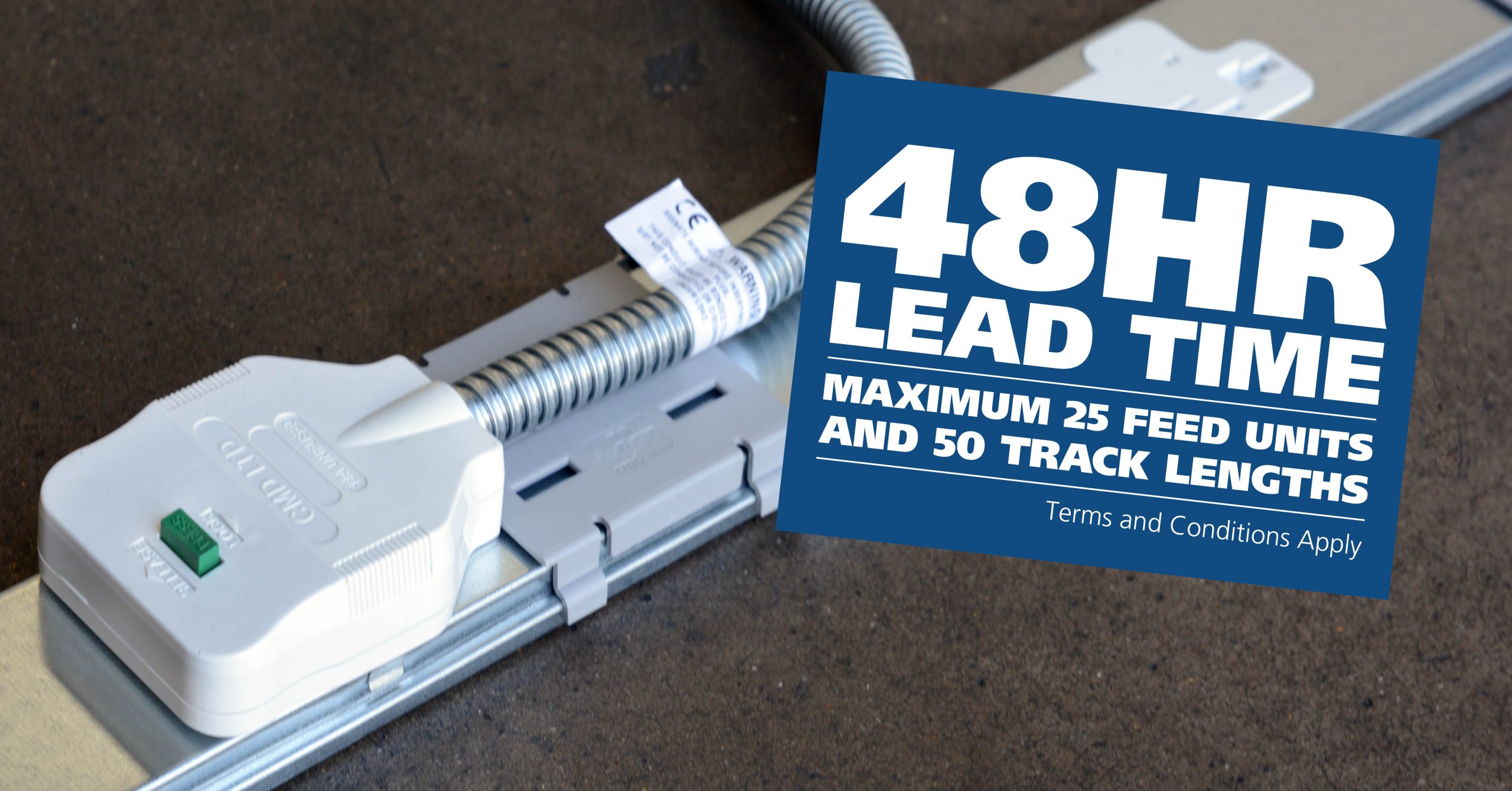
CMD Ltd LAUNCHES 48-HOUR TURNAROUND ON BETATRAK® RAPID ORDERING SERVICE

CMD Ltd, the specialist in power distribution systems, workstation power and monitor arms, has launched a rapid ordering service for its Betatrak® underfloor powertrack distribution systems and accessories, with a commitment to delivering within 48-hours of an approved purchase order*. The service enables customers to order up to 50 lengths of Standard or Clean Earth (C/E) low noise Betatrak, along with up to 25 feed...

Read more
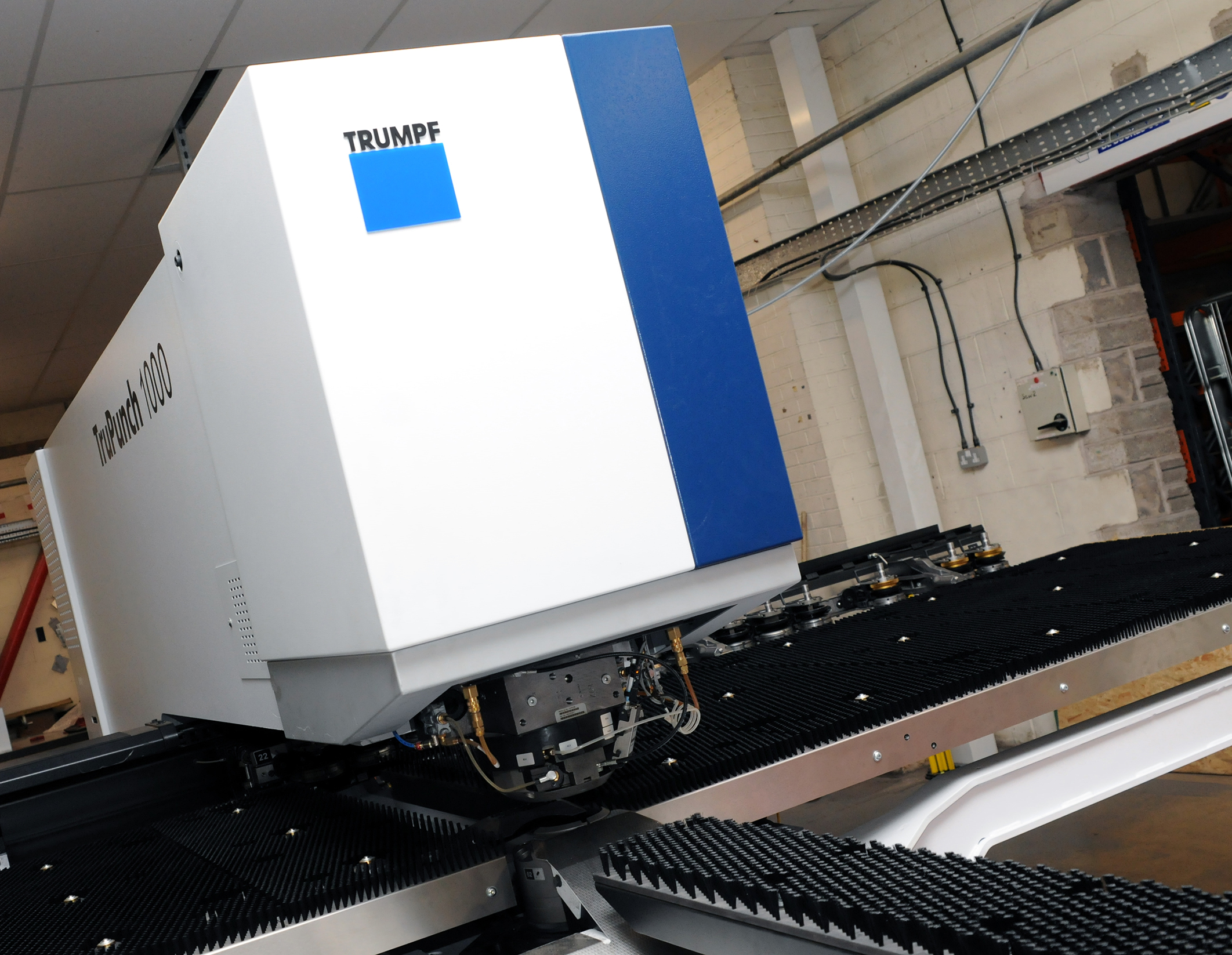
CMD INVESTS £1/4 MILLION IN NEW MACHINE AS PART OF FACTORY UPGRADE

We have invested in a new £1/4m TRUMPF CNC metal punch as part of an asset renewal strategy for our UK manufacturing capability. The new machine will be used in the production of a wide variety of our power distribution systems and workstation power products at our Rotherham factory. Suitable for handling sheet metal between 0.9mm and 3.0mm thick, the new machine will replace one...

Read more
CMD CATALOGUE PROVIDES TECHNICAL POWER DISTRIBUTION GUIDE

CMD Ltd has released a new catalogue, providing an easy to follow technical guide to our power distribution systems and plug and play desk modules. Detailing CMD’s full range of UK-manufactured power distribution systems and plug and play desk modules, the catalogue will be a helpful source of information to M&E engineers and contractors alike to understand how our power distribution systems connect together and...

Read more
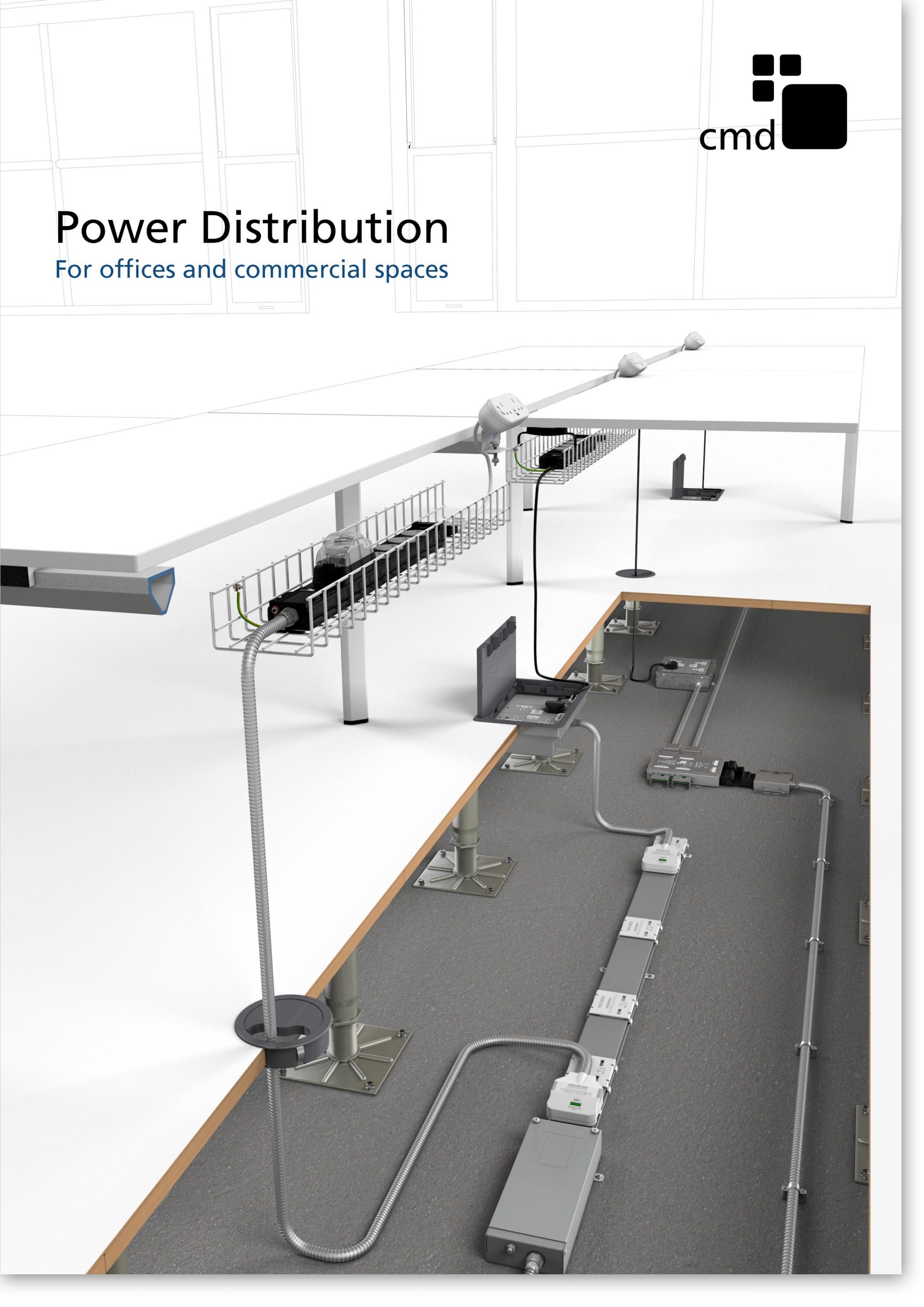
Power Distribution Catalogue
CMD Ltd PLAYS ESSENTIAL ROLE IN ELECTRICAL FIT OUT AT LONDON’S PRESTIGIOUS OFFICE DEVELOPMENT

CMD Ltd, specialist in workplace connectivity and ergonomic solutions, has provided a flexible and high-quality power distribution network for The Ray, a prestigious office development in London’s Farringdon. Well-known for being the former site of The Guardian newspaper, The Ray now stands as an 83,000ft² office development characterised by a modernised warehouse aesthetic, with level two now occupied by a global social media company. The...

Read more

The Ray
CMD plugs in to european opportunity with Schuko Capsule unit launch

CMD Ltd, the specialist in power and connectivity solutions for commercial environments, has launched a Schuko version of its popular fixed format Capsule workstation power module for export to mainland Europe and beyond. A popular on desk power module comprising two sockets and dual USB (type A and C) chargers, CMD’s Capsule unit is already widely specified in the UK as an off-the-shelf workstation power...

Read more
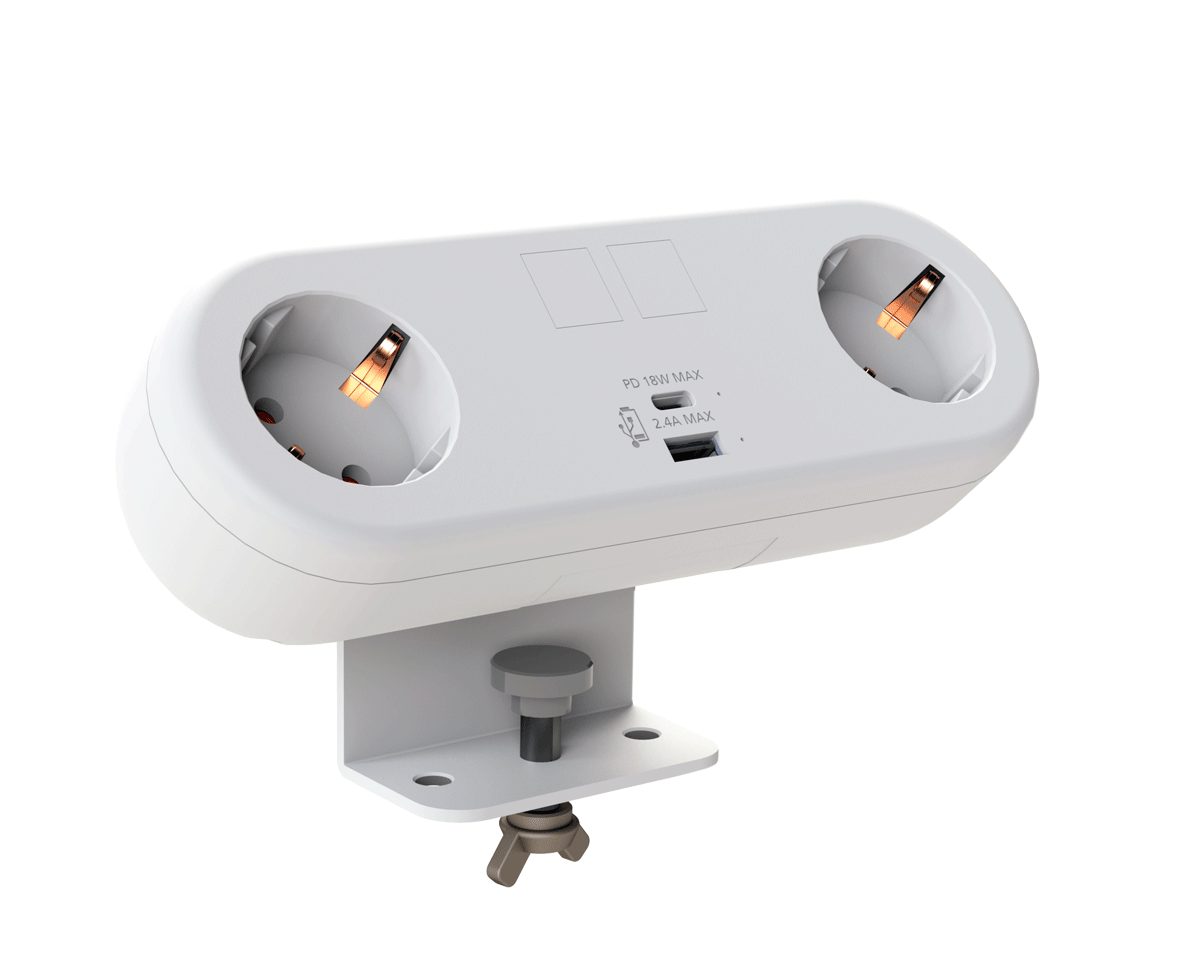
CMD White Schuko Capsule Desk Power Module
CMD LTD EXTENDS MONITOR ARM RANGE WITH THE LAUNCH OF REACH PLUS

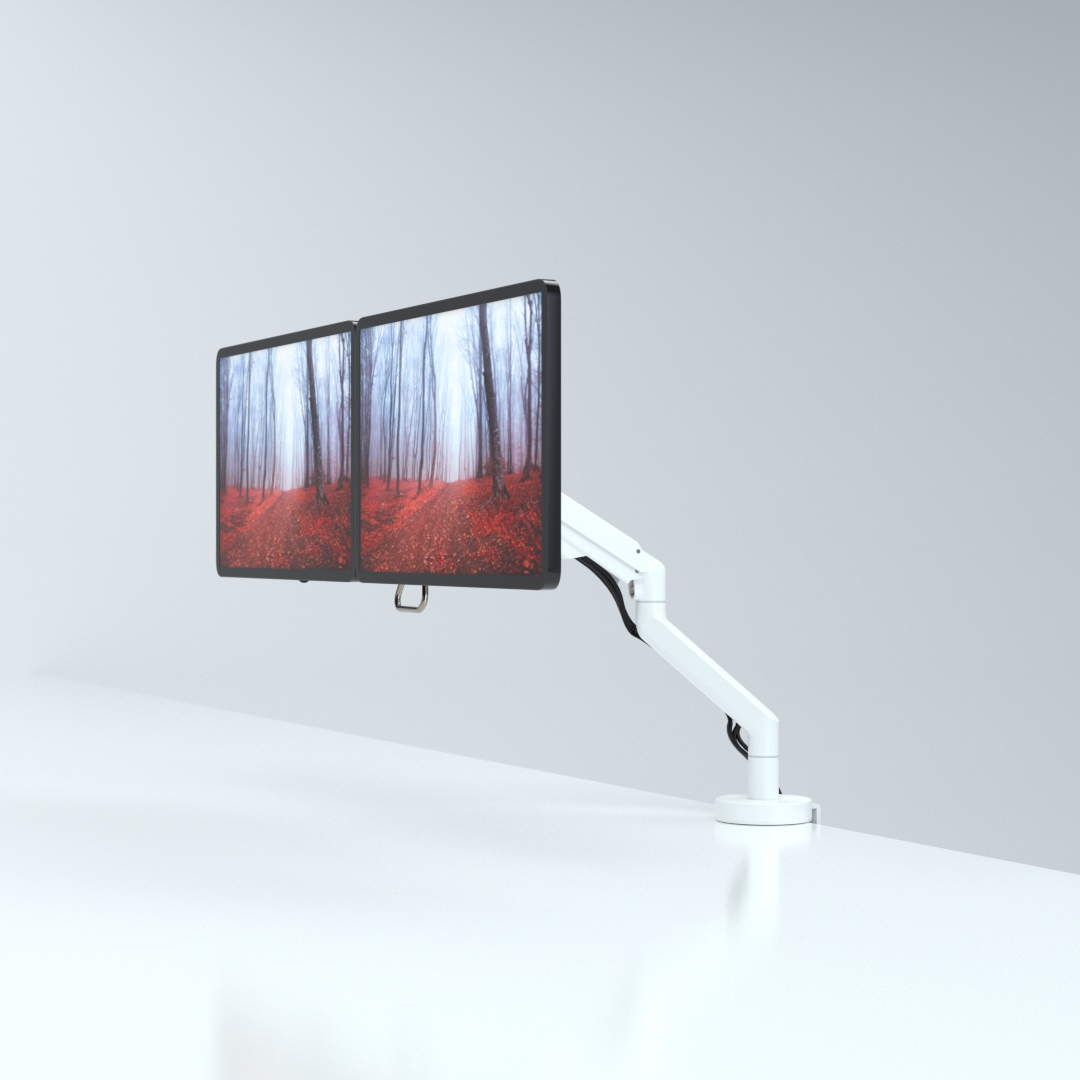
CMD Ltd, the specialist in ergonomic and connectivity solutions for commercial interiors, has completed its Reach monitor arm range with the launch of the Reach Plus. Available in single or dual screen options, the Reach Plus has been designed to provide an ideal solution for both single and dual screen workstation configurations, or can be used with next generation of large format curved screens. Suitable...

Read more
CMD Ltd DEMONSTRATES THE ART OF POWER DISTRIBUTION AT THE UNIVERSITY OF WARWICK

CMD Ltd, the specialist in workplace connectivity and ergonomic solutions, has provided Betatrak busbar power distribution and a range of electrical accessories for two major capital investment projects at the University of Warwick. Designed by Fielden Clegg Bradley Studios, the £33 million Faculty of Arts building is a showpiece development comprising four interconnected structures set around a central atrium, which will enable inter-disciplinary collaboration across...

Read more

University of Warwick
CMD BRINGS HARMONY TO COVENTRY UNIVERSITY RESEARCH FACILITIES

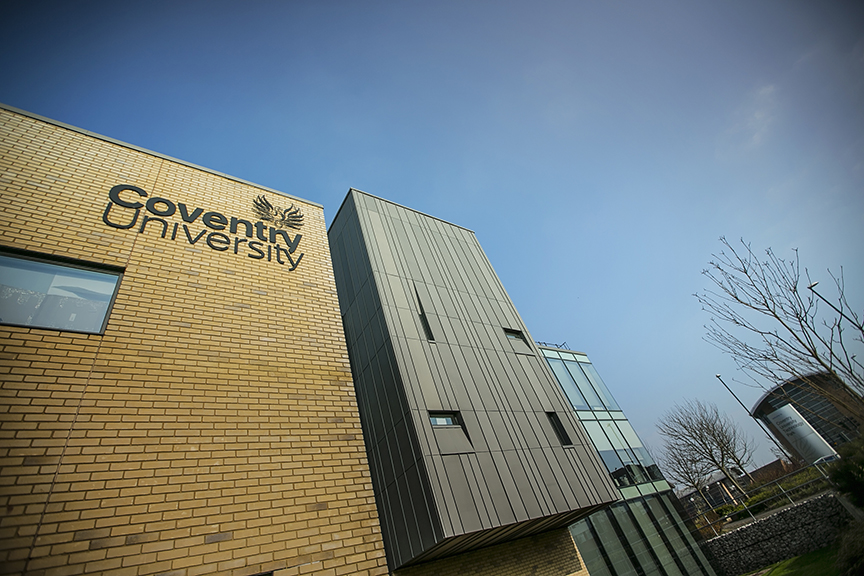
CMD Ltd, the specialist in power distribution solutions and workstation power and ergonomics, has provided under desk and on desk power modules for the refurbishment of three Coventry University research buildings. Located on Coventry University Technology Park, a business park designed to encourage collaboration between the university and knowledge-based businesses, the three buildings are being repurposed as office accommodation for university research teams. The refurbishment...

Read more
Coventry University

Top Die Cast Part Surface Finishing Options for Buyers

Choosing a finish for a die-cast component is not a cosmetic decision. It affects corrosion resistance, coating adhesion, electrical contact, appearance, and the cost of every production run. A bright, even surface may suit a visible appliance housing, while a conversion coating may better serve a part exposed to moisture. The right choice depends on alloy, geometry, operating conditions, and the buyer’s acceptance criteria.

The scale of the market makes this decision consequential. Grand View Research estimated the global die casting market at USD 82.7 billion in 2023 and projected a 6.2% compound annual growth rate from 2024 to 2030. That figure covers die casting broadly, not finishing alone. For practical requirements, buyers can consult NADCA’s Product Specification Standards for Die Castings and request sample parts before approving a process. Look closely at recessed corners, machined faces, and edges where coating thickness can vary. Small details matter.

Die Cast Part Surface Finishing options include conversion coatings, powder coating, wet painting, plating, and mechanical treatments. Each brings trade-offs in cost, appearance, protection, and dimensional impact. One limitation deserves candor: I could not verify a direct quotation from a named finishing specialist, so I have not invented one. Treat broad market forecasts as context, not proof that a particular finish will perform. Ask suppliers for documented process limits, test results, and parts finished on the same alloy and geometry. A sample can still mislead. Production variation needs review.

Top Die Cast Part Surface Finishing Options for Buyers

What Surface Finishing Adds to Die Cast Parts

Surface finishing changes how a die cast part performs, feels, and holds up in use. A conversion coating or paint layer can slow corrosion and reduce staining, while powder coating adds a thicker, durable surface. Polishing can make visible faces smoother, but it may also reveal small pits that were less obvious on the raw casting. Small details matter. A finish can improve grip, cleanability, or appearance, depending on the part’s job.

The choice should match the alloy, environment, and required dimensions. For example, a housing used outdoors may need corrosion protection, while a component with close-fitting holes may require masking during coating. Finishing adds thickness, so fit and tolerance checks should happen before production approval. It does not repair internal porosity or poor casting quality.

Not always. A premium finish may add cost without improving a hidden component.

Ask for sample parts, inspect edges and recesses, and confirm that the process produces consistent coverage. One practical caution: a perfect-looking sample does not guarantee every production batch will look identical. The specification should define acceptable color, texture, and visible defects.

How to Define Performance and Appearance Requirements

Before selecting a die cast surface finish, define what the part must do and what users will see. A handled housing may need consistent color and resistance to fingerprints. A hidden bracket may prioritize corrosion protection and fit over gloss. Be specific. Record the alloy, casting condition, machined areas, expected environment, and any contact with seals or fasteners.

Translate those details into measurable acceptance criteria. State visible zones, allowable texture variation, color range, coating thickness, and inspection method. For a mating face, set a roughness or flatness limit and mask it if coating could affect assembly. For outdoor use, describe moisture, cleaning chemicals, and temperature exposure instead of asking for a “durable” finish. That word is vague. Approve a sample under the same lighting used for inspection; color can look different in a workshop.

Keep performance and appearance requirements separate, then check where they conflict. A thicker coating may improve coverage but alter holes or edges. Polishing can brighten a surface while revealing porosity. It is easy to overreact to a small cosmetic mark and overlook a functional edge condition. That deserves a second look. Agree on defect limits, document the approved sample, and revisit the criteria after pilot parts reveal process variation.

Common Surface Finishing Options for Die Cast Parts

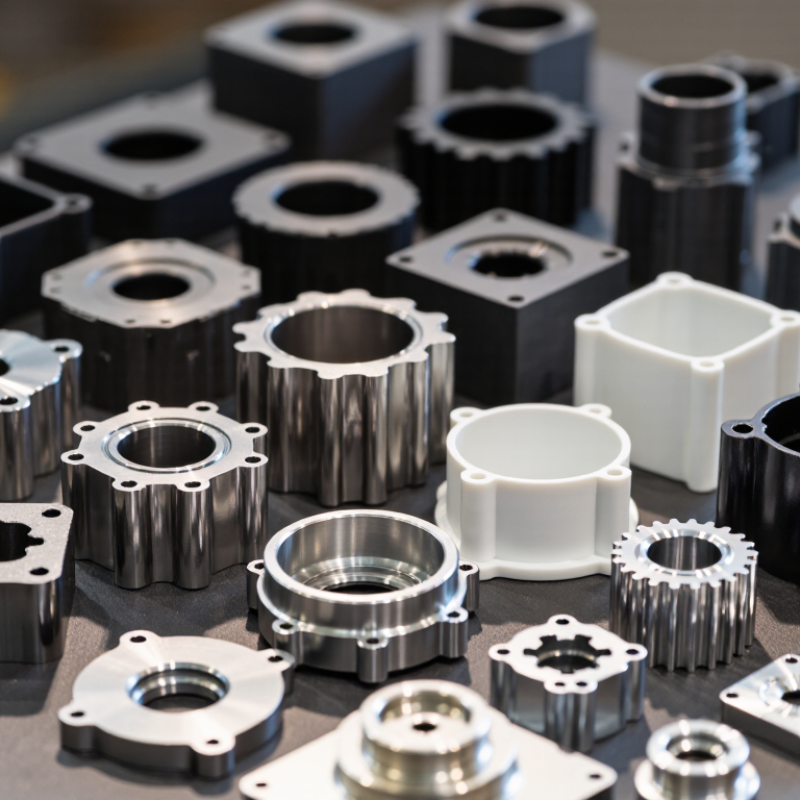
Die-cast parts can be finished in several ways, depending on their alloy, shape, and working environment. Powder coating creates a durable, even layer and suits housings or brackets that need color. Wet paint can cover complex shapes, though careful cleaning and curing matter. Plating gives zinc parts a bright, metallic appearance, while conversion coatings can improve corrosion resistance or paint adhesion. Bead blasting creates a uniform matte texture, but it does not protect the surface by itself.

Tips: Confirm the alloy before choosing a finish. Ask for sample parts when color or texture matters. Check edges, holes, and recessed areas; coating thickness may vary there.

Surface preparation is easy to underestimate. Trapped release agent, pores, or sharp edges can cause poor adhesion or visible defects. Anodizing may work on some aluminum die castings, but silicon content and alloy composition can affect the result. It is not a universal choice. A supplier should review the part drawing and intended use before recommending a process. Even then, finish samples may differ slightly from production parts, so set realistic appearance limits.

Top Die Cast Part Surface Finishing Options for Buyers

Typical coating thickness ranges for common die cast part finishes

Thickness ranges are typical reference values, not universal specifications. Actual results vary by alloy, part geometry, preparation, and finishing requirements. Anodizing is applicable only to suitable aluminum alloys; die cast alloys may produce variable results.

How Material and Part Design Affect Finish Selection

Material and part design shape the finish long before a coating is applied. Aluminum die castings are lightweight, but their silicon content and surface porosity can make decorative anodizing less consistent. A conversion coating or powder coat may provide more predictable coverage. Zinc alloys often support smooth plating, though thin walls and small features need careful handling. Magnesium requires a compatible pretreatment to help coatings adhere.

Geometry matters just as much. Deep recesses can trap pretreatment chemicals, while sharp edges may receive thinner coating coverage. Ribs, narrow slots, and draft angles can complicate polishing or blasting. For example, a textured powder coat can hide minor surface variation on a broad housing, but it may soften fine lettering. Ask for sample parts made with the intended alloy and tooling. A finish that looks even on a flat test panel may behave differently around bosses and corners. I have seen specifications focus on color, then overlook masking locations and coating buildup.

Tips: Share the alloy, drawing, and critical dimensions with your finisher. Mark surfaces that need masking or tight tolerances. Request a sample from production tooling, and inspect both visible faces and recessed areas. Be ready to revise the finish if the first trial exposes weak spots.

How to Compare Finishes for Cost, Durability, and Production Needs

Choosing a die cast finish starts with the part’s job, not its appearance. A decorative indoor housing may need only a smooth, consistent coating. An outdoor bracket faces moisture, handling, and temperature changes. Powder coating can provide a tough, opaque layer, but sharp edges and deep recesses may receive uneven coverage. Check sample parts from the actual casting process. A polished prototype can hide porosity that appears later.

Compare total production cost, not just the quoted finish price. Include cleaning, surface preparation, masking, inspection, and expected rework. Plating can create a bright, durable surface, yet casting pores may cause defects unless preparation is controlled. Anodizing is not equally predictable across all die cast alloys. Ask the supplier to confirm alloy compatibility and show finished production samples. Small details matter.

Durability claims need context. A salt-spray result does not guarantee years of service in every environment. Match testing to real exposure, including abrasion, cleaning chemicals, and contact with other components. For high-volume runs, consider line speed, rack space, color consistency, and how easily defects can be detected. It depends. A finish that looks premium on one sample may be costly at scale. Sometimes, a simpler coating with clear acceptance criteria is the safer choice.

Top Die Cast Part Surface Finishing Options for Buyers - How to Compare Finishes for Cost, Durability, and Production Needs
Finish option Appearance and surface effect Relative cost Durability and protection Production fit Best suited for Buyer considerations
As-cast with basic trimming Retains the die-cast texture and visible parting-line or gate-removal marks; appearance varies with tooling and process control. Low Provides no added coating protection. Performance depends on the alloy and service environment. Fastest option; avoids a separate coating line. Internal components, concealed parts, and applications where appearance or added corrosion protection is not critical. Agree on acceptable surface variation, flash, and gate-removal marks. Specify any cosmetic zones separately.
Vibratory or tumble deburring Removes small burrs and can soften sharp edges; typically leaves a uniform, matte surface rather than a high-gloss finish. Low to moderate Improves edge condition but does not provide a corrosion-resistant coating. Suitable for batch processing and repeat production; part geometry must allow media to reach relevant areas. Parts needing smoother edges before assembly, handling, or a later coating step. Confirm that media will not damage thin features, critical dimensions, threads, or precision surfaces.
Bead blasting Creates a consistent matte or satin appearance and can reduce the visual contrast of minor surface irregularities. Low to moderate Does not add a protective film; blasted surfaces may need prompt coating where corrosion is a concern. Can be used as a standalone cosmetic step or as surface preparation before painting or powder coating. Decorative housings and parts requiring a uniform, non-glossy surface. Specify media, pressure, and masking requirements. Blasting does not remove major casting defects.
Powder coating Provides a broad range of colors and gloss levels with a relatively thick, continuous film. Moderate Generally offers good abrasion and corrosion protection when the surface is properly pretreated and the coating is correctly cured. Well suited to repeat production; curing requires a compatible oven cycle and adequate part fixturing. Exterior housings, brackets, and parts needing durable color and a substantial protective layer. Check cure-temperature compatibility, coating thickness at edges and recesses, masking needs, and possible gas release from porous castings.
Wet paint Allows a wide choice of colors, gloss levels, and visual effects; can be applied in relatively controlled film thicknesses. Moderate; varies by coating system and application method Protection depends on the paint chemistry, film build, pretreatment, and exposure conditions. Flexible for different part sizes and lower-volume color changes; drying or curing time affects throughput. Parts requiring specific colors, visual effects, or a finish that is difficult to achieve with powder coating. Define the paint system and required performance. Include surface preparation, masking, and handling in the cost comparison.
Conversion coating Usually produces a thin, clear or lightly colored surface with little change to part dimensions. Low to moderate Can improve corrosion resistance and paint adhesion, but is generally less protective as a standalone finish than a substantial paint or powder film. Often used as a pretreatment before painting or powder coating; process suitability depends on the alloy and specification. Parts needing a thin pretreatment layer or a base for a subsequent coating. Confirm the coating chemistry, alloy compatibility, and required test standard. Do not assume all conversion coatings provide the same protection.
Electroplating Can provide a metallic appearance, including bright or satin finishes, depending on the plating system. Moderate to high Protection and wear performance depend on the substrate, underlayers, deposit thickness, and plating system. Requires controlled cleaning and pretreatment; production timing includes multiple process stages. Decorative or functional parts needing a metallic surface, subject to suitable substrate and process design. Specify the base alloy, plating stack, thickness, and acceptance criteria. Die-cast porosity and surface defects can affect appearance and coating integrity.
Anodizing (aluminum alloys) Forms an oxide layer and can create a range of colors; results depend strongly on alloy composition and surface condition. Moderate to high Can improve surface wear and corrosion performance when the alloy and anodizing process are suitable. Requires alloy-specific process control and consistent pretreatment; cosmetic consistency can be challenging across some die-cast alloys. Selected aluminum die-cast parts where the alloy is compatible and the appearance has been validated on production samples. Do not assume every aluminum die-cast alloy anodizes uniformly. Confirm alloy suitability and approve representative samples before release.

Comparison note: Relative cost and production fit are general planning guides, not quotations. Actual results depend on part geometry, alloy, surface condition, coating specification, batch size, masking, and inspection requirements. Validate cosmetic finishes and performance requirements using samples from the intended production process.

Article Source: