

News

Miro: A New Standard in Responsible Innovation

Miro: A New Standard in Responsible Innovation The Miro monitor arm is setting new benchmarks in sustainability. It offers a high-performance solution without compromising on environmental responsibility. Designed with careful material selection, local sourcing, and longevity in mind, Miro’s responsible approach to design and unique manoeuvrability set it apart from the competition. Sustainable Choices Miro is crafted from energy-efficient materials with a lower carbon impact....

Read more
HSE Advisor

Role Purpose Support in the development, implementation and maintenance of the company’s Health, Safety & Environmental policies, processes, operational procedures, and standards.  Ensuring best practice and championing a continually improving HSE culture within the business. Key Responsibilities Liaise with and provide support to all areas of the business to eliminate, mitigate or reduce identified HSE exposures. Partner with the production management team and team leaders,...

Read more
CMD Ltd LAUNCHES 48-HOUR TURNAROUND ON BETATRAK® RAPID ORDERING SERVICE

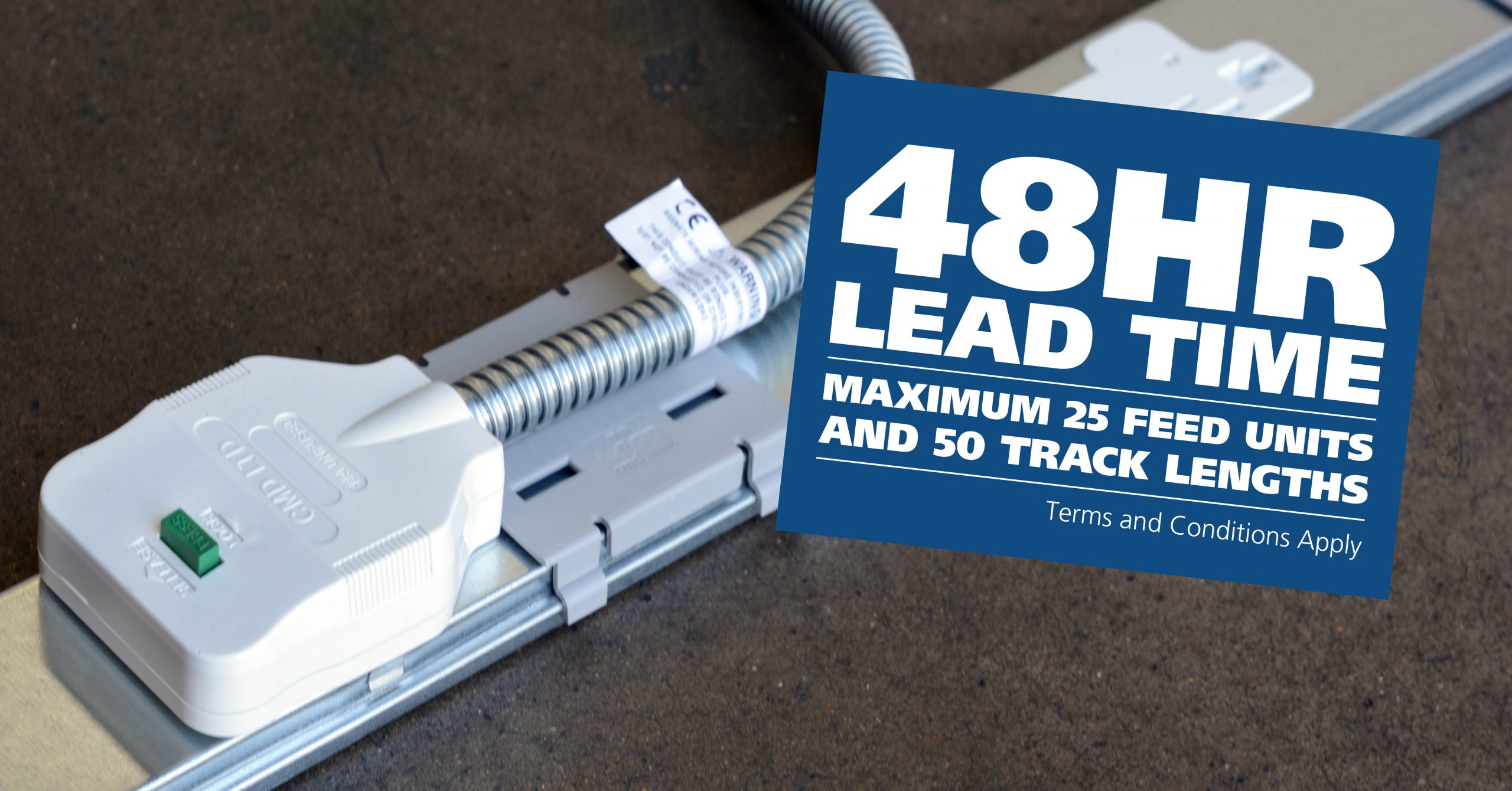
CMD Ltd, the specialist in power distribution systems, workstation power and monitor arms, has launched a rapid ordering service for its Betatrak® underfloor powertrack distribution systems and accessories, with a commitment to delivering within 48-hours of an approved purchase order*. The service enables customers to order up to 50 lengths of Standard or Clean Earth (C/E) low noise Betatrak, along with up to 25 feed...

Read more
CMD INVESTS £1/4 MILLION IN NEW MACHINE AS PART OF FACTORY UPGRADE

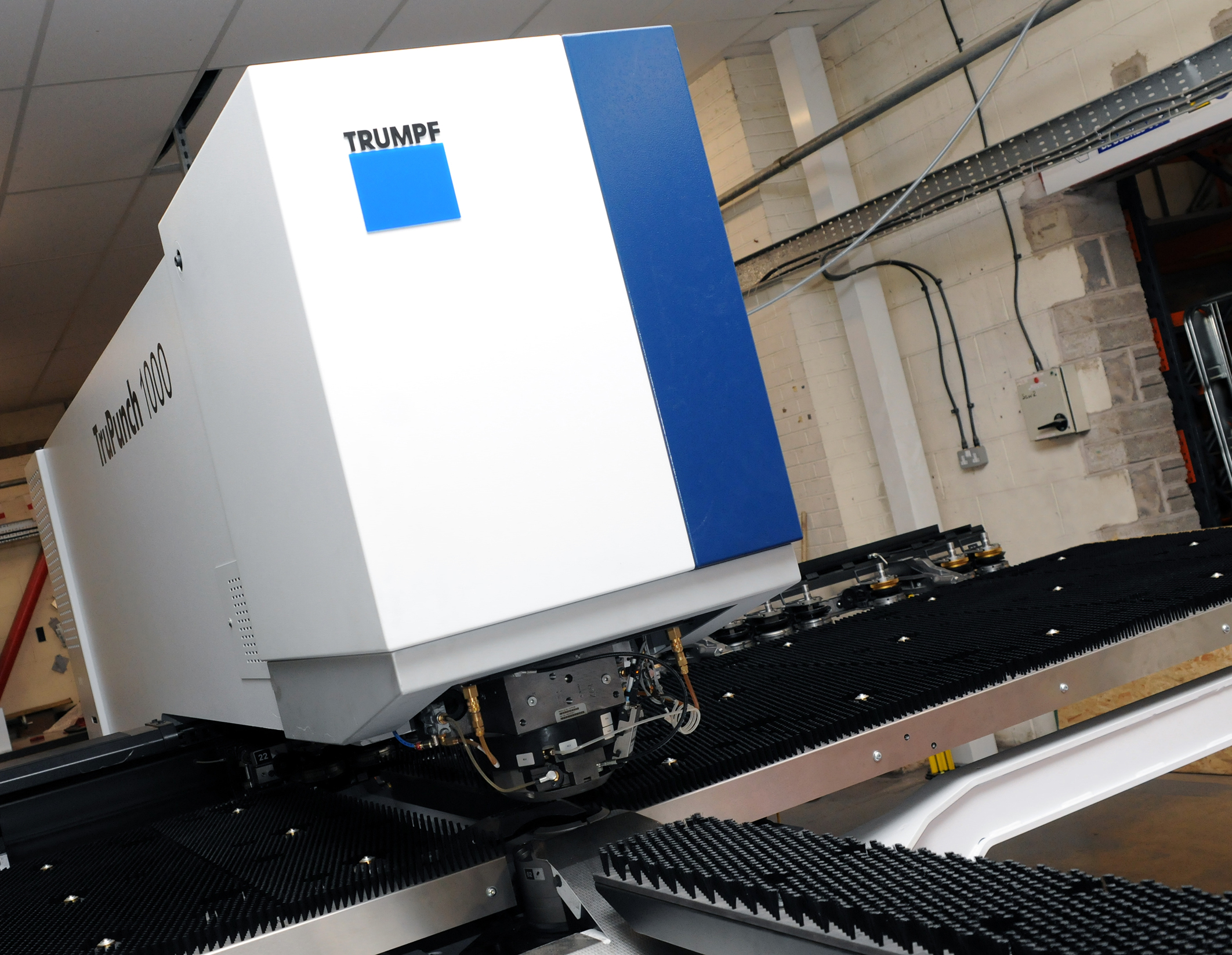
We have invested in a new £1/4m TRUMPF CNC metal punch as part of an asset renewal strategy for our UK manufacturing capability. The new machine will be used in the production of a wide variety of our power distribution systems and workstation power products at our Rotherham factory. Suitable for handling sheet metal between 0.9mm and 3.0mm thick, the new machine will replace one...

Read more
CMD CATALOGUE PROVIDES TECHNICAL POWER DISTRIBUTION GUIDE

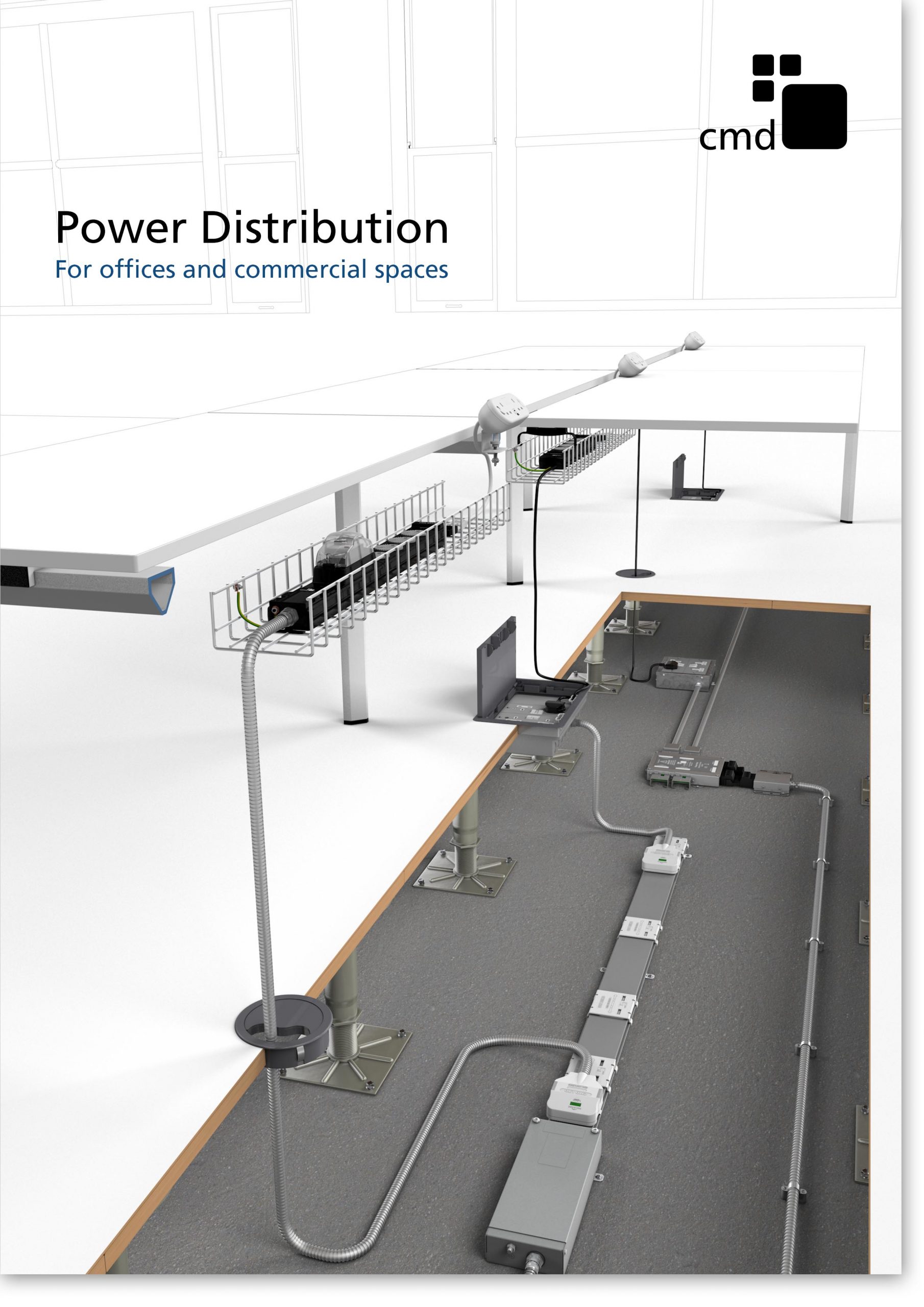
CMD Ltd has released a new catalogue, providing an easy to follow technical guide to our power distribution systems and plug and play desk modules. Detailing CMD’s full range of UK-manufactured power distribution systems and plug and play desk modules, the catalogue will be a helpful source of information to M&E engineers and contractors alike to understand how our power distribution systems connect together and...

Read more
Power Distribution Catalogue
CMD Ltd PLAYS ESSENTIAL ROLE IN ELECTRICAL FIT OUT AT LONDON’S PRESTIGIOUS OFFICE DEVELOPMENT

CMD Ltd, specialist in workplace connectivity and ergonomic solutions, has provided a flexible and high-quality power distribution network for The Ray, a prestigious office development in London’s Farringdon. Well-known for being the former site of The Guardian newspaper, The Ray now stands as an 83,000ft² office development characterised by a modernised warehouse aesthetic, with level two now occupied by a global social media company. The...

Read more

The Ray
CMD plugs in to european opportunity with Schuko Capsule unit launch

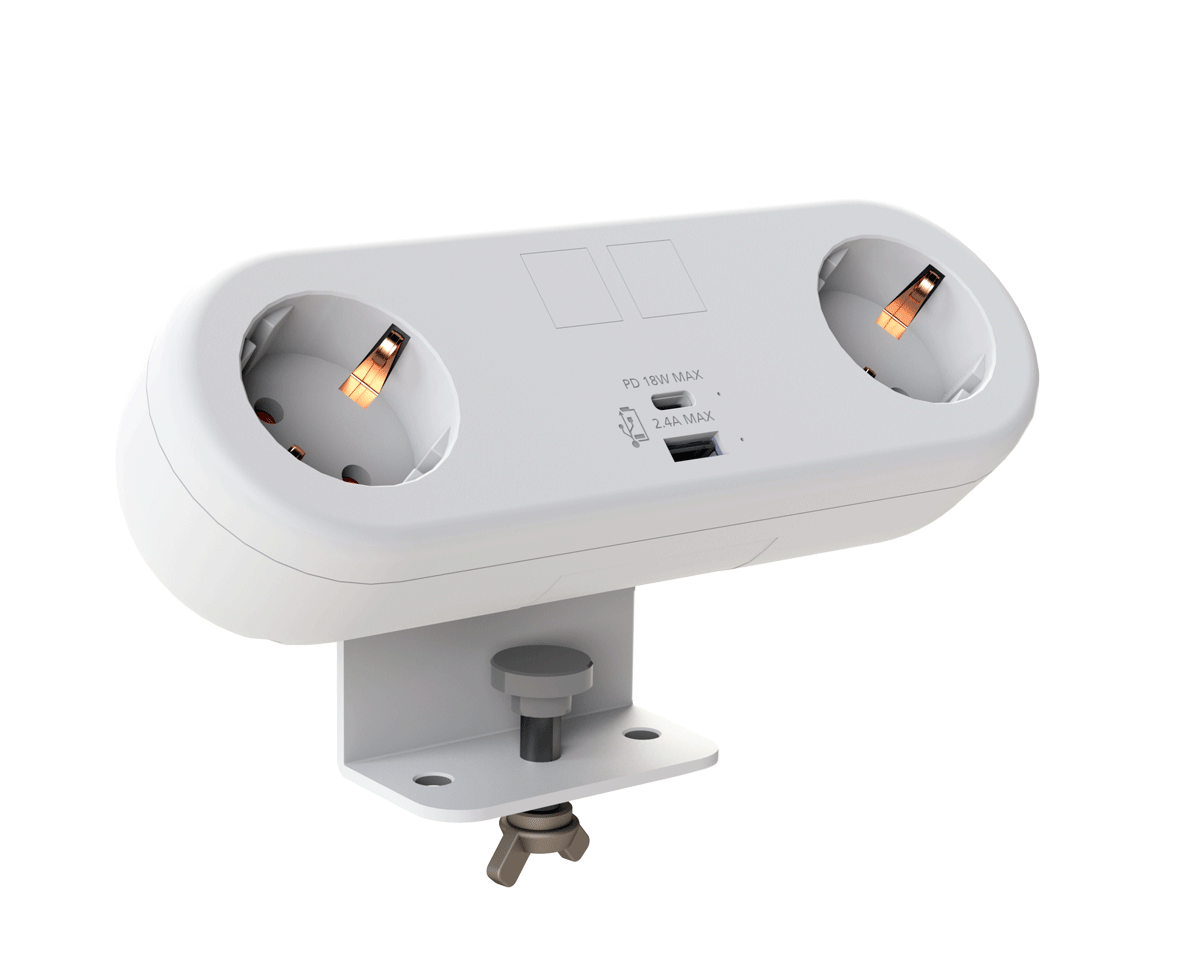
CMD Ltd, the specialist in power and connectivity solutions for commercial environments, has launched a Schuko version of its popular fixed format Capsule workstation power module for export to mainland Europe and beyond. A popular on desk power module comprising two sockets and dual USB (type A and C) chargers, CMD’s Capsule unit is already widely specified in the UK as an off-the-shelf workstation power...

Read more
CMD White Schuko Capsule Desk Power Module
CMD LTD EXTENDS MONITOR ARM RANGE WITH THE LAUNCH OF REACH PLUS

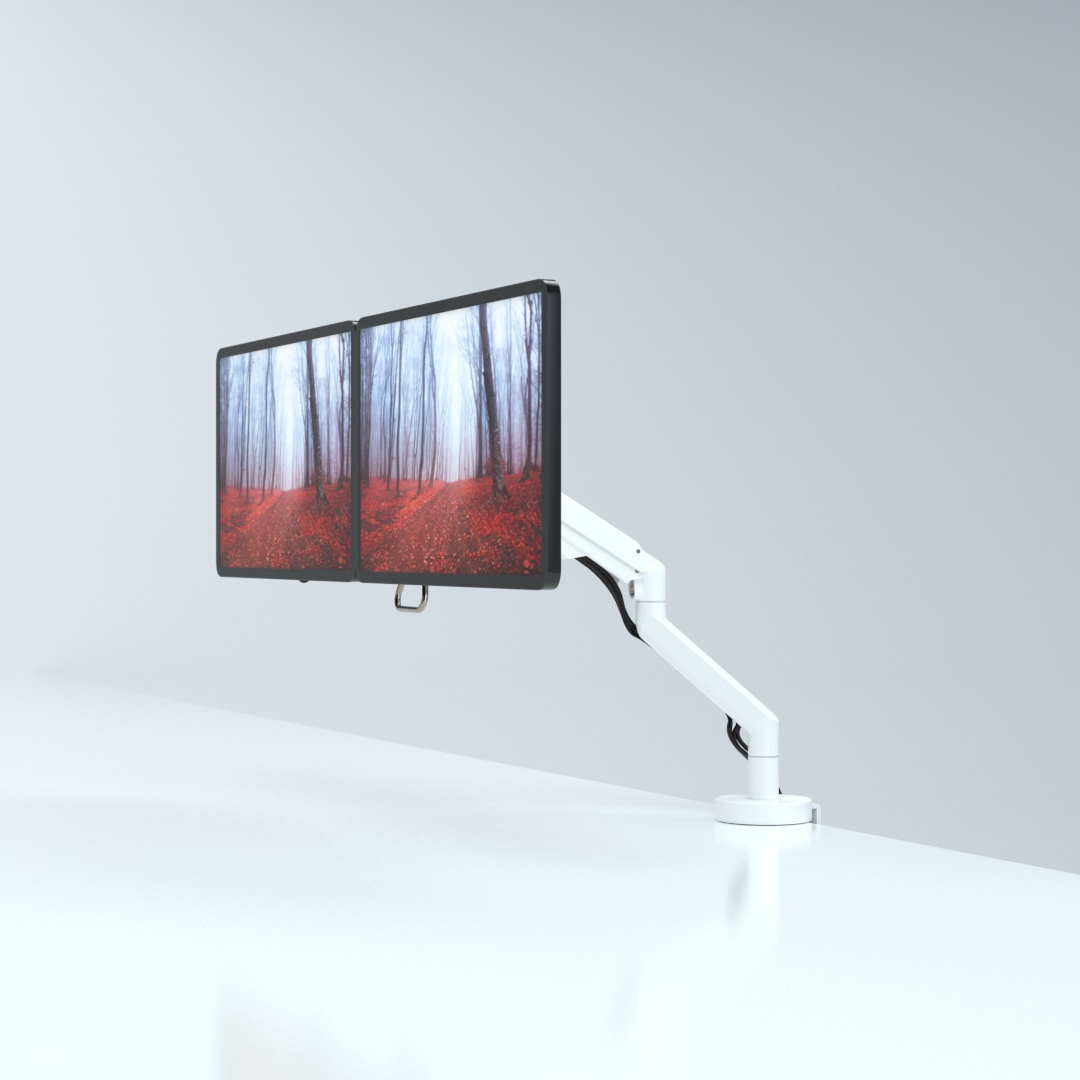
CMD Ltd, the specialist in ergonomic and connectivity solutions for commercial interiors, has completed its Reach monitor arm range with the launch of the Reach Plus. Available in single or dual screen options, the Reach Plus has been designed to provide an ideal solution for both single and dual screen workstation configurations, or can be used with next generation of large format curved screens. Suitable...

Read more
CMD Ltd DEMONSTRATES THE ART OF POWER DISTRIBUTION AT THE UNIVERSITY OF WARWICK

CMD Ltd, the specialist in workplace connectivity and ergonomic solutions, has provided Betatrak busbar power distribution and a range of electrical accessories for two major capital investment projects at the University of Warwick. Designed by Fielden Clegg Bradley Studios, the £33 million Faculty of Arts building is a showpiece development comprising four interconnected structures set around a central atrium, which will enable inter-disciplinary collaboration across...

Read more

University of Warwick
CMD BRINGS HARMONY TO COVENTRY UNIVERSITY RESEARCH FACILITIES

CMD Ltd, the specialist in power distribution solutions and workstation power and ergonomics, has provided under desk and on desk power modules for the refurbishment of three Coventry University research buildings. Located on Coventry University Technology Park, a business park designed to encourage collaboration between the university and knowledge-based businesses, the three buildings are being repurposed as office accommodation for university research teams. The refurbishment...

Read more

Coventry University

What is Continuous Monitoring Instrument and How Does It Work?

In today's fast-paced technological landscape, organizations are increasingly prioritizing real-time data analysis and monitoring. This is where a Continuous Monitoring Instrument (CMI) plays a pivotal role. A 2023 report by MarketsandMarkets noted that the global Continuous Monitoring market is projected to reach $3.4 billion by 2026, reflecting a growing reliance on tools that ensure ongoing compliance and performance evaluation.

Continuous Monitoring Instruments provide organizations with the ability to assess their systems continuously. They collect and analyze data from various sources, allowing for immediate insights and rapid responses. This immediacy is vital in a world where cyber threats and operational inefficiencies are on the rise. According to a recent cybersecurity study, 60% of firms have experienced a security breach due to insufficient monitoring systems.

However, while these tools offer incredible benefits, they also pose challenges. Data fatigue, privacy concerns, and integration issues can hinder their effectiveness. Organizations often struggle to fully utilize the data gathered, leading to missed opportunities for improvement. Understanding the intricacies of Continuous Monitoring Instruments is essential for businesses aiming to harness their full potential while navigating these challenges.

What is Continuous Monitoring Instrument and How Does It Work?

Definition of Continuous Monitoring Instrument and Its Purpose

Continuous monitoring instruments play a crucial role in various industries. They are designed to provide real-time data on specific parameters, ensuring that processes remain within desired limits. According to a report by the International Journal of Environmental Monitoring, over 70% of organizations now utilize these tools to enhance their operational efficiency. This trend underscores the importance of ongoing data assessment in today's fast-paced environment.

The primary purpose of continuous monitoring instruments is to mitigate risks and improve decision-making. By collecting data continuously, organizations can detect anomalies swiftly. This immediate feedback loop allows for quicker corrective actions, potentially saving time and resources. For instance, studies show that businesses that implement rigorous monitoring can reduce downtime by as much as 30%. While the technology is powerful, it is not foolproof. There are instances where malfunctioning instruments have led to incorrect data interpretation, highlighting the need for periodic manual checks.

Furthermore, continuous monitoring helps in regulatory compliance. Industries such as healthcare and manufacturing are often subject to strict guidelines. Failing to meet these standards can result in severe penalties. A survey by the Compliance Institute revealed that 40% of companies struggle with maintaining compliance due to inadequate monitoring systems. Despite the advanced nature of these instruments, organizations must remain vigilant and ensure that they continuously evaluate and improve their monitoring processes. This proactive approach is essential for long-term success.

Key Components of Continuous Monitoring Instruments

Continuous monitoring instruments play a crucial role in today's fast-paced environments, especially in industries like finance and cybersecurity. The primary components of these instruments include data collectors, analytics engines, and reporting interfaces. Data collectors gather real-time information from various sources, including system logs and network traffic. Reports suggest that 75% of organizations consider real-time data crucial for effective decision-making.

Analytics engines process the collected data to identify patterns and anomalies. They leverage machine learning and statistical analysis to enhance detection capabilities. According to a recent study, companies that implement advanced analytics for monitoring face 40% fewer security incidents annually. The ability to analyze vast amounts of data quickly is essential for timely responses.

Reporting interfaces provide users with digestible insights. These interfaces simplify complex data and present it in visually engaging formats. Organizations often need to refine these tools to ensure clarity and effectiveness, as poor design can lead to misinterpretation of crucial information. Continuous feedback from users is vital for enhancing the usability of these instruments. As industries evolve, so do their monitoring needs, making flexibility and adaptability key attributes of effective continuous monitoring instruments.

How Continuous Monitoring Instruments Collect Data

Continuous monitoring instruments are essential in various fields, collecting real-time data to inform decision-making. These instruments operate through various techniques such as sensors and automated data analysis. They often utilize Internet of Things (IoT) technology to gather environmental or operational metrics continuously. Reports indicate that 70% of organizations using continuous monitoring tools identify significant efficiency improvements.

Data collection methods can vary greatly. Some instruments gather data passively, while others require active input. For instance, in industrial applications, devices capture temperature, pressure, and vibration levels. This information helps prevent system failures and enhances operational safety. A 2022 industry study found that real-time monitoring can reduce downtime by 30%.

However, challenges exist. Data accuracy can sometimes be compromised by sensor malfunctions. Inadequate integration of systems may lead to gaps in the data being collected. According to research, nearly 40% of organizations face hurdles in data integration. Thus, while continuous monitoring offers substantial advantages, it demands careful implementation and constant evaluation.

Data Collection Analysis of Continuous Monitoring Instruments

This chart illustrates the data collection performance of continuous monitoring instruments across different environments over a one-week period. The data reflects the number of data points collected daily in three distinct environments: Manufacturing, Environmental, and Healthcare.

Mechanisms of Data Analysis and Reporting in Continuous Monitoring

Continuous monitoring instruments play a crucial role in modern data analysis. They operate by collecting real-time data across various systems. This data is then analyzed to detect patterns and anomalies. A consistent flow of information allows for immediate responses to changes.

Mechanisms of data analysis in continuous monitoring involve advanced algorithms. These algorithms sift through vast amounts of data. They identify trends that may require attention. For example, a sudden increase in network traffic might indicate a potential security threat. Data is not just gathered; it is transformed into actionable insights.

Reporting in continuous monitoring adds another layer of complexity. Visualization tools present data in a user-friendly format. However, not all reports are perfect. Sometimes they may misinterpret the data. It's essential to continuously refine these systems for accuracy. Regular audits of both data quality and reporting methods lead to improved reliability. This iterative process helps in establishing trust in the monitoring framework.

Applications of Continuous Monitoring in Various Industries

Continuous monitoring instruments have become essential in various industries, allowing for real-time data collection and analysis. In the healthcare sector, for example, continuous monitoring enhances patient care. According to a report by Markets and Markets, the telehealth market is projected to reach $559.52 billion by 2027. This growth highlights the increasing reliance on technology to monitor patients remotely. Devices can track vital signs, alerting healthcare providers of any abnormalities instantly.

In the manufacturing sector, continuous monitoring improves operational efficiency. A report from McKinsey states that integrating these systems can reduce downtime by up to 30%. By using sensors, companies can identify equipment failures before they occur. This proactive approach minimizes losses and enhances production rates. Yet, the challenge lies in data overload. Many organizations struggle to analyze vast amounts of information effectively.

The financial industry also benefits significantly. Continuous monitoring helps detect fraudulent activities in real time. The 2021 report from the Association of Certified Fraud Examiners noted that companies using monitoring tools saw fraud detection rates increase by 30%. However, many organizations have yet to implement these systems fully. At times, the technology may not align with existing workflows, creating resistance to change.