

News

Miro: A New Standard in Responsible Innovation

Miro: A New Standard in Responsible Innovation The Miro monitor arm is setting new benchmarks in sustainability. It offers a high-performance solution without compromising on environmental responsibility. Designed with careful material selection, local sourcing, and longevity in mind, Miro’s responsible approach to design and unique manoeuvrability set it apart from the competition. Sustainable Choices Miro is crafted from energy-efficient materials with a lower carbon impact....

Read more
HSE Advisor

Role Purpose Support in the development, implementation and maintenance of the company’s Health, Safety & Environmental policies, processes, operational procedures, and standards.  Ensuring best practice and championing a continually improving HSE culture within the business. Key Responsibilities Liaise with and provide support to all areas of the business to eliminate, mitigate or reduce identified HSE exposures. Partner with the production management team and team leaders,...

Read more
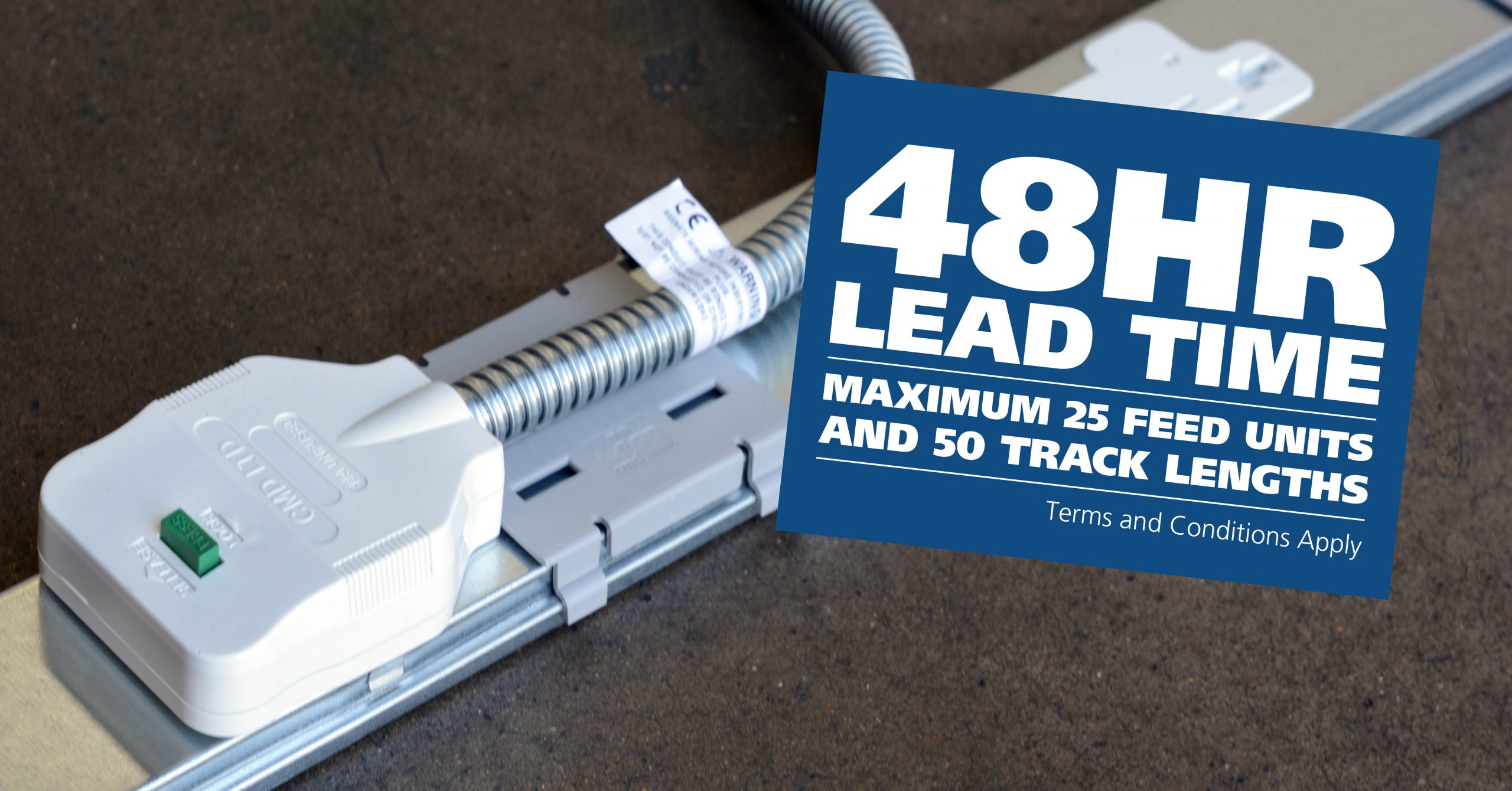
CMD Ltd LAUNCHES 48-HOUR TURNAROUND ON BETATRAK® RAPID ORDERING SERVICE

CMD Ltd, the specialist in power distribution systems, workstation power and monitor arms, has launched a rapid ordering service for its Betatrak® underfloor powertrack distribution systems and accessories, with a commitment to delivering within 48-hours of an approved purchase order*. The service enables customers to order up to 50 lengths of Standard or Clean Earth (C/E) low noise Betatrak, along with up to 25 feed...

Read more
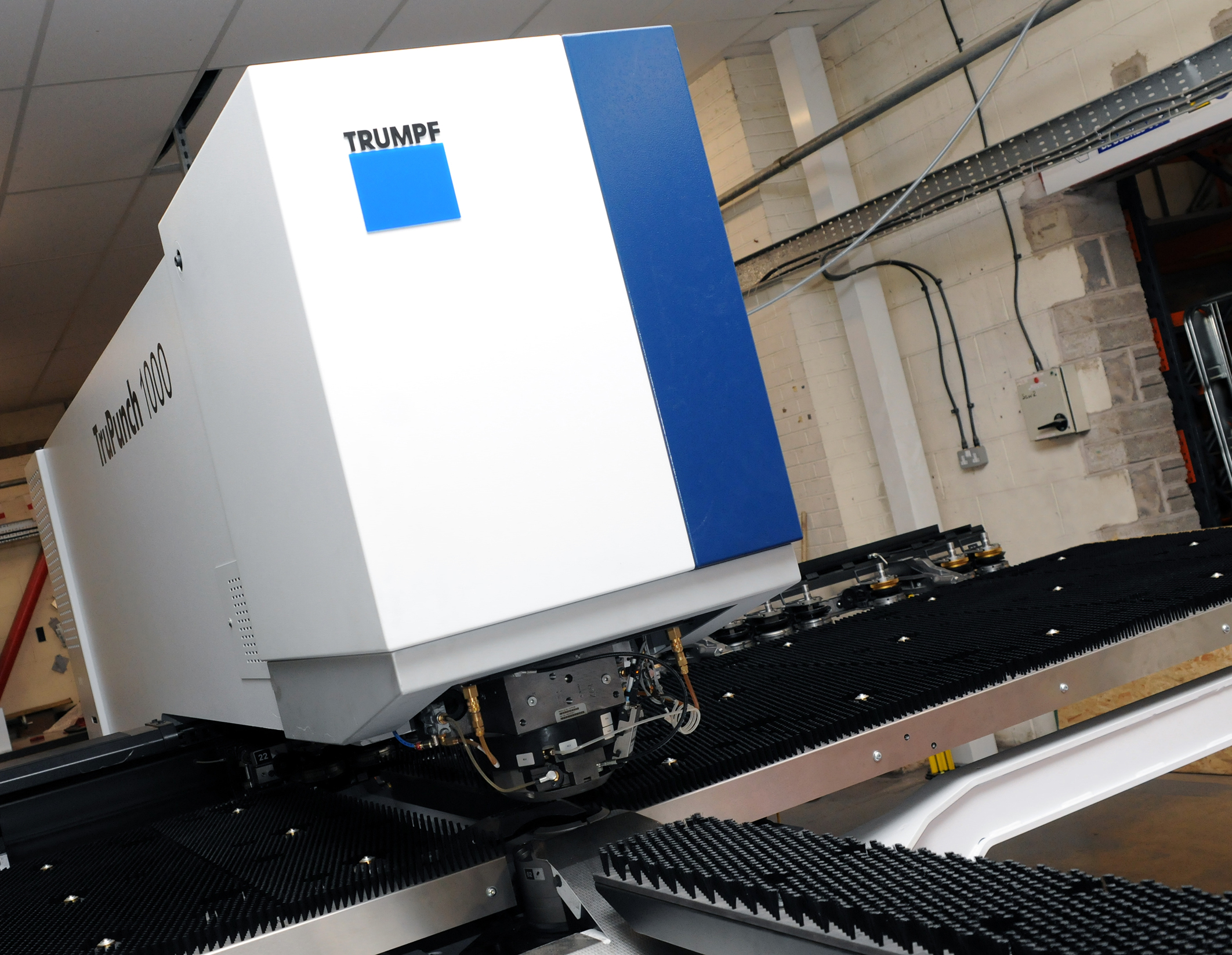
CMD INVESTS £1/4 MILLION IN NEW MACHINE AS PART OF FACTORY UPGRADE

We have invested in a new £1/4m TRUMPF CNC metal punch as part of an asset renewal strategy for our UK manufacturing capability. The new machine will be used in the production of a wide variety of our power distribution systems and workstation power products at our Rotherham factory. Suitable for handling sheet metal between 0.9mm and 3.0mm thick, the new machine will replace one...

Read more
CMD CATALOGUE PROVIDES TECHNICAL POWER DISTRIBUTION GUIDE

CMD Ltd has released a new catalogue, providing an easy to follow technical guide to our power distribution systems and plug and play desk modules. Detailing CMD’s full range of UK-manufactured power distribution systems and plug and play desk modules, the catalogue will be a helpful source of information to M&E engineers and contractors alike to understand how our power distribution systems connect together and...

Read more
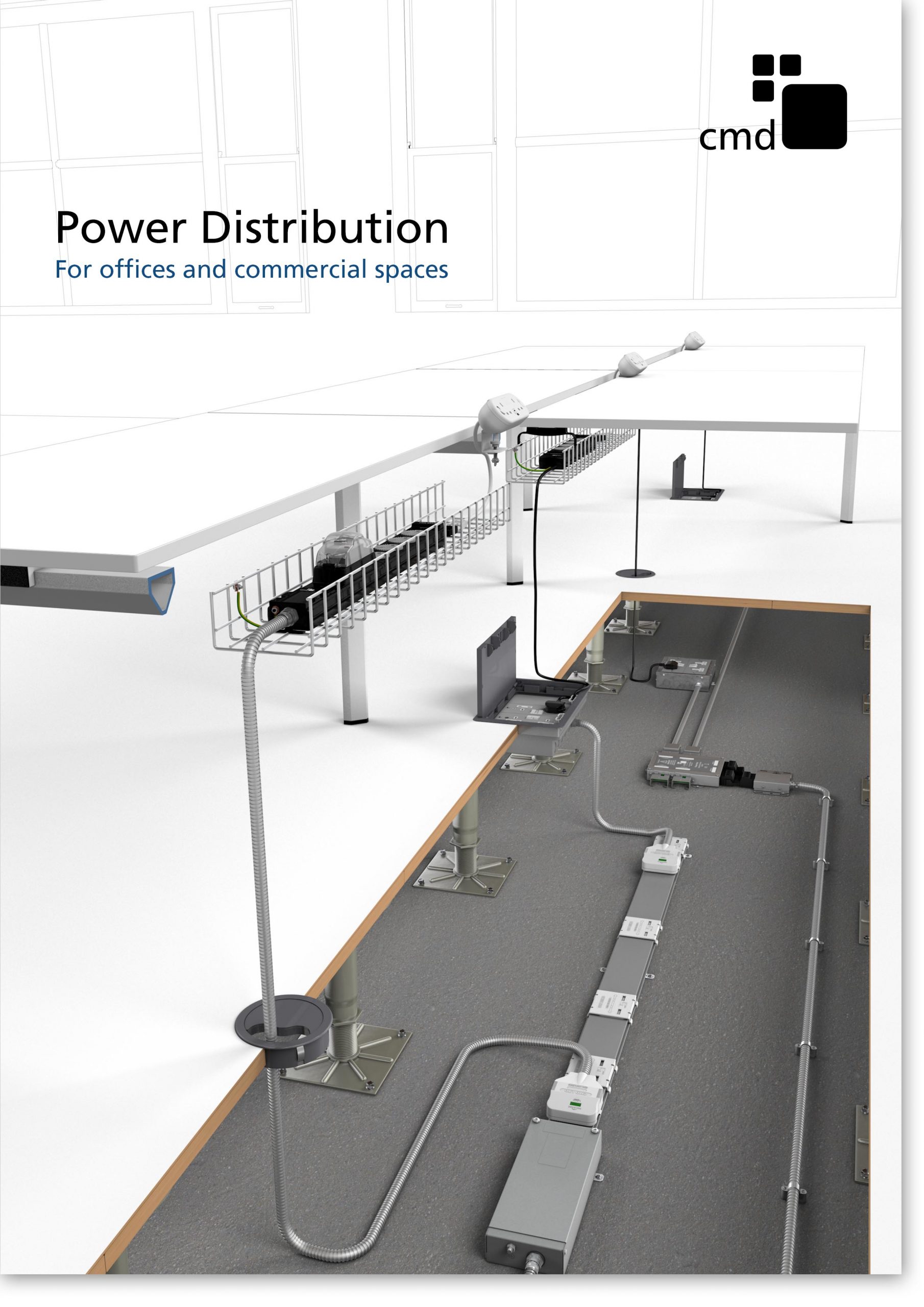
Power Distribution Catalogue
CMD Ltd PLAYS ESSENTIAL ROLE IN ELECTRICAL FIT OUT AT LONDON’S PRESTIGIOUS OFFICE DEVELOPMENT

CMD Ltd, specialist in workplace connectivity and ergonomic solutions, has provided a flexible and high-quality power distribution network for The Ray, a prestigious office development in London’s Farringdon. Well-known for being the former site of The Guardian newspaper, The Ray now stands as an 83,000ft² office development characterised by a modernised warehouse aesthetic, with level two now occupied by a global social media company. The...

Read more

The Ray
CMD plugs in to european opportunity with Schuko Capsule unit launch

CMD Ltd, the specialist in power and connectivity solutions for commercial environments, has launched a Schuko version of its popular fixed format Capsule workstation power module for export to mainland Europe and beyond. A popular on desk power module comprising two sockets and dual USB (type A and C) chargers, CMD’s Capsule unit is already widely specified in the UK as an off-the-shelf workstation power...

Read more
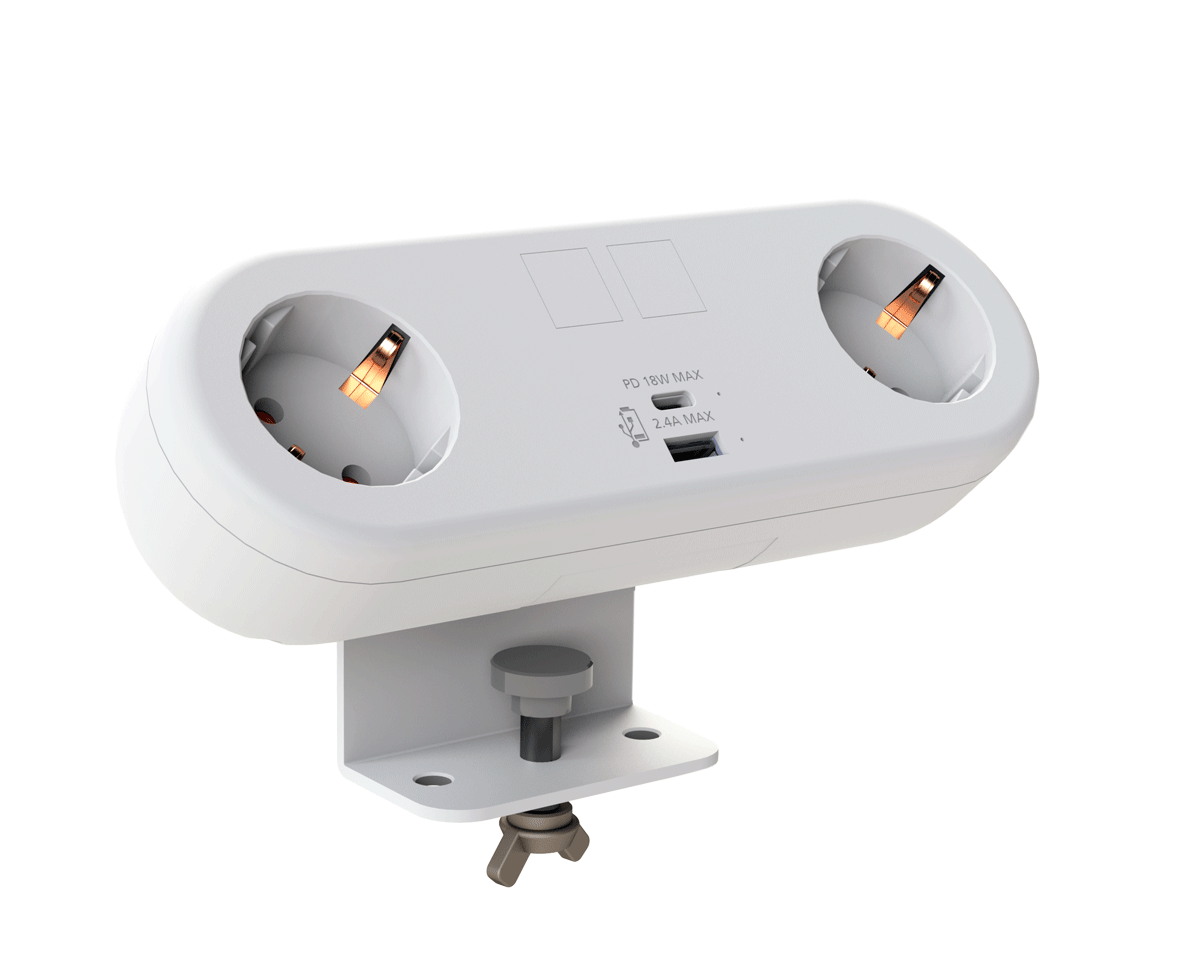
CMD White Schuko Capsule Desk Power Module
CMD LTD EXTENDS MONITOR ARM RANGE WITH THE LAUNCH OF REACH PLUS

CMD Ltd, the specialist in ergonomic and connectivity solutions for commercial interiors, has completed its Reach monitor arm range with the launch of the Reach Plus. Available in single or dual screen options, the Reach Plus has been designed to provide an ideal solution for both single and dual screen workstation configurations, or can be used with next generation of large format curved screens. Suitable...

Read more

CMD Ltd DEMONSTRATES THE ART OF POWER DISTRIBUTION AT THE UNIVERSITY OF WARWICK

CMD Ltd, the specialist in workplace connectivity and ergonomic solutions, has provided Betatrak busbar power distribution and a range of electrical accessories for two major capital investment projects at the University of Warwick. Designed by Fielden Clegg Bradley Studios, the £33 million Faculty of Arts building is a showpiece development comprising four interconnected structures set around a central atrium, which will enable inter-disciplinary collaboration across...

Read more

University of Warwick
CMD BRINGS HARMONY TO COVENTRY UNIVERSITY RESEARCH FACILITIES

CMD Ltd, the specialist in power distribution solutions and workstation power and ergonomics, has provided under desk and on desk power modules for the refurbishment of three Coventry University research buildings. Located on Coventry University Technology Park, a business park designed to encourage collaboration between the university and knowledge-based businesses, the three buildings are being repurposed as office accommodation for university research teams. The refurbishment...

Read more
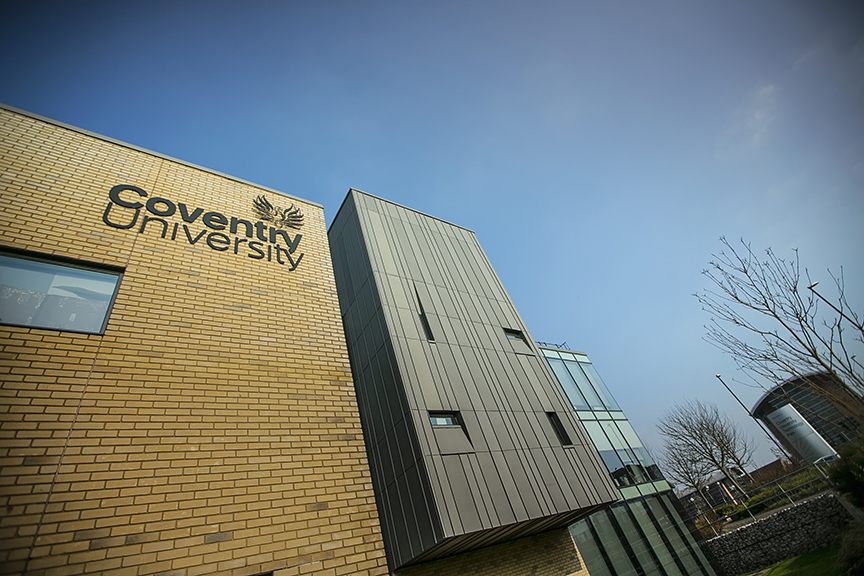
Coventry University

What is a concrete block making machine and how does it work?

A concrete block making machine is a vital tool in the construction industry. It creates concrete blocks in various shapes and sizes. Understanding how it works can offer insights into its importance and efficiency.

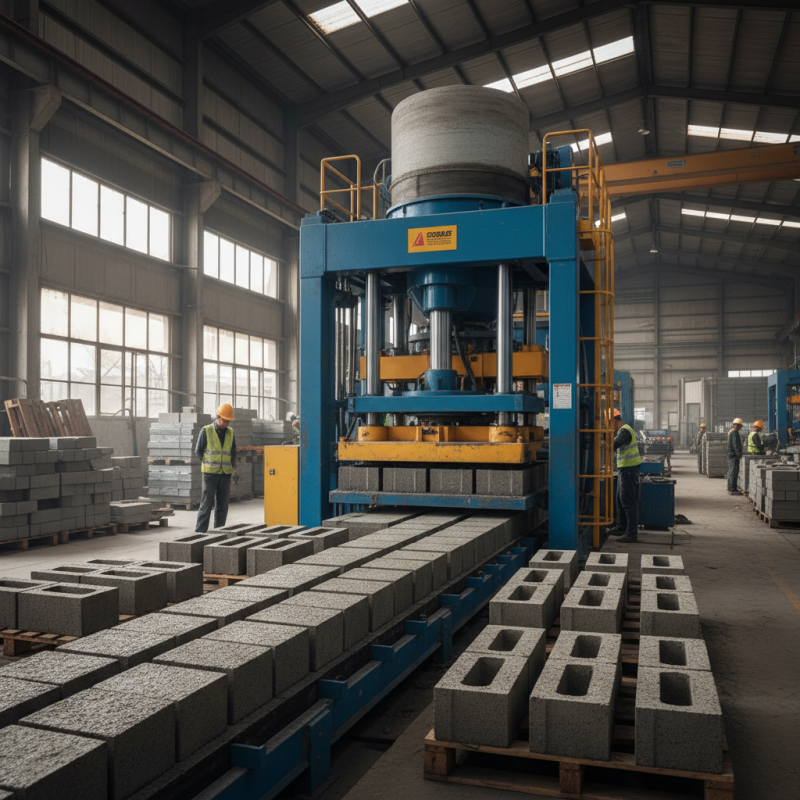
This machine typically involves multiple components, including a mixer, mold, and hydraulic system. The mixer combines cement, aggregates, and water. Once mixed, the concrete is poured into molds. The hydraulic system applies pressure to form the blocks. This process is both fascinating and complex.

Despite its efficiency, there can be challenges. Machines require proper setup and maintenance. Mistakes in mixing or mold alignment can lead to defects. Reflecting on these issues helps improve production quality. A concrete block making machine is essential, but it requires careful attention to detail.

What is a concrete block making machine and how does it work?

What is a Concrete Block Making Machine?

A concrete block making machine is an essential tool in construction. It automates the process of producing concrete blocks, which are widely used for building foundations, walls, and other structures. These machines vary in size and complexity, ranging from simple manual models to advanced fully automated systems.

Typically, these machines operate by mixing cement, water, and aggregates. The mixture is then poured into molds, which shape the blocks. Once the mixture sets, the blocks are removed and cured. According to a recent industry report, the global concrete block machinery market is projected to grow significantly, reaching over $3 billion by 2025. This growth is driven by urbanization and infrastructure development worldwide.

Tips: Always consider the capacity of the machine. A higher output may seem beneficial but can lead to quality issues if not monitored. Ensure regular maintenance to avoid downtimes and inefficiencies.

While these machines simplify production, users should reflect on the layer of quality control necessary. Improper ratios in the mixture may lead to weaker blocks. Thus, investing in training and supervision is crucial. Keep in mind that not all concrete block making machines are created equal. Choose a machine that aligns with your specific needs and output requirements to ensure optimal results.

Concrete Block Production Statistics

This bar chart illustrates the production of concrete blocks over a six-month period. The data shows a steady increase in production from January to June, highlighting the potential growth in demand for concrete blocks.

The Components of a Concrete Block Making Machine

Concrete block making machines are vital in the construction industry. They produce concrete blocks efficiently for various applications. Understanding the components of these machines reveals their importance and functionality.

A concrete block making machine consists of several key elements. The mixing unit blends cement, sand, and aggregates. This process creates a uniform mixture, essential for block strength. Another important component is the molding system, which shapes the mixture into blocks. Automated systems ensure consistency and increase production rates. The machines can produce hundreds of blocks per hour, significantly boosting efficiency.

Power systems are also crucial. They provide the energy needed for the entire operation. Hydraulic systems often pressurize the molds, ensuring compact blocks. According to industry reports, the global market for concrete block machines is expected to grow by 5% annually. This growth highlights the demand for reliable and efficient manufacturing processes. However, many manufacturers face challenges with energy consumption and material waste. Addressing these issues can enhance sustainability in the industry.

Understanding the Concrete Block Production Process

Concrete block production is a vital process in the construction industry. It begins with the preparation of raw materials, mainly cement, aggregates, and water. The ideal mix typically consists of 60-75% aggregates by volume. This ensures a strong and durable block. Recent studies suggest that concrete blocks can attain compressive strengths of 1,500 to 3,000 psi. However, monitoring these ratios requires careful quality control.

Next, the concrete mix is fed into a concrete block making machine. This machine is designed to vibrate and compress the mixture into molds. The process typically takes 20-30 seconds per cycle. Emerging data shows that a high-efficiency machine can produce anywhere from 1,000 to 2,000 blocks in an 8-hour shift. This efficiency is crucial as demand for blocks continues to rise, projected to increase by 5% annually.

However, issues occasionally arise in the production process. Variations in material quality can affect the final product. For instance, fluctuating moisture content in aggregates can lead to inconsistent block durability. Continuous improvement is necessary to address these challenges. Operators must stay updated with the latest technologies to maintain quality and efficiency in production.

Key Benefits of Using Concrete Block Making Machines

Concrete block making machines are vital in the construction industry. They offer numerous benefits that enhance productivity and efficiency. One major advantage is cost-effectiveness. According to the Global Construction and Engineering Sector report, the use of such machines can reduce material waste by up to 30%. This minimizes expenses and improves profitability for construction businesses.


Another significant benefit is the speed of production. Modern machines can produce multiple blocks in a short time, boosting output. Reports indicate that automated machines can create 1,500 to 2,000 blocks per day. This rapid production meets the rigorous demands of large-scale construction projects. However, it’s essential to maintain the machinery properly. Neglecting maintenance can lead to breakdowns, which may offset production gains.


Durability is another key factor. Concrete blocks have proven to be strong and resilient. They offer impressive thermal insulation and can withstand harsh weather conditions. Nevertheless, it’s worth noting that not all concrete block machines yield the same quality. Some factories report inconsistencies in block strength due to poor machinery calibration. Hence, operators must routinely check the settings to ensure quality control.

Industry Standards and Efficiency Metrics in Block Production

The concrete block making machine is a vital piece of equipment in construction. It produces durable blocks that serve various building needs. When examining industry standards in block production, it's essential to consider factors like strength, dimensions, and sustainability. These standards ensure that the blocks produced can withstand environmental stresses.

Efficiency metrics play a crucial role in optimizing production. Machines need to maintain a specific production rate while ensuring the quality of each block. A common goal is to produce a certain number of blocks per hour. However, the complexity lies in balancing speed with the structural integrity of the blocks. Monitoring energy consumption and material waste is equally important. Reducing waste enhances sustainability, but it can sometimes lead to challenges in achieving consistent quality.

In many cases, operators might face issues like variations in raw material quality. This can affect the final product. Constantly reviewing production processes is necessary. Regular training for operators is critical. It helps build a team knowledgeable about achieving efficiency while adhering to standards. The pursuit of excellence in concrete block production is a continuous journey, demanding reflection and adaptation.

What is a concrete block making machine and how does it work? - Industry Standards and Efficiency Metrics in Block Production

Dimension Standard Value Efficiency Metric Notes
Production Capacity 1000 blocks/hour Blocks per hour Varies based on machine type
Power Consumption 15 kW kWh per block Depends on equipment efficiency
Block Size 400mm x 200mm x 200mm Size specification Custom sizes available
Material Usage 0.25 m³ per 100 blocks Cubic meters per block Includes cement and aggregates
Cycle Time 30 seconds Seconds per block Efficient machines reduce this time