

News

Miro: A New Standard in Responsible Innovation

Miro: A New Standard in Responsible Innovation The Miro monitor arm is setting new benchmarks in sustainability. It offers a high-performance solution without compromising on environmental responsibility. Designed with careful material selection, local sourcing, and longevity in mind, Miro’s responsible approach to design and unique manoeuvrability set it apart from the competition. Sustainable Choices Miro is crafted from energy-efficient materials with a lower carbon impact....

Read more
HSE Advisor

Role Purpose Support in the development, implementation and maintenance of the company’s Health, Safety & Environmental policies, processes, operational procedures, and standards.  Ensuring best practice and championing a continually improving HSE culture within the business. Key Responsibilities Liaise with and provide support to all areas of the business to eliminate, mitigate or reduce identified HSE exposures. Partner with the production management team and team leaders,...

Read more
CMD Ltd LAUNCHES 48-HOUR TURNAROUND ON BETATRAK® RAPID ORDERING SERVICE

CMD Ltd, the specialist in power distribution systems, workstation power and monitor arms, has launched a rapid ordering service for its Betatrak® underfloor powertrack distribution systems and accessories, with a commitment to delivering within 48-hours of an approved purchase order*. The service enables customers to order up to 50 lengths of Standard or Clean Earth (C/E) low noise Betatrak, along with up to 25 feed...

Read more

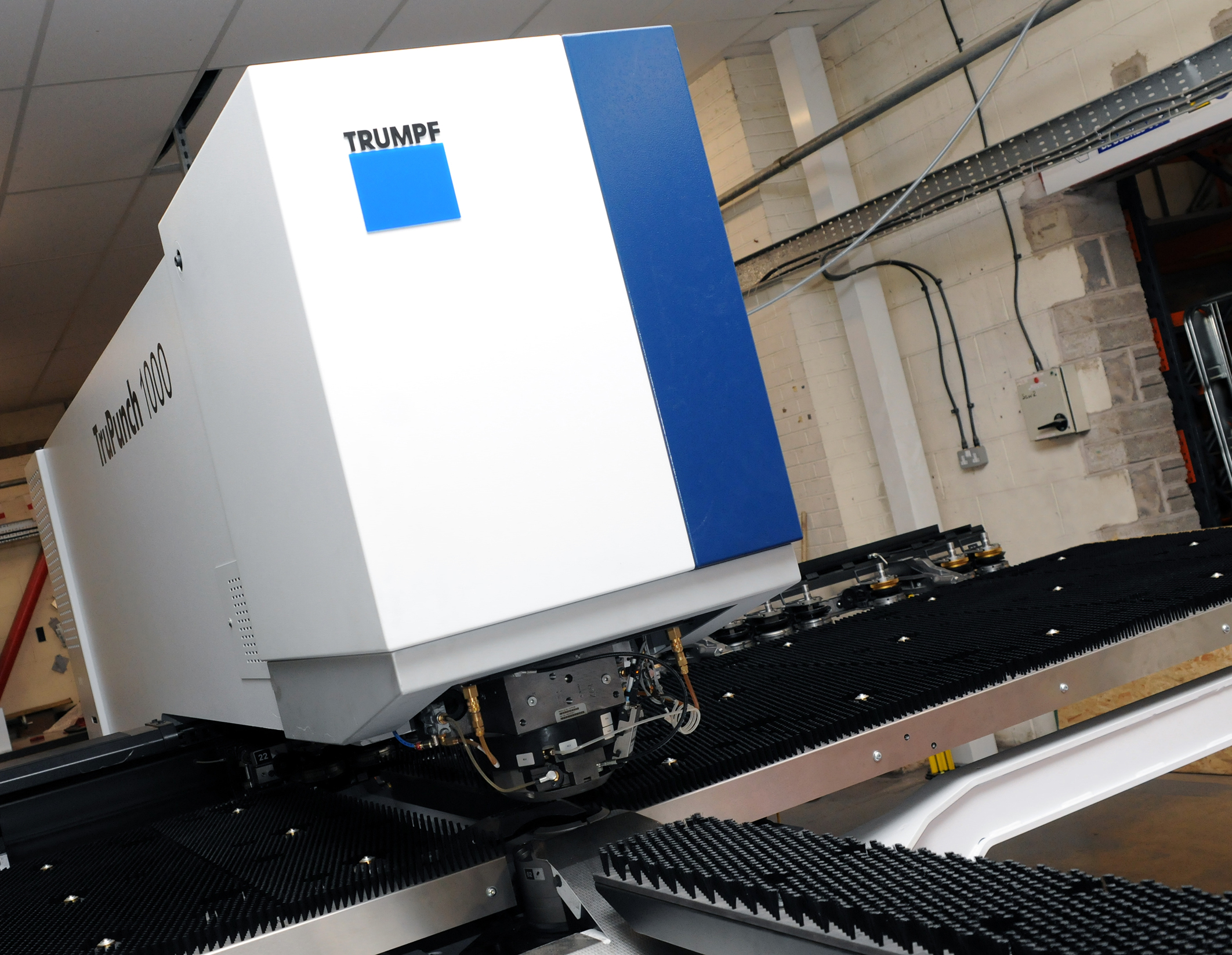
CMD INVESTS £1/4 MILLION IN NEW MACHINE AS PART OF FACTORY UPGRADE

We have invested in a new £1/4m TRUMPF CNC metal punch as part of an asset renewal strategy for our UK manufacturing capability. The new machine will be used in the production of a wide variety of our power distribution systems and workstation power products at our Rotherham factory. Suitable for handling sheet metal between 0.9mm and 3.0mm thick, the new machine will replace one...

Read more
CMD CATALOGUE PROVIDES TECHNICAL POWER DISTRIBUTION GUIDE

CMD Ltd has released a new catalogue, providing an easy to follow technical guide to our power distribution systems and plug and play desk modules. Detailing CMD’s full range of UK-manufactured power distribution systems and plug and play desk modules, the catalogue will be a helpful source of information to M&E engineers and contractors alike to understand how our power distribution systems connect together and...

Read more
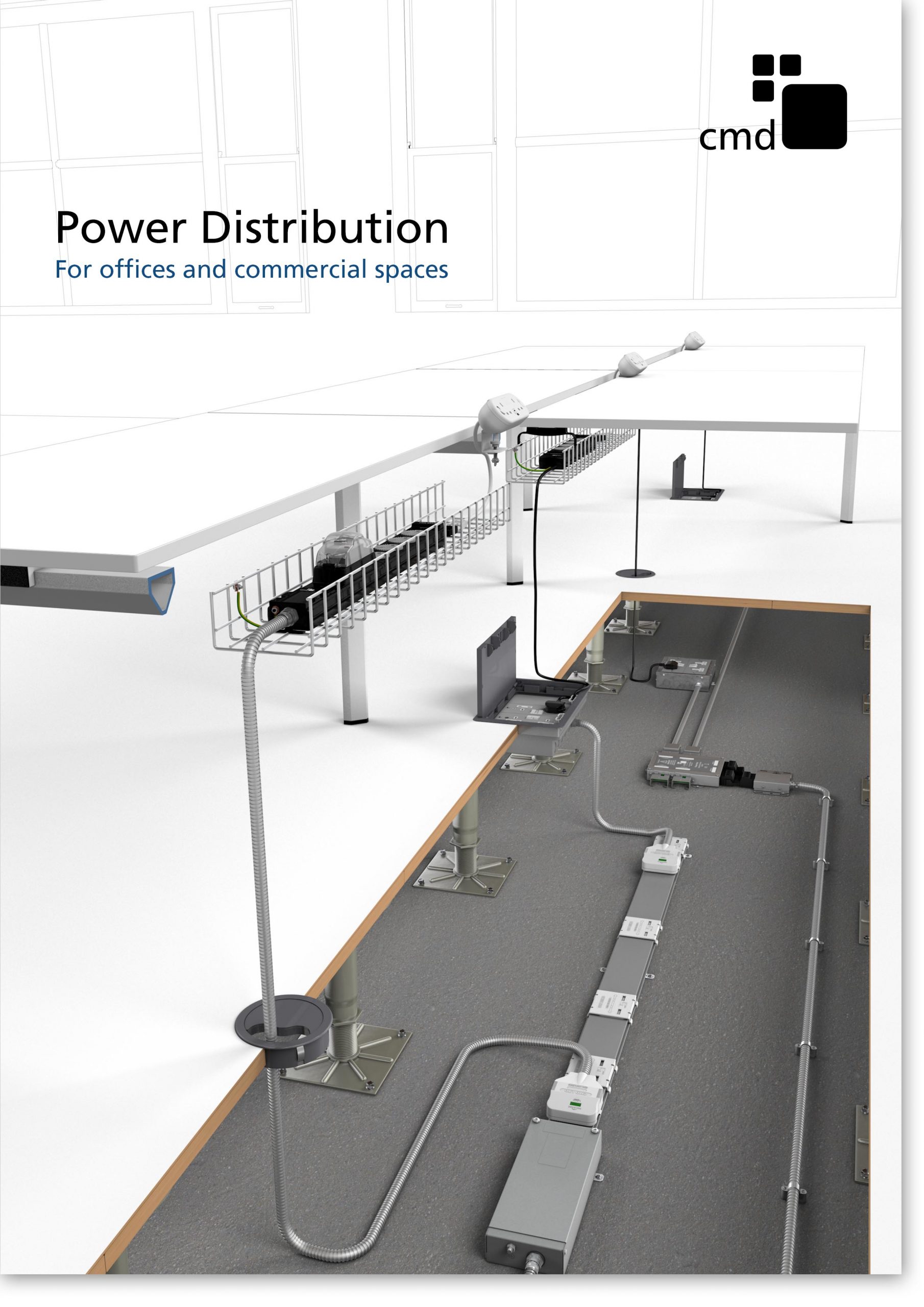
Power Distribution Catalogue
CMD Ltd PLAYS ESSENTIAL ROLE IN ELECTRICAL FIT OUT AT LONDON’S PRESTIGIOUS OFFICE DEVELOPMENT

CMD Ltd, specialist in workplace connectivity and ergonomic solutions, has provided a flexible and high-quality power distribution network for The Ray, a prestigious office development in London’s Farringdon. Well-known for being the former site of The Guardian newspaper, The Ray now stands as an 83,000ft² office development characterised by a modernised warehouse aesthetic, with level two now occupied by a global social media company. The...

Read more

The Ray
CMD plugs in to european opportunity with Schuko Capsule unit launch

CMD Ltd, the specialist in power and connectivity solutions for commercial environments, has launched a Schuko version of its popular fixed format Capsule workstation power module for export to mainland Europe and beyond. A popular on desk power module comprising two sockets and dual USB (type A and C) chargers, CMD’s Capsule unit is already widely specified in the UK as an off-the-shelf workstation power...

Read more
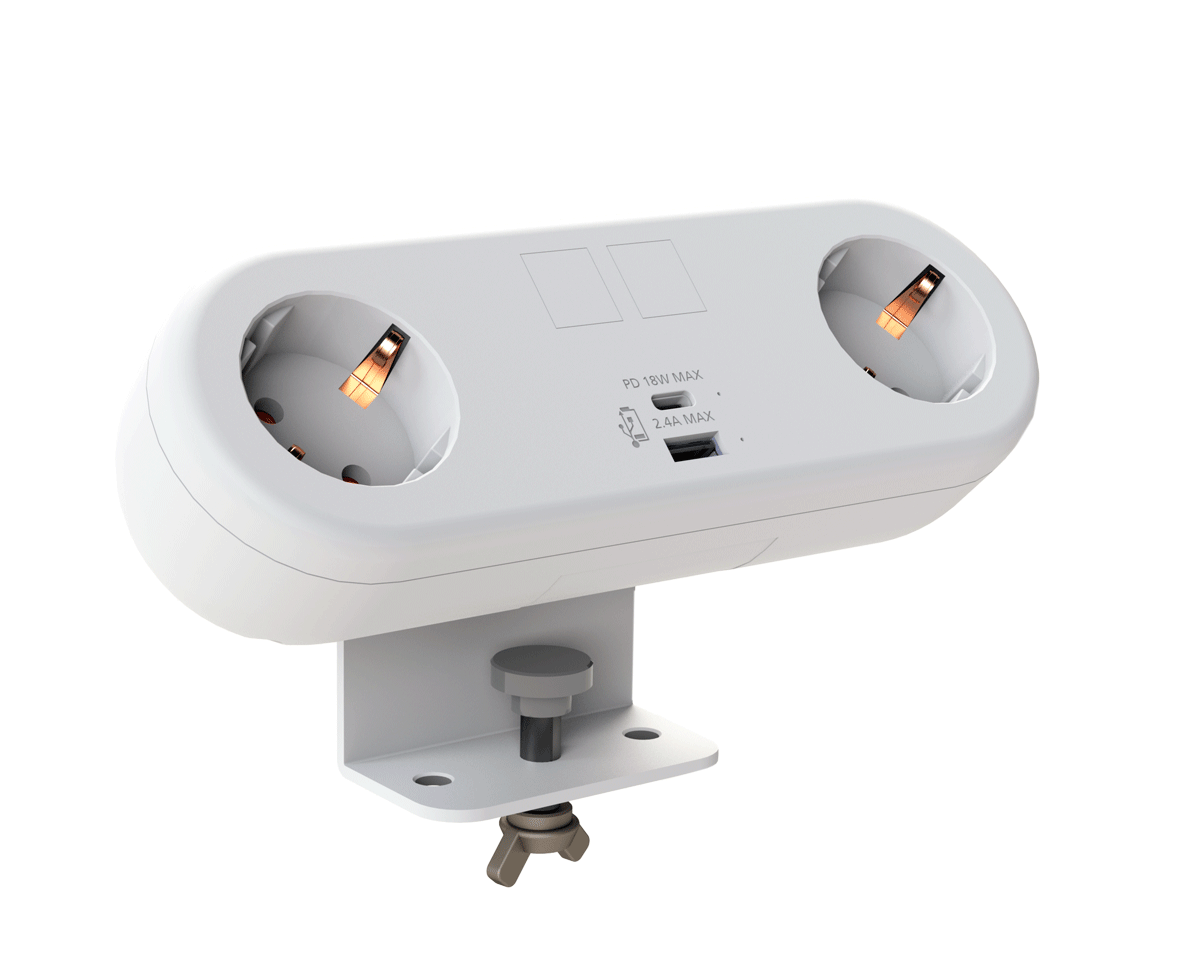
CMD White Schuko Capsule Desk Power Module
CMD LTD EXTENDS MONITOR ARM RANGE WITH THE LAUNCH OF REACH PLUS

CMD Ltd, the specialist in ergonomic and connectivity solutions for commercial interiors, has completed its Reach monitor arm range with the launch of the Reach Plus. Available in single or dual screen options, the Reach Plus has been designed to provide an ideal solution for both single and dual screen workstation configurations, or can be used with next generation of large format curved screens. Suitable...

Read more

CMD Ltd DEMONSTRATES THE ART OF POWER DISTRIBUTION AT THE UNIVERSITY OF WARWICK

CMD Ltd, the specialist in workplace connectivity and ergonomic solutions, has provided Betatrak busbar power distribution and a range of electrical accessories for two major capital investment projects at the University of Warwick. Designed by Fielden Clegg Bradley Studios, the £33 million Faculty of Arts building is a showpiece development comprising four interconnected structures set around a central atrium, which will enable inter-disciplinary collaboration across...

Read more

University of Warwick
CMD BRINGS HARMONY TO COVENTRY UNIVERSITY RESEARCH FACILITIES

CMD Ltd, the specialist in power distribution solutions and workstation power and ergonomics, has provided under desk and on desk power modules for the refurbishment of three Coventry University research buildings. Located on Coventry University Technology Park, a business park designed to encourage collaboration between the university and knowledge-based businesses, the three buildings are being repurposed as office accommodation for university research teams. The refurbishment...

Read more
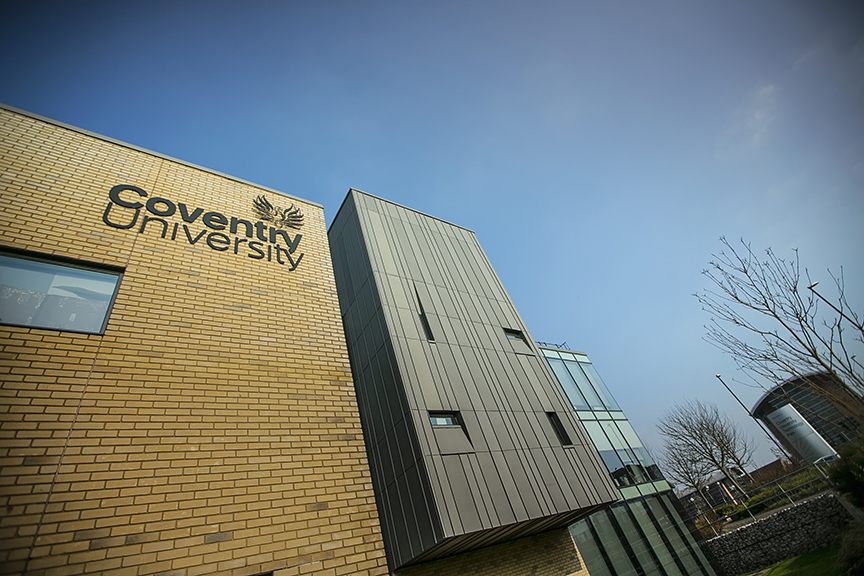
Coventry University

What Is Concrete Batching Plant and How Does It Work?

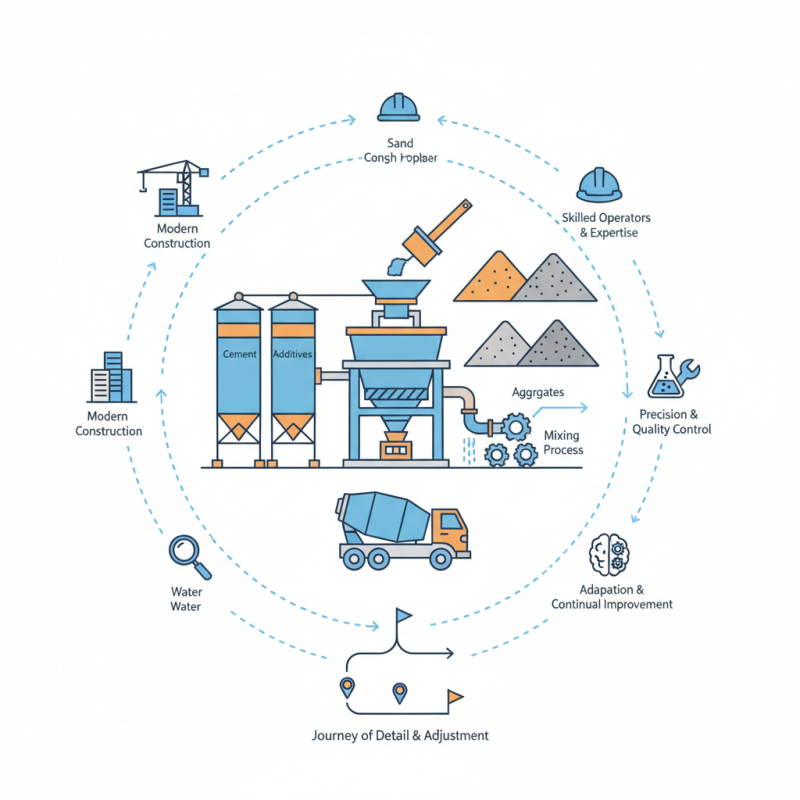
Concrete is essential for modern construction. Understanding "What Is Concrete Batching Plant" is crucial for industry professionals. A concrete batching plant is a facility that combines various ingredients to produce concrete. The process involves mixing cement, aggregates, water, and additives. Precision in this process is key to achieving the desired concrete quality.

This equipment helps manufacturers maintain consistency. It supports large-scale projects by providing an efficient supply of concrete. However, operating such plants demands expertise. Mistakes in the mixing ratios can lead to flawed construction materials. This can result in structural issues. Skilled operators are vital to oversee this complex process.

Moreover, different projects may require unique concrete mixtures. Learning how to adapt the batching process is essential. It reflects the need for continual improvement. Over time, technology has advanced these plants' capabilities, yet challenges remain. Understanding the importance of detail and adjustment in batching is a journey rather than a destination.

What Is Concrete Batching Plant and How Does It Work?

What Is a Concrete Batching Plant?

A concrete batching plant is essential for producing large quantities of concrete. It blends various ingredients, ensuring consistent quality. Typically, it includes multiple components: aggregate bins, mixers, and silos. These elements work together to create concrete tailored to specific needs.

The operation is straightforward. Aggregates are gathered and measured accurately. The plant uses precise scales for this process. Next, water and cement are mixed in specified ratios. The mixing process can be either stationary or mobile, depending on the project. This versatility offers benefits, especially on construction sites with space limitations.

However, running a concrete batching plant isn’t without challenges. Weather conditions can affect production. Additionally, the precision of ingredients matters greatly. Small errors can lead to significant issues in the final product. Regular maintenance of equipment is crucial. Operators must also ensure compliance with safety regulations. Overall, while a concrete batching plant is vital for construction, it requires careful management and oversight.

What Is Concrete Batching Plant and How Does It Work?

Feature Description
Capacity Typically ranges from 25 to 400 cubic meters per hour.
Components Includes mixers, aggregate bins, cement silos, and control systems.
Types Stationary, mobile, and compact concrete batching plants.
Water Supply Automatically controlled to ensure accurate mixing ratios.
Automation Level Ranges from manual control to fully automated systems.
Mixing Process Involves loading raw materials and mixing them with precision for uniformity.
Applications Used in construction for producing ready-mix concrete.

Key Components of a Concrete Batching Plant

A concrete batching plant is a critical facility in construction. It combines various raw materials to produce concrete efficiently. Understanding its key components can provide insights into its operation.

The mixer is at the heart of the plant. It blends aggregates, water, and cement to create a uniform mixture. Quality control is vital here. According to industry reports, a well-functioning mixer can reduce waste by up to 15%. The aggregate storage system plays a crucial role too. It holds sand, gravel, and other materials. These components must be easily accessible to maintain the batching process's efficiency.

We can't overlook the importance of the control system. It monitors the entire operation and ensures accurate measurements. Any error can lead to the subpar concrete mix. A study showed that over 20% of construction delays stem from inconsistent mix quality. Operators must be trained to navigate this system effectively. Each component must work seamlessly to uphold construction standards. Continuous improvement in these areas can address inefficiencies and enhance overall productivity.

Types of Concrete Batching Plants Explained

Concrete batching plants are essential in modern construction. These facilities mix concrete in precise amounts for various projects. Understanding the different types can significantly impact work efficiency and product quality.

There are two main types of concrete batching plants: stationary and mobile. Stationary plants offer high production capacities. They are suitable for large construction projects. According to industry reports, stationary plants can reach output capacities of over 100 cubic meters per hour. In contrast, mobile plants are easier to transport. They allow for quick setup near job sites, often completing projects more flexibly. Both types utilize advanced technology to ensure consistent mix quality.

Tips: Inspect equipment regularly. Look for wear and tear. This maintenance boosts reliability. Also, consider the environmental impact. Use sustainable materials when possible. Fuel efficiency in batching can reduce costs.

Many operators overlook the significance of moisture content in aggregates. Improper ratios can lead to concrete that does not meet strength standards. Regular testing can prevent these issues. It helps ensure the final product meets project specifications. Balancing production efficiency and quality is critical.

The Concrete Production Process in a Batching Plant

In a concrete batching plant, the production process is a blend of precise control and raw materials. The core components involve cement, aggregates, water, and additives. These materials are measured and mixed according to specified designs. Each ingredient plays a vital role in achieving the desired concrete strength and durability.

The mixing operation occurs in a large drum or container. This is where all components come together. However, inconsistencies can arise if materials are improperly measured or mixed. It's essential to monitor the process. Even minor errors can lead to significant issues in construction quality.

Maintaining equipment in a batching plant is crucial. Wear and tear can affect output quality. Regular maintenance checks can prevent breakdowns and ensure consistency. Training operators is also necessary. Skilled personnel understand the nuances of the concrete production process and can identify potential problems early.

Concrete Production Volume by Month (in Cubic Meters)

Benefits of Using a Concrete Batching Plant for Construction Projects

Concrete batching plants play a pivotal role in modern construction projects. These facilities efficiently mix concrete, ensuring consistent quality and meeting project demands. One of the significant benefits of using a concrete batching plant is the precise control over the material proportions. This accuracy results in stronger concrete, which is vital for structural integrity.

Another advantage is the speed of production. Batching plants can quickly supply large volumes of concrete. This efficiency helps to keep projects on schedule, reducing delays that can be costly. However, managing such operations can be complex. It requires skilled personnel familiar with batching techniques and machinery.

Environmental considerations also come into play. The production process can generate waste, demanding thoughtful management. Some plants strive for sustainable practices, yet these can sometimes fall short of expectations. Balancing efficiency and environmental impact is an ongoing challenge. A concrete batching plant can greatly enhance construction projects, but careful planning and execution are key to reaping its benefits.