How to Choose U300b Suspension Glass Isolator?
Choosing a U300b Suspension Glass Isolator requires more than checking its rated load. Grid reliability depends on mechanical strength, insulation performance, pollution resistance, and long-term field conditions. The IEA Electricity 2024 report projects global electricity demand to grow by an average of 3.4% annually through 2026. This expansion increases pressure on transmission operators to select components that perform consistently under heavier system demands.
A U300b Suspension Glass Isolator is commonly associated with a 300 kN nominal electromechanical failing load under IEC classification. However, the number alone does not guarantee suitability. Engineers should verify line voltage, conductor arrangement, wind loading, ice loading, altitude, and contamination severity. IEC 60305 provides essential requirements for cap-and-pin insulator units used on overhead lines. CIGRE technical guidance also emphasizes pollution testing, surface behavior, and maintenance planning when assessing insulator performance.
Field experience shows that a clean glass disc can look reliable before installation, yet coastal salt, industrial dust, or repeated wetting may change its electrical behavior. This detail is easy to underestimate. Site inspection records, laboratory test certificates, and supplier quality controls deserve equal attention. The selected unit should match the complete string design, not merely the catalog description.
There is no universal best choice. A lower initial price may create higher washing, replacement, or outage costs later. That assumption needs testing. This guide explains how to compare U300b Suspension Glass Isolator specifications, verify evidence, and connect technical ratings with real operating conditions. Reliable selection begins with documented data and ends with practical engineering judgment.
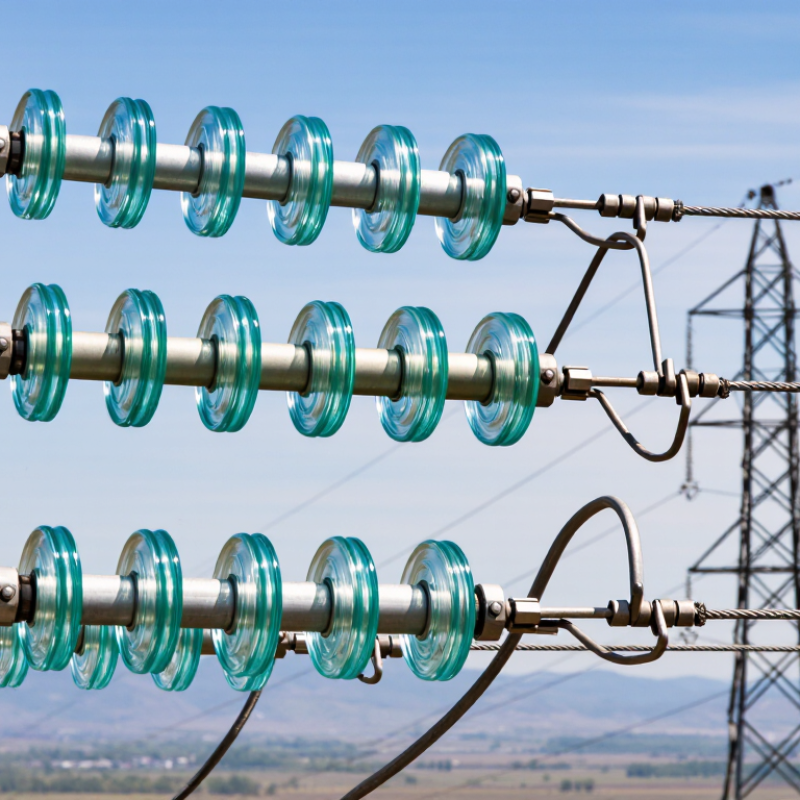
Understanding U300B Suspension Glass Isolator Specifications
How to Choose U300B Suspension Glass Isolator?
Understanding U300B Suspension Glass Isolator Specifications
Selecting a U300B suspension glass isolator begins with its mechanical rating. The “300” commonly indicates a 300 kN rated electromechanical failing load. This value suits heavy-duty transmission lines and demanding structural conditions. However, the marking should not be read alone. The exact meaning of “B” may depend on the applicable standard or technical drawing.
Check the insulator’s dimensions carefully. Review the glass disc diameter, unit spacing, creepage distance, coupling type, and ball diameter. These details affect tower design and hardware compatibility. A mismatched socket can delay installation. It can also create uneven loading. Look for electrical data, including dry power-frequency withstand, wet withstand, lightning impulse withstand, and puncture performance. The stated values should match the system voltage and insulation coordination study.
Environmental conditions matter just as much. Coastal salt, industrial dust, heavy rain, and high altitude can change the required creepage distance. Inspect the cementing area and glass surface for chips, cracks, or unusual discoloration. Ask for routine test records, type-test reports, dimensional inspection data, and traceable material information. Field experience shows that paperwork often reveals more than a polished product image. Still, I would not rely on documents without checking the actual drawing and installation hardware. Specification sheets can be incomplete. Verify every critical value before approval.
Assessing Voltage, Mechanical Load, and Environmental Requirements
How to Choose U300b Suspension Glass Isolator?
Selecting a U300b suspension glass isolator starts with the network voltage, not the product label. Check the highest operating voltage, insulation level, switching impulses, and lightning impulse requirements. A 132 kV line may need different string lengths than a 110 kV line. Altitude also matters because thinner air reduces external insulation strength. Use insulation coordination calculations and verify test data against applicable standards, such as IEC 60383-1.
Mechanical loading deserves equal attention. The U300b designation commonly indicates a 300 kN electromechanical failing load, but this value is not the working load. Calculate conductor tension, wind pressure, ice weight, line angles, and installation shocks. Include suitable safety factors. A straight suspension string may experience less stress than a heavy-angle assembly. Field engineers should compare drawings with actual tower geometry. Small errors here become expensive.
Environmental conditions often decide service life. Coastal salt, industrial dust, smoke, and frequent fog can create conductive wet layers on the glass surface. Inspect pollution severity before choosing creepage distance and string design. In cold regions, repeated freezing can add sudden mechanical stress. Check temperature limits, corrosion protection, and housing condition during routine inspections. Laboratory performance can look excellent, yet site contamination may behave differently. I have seen designs rely too heavily on clean-weather assumptions. That deserves another review. Ensure every batch has traceable inspection records, dimensional checks, and relevant mechanical and electrical test reports.
Selecting Suitable Materials, Dimensions, and Fittings
How to Choose U300b Suspension Glass Isolator?
Selecting a U300B suspension glass isolator starts with the line’s actual service conditions. The U300B designation commonly indicates a nominal mechanical rating near 300 kN. Confirm this value from the applicable standard and test certificate. Toughened glass offers clear visual damage inspection after electrical faults. Metal parts should resist corrosion through suitable galvanizing and controlled coating thickness. Do not guess.
Dimensions must match more than the insulator string length. Check rated voltage, arcing distance, creepage distance, and pollution severity. Coastal salt, industrial dust, and high-altitude conditions may require longer creepage paths. A few extra millimeters can matter. Review conductor weight, wind pressure, ice loading, and short-circuit forces together. A technically strong unit may still be unsuitable if the string becomes too short.
Fittings need exact mechanical and geometric compatibility. Confirm ball-and-socket, clevis, tongue, or other connection types before ordering. Check pin diameter, socket depth, locking devices, and interchangeability with adjacent hardware. Corona-control rings may be necessary on higher-voltage assemblies. During inspection, look for chipped glass, uneven cement joints, loose hardware, and damaged galvanizing. I have seen selection errors caused by measuring only the insulator body. The complete assembly matters. Keep dimensional drawings, routine test reports, and installation records for traceability. Even experienced teams should recheck the final arrangement against site drawings.
Checking Standards, Testing Data, and Manufacturer Quality
How to Choose U300b Suspension Glass Isolator?
A dependable selection starts with the applicable standard and the exact product rating. Check that the test documents identify the U300b unit, its rated mechanical load, and the relevant dimensions. Standards such as IEC 60383-1 may apply to line insulators, but confirm the edition and scope for your project. A certificate without product identification is not enough.
Review type, sample, and routine test results separately. Ask for mechanical failing-load data, electrical test records, and details of visual or dimensional inspections. Compare the stated values with the project specification, rather than relying on a pass mark alone. A graph alone is not proof. Request dated reports from a qualified testing laboratory, and check whether the tested samples match current production. Small differences matter.
Manufacturer quality is visible in traceability and process control. Ask how glass defects, tempering conditions, and metal fittings are monitored, and whether batches can be traced to inspection records. Photos of the production line can help, but they cannot replace documented checks. Details matter. I would also ask how rejected units are recorded; it is an easy question to overlook. If answers are vague, pause and request evidence before approving a shipment.
Comparing Installation Needs, Service Life, and Total Cost
How to Choose U300b Suspension Glass Isolator?
Installation needs shape the real cost of a U300B string. Its 300 kN designation refers to a specified mechanical failing-load class, not a safe working load. IEC 60383-1 sets out mechanical testing for cap-and-pin insulators. Check the certified test results, string design, and matching hardware before installation. A heavy glass unit needs careful handling; chipped shells should not enter service. Small detail. Big consequence.
Service life depends on operating conditions, not just the insulator material. CIGRE Technical Brochure 481 discusses selecting insulators for polluted environments, where contamination and wetting affect performance. Compare local pollution, salt exposure, and cleaning access with the required creepage distance. Glass can make visible damage easier to spot, but visibility is not a substitute for scheduled inspections. There is no single service-life figure that applies to every line.
Total cost should include fittings, lifting time, inspection, washing, and replacement during outages. A lower purchase price may not help if access is difficult or contamination requires frequent cleaning. Ask for field records from comparable voltage, climate, and pollution conditions. I would not treat one project’s maintenance history as a guarantee; it may reflect unusually good access or mild weather. Keep those assumptions visible in the estimate.
How to Choose a U300B Suspension Glass Insulator?
Compare installation needs, service-life considerations, and total cost across common insulator types.
Scores are illustrative planning estimates on a 1–5 scale, not standardized test results. Higher scores indicate easier installation, greater service-life confidence, or better cost efficiency. Actual performance and lifecycle cost depend on the specific design, site conditions, hardware, and maintenance practices; verify project requirements with the applicable specifications and supplier data.









