

News

Miro: A New Standard in Responsible Innovation

Miro: A New Standard in Responsible Innovation The Miro monitor arm is setting new benchmarks in sustainability. It offers a high-performance solution without compromising on environmental responsibility. Designed with careful material selection, local sourcing, and longevity in mind, Miro’s responsible approach to design and unique manoeuvrability set it apart from the competition. Sustainable Choices Miro is crafted from energy-efficient materials with a lower carbon impact....

Read more
HSE Advisor

Role Purpose Support in the development, implementation and maintenance of the company’s Health, Safety & Environmental policies, processes, operational procedures, and standards.  Ensuring best practice and championing a continually improving HSE culture within the business. Key Responsibilities Liaise with and provide support to all areas of the business to eliminate, mitigate or reduce identified HSE exposures. Partner with the production management team and team leaders,...

Read more
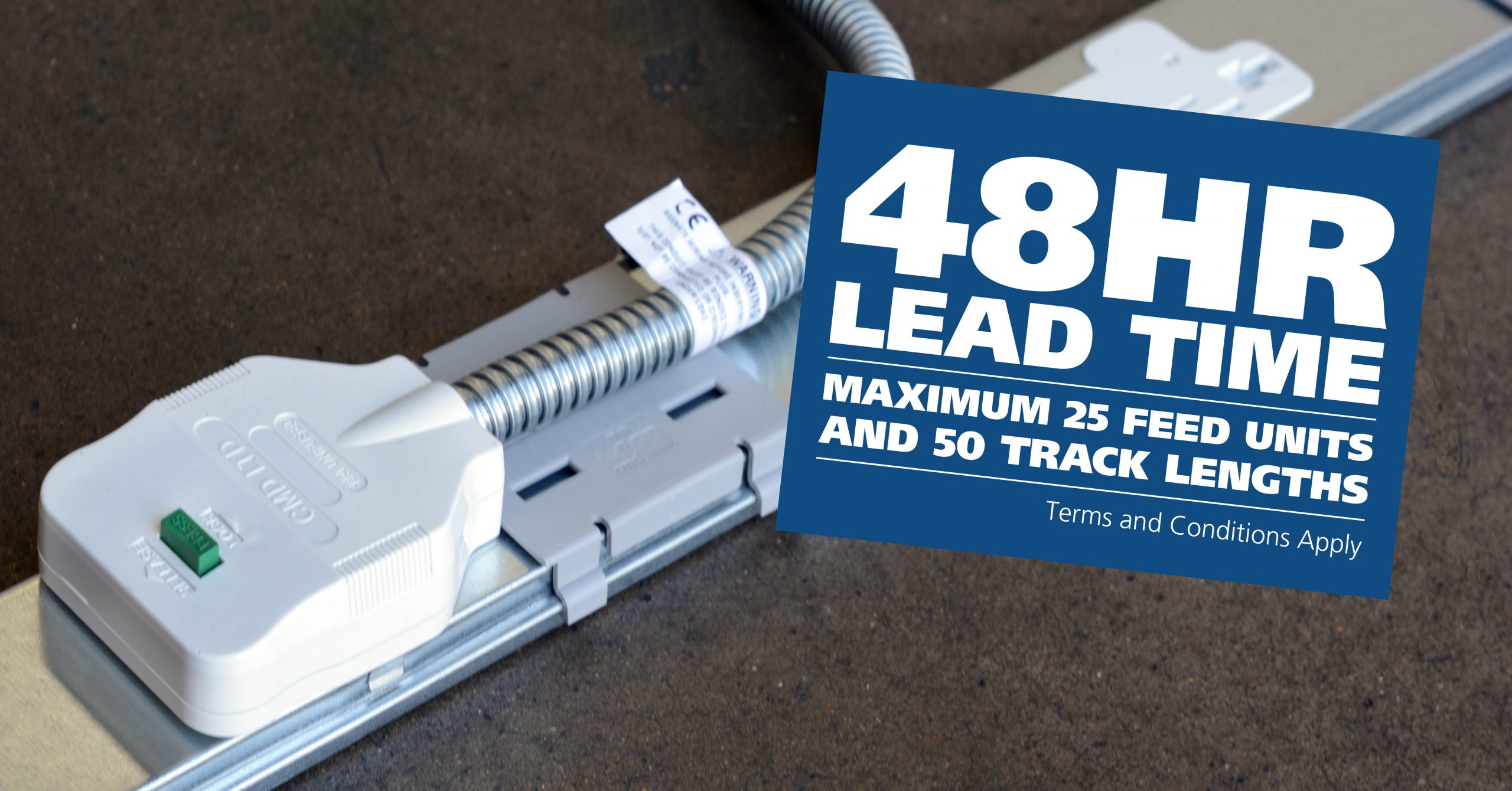
CMD Ltd LAUNCHES 48-HOUR TURNAROUND ON BETATRAK® RAPID ORDERING SERVICE

CMD Ltd, the specialist in power distribution systems, workstation power and monitor arms, has launched a rapid ordering service for its Betatrak® underfloor powertrack distribution systems and accessories, with a commitment to delivering within 48-hours of an approved purchase order*. The service enables customers to order up to 50 lengths of Standard or Clean Earth (C/E) low noise Betatrak, along with up to 25 feed...

Read more
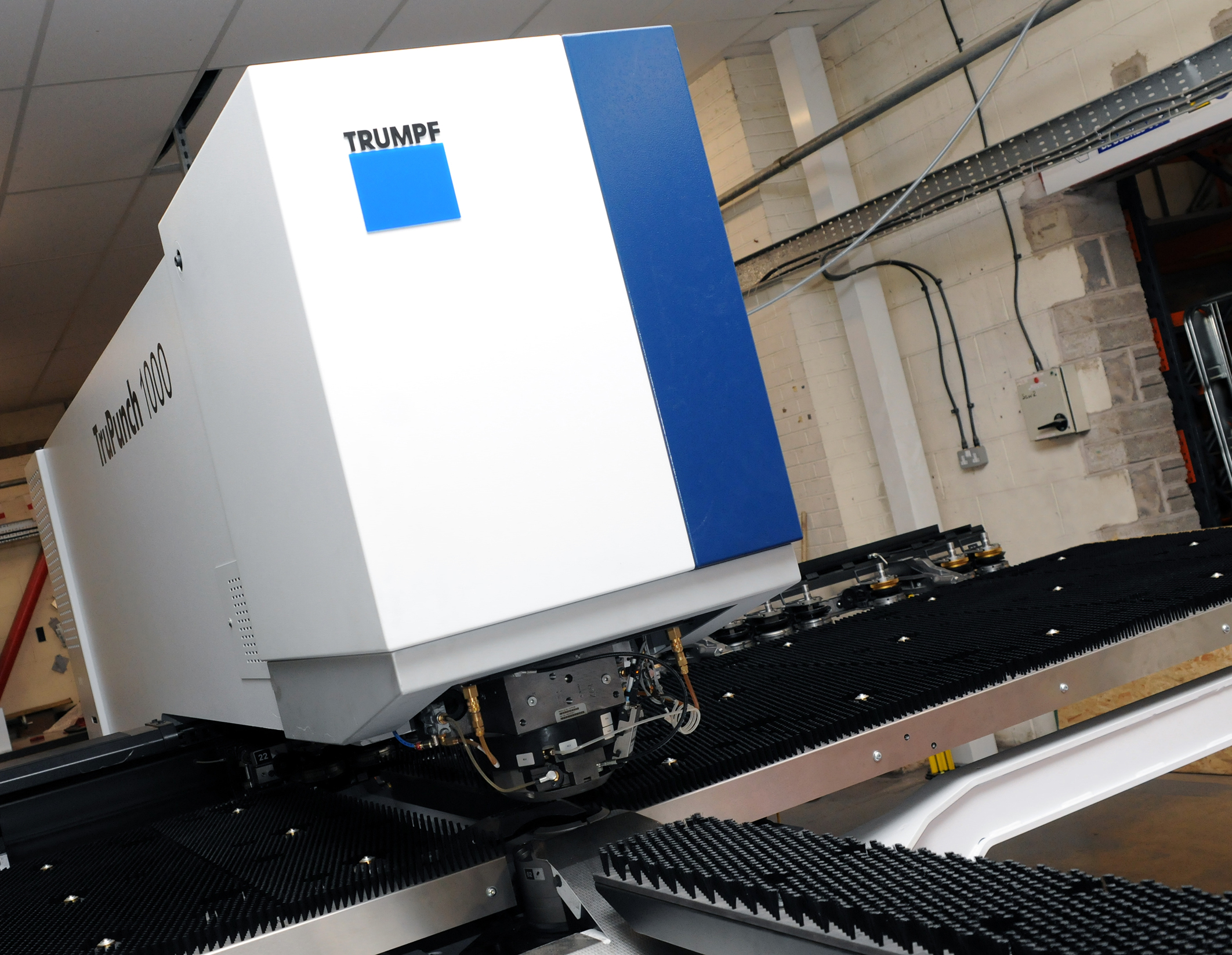
CMD INVESTS £1/4 MILLION IN NEW MACHINE AS PART OF FACTORY UPGRADE

We have invested in a new £1/4m TRUMPF CNC metal punch as part of an asset renewal strategy for our UK manufacturing capability. The new machine will be used in the production of a wide variety of our power distribution systems and workstation power products at our Rotherham factory. Suitable for handling sheet metal between 0.9mm and 3.0mm thick, the new machine will replace one...

Read more
CMD CATALOGUE PROVIDES TECHNICAL POWER DISTRIBUTION GUIDE

CMD Ltd has released a new catalogue, providing an easy to follow technical guide to our power distribution systems and plug and play desk modules. Detailing CMD’s full range of UK-manufactured power distribution systems and plug and play desk modules, the catalogue will be a helpful source of information to M&E engineers and contractors alike to understand how our power distribution systems connect together and...

Read more
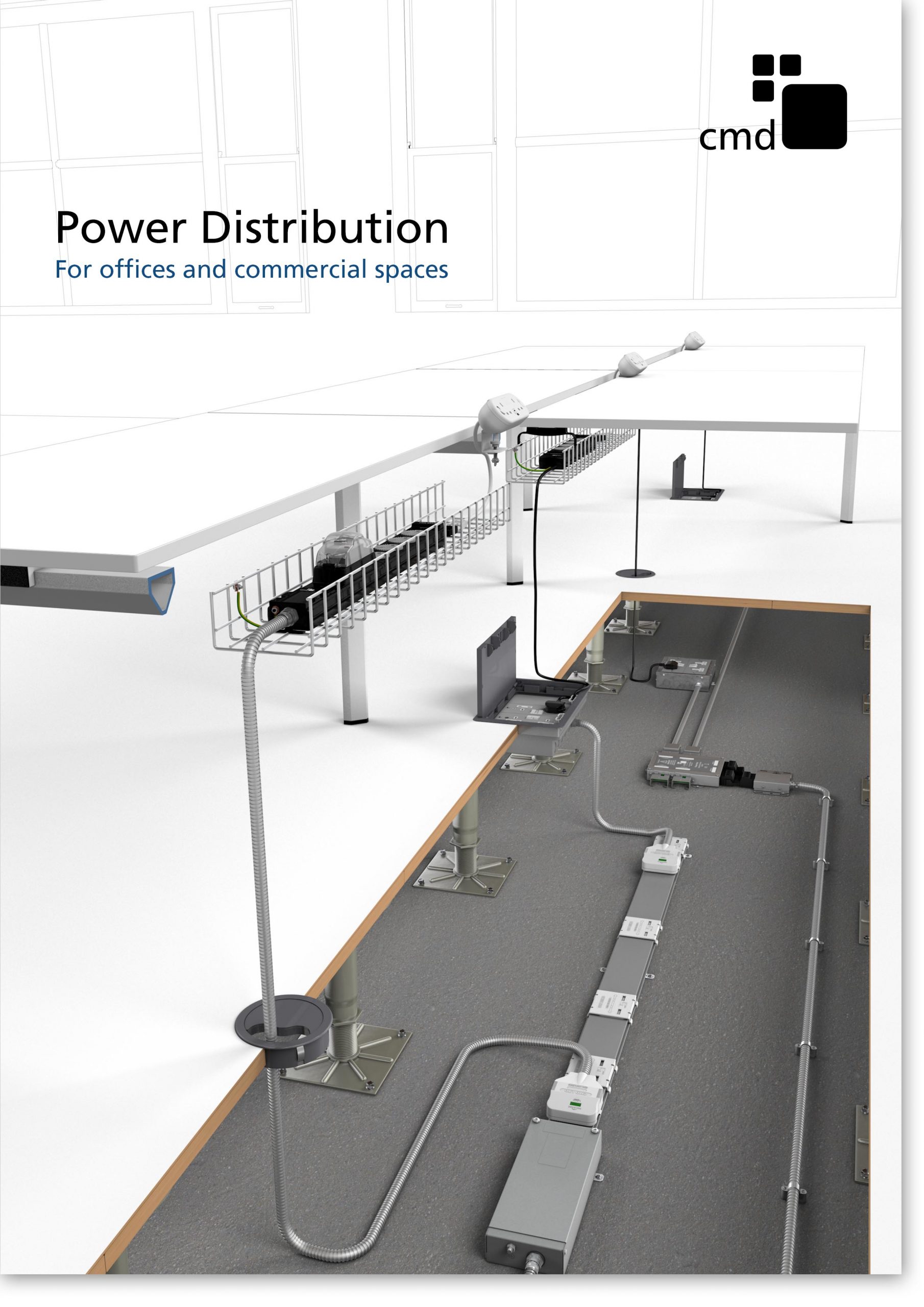
Power Distribution Catalogue
CMD Ltd PLAYS ESSENTIAL ROLE IN ELECTRICAL FIT OUT AT LONDON’S PRESTIGIOUS OFFICE DEVELOPMENT

CMD Ltd, specialist in workplace connectivity and ergonomic solutions, has provided a flexible and high-quality power distribution network for The Ray, a prestigious office development in London’s Farringdon. Well-known for being the former site of The Guardian newspaper, The Ray now stands as an 83,000ft² office development characterised by a modernised warehouse aesthetic, with level two now occupied by a global social media company. The...

Read more

The Ray
CMD plugs in to european opportunity with Schuko Capsule unit launch

CMD Ltd, the specialist in power and connectivity solutions for commercial environments, has launched a Schuko version of its popular fixed format Capsule workstation power module for export to mainland Europe and beyond. A popular on desk power module comprising two sockets and dual USB (type A and C) chargers, CMD’s Capsule unit is already widely specified in the UK as an off-the-shelf workstation power...

Read more
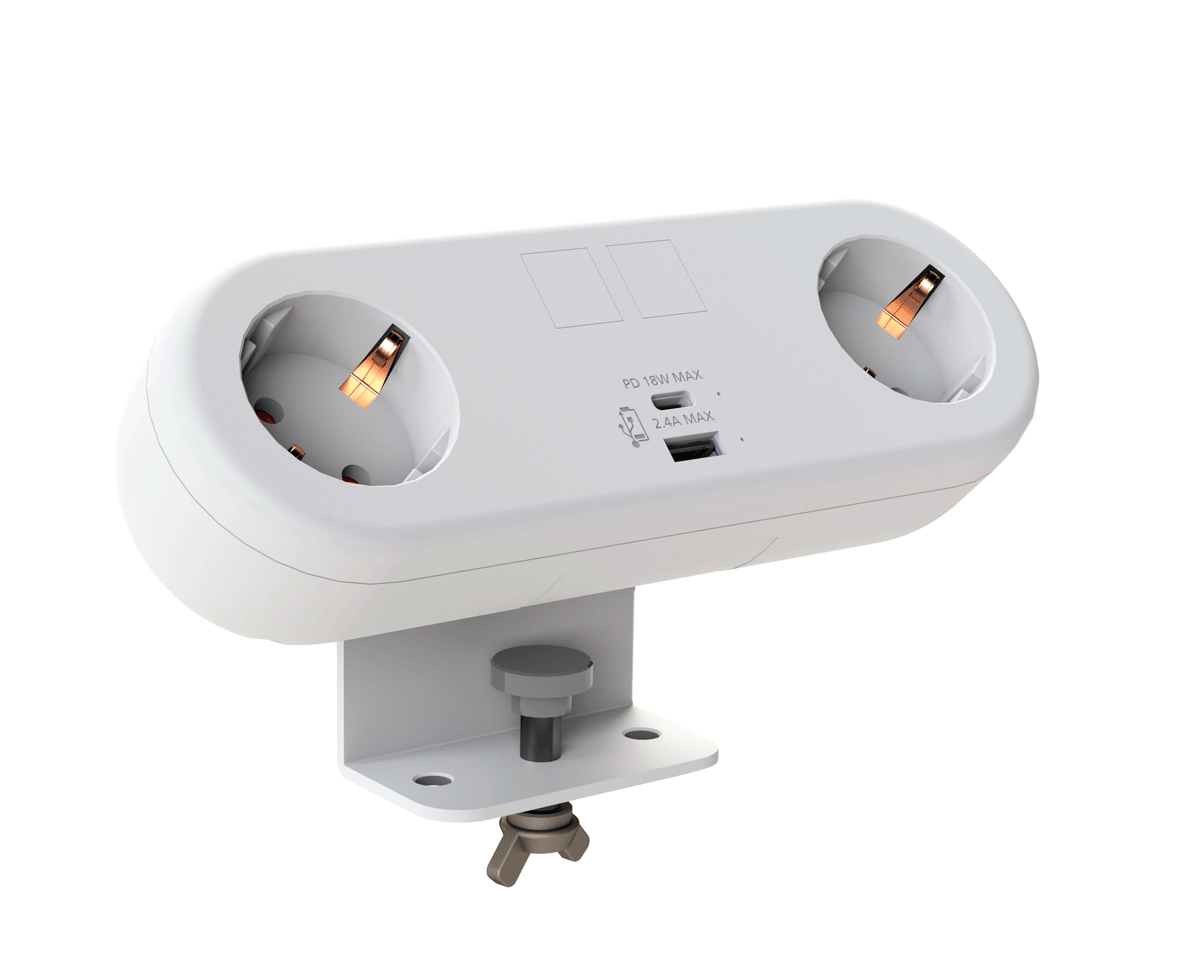
CMD White Schuko Capsule Desk Power Module
CMD LTD EXTENDS MONITOR ARM RANGE WITH THE LAUNCH OF REACH PLUS

CMD Ltd, the specialist in ergonomic and connectivity solutions for commercial interiors, has completed its Reach monitor arm range with the launch of the Reach Plus. Available in single or dual screen options, the Reach Plus has been designed to provide an ideal solution for both single and dual screen workstation configurations, or can be used with next generation of large format curved screens. Suitable...

Read more
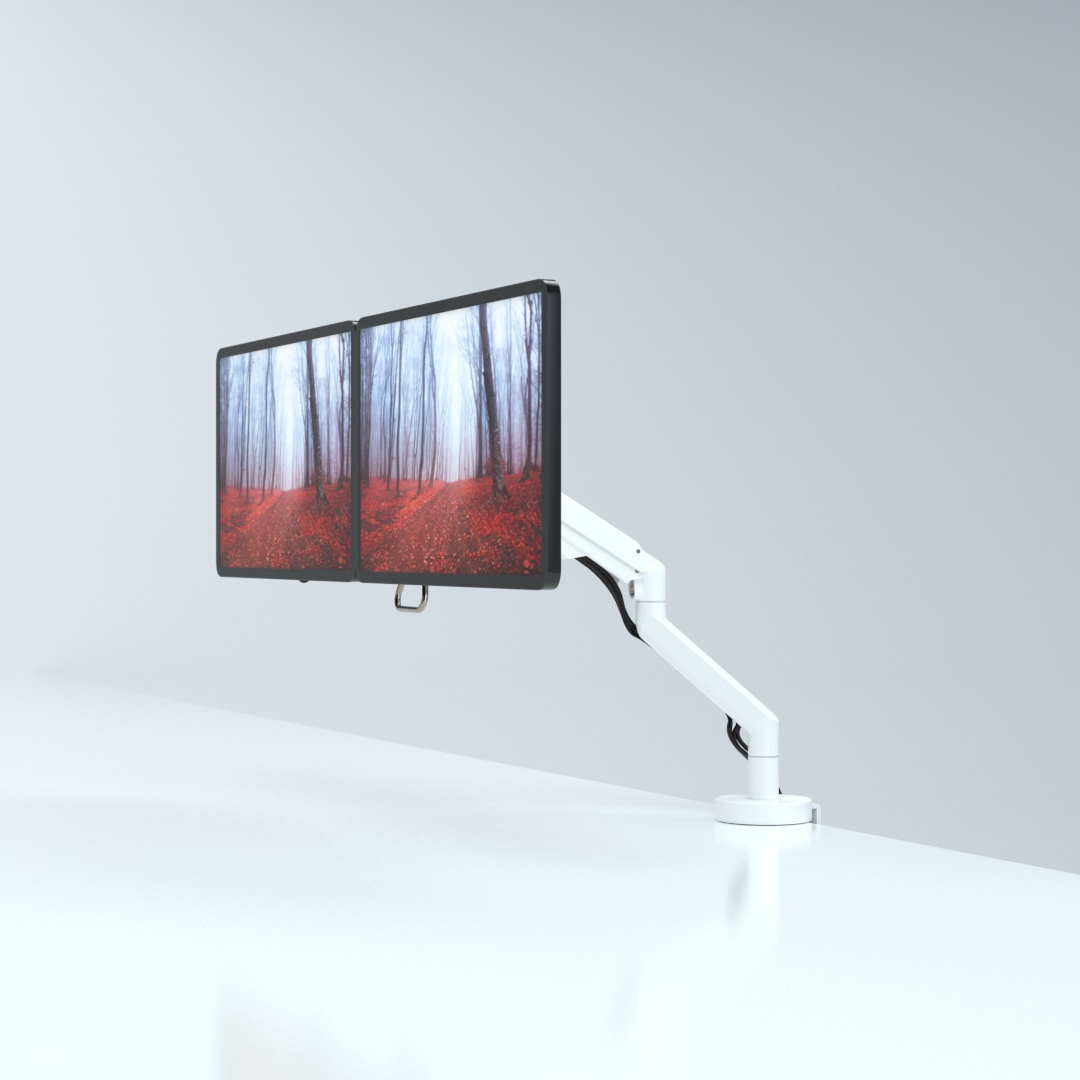
CMD Ltd DEMONSTRATES THE ART OF POWER DISTRIBUTION AT THE UNIVERSITY OF WARWICK

CMD Ltd, the specialist in workplace connectivity and ergonomic solutions, has provided Betatrak busbar power distribution and a range of electrical accessories for two major capital investment projects at the University of Warwick. Designed by Fielden Clegg Bradley Studios, the £33 million Faculty of Arts building is a showpiece development comprising four interconnected structures set around a central atrium, which will enable inter-disciplinary collaboration across...

Read more

University of Warwick
CMD BRINGS HARMONY TO COVENTRY UNIVERSITY RESEARCH FACILITIES

CMD Ltd, the specialist in power distribution solutions and workstation power and ergonomics, has provided under desk and on desk power modules for the refurbishment of three Coventry University research buildings. Located on Coventry University Technology Park, a business park designed to encourage collaboration between the university and knowledge-based businesses, the three buildings are being repurposed as office accommodation for university research teams. The refurbishment...

Read more

Coventry University

How to Choose an MCCB Molded Case Circuit Breaker in 2026?

Selecting a Mccb Molded Case Circuit Breaker in 2026 requires more than matching amperage to a nameplate. Modern facilities face changing loads, tighter uptime expectations, and more distributed generation. The International Energy Agency’s Electricity 2024 report expects global electricity demand to grow by an average 3.4% annually through 2026. That growth increases pressure on low-voltage distribution systems, especially in factories, data centers, commercial buildings, and solar-integrated sites.

A practical selection begins with verified electrical conditions. Record the system voltage, continuous load, prospective short-circuit current, ambient temperature, enclosure location, and cable size. Then compare the breaker’s rated current, insulation voltage, service breaking capacity, trip characteristics, and pole configuration. IEC 60947-2 provides the main performance framework for low-voltage circuit breakers, including molded-case designs. UL 489 remains important for many North American installations. These standards matter because a compact breaker can still fail if its interrupting rating is below the available fault current.

Field experience also exposes uncomfortable details. A breaker may fit the panel but perform poorly beside high inrush motors. A 250 A frame does not automatically mean a 250 A trip setting. Coordination studies, selectivity, temperature derating, and maintenance access deserve equal attention. Renewable and battery systems can further change fault behavior, as the IEA’s Renewables 2024 report highlights through rapid capacity expansion. There is no universal “best” model. The reliable choice combines manufacturer test data, local code requirements, protection calculations, and the actual operating environment. Small assumptions can become expensive outages.

How to Choose an MCCB Molded Case Circuit Breaker in 2026?

What Is an MCCB and Why Is It Used?

An MCCB, or molded case circuit breaker, protects electrical circuits from overloads and short circuits. It combines switching, protection, and circuit isolation in one enclosed device. Thermal-magnetic models respond to heat and magnetic fault current. Electronic trip units can measure current more precisely and offer adjustable settings.

MCCBs are commonly used on commercial feeders, industrial machines, generators, and large distribution boards. They usually handle higher currents than miniature circuit breakers. Their resettable design also reduces replacement time after a fault. According to the International Energy Agency’s Electricity 2024 report, global electricity demand grew by 2.2% in 2023. The IEA expects average annual growth of 3.4% from 2024 to 2026. Larger and more variable loads make dependable protection increasingly important.

Selection should begin with voltage, continuous current, interrupting capacity, and available fault current. IEC 60947-2 provides the main performance framework for low-voltage circuit breakers. Adjustable long-time and instantaneous settings can improve coordination between upstream and downstream devices. Still, adjustment is not automatically better. A poorly set trip unit may delay protection or cause nuisance trips. Installation conditions matter too, including enclosure temperature, cable size, altitude, and maintenance access. My own weak point in many specifications is assuming the nameplate tells the whole story. It does not. Verify calculations, coordination studies, and local electrical requirements before approval.

How to Determine the Required MCCB Electrical Ratings

Choosing an MCCB in 2026 starts with accurate electrical ratings, not the device’s appearance. The rated operational voltage must match the system voltage and earthing arrangement. A 400 V system needs an MCCB suitable for that application. Never select only by frame size.

Calculate design current from the actual load. Motors, heaters, compressors, and lighting circuits behave differently. Check continuous load, starting current, duty cycle, and future expansion. The breaker’s rated current should protect the cable, not simply match the equipment nameplate. Cable ampacity, installation method, ambient temperature, and grouping can reduce the allowable current. Derating is easy to overlook. It matters.

Interrupting capacity is equally critical. Compare the MCCB’s short-circuit rating with the prospective fault current at its installation point. The rating must be equal to or higher than that fault level. Choose the number of poles carefully, especially where neutral switching is required. Adjustable thermal and magnetic trips can improve coordination with downstream breakers. Yet excessive adjustment creates risk. Test settings against measured system data and applicable electrical standards. In panel reviews, I have seen perfectly sized breakers fail coordination because the trip curve was guessed. Verify discrimination, cable protection, and enclosure temperature with a qualified engineer. Even a small calculation error can produce nuisance trips or unsafe fault clearing.

How to Choose an MCCB Molded Case Circuit Breaker in 2026? - How to Determine the Required MCCB Electrical Ratings

Representative MCCB Electrical Rating Selection Reference
Typical Frame Size Common Rated Current (In) Typical Pole Options Typical Rated Operational Voltage (Ue) Typical Short-Circuit Rating at 400/415 V AC Typical Application Selection Check
63 A frame 16–63 A 2P, 3P, 4P 240/415 V AC; some designs up to 690 V AC Typically 18–36 kA Small feeders, pumps, HVAC branches, commercial distribution Use when the calculated design current is normally below 50 A and the available fault current is within the breaker’s interrupting rating.
100 A frame 40–100 A 2P, 3P, 4P 240/415 V AC; some designs up to 690 V AC Typically 25–50 kA Sub-distribution boards, motor feeders, small commercial panels Select an adjustable trip unit when the load current is close to the frame rating or coordination with downstream protection is required.
160 A frame 80–160 A 3P, 4P 415 V AC; commonly 690 V AC maximum Typically 25–50 kA Main feeders for workshops, retail buildings, and light industrial loads Confirm cable ampacity, installation derating, motor starting current, and ambient-temperature correction.
250 A frame 125–250 A 3P, 4P 415 V AC; commonly 690 V AC maximum Typically 36–65 kA Building mains, larger HVAC systems, process equipment, generator feeders The MCCB long-time pickup should protect the conductors without exceeding their permitted ampacity.
400 A frame 200–400 A 3P, 4P 415 V AC; commonly 690 V AC maximum Typically 36–65 kA Industrial distribution, large motor control centers, transformer secondary feeders Check the transformer or generator prospective short-circuit current before selecting the Icu or Ics value.
630 A frame 315–630 A 3P, 4P 415 V AC; commonly 690 V AC maximum Typically 50–85 kA Large industrial feeders, data-center distribution, high-capacity switchboards Use electronic protection when accurate long-time, short-time, instantaneous, or ground-fault settings are needed.
800 A frame 400–800 A 3P, 4P 415 V AC; commonly 690 V AC maximum Typically 50–100 kA Main switchboards, large commercial facilities, industrial plant incomers Verify busbar withstand, enclosure temperature rise, connection method, and discrimination with downstream breakers.
1,250 A frame 630–1,250 A 3P, 4P 415 V AC; commonly 690 V AC maximum Typically 65–100 kA Large facility incomers, utility distribution, high-power industrial systems Confirm continuous load, harmonic heating, neutral loading, short-circuit withstand, and required selectivity.
1,600 A frame 800–1,600 A 3P, 4P 415 V AC; commonly 690 V AC maximum Typically 65–100 kA High-capacity mains, large transformers, industrial power distribution A detailed short-circuit study and coordination study should be completed before final selection.
Key MCCB Rating Checks:
  • Choose the rated current so that the design load current is not greater than the protective-device setting, and the protective-device setting does not exceed the permitted conductor ampacity.
  • For a three-phase balanced load, a common preliminary calculation is: I = P ÷ (√3 × V × power factor × efficiency).
  • Select the voltage rating to meet or exceed the system voltage, including the required insulation and utilization voltage.
  • Select the interrupting rating so that the MCCB can safely interrupt the prospective short-circuit current at its installation point.
  • Choose 2-pole, 3-pole, or 4-pole construction according to the system configuration and whether the neutral must be switched.
  • Final selection must be verified against the applicable installation rules, conductor ampacity, temperature, fault-current calculation, coordination requirements, and the MCCB manufacturer’s tested data.

Note: The values shown are representative selection ranges for low-voltage MCCBs conforming to commonly used IEC 60947-2 practices. Actual current ranges, voltage ratings, and short-circuit performance vary by product design and must be confirmed from the relevant technical datasheet.

How to Select Trip Protection and Adjustment Features

How to Choose an MCCB Molded Case Circuit Breaker in 2026?

How to Select Trip Protection and Adjustment Features

In practical MCCB selection, trip protection should follow the circuit, not the enclosure label. Start with continuous load, conductor capacity, available fault current, and ambient temperature. A thermal-magnetic trip suits many straightforward feeders. An electronic trip offers finer control. It may provide long-time, short-time, instantaneous, and ground-fault settings. Each function addresses a different failure condition. Do not choose the highest ampere setting by habit. That can leave cables exposed during prolonged overloads.

Set long-time pickup to protect the conductors during sustained loading. Check the cable installation method and correction factors first. Short-time delay can improve coordination with downstream breakers. However, excessive delay may increase equipment stress during a fault. Instantaneous protection should clear severe short circuits quickly. Motors and transformers may need settings that tolerate brief inrush current. The correct value depends on measured starting behavior, not guesswork. Coordination studies are valuable here, especially in multi-level distribution panels.

Adjustment ranges are useful only when someone verifies them. Record every setting on the commissioning sheet. Confirm that the breaker’s interrupting rating exceeds the calculated fault current. Ground-fault protection also requires attention to sensor placement and neutral arrangements.

In early design reviews, I have sometimes focused too much on adjustment flexibility. More options did not always mean better protection. A field check with a qualified electrician can reveal a hidden mismatch, such as a high setting paired with undersized conductors. Test results, temperature readings, and actual load measurements deserve more trust than assumptions.

How to Match the MCCB to Installation and Environmental Conditions

Choosing an MCCB in 2026 starts with the installation, not the catalogue. Record system voltage, frequency, available short-circuit current, load current, and conductor size. Select a rated voltage above the system voltage and an interrupting capacity above the prospective fault current. Check the number of poles and whether neutral protection is required. The continuous rating must suit the cable, load, and permitted temperature rise. A larger frame is not automatically safer.

At the panel, measure ambient temperature rather than relying on room labels. Heat can reduce allowable current, especially inside crowded enclosures. At high altitude, reduced air density can affect insulation and cooling. Dust, moisture, salt mist, and corrosive gases demand a suitable enclosure and documented suitability. Outdoor units need protection from rain, sunlight, and condensation. In a vibrating machine area, secure mounting and terminal torque matter. Small details matter.

Match the trip unit to the load profile. Motors need starting-current tolerance, while sensitive electronic loads may need tighter protection. Confirm time-current curves, selectivity, and backup protection with the upstream device. Verify cable termination temperature and lug compatibility. Then test the installation under an approved commissioning procedure. I would not trust a quick visual check alone. Even experienced designers can miss heat buildup or future load growth. Recheck the assumptions before energizing.

How to Choose an MCCB Molded Case Circuit Breaker in 2026?

How to Match the MCCB to Installation and Environmental Conditions

Select the MCCB enclosure and installation protection according to the surrounding environment. The chart compares common IEC 60529 IP ratings: the first digit indicates protection against solid objects and dust, while the second digit indicates protection against water. IP ratings describe the enclosure protection level only; current rating, breaking capacity, ambient-temperature derating, altitude, humidity, and coordination must also be verified for the specific installation.

How to Verify Compliance, Coordination, and Long-Term Reliability

How to Choose an MCCB Molded Case Circuit Breaker in 2026?

How to Verify Compliance, Coordination, and Long-Term Reliability

Choosing an MCCB starts with the installation, not the catalogue. Confirm the system voltage, continuous load, prospective short-circuit current, and enclosure temperature. The breaker’s interrupting capacity must exceed the available fault current at its installation point. Check both Icu and Ics values under the applicable edition of IEC 60947-2 or relevant local requirements. A certificate alone is insufficient. Review test reports, ratings, and marking details.

Coordination requires more than matching ampere ratings. Compare time-current curves for the upstream and downstream devices. Verify overload selectivity and short-circuit discrimination across the expected fault range. Instantaneous settings can defeat coordination. Adjustable protection helps, but only when engineers document the settings. I have seen projects where identical ratings looked acceptable, yet a minor fault opened the main breaker. Real systems are less tidy.

Long-term reliability depends on heat, vibration, switching frequency, and maintenance access. Check derating data at the actual ambient temperature. Inspect terminal strength, conductor compatibility, and enclosure ventilation. Confirm the expected electrical and mechanical endurance from credible laboratory evidence. Record commissioning measurements and trip settings. Recheck them after major load changes. A spreadsheet is not enough. Field conditions may expose assumptions nobody noticed. Reliability also depends on trained personnel, clear labels, and periodic functional checks. Perfect coordination on paper can still fail when installation workmanship is poor.