

News

Miro: A New Standard in Responsible Innovation

Miro: A New Standard in Responsible Innovation The Miro monitor arm is setting new benchmarks in sustainability. It offers a high-performance solution without compromising on environmental responsibility. Designed with careful material selection, local sourcing, and longevity in mind, Miro’s responsible approach to design and unique manoeuvrability set it apart from the competition. Sustainable Choices Miro is crafted from energy-efficient materials with a lower carbon impact....

Read more
HSE Advisor

Role Purpose Support in the development, implementation and maintenance of the company’s Health, Safety & Environmental policies, processes, operational procedures, and standards.  Ensuring best practice and championing a continually improving HSE culture within the business. Key Responsibilities Liaise with and provide support to all areas of the business to eliminate, mitigate or reduce identified HSE exposures. Partner with the production management team and team leaders,...

Read more
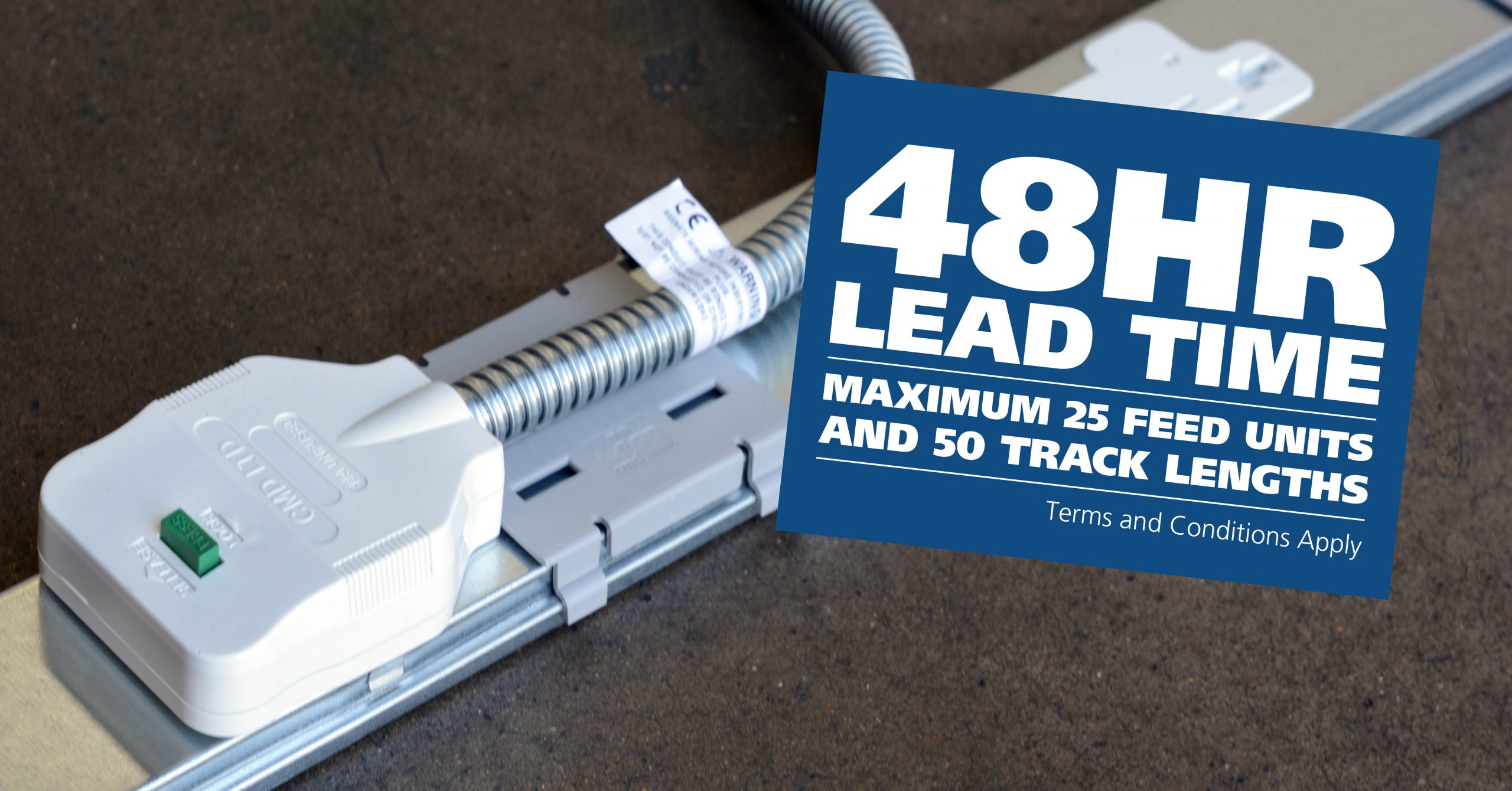
CMD Ltd LAUNCHES 48-HOUR TURNAROUND ON BETATRAK® RAPID ORDERING SERVICE

CMD Ltd, the specialist in power distribution systems, workstation power and monitor arms, has launched a rapid ordering service for its Betatrak® underfloor powertrack distribution systems and accessories, with a commitment to delivering within 48-hours of an approved purchase order*. The service enables customers to order up to 50 lengths of Standard or Clean Earth (C/E) low noise Betatrak, along with up to 25 feed...

Read more
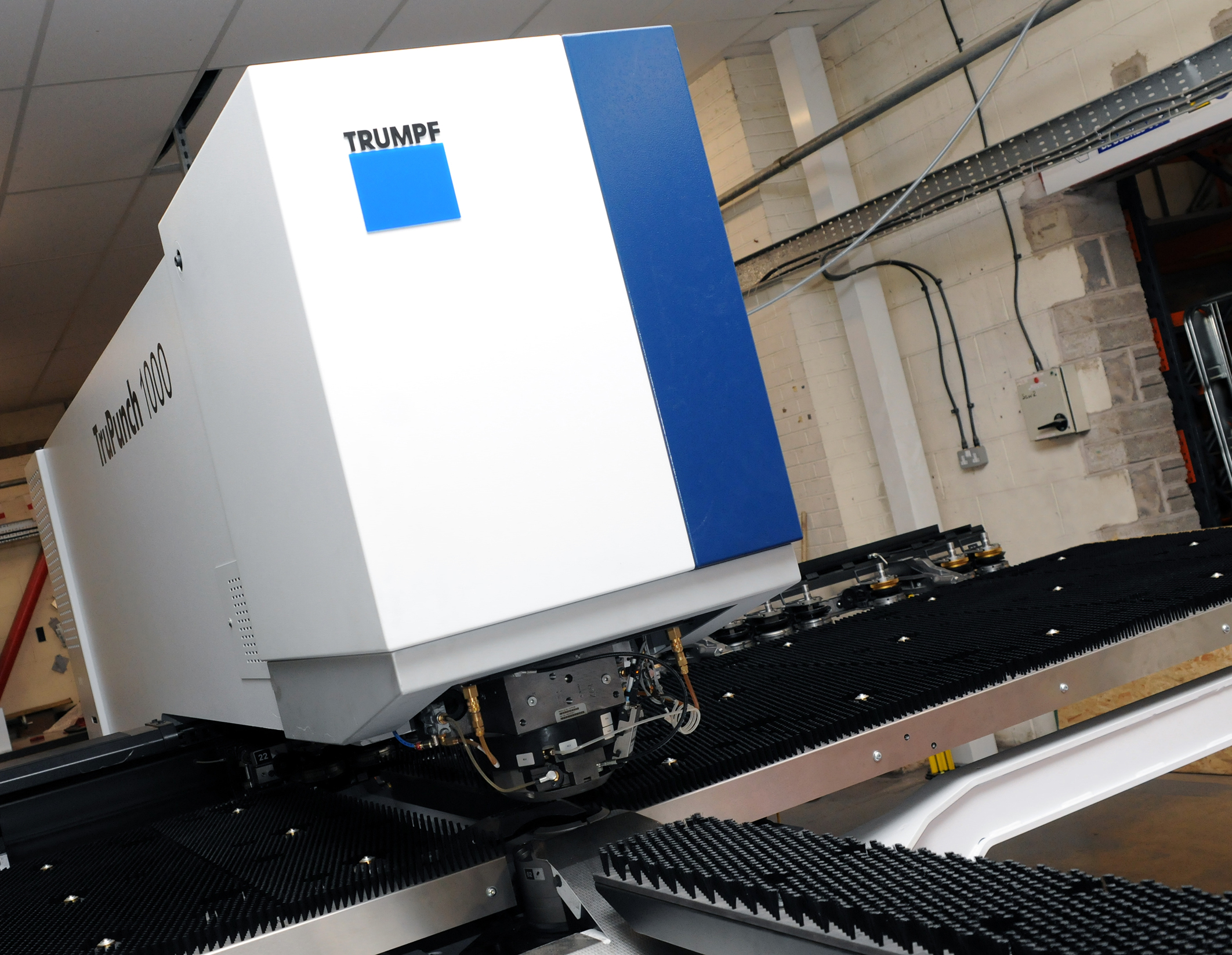
CMD INVESTS £1/4 MILLION IN NEW MACHINE AS PART OF FACTORY UPGRADE

We have invested in a new £1/4m TRUMPF CNC metal punch as part of an asset renewal strategy for our UK manufacturing capability. The new machine will be used in the production of a wide variety of our power distribution systems and workstation power products at our Rotherham factory. Suitable for handling sheet metal between 0.9mm and 3.0mm thick, the new machine will replace one...

Read more
CMD CATALOGUE PROVIDES TECHNICAL POWER DISTRIBUTION GUIDE

CMD Ltd has released a new catalogue, providing an easy to follow technical guide to our power distribution systems and plug and play desk modules. Detailing CMD’s full range of UK-manufactured power distribution systems and plug and play desk modules, the catalogue will be a helpful source of information to M&E engineers and contractors alike to understand how our power distribution systems connect together and...

Read more
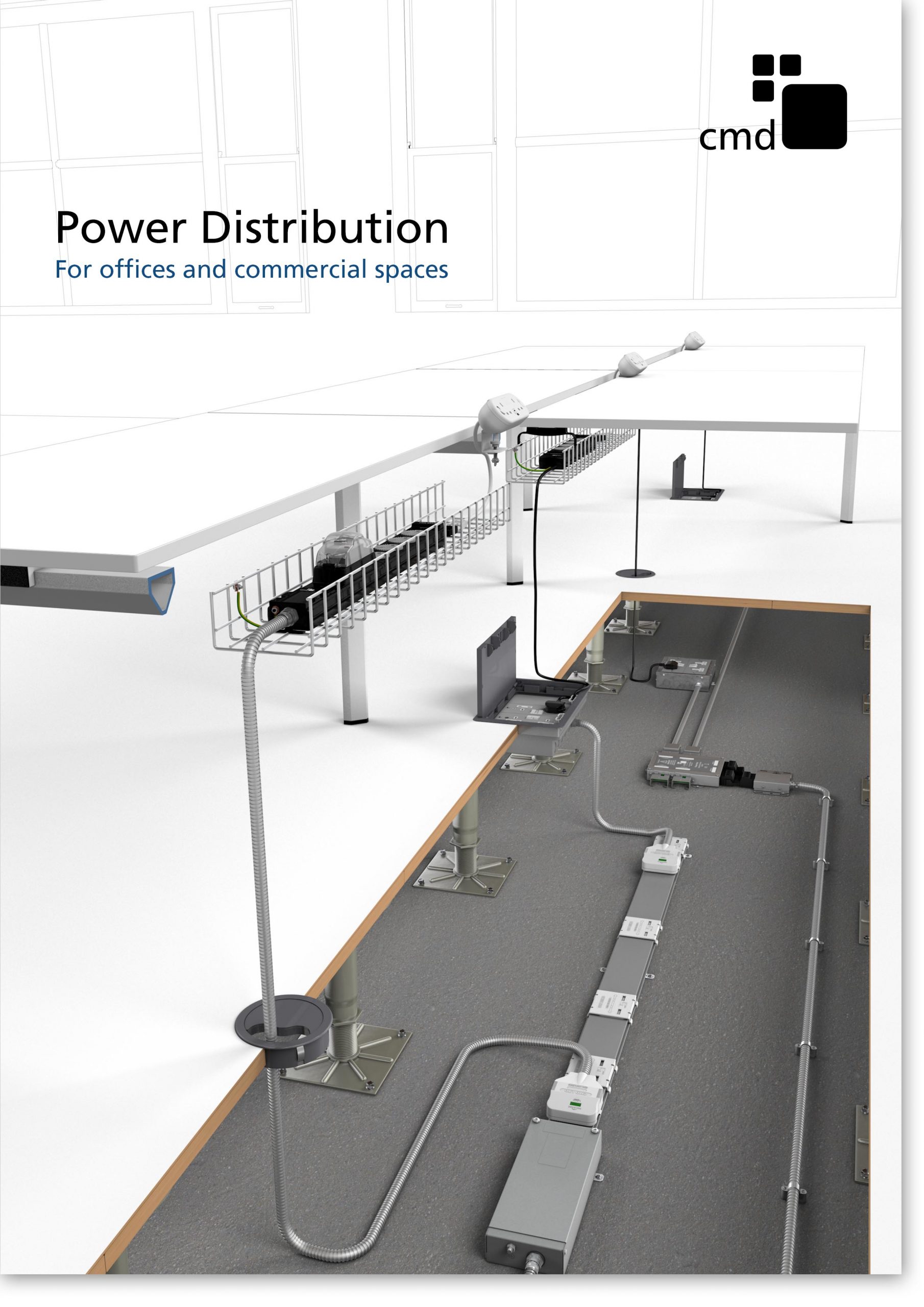
Power Distribution Catalogue
CMD Ltd PLAYS ESSENTIAL ROLE IN ELECTRICAL FIT OUT AT LONDON’S PRESTIGIOUS OFFICE DEVELOPMENT

CMD Ltd, specialist in workplace connectivity and ergonomic solutions, has provided a flexible and high-quality power distribution network for The Ray, a prestigious office development in London’s Farringdon. Well-known for being the former site of The Guardian newspaper, The Ray now stands as an 83,000ft² office development characterised by a modernised warehouse aesthetic, with level two now occupied by a global social media company. The...

Read more

The Ray
CMD plugs in to european opportunity with Schuko Capsule unit launch

CMD Ltd, the specialist in power and connectivity solutions for commercial environments, has launched a Schuko version of its popular fixed format Capsule workstation power module for export to mainland Europe and beyond. A popular on desk power module comprising two sockets and dual USB (type A and C) chargers, CMD’s Capsule unit is already widely specified in the UK as an off-the-shelf workstation power...

Read more
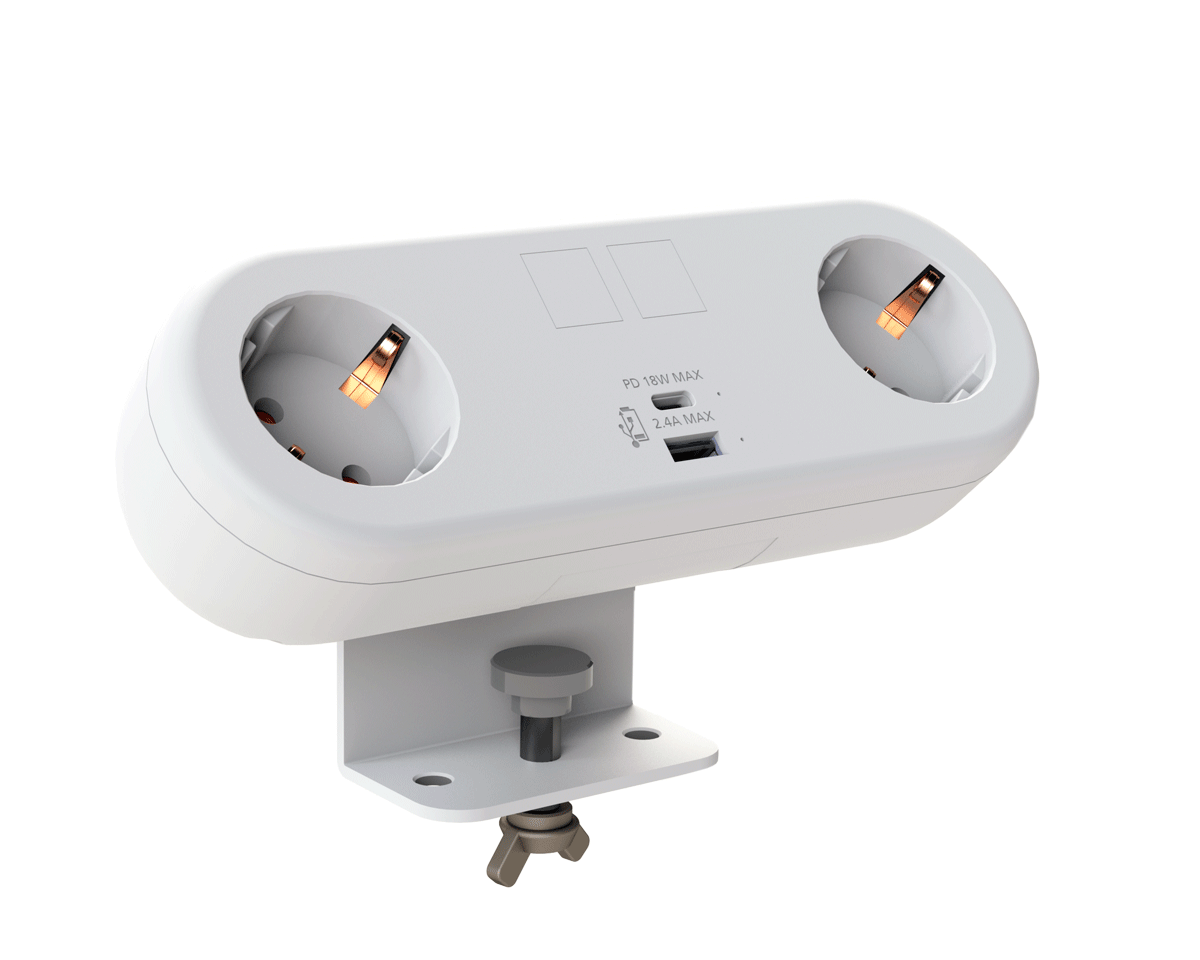
CMD White Schuko Capsule Desk Power Module
CMD LTD EXTENDS MONITOR ARM RANGE WITH THE LAUNCH OF REACH PLUS

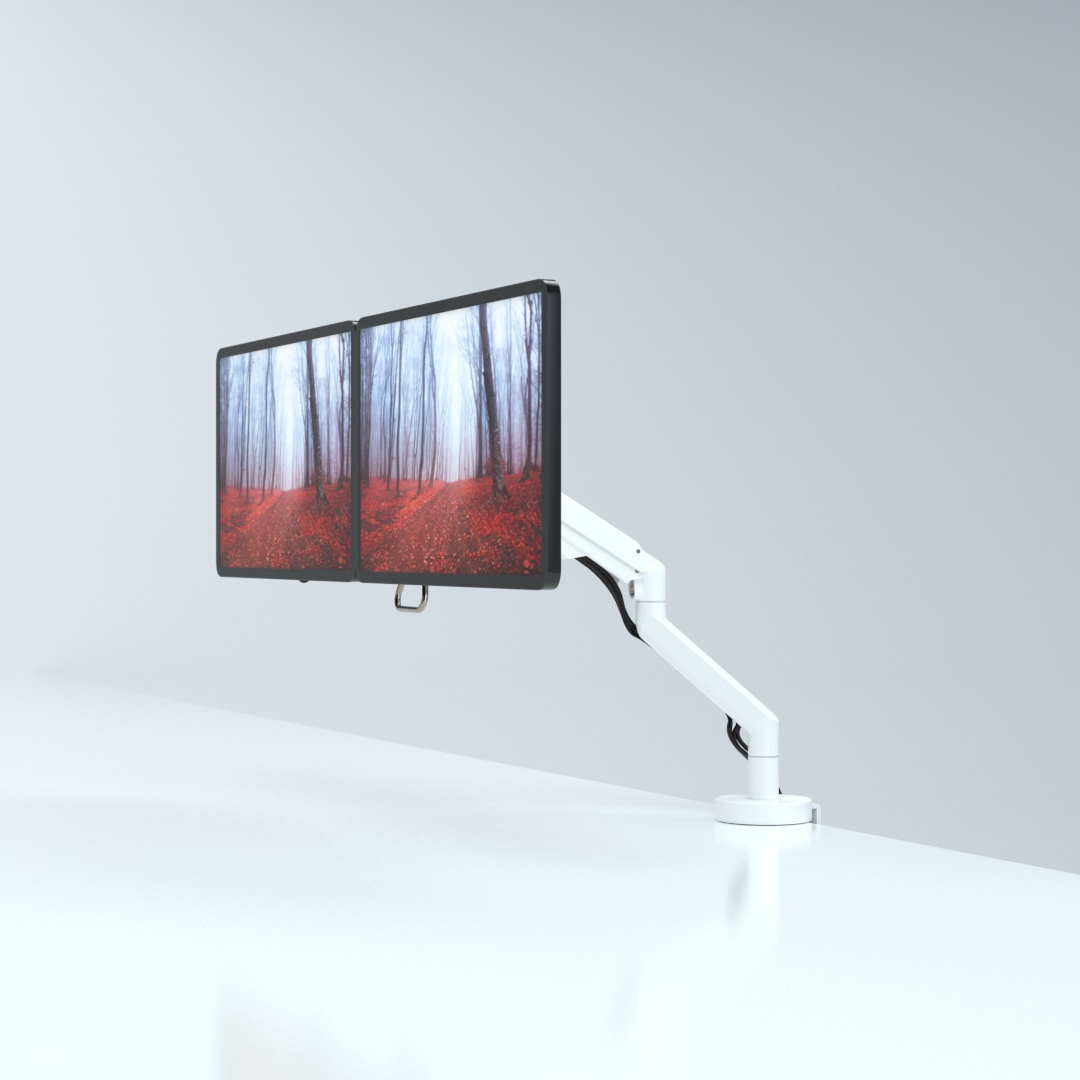
CMD Ltd, the specialist in ergonomic and connectivity solutions for commercial interiors, has completed its Reach monitor arm range with the launch of the Reach Plus. Available in single or dual screen options, the Reach Plus has been designed to provide an ideal solution for both single and dual screen workstation configurations, or can be used with next generation of large format curved screens. Suitable...

Read more
CMD Ltd DEMONSTRATES THE ART OF POWER DISTRIBUTION AT THE UNIVERSITY OF WARWICK

CMD Ltd, the specialist in workplace connectivity and ergonomic solutions, has provided Betatrak busbar power distribution and a range of electrical accessories for two major capital investment projects at the University of Warwick. Designed by Fielden Clegg Bradley Studios, the £33 million Faculty of Arts building is a showpiece development comprising four interconnected structures set around a central atrium, which will enable inter-disciplinary collaboration across...

Read more

University of Warwick
CMD BRINGS HARMONY TO COVENTRY UNIVERSITY RESEARCH FACILITIES

CMD Ltd, the specialist in power distribution solutions and workstation power and ergonomics, has provided under desk and on desk power modules for the refurbishment of three Coventry University research buildings. Located on Coventry University Technology Park, a business park designed to encourage collaboration between the university and knowledge-based businesses, the three buildings are being repurposed as office accommodation for university research teams. The refurbishment...

Read more

Coventry University

How to Choose the Right Industrial Sprocket for Your Needs?

Choosing the right Industrial Sprocket is crucial for optimal machinery performance. With various designs and sizes available, understanding specific needs becomes essential. A suitable sprocket influences overall productivity and equipment lifespan.

Industrial Sprockets are more than simple components. They are integral to power transmission systems, driving efficiency in manufacturing processes. However, selecting the right sprocket can be challenging. Many overlook potential mismatches in size and function, leading to operational issues.

Consider your machinery requirements carefully. Evaluate factors like load capacity, pitch, and material. The right Industrial Sprocket not only supports performance but also enhances durability. A well-chosen sprocket can save costs and reduce downtime. Reflect on your choices to ensure the best fit for your needs.

How to Choose the Right Industrial Sprocket for Your Needs?

Understanding the Types of Industrial Sprockets Available

When selecting the right industrial sprocket, it is essential to understand the types available. There are several common types of sprockets, each designed for specific applications. Roller sprockets are the most popular type, often used in chain drives due to their versatility. They accommodate various chain sizes, making them suitable for multiple industrial settings.

Another type is the double sprocket. This type features two sets of teeth, allowing for engagement with two chains at once. It is beneficial in setups requiring synchronized movement between multiple components. Additionally, tapered sprockets offer the advantage of adapter shafts, making them easier to install and replace. Their adaptability in different configurations makes them a go-to choice for many applications.

Lastly, consider specialty sprockets. These are designed for unique situations, such as high-load applications. Their formation can vary greatly, and they may feature custom tooth designs or arrangements. Choosing the right type requires careful evaluation of your specific needs, machinery compatibility, and the load it must handle. Mistakes in selection can lead to inefficiencies or failures, so reflect on your choices carefully.

How to Choose the Right Industrial Sprocket for Your Needs? - Understanding the Types of Industrial Sprockets Available

Sprocket Type Material Pitch Size (inches) Tooth Count Typical Applications
Single Strand Sprocket Steel 0.5 10-20 Conveyors, Small Machinery
Double Strand Sprocket Stainless Steel 0.75 20-40 Heavy Equipment, Industrial Applications
Silent Sprocket Plastic 0.5 10-30 Printing Machines, Robotics
Adjustable Sprocket Aluminum 0.625 12-24 Custom Machinery, Gearboxes
Chain Sprocket Carbon Steel 1.0 15-30 Bicycles, Motorcycles

Evaluating Material Options for Durability and Performance

When selecting an industrial sprocket, the material you choose greatly impacts durability and performance. Common materials include carbon steel, stainless steel, and nylon. Each has unique properties suited for specific applications. For example, carbon steel offers excellent strength but may not resist corrosion well. Stainless steel, while more expensive, provides superior corrosion resistance. Nylon sprockets are lightweight and quieter but may wear faster under heavy loads.

Tips for choosing the right material include considering your operating environment. If your sprocket is exposed to moisture or chemicals, rust-resistant materials are essential. Heavy-duty applications may call for stronger metals. Always evaluate the weight and speed loads as well. A sprocket that can’t withstand stress can lead to premature failure.

When in doubt, consult with manufacturers or industry experts. They can give insights into material performance based on real-world experiences. Remember, a wrong choice can lead to disruptions and increased costs. Don’t rush the decision. Take time to weigh your options for long-term success.

Determining Size and Pitch for Proper Fit and Function

When selecting an industrial sprocket, size and pitch are crucial for ensuring proper fit and function. The size of a sprocket directly affects the efficiency of the system. A larger sprocket might provide more torque but can also slow down the speed. A smaller sprocket can increase speed but may lead to excess wear on components. Identify the working conditions and requirements of your machinery. This understanding will guide you to the right sprocket size.

Pitch refers to the distance between the centers of two adjacent sprocket teeth. Accurate pitch measurement is vital for seamless chain engagement. Misalignments can cause chronic issues, like chain slippage or accelerated wear. Using the wrong pitch can lead to chain damage and safety hazards. Always double-check specifications and ensure compatibility with existing components. Look at the installation process; it should be straightforward, not complicated. Attention to detail here is key.

Choosing the right sprocket may feel overwhelming. Many users overlook the importance of testing under actual operating conditions. Conducting trials can reveal unpredicted challenges. Consider adjustments after testing. Take the time to evaluate your system's performance real-time. This reflective process can save significant costs in repairs and replacements later.

Assessing Load Capacity and Operating Conditions

When selecting an industrial sprocket, load capacity is crucial. The sprocket must withstand the weight and force of the application. Different materials and designs offer varying capacities. For example, a heavy-duty sprocket may suit rigorous machinery. An analysis of expected loads helps in making the right choice.

Considering operating conditions is equally important. Environments with high temperatures, corrosive substances, or excessive dirt can degrade performance. Regular inspections and maintenance schedules help address potential issues. Improper conditions may lead to failures, so taking preventive measures is wise. Reflecting on previous experiences can guide you in adjusting for future projects.

Industrial Sprocket Load Capacity Comparison

This bar chart illustrates the load capacity of various types of industrial sprockets. Assessing the load capacity is crucial for selecting the right sprocket to suit your operational needs.

Identifying Compatibility with Existing Equipment and Systems

When selecting the right industrial sprocket, compatibility with your existing equipment is crucial. Not all sprockets fit every system. You must evaluate several factors, including the sprocket size, pitch, and tooth count. These elements directly affect how the sprocket interacts with the chain and the overall performance of your machinery.


Inspect your equipment before making a decision. Measure existing sprockets accurately. This ensures that the new sprocket matches in dimensions, avoiding misalignment. Misalignment can lead to rapid wear or failure of components. It is also essential to consider the material of the sprocket. Materials like steel and plastic have different strengths and load-bearing capacities.


Additionally, think about the operational environment. If the sprocket will be exposed to harsh conditions, corrosion-resistant options may be necessary. Be mindful of the type of load your machinery handles. A sprocket suitable for light-duty applications may falter under heavy loads. Addressing these factors can significantly improve efficiency and reduce downtime. Understanding compatibility can be a complex process, but it is vital for long-term success.