

News

Miro: A New Standard in Responsible Innovation

Miro: A New Standard in Responsible Innovation The Miro monitor arm is setting new benchmarks in sustainability. It offers a high-performance solution without compromising on environmental responsibility. Designed with careful material selection, local sourcing, and longevity in mind, Miro’s responsible approach to design and unique manoeuvrability set it apart from the competition. Sustainable Choices Miro is crafted from energy-efficient materials with a lower carbon impact....

Read more
HSE Advisor

Role Purpose Support in the development, implementation and maintenance of the company’s Health, Safety & Environmental policies, processes, operational procedures, and standards.  Ensuring best practice and championing a continually improving HSE culture within the business. Key Responsibilities Liaise with and provide support to all areas of the business to eliminate, mitigate or reduce identified HSE exposures. Partner with the production management team and team leaders,...

Read more
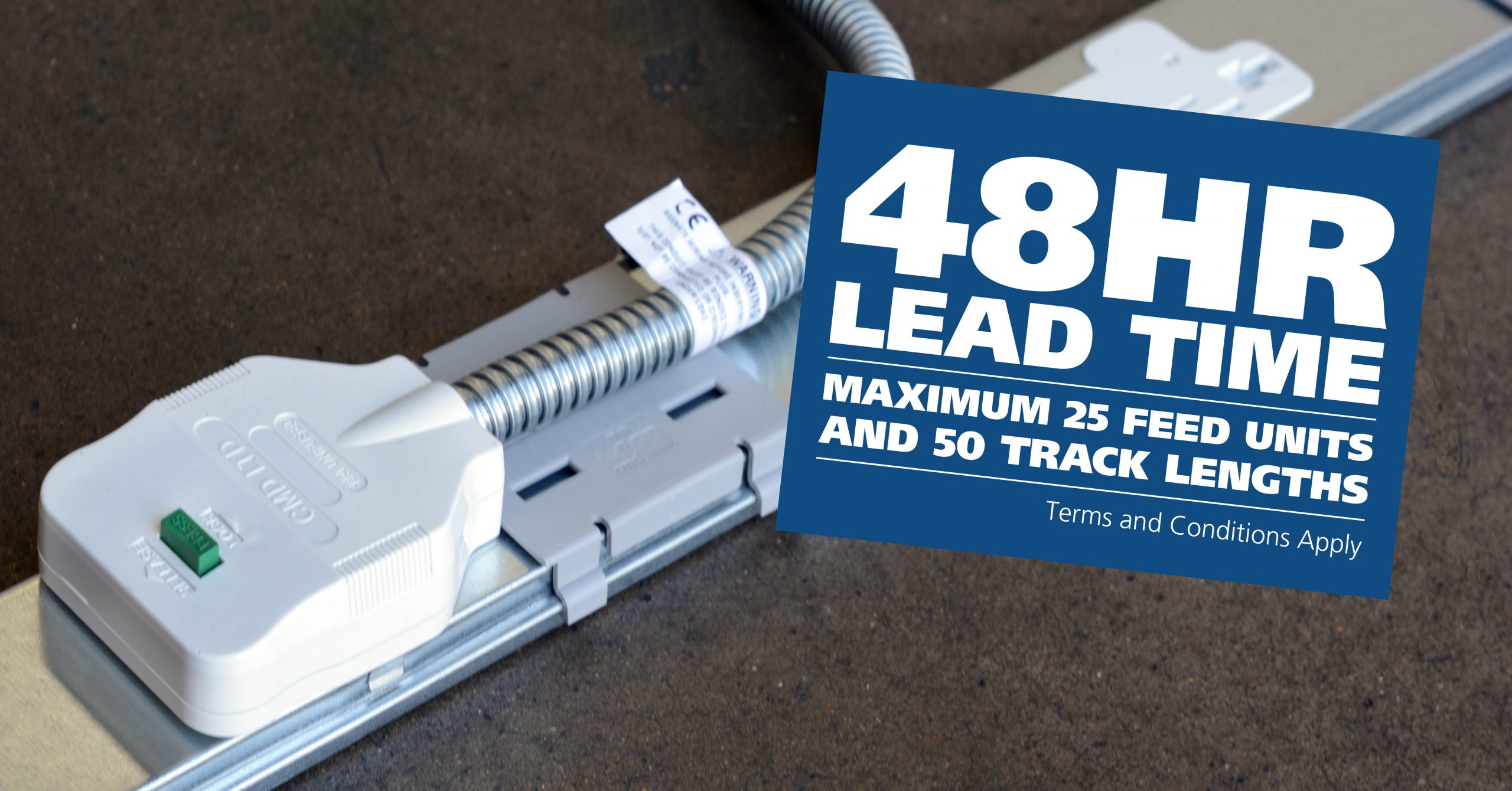
CMD Ltd LAUNCHES 48-HOUR TURNAROUND ON BETATRAK® RAPID ORDERING SERVICE

CMD Ltd, the specialist in power distribution systems, workstation power and monitor arms, has launched a rapid ordering service for its Betatrak® underfloor powertrack distribution systems and accessories, with a commitment to delivering within 48-hours of an approved purchase order*. The service enables customers to order up to 50 lengths of Standard or Clean Earth (C/E) low noise Betatrak, along with up to 25 feed...

Read more
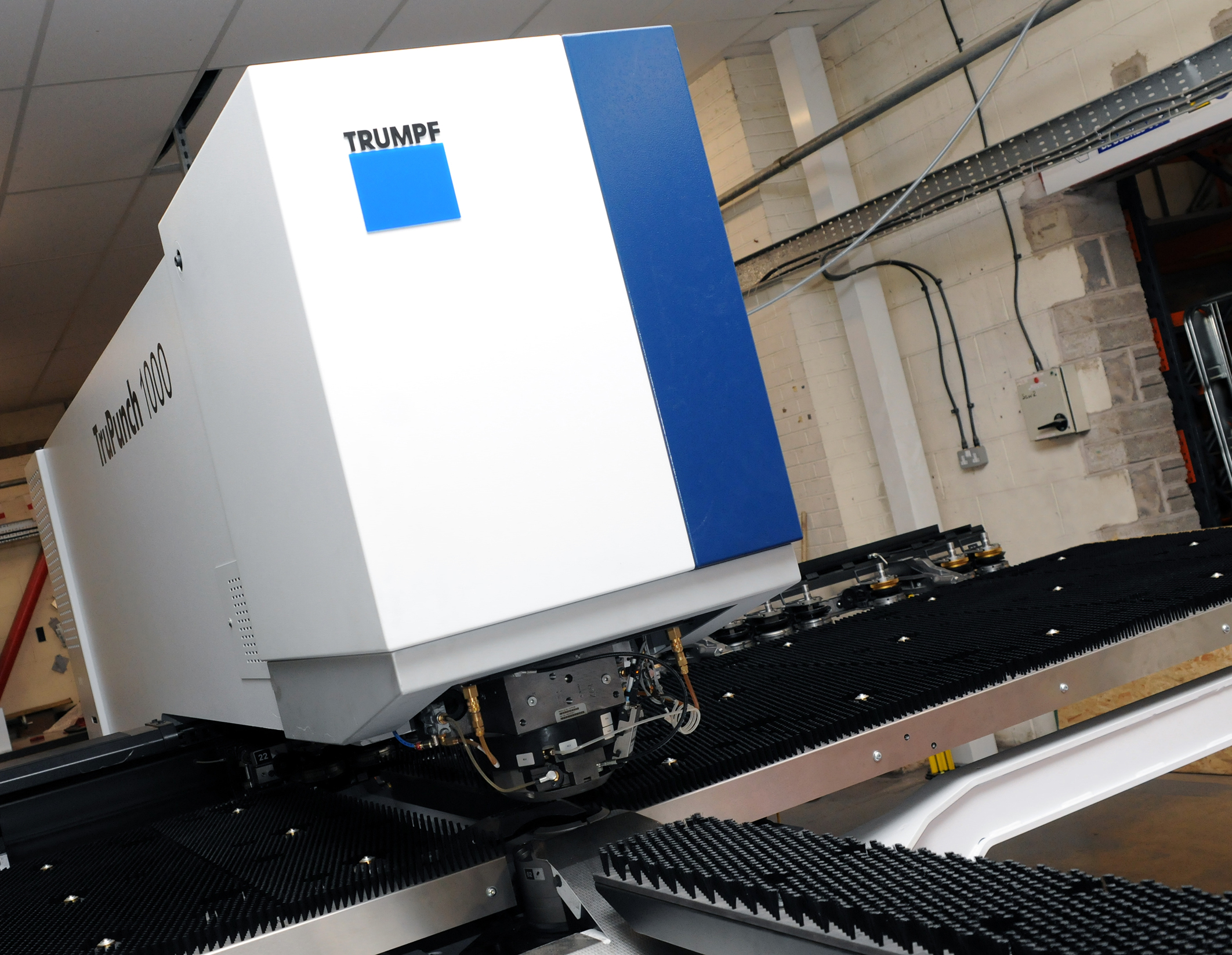
CMD INVESTS £1/4 MILLION IN NEW MACHINE AS PART OF FACTORY UPGRADE

We have invested in a new £1/4m TRUMPF CNC metal punch as part of an asset renewal strategy for our UK manufacturing capability. The new machine will be used in the production of a wide variety of our power distribution systems and workstation power products at our Rotherham factory. Suitable for handling sheet metal between 0.9mm and 3.0mm thick, the new machine will replace one...

Read more
CMD CATALOGUE PROVIDES TECHNICAL POWER DISTRIBUTION GUIDE

CMD Ltd has released a new catalogue, providing an easy to follow technical guide to our power distribution systems and plug and play desk modules. Detailing CMD’s full range of UK-manufactured power distribution systems and plug and play desk modules, the catalogue will be a helpful source of information to M&E engineers and contractors alike to understand how our power distribution systems connect together and...

Read more
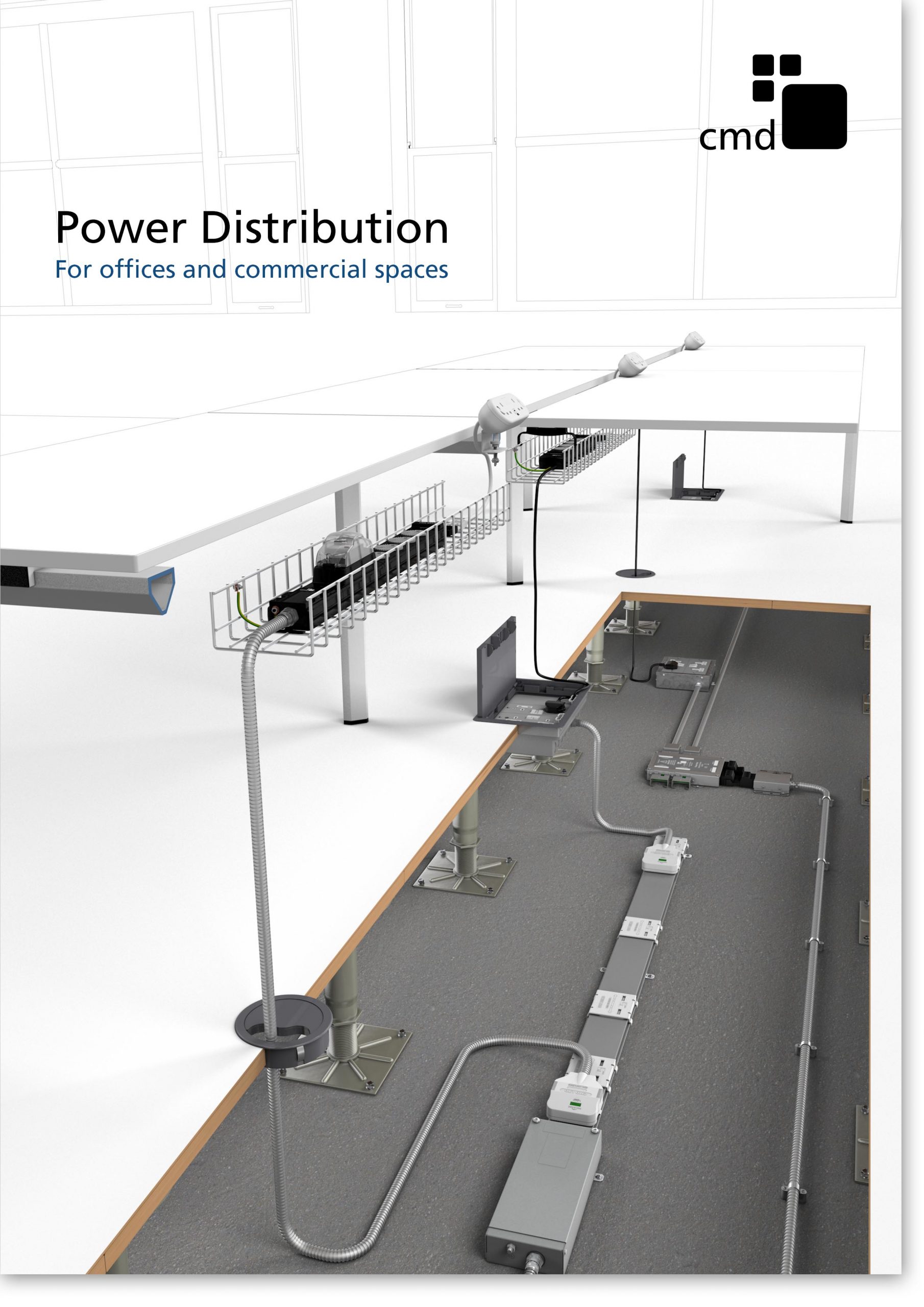
Power Distribution Catalogue
CMD Ltd PLAYS ESSENTIAL ROLE IN ELECTRICAL FIT OUT AT LONDON’S PRESTIGIOUS OFFICE DEVELOPMENT

CMD Ltd, specialist in workplace connectivity and ergonomic solutions, has provided a flexible and high-quality power distribution network for The Ray, a prestigious office development in London’s Farringdon. Well-known for being the former site of The Guardian newspaper, The Ray now stands as an 83,000ft² office development characterised by a modernised warehouse aesthetic, with level two now occupied by a global social media company. The...

Read more

The Ray
CMD plugs in to european opportunity with Schuko Capsule unit launch

CMD Ltd, the specialist in power and connectivity solutions for commercial environments, has launched a Schuko version of its popular fixed format Capsule workstation power module for export to mainland Europe and beyond. A popular on desk power module comprising two sockets and dual USB (type A and C) chargers, CMD’s Capsule unit is already widely specified in the UK as an off-the-shelf workstation power...

Read more
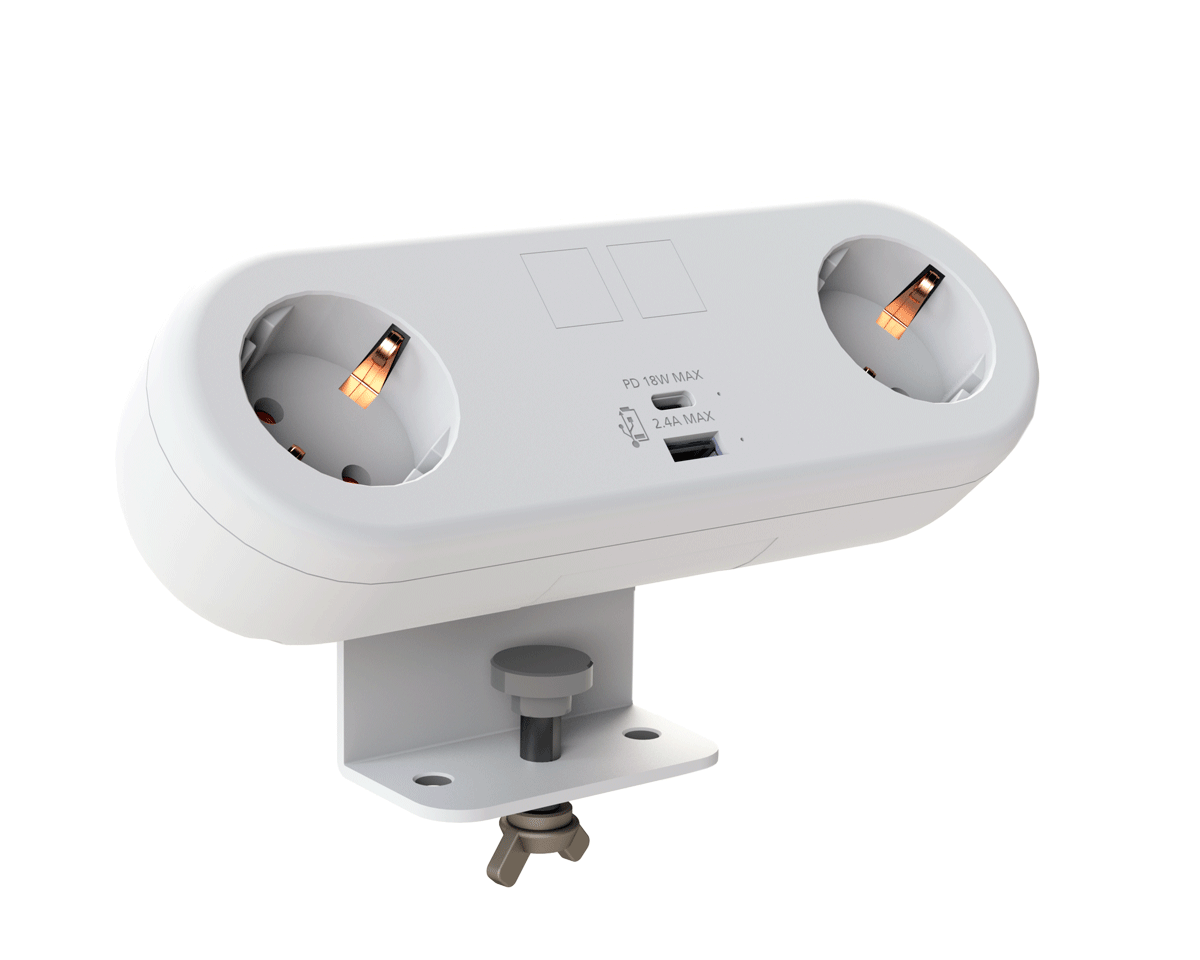
CMD White Schuko Capsule Desk Power Module
CMD LTD EXTENDS MONITOR ARM RANGE WITH THE LAUNCH OF REACH PLUS

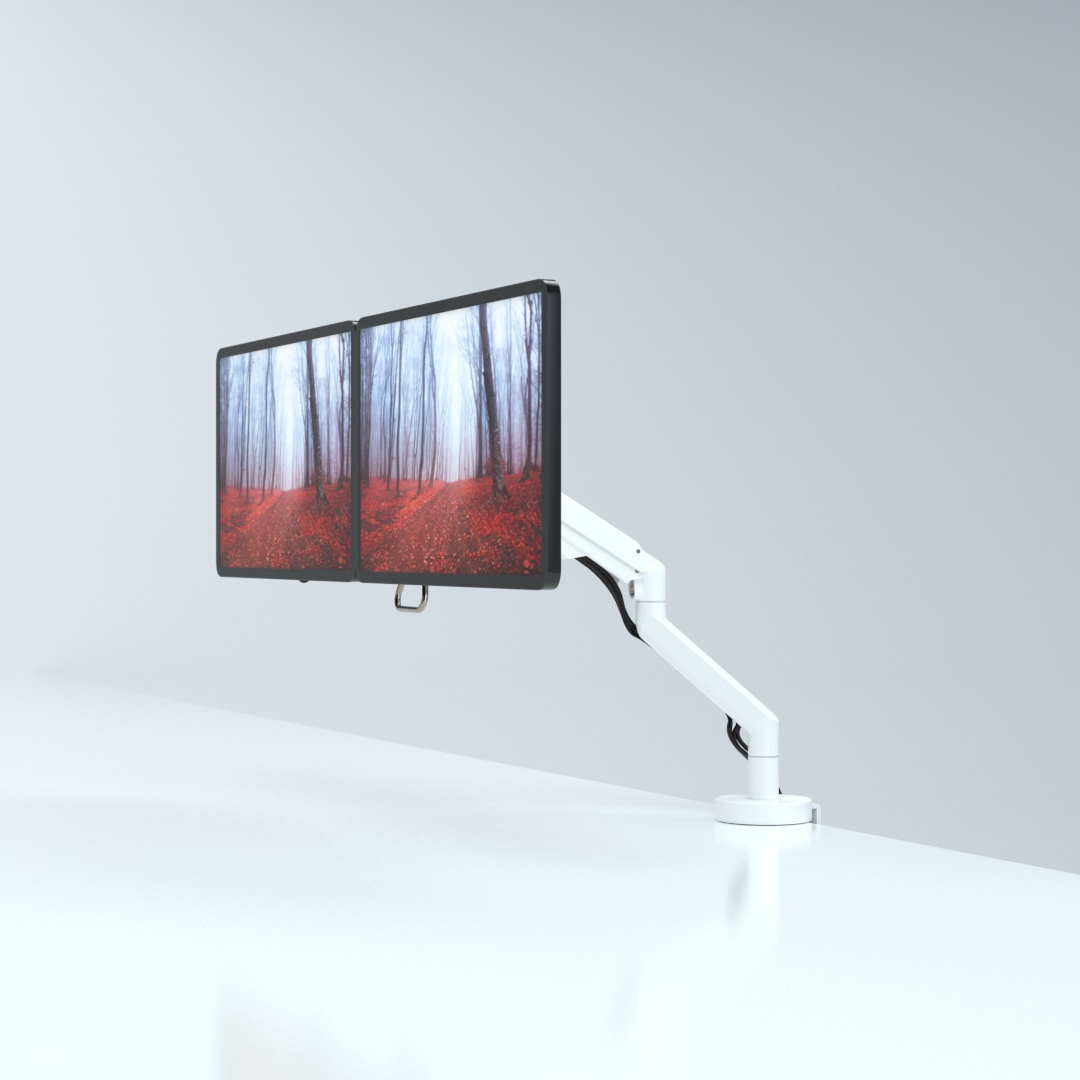
CMD Ltd, the specialist in ergonomic and connectivity solutions for commercial interiors, has completed its Reach monitor arm range with the launch of the Reach Plus. Available in single or dual screen options, the Reach Plus has been designed to provide an ideal solution for both single and dual screen workstation configurations, or can be used with next generation of large format curved screens. Suitable...

Read more
CMD Ltd DEMONSTRATES THE ART OF POWER DISTRIBUTION AT THE UNIVERSITY OF WARWICK

CMD Ltd, the specialist in workplace connectivity and ergonomic solutions, has provided Betatrak busbar power distribution and a range of electrical accessories for two major capital investment projects at the University of Warwick. Designed by Fielden Clegg Bradley Studios, the £33 million Faculty of Arts building is a showpiece development comprising four interconnected structures set around a central atrium, which will enable inter-disciplinary collaboration across...

Read more

University of Warwick
CMD BRINGS HARMONY TO COVENTRY UNIVERSITY RESEARCH FACILITIES

CMD Ltd, the specialist in power distribution solutions and workstation power and ergonomics, has provided under desk and on desk power modules for the refurbishment of three Coventry University research buildings. Located on Coventry University Technology Park, a business park designed to encourage collaboration between the university and knowledge-based businesses, the three buildings are being repurposed as office accommodation for university research teams. The refurbishment...

Read more

Coventry University

How to Choose the Right Gas Shielded Welding Wire?

Choosing the right Gas Shielded Welding Wire can seem daunting. Experts emphasize the importance of making informed decisions in this area. John Smith, a renowned welding engineer, states, "The right welding wire can make or break your project." This highlights the crucial role gas shielded welding wire plays in achieving high-quality welds.

Selecting the appropriate type involves understanding the specific application. Factors include base materials, thickness, and project requirements. Each gas shielded welding wire has distinct properties. For instance, some wires work better in certain positions or with specific welding techniques. Ignoring these details can lead to undesirable results.

Additionally, the choice of gas mixtures used in conjunction with the welding wire is vital. Different gases affect the arc stability and bead appearance. This adds another layer of complexity to the selection process. It is essential to reflect on your project's demands and the characteristics of various gas shielded welding wires. Ignoring these aspects might lead to unnecessary challenges down the line.

How to Choose the Right Gas Shielded Welding Wire?

Understanding Gas Shielded Welding Processes

Gas shielded welding processes are essential in many industries, including automotive and construction. These processes involve using a shielding gas to protect the molten weld pool from contamination. The primary gas used is often argon or a mix of argon and carbon dioxide. This creates a stable arc, which leads to cleaner welds.

Data from the American Welding Society indicates that improper shielding can result in porosity rates as high as 30%. Porosity diminishes the integrity of the weld, leading to potential failures. Therefore, understanding the specific gas mixtures required for different applications is vital. The selection of the right gas can significantly impact the mechanical properties of the weld.

In practice, one must also consider the welding wire type alongside the shielding gas. Choosing a suitable welding wire should align with the base material and the desired properties of the joint. For instance, using solid wire with a mix of argon and CO2 can yield better results than with a full CO2 mix. Many welders have shared experiences of adjusting their wire and gas combinations to improve quality. This illustration highlights the ongoing need for reflection in welding practices, as the right adjustments can enhance outcomes greatly.

Gas Shielded Welding Wire Selection Criteria

Types of Gas Shielded Welding Wires Available

When choosing gas shielded welding wire, it's essential to understand the available types. Different projects require different wires. Each type has unique properties. The most common types are solid wires, flux-cored wires, and composite wires.

Solid wires are ideal for thin materials. They produce clean welds with good penetration. However, they may need a shielding gas for optimal results.

Flux-cored wires contain a flux core that helps shield the weld pool. They work well in outdoor conditions. Still, they can create more spatter than solid wires.

Composite wires combine features of both. They are versatile but can be more expensive. Each type has pros and cons. Understanding these differences can lead to better choices. Consider the specific needs of your project. Without proper knowledge, you may face issues like weld contamination or insufficient strength.

Factors to Consider When Choosing Welding Wire

Selecting the right gas shielded welding wire can significantly impact the quality of the weld and the overall effectiveness of the process. When considering options, one crucial factor is the type of metal being welded. For example, welding wire designed for stainless steel differs from that for carbon steel. According to the American Welding Society, using the wrong wire can lead to inadequate welds and increased costs.

An essential consideration is wire diameter. Larger diameters provide deeper penetration, which might not be suitable for thinner materials. Choosing the wrong diameter can lead to excessive heat and deformation. Additionally, it is important to assess the shielding gas being used. Argon-CO2 mixtures can enhance arc stability, while pure argon is better for aluminum.

Another consideration is the wire's chemical composition. Wire with a high silicon content can provide excellent fluidity but may increase susceptibility to defects. According to a report from the Welding Journal, about 30% of weld defects can be traced back to incorrect wire selection. Balancing these technical factors often requires experience and a nuanced understanding of materials.

How to Choose the Right Gas Shielded Welding Wire?
Factor Description Importance Level
Material Type Select the wire compatible with the base material (e.g., steel, aluminum). High
Wire Diameter Choose based on the thickness of the materials being welded. Medium
Coating Consider the type of coating needed for protection against oxidation. High
Welding Process Match wire with the welding process (MIG, TIG, etc.). High
Mechanical Properties Evaluate tensile strength, ductility, and impact toughness. Medium
Certification Choose certified wire by relevant welding standards. High
Cost Balance quality with budget without compromising on safety. Medium

Matching Welding Wire to Your Base Materials

Choosing the right gas shielded welding wire is crucial for achieving strong and reliable welds. The compatibility of the welding wire with the base materials sets the foundation for successful welding. Different base materials require specific types of wires to ensure good bonding and performance. For instance, carbon steels typically pair well with ER70S-6 wire. This wire enhances impact strength and reduces the likelihood of slag inclusions.

When dealing with stainless steel, it’s essential to select a wire that matches the alloy's properties. For example, 308L wire works best with austenitic stainless steel. It maintains corrosion resistance and ensures a clean weld. If you are unsure about the right wire, consulting industry guidelines and specifications can provide clarity.

Welders must also reflect on their experiences. At times, the wire's quality can affect the final outcome. Inconsistent wire feeding can lead to irregular weld beads. Keep an eye on wire sizes, too; a mismatch can result in weaknesses. Understanding the properties of both the base material and welding wire is essential for achieving optimal results in various projects.

Evaluating Welding Wire Specifications and Standards

When choosing gas shielded welding wire, evaluate its specifications and standards carefully. Key factors include wire diameter, chemical composition, and mechanical properties. Each of these aspects influences the welding process and the quality of the finished weld. For instance, a larger diameter wire can provide higher deposition rates but may require more heat.

Tips: Always refer to the American Welding Society (AWS) standards. They provide guidelines on the best practices for various materials. Consider the application of your weld. Different materials may require specific wire types to ensure compatibility and strength.

Material certification is crucial. Wire that meets industry specifications guarantees reliability and performance. Subpar materials can lead to weak welds. It's essential to scrutinize certificates and verify the manufacturer's claims. Misleading information happens, so don’t overlook this vital step. Remember to reflect on the end use of your welded product. Will it face extreme stress or corrosion? Your choice in welding wire must accommodate that.