

News

Miro: A New Standard in Responsible Innovation

Miro: A New Standard in Responsible Innovation The Miro monitor arm is setting new benchmarks in sustainability. It offers a high-performance solution without compromising on environmental responsibility. Designed with careful material selection, local sourcing, and longevity in mind, Miro’s responsible approach to design and unique manoeuvrability set it apart from the competition. Sustainable Choices Miro is crafted from energy-efficient materials with a lower carbon impact....

Read more
HSE Advisor

Role Purpose Support in the development, implementation and maintenance of the company’s Health, Safety & Environmental policies, processes, operational procedures, and standards.  Ensuring best practice and championing a continually improving HSE culture within the business. Key Responsibilities Liaise with and provide support to all areas of the business to eliminate, mitigate or reduce identified HSE exposures. Partner with the production management team and team leaders,...

Read more
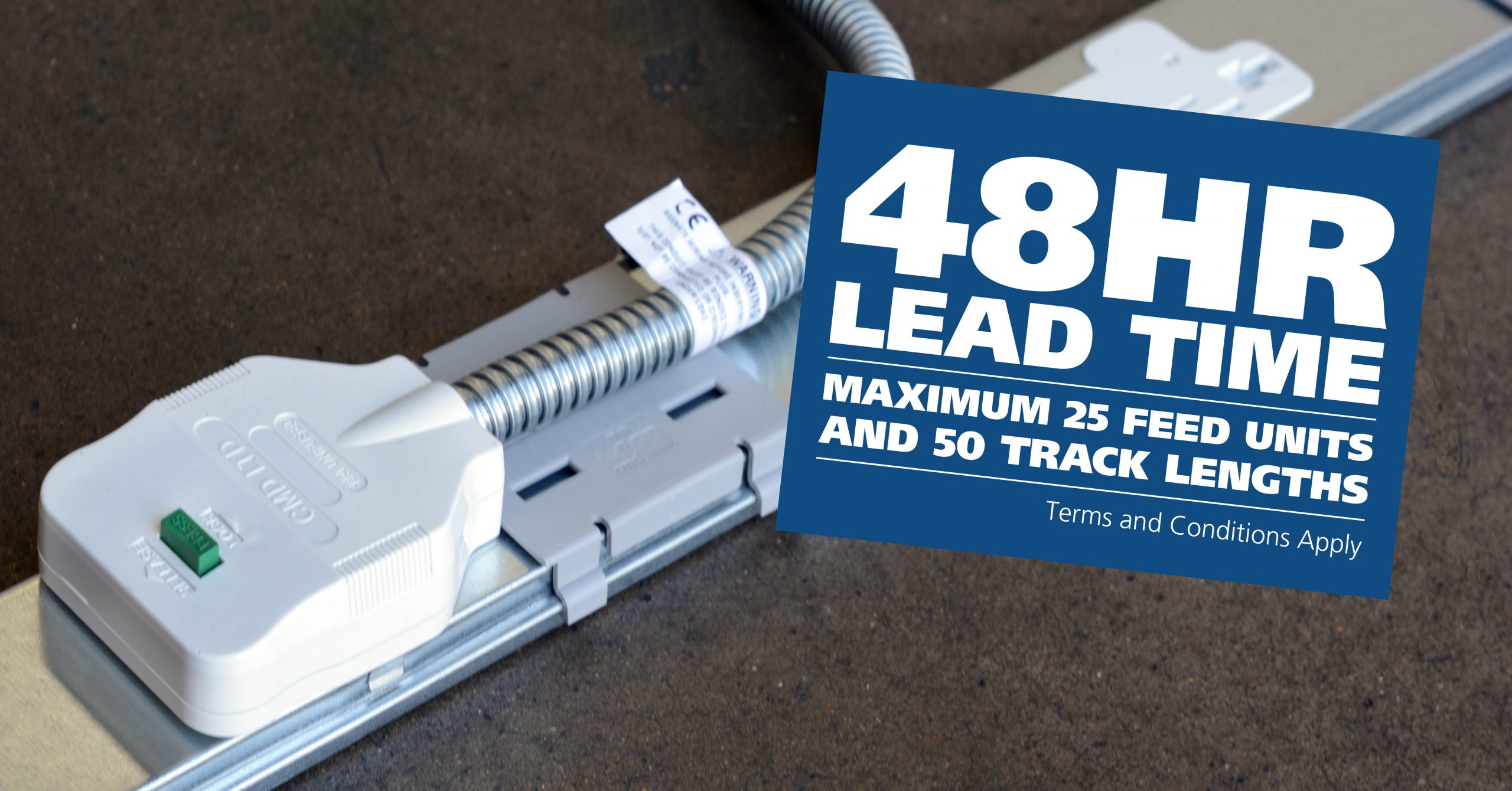
CMD Ltd LAUNCHES 48-HOUR TURNAROUND ON BETATRAK® RAPID ORDERING SERVICE

CMD Ltd, the specialist in power distribution systems, workstation power and monitor arms, has launched a rapid ordering service for its Betatrak® underfloor powertrack distribution systems and accessories, with a commitment to delivering within 48-hours of an approved purchase order*. The service enables customers to order up to 50 lengths of Standard or Clean Earth (C/E) low noise Betatrak, along with up to 25 feed...

Read more
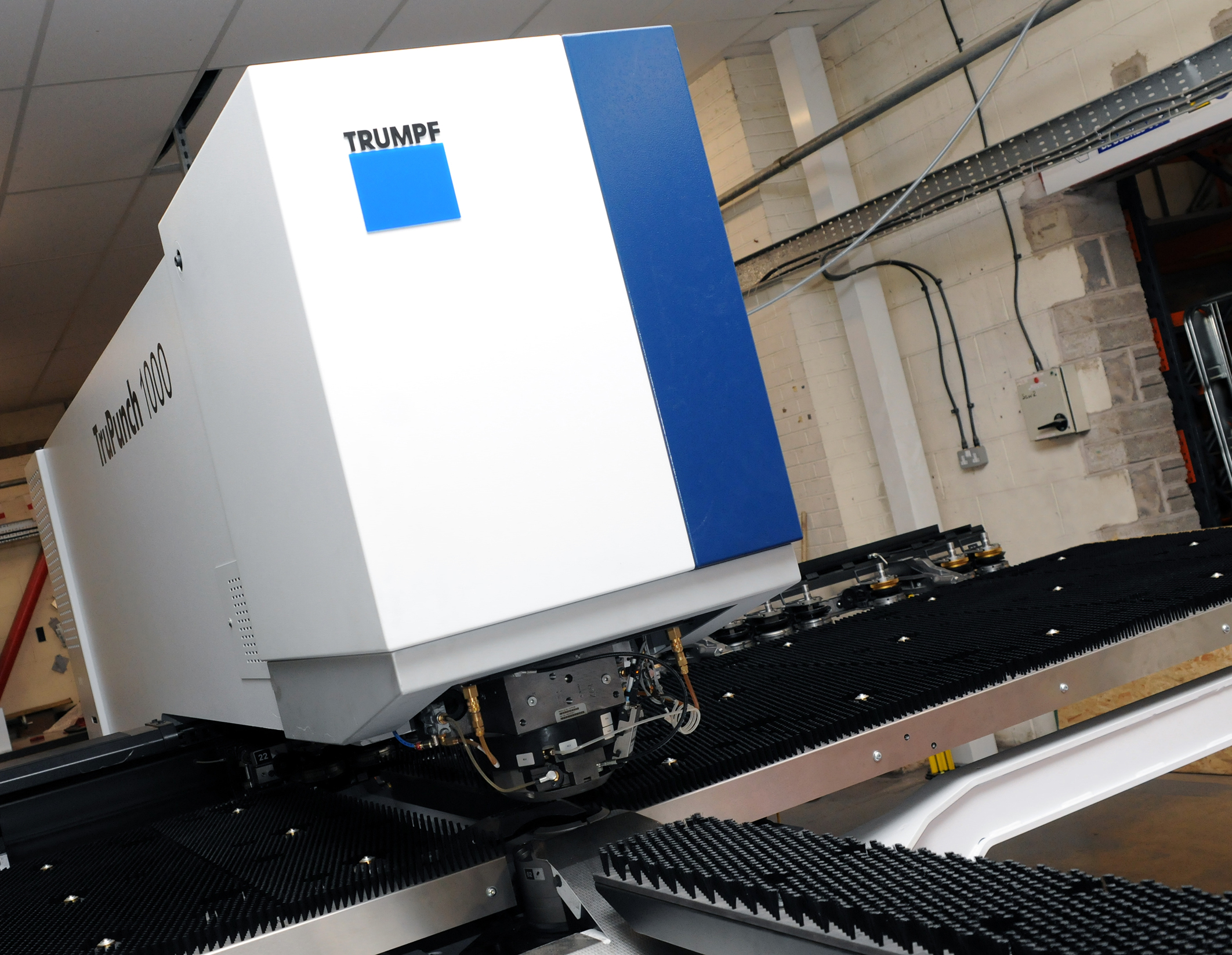
CMD INVESTS £1/4 MILLION IN NEW MACHINE AS PART OF FACTORY UPGRADE

We have invested in a new £1/4m TRUMPF CNC metal punch as part of an asset renewal strategy for our UK manufacturing capability. The new machine will be used in the production of a wide variety of our power distribution systems and workstation power products at our Rotherham factory. Suitable for handling sheet metal between 0.9mm and 3.0mm thick, the new machine will replace one...

Read more
CMD CATALOGUE PROVIDES TECHNICAL POWER DISTRIBUTION GUIDE

CMD Ltd has released a new catalogue, providing an easy to follow technical guide to our power distribution systems and plug and play desk modules. Detailing CMD’s full range of UK-manufactured power distribution systems and plug and play desk modules, the catalogue will be a helpful source of information to M&E engineers and contractors alike to understand how our power distribution systems connect together and...

Read more
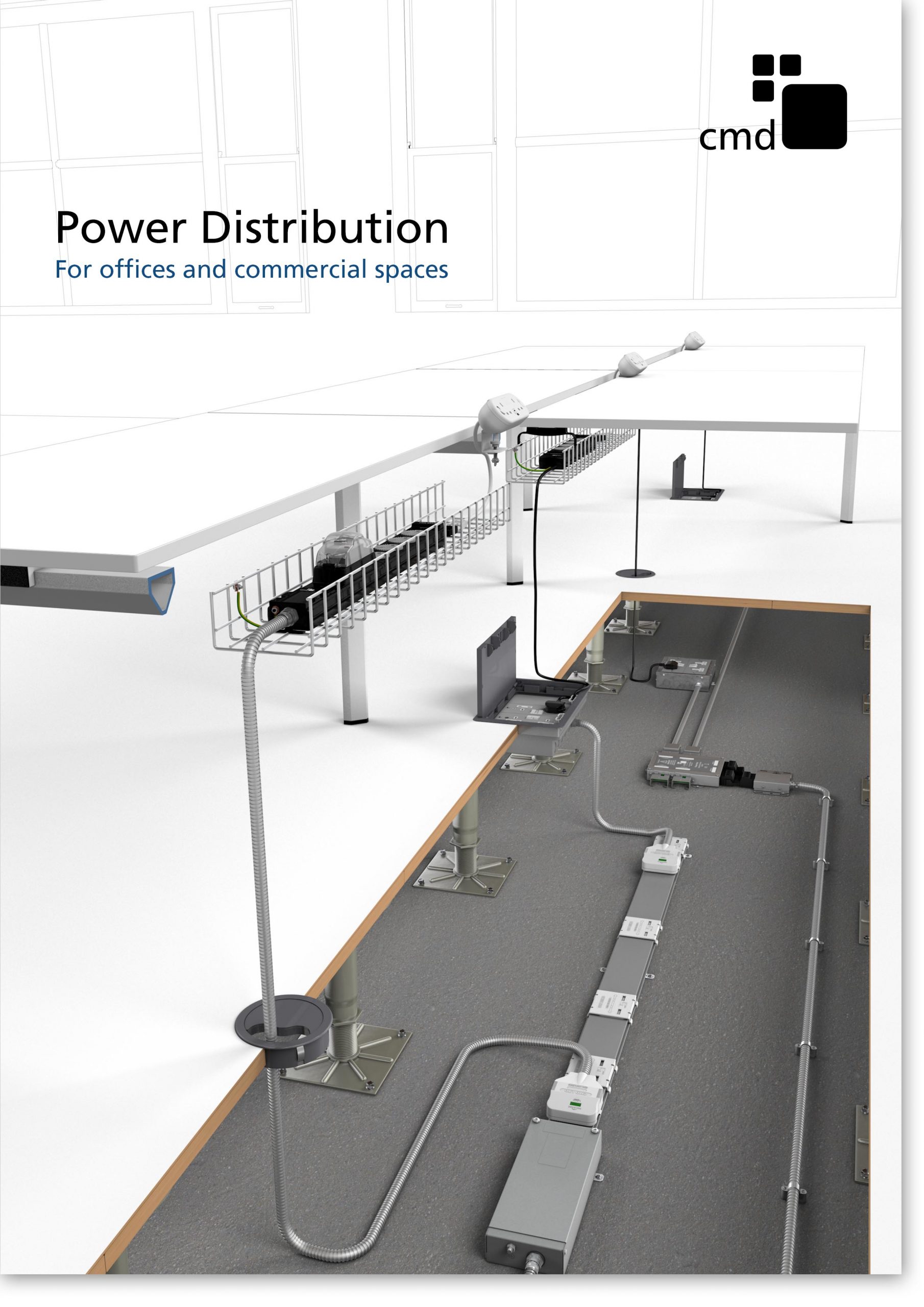
Power Distribution Catalogue
CMD Ltd PLAYS ESSENTIAL ROLE IN ELECTRICAL FIT OUT AT LONDON’S PRESTIGIOUS OFFICE DEVELOPMENT

CMD Ltd, specialist in workplace connectivity and ergonomic solutions, has provided a flexible and high-quality power distribution network for The Ray, a prestigious office development in London’s Farringdon. Well-known for being the former site of The Guardian newspaper, The Ray now stands as an 83,000ft² office development characterised by a modernised warehouse aesthetic, with level two now occupied by a global social media company. The...

Read more

The Ray
CMD plugs in to european opportunity with Schuko Capsule unit launch

CMD Ltd, the specialist in power and connectivity solutions for commercial environments, has launched a Schuko version of its popular fixed format Capsule workstation power module for export to mainland Europe and beyond. A popular on desk power module comprising two sockets and dual USB (type A and C) chargers, CMD’s Capsule unit is already widely specified in the UK as an off-the-shelf workstation power...

Read more
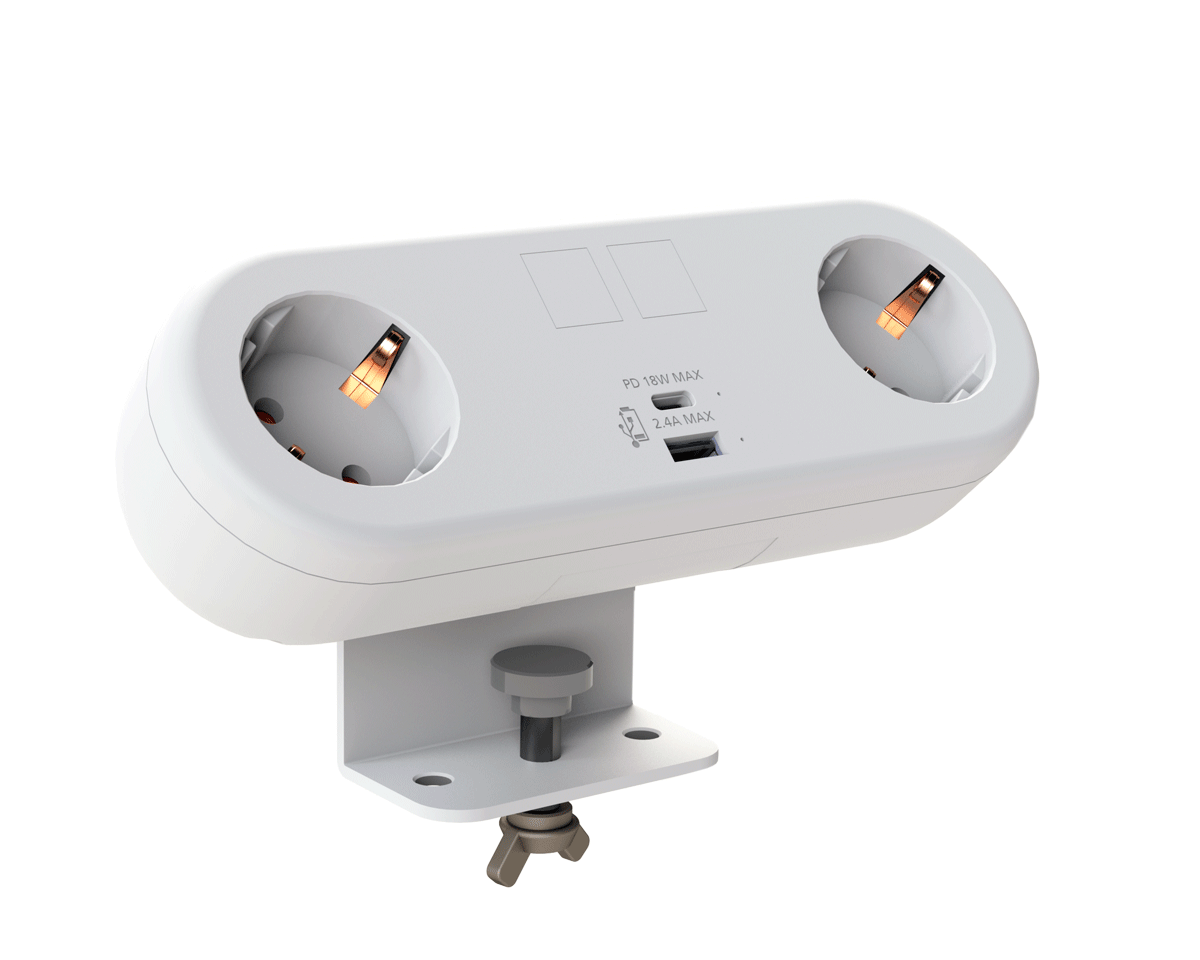
CMD White Schuko Capsule Desk Power Module
CMD LTD EXTENDS MONITOR ARM RANGE WITH THE LAUNCH OF REACH PLUS

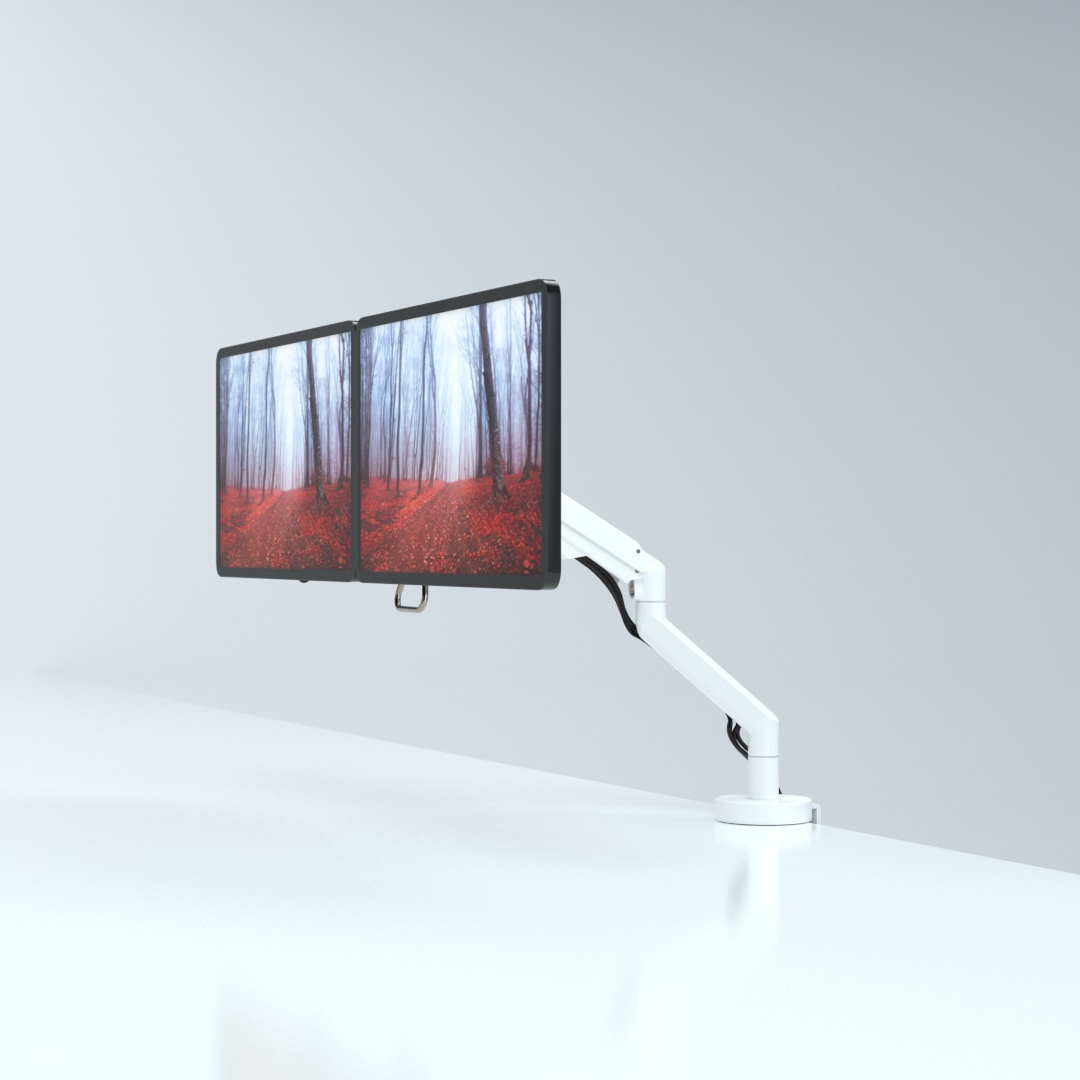
CMD Ltd, the specialist in ergonomic and connectivity solutions for commercial interiors, has completed its Reach monitor arm range with the launch of the Reach Plus. Available in single or dual screen options, the Reach Plus has been designed to provide an ideal solution for both single and dual screen workstation configurations, or can be used with next generation of large format curved screens. Suitable...

Read more
CMD Ltd DEMONSTRATES THE ART OF POWER DISTRIBUTION AT THE UNIVERSITY OF WARWICK

CMD Ltd, the specialist in workplace connectivity and ergonomic solutions, has provided Betatrak busbar power distribution and a range of electrical accessories for two major capital investment projects at the University of Warwick. Designed by Fielden Clegg Bradley Studios, the £33 million Faculty of Arts building is a showpiece development comprising four interconnected structures set around a central atrium, which will enable inter-disciplinary collaboration across...

Read more

University of Warwick
CMD BRINGS HARMONY TO COVENTRY UNIVERSITY RESEARCH FACILITIES

CMD Ltd, the specialist in power distribution solutions and workstation power and ergonomics, has provided under desk and on desk power modules for the refurbishment of three Coventry University research buildings. Located on Coventry University Technology Park, a business park designed to encourage collaboration between the university and knowledge-based businesses, the three buildings are being repurposed as office accommodation for university research teams. The refurbishment...

Read more

Coventry University

How to Choose the Right CNC Equipment for Your Business?

Choosing the right Cnc Equipment can shape your production speed, quality, and long-term operating costs. It is not simply a matter of selecting the newest machine. A practical decision begins with your actual work.

Review the materials, dimensions, tolerances, and monthly production volume your business handles. A small workshop may need a compact three-axis mill, while an automotive supplier could require multi-axis machining and automated tool changes. Consider spindle speed, work envelope, control software, fixture compatibility, and power requirements. These details affect daily performance. They also affect training time and maintenance expenses. Ask operators to describe current bottlenecks. Their experience often reveals problems hidden in spreadsheets.

Do not overlook service support. A reliable supplier should provide installation guidance, operator training, replacement parts, and clear warranty terms. Check technical documentation and speak with existing customers when possible. Real production feedback is more useful than polished sales language. Calculate the complete cost, including tooling, software, electricity, calibration, and downtime. The cheapest machine may become expensive after repeated repairs. That mistake happens.

Think beyond today’s orders. Will the equipment handle new materials or tighter tolerances next year? Avoid paying for capabilities your team will never use. At the same time, leaving no room for growth can force another purchase too soon. A careful trial, sample cut, or factory demonstration can expose vibration, finish, and programming issues before commitment. Even experienced buyers misjudge requirements sometimes. Recheck the assumptions. The best choice balances measurable performance, operator confidence, dependable support, and realistic business goals.

How to Choose the Right CNC Equipment for Your Business?

Business Needs and Production Goals

Choosing CNC equipment starts with your business needs, not a machine’s impressive specifications. Define the work you actually receive. Record material types, part dimensions, tolerances, batch sizes, and monthly deadlines. A small workshop may value fast setup and flexible tooling. A contract producer may need stable cycle times and unattended operation. I learned this after one purchase. The machine was capable, but its table limited our larger parts. That mistake was expensive.

Production goals should be measurable. Set targets for daily output, acceptable scrap, labor hours, and payback time. If prototypes dominate your schedule, prioritize quick programming and easy changeovers. If repeat orders drive revenue, examine rigidity, automation readiness, and process consistency. Check spindle range, axis travel, tool capacity, probing options, and control usability against real jobs. Ask an operator to test the workflow. Specifications can hide awkward access and slow maintenance. They often do.

Budget planning must include installation, training, fixturing, software, tooling, energy, and service support. Confirm floor space, power requirements, chip handling, and ventilation before signing anything. A production forecast can reveal whether one versatile machine beats two specialized units. Do not exaggerate future demand. I once planned around an optimistic order pipeline. Actual volumes arrived later, leaving valuable capacity idle. Review the plan with machinists, maintenance staff, and finance personnel. Their concerns may challenge your preferred choice, but that friction improves reliability.

How to Choose the Right CNC Equipment for Your Business?

Compare typical spindle-power ranges to match equipment with part size, material requirements, cutting intensity, and production goals. Higher power generally supports heavier cutting, while compact equipment is often more suitable for prototypes and smaller parts.

The values show common industrial spindle-power ranges in kilowatts. Exact requirements should be confirmed against the material, workpiece dimensions, tooling, and expected production volume.

CNC Machine Types and Their Best Uses

How to Choose the Right CNC Equipment for Your Business?

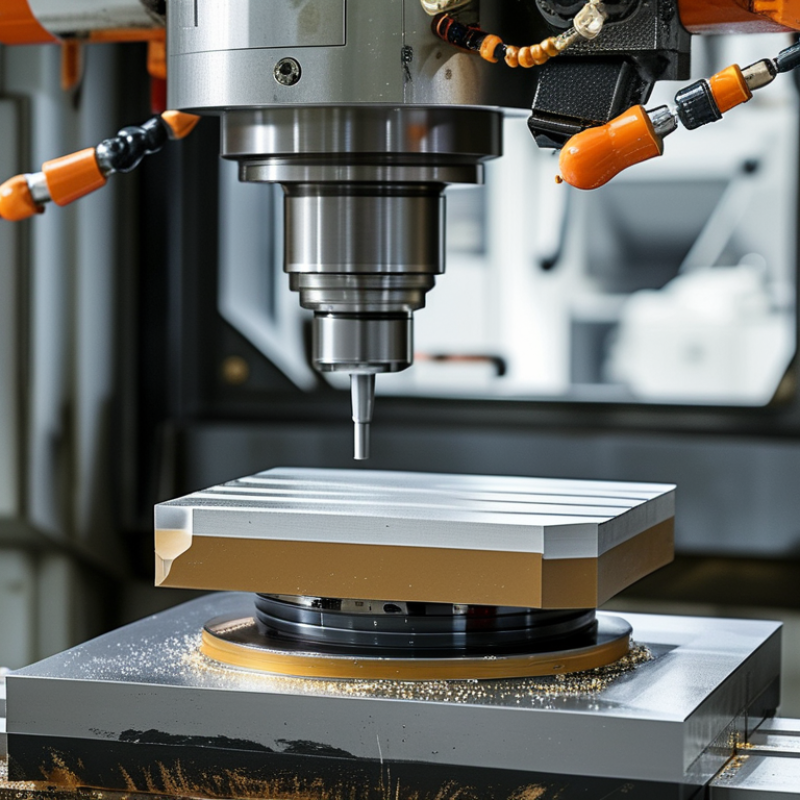
CNC machine types determine what your workshop can produce efficiently. A 3-axis milling machine suits brackets, plates, and shallow pockets. It is often a practical starting point for general metalwork. A 5-axis mill reaches angled surfaces with fewer setups. This reduces alignment errors on complex aerospace or medical components. However, its programming and maintenance demands are higher. A CNC lathe is designed for shafts, bushings, and threaded parts. Choose a turning center when cylindrical production is your main workload. For wood, plastic, and composite sheets, a CNC router offers a large cutting area and high productivity. Its structure may not provide enough rigidity for heavy steel cutting.

Machine capacity matters as much as machine type. Check the work envelope, spindle speed, motor power, tool capacity, and positioning accuracy. A small aluminum bracket may need less power but still require excellent repeatability. Steel parts often need rigid construction, controlled coolant, and slower cutting conditions. Review your largest expected workpiece, not only today’s order. Underestimating size can become an expensive mistake. Overbuying can leave capital unused for years. That balance deserves honest review.

Tips: Make a sample part before purchasing. Measure cycle time, surface finish, tool wear, and operator effort. Ask whether local technicians can support installation and calibration. A machine that looks impressive may still be difficult to maintain. Record rejected parts carefully. Their patterns often reveal the equipment your business actually needs.

Key Specifications for Comparing CNC Equipment

Choosing CNC equipment starts with the part, not the machine’s brochure. Define the material, maximum workpiece size, tolerances, batch volume, and expected duty cycle. A three-axis machine may handle simple plates efficiently, while complex housings may require five-axis movement. Compare the working envelope carefully. A large table is useless if the spindle cannot reach critical surfaces.

Key specifications deserve measured attention. Check positioning accuracy, repeatability, spindle speed, spindle torque, tool capacity, and control response. Accuracy affects final dimensions; repeatability affects process stability. The 2024 Deloitte Smart Manufacturing Survey found that 86% of industry leaders expect smart manufacturing to become a major competitiveness driver within three years. Therefore, evaluate Ethernet connectivity, machine monitoring, data access, and automation readiness. The International Federation of Robotics reported 541,302 industrial robots installed worldwide in 2023. Your CNC system should communicate with future handling equipment, even if automation is not immediate.

Tips: Request a test cut using your actual material and tooling. Measure cycle time, surface finish, chip evacuation, and thermal drift. Ask for service response times and spare-parts availability. Do not overvalue maximum spindle speed. Torque at lower speeds may matter more for steel. A lower-priced machine can become expensive through downtime. The difficult part is admitting that specifications alone cannot predict every shop-floor problem. Operator skill, maintenance discipline, and coolant control still change results. One overlooked detail can weaken an otherwise excellent purchase.

Budget, Workspace, and Operating Requirements

How to Choose the Right CNC Equipment for Your Business?

Budget, Workspace, and Operating Requirements

Budget should include more than the machine’s purchase price. Plan for tooling, software, delivery, installation, training, maintenance, and electricity. A cheaper machine may demand costly upgrades later. My early estimate was wrong because I ignored dust extraction and electrical preparation. Leave room for surprises.

Measure the workspace carefully. Record door widths, ceiling height, floor strength, and operator clearance. A machine can fit on paper but fail during delivery. Keep space around the enclosure for loading materials and cleaning chips. Consider noise, ventilation, lighting, and temperature changes. A cramped room increases mistakes and slows routine work.

Operating requirements should match your actual production, not an imagined future. List the materials, part sizes, tolerances, surface finishes, and weekly production hours. A small workshop may need a compact three-axis machine, while complex parts could require additional movement capabilities. Do not buy capacity you cannot use. It may look impressive.

Ask how easily operators can learn the controls and perform daily checks. Inspect access to filters, lubrication points, fixtures, and waste containers. Reliable equipment supports repeatable work and safe maintenance. Speak with experienced technicians when specifications seem unclear. Their practical warnings often reveal hidden costs. I still review my assumptions before purchasing. That habit prevents expensive confidence.

Supplier Support, Training, and Future Scalability

Choosing CNC equipment is not only a spindle, table, or control system decision. Supplier support often determines whether production stays stable after installation. Ask how quickly technicians respond, where spare parts are stored, and who handles software updates. Request service records or customer references from similar applications. A polished sales demonstration is useful, but it cannot replace evidence from a busy workshop. This matters more than brochures.

Training should match real operators, not an ideal classroom. Look for hands-on sessions covering setup, tooling, workholding, inspection, maintenance, and fault recovery. Ask whether training includes your materials and typical part tolerances. Clear manuals, video lessons, and remote diagnostics can reduce downtime during night shifts. A practical supplier should explain limitations honestly. If every problem sounds easy, be careful. I would also budget time for supervised practice; my initial estimates were often too optimistic.

Tips: Define response targets in writing. Confirm travel costs and future training fees. Check whether common components will remain available for years. Choose equipment that can accept additional automation, probing, or capacity later. Leave floor space and electrical capacity for growth. Do not buy expansion features you cannot support today. Review the plan annually, because markets change and yesterday’s ideal machine may become tomorrow’s bottleneck.