

News

Miro: A New Standard in Responsible Innovation

Miro: A New Standard in Responsible Innovation The Miro monitor arm is setting new benchmarks in sustainability. It offers a high-performance solution without compromising on environmental responsibility. Designed with careful material selection, local sourcing, and longevity in mind, Miro’s responsible approach to design and unique manoeuvrability set it apart from the competition. Sustainable Choices Miro is crafted from energy-efficient materials with a lower carbon impact....

Read more
HSE Advisor

Role Purpose Support in the development, implementation and maintenance of the company’s Health, Safety & Environmental policies, processes, operational procedures, and standards.  Ensuring best practice and championing a continually improving HSE culture within the business. Key Responsibilities Liaise with and provide support to all areas of the business to eliminate, mitigate or reduce identified HSE exposures. Partner with the production management team and team leaders,...

Read more
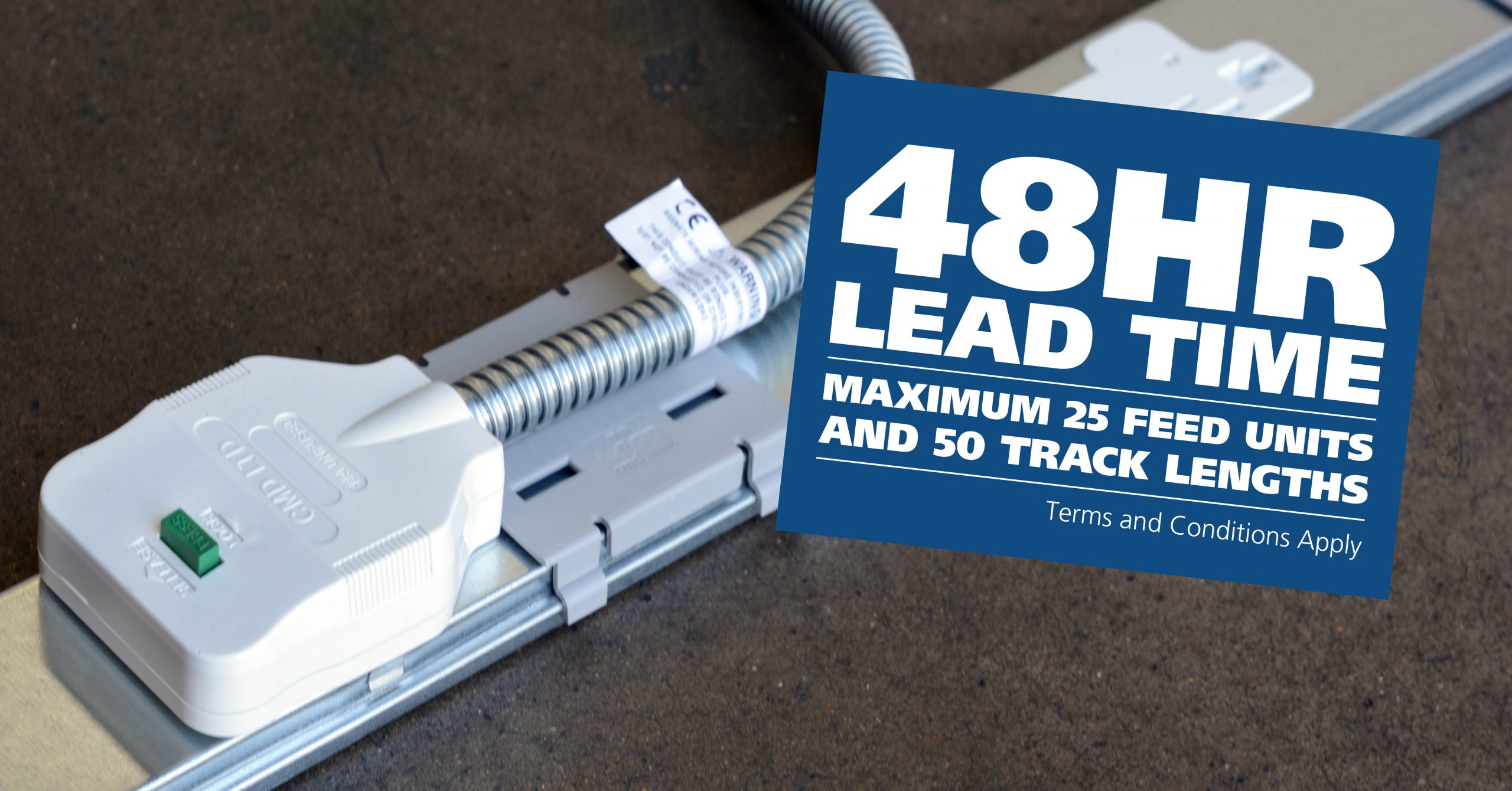
CMD Ltd LAUNCHES 48-HOUR TURNAROUND ON BETATRAK® RAPID ORDERING SERVICE

CMD Ltd, the specialist in power distribution systems, workstation power and monitor arms, has launched a rapid ordering service for its Betatrak® underfloor powertrack distribution systems and accessories, with a commitment to delivering within 48-hours of an approved purchase order*. The service enables customers to order up to 50 lengths of Standard or Clean Earth (C/E) low noise Betatrak, along with up to 25 feed...

Read more
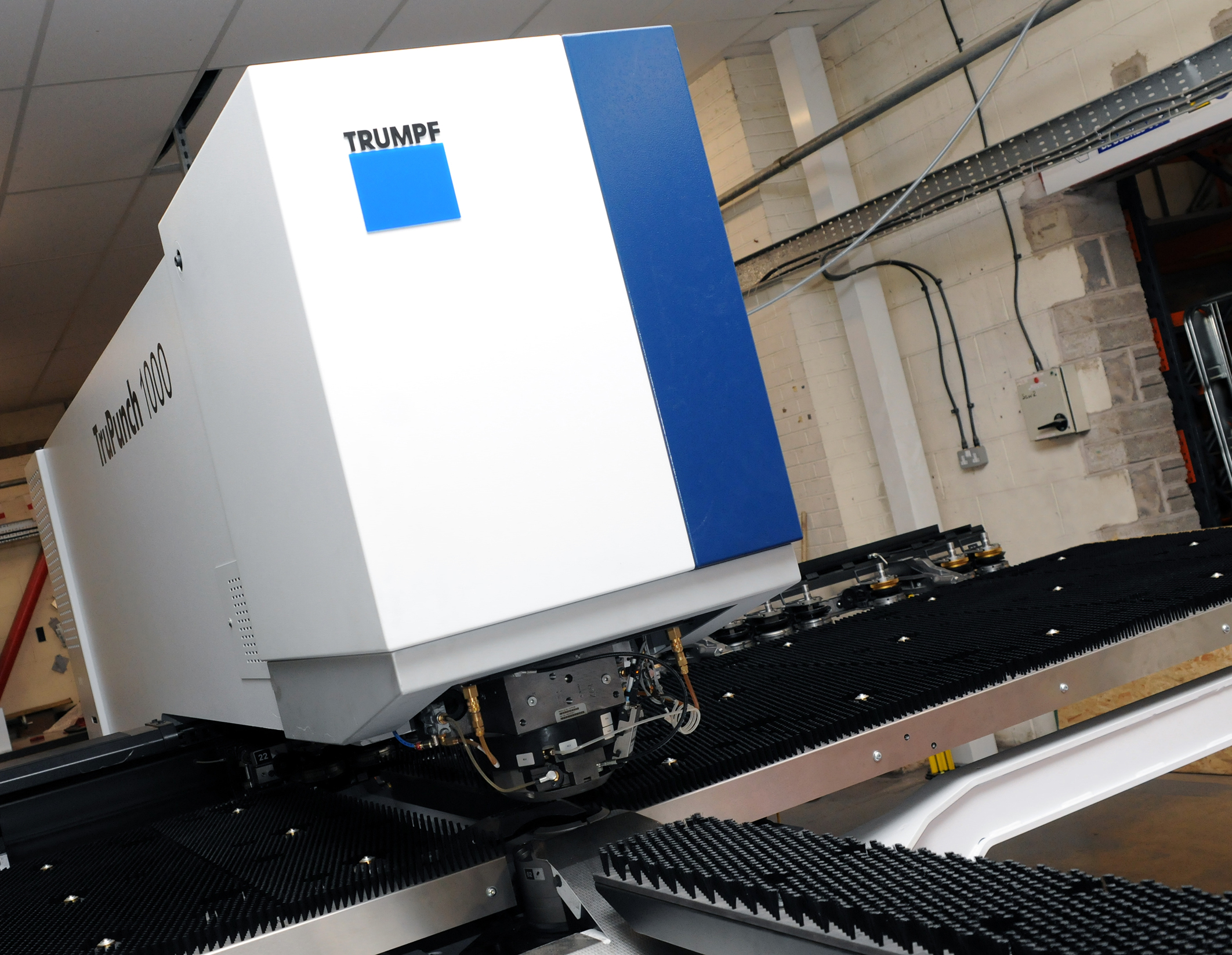
CMD INVESTS £1/4 MILLION IN NEW MACHINE AS PART OF FACTORY UPGRADE

We have invested in a new £1/4m TRUMPF CNC metal punch as part of an asset renewal strategy for our UK manufacturing capability. The new machine will be used in the production of a wide variety of our power distribution systems and workstation power products at our Rotherham factory. Suitable for handling sheet metal between 0.9mm and 3.0mm thick, the new machine will replace one...

Read more
CMD CATALOGUE PROVIDES TECHNICAL POWER DISTRIBUTION GUIDE

CMD Ltd has released a new catalogue, providing an easy to follow technical guide to our power distribution systems and plug and play desk modules. Detailing CMD’s full range of UK-manufactured power distribution systems and plug and play desk modules, the catalogue will be a helpful source of information to M&E engineers and contractors alike to understand how our power distribution systems connect together and...

Read more
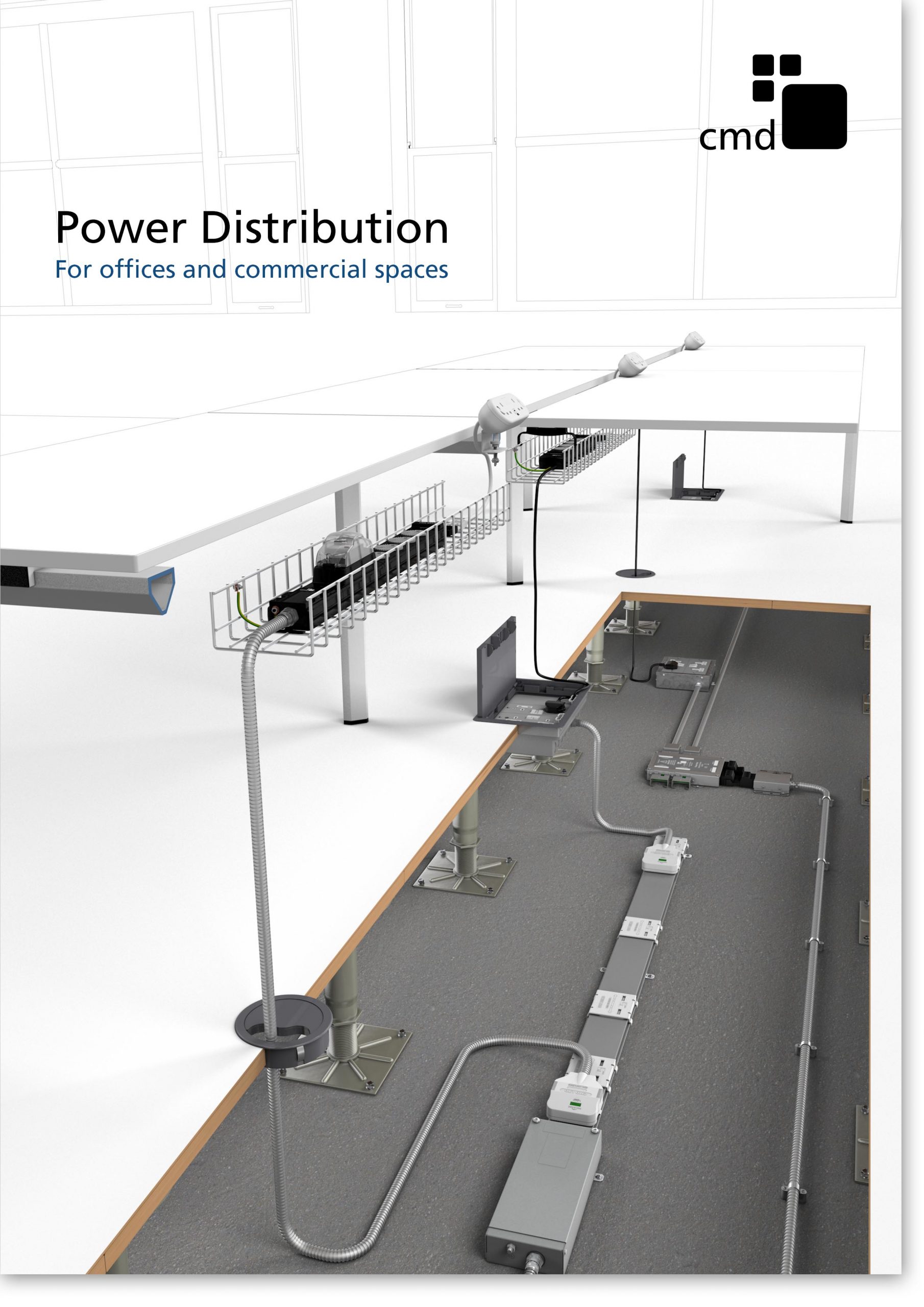
Power Distribution Catalogue
CMD Ltd PLAYS ESSENTIAL ROLE IN ELECTRICAL FIT OUT AT LONDON’S PRESTIGIOUS OFFICE DEVELOPMENT

CMD Ltd, specialist in workplace connectivity and ergonomic solutions, has provided a flexible and high-quality power distribution network for The Ray, a prestigious office development in London’s Farringdon. Well-known for being the former site of The Guardian newspaper, The Ray now stands as an 83,000ft² office development characterised by a modernised warehouse aesthetic, with level two now occupied by a global social media company. The...

Read more

The Ray
CMD plugs in to european opportunity with Schuko Capsule unit launch

CMD Ltd, the specialist in power and connectivity solutions for commercial environments, has launched a Schuko version of its popular fixed format Capsule workstation power module for export to mainland Europe and beyond. A popular on desk power module comprising two sockets and dual USB (type A and C) chargers, CMD’s Capsule unit is already widely specified in the UK as an off-the-shelf workstation power...

Read more
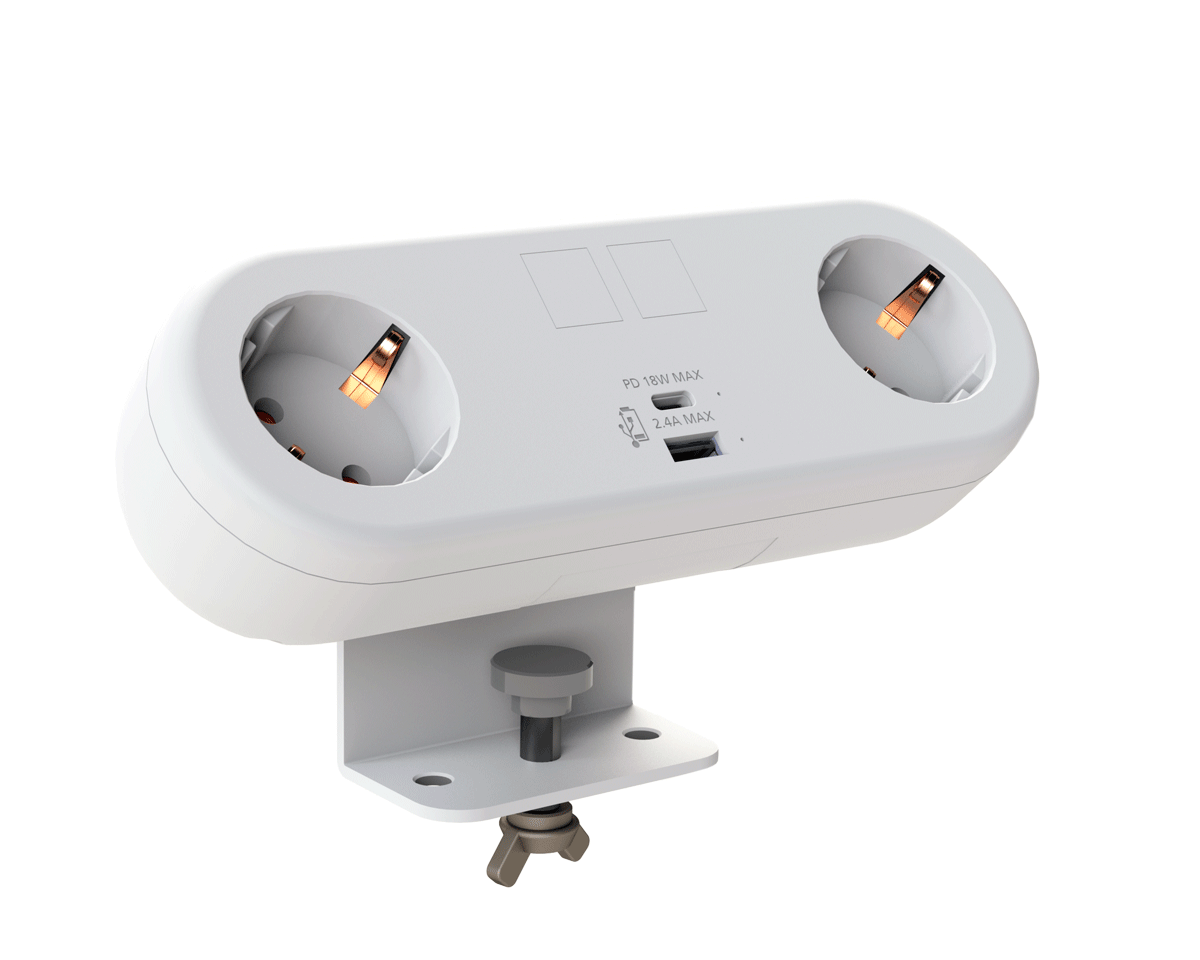
CMD White Schuko Capsule Desk Power Module
CMD LTD EXTENDS MONITOR ARM RANGE WITH THE LAUNCH OF REACH PLUS

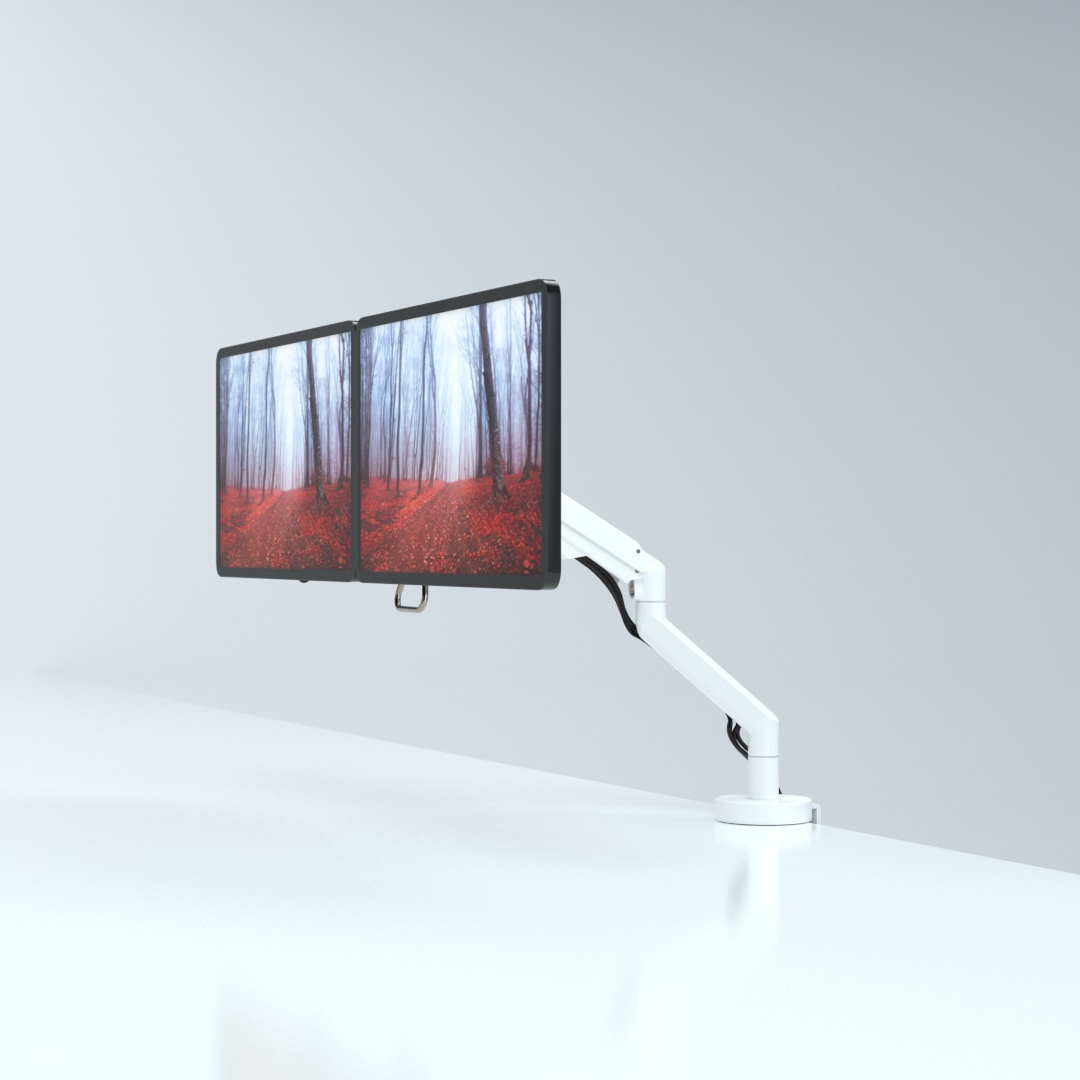
CMD Ltd, the specialist in ergonomic and connectivity solutions for commercial interiors, has completed its Reach monitor arm range with the launch of the Reach Plus. Available in single or dual screen options, the Reach Plus has been designed to provide an ideal solution for both single and dual screen workstation configurations, or can be used with next generation of large format curved screens. Suitable...

Read more
CMD Ltd DEMONSTRATES THE ART OF POWER DISTRIBUTION AT THE UNIVERSITY OF WARWICK

CMD Ltd, the specialist in workplace connectivity and ergonomic solutions, has provided Betatrak busbar power distribution and a range of electrical accessories for two major capital investment projects at the University of Warwick. Designed by Fielden Clegg Bradley Studios, the £33 million Faculty of Arts building is a showpiece development comprising four interconnected structures set around a central atrium, which will enable inter-disciplinary collaboration across...

Read more

University of Warwick
CMD BRINGS HARMONY TO COVENTRY UNIVERSITY RESEARCH FACILITIES

CMD Ltd, the specialist in power distribution solutions and workstation power and ergonomics, has provided under desk and on desk power modules for the refurbishment of three Coventry University research buildings. Located on Coventry University Technology Park, a business park designed to encourage collaboration between the university and knowledge-based businesses, the three buildings are being repurposed as office accommodation for university research teams. The refurbishment...

Read more

Coventry University

2026 How to Choose the Best Toilet Paper Manufacturing Machine?

Choosing the right Toilet Paper Manufacturing Machine is crucial for any business in the hygiene products industry. With various options available, decision-making can become overwhelming. Different machines come with unique features, capacities, and technologies, impacting the production efficiency and product quality.

Understanding your business needs is essential. Factors like production volume and space constraints play a significant role. Additionally, it’s vital to consider the machine's durability and technical support from the manufacturer. A reliable machine can enhance productivity, but the wrong choice can lead to costly downtimes.

While it is tempting to focus solely on price, evaluating the quality, efficiency, and manufacturer reputation is equally important. Balancing costs with performance can lead to better long-term benefits. Remember, investing in a good Toilet Paper Manufacturing Machine today can save you from frustration and losses in the future.

2026 How to Choose the Best Toilet Paper Manufacturing Machine?

Understanding the Types of Toilet Paper Manufacturing Machines Available

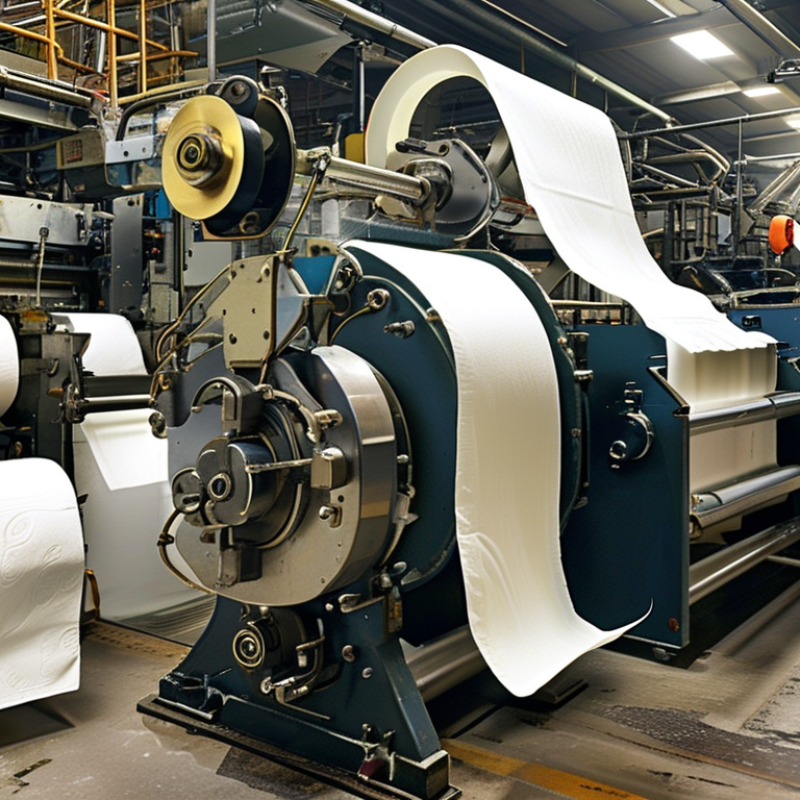
To choose the best toilet paper manufacturing machine, understanding the various types available is essential. Machines primarily fall into three categories: conventional, automatic, and advanced. Conventional machines often require significant manual input. In contrast, automatic machines can boost efficiency. According to industry reports, automatic machines can increase production rates by up to 50%, allowing manufacturers to keep pace with rising demand.

Advanced machines utilize cutting-edge technology. They often feature integrated quality control systems. These systems monitor roll thickness, paper softness, and tear resistance. A recent analysis showed that advanced models reduce paper waste by approximately 20%. This reduction directly impacts production costs and environmental sustainability.

However, selecting the right machinery can be challenging. Not all manufacturers have the same operational capacity. Some producers may face difficulties maintaining or repairing advanced systems, leading to potential downtime. Careful consideration of operational training is crucial. Investing in employee education can mitigate risks associated with new technology. Ultimately, aligning the machine's capabilities with production goals is key.

Key Factors to Consider When Selecting a Toilet Paper Machine

When choosing a toilet paper manufacturing machine, several key factors come into play. First, consider the production capacity. A machine’s output must align with your business goals. Too low a capacity could hinder growth. A machine with adjustable settings may provide flexibility to meet varying demands. Efficiency is crucial for cost management. It’s essential to analyze power consumption and waste generation to optimize operational costs.

Another critical aspect is the quality of the finished product. The machine should ensure consistent roll size and thickness. Testing samples before making a decision can reveal potential issues. Look for features that enhance durability. A robust design can withstand the demands of daily use. Additionally, examine the ease of maintenance. A machine that requires frequent repairs can disrupt production.

Don’t overlook the importance of after-sales support. A reliable supplier offers training and maintenance services. This support can greatly reduce unexpected downtime. Gathering feedback from existing users can provide insights into practical challenges. This research helps in making a more informed choice. Only by reflecting on these factors can you effectively select the right machine for your needs.

Evaluating Production Capacity and Efficiency Requirements

When selecting a toilet paper manufacturing machine, production capacity and efficiency should be at the forefront. Understanding your target market is crucial. Estimate the volume of toilet paper needed based on your business scale. Consider daily output capabilities. Too small a machine will limit growth. A machine that is too large may lead to wasted resources. Evaluate your available space and workforce as well.

Tips: Look for machines that offer flexibility. Modular systems can adapt to changing production demands. Assessing energy consumption is equally important. Energy-efficient models reduce long-term costs and are better for the environment.

Examine how machines handle raw materials. Inefficient processes can lead to increased waste. Machines that integrate automation tend to improve consistency. However, be cautious of over-reliance on automation. Skilled workers are still vital for maintenance and quality assurance. Balancing these factors can enhance overall productivity.

Assessing Quality Control Features in Toilet Paper Machines

When selecting a toilet paper manufacturing machine, quality control features are crucial. These features ensure that the final product meets industry standards. A good machine often includes advanced sensors for monitoring thickness and embossing patterns. These sensors help maintain consistency and reduce waste. In a world where customers demand quality, this is essential.

Another important aspect is the grading system for raw materials. Machines should have built-in capabilities to assess the quality of the paper pulp used. This process prevents inferior products from reaching the market. Regular maintenance and calibration should be a part of your operational strategy. However, small adjustments often go overlooked, leading to larger issues later.

Investing in automated quality control can also optimize production efficiency. Some manufacturers may hesitate to adopt new technologies due to cost concerns. Yet, the long-term benefits significantly outweigh the initial investment. Understanding and implementing these quality control features is key to successful toilet paper production.

Quality Control Features in Toilet Paper Manufacturing Machines

Comparing Costs and Budget Considerations for Manufacturing Equipment

When considering the costs of toilet paper manufacturing machines, budgeting becomes crucial. A report from the Global Industry Analysts indicates that the global toilet paper market is projected to reach $30 billion by 2026. Investing in machinery must align with this growth. The average cost of a high-quality toilet paper manufacturing machine can range from $50,000 to $300,000. This variance often depends on capacity, efficiency, and automation features.

Budgeting involves more than just the purchase price. It includes maintenance costs, operational expenses, and potential downtime. These can add up. A machine that purportedly saves energy or materials might have a higher upfront cost. However, in the long run, it could reduce waste and lower utility bills. According to industry benchmarks, an efficient machine can lower production costs by 10-20%.

Nevertheless, not all manufacturers can afford the latest technology. Some opt for older models to save money. This can be a double-edged sword. While it reduces initial expenditure, it may lead to increased maintenance and inefficiency. Evaluating your budget alongside anticipated market demand is essential. This assessment ensures the chosen machine meets both current needs and future growth prospects.