

News

Miro: A New Standard in Responsible Innovation

Miro: A New Standard in Responsible Innovation The Miro monitor arm is setting new benchmarks in sustainability. It offers a high-performance solution without compromising on environmental responsibility. Designed with careful material selection, local sourcing, and longevity in mind, Miro’s responsible approach to design and unique manoeuvrability set it apart from the competition. Sustainable Choices Miro is crafted from energy-efficient materials with a lower carbon impact....

Read more
HSE Advisor

Role Purpose Support in the development, implementation and maintenance of the company’s Health, Safety & Environmental policies, processes, operational procedures, and standards.  Ensuring best practice and championing a continually improving HSE culture within the business. Key Responsibilities Liaise with and provide support to all areas of the business to eliminate, mitigate or reduce identified HSE exposures. Partner with the production management team and team leaders,...

Read more
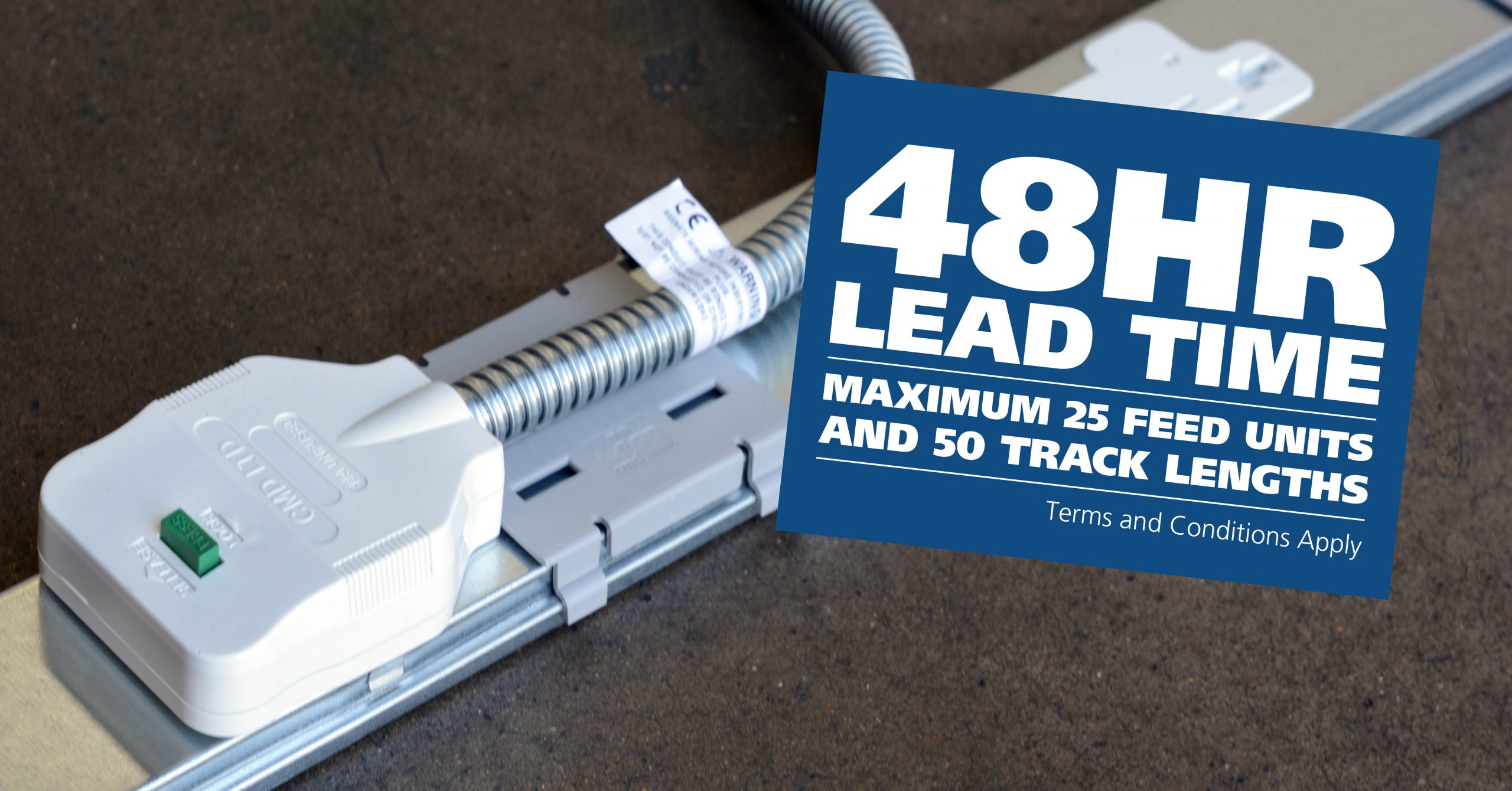
CMD Ltd LAUNCHES 48-HOUR TURNAROUND ON BETATRAK® RAPID ORDERING SERVICE

CMD Ltd, the specialist in power distribution systems, workstation power and monitor arms, has launched a rapid ordering service for its Betatrak® underfloor powertrack distribution systems and accessories, with a commitment to delivering within 48-hours of an approved purchase order*. The service enables customers to order up to 50 lengths of Standard or Clean Earth (C/E) low noise Betatrak, along with up to 25 feed...

Read more
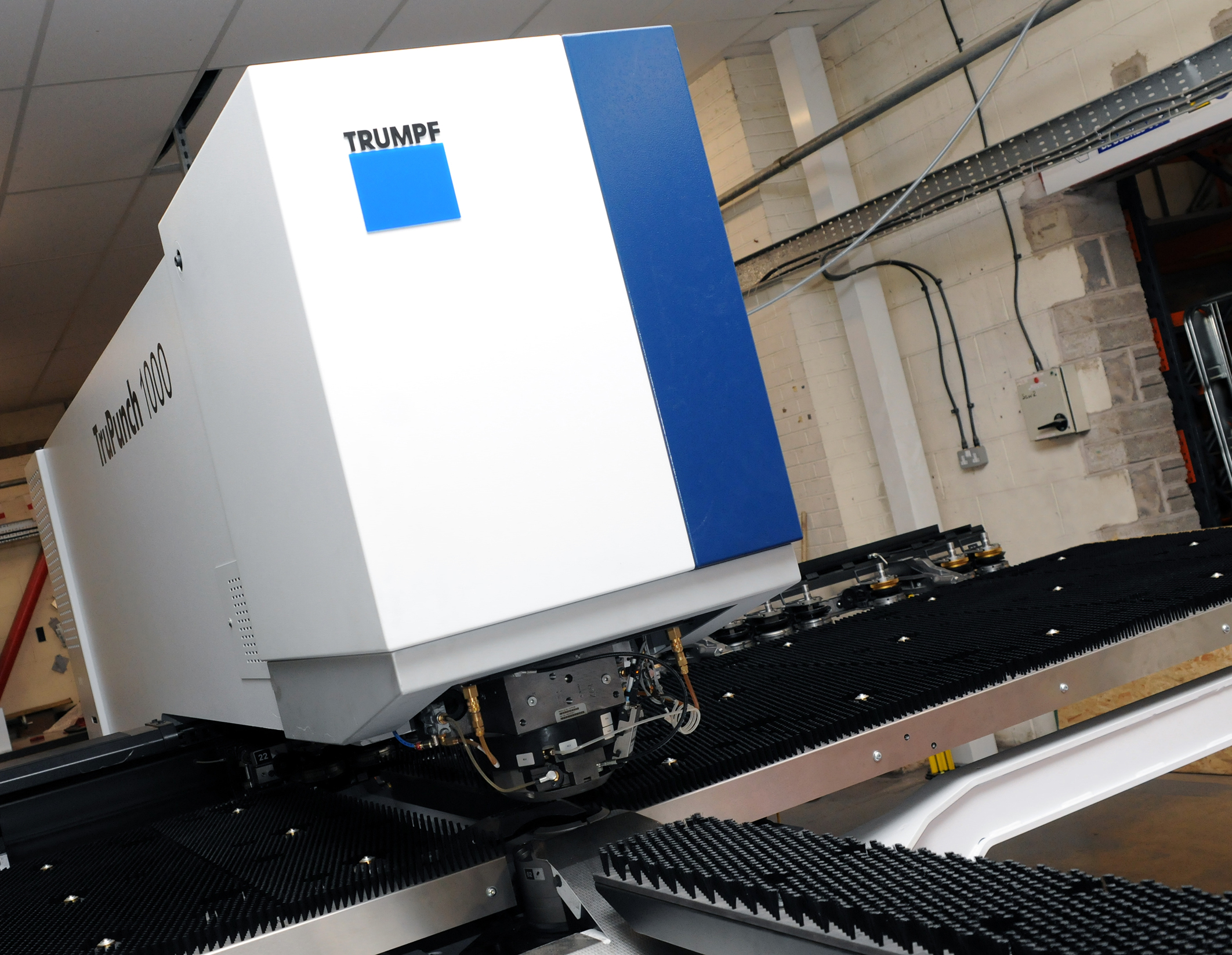
CMD INVESTS £1/4 MILLION IN NEW MACHINE AS PART OF FACTORY UPGRADE

We have invested in a new £1/4m TRUMPF CNC metal punch as part of an asset renewal strategy for our UK manufacturing capability. The new machine will be used in the production of a wide variety of our power distribution systems and workstation power products at our Rotherham factory. Suitable for handling sheet metal between 0.9mm and 3.0mm thick, the new machine will replace one...

Read more
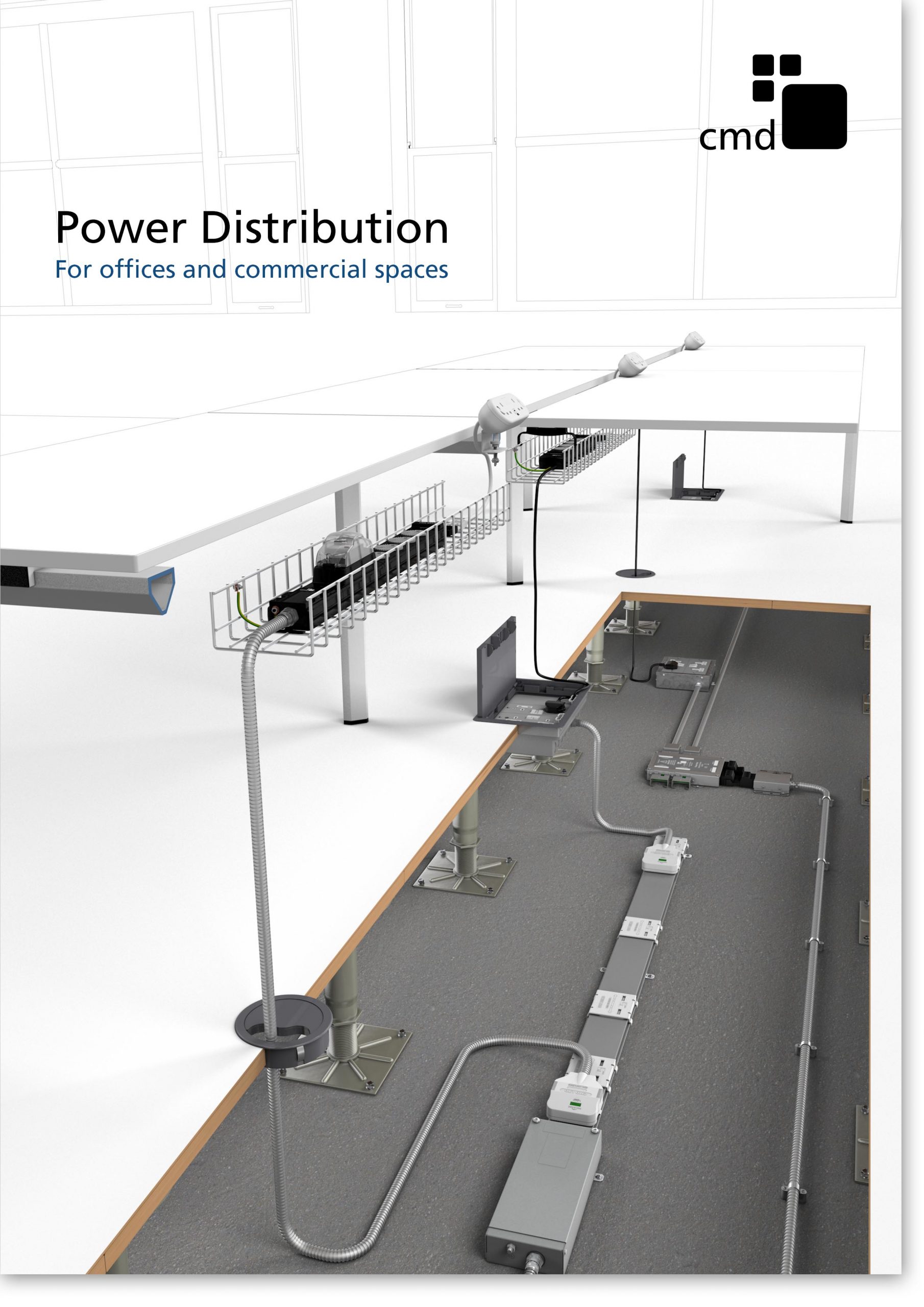
CMD CATALOGUE PROVIDES TECHNICAL POWER DISTRIBUTION GUIDE

CMD Ltd has released a new catalogue, providing an easy to follow technical guide to our power distribution systems and plug and play desk modules. Detailing CMD’s full range of UK-manufactured power distribution systems and plug and play desk modules, the catalogue will be a helpful source of information to M&E engineers and contractors alike to understand how our power distribution systems connect together and...

Read more
Power Distribution Catalogue
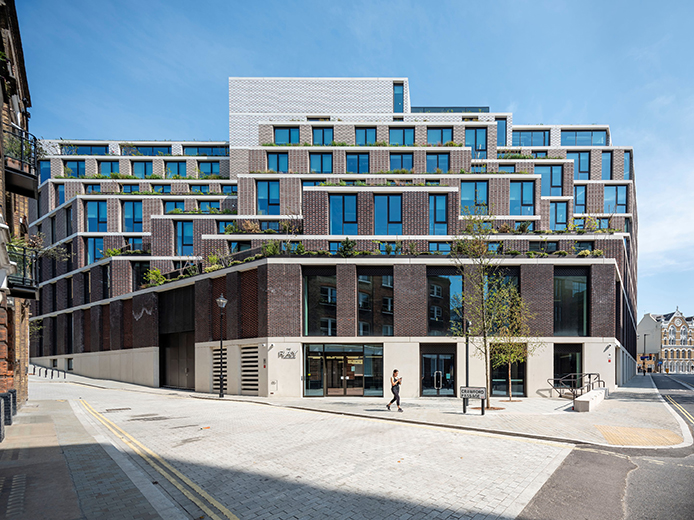
CMD Ltd PLAYS ESSENTIAL ROLE IN ELECTRICAL FIT OUT AT LONDON’S PRESTIGIOUS OFFICE DEVELOPMENT

CMD Ltd, specialist in workplace connectivity and ergonomic solutions, has provided a flexible and high-quality power distribution network for The Ray, a prestigious office development in London’s Farringdon. Well-known for being the former site of The Guardian newspaper, The Ray now stands as an 83,000ft² office development characterised by a modernised warehouse aesthetic, with level two now occupied by a global social media company. The...

Read more
The Ray
CMD plugs in to european opportunity with Schuko Capsule unit launch

CMD Ltd, the specialist in power and connectivity solutions for commercial environments, has launched a Schuko version of its popular fixed format Capsule workstation power module for export to mainland Europe and beyond. A popular on desk power module comprising two sockets and dual USB (type A and C) chargers, CMD’s Capsule unit is already widely specified in the UK as an off-the-shelf workstation power...

Read more
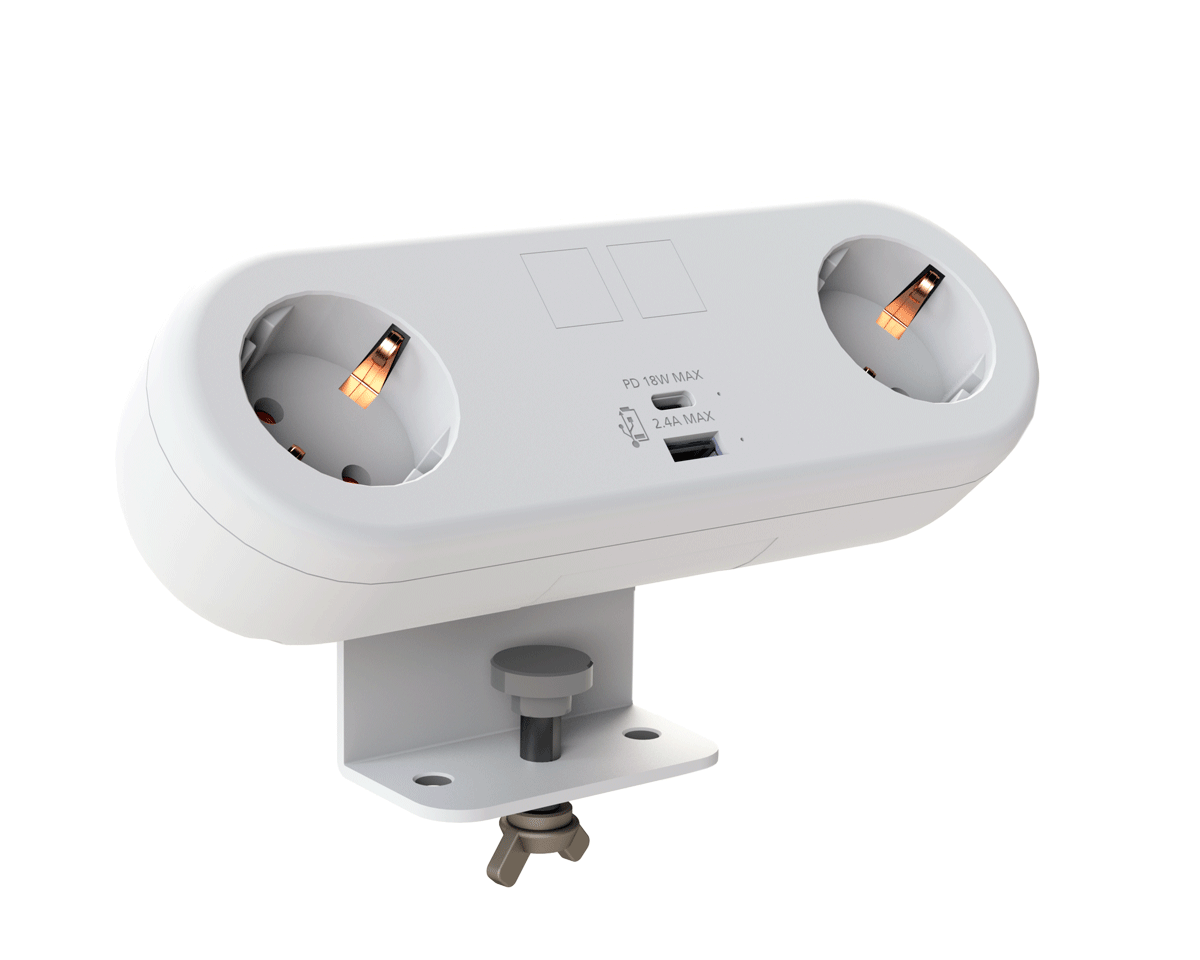
CMD White Schuko Capsule Desk Power Module
CMD LTD EXTENDS MONITOR ARM RANGE WITH THE LAUNCH OF REACH PLUS

CMD Ltd, the specialist in ergonomic and connectivity solutions for commercial interiors, has completed its Reach monitor arm range with the launch of the Reach Plus. Available in single or dual screen options, the Reach Plus has been designed to provide an ideal solution for both single and dual screen workstation configurations, or can be used with next generation of large format curved screens. Suitable...

Read more
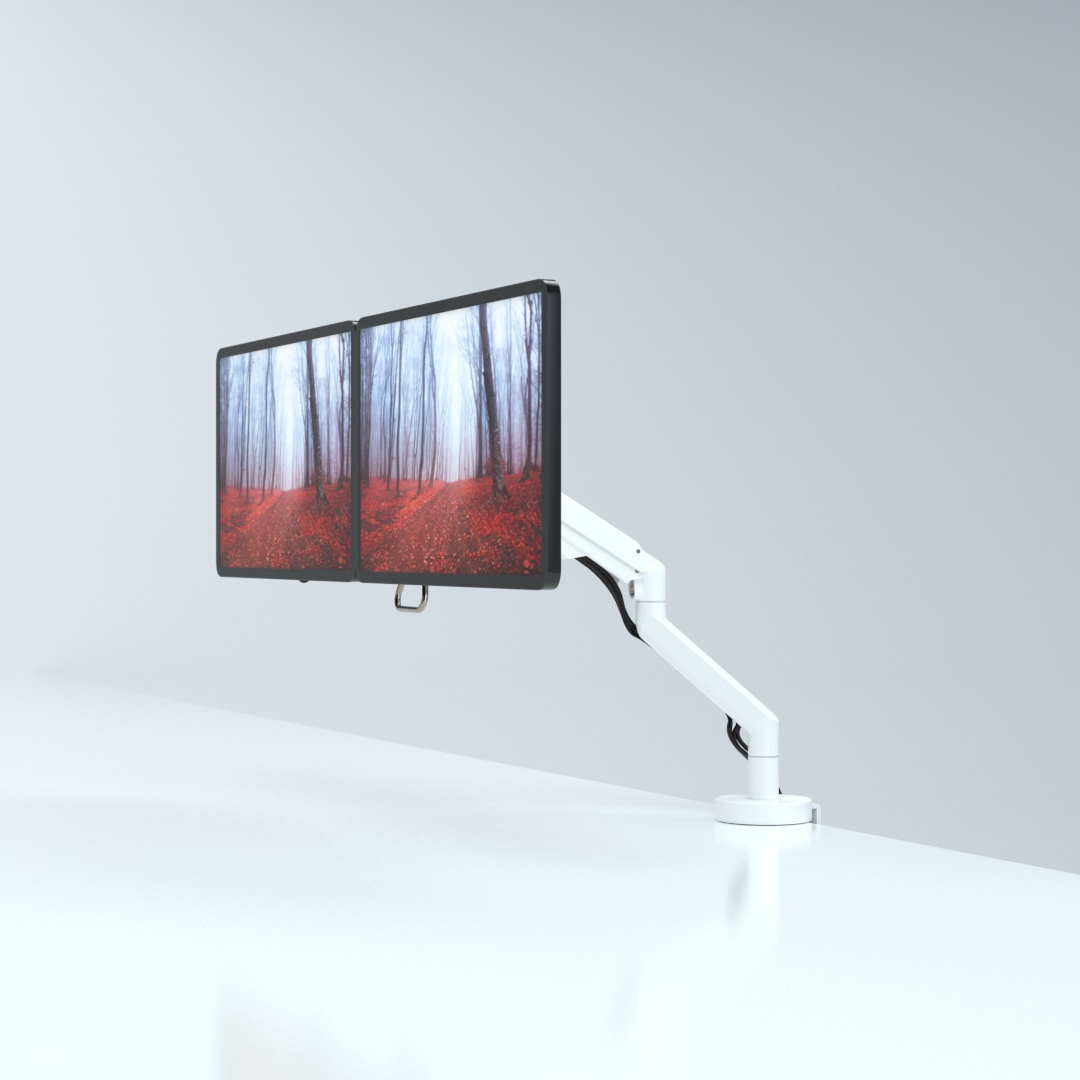
CMD Ltd DEMONSTRATES THE ART OF POWER DISTRIBUTION AT THE UNIVERSITY OF WARWICK

CMD Ltd, the specialist in workplace connectivity and ergonomic solutions, has provided Betatrak busbar power distribution and a range of electrical accessories for two major capital investment projects at the University of Warwick. Designed by Fielden Clegg Bradley Studios, the £33 million Faculty of Arts building is a showpiece development comprising four interconnected structures set around a central atrium, which will enable inter-disciplinary collaboration across...

Read more

University of Warwick
CMD BRINGS HARMONY TO COVENTRY UNIVERSITY RESEARCH FACILITIES

CMD Ltd, the specialist in power distribution solutions and workstation power and ergonomics, has provided under desk and on desk power modules for the refurbishment of three Coventry University research buildings. Located on Coventry University Technology Park, a business park designed to encourage collaboration between the university and knowledge-based businesses, the three buildings are being repurposed as office accommodation for university research teams. The refurbishment...

Read more
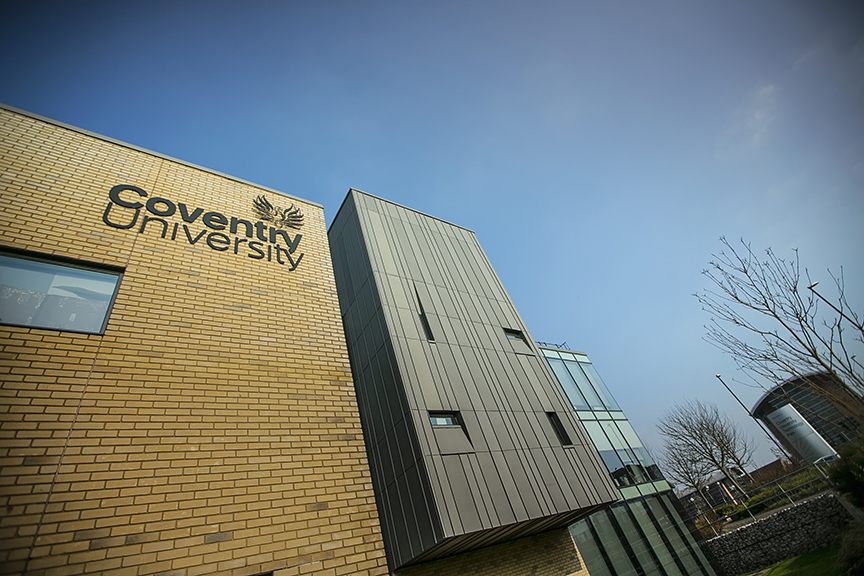
Coventry University

How to Choose the Best Solar Post Lights?

Choosing the right Solar Post Lights involves more than comparing prices and brightness. A good fixture should improve visibility, complement your outdoor design, and perform reliably through changing weather. The best choice depends on your post size, sunlight exposure, installation location, and lighting goals.

In practical outdoor testing, direct sunlight makes a noticeable difference. Place each panel where it can receive six to eight hours of sunlight daily. Check the claimed runtime carefully, because cloudy weather can reduce illumination overnight. Look for durable materials, secure mounting hardware, and an appropriate weather-resistance rating. An IP65 rating, for example, generally offers useful protection against dust and water jets, but product quality can still vary.

Brightness also deserves attention. Soft light may suit a garden path, while brighter output works better near steps or gates. Warm white creates a welcoming appearance, whereas cool white can look sharper and more functional. Battery type, charging time, replacement availability, and warranty support should influence your decision. These details are easy to overlook.

I once underestimated placement.

The lights looked attractive but received too much afternoon shade. Their performance declined quickly. That experience showed me that design cannot replace proper planning. Manufacturer specifications provide a starting point, but independent reviews and verified customer photos offer valuable evidence. This guide will compare the key features, materials, performance factors, and installation considerations that help you choose Solar Post Lights with greater confidence. Some compromises remain unavoidable, but informed choices usually prevent expensive disappointment.

How to Choose the Best Solar Post Lights?

Define Your Lighting Goals and Installation Location

How to Choose the Best Solar Post Lights?

Before choosing solar post lights, define what you want them to do. Do they mark a garden path, brighten a driveway, or create a soft outdoor mood? A path usually needs even guidance, while an entrance benefits from clearer illumination.

Measure the installation area carefully. Note the post height, spacing, soil condition, and nearby obstacles. I once placed lights beneath a dense tree, and their batteries rarely charged fully. It looked attractive during the day, but performed poorly at night.

Study the location throughout the day. Solar panels need several hours of direct sunlight, not just bright shade. South-facing areas often receive stronger exposure, depending on your region and season. Avoid roof overhangs, walls, and tall plants that cast afternoon shadows.

Check the ground for drainage before installing posts. Waterlogged soil can loosen fittings and shorten product life. For exposed areas, review the stated weather-resistance rating and choose sturdy materials. Also consider light color and brightness. Warm light feels welcoming, while cooler light reveals more detail but may appear harsh.

Tips: Test one light in the intended location for two nights. Observe charging, brightness, and shadow patterns. Keep spacing consistent, but do not force a perfect layout if the walkway bends. Clean the panel regularly with a soft, damp cloth. Replaceable batteries can be practical, though I used to overlook this detail. A beautiful fixture is not useful when maintenance becomes inconvenient. Check installation instructions and local outdoor safety requirements before securing the posts.

Compare Solar Panel Types, Battery Capacity, and Charging Performance

How to Choose the Best Solar Post Lights?

Solar panel type strongly affects charging performance. Monocrystalline panels usually convert sunlight more efficiently in limited space. Polycrystalline panels can perform well, but often need slightly more surface area. Thin-film panels may handle weak, scattered light reasonably well. However, their output can vary widely by construction quality. Check the panel’s rated wattage, not only its appearance. A large panel is not always a productive panel.

Battery capacity controls how long the light works after sunset. Compare capacity in watt-hours when possible. A higher capacity is not automatically better. The panel must produce enough energy to recharge it daily. Lithium batteries usually offer strong energy density and stable performance. NiMH batteries can remain practical in moderate climates. Look for stated cycle life and operating temperature details. Small details matter.

Charging tests should reflect real conditions. Place the light where morning and afternoon sunlight reach the panel. Avoid fences, roof edges, and seasonal shadows. One mistake I made was judging performance after a bright summer day. Winter results were less impressive. Check charging time, evening brightness, and runtime across several cloudy days. A useful model should still provide dependable illumination after limited sunlight, though expectations must remain realistic. Five hours of direct sun is not guaranteed. Regular cleaning also helps, especially where dust or pollen covers the panel.

Choose the Right Brightness, Color Temperature, and Light Distribution

Choosing solar post lights starts with the scene, not the fixture’s appearance. Walk through the area after sunset. A narrow path usually needs 100 to 200 lumens per light, while a broad entrance may need more. Actual needs vary with surface color, spacing, and nearby lighting. Brightness should guide footsteps, not create glare. A light that looks impressive in a showroom can feel harsh beside a quiet garden. I once installed overly bright lights near pale paving. The reflected glare made the path less comfortable. Not perfect.

Warm white, between 2200K and 3000K, suits gardens, wood, and relaxed seating areas. Neutral white, around 3500K to 4000K, reveals steps and edges more clearly. Cool light may appear blue and clinical against greenery. For most residential posts, warm or neutral light feels easier to live with. Check the measured color temperature, not just terms like “soft” or “natural.” Solar output can change overnight, so inspect the color after several hours.

Light distribution controls where those lumens go. Downward, shielded designs reduce eye-level glare and protect the surrounding darkness. A wide spread can cover a driveway, but it may shine into windows. For a narrow walkway, choose a focused pattern with consistent spacing. Place one sample post at dusk. Inspect it from walking height and inside nearby rooms. Cloudy weather and winter sunlight can expose weak charging performance. If the light dims too early, use fewer fixtures, improve exposure, or lower the brightness setting.

How to Choose the Best Solar Post Lights?

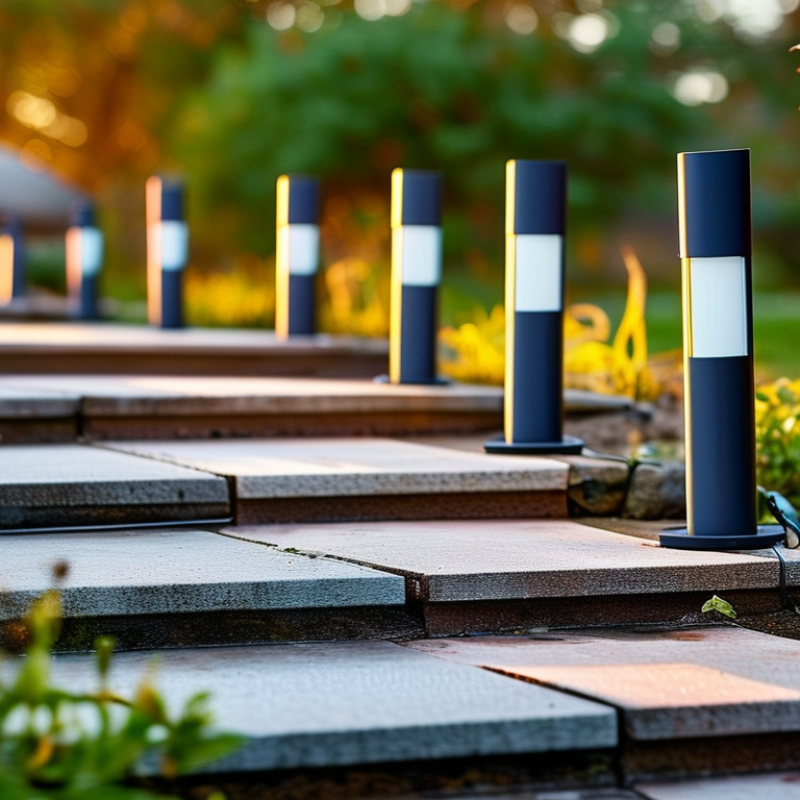
Compare typical brightness targets, color temperatures, and light distribution for common outdoor applications.

Use lower lumen levels for pathways to reduce glare and preserve a comfortable atmosphere. Choose higher output for entrances, patios, and perimeter areas where visibility and safety are more important. Warm light around 2700–3000K is generally more inviting, while 4000K provides a cooler, more task-focused appearance. Downward or shielded distribution helps direct light onto the intended area and limits glare.

Evaluate Materials, Weather Resistance, and Long-Term Durability

Choosing solar post lights requires more than comparing brightness or decorative shape. Materials determine how the fixture survives daily exposure. Look for powder-coated aluminum, stainless steel, or UV-stabilized polymers. Thin untreated steel can rust around screw holes and drainage seams. Check those areas closely.

Weather ratings also need careful reading. IEC 60529 classifies IP65 as dust-tight and protected against water jets. IP67 adds temporary immersion protection, but it does not guarantee long-term outdoor performance. Seals can harden, crack, or collect grit. A high rating is not magic. Install lights where water cannot pool around the battery compartment.

Long-term durability depends on the whole system, not only the panel. NREL’s photovoltaic field-data analysis often uses about 0.5% annual degradation as a median benchmark. Small lighting panels may age differently because they face shade, dirt, and heat. IEA PVPS Task 13 reports also show that climate exposure strongly affects photovoltaic reliability. Choose replaceable batteries with clear temperature specifications. Lithium-based cells can perform well, but cold winters still reduce usable capacity. Inspect the mounting collar, cable entry, and fasteners before buying. These small details often fail first. I would also question unusually high runtime claims without test conditions. Ask whether testing used full sunlight, moderate temperatures, and clean panels.

Check Installation Methods, Maintenance Needs, and Overall Value

Choosing solar post lights requires more than comparing brightness or decorative style. Installation affects performance from the first night. Models with ground spikes suit soil and temporary layouts. Base-mounted lights need level paving, strong anchors, and accurate drilling. Check the panel’s daily sunlight, not just the lamp’s advertised runtime. Shade from walls or trees can reduce charging sharply.

The technology is increasingly mature. The IEA PVPS Trends in Photovoltaic Applications 2024 report recorded more than 1.6 terawatts of global solar capacity by the end of 2023. However, small outdoor products still vary widely. NREL research found a typical photovoltaic degradation rate near 0.5% annually. Battery aging may become the larger concern. Look for replaceable batteries, corrosion-resistant screws, sealed housings, and clear warranty terms. An IP65 rating can help resist dust and water jets, but it does not guarantee winter durability. That distinction is easy to miss.

Tips: Clean the panel with a soft, damp cloth every few months. Remove leaves before cloudy seasons. Test one light for a week before installing many. U.S. Department of Energy guidance says LED lighting uses at least 75% less energy and lasts up to 25 times longer than incandescent lighting. Still, solar lights depend on weather and placement. A cheaper model may deliver better value in mild conditions, while a serviceable design can cost less over several years. Published runtime claims often assume ideal sunlight, so treat them as estimates, not promises.