

News

Miro: A New Standard in Responsible Innovation

Miro: A New Standard in Responsible Innovation The Miro monitor arm is setting new benchmarks in sustainability. It offers a high-performance solution without compromising on environmental responsibility. Designed with careful material selection, local sourcing, and longevity in mind, Miro’s responsible approach to design and unique manoeuvrability set it apart from the competition. Sustainable Choices Miro is crafted from energy-efficient materials with a lower carbon impact....

Read more
HSE Advisor

Role Purpose Support in the development, implementation and maintenance of the company’s Health, Safety & Environmental policies, processes, operational procedures, and standards.  Ensuring best practice and championing a continually improving HSE culture within the business. Key Responsibilities Liaise with and provide support to all areas of the business to eliminate, mitigate or reduce identified HSE exposures. Partner with the production management team and team leaders,...

Read more
CMD Ltd LAUNCHES 48-HOUR TURNAROUND ON BETATRAK® RAPID ORDERING SERVICE

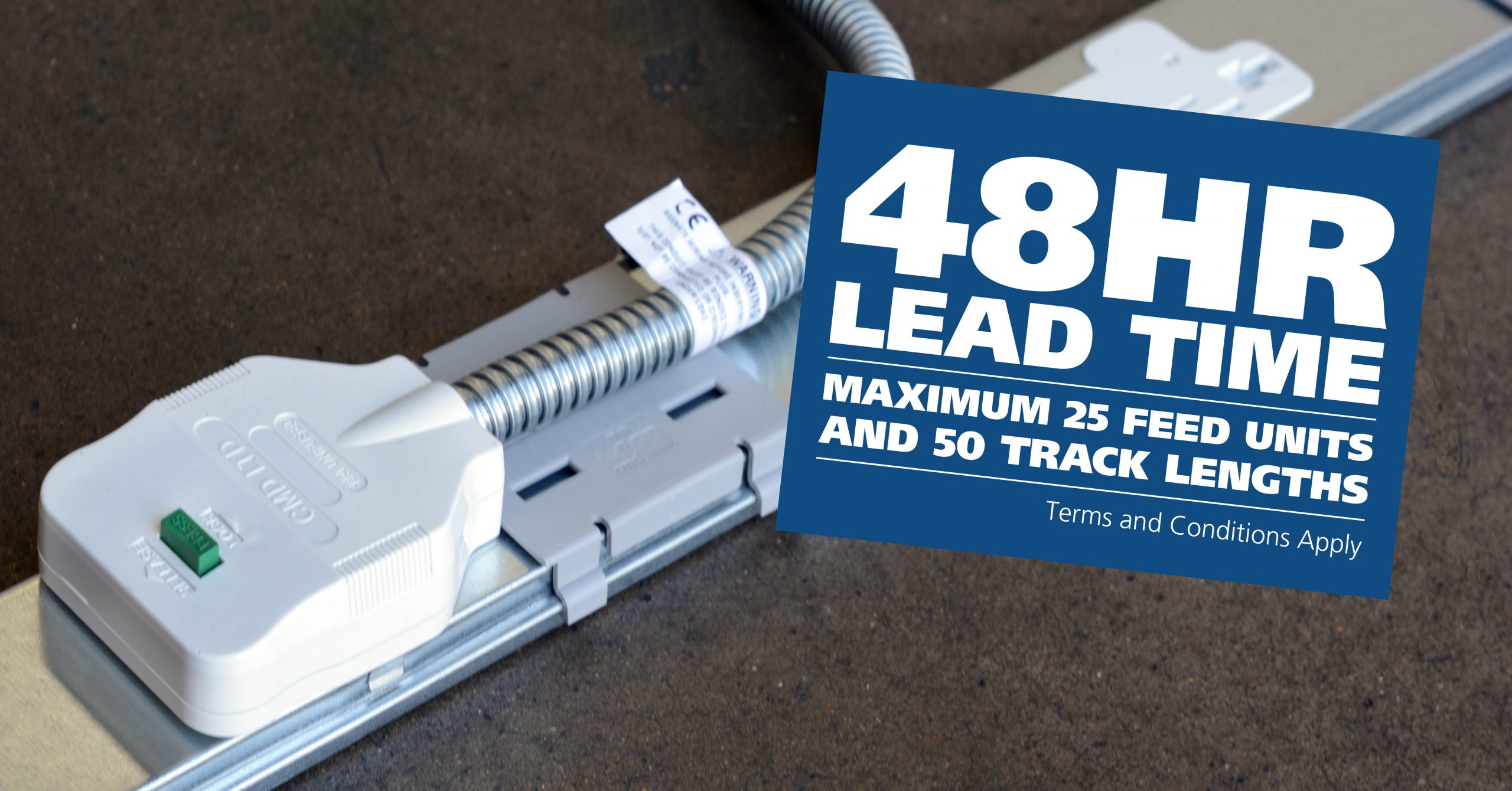
CMD Ltd, the specialist in power distribution systems, workstation power and monitor arms, has launched a rapid ordering service for its Betatrak® underfloor powertrack distribution systems and accessories, with a commitment to delivering within 48-hours of an approved purchase order*. The service enables customers to order up to 50 lengths of Standard or Clean Earth (C/E) low noise Betatrak, along with up to 25 feed...

Read more
CMD INVESTS £1/4 MILLION IN NEW MACHINE AS PART OF FACTORY UPGRADE

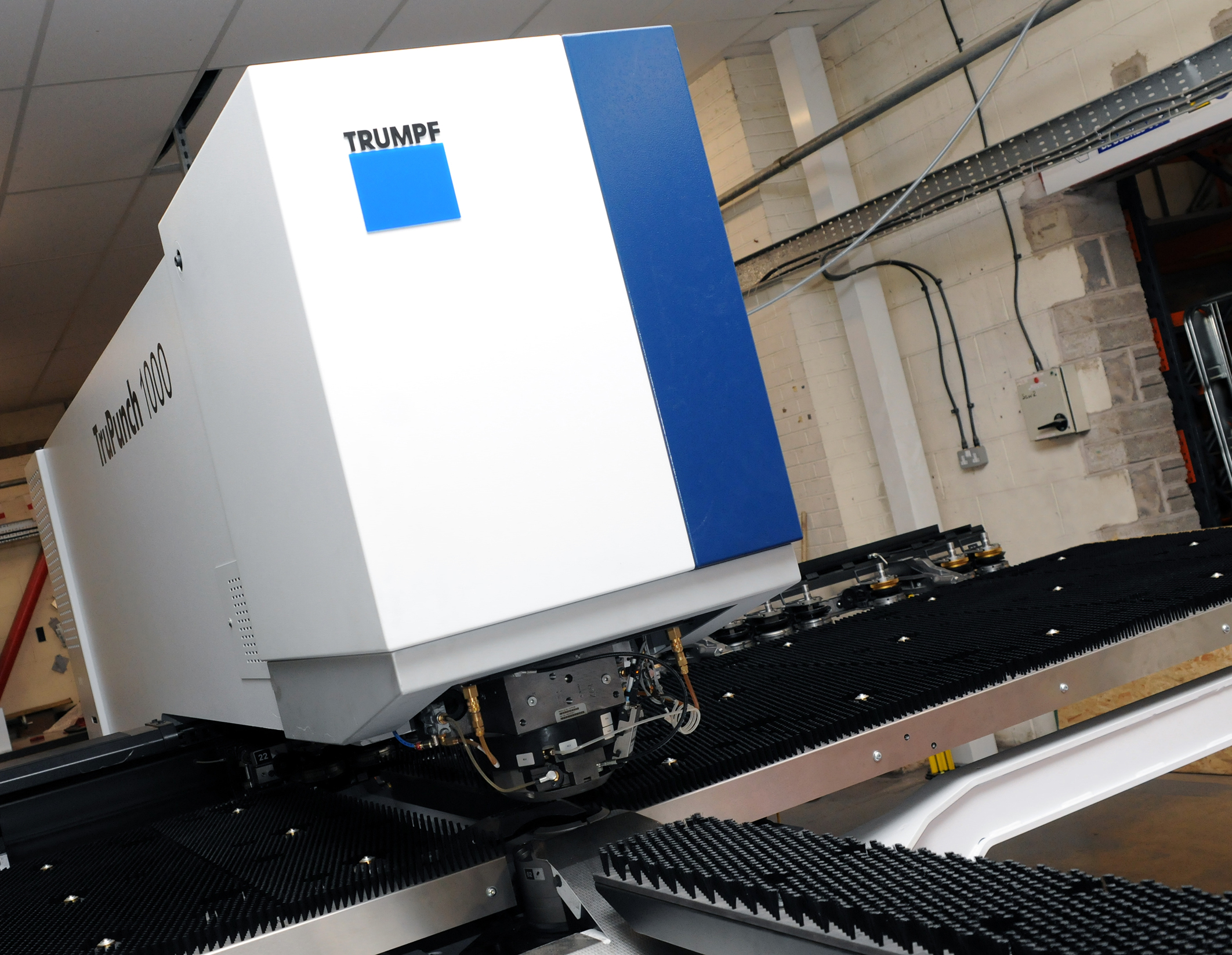
We have invested in a new £1/4m TRUMPF CNC metal punch as part of an asset renewal strategy for our UK manufacturing capability. The new machine will be used in the production of a wide variety of our power distribution systems and workstation power products at our Rotherham factory. Suitable for handling sheet metal between 0.9mm and 3.0mm thick, the new machine will replace one...

Read more
CMD CATALOGUE PROVIDES TECHNICAL POWER DISTRIBUTION GUIDE

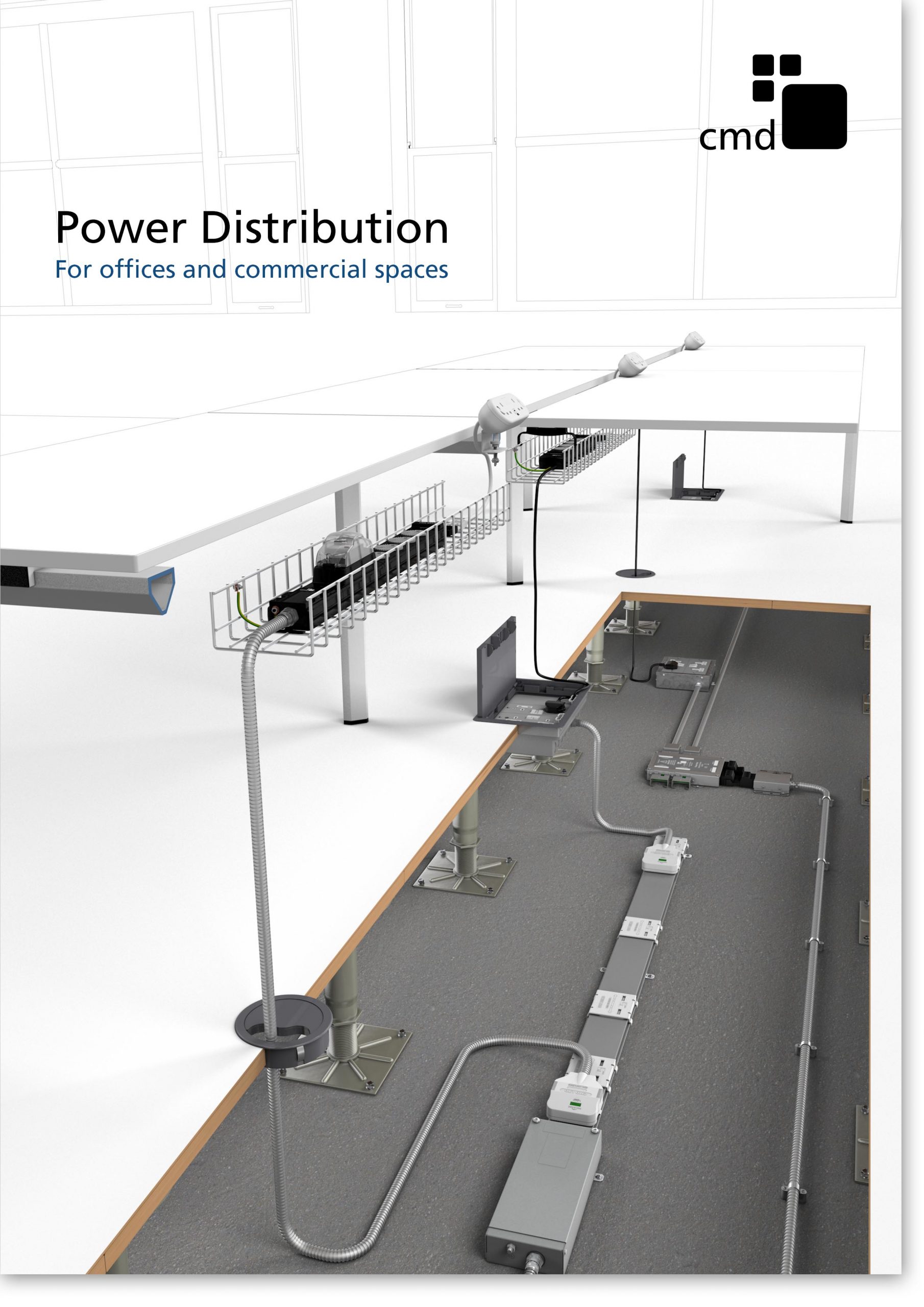
CMD Ltd has released a new catalogue, providing an easy to follow technical guide to our power distribution systems and plug and play desk modules. Detailing CMD’s full range of UK-manufactured power distribution systems and plug and play desk modules, the catalogue will be a helpful source of information to M&E engineers and contractors alike to understand how our power distribution systems connect together and...

Read more
Power Distribution Catalogue
CMD Ltd PLAYS ESSENTIAL ROLE IN ELECTRICAL FIT OUT AT LONDON’S PRESTIGIOUS OFFICE DEVELOPMENT

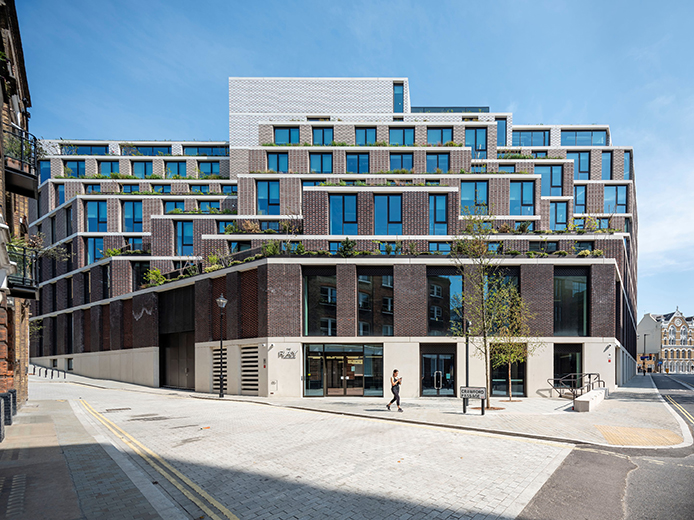
CMD Ltd, specialist in workplace connectivity and ergonomic solutions, has provided a flexible and high-quality power distribution network for The Ray, a prestigious office development in London’s Farringdon. Well-known for being the former site of The Guardian newspaper, The Ray now stands as an 83,000ft² office development characterised by a modernised warehouse aesthetic, with level two now occupied by a global social media company. The...

Read more
The Ray
CMD plugs in to european opportunity with Schuko Capsule unit launch

CMD Ltd, the specialist in power and connectivity solutions for commercial environments, has launched a Schuko version of its popular fixed format Capsule workstation power module for export to mainland Europe and beyond. A popular on desk power module comprising two sockets and dual USB (type A and C) chargers, CMD’s Capsule unit is already widely specified in the UK as an off-the-shelf workstation power...

Read more
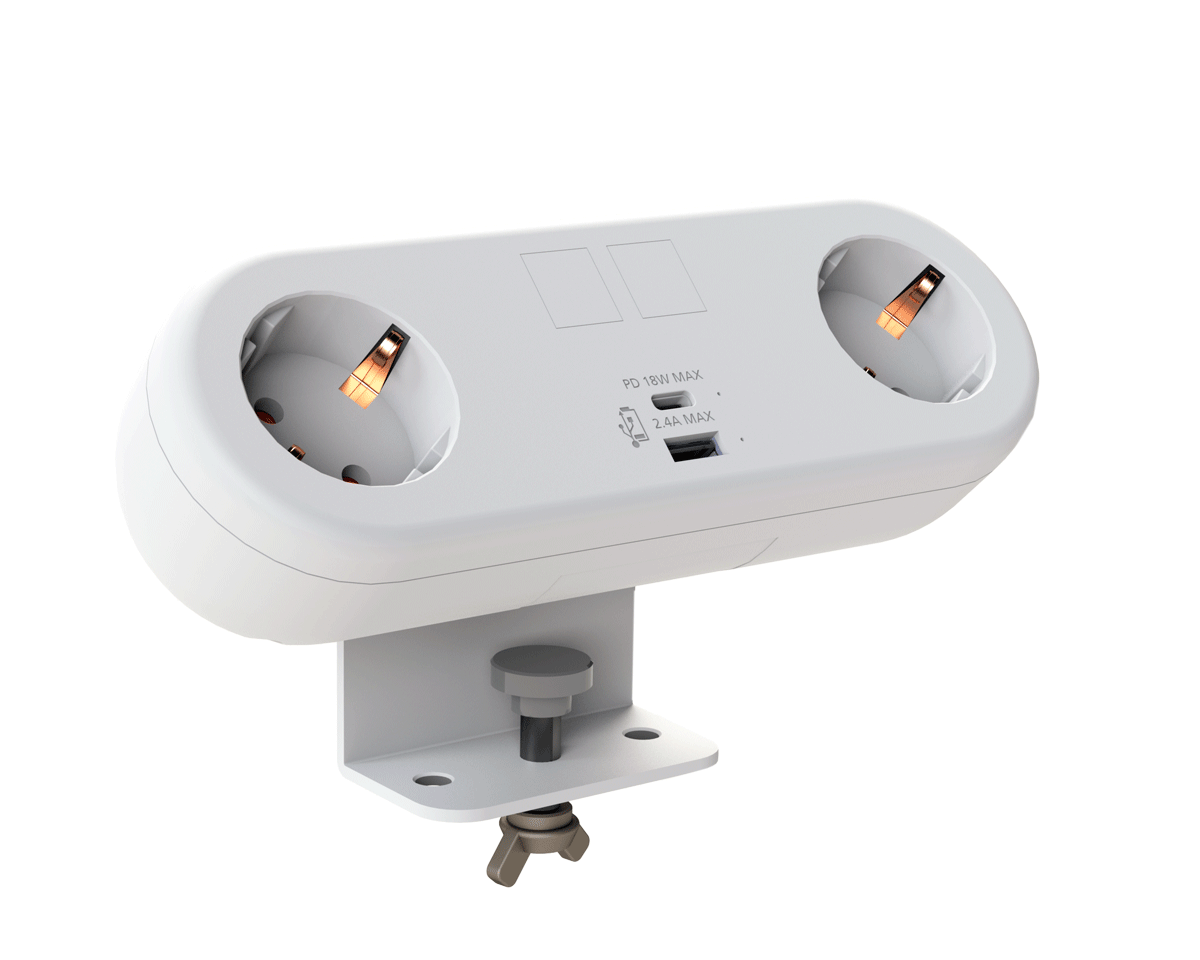
CMD White Schuko Capsule Desk Power Module
CMD LTD EXTENDS MONITOR ARM RANGE WITH THE LAUNCH OF REACH PLUS

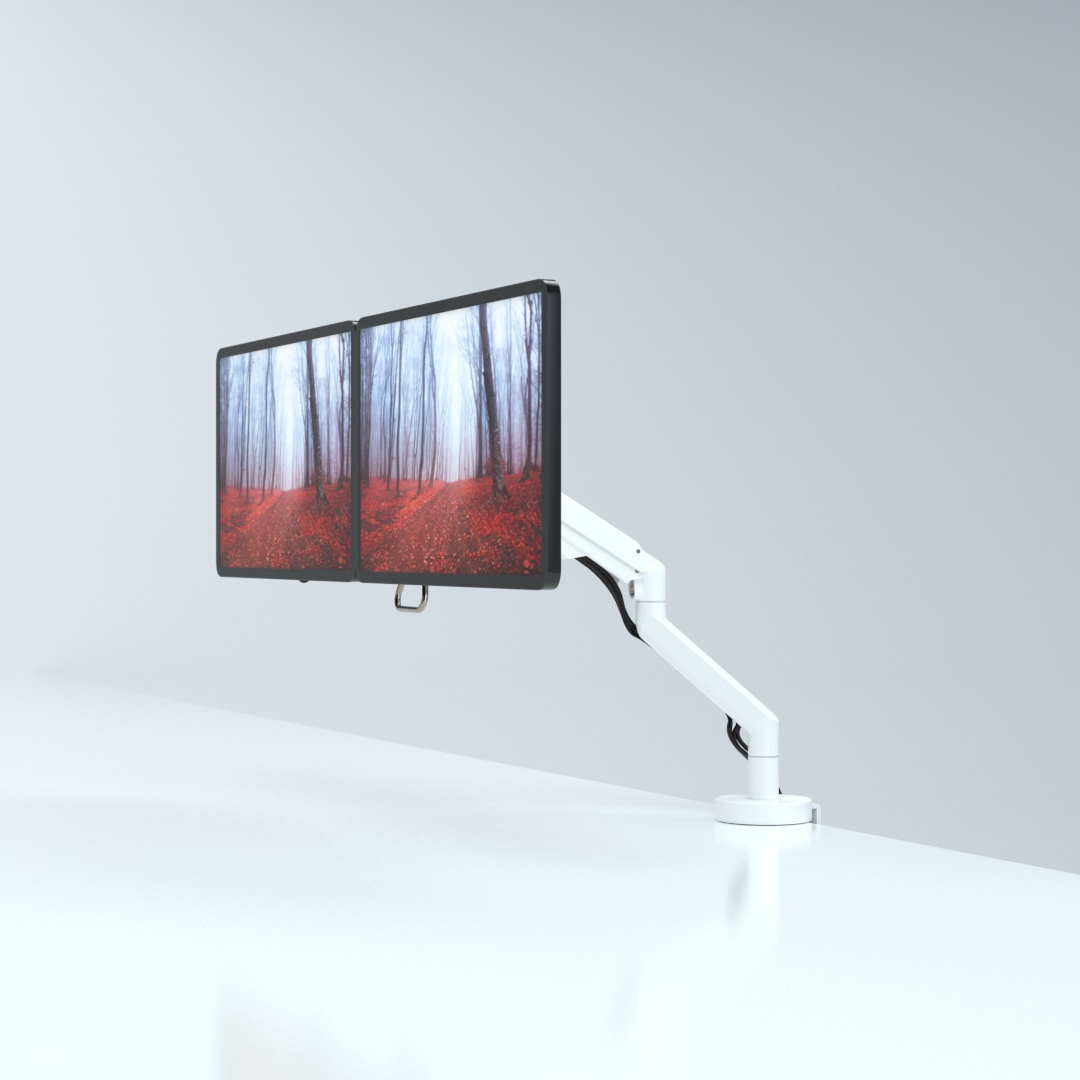
CMD Ltd, the specialist in ergonomic and connectivity solutions for commercial interiors, has completed its Reach monitor arm range with the launch of the Reach Plus. Available in single or dual screen options, the Reach Plus has been designed to provide an ideal solution for both single and dual screen workstation configurations, or can be used with next generation of large format curved screens. Suitable...

Read more
CMD Ltd DEMONSTRATES THE ART OF POWER DISTRIBUTION AT THE UNIVERSITY OF WARWICK

CMD Ltd, the specialist in workplace connectivity and ergonomic solutions, has provided Betatrak busbar power distribution and a range of electrical accessories for two major capital investment projects at the University of Warwick. Designed by Fielden Clegg Bradley Studios, the £33 million Faculty of Arts building is a showpiece development comprising four interconnected structures set around a central atrium, which will enable inter-disciplinary collaboration across...

Read more

University of Warwick
CMD BRINGS HARMONY TO COVENTRY UNIVERSITY RESEARCH FACILITIES

CMD Ltd, the specialist in power distribution solutions and workstation power and ergonomics, has provided under desk and on desk power modules for the refurbishment of three Coventry University research buildings. Located on Coventry University Technology Park, a business park designed to encourage collaboration between the university and knowledge-based businesses, the three buildings are being repurposed as office accommodation for university research teams. The refurbishment...

Read more
Coventry University

How to Choose the Best Solar Lights for Your Needs?

Choosing the right Solar Lights for your needs can be overwhelming. With a variety of products on the market, it's essential to make an informed decision. According to a report from the Solar Energy Industries Association, the solar lighting industry is expected to grow by 15% annually. This increase highlights the demand for energy-efficient outdoor lighting solutions.

Expert Jennifer Green, a renowned specialist in renewable energy, states, "Solar Lights can significantly reduce electricity costs while enhancing outdoor aesthetics." This statement reflects the dual benefits of solar lighting: cost savings and environmental impact. As more options become available, understanding specifications and features is crucial. Factors like brightness, battery life, and design influence your choice.

However, not all Solar Lights are created equal. Some may not perform as advertised. Buyers often report issues with light intensity and battery longevity. This necessitates research and verification of product claims. Ultimately, finding the best Solar Lights involves balancing quality, functionality, and price. Understanding these aspects will help you make the right choice for your lighting needs.

How to Choose the Best Solar Lights for Your Needs?

Understanding Different Types of Solar Lights: A Comprehensive Overview

When choosing solar lights, it's essential to understand the different types available. Solar path lights provide illumination along walkways. They offer an inviting glow while enhancing safety at night. These lights are typically available in various styles, from modern to traditional, allowing for aesthetic customization. Their height and brightness can also affect visibility and ambiance.

Another option is solar flood lights. These are ideal for larger spaces needing a powerful light source. They can cover extensive areas and are effective for security purposes. However, they require proper placement to maximize sunlight exposure. Consider the power output and adjustability when selecting these lights.

Finally, solar deck lights can transform outdoor spaces. They are installed on railings or steps, creating a warm and welcoming environment. The challenge here is to choose ones that blend with your existing decor. Not all options are waterproof, so check specifications carefully. Assessing your specific lighting needs will provide a clearer direction for your purchase.

Evaluating Solar Light Brightness: Lumens and Their Impact on Visibility

When choosing solar lights, brightness is key. Lumens determine how much light a fixture emits. A high lumen count means brighter light. However, this isn't always better. Think about where you'll use the lights. For pathways, around 100-200 lumens may suffice. But for larger areas, you may need 300-500 lumens.

Understanding lumens helps evaluate visibility. More lumens improve safety at night. But too many can create glare. Balance is crucial. For example, if lights are too bright, they might disturb neighbors or wildlife. Less isn’t always more, but more isn’t always better either. Adjusting to your unique needs is essential for effective illumination.

Testing different wattages and styles can help refine your choices. Consider combining various lumen outputs for different spaces. Experimenting may lead to unexpected results, such as a surprisingly dark corner or an overly lit area. Keep records of brightness levels and their effects. This reflection will guide future selections. Your ideal solar lighting setup should enhance your environment while maintaining a pleasant atmosphere.

Choosing the Right Solar Panel Efficiency for Optimal Performance

When selecting solar lights, the efficiency of the solar panels plays a crucial role. Solar panel efficiency refers to how much sunlight is converted into usable electricity. Generally, higher efficiency panels produce more energy, especially in limited sunlight conditions. Reports from the National Renewable Energy Laboratory (NREL) show that high-efficiency panels can reach up to 22% efficiency, compared to the average of 15% for standard panels.

It’s vital to understand what efficiency means for your needs. A more efficient panel can reduce the number of lights needed to achieve desired brightness. However, these panels often come at a higher cost. When funds are limited, opting for moderately efficient panels may still provide adequate performance, though it may lead to some compromises.

Consider your environment as well. In areas with ample sunlight, lower efficiency might suffice. But for cloudy regions, investing in high-efficiency panels ensures consistent lighting. Each choice impacts overall satisfaction. Ask yourself: Will the investment pay off in long-term energy savings? Reflecting on these factors can guide you to the best decision tailored to your specific lighting needs.

How to Choose the Best Solar Lights for Your Needs? - Choosing the Right Solar Panel Efficiency for Optimal Performance

Criteria Description Recommended Efficiency (%) Notes
Brightness Lumens output affects visibility and functionality at night. 100-200 Higher lumens are better for larger areas.
Battery Capacity Storage capacity for energy usage during non-sunny periods. 2000-5000 mAh Larger capacity for longer runtime.
Solar Panel Size Surface area that absorbs sunlight to generate power. 10-30 Watts Larger panels capture more sunlight.
Material Quality Durability and efficiency over time depending on materials. Polycrystalline or Monocrystalline Monocrystalline is more efficient but costlier.
Weather Resistance Ability to withstand various weather conditions. IP65 or higher Higher ratings mean better protection against water and dust.

Weather Resistance and Durability: Key Factors for Outdoor Solar Lights

When selecting outdoor solar lights, weather resistance and durability are crucial. Many users underestimate the impact of harsh weather on solar lights. According to a 2022 study by the Solar Energy Industries Association, only 50% of solar lights perform effectively after one year in outdoor conditions. Choosing lights with high weather resistance ratings can significantly enhance longevity.

Materials play an essential role. Solar lights made from durable metals or high-grade plastic tend to withstand UV rays and rain better than cheap alternatives. The ideal outdoor light should have an IP rating of at least IP65, indicating strong resistance to dust and water. Research indicates that lights with better durability can last up to five years longer on average.

However, not all manufacturers test their products under real-life conditions. Some lights claim to be weather resistant but fail in heavy snow or extreme heat. This inconsistency can lead to frustration for buyers after a few months. Consider user reviews and independent studies to identify reliable options. Investing in quality solar lights may seem costly initially, but their resilience against the elements can lead to savings over time.

Assessing Battery Capacity and Charging Time for Extended Use

When selecting solar lights, battery capacity and charging time are crucial. A higher battery capacity often means longer run times after dark. For instance, if you need lights for pathways, consider models with at least 2000 mAh capacity. This ensures they last through the night.

Charging time also plays an essential role in daily use. Many solar lights require a full day of sunlight for optimal performance. However, in cloudy weather, performance may drop. Some lights may not reach full charge. This inconsistency can be frustrating. It’s important to review user experiences to see how specific models perform in different conditions.

Evaluate the location of installation. If your lights stay in shade, battery capacity won’t matter as much if they don’t charge well. Some users have noted that placement near trees affects sunlight exposure. This leads to a trial-and-error process to find the right spot. Balancing battery capacity and charging efficiency is vital for achieving your solar lighting goals.

Article Source: