

News

Miro: A New Standard in Responsible Innovation

Miro: A New Standard in Responsible Innovation The Miro monitor arm is setting new benchmarks in sustainability. It offers a high-performance solution without compromising on environmental responsibility. Designed with careful material selection, local sourcing, and longevity in mind, Miro’s responsible approach to design and unique manoeuvrability set it apart from the competition. Sustainable Choices Miro is crafted from energy-efficient materials with a lower carbon impact....

Read more
HSE Advisor

Role Purpose Support in the development, implementation and maintenance of the company’s Health, Safety & Environmental policies, processes, operational procedures, and standards.  Ensuring best practice and championing a continually improving HSE culture within the business. Key Responsibilities Liaise with and provide support to all areas of the business to eliminate, mitigate or reduce identified HSE exposures. Partner with the production management team and team leaders,...

Read more
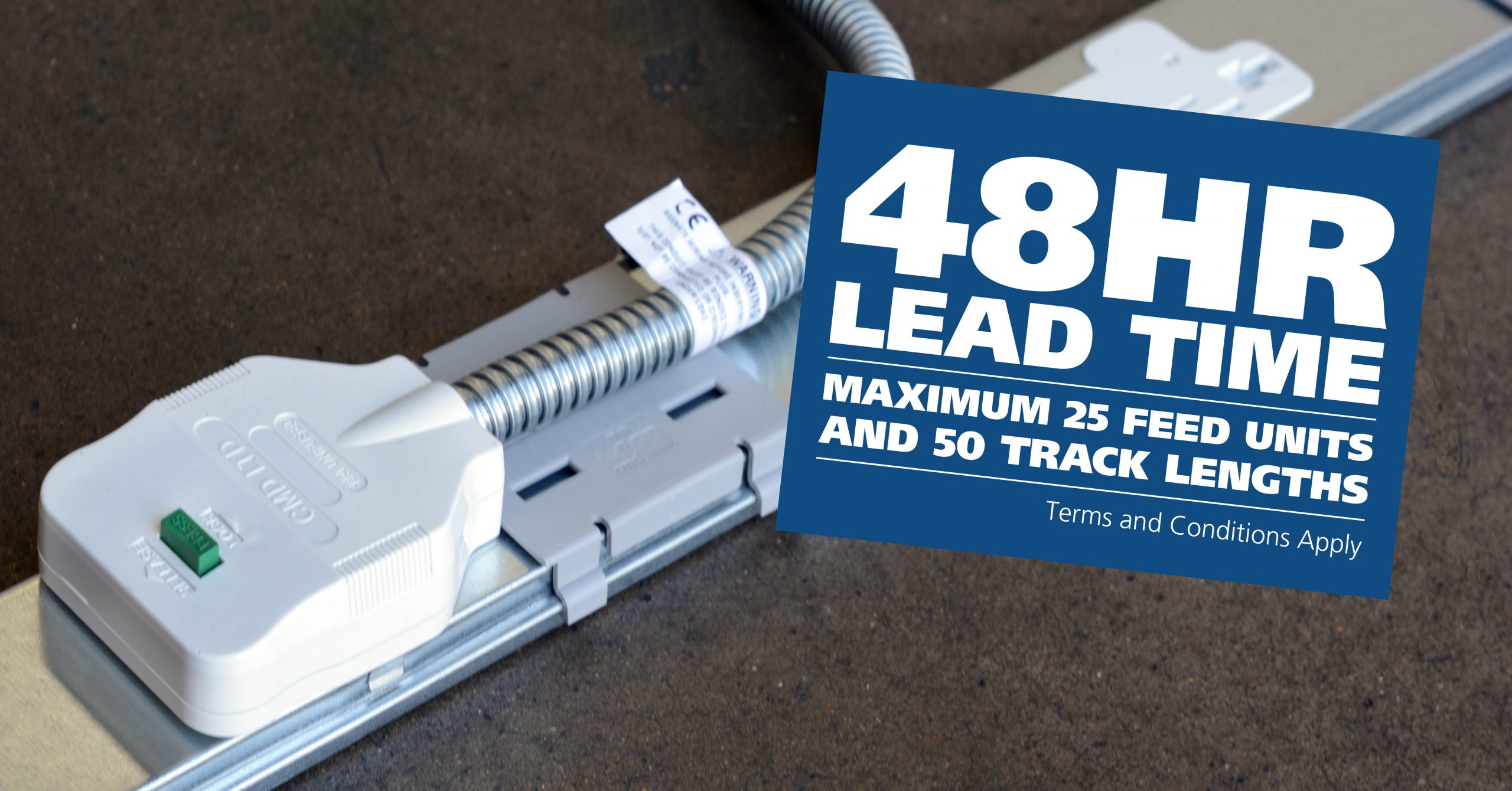
CMD Ltd LAUNCHES 48-HOUR TURNAROUND ON BETATRAK® RAPID ORDERING SERVICE

CMD Ltd, the specialist in power distribution systems, workstation power and monitor arms, has launched a rapid ordering service for its Betatrak® underfloor powertrack distribution systems and accessories, with a commitment to delivering within 48-hours of an approved purchase order*. The service enables customers to order up to 50 lengths of Standard or Clean Earth (C/E) low noise Betatrak, along with up to 25 feed...

Read more
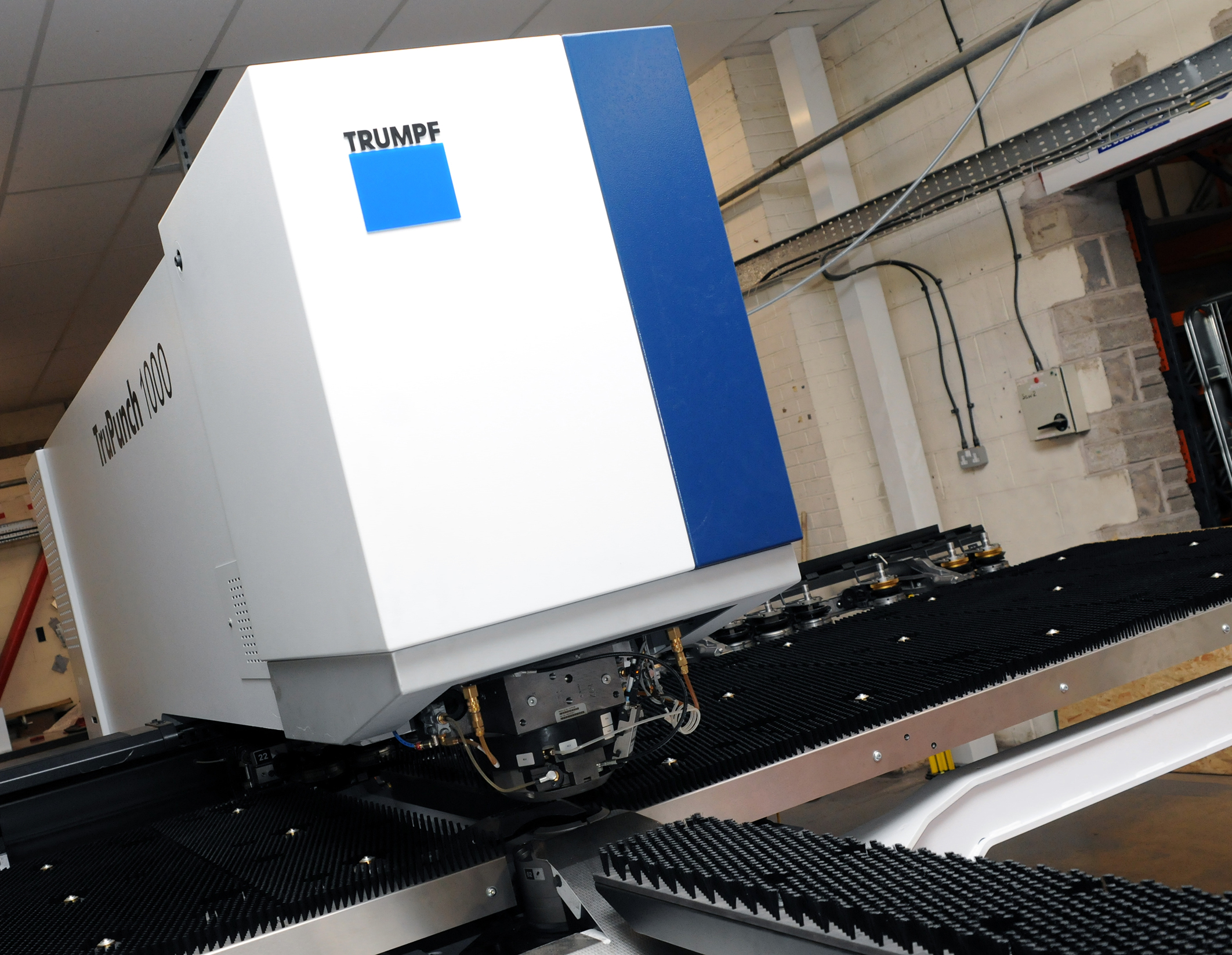
CMD INVESTS £1/4 MILLION IN NEW MACHINE AS PART OF FACTORY UPGRADE

We have invested in a new £1/4m TRUMPF CNC metal punch as part of an asset renewal strategy for our UK manufacturing capability. The new machine will be used in the production of a wide variety of our power distribution systems and workstation power products at our Rotherham factory. Suitable for handling sheet metal between 0.9mm and 3.0mm thick, the new machine will replace one...

Read more
CMD CATALOGUE PROVIDES TECHNICAL POWER DISTRIBUTION GUIDE

CMD Ltd has released a new catalogue, providing an easy to follow technical guide to our power distribution systems and plug and play desk modules. Detailing CMD’s full range of UK-manufactured power distribution systems and plug and play desk modules, the catalogue will be a helpful source of information to M&E engineers and contractors alike to understand how our power distribution systems connect together and...

Read more
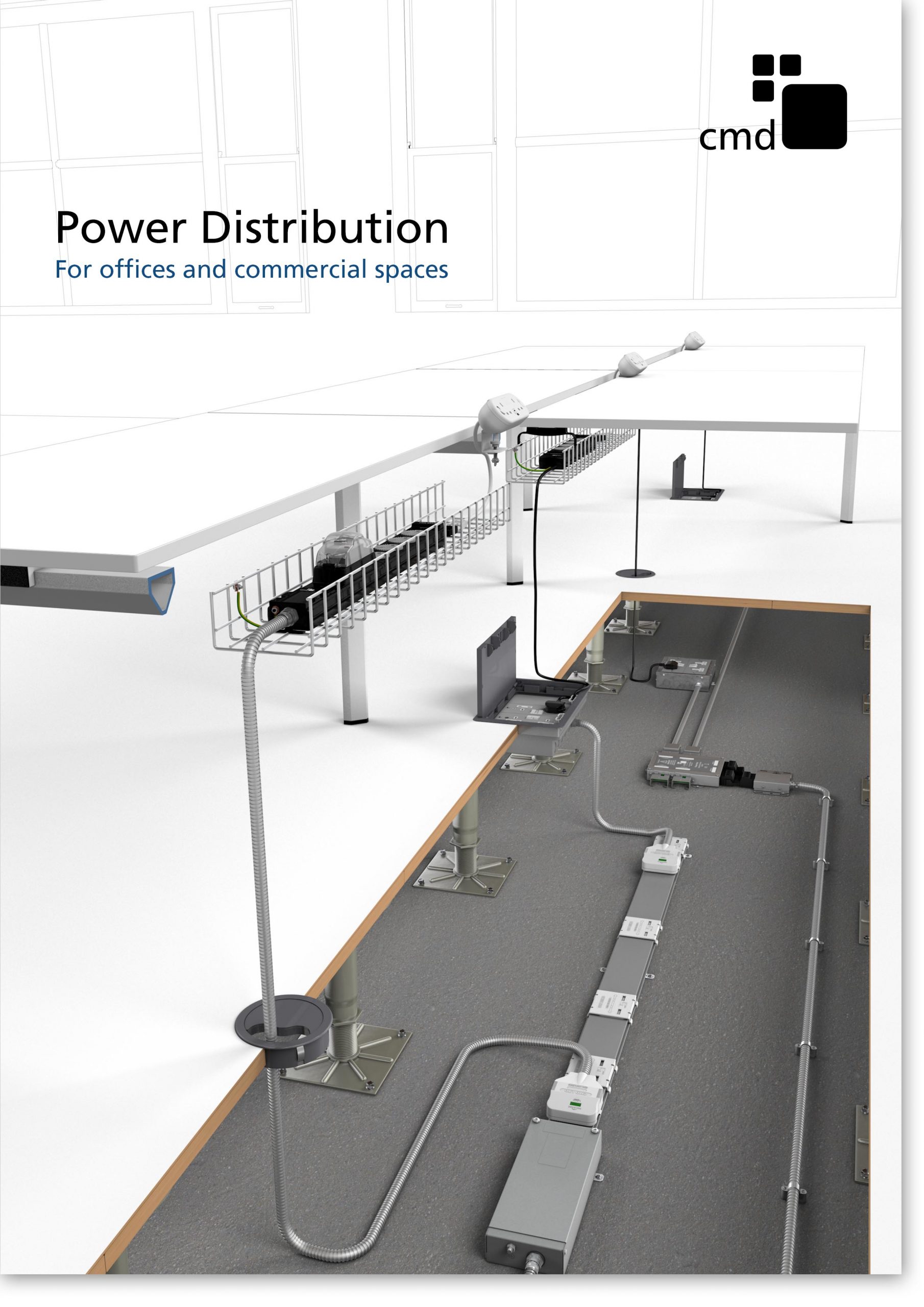
Power Distribution Catalogue
CMD Ltd PLAYS ESSENTIAL ROLE IN ELECTRICAL FIT OUT AT LONDON’S PRESTIGIOUS OFFICE DEVELOPMENT

CMD Ltd, specialist in workplace connectivity and ergonomic solutions, has provided a flexible and high-quality power distribution network for The Ray, a prestigious office development in London’s Farringdon. Well-known for being the former site of The Guardian newspaper, The Ray now stands as an 83,000ft² office development characterised by a modernised warehouse aesthetic, with level two now occupied by a global social media company. The...

Read more

The Ray
CMD plugs in to european opportunity with Schuko Capsule unit launch

CMD Ltd, the specialist in power and connectivity solutions for commercial environments, has launched a Schuko version of its popular fixed format Capsule workstation power module for export to mainland Europe and beyond. A popular on desk power module comprising two sockets and dual USB (type A and C) chargers, CMD’s Capsule unit is already widely specified in the UK as an off-the-shelf workstation power...

Read more
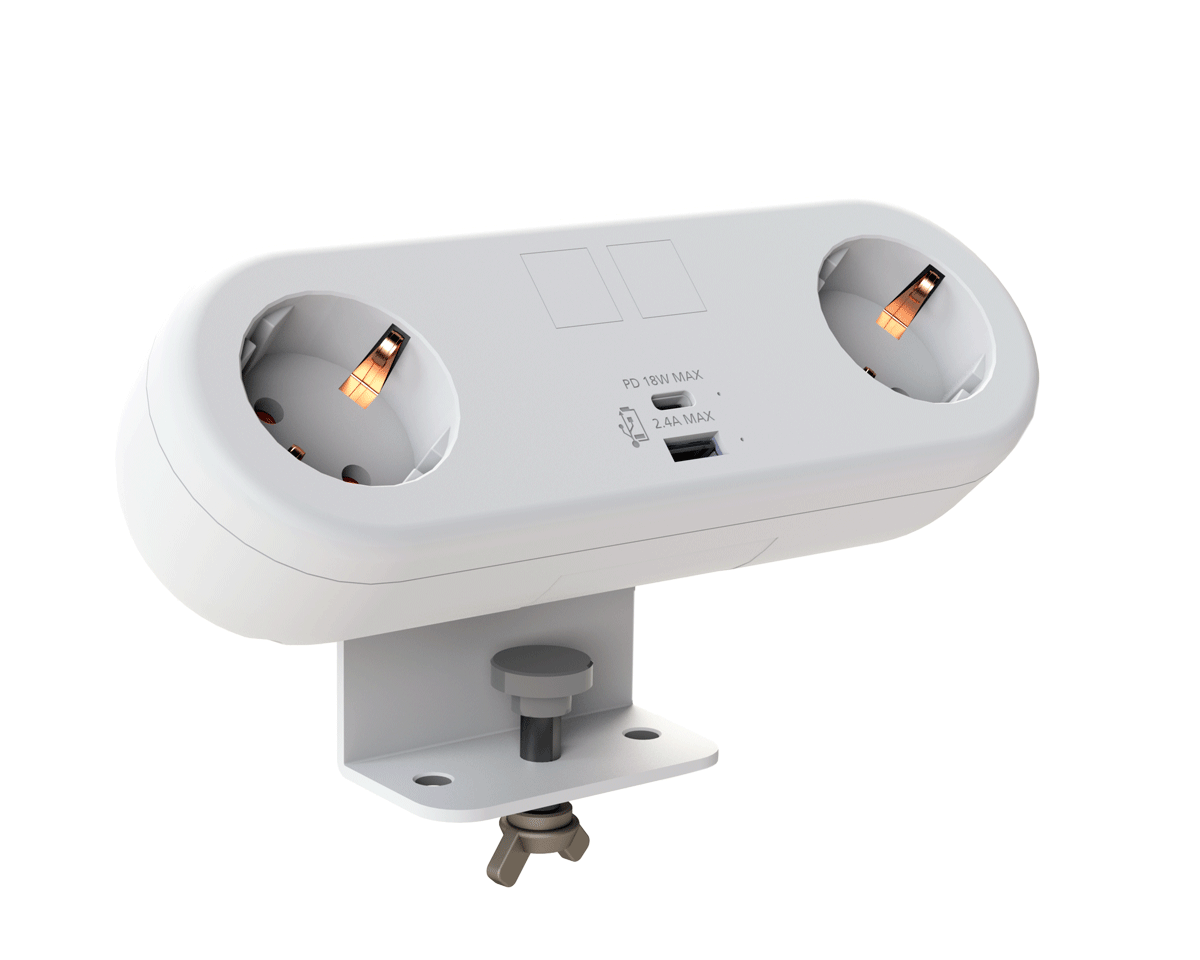
CMD White Schuko Capsule Desk Power Module
CMD LTD EXTENDS MONITOR ARM RANGE WITH THE LAUNCH OF REACH PLUS

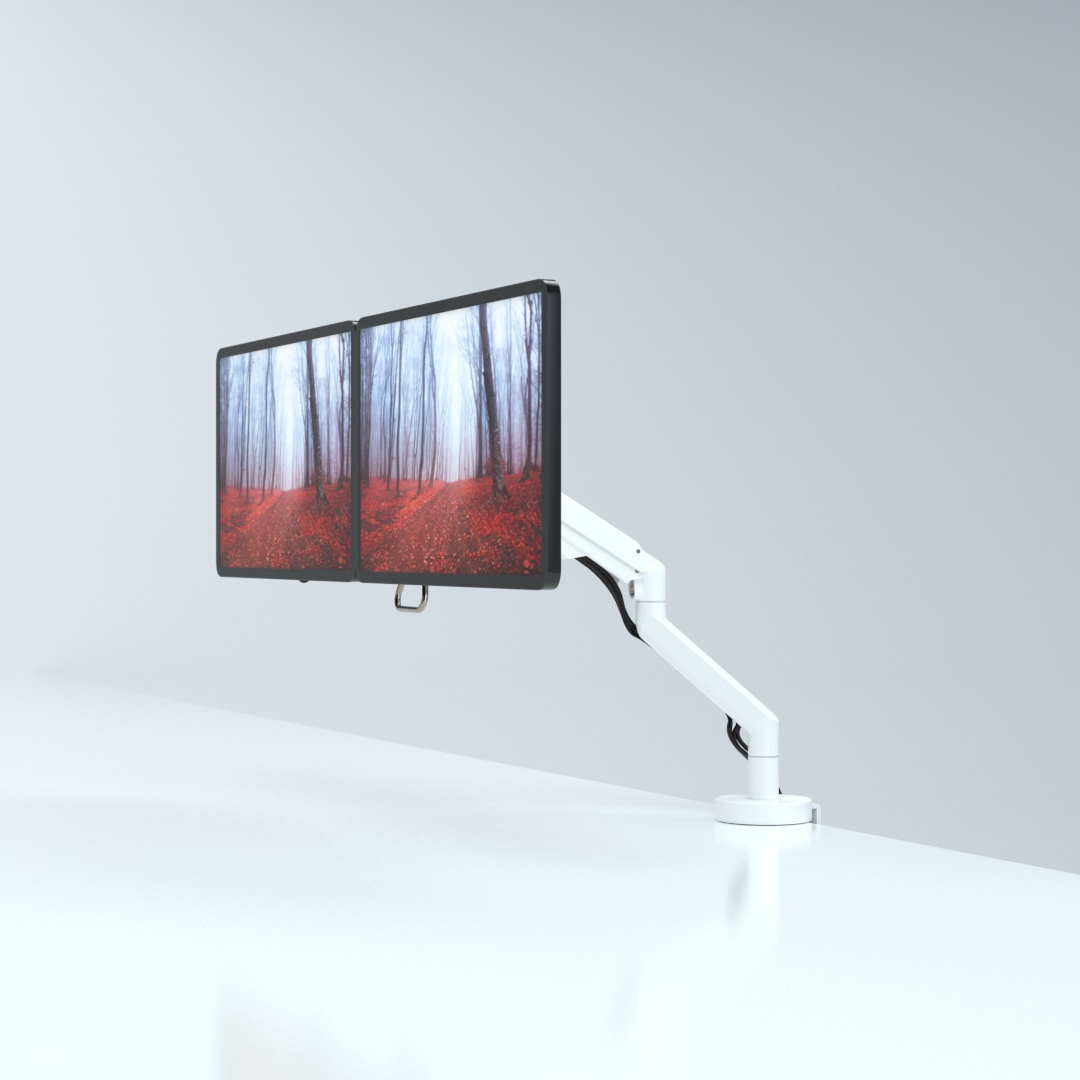
CMD Ltd, the specialist in ergonomic and connectivity solutions for commercial interiors, has completed its Reach monitor arm range with the launch of the Reach Plus. Available in single or dual screen options, the Reach Plus has been designed to provide an ideal solution for both single and dual screen workstation configurations, or can be used with next generation of large format curved screens. Suitable...

Read more
CMD Ltd DEMONSTRATES THE ART OF POWER DISTRIBUTION AT THE UNIVERSITY OF WARWICK

CMD Ltd, the specialist in workplace connectivity and ergonomic solutions, has provided Betatrak busbar power distribution and a range of electrical accessories for two major capital investment projects at the University of Warwick. Designed by Fielden Clegg Bradley Studios, the £33 million Faculty of Arts building is a showpiece development comprising four interconnected structures set around a central atrium, which will enable inter-disciplinary collaboration across...

Read more

University of Warwick
CMD BRINGS HARMONY TO COVENTRY UNIVERSITY RESEARCH FACILITIES

CMD Ltd, the specialist in power distribution solutions and workstation power and ergonomics, has provided under desk and on desk power modules for the refurbishment of three Coventry University research buildings. Located on Coventry University Technology Park, a business park designed to encourage collaboration between the university and knowledge-based businesses, the three buildings are being repurposed as office accommodation for university research teams. The refurbishment...

Read more

Coventry University

How to Choose the Best Sine Wave Inverter?

Choosing the best Sine Wave Inverter is not simply a matter of selecting the highest wattage. It requires a clear understanding of your appliances, battery system, and daily power demands. A refrigerator may consume only 150 watts while running, yet demand several times more during startup. That brief surge can shut down an undersized inverter.

A reliable choice should provide a clean waveform, low total harmonic distortion, suitable continuous power, and enough surge capacity. Pure sine wave output is especially valuable for medical equipment, induction motors, audio systems, computers, and modern chargers. Check the inverter’s efficiency at your usual load, not only its advertised peak figure. Cable length matters too. A thin cable running three meters can become warm and waste energy. Small details matter.

Dr. Robert W. Erickson, a respected power-electronics researcher and educator, describes the field this way: “Power electronics is the application of solid-state electronics for the control and conversion of electric power.” His observation explains why inverter selection involves more than a simple wattage comparison. The internal switching design affects voltage stability, heat, noise, and equipment protection.

A neat specification sheet can still mislead. Some products advertise impressive peak power but perform poorly under continuous loads. Others offer useful protections but lack dependable certification or service support. The best Sine Wave Inverter should fit your real operating conditions, including battery voltage, ambient temperature, installation space, and future expansion. It may not be the cheapest option. Sometimes, choosing conservatively is the wiser decision.

How to Choose the Best Sine Wave Inverter?

Understanding Sine Wave Inverters and Their Main Applications

A sine wave inverter converts direct-current battery power into smooth alternating-current power. Its output closely matches household electricity. That matters for devices with motors, transformers, or sensitive control boards. Fans can run more quietly, chargers may stay cooler, and audio equipment is less likely to produce unwanted hum. In field testing, I check waveform quality under changing loads, not only at idle. A clean display can hide poor performance.

The main applications include solar backup systems, recreational vehicles, boats, remote cabins, and emergency power stations. An inverter can operate refrigerators, pumps, computers, televisions, and selected workshop tools. Motor-driven appliances need extra starting power, sometimes several times their running demand. A 1,000-watt label may not handle a refrigerator startup. Measure continuous and surge ratings. Battery voltage, cable length, ventilation, and grounding also affect real performance. Safety matters.

When choosing the best model, match its output voltage and frequency to local requirements. Confirm the socket type, protection features, idle consumption, and installation instructions. For office electronics, low distortion is a sensible priority. For refrigerators, surge capacity and thermal control deserve more attention. I once treated rated wattage as the whole decision, and that was too simplistic. Noise, heat, and standby losses changed the practical result. A modest inverter may perform better when correctly sized. Leave some headroom. Record the actual load before installation.

How to Choose the Best Sine Wave Inverter? - Understanding Sine Wave Inverters and Their Main Applications
Evaluation Dimension What to Check Pure Sine Wave Inverter Modified Sine Wave Inverter Practical Selection Guidance
Output Waveform The shape and quality of the AC voltage supplied to connected equipment. Produces a smooth waveform that closely matches utility-grid electricity. Produces a stepped approximation of a sine wave. Choose pure sine wave output when compatibility, low electrical noise, or sensitive electronics is important.
Typical Applications Common equipment and environments where the inverter is used. Medical equipment, computers, audio systems, variable-speed motors, refrigerators, pumps, and home power-backup systems. Basic lighting, simple heating devices, universal-motor tools, and non-sensitive loads. Match the inverter to the most sensitive or highest-starting-current device in the system.
Load Compatibility Whether the connected load can operate normally without overheating, noise, or malfunction. Generally compatible with nearly all AC loads, subject to the inverter's voltage, frequency, and power ratings. May cause buzzing, extra heat, reduced performance, unstable operation, or failure to start in some devices. Pure sine wave is the safer general-purpose choice for mixed loads.
Total Harmonic Distortion The amount of waveform distortion in the AC output; lower distortion generally indicates cleaner power. Many products specify low THD, often below 5%, although the exact value depends on the design. Usually has substantially higher distortion because of its stepped waveform; the actual value varies by design. Check the manufacturer's stated THD specification when powering sensitive electronics, motors, or audio equipment.
Motor and Compressor Loads Ability to start inductive loads such as refrigerators, pumps, fans, and power tools. Provides smoother operation and is generally better suited to inductive and motor-driven equipment. Some motors may run hotter, draw more current, make audible noise, or fail to start. Use pure sine wave output and verify the inverter's surge rating for compressors and motors.
Continuous Power Rating The power the inverter can deliver continuously under specified operating conditions. Available in a wide range of ratings, from small portable units to systems capable of supplying household circuits. Also available in various ratings, commonly for simpler and lower-demand loads. Calculate the total running watts of all devices that may operate simultaneously and add a safety margin.
Surge Power Rating The short-term power available during startup or temporary load peaks. Often designed for demanding startup loads, but the surge duration and value vary by model. Surge capability varies and may be less suitable for difficult motor or compressor starts. Check both the surge wattage and surge duration; starting watts can be several times the running watts for some motors.
Input Battery Voltage The DC voltage required from the battery bank or vehicle electrical system. Common system voltages include 12 V, 24 V, and 48 V DC, depending on power level and system design. Commonly available in the same battery-voltage ranges. The inverter input voltage must match the battery system. Higher-power systems often use higher DC voltage to reduce current.
Efficiency How much DC input power is converted into usable AC output power. Modern designs can achieve high peak efficiency, but efficiency changes with load level and operating mode. May have a lower purchase cost, while efficiency depends on the specific circuit and load. Compare efficiency at the expected operating load, not only the advertised peak value.
No-Load Consumption Power drawn by the inverter while switched on with little or no AC load. Can vary considerably; standby and sleep modes may reduce battery drain. Can also vary considerably and should be checked in the technical specifications. For solar, camping, or emergency systems, select an inverter with low idle consumption or an automatic sleep mode.
Electrical Noise Audible or electromagnetic interference produced during operation. Typically provides quieter operation for motors, transformers, fans, and audio equipment when properly designed. Stepped output may create audible buzzing or additional electrical noise in some devices. Choose pure sine wave output for recording equipment, communication devices, and noise-sensitive environments.
Protection Features Built-in safeguards for abnormal operating conditions. Look for low-voltage shutdown, over-voltage protection, overload protection, short-circuit protection, and thermal protection. The same protections may be available, but implementation varies by product. Prioritize clearly specified protections, alarms, cooling control, and reliable low-voltage cutoff settings.
System Voltage and Frequency Compatibility with the electrical standards required by the connected equipment. Available for different AC output standards, including region-specific voltage and 50 Hz or 60 Hz frequency. Also available in different voltage and frequency configurations. Confirm AC voltage, frequency, outlet type, and grounding arrangement before installation.
Installation Environment Temperature, ventilation, moisture, dust, and physical installation conditions. Suitable models are available for vehicles, homes, renewable-energy systems, and off-grid installations. Often used in simpler portable or non-critical applications. Install in a dry, ventilated location and observe the specified ambient-temperature and clearance requirements.
Best Overall Choice The most suitable option for general-purpose and long-term use. Best for sensitive electronics, mixed loads, motor-driven equipment, medical applications, and home backup. Best when the loads are simple, non-sensitive, and cost is the primary concern. For uncertain or mixed applications, a pure sine wave inverter generally offers broader compatibility and lower risk.

Assessing Power Requirements and Inverter Capacity

Choosing a sine wave inverter starts with measuring actual power demand, not guessing from appliance labels. List every device, its running wattage, and its starting surge. Refrigerators, pumps, and compressors may briefly need two to five times their normal power. Measure real demand. Not just labels.

Add the running watts together, then leave a safety margin of about 20 to 30 percent. A 1,000-watt load should usually use an inverter rated near 1,300 watts continuously. Check the surge rating separately. A large surge rating is useful only if it lasts long enough for the appliance to start. Continuous capacity matters more during extended operation.

Battery capacity also affects inverter performance. A 1,200-watt load on a 12-volt battery can draw over 100 amps before efficiency losses. That creates heat, voltage drop, and shorter operating time. Use suitable cables, secure connections, and ventilation around the inverter. Pure sine wave output is preferable for sensitive electronics, audio equipment, medical devices, and motors.

In practical installations, temperature changes performance. Capacity can fall in cold conditions, while heat reduces reliability. I have seen systems fail because the inverter looked powerful but the battery and wiring were undersized. That mistake is easy to repeat. Recheck the calculation with the heaviest realistic load, not an ideal household day. A little unused capacity is safer than constant overload.

Comparing Output Quality, Efficiency, and Protection Features

Choosing a sine wave inverter requires more than checking its advertised wattage. Output quality, efficiency, and protection determine how safely equipment performs over time.

A clean waveform should show low total harmonic distortion, or THD. IEEE 519-2022 commonly uses 5% voltage distortion as a planning benchmark for electrical systems. Sensitive audio equipment, medical electronics, and motor controls may perform better below that level. Request test results under resistive and inductive loads. No-load readings can look excellent, yet motor startup may expose voltage drops or audible buzzing. The waveform matters under pressure.

Efficiency also changes with load. The IEA PVPS Task 13 reports that modern power converters can reach efficiencies above 95% under favorable operating conditions. That figure is not a daily guarantee. A lightly loaded inverter may waste energy through standby consumption, while a heavily loaded unit produces more heat. Check efficiency curves, idle draw, continuous output, and surge duration. Small details matter.

Protection features deserve equal attention. Look for over-temperature, overload, short-circuit, low-voltage, and reverse-polarity protection. IEC 62109 provides widely recognized safety requirements for power converters. In practical testing, thermal shutdown should recover predictably, not simply cut power without warning. Datasheets sometimes simplify this behavior. Read the recovery specifications carefully. A real installation is rarely perfect. Cable losses, dust, and aging batteries can reduce performance sooner than expected. Independent laboratory results are useful, but installation conditions still deserve honest review.

Choosing the Right Input Voltage, Battery System, and Runtime

How to Choose the Best Sine Wave Inverter?

Choosing a sine wave inverter starts with the input voltage. A 12-volt system suits small loads, such as lights or a compact refrigerator. Larger loads usually benefit from 24-volt or 48-volt battery systems. Higher voltage reduces current, cable heating, and voltage loss. However, compatibility matters more than theoretical efficiency. Check the inverter’s specified input range, battery voltage, fuse rating, and cable size before installation. A small mismatch can cause shutdowns, even when the inverter’s wattage seems adequate.

Battery capacity determines runtime, but the label does not tell the whole story. Runtime roughly equals battery watt-hours multiplied by usable capacity, then divided by appliance watts and inverter efficiency. For example, a 1,000-watt load drains a battery quickly. Starting currents from pumps, compressors, and freezers can be much higher. Leave a practical reserve, because batteries perform differently in cold rooms, under heavy loads, and near low-charge levels. A neat calculation can still mislead. I would recheck measurements after a real evening of use.

Tips: Record the appliance’s running and starting watts. Measure cable length, not just cable thickness. Keep battery cables short and secure. Avoid choosing the smallest battery bank that passes the estimate. It may work on paper, but disappoint during cloudy weather or unexpected demand. Allow space for ventilation, and review the system after installation.

Checking Installation Needs, Safety Standards, and Long-Term Value

Choosing the best sine wave inverter starts with your installation, not its advertised wattage. Measure the continuous load and the starting surge of pumps, refrigerators, or tools. A unit that barely meets demand may overheat during daily use. Leave headroom. Also check battery voltage, cable length, ventilation, and mounting space before purchasing.

Tips: Draw a simple wiring plan. Keep cables short and properly sized. Install suitable fuses near the battery. Never place the inverter beside fuel, moisture, or loose electrical connections. A qualified electrician should verify grounding and protection, especially in fixed installations.

Safety standards deserve careful attention. Look for recognized electrical certifications and clear protection features, including overload, short-circuit, temperature, and low-voltage shutdown. Requirements vary by country and installation type, so local electrical codes matter more than a sales description. In practical inspections, unclear labels often signal future maintenance trouble. I once underestimated idle power consumption; the battery drained faster than expected. That small oversight changed the total cost.

Long-term value includes efficiency, noise, service support, warranty terms, and replaceable parts. A lower purchase price can become expensive if the inverter runs hot or fails under repeated surges. Pure sine wave output usually suits sensitive electronics, but compatibility should still be checked. Review the manual, maintenance needs, and realistic operating conditions. A perfect choice on paper may perform poorly in a cramped, dusty compartment.

How to Choose the Best Sine Wave Inverter?

Compare typical appliance running power with a practical inverter rating that allows approximately 25% continuous-load headroom and additional capacity for startup surges.

Values are representative planning figures for common AC loads. Actual requirements depend on the equipment nameplate, motor-starting current, duty cycle, cable length, battery voltage, ventilation, and local electrical safety requirements. A pure sine wave inverter is generally preferred for sensitive electronics, induction motors, medical equipment, and audio systems.