

News

Miro: A New Standard in Responsible Innovation

Miro: A New Standard in Responsible Innovation The Miro monitor arm is setting new benchmarks in sustainability. It offers a high-performance solution without compromising on environmental responsibility. Designed with careful material selection, local sourcing, and longevity in mind, Miro’s responsible approach to design and unique manoeuvrability set it apart from the competition. Sustainable Choices Miro is crafted from energy-efficient materials with a lower carbon impact....

Read more
HSE Advisor

Role Purpose Support in the development, implementation and maintenance of the company’s Health, Safety & Environmental policies, processes, operational procedures, and standards.  Ensuring best practice and championing a continually improving HSE culture within the business. Key Responsibilities Liaise with and provide support to all areas of the business to eliminate, mitigate or reduce identified HSE exposures. Partner with the production management team and team leaders,...

Read more
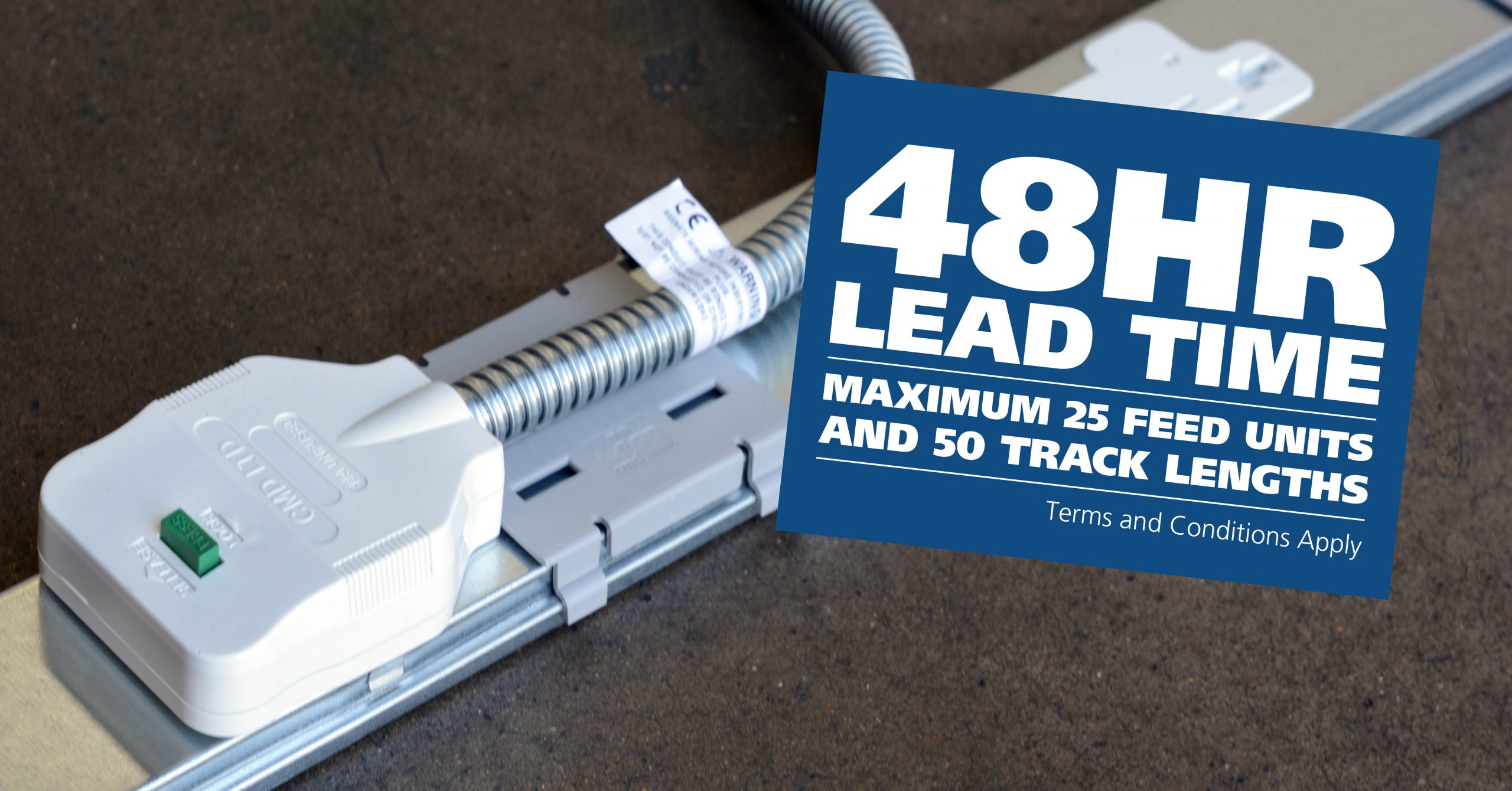
CMD Ltd LAUNCHES 48-HOUR TURNAROUND ON BETATRAK® RAPID ORDERING SERVICE

CMD Ltd, the specialist in power distribution systems, workstation power and monitor arms, has launched a rapid ordering service for its Betatrak® underfloor powertrack distribution systems and accessories, with a commitment to delivering within 48-hours of an approved purchase order*. The service enables customers to order up to 50 lengths of Standard or Clean Earth (C/E) low noise Betatrak, along with up to 25 feed...

Read more
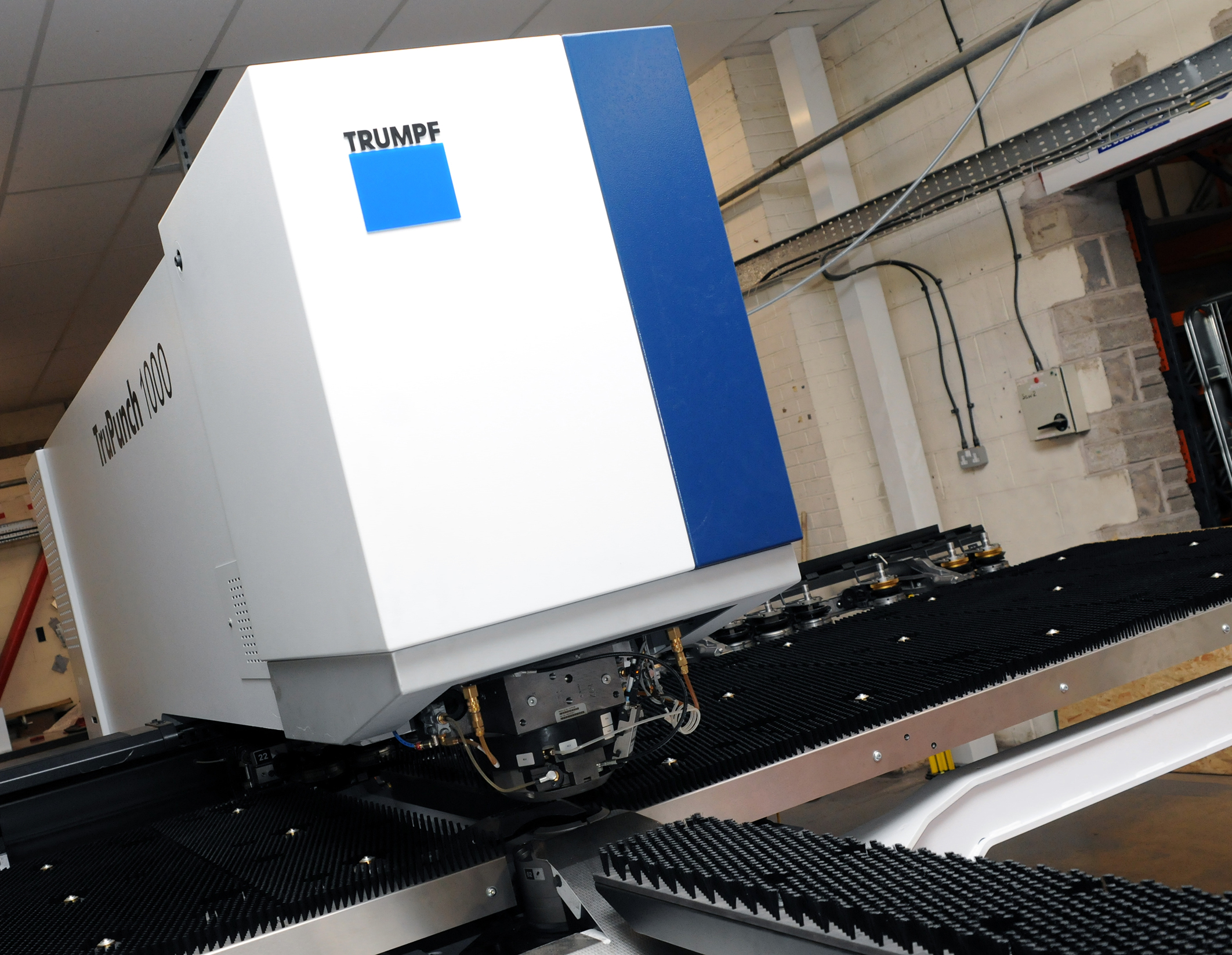
CMD INVESTS £1/4 MILLION IN NEW MACHINE AS PART OF FACTORY UPGRADE

We have invested in a new £1/4m TRUMPF CNC metal punch as part of an asset renewal strategy for our UK manufacturing capability. The new machine will be used in the production of a wide variety of our power distribution systems and workstation power products at our Rotherham factory. Suitable for handling sheet metal between 0.9mm and 3.0mm thick, the new machine will replace one...

Read more
CMD CATALOGUE PROVIDES TECHNICAL POWER DISTRIBUTION GUIDE

CMD Ltd has released a new catalogue, providing an easy to follow technical guide to our power distribution systems and plug and play desk modules. Detailing CMD’s full range of UK-manufactured power distribution systems and plug and play desk modules, the catalogue will be a helpful source of information to M&E engineers and contractors alike to understand how our power distribution systems connect together and...

Read more
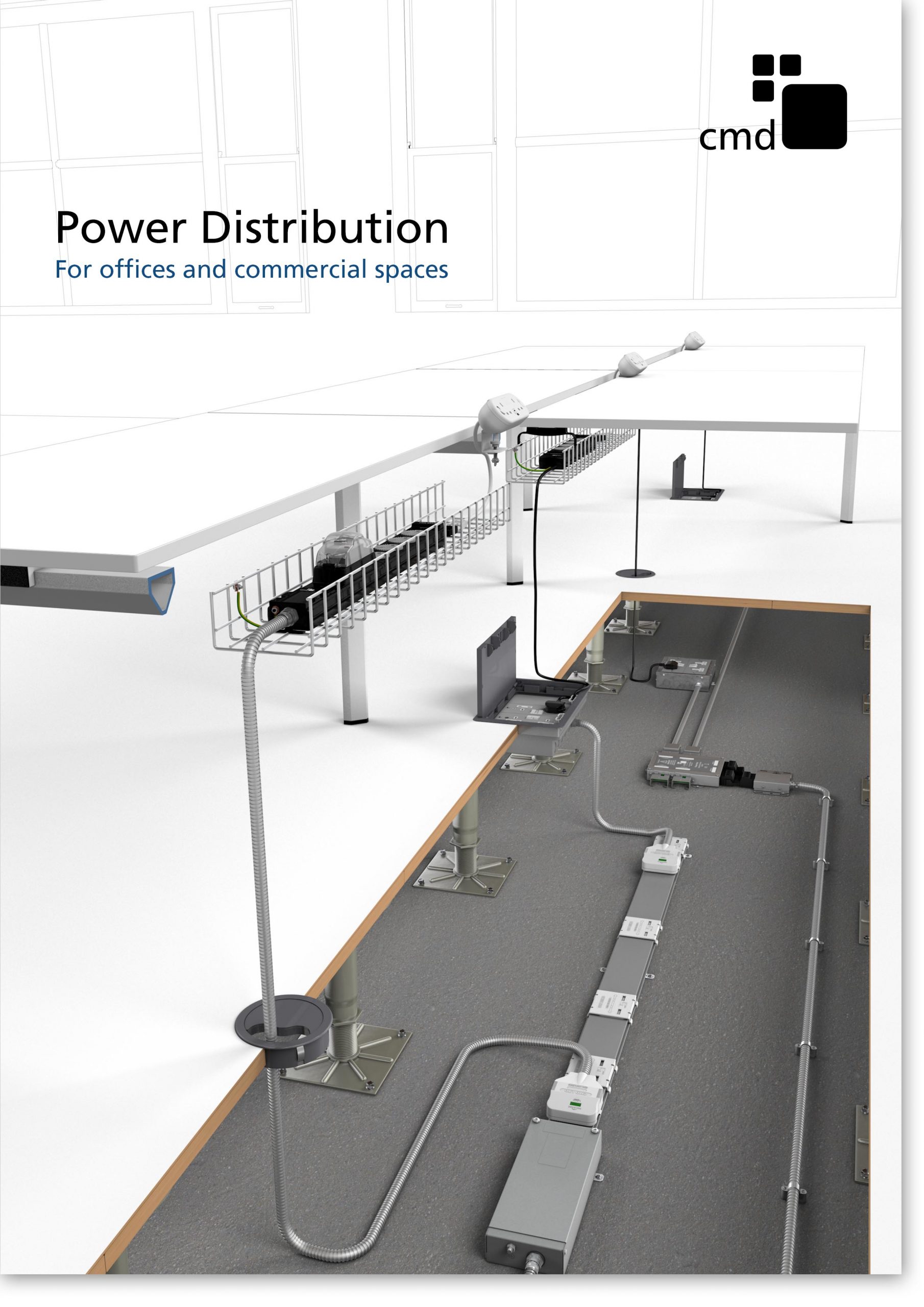
Power Distribution Catalogue
CMD Ltd PLAYS ESSENTIAL ROLE IN ELECTRICAL FIT OUT AT LONDON’S PRESTIGIOUS OFFICE DEVELOPMENT

CMD Ltd, specialist in workplace connectivity and ergonomic solutions, has provided a flexible and high-quality power distribution network for The Ray, a prestigious office development in London’s Farringdon. Well-known for being the former site of The Guardian newspaper, The Ray now stands as an 83,000ft² office development characterised by a modernised warehouse aesthetic, with level two now occupied by a global social media company. The...

Read more

The Ray
CMD plugs in to european opportunity with Schuko Capsule unit launch

CMD Ltd, the specialist in power and connectivity solutions for commercial environments, has launched a Schuko version of its popular fixed format Capsule workstation power module for export to mainland Europe and beyond. A popular on desk power module comprising two sockets and dual USB (type A and C) chargers, CMD’s Capsule unit is already widely specified in the UK as an off-the-shelf workstation power...

Read more
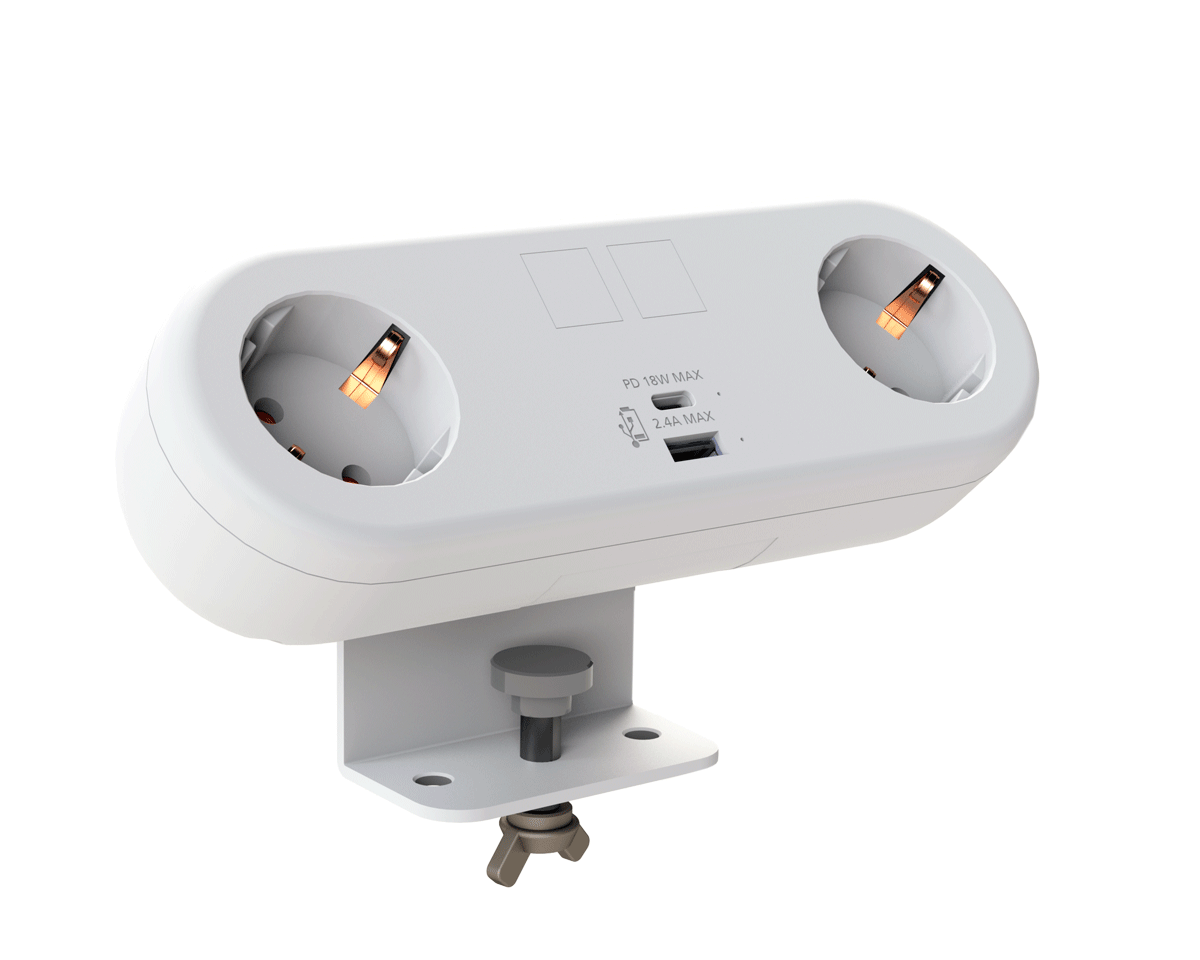
CMD White Schuko Capsule Desk Power Module
CMD LTD EXTENDS MONITOR ARM RANGE WITH THE LAUNCH OF REACH PLUS

CMD Ltd, the specialist in ergonomic and connectivity solutions for commercial interiors, has completed its Reach monitor arm range with the launch of the Reach Plus. Available in single or dual screen options, the Reach Plus has been designed to provide an ideal solution for both single and dual screen workstation configurations, or can be used with next generation of large format curved screens. Suitable...

Read more

CMD Ltd DEMONSTRATES THE ART OF POWER DISTRIBUTION AT THE UNIVERSITY OF WARWICK

CMD Ltd, the specialist in workplace connectivity and ergonomic solutions, has provided Betatrak busbar power distribution and a range of electrical accessories for two major capital investment projects at the University of Warwick. Designed by Fielden Clegg Bradley Studios, the £33 million Faculty of Arts building is a showpiece development comprising four interconnected structures set around a central atrium, which will enable inter-disciplinary collaboration across...

Read more

University of Warwick
CMD BRINGS HARMONY TO COVENTRY UNIVERSITY RESEARCH FACILITIES

CMD Ltd, the specialist in power distribution solutions and workstation power and ergonomics, has provided under desk and on desk power modules for the refurbishment of three Coventry University research buildings. Located on Coventry University Technology Park, a business park designed to encourage collaboration between the university and knowledge-based businesses, the three buildings are being repurposed as office accommodation for university research teams. The refurbishment...

Read more

Coventry University

How to Choose the Best Prefabricated Substation for Your Project?

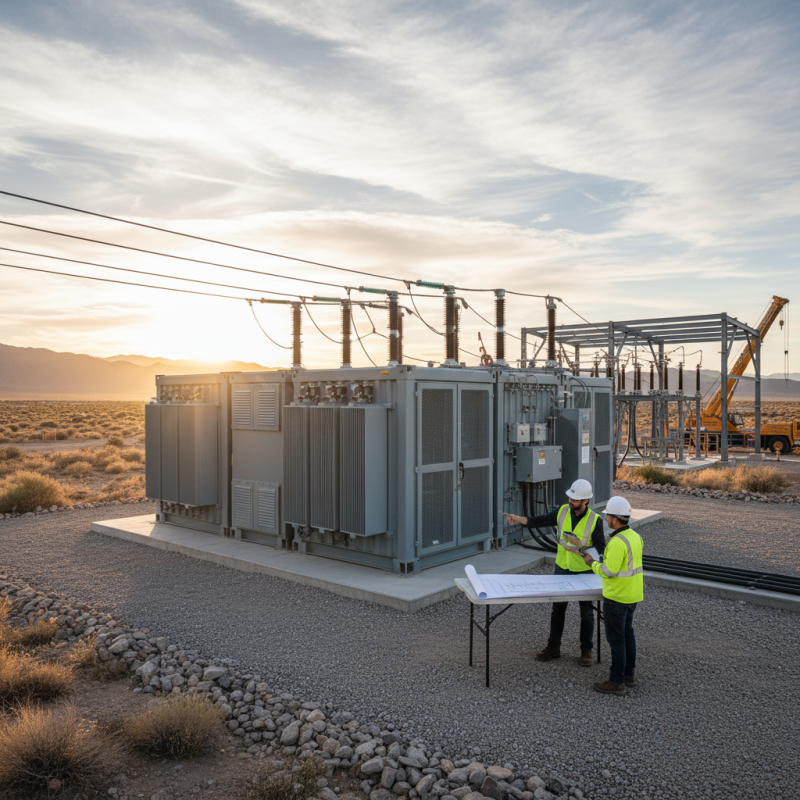
Choosing the right Prefabricated Substation for your project can be daunting. There are many factors to consider. Understanding your specific needs is essential.

Prefabricated Substations offer flexibility and efficiency. They can be tailored to site conditions and voltage requirements. Quality is paramount when selecting these units. Durability and compliance with standards matter immensely.

Take the time to research suppliers. Look for their industry experience and reputation. Reliable manufacturers should provide detailed specifications. Examine your project requirements thoroughly. Some may overlook critical aspects, leading to future complications. Reflecting on your choices will ensure better outcomes.

How to Choose the Best Prefabricated Substation for Your Project?

Understanding Prefabricated Substations and Their Benefits

Prefabricated substations are becoming increasingly popular in various sectors. They offer numerous benefits that can significantly improve project efficiency. One key advantage is the speed of installation. According to a report by the International Energy Agency, prefabricated solutions can reduce installation time by up to 40%. This allows for quicker project completion and reduced labor costs.

Additionally, these substations are constructed in controlled environments. This leads to higher quality assurance compared to traditional construction methods. A study by the Electric Power Research Institute found that prefabricated units have a failure rate of only 2.5%, significantly lower than conventional designs. This reliability is crucial for maintaining uninterrupted power supply for critical infrastructure.

While the advantages are clear, project managers must consider specific factors. Site conditions, local regulations, and integration into existing systems can pose challenges. Some projects may require customization that prefabricated units can't easily accommodate. Understanding the balance between benefits and potential drawbacks is essential for making informed decisions.

Key Factors to Consider When Selecting a Prefabricated Substation

When selecting a prefabricated substation, several key factors are crucial to ensure optimal performance. Reliability is paramount. According to a recent industry report, over 70% of substations report efficiency issues due to poor design or substandard materials. This underscores the importance of sourcing units built to high standards.

Space constraints often dictate your choice. Prefabricated substations can be compact, allowing for easy integration into existing infrastructure. Ensure that the specifications reflect your unique space requirements. Manufacturers’ designs should accommodate varying voltage levels, as failure to assess this can lead to significant power losses, potentially up to 15%, as highlighted in energy efficiency studies.

Moreover, anticipate maintenance needs. While prefabricated substations promise quicker deployment, they also come with specific upkeep demands. The right choice should minimize ongoing maintenance challenges. Engage with experts and analyze past performance metrics of options. Thorough research can prevent costly mistakes later, ensuring your project benefits from a well-chosen solution.

How to Choose the Best Prefabricated Substation for Your Project?

Key Factor Description Considerations
Capacity Determine the required power capacity to ensure the substation meets project needs. Assess future load requirements and potential expansions.
Location Evaluate site access and space availability for installation. Consider environmental factors and local regulations.
Design Standards Ensure compliance with industry standards and safety regulations. Review electrical codes applicable to the installation location.
Material Quality Assess the durability and maintenance requirements of materials used in substation construction. Look for materials with long service life and low maintenance needs.
Cost Analyze the total cost including procurement, installation, and lifecycle costs. Consider budget constraints and potential financial incentives.
Lead Time Evaluate the time from order to delivery and installation. Check if suppliers can meet your project schedule requirements.

Assessing Site Requirements and Regulatory Compliance

When assessing site requirements for a prefabricated substation, it’s crucial to evaluate the land's specific characteristics. Conduct a thorough analysis of soil conditions, topography, and climate. According to recent industry reports, about 30% of project delays stem from inadequate site assessments. In particular, proper drainage and stability ensure the long-term performance of the substation infrastructure.

Regulatory compliance is another key element to consider. Local zoning laws and national electrical codes dictate the installation procedures. Understanding these regulations is vital for avoiding costly fines or project stoppages. A study by the Energy Infrastructure Council highlights that nearly 20% of new substations face legal challenges due to non-compliance. Engaging with regulatory bodies early in the planning stage can alleviate many of these potential issues.

As you navigate these challenges, remember that not every site will meet ideal conditions. Flexibility in design and planning can help address unforeseen issues. This adaptability is critical, as construction may need to pivot based on environmental assessments or legal requirements. The intricate balance of site evaluation and adherence to regulations demands a deep understanding of local contexts and industry standards.

Evaluating Manufacturer Reputation and Product Quality

When selecting a prefabricated substation, manufacturer reputation plays a pivotal role. A trusted manufacturer often has years of experience in the industry. Their reputation reflects consistent quality and reliability. Researching customer testimonials can provide insights into their level of service and product durability.

Product quality is equally important. Look for substations that meet industry standards. Certifications and compliance with regulations can indicate a commitment to quality. Ask for details about the materials used and the manufacturing processes. This information can reveal the company's dedication to producing high-quality products.

However, not all highly-rated manufacturers maintain the same level of quality across all products. It's essential to investigate specific models and their performance history. Engaging with past customers can help you gauge reliability. Analyze case studies or project reports to understand real-world applications. Being diligent in this evaluation can prevent costly mistakes in your project.

Cost Analysis and Budgeting for Your Prefabricated Substation

When considering a prefabricated substation, budgeting is crucial. Industry reports indicate that the initial cost typically ranges from $250,000 to $1 million. This variance often stems from design complexity and location-specific requirements. Accurate budgeting involves assessing not just the purchase price but also installation and maintenance costs.

A common mistake is underestimating site preparation expenses. These can account for 15-20% of the total project cost. Make sure to consult with engineers and local authorities to understand any specific site requirements. Additionally, consider exploring financing options that can spread costs over time.

Tips: Consider the lifecycle costs when budgeting. This includes energy efficiency and service longevity. Also, engaging with different suppliers can lead to competitive pricing. Prioritize transparent contracts that clarify what is included in the quoted price. Take the time to reflect on both upfront and ongoing costs to avoid surprises later on.