

News

Miro: A New Standard in Responsible Innovation

Miro: A New Standard in Responsible Innovation The Miro monitor arm is setting new benchmarks in sustainability. It offers a high-performance solution without compromising on environmental responsibility. Designed with careful material selection, local sourcing, and longevity in mind, Miro’s responsible approach to design and unique manoeuvrability set it apart from the competition. Sustainable Choices Miro is crafted from energy-efficient materials with a lower carbon impact....

Read more
HSE Advisor

Role Purpose Support in the development, implementation and maintenance of the company’s Health, Safety & Environmental policies, processes, operational procedures, and standards.  Ensuring best practice and championing a continually improving HSE culture within the business. Key Responsibilities Liaise with and provide support to all areas of the business to eliminate, mitigate or reduce identified HSE exposures. Partner with the production management team and team leaders,...

Read more
CMD Ltd LAUNCHES 48-HOUR TURNAROUND ON BETATRAK® RAPID ORDERING SERVICE

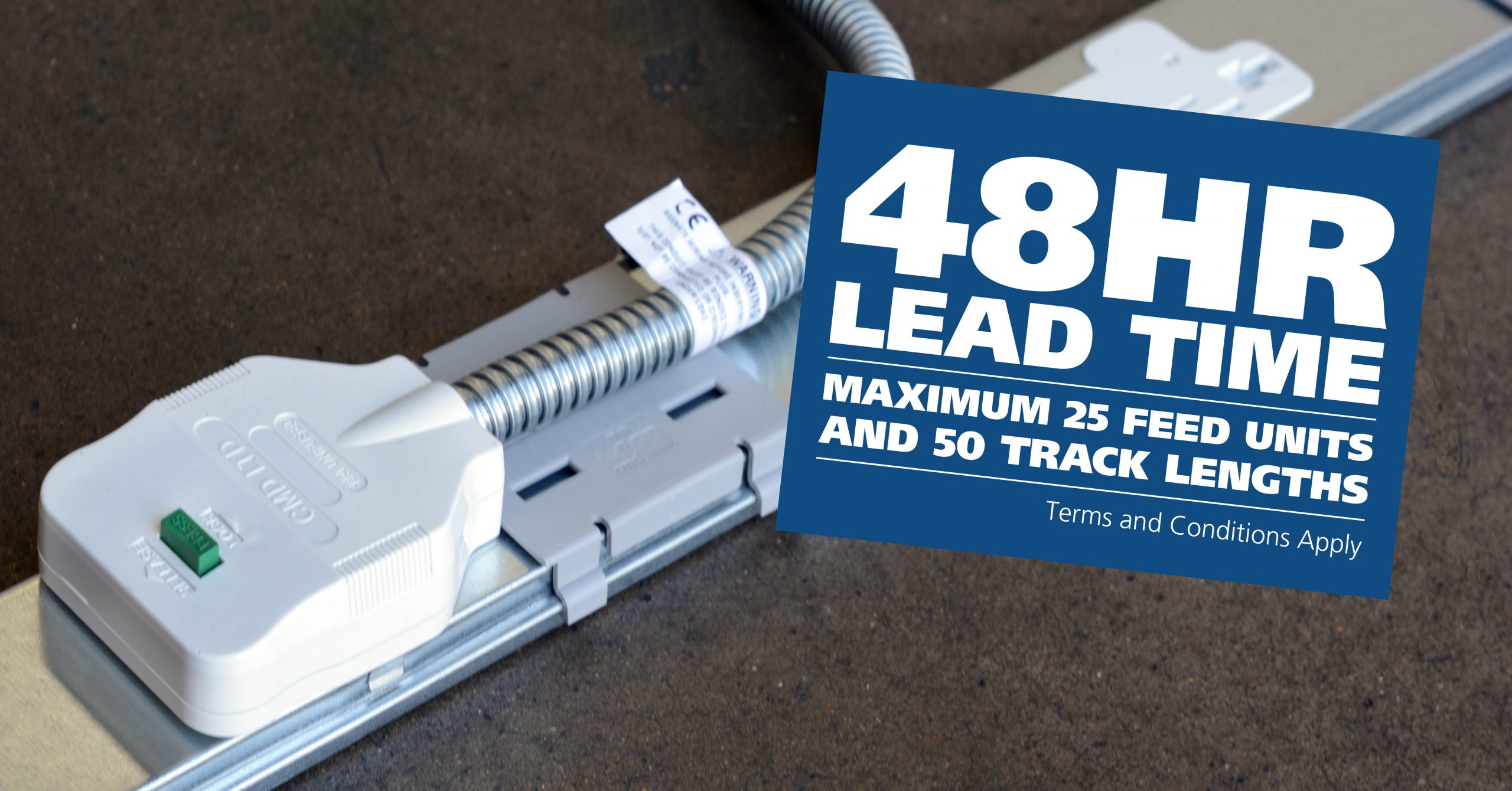
CMD Ltd, the specialist in power distribution systems, workstation power and monitor arms, has launched a rapid ordering service for its Betatrak® underfloor powertrack distribution systems and accessories, with a commitment to delivering within 48-hours of an approved purchase order*. The service enables customers to order up to 50 lengths of Standard or Clean Earth (C/E) low noise Betatrak, along with up to 25 feed...

Read more
CMD INVESTS £1/4 MILLION IN NEW MACHINE AS PART OF FACTORY UPGRADE

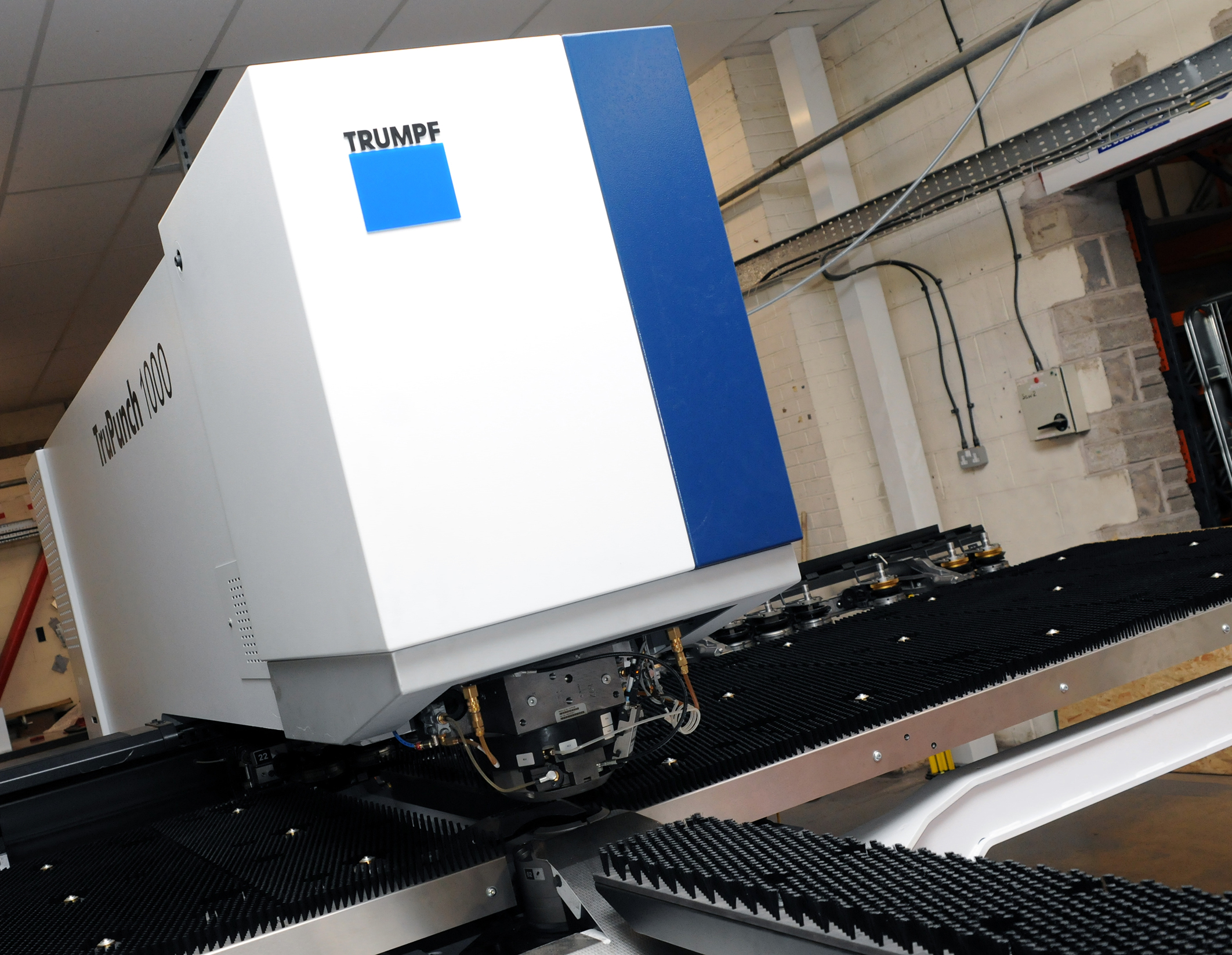
We have invested in a new £1/4m TRUMPF CNC metal punch as part of an asset renewal strategy for our UK manufacturing capability. The new machine will be used in the production of a wide variety of our power distribution systems and workstation power products at our Rotherham factory. Suitable for handling sheet metal between 0.9mm and 3.0mm thick, the new machine will replace one...

Read more
CMD CATALOGUE PROVIDES TECHNICAL POWER DISTRIBUTION GUIDE

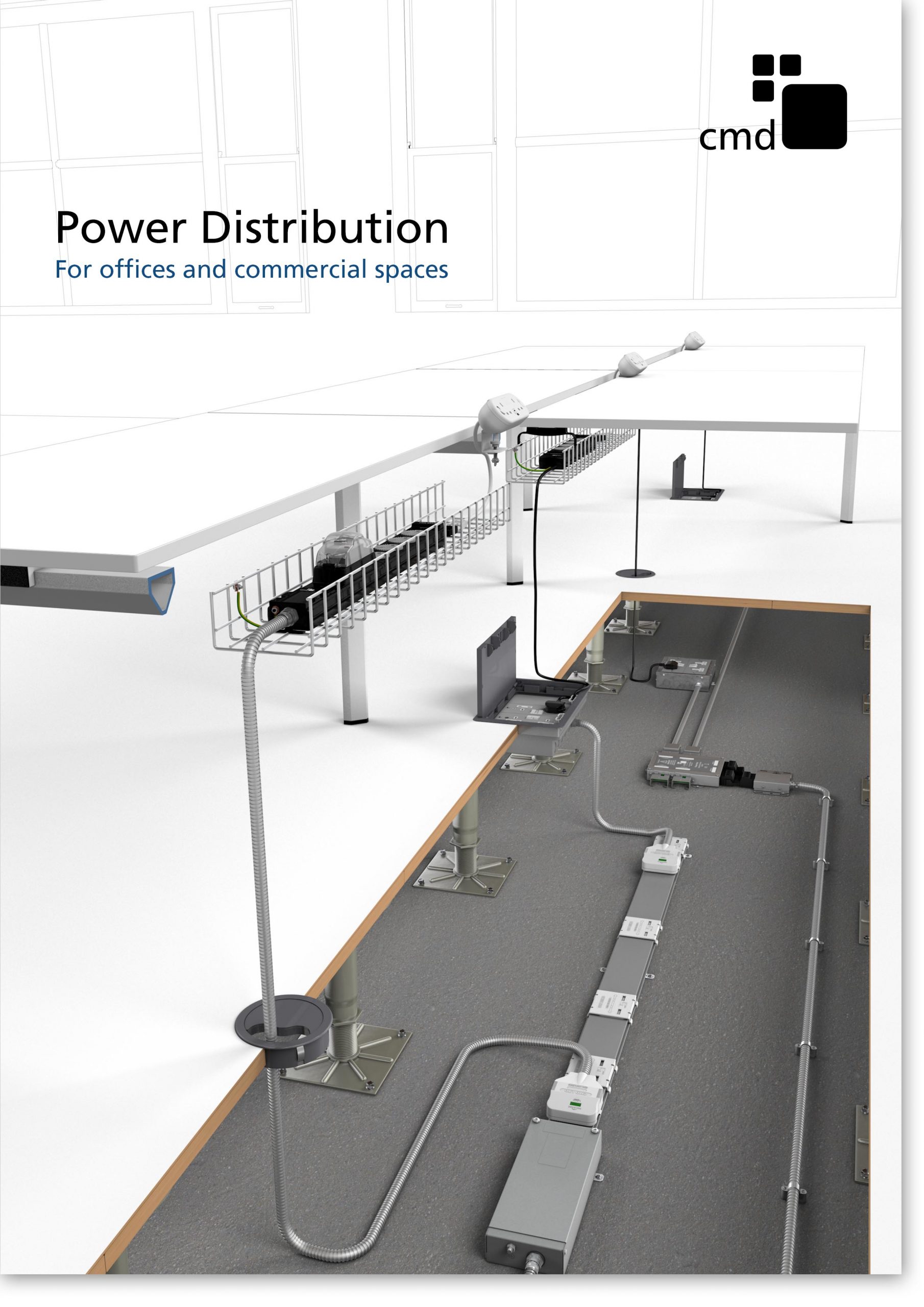
CMD Ltd has released a new catalogue, providing an easy to follow technical guide to our power distribution systems and plug and play desk modules. Detailing CMD’s full range of UK-manufactured power distribution systems and plug and play desk modules, the catalogue will be a helpful source of information to M&E engineers and contractors alike to understand how our power distribution systems connect together and...

Read more
Power Distribution Catalogue
CMD Ltd PLAYS ESSENTIAL ROLE IN ELECTRICAL FIT OUT AT LONDON’S PRESTIGIOUS OFFICE DEVELOPMENT

CMD Ltd, specialist in workplace connectivity and ergonomic solutions, has provided a flexible and high-quality power distribution network for The Ray, a prestigious office development in London’s Farringdon. Well-known for being the former site of The Guardian newspaper, The Ray now stands as an 83,000ft² office development characterised by a modernised warehouse aesthetic, with level two now occupied by a global social media company. The...

Read more

The Ray
CMD plugs in to european opportunity with Schuko Capsule unit launch

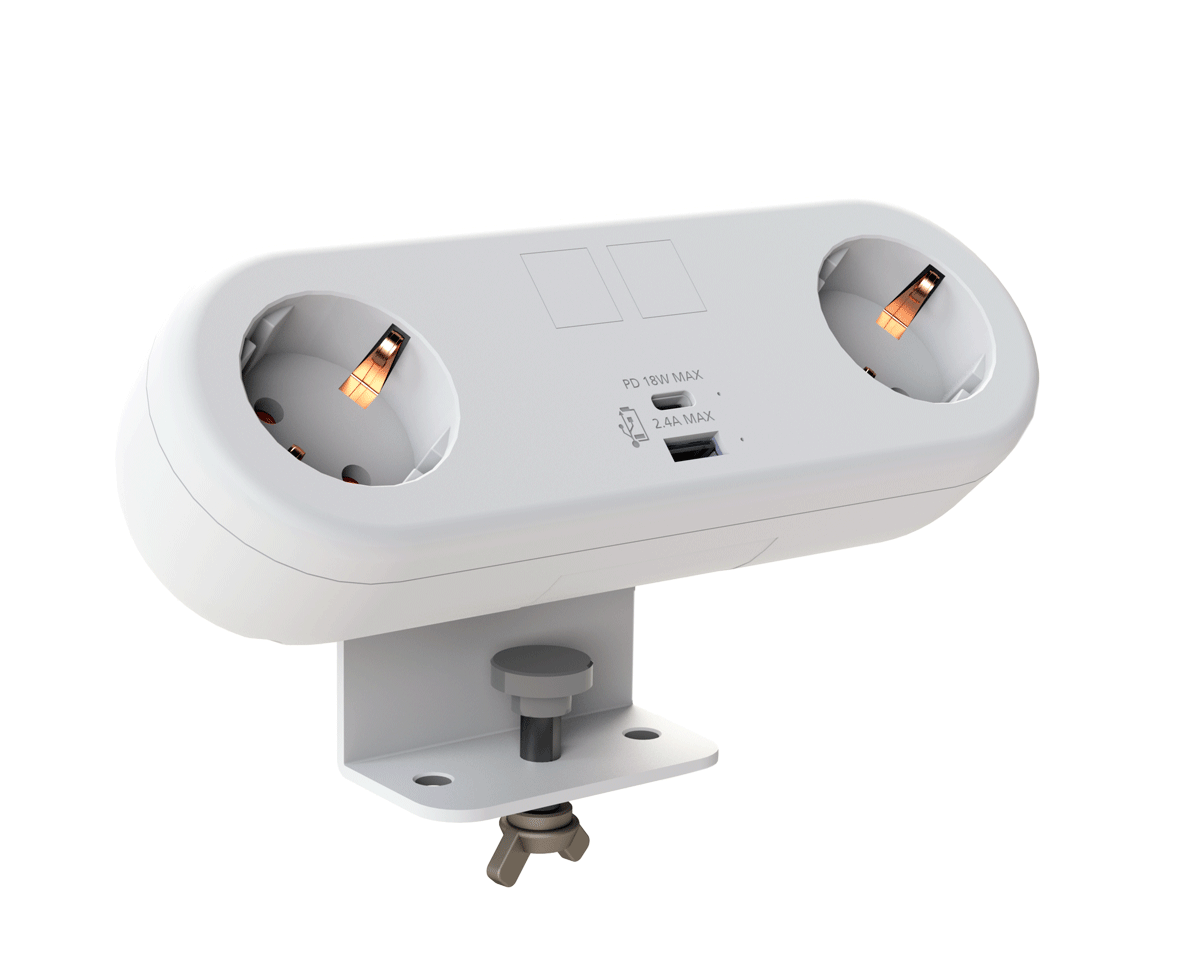
CMD Ltd, the specialist in power and connectivity solutions for commercial environments, has launched a Schuko version of its popular fixed format Capsule workstation power module for export to mainland Europe and beyond. A popular on desk power module comprising two sockets and dual USB (type A and C) chargers, CMD’s Capsule unit is already widely specified in the UK as an off-the-shelf workstation power...

Read more
CMD White Schuko Capsule Desk Power Module
CMD LTD EXTENDS MONITOR ARM RANGE WITH THE LAUNCH OF REACH PLUS

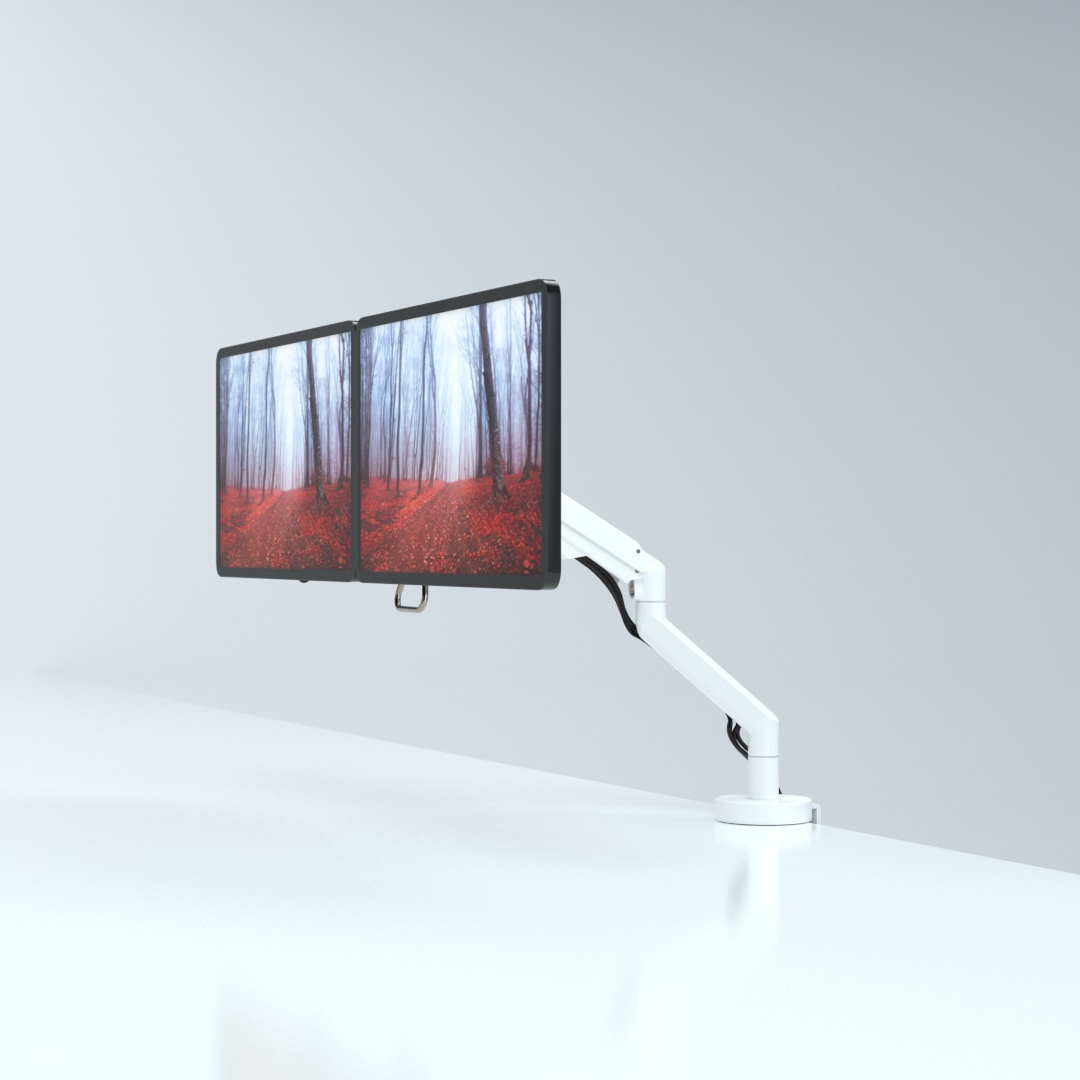
CMD Ltd, the specialist in ergonomic and connectivity solutions for commercial interiors, has completed its Reach monitor arm range with the launch of the Reach Plus. Available in single or dual screen options, the Reach Plus has been designed to provide an ideal solution for both single and dual screen workstation configurations, or can be used with next generation of large format curved screens. Suitable...

Read more
CMD Ltd DEMONSTRATES THE ART OF POWER DISTRIBUTION AT THE UNIVERSITY OF WARWICK

CMD Ltd, the specialist in workplace connectivity and ergonomic solutions, has provided Betatrak busbar power distribution and a range of electrical accessories for two major capital investment projects at the University of Warwick. Designed by Fielden Clegg Bradley Studios, the £33 million Faculty of Arts building is a showpiece development comprising four interconnected structures set around a central atrium, which will enable inter-disciplinary collaboration across...

Read more

University of Warwick
CMD BRINGS HARMONY TO COVENTRY UNIVERSITY RESEARCH FACILITIES

CMD Ltd, the specialist in power distribution solutions and workstation power and ergonomics, has provided under desk and on desk power modules for the refurbishment of three Coventry University research buildings. Located on Coventry University Technology Park, a business park designed to encourage collaboration between the university and knowledge-based businesses, the three buildings are being repurposed as office accommodation for university research teams. The refurbishment...

Read more


Coventry University

How to Choose the Best Planar Antenna for Your Needs?

When selecting the right planar antenna, it's essential to understand your specific needs. Renowned antenna expert Dr. Jane Collins states, "Choosing the right planar antenna can make or break your project." Her insight highlights the critical nature of this decision. A planar antenna needs to match the frequency range, gain, and form factor of your application.

Different applications require different types of antennas. For instance, a compact design may suit handheld devices, while larger models fit installations in fixed locations. An ideal choice should balance size and performance. Yet, the options can be overwhelming. New buyers often feel uncertain about important specifications and manufacturer reputations.

Investing in a planar antenna isn't just about performance. Quality and durability are also key factors. While many brands offer excellent products, some fall short in longevity. Therefore, due diligence is crucial. A plan might include comparing user reviews, analyzing technical data, and consulting experts. Planar antennas can greatly enhance your connectivity, but selecting the wrong one can lead to costly setbacks.

How to Choose the Best Planar Antenna for Your Needs?

Understanding Planar Antennas: Types and Technologies

Understanding planar antennas involves exploring various types and technologies available today. Planar antennas typically include patch, slot, and microstrip antennas. Each type has distinct characteristics suited for specific applications. For instance, patch antennas are compact and efficient, making them ideal for mobile devices. Slot antennas, on the other hand, are thin and are often used in Wi-Fi networks for their directional capabilities.

When selecting a planar antenna, consider the frequency range. Different applications require different frequencies. A good understanding of your environment, such as obstacles and distances, also influences your decision. Sometimes, a high-gain antenna offers a significant advantage in reducing interference and enhancing signal quality.

Reflect on your specific needs. The design and size of the antenna play crucial roles in performance. It’s important to test prototypes in real-world conditions. This will help identify any weaknesses in signal strength or coverage. Finding the right balance between size, performance, and application is critical. Keep in mind that no single antenna fits all situations; your choices should evolve with your needs.

Comparison of Planar Antenna Types

Key Factors to Consider When Selecting a Planar Antenna

When selecting a planar antenna, several key factors emerge. First, consider the frequency range. Antennas perform differently at varying frequencies. Reports indicate that antennas designed for specific bands typically optimize gain and directivity. For instance, a flat panel antenna may excel in the 2.4 GHz band, essential for Wi-Fi applications. Knowing your operational frequency ensures effective communication.

Another factor is material choice. The composition influences durability and signal integrity. Common materials include fiberglass and aluminum. Fiberglass is lighter and resistant to corrosion, while aluminum offers sturdiness. The trade-off often hinges on installation environments. An outdoor setup might favor aluminum to withstand harsh elements.

Lastly, pay attention to gain and radiation pattern. High gain antennas can enhance signal strength but may have a narrower beamwidth. It’s crucial to gauge your coverage needs accurately. Many users underestimate how directionality impacts connectivity. Reflecting on these elements can lead to better choices. Planar antennas can be powerful, but only when correctly selected.

Performance Metrics: Gain, Bandwidth, and Radiation Patterns

Choosing the right planar antenna requires careful consideration of performance metrics. Gain, bandwidth, and radiation patterns are essential aspects to evaluate. Gain indicates how well an antenna converts electric power into radio waves. High gain antennas focus energy, providing stronger signals over longer distances. Low gain antennas spread signals more evenly but serve shorter ranges.

Bandwidth measures the range of frequencies an antenna can effectively transmit or receive. A wider bandwidth allows for more versatile use across different applications. An antenna with a narrow bandwidth may outperform others in specific scenarios but limit flexibility. Understanding your frequency requirements is crucial.

When analyzing radiation patterns, look for how an antenna radiates energy in various directions. These patterns help predict how signals propagate in real-world environments. Some antennas provide omnidirectional coverage, while others are directional. Consider the physical layout and potential obstructions in your area.

Choose an antenna that matches your specific needs. High gain may not be necessary for short-range communication. A wide bandwidth might not be helpful if your application operates at a single frequency. Evaluate these metrics based on your unique scenario. Refine your choices carefully for optimal performance.

Application Scenarios: Choosing Antennas for Specific Uses

When selecting a planar antenna, understanding your specific application scenario is crucial. For instance, if you need an antenna for a home Wi-Fi network, consider factors like range and frequency. A compact design may suffice for smaller spaces, while larger homes may need more powerful options. Each setting has unique requirements, and sometimes, the choice isn’t clear-cut.

In outdoor applications, such as for conferences or festivals, durability becomes important. Antennas must withstand various weather conditions. However, certain designs might not perform well in all situations. It’s essential to test antennas in real environments. Failure to do so can lead to unreliable connections. Also, think about how easy it will be to install and maintain the antenna over time.

Different scenarios require unique features. For industrial use, antennas may need to handle high data rates and interference. The environment can impact performance; understand the challenges before a purchase. Balancing performance with cost may lead to some compromises. Not all antennas will excel in all areas, so careful consideration is key.

Budget and Availability: Finding Affordable High-Quality Options

When selecting a planar antenna, budget and availability are crucial aspects. Many high-quality options are available for varying budgets. According to recent industry reports, approximately 30% of users prefer cost-effective solutions without sacrificing performance. Exploring different materials and designs can lead to significant savings. You may find budget antennas that perform adequately for everyday use.

Research shows that antennas made from specific materials, like fiberglass or plastic composites, often deliver reliable results at a lower price. Consider local suppliers to reduce shipping costs. Analyze the specifications carefully to ensure they meet your requirements.

When assessing options, look for antennas with good customer reviews. Users often report that lower-priced models sometimes underperform. Keep in mind the importance of warranty and customer support. Antennas with limited availability can lead to unexpected expenses. Look for online communities or forums to share experiences. Engaging with these communities can provide valuable insights into affordable yet effective antenna choices.

How to Choose the Best Planar Antenna for Your Needs? - Budget and Availability: Finding Affordable High-Quality Options

Antenna Type Frequency Range Gain (dBi) Price ($) Availability
Planar Monopole 800-960 MHz 3.0 25 In Stock
Rectangular Patch 1.8-2.5 GHz 6.0 40 Limited Stock
Circular Patch 2.4-5.8 GHz 8.0 55 In Stock
Dipole Antenna 500-1000 MHz 2.5 15 In Stock
Yagi Antenna 300-3000 MHz 9.0 70 Out of Stock