

News

Miro: A New Standard in Responsible Innovation

Miro: A New Standard in Responsible Innovation The Miro monitor arm is setting new benchmarks in sustainability. It offers a high-performance solution without compromising on environmental responsibility. Designed with careful material selection, local sourcing, and longevity in mind, Miro’s responsible approach to design and unique manoeuvrability set it apart from the competition. Sustainable Choices Miro is crafted from energy-efficient materials with a lower carbon impact....

Read more
HSE Advisor

Role Purpose Support in the development, implementation and maintenance of the company’s Health, Safety & Environmental policies, processes, operational procedures, and standards.  Ensuring best practice and championing a continually improving HSE culture within the business. Key Responsibilities Liaise with and provide support to all areas of the business to eliminate, mitigate or reduce identified HSE exposures. Partner with the production management team and team leaders,...

Read more
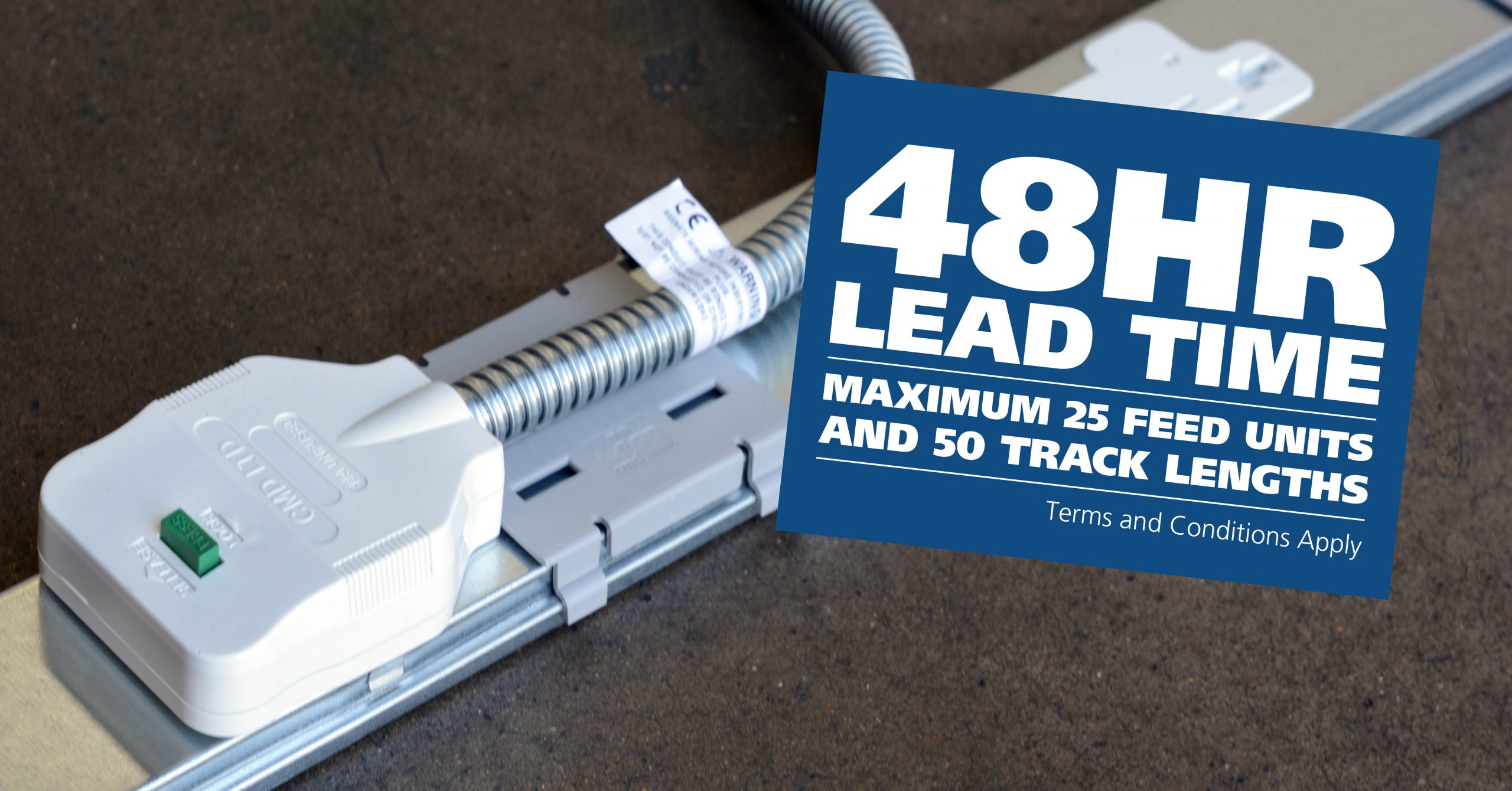
CMD Ltd LAUNCHES 48-HOUR TURNAROUND ON BETATRAK® RAPID ORDERING SERVICE

CMD Ltd, the specialist in power distribution systems, workstation power and monitor arms, has launched a rapid ordering service for its Betatrak® underfloor powertrack distribution systems and accessories, with a commitment to delivering within 48-hours of an approved purchase order*. The service enables customers to order up to 50 lengths of Standard or Clean Earth (C/E) low noise Betatrak, along with up to 25 feed...

Read more
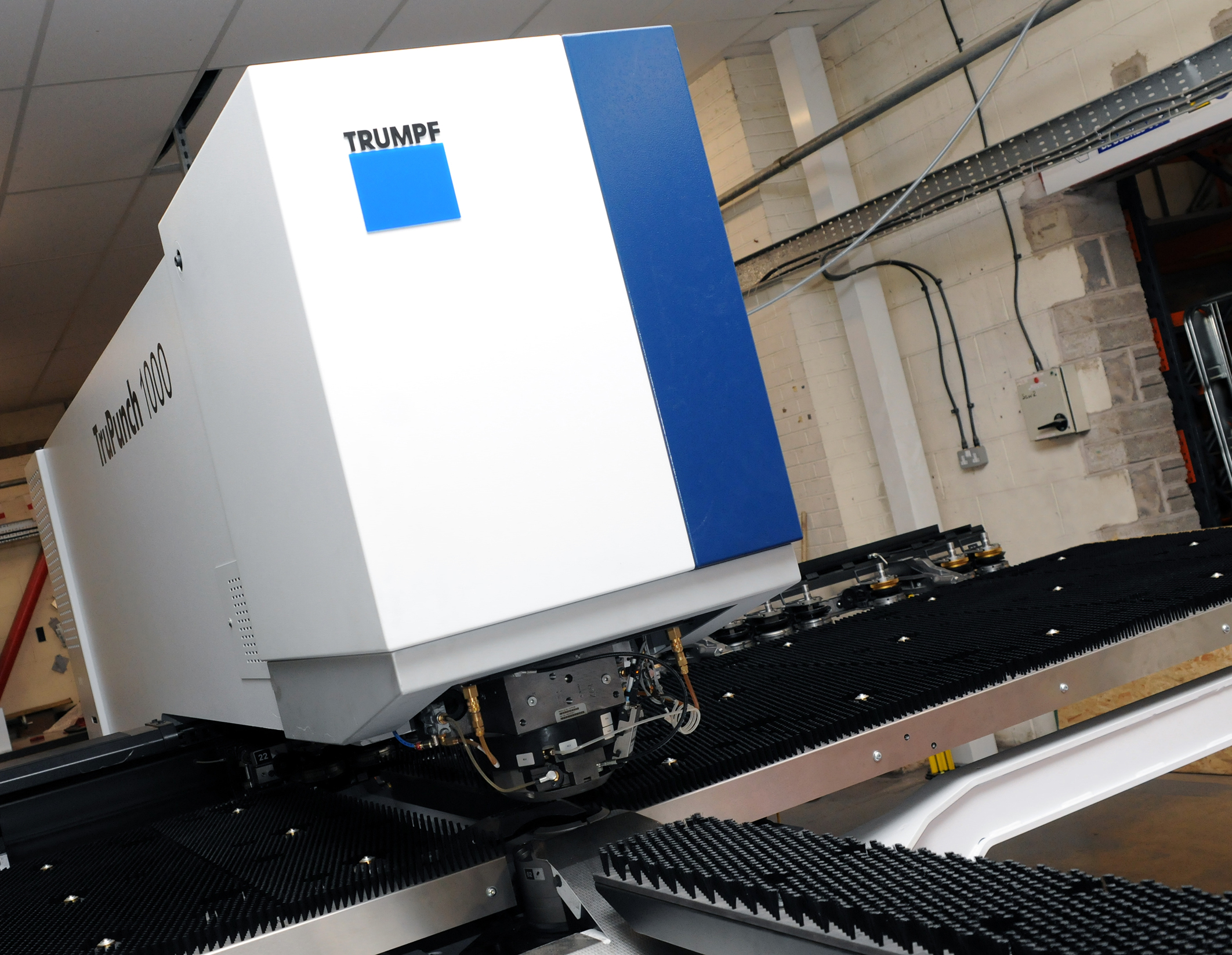
CMD INVESTS £1/4 MILLION IN NEW MACHINE AS PART OF FACTORY UPGRADE

We have invested in a new £1/4m TRUMPF CNC metal punch as part of an asset renewal strategy for our UK manufacturing capability. The new machine will be used in the production of a wide variety of our power distribution systems and workstation power products at our Rotherham factory. Suitable for handling sheet metal between 0.9mm and 3.0mm thick, the new machine will replace one...

Read more
CMD CATALOGUE PROVIDES TECHNICAL POWER DISTRIBUTION GUIDE

CMD Ltd has released a new catalogue, providing an easy to follow technical guide to our power distribution systems and plug and play desk modules. Detailing CMD’s full range of UK-manufactured power distribution systems and plug and play desk modules, the catalogue will be a helpful source of information to M&E engineers and contractors alike to understand how our power distribution systems connect together and...

Read more
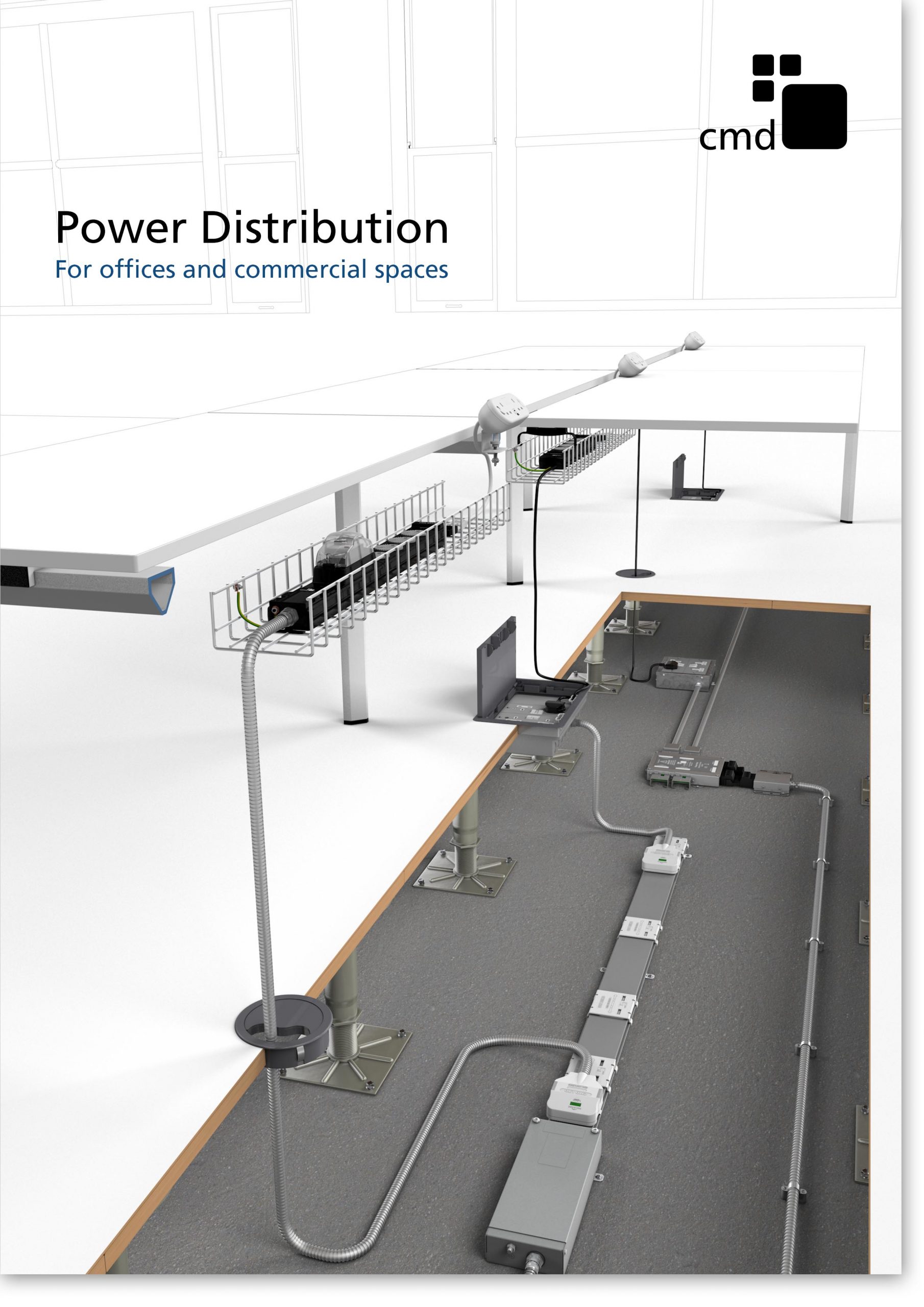
Power Distribution Catalogue
CMD Ltd PLAYS ESSENTIAL ROLE IN ELECTRICAL FIT OUT AT LONDON’S PRESTIGIOUS OFFICE DEVELOPMENT

CMD Ltd, specialist in workplace connectivity and ergonomic solutions, has provided a flexible and high-quality power distribution network for The Ray, a prestigious office development in London’s Farringdon. Well-known for being the former site of The Guardian newspaper, The Ray now stands as an 83,000ft² office development characterised by a modernised warehouse aesthetic, with level two now occupied by a global social media company. The...

Read more

The Ray
CMD plugs in to european opportunity with Schuko Capsule unit launch

CMD Ltd, the specialist in power and connectivity solutions for commercial environments, has launched a Schuko version of its popular fixed format Capsule workstation power module for export to mainland Europe and beyond. A popular on desk power module comprising two sockets and dual USB (type A and C) chargers, CMD’s Capsule unit is already widely specified in the UK as an off-the-shelf workstation power...

Read more
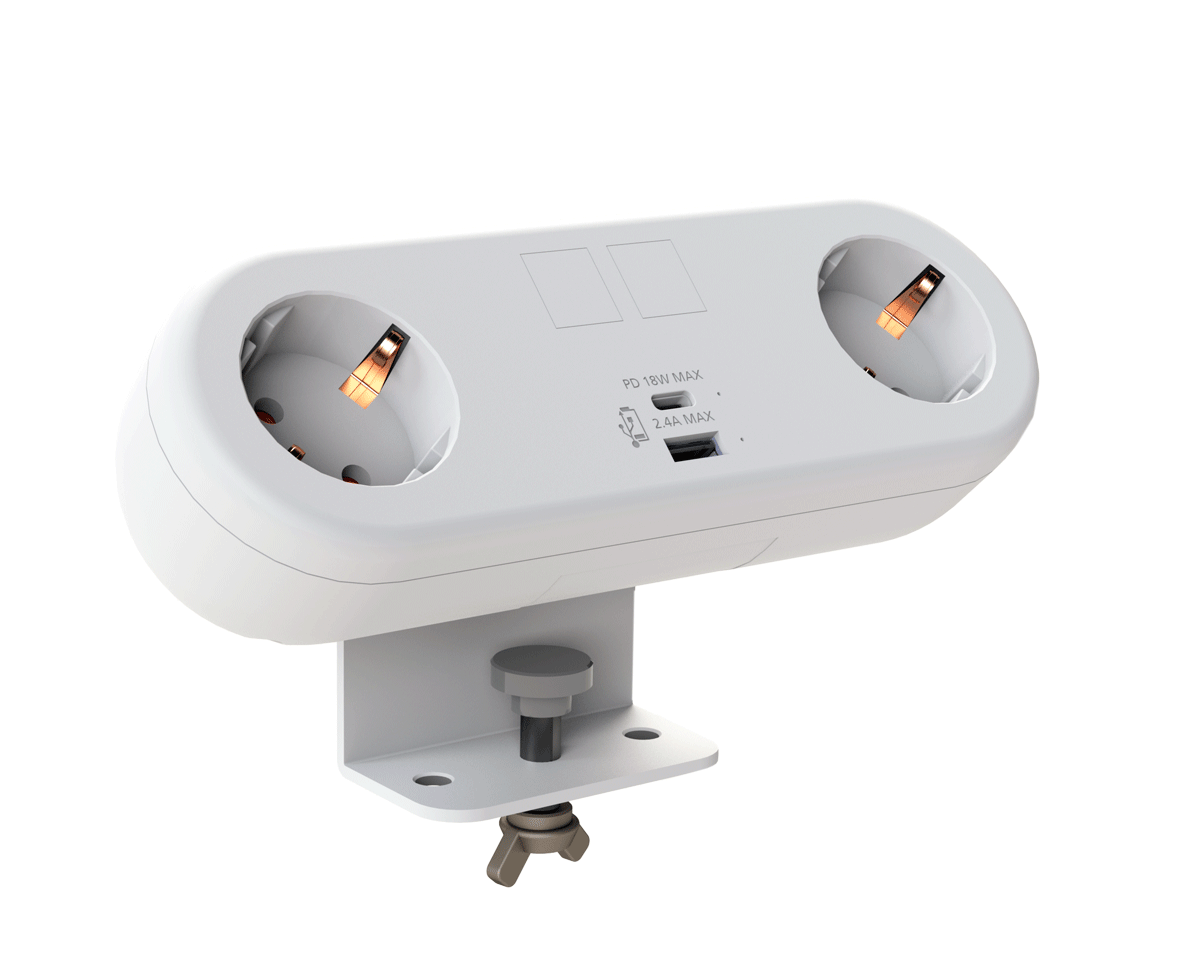
CMD White Schuko Capsule Desk Power Module
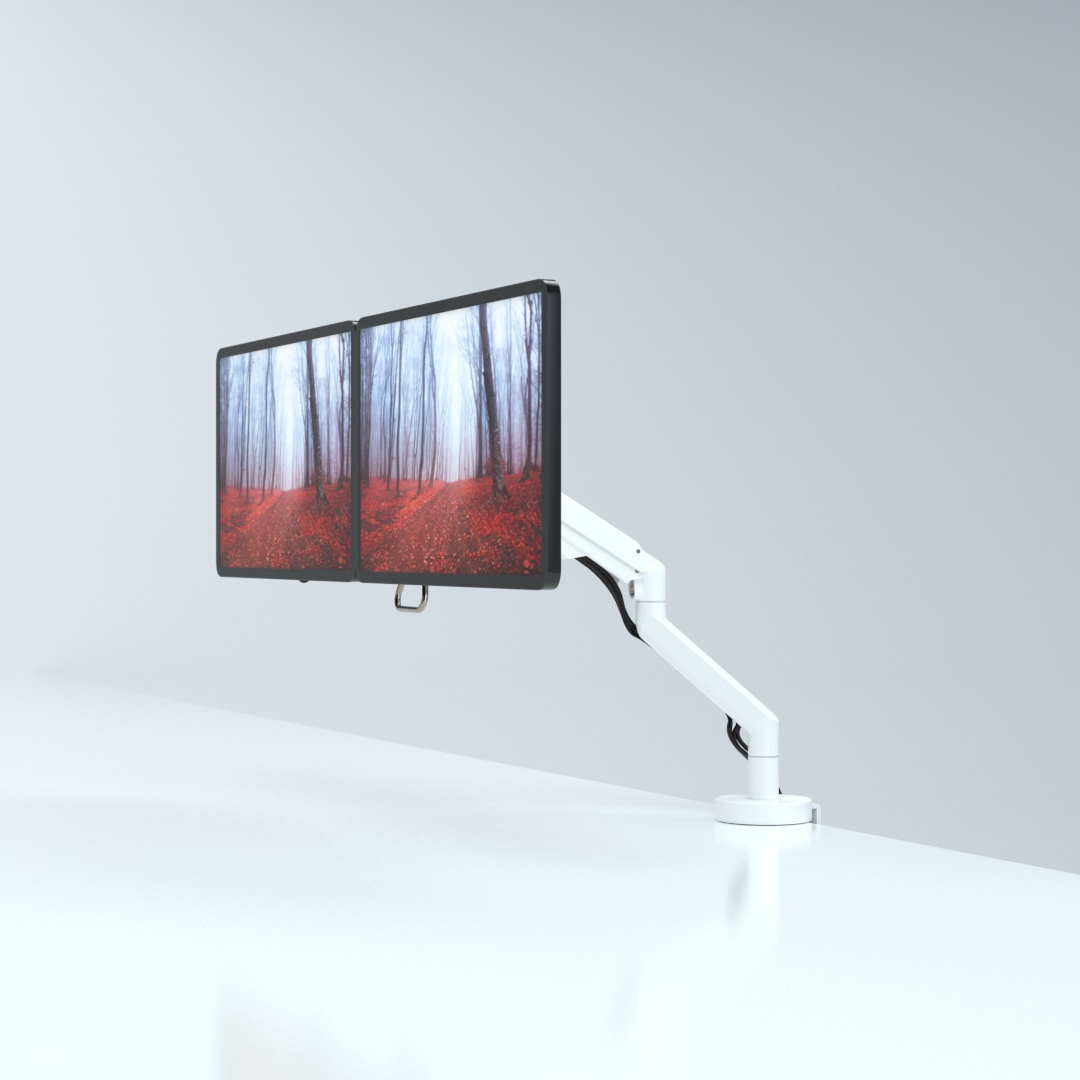
CMD LTD EXTENDS MONITOR ARM RANGE WITH THE LAUNCH OF REACH PLUS

CMD Ltd, the specialist in ergonomic and connectivity solutions for commercial interiors, has completed its Reach monitor arm range with the launch of the Reach Plus. Available in single or dual screen options, the Reach Plus has been designed to provide an ideal solution for both single and dual screen workstation configurations, or can be used with next generation of large format curved screens. Suitable...

Read more
CMD Ltd DEMONSTRATES THE ART OF POWER DISTRIBUTION AT THE UNIVERSITY OF WARWICK

CMD Ltd, the specialist in workplace connectivity and ergonomic solutions, has provided Betatrak busbar power distribution and a range of electrical accessories for two major capital investment projects at the University of Warwick. Designed by Fielden Clegg Bradley Studios, the £33 million Faculty of Arts building is a showpiece development comprising four interconnected structures set around a central atrium, which will enable inter-disciplinary collaboration across...

Read more

University of Warwick
CMD BRINGS HARMONY TO COVENTRY UNIVERSITY RESEARCH FACILITIES

CMD Ltd, the specialist in power distribution solutions and workstation power and ergonomics, has provided under desk and on desk power modules for the refurbishment of three Coventry University research buildings. Located on Coventry University Technology Park, a business park designed to encourage collaboration between the university and knowledge-based businesses, the three buildings are being repurposed as office accommodation for university research teams. The refurbishment...

Read more

Coventry University

How to Choose the Best Pir Detectors for Your Needs?

Choosing the best PIR detectors for your specific needs can be a daunting task. According to John Smith, a leading expert in security technology, "Not all PIR detectors are created equal; understanding your environment is key." This highlights the importance of customization in selecting PIR detectors.

When assessing your options, consider the unique challenges of your space. Factors like size, layout, and potential obstructions play a crucial role. In environments with high foot traffic, sensitive detectors may trigger false alarms. Conversely, areas with minimal movement might need more advanced models for effective monitoring.

A thorough understanding of PIR detector technology is essential. Different types serve various functions. Some excel in outdoor settings, while others are designed for indoor use. Keep in mind that choosing the wrong type can lead to dissatisfaction and added costs. Prioritize understanding your environment to avoid common pitfalls in detection and security.

How to Choose the Best Pir Detectors for Your Needs?

Understanding PIR Detectors: Basics and Functionality

PIR (Passive Infrared) detectors play a crucial role in motion detection technology. These devices perceive infrared radiation emitted by objects, mainly humans and animals. The sensors identify temperature changes within their field of view, triggering alarms or notifications when movement occurs. According to recent industry reports, approximately 60% of security systems employ PIR technology due to its effectiveness and reliability.

Understanding the functionality of PIR detectors can help you choose the right one for your needs. These devices typically cover a range from 10 to 30 feet, depending on the model. The detection angle varies, often reaching up to 180 degrees. However, the sensitivity settings can differ. While some detectors may be overly sensitive, leading to false alarms, others may not cover a large area. Finding the right balance can be challenging.

Installation height is another critical consideration. Installations too high may reduce sensitivity, while units placed too low may increase false detection. Research indicates about 30% of users encounter issues with optimal placement. Regular tests and adjustments can improve performance. Understanding these aspects enhances the reliability of your PIR detectors and ensures they meet your specific security needs.

Key Features to Consider When Choosing PIR Detectors

When choosing PIR detectors, understanding key features is crucial. The detection range is among the first considerations. A unit with a wider range will cover larger spaces, but ensure it suits your specific area. A high sensitivity setting is beneficial for detecting even minor movements. However, overly sensitive models may trigger false alarms due to pets or small objects.


Power source is another essential factor. Battery-operated units offer flexibility but require regular battery changes. Wired models may provide more reliability but involve installation challenges. Look for energy-efficient options to minimize long-term costs. Additionally, check the unit's environmental rating. Devices resistant to heat and cold tend to perform better in varying conditions.


Consider the ease of installation and user interface as well. Some detectors come with a complex setup process. A simpler model can save you time and frustration. Think about how you will integrate the detector into your home or security system. A mismatch in compatibility could lead to significant issues later. Balancing these elements will help ensure you choose the right PIR detector that meets your individual needs.

Different Types of PIR Detectors and Their Applications

When selecting the right PIR detectors, understanding their types and applications is essential. Passive Infrared (PIR) detectors primarily fall into two categories: active and passive. Active PIR detectors emit infrared radiation, while passive ones only detect it. According to a report by the International Journal of Computer Applications, passive detectors are preferred for residential security systems. They boast a detection range of 10 to 15 meters, making them ideal for homes.

Commercial applications often require more robust solutions. Here, dual-technology PIR detectors, which combine passive infrared and microwave sensing, offer higher reliability. They significantly reduce false alarms, with industry reports indicating a decrease in false activations by up to 70% in environments like warehouses. Users in such settings must consider factors like installation height and angle, which can impact performance.

Positioning of the detectors is another critical factor. For instance, placing a sensor at a lower height can enhance sensitivity to motion. Maintaining a clear field of view is also vital. A poorly positioned detector may fail to cover critical areas. Moreover, environmental factors like temperature fluctuations can affect performance. This highlights the necessity for careful planning and adjustments to optimize functionality.

How to Choose the Best PIR Detectors for Your Needs? - Different Types of PIR Detectors and Their Applications

Type of PIR Detector Detection Range Applications Installation Location
Passive Infrared Motion Sensor Up to 12 meters Residential security, automation systems Indoors and outdoors (sheltered)
Multi-Channel PIR Detector Up to 15 meters Smart homes, automated lighting Ceiling or wall-mounted indoors
Outdoor PIR Sensor Up to 20 meters Outdoor security, perimeter protection Exposed to the outdoor environment
Pet-Friendly PIR Detector Up to 10 meters Homes with pets, automated systems Indoors (low mounting height)
High-Sensitivity PIR Sensor Up to 12 meters Critical areas, sensitive security applications Indoors, areas with limited movement

Factors Influencing the Effectiveness of PIR Detectors

When choosing a PIR detector, several factors can influence its effectiveness. One key element is the detection range. Most PIR detectors have specific coverage areas. If a unit only covers a small space, it may not offer adequate security. Room size and layout matter here. For larger rooms, a device with a broader range is essential.

Environmental conditions also play a significant role. Temperature fluctuations can affect detection. A PIR sensor may trigger if it detects heat from sources like sunlight or heaters. Consequently, placement should be strategic, keeping these potential interferences in mind.

Additionally, factors such as height and angle of installation can change performance. Mounting a device too high can decrease its sensitivity. However, one must consider accessibility for maintenance. Testing the detector’s sensitivity in different settings can be beneficial. It’s a learning process. Sometimes, the first choice may not yield the best results, prompting a reevaluation. Balancing these considerations can ensure a more effective security system.

Installation and Maintenance Tips for Optimal Performance

When it comes to ensuring optimal performance of PIR detectors, installation and maintenance play a crucial role. A well-placed detector can enhance its functionality significantly. According to a report by the Electronic Security Association, improper installation can lead to a 30% decrease in efficiency. To avoid common pitfalls, it’s essential to position detectors away from heat sources and direct sunlight. Height and angle matter too; ideally, place detectors at about 6 to 8 feet high, angled toward the area needing coverage.

Regular maintenance is key to ensuring reliability. Dust and cobwebs can rapidly accumulate, obstructing sensors. Studies indicate that detectors not cleaned quarterly can experience a 25% reduction in detection capability. For optimal performance, check connections and test the device monthly. Remember to update any software or firmware as needed. If you notice reduced sensitivity, it might require recalibration or even replacement.

Here is a practical tip: Set reminders for routine checks and cleaning. Create a schedule to benchmark performance. These simple steps can significantly enhance the effectiveness of your PIR detectors, keeping your space secure. Don’t overlook the documentation provided; it often contains crucial insights for maintaining peak performance.

Performance Comparison of Different PIR Detectors

This bar chart illustrates the detection range of various PIR detectors. Each detector's performance is measured in meters, helping you compare their effectiveness based on range capacity.