

News

Miro: A New Standard in Responsible Innovation

Miro: A New Standard in Responsible Innovation The Miro monitor arm is setting new benchmarks in sustainability. It offers a high-performance solution without compromising on environmental responsibility. Designed with careful material selection, local sourcing, and longevity in mind, Miro’s responsible approach to design and unique manoeuvrability set it apart from the competition. Sustainable Choices Miro is crafted from energy-efficient materials with a lower carbon impact....

Read more
HSE Advisor

Role Purpose Support in the development, implementation and maintenance of the company’s Health, Safety & Environmental policies, processes, operational procedures, and standards.  Ensuring best practice and championing a continually improving HSE culture within the business. Key Responsibilities Liaise with and provide support to all areas of the business to eliminate, mitigate or reduce identified HSE exposures. Partner with the production management team and team leaders,...

Read more
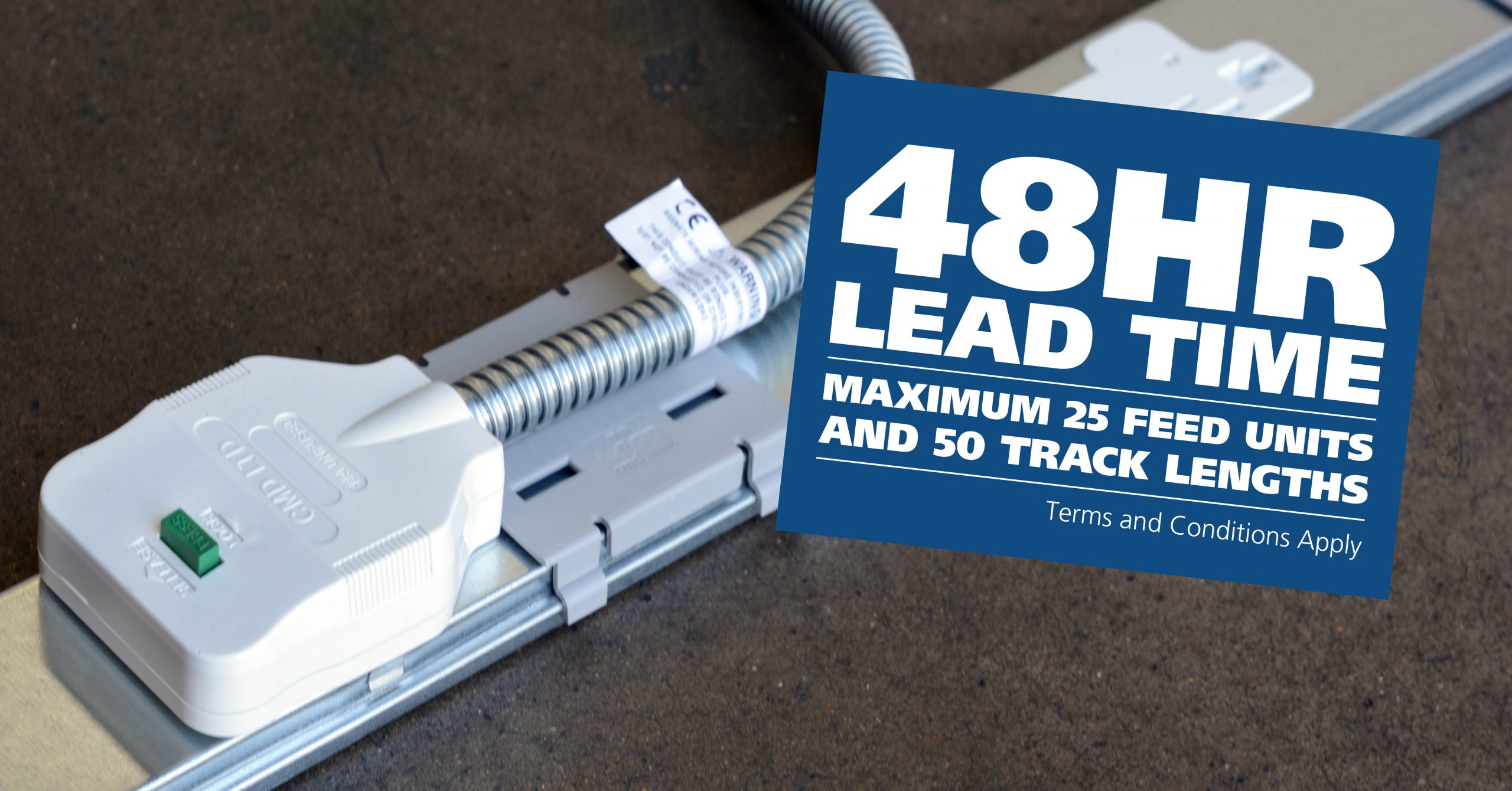
CMD Ltd LAUNCHES 48-HOUR TURNAROUND ON BETATRAK® RAPID ORDERING SERVICE

CMD Ltd, the specialist in power distribution systems, workstation power and monitor arms, has launched a rapid ordering service for its Betatrak® underfloor powertrack distribution systems and accessories, with a commitment to delivering within 48-hours of an approved purchase order*. The service enables customers to order up to 50 lengths of Standard or Clean Earth (C/E) low noise Betatrak, along with up to 25 feed...

Read more
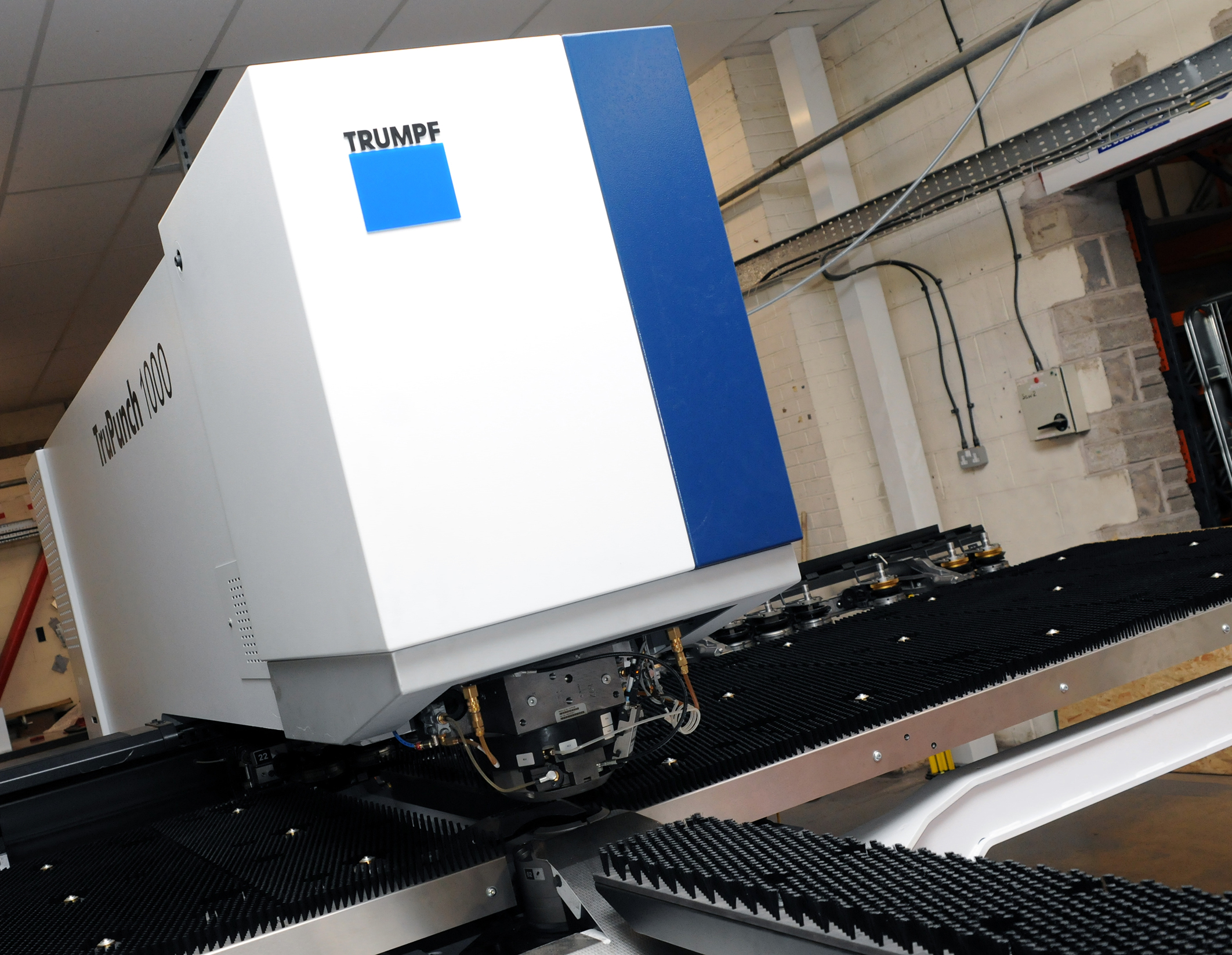
CMD INVESTS £1/4 MILLION IN NEW MACHINE AS PART OF FACTORY UPGRADE

We have invested in a new £1/4m TRUMPF CNC metal punch as part of an asset renewal strategy for our UK manufacturing capability. The new machine will be used in the production of a wide variety of our power distribution systems and workstation power products at our Rotherham factory. Suitable for handling sheet metal between 0.9mm and 3.0mm thick, the new machine will replace one...

Read more
CMD CATALOGUE PROVIDES TECHNICAL POWER DISTRIBUTION GUIDE

CMD Ltd has released a new catalogue, providing an easy to follow technical guide to our power distribution systems and plug and play desk modules. Detailing CMD’s full range of UK-manufactured power distribution systems and plug and play desk modules, the catalogue will be a helpful source of information to M&E engineers and contractors alike to understand how our power distribution systems connect together and...

Read more
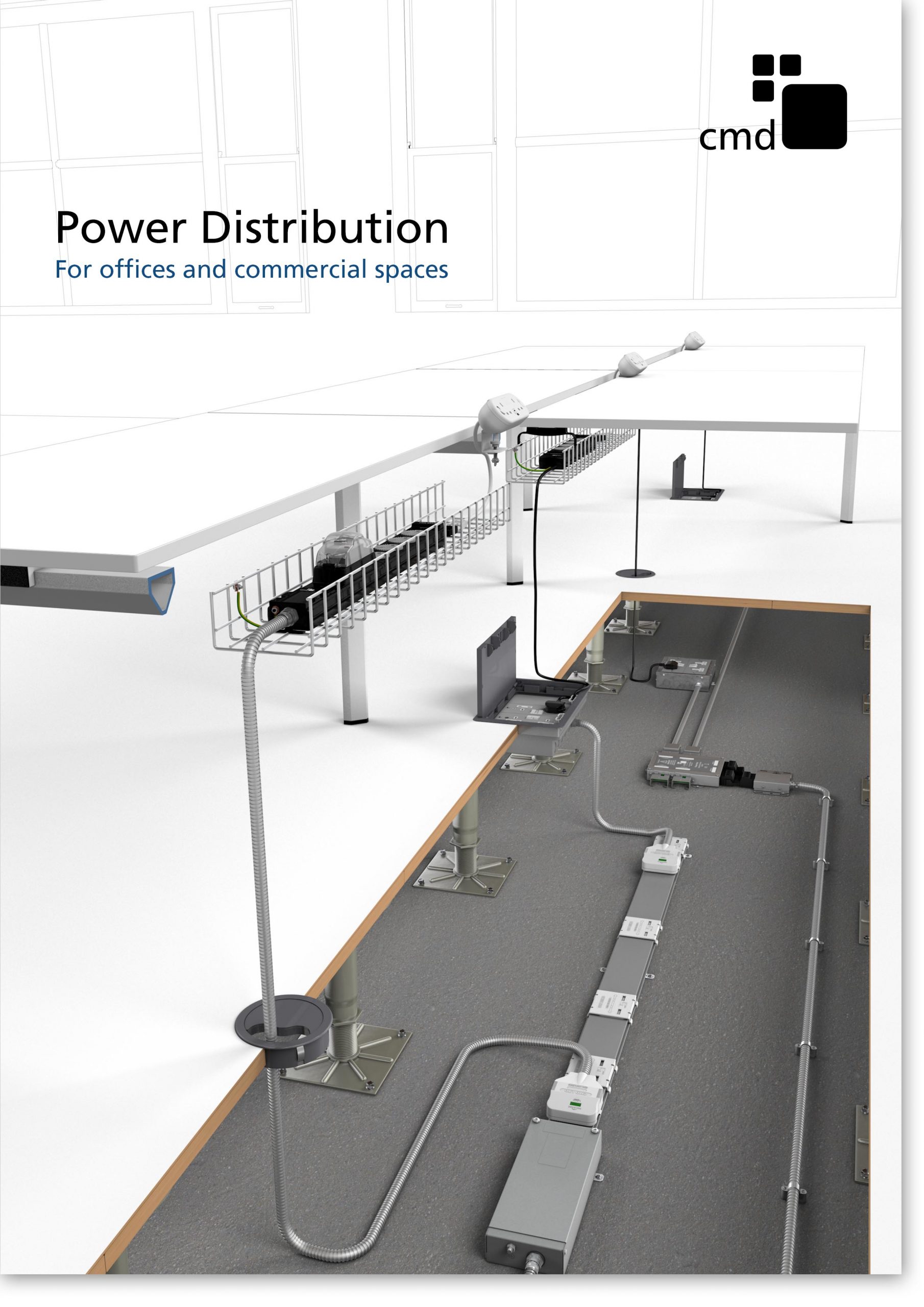
Power Distribution Catalogue
CMD Ltd PLAYS ESSENTIAL ROLE IN ELECTRICAL FIT OUT AT LONDON’S PRESTIGIOUS OFFICE DEVELOPMENT

CMD Ltd, specialist in workplace connectivity and ergonomic solutions, has provided a flexible and high-quality power distribution network for The Ray, a prestigious office development in London’s Farringdon. Well-known for being the former site of The Guardian newspaper, The Ray now stands as an 83,000ft² office development characterised by a modernised warehouse aesthetic, with level two now occupied by a global social media company. The...

Read more

The Ray
CMD plugs in to european opportunity with Schuko Capsule unit launch

CMD Ltd, the specialist in power and connectivity solutions for commercial environments, has launched a Schuko version of its popular fixed format Capsule workstation power module for export to mainland Europe and beyond. A popular on desk power module comprising two sockets and dual USB (type A and C) chargers, CMD’s Capsule unit is already widely specified in the UK as an off-the-shelf workstation power...

Read more
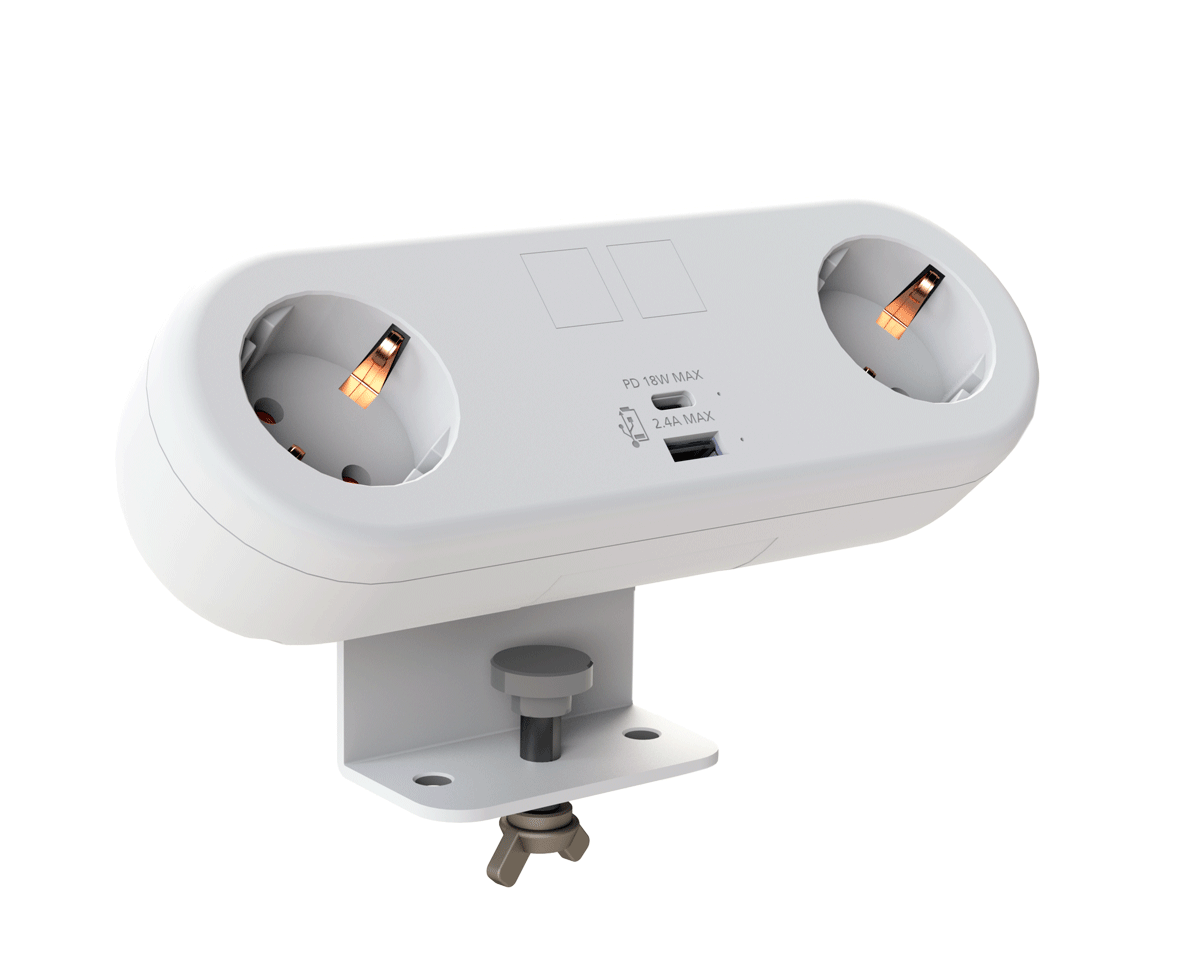
CMD White Schuko Capsule Desk Power Module
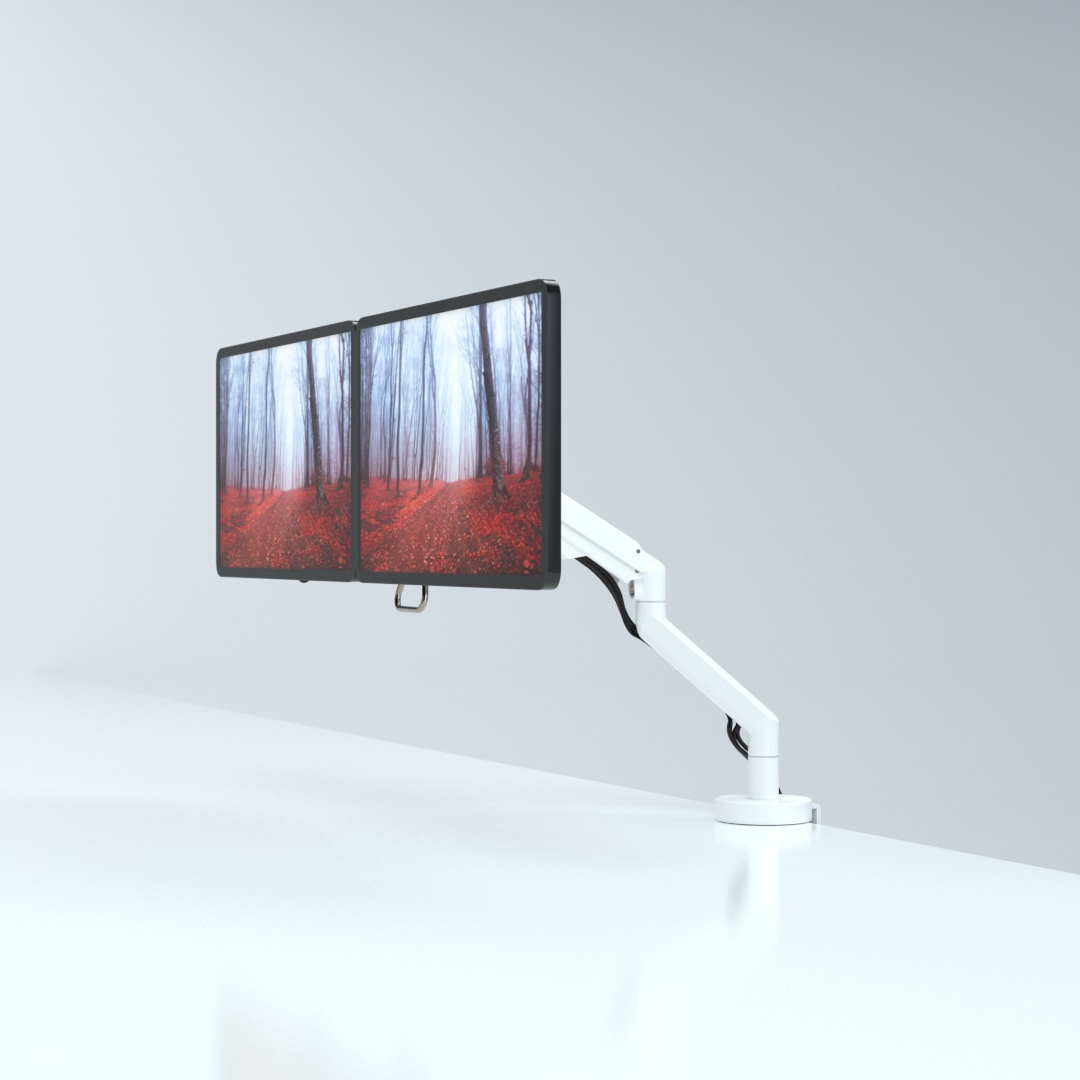
CMD LTD EXTENDS MONITOR ARM RANGE WITH THE LAUNCH OF REACH PLUS

CMD Ltd, the specialist in ergonomic and connectivity solutions for commercial interiors, has completed its Reach monitor arm range with the launch of the Reach Plus. Available in single or dual screen options, the Reach Plus has been designed to provide an ideal solution for both single and dual screen workstation configurations, or can be used with next generation of large format curved screens. Suitable...

Read more
CMD Ltd DEMONSTRATES THE ART OF POWER DISTRIBUTION AT THE UNIVERSITY OF WARWICK

CMD Ltd, the specialist in workplace connectivity and ergonomic solutions, has provided Betatrak busbar power distribution and a range of electrical accessories for two major capital investment projects at the University of Warwick. Designed by Fielden Clegg Bradley Studios, the £33 million Faculty of Arts building is a showpiece development comprising four interconnected structures set around a central atrium, which will enable inter-disciplinary collaboration across...

Read more

University of Warwick
CMD BRINGS HARMONY TO COVENTRY UNIVERSITY RESEARCH FACILITIES

CMD Ltd, the specialist in power distribution solutions and workstation power and ergonomics, has provided under desk and on desk power modules for the refurbishment of three Coventry University research buildings. Located on Coventry University Technology Park, a business park designed to encourage collaboration between the university and knowledge-based businesses, the three buildings are being repurposed as office accommodation for university research teams. The refurbishment...

Read more

Coventry University

How to Choose the Best Intramedullary Nail for Surgery?

When selecting the best Intramedullary Nail for surgery, decision-makers must navigate a complex landscape. Intramedullary nails are pivotal in treating fractures. According to a report by the Journal of Orthopaedic Trauma, over 80% of orthopedic surgeons prefer this method for diaphyseal bone fractures. The right choice can enhance recovery and reduce complications.

Dr. John Smith, a leading orthopedic surgeon, states, “Choosing the right Intramedullary Nail is crucial for patient outcomes.” His expertise highlights the significance of this decision. Factors such as nail design, material, and biomechanical properties should be considered. Not all nails are created equal. Some may not provide adequate support or fit for specific fractures.

The market offers a variety of Intramedullary Nails, each with strengths and weaknesses. Surgeons must weigh these options carefully. A poor choice could lead to malalignment or delayed healing. An informed selection process is vital. Not every surgeon may have access to the latest technology or research, which can lead to inconsistent outcomes. Continuous education and sharing best practices can improve overall results in patient care.

How to Choose the Best Intramedullary Nail for Surgery?

Factors to Consider When Choosing Intramedullary Nails for Surgery

Choosing the right intramedullary nail for surgery involves several factors. First, understanding the patient's unique anatomy is crucial. The size and shape of the medullary canal can vary significantly among individuals. According to a study published in the "Journal of Orthopaedic Research," proper nail fit is essential for stable fixation, which reduces complication rates by up to 30%.

Next, consider the fracture type and its location. Intramedullary nails are designed for various indications, such as long bone fractures. Research indicates that certain designs better accommodate specific fracture patterns. For instance, nails designed for diaphyseal fractures often provide enhanced stability. However, surgeons must reflect on the potential for malalignment or delayed healing in complex cases.

Finally, material composition plays a vital role. Most intramedullary nails are made from titanium or stainless steel, with specific mechanical properties suited for different applications. A recent review highlighted that titanium nails may offer better biocompatibility but could have limitations in weight-bearing scenarios. Balancing these material properties against the anticipated load on the nail is necessary. Making informed decisions based on these factors is essential to optimizing patient outcomes.

Types of Intramedullary Nails: Options and Indications for Use

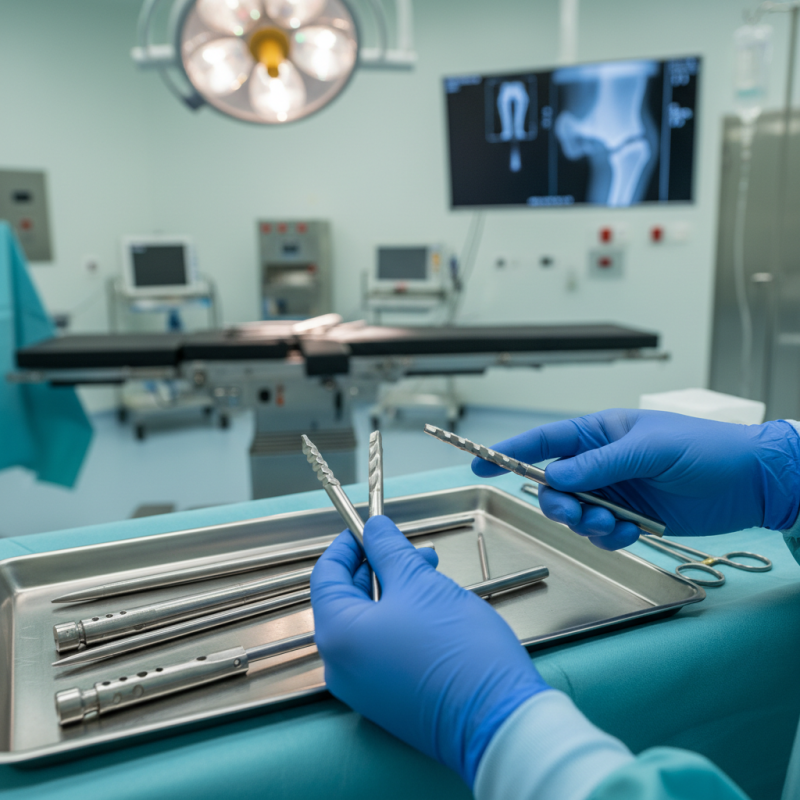
When it comes to intramedullary nails, various types exist, each with specific uses and indications. These devices are critical in orthopedic surgery for stabilizing fractures within long bones. The most common types include the retrograde nail, antegrade nail, and cannulated nail. Each serves a unique purpose depending on the fracture type and location.

Research from the Journal of Orthopedic Trauma suggests that the antegrade nail is frequently chosen for femoral diaphyseal fractures. In contrast, the retrograde nail is often favored for distal femur fractures. Cannulated nails are desirable for osteoporotic bones due to their flexible design. The selection of the right type is vital for optimal healing and patient recovery.

Tips: Always consider the patient’s overall health and bone quality. These factors can significantly influence the choice of nail. An experienced orthopedic surgeon will assess the fracture's characteristics closely. Engage in continuous learning to stay updated on new techniques and materials. Remember, the right choice can reduce surgical complications. But even with precision, challenges remain. Each surgery has inherent risks that require careful consideration and preparation.

Material Properties of Intramedullary Nails and Their Impact on Performance

When selecting an intramedullary nail for surgery, material properties are crucial. The two most common materials used are titanium and stainless steel. Titanium is lighter and offers excellent biocompatibility. Studies have shown that titanium nails can enhance healing due to their ability to allow for better bone remodeling. Conversely, stainless steel, while heavier, provides higher stiffness and strength. These characteristics can be beneficial in load-bearing scenarios.

Material fatigue is a vital concern in intramedullary nails. Research indicates that about 15% of stainless steel implants experience fatigue failures within five years. This can lead to revision surgeries, which add risk and cost to patient care. Furthermore, the major drawback of titanium is its potential for lower fatigue resistance under high-stress situations. A careful assessment of the patient's activity level and expected load on the implant can help guide the choice of material.

Surface treatment also plays a role in performance. Coatings that enhance osseointegration can improve outcomes significantly. A meta-analysis revealed that implants with specific surface modifications show up to a 30% improvement in bone attachment. Choosing the right material and treatment ensures better patient outcomes and less frequent complications after surgery.

Analysis of Complications Related to Intramedullary Nail Surgeries

Intramedullary nail surgeries have become a common technique for stabilizing long bone fractures. However, despite their popularity, complications can arise that need careful consideration. Issues such as malalignment, nonunion, and infection are notable concerns. Understanding these risks is vital for both surgeons and patients.

Infections can occur at the surgical site, leading to prolonged recovery. Proper sterilization techniques and post-operative care are crucial. Malalignment can happen if the nail is not correctly positioned. This can result in impaired function and additional surgeries. Surgeons must evaluate the anatomy and use imaging to ensure correct alignment.

Nonunion is another complication that can impact healing. Factors such as poor blood supply and inadequate stabilization play a role. Regular follow-up and imaging assessments are necessary to catch any problems early. While intramedullary nails are effective, they are not without their shortcomings. Reflection on these complications is necessary for improving surgical outcomes.

Review of Current Research on Intramedullary Nail Effectiveness and Outcomes

Intramedullary nails are a key tool in orthopedic surgery for stabilizing fractures. Recent research indicates that the effectiveness of these devices can vary significantly based on specific factors, including the type of fracture and nail design. A study published in "The Journal of Bone and Joint Surgery" found that intramedullary nailing provides a union rate of over 90% for diaphyseal femur fractures. However, these results are contingent on proper surgical technique and patient selection.

Understanding the mechanical properties of different intramedullary nails is crucial. For example, a systematic review in "Clinical Orthopaedics and Related Research" highlighted that nails with a larger diameter generally decrease failure rates. But, there are trade-offs; increasing nail strength can lead to higher complication rates, such as knee pain or malunion. Surgeons must weigh the benefits against possible adverse outcomes.

Patient factors also play a significant role. A recent meta-analysis indicated that older patients have different healing outcomes compared to younger individuals. Thus, a tailored approach is necessary. Surgeons should reassess their strategies regularly based on evolving clinical evidence. This critical reflection can lead to improved patient outcomes and the refinement of existing surgical methods.