

News

Miro: A New Standard in Responsible Innovation

Miro: A New Standard in Responsible Innovation The Miro monitor arm is setting new benchmarks in sustainability. It offers a high-performance solution without compromising on environmental responsibility. Designed with careful material selection, local sourcing, and longevity in mind, Miro’s responsible approach to design and unique manoeuvrability set it apart from the competition. Sustainable Choices Miro is crafted from energy-efficient materials with a lower carbon impact....

Read more
HSE Advisor

Role Purpose Support in the development, implementation and maintenance of the company’s Health, Safety & Environmental policies, processes, operational procedures, and standards.  Ensuring best practice and championing a continually improving HSE culture within the business. Key Responsibilities Liaise with and provide support to all areas of the business to eliminate, mitigate or reduce identified HSE exposures. Partner with the production management team and team leaders,...

Read more
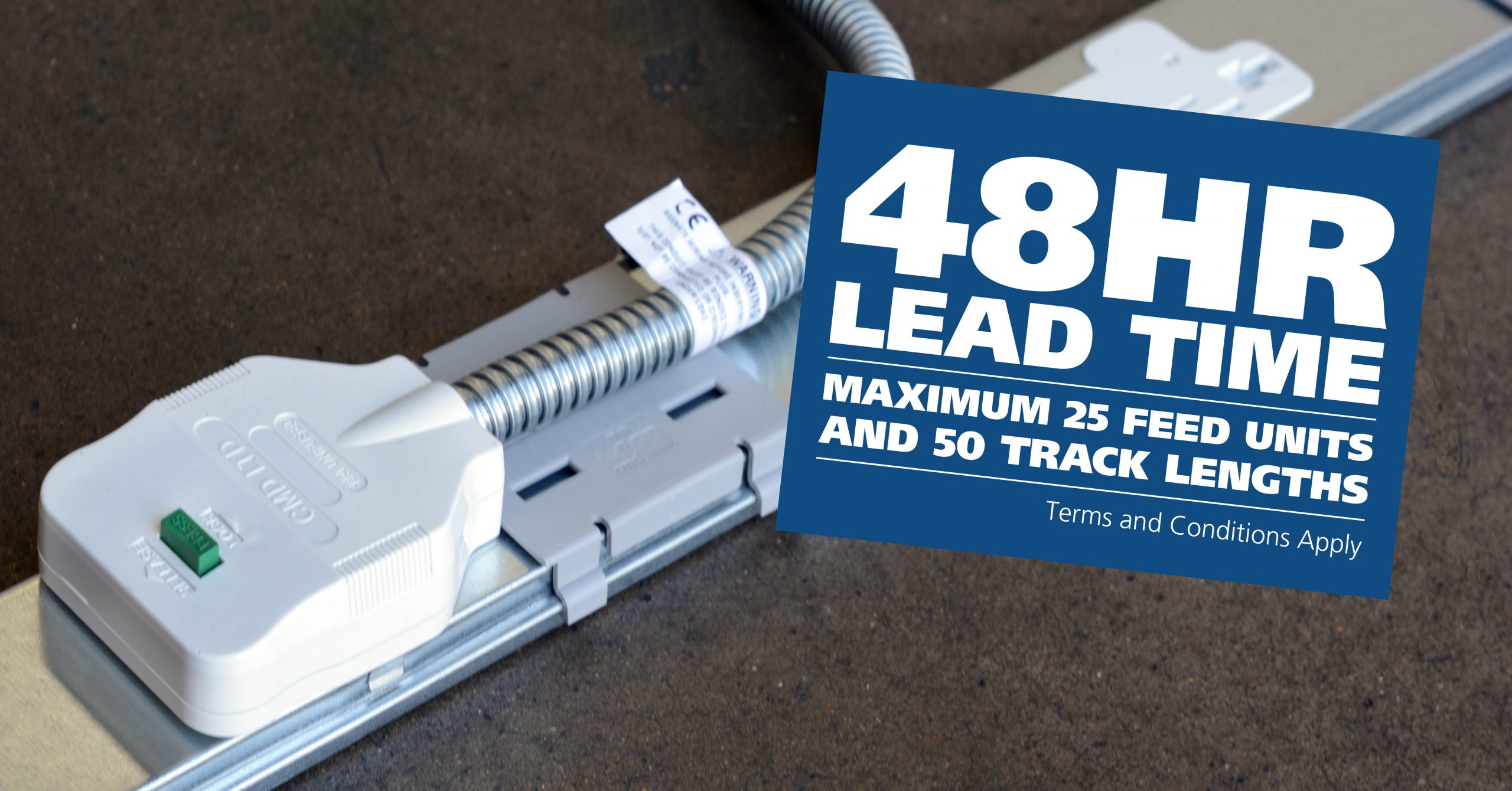
CMD Ltd LAUNCHES 48-HOUR TURNAROUND ON BETATRAK® RAPID ORDERING SERVICE

CMD Ltd, the specialist in power distribution systems, workstation power and monitor arms, has launched a rapid ordering service for its Betatrak® underfloor powertrack distribution systems and accessories, with a commitment to delivering within 48-hours of an approved purchase order*. The service enables customers to order up to 50 lengths of Standard or Clean Earth (C/E) low noise Betatrak, along with up to 25 feed...

Read more
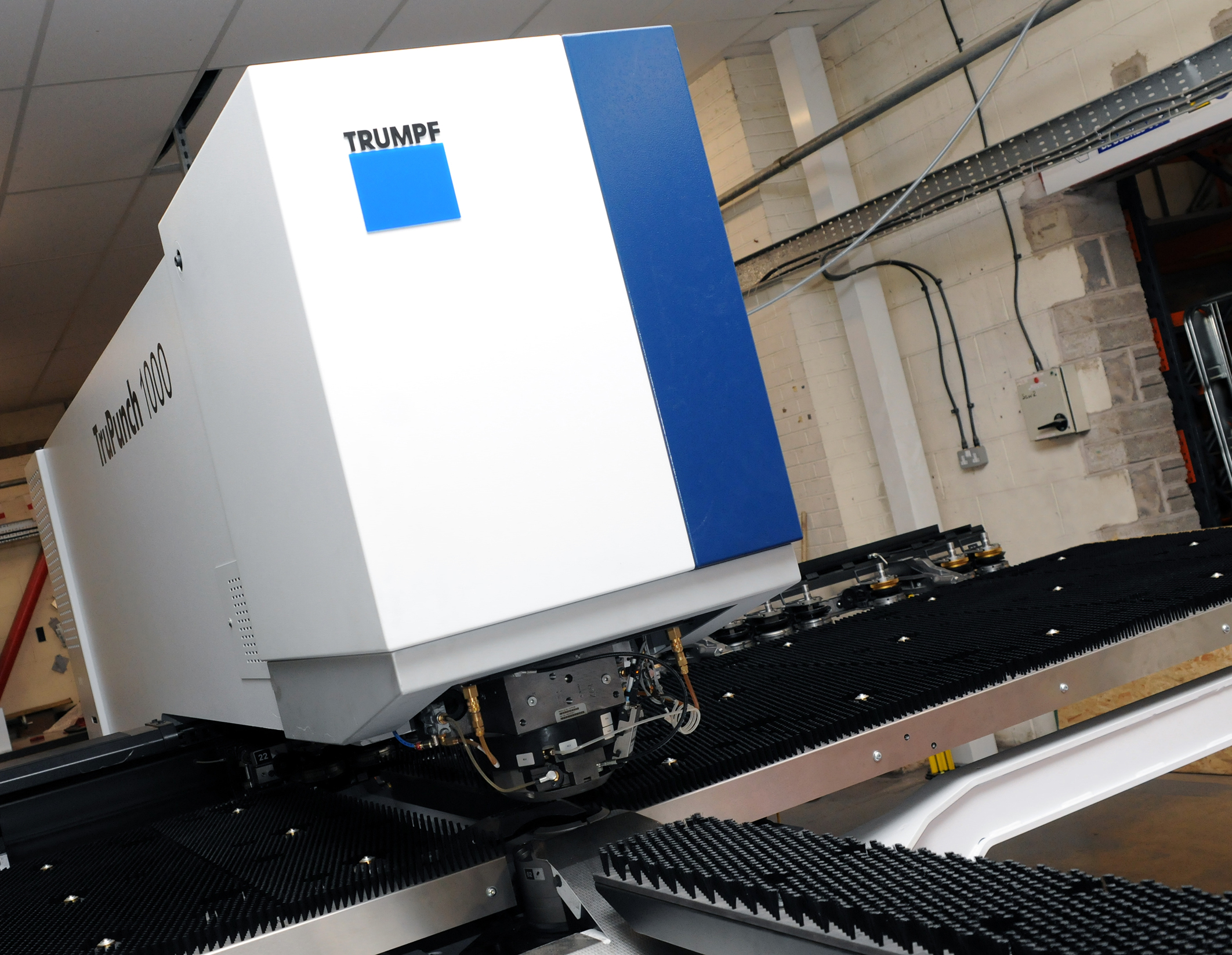
CMD INVESTS £1/4 MILLION IN NEW MACHINE AS PART OF FACTORY UPGRADE

We have invested in a new £1/4m TRUMPF CNC metal punch as part of an asset renewal strategy for our UK manufacturing capability. The new machine will be used in the production of a wide variety of our power distribution systems and workstation power products at our Rotherham factory. Suitable for handling sheet metal between 0.9mm and 3.0mm thick, the new machine will replace one...

Read more
CMD CATALOGUE PROVIDES TECHNICAL POWER DISTRIBUTION GUIDE

CMD Ltd has released a new catalogue, providing an easy to follow technical guide to our power distribution systems and plug and play desk modules. Detailing CMD’s full range of UK-manufactured power distribution systems and plug and play desk modules, the catalogue will be a helpful source of information to M&E engineers and contractors alike to understand how our power distribution systems connect together and...

Read more
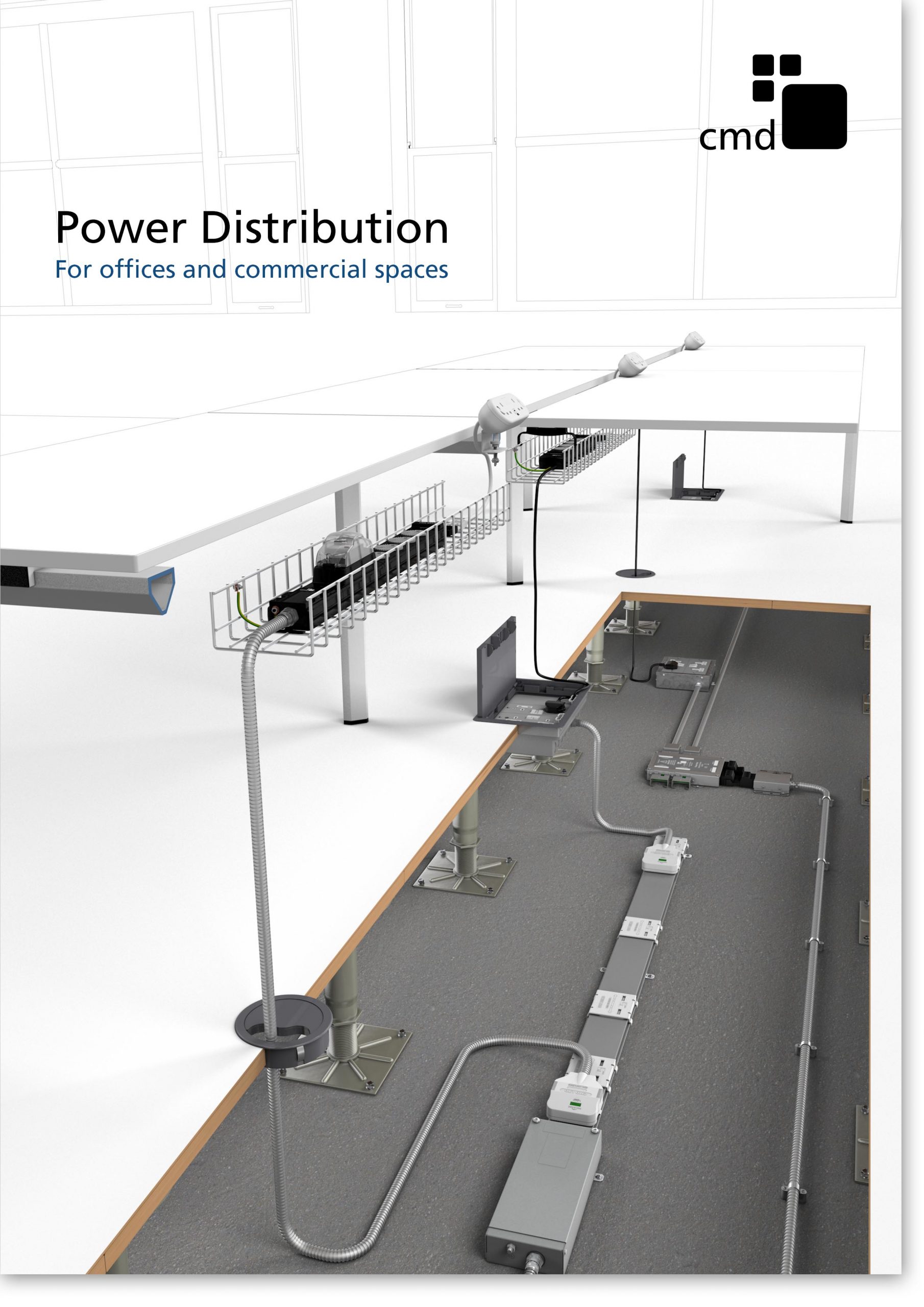
Power Distribution Catalogue
CMD Ltd PLAYS ESSENTIAL ROLE IN ELECTRICAL FIT OUT AT LONDON’S PRESTIGIOUS OFFICE DEVELOPMENT

CMD Ltd, specialist in workplace connectivity and ergonomic solutions, has provided a flexible and high-quality power distribution network for The Ray, a prestigious office development in London’s Farringdon. Well-known for being the former site of The Guardian newspaper, The Ray now stands as an 83,000ft² office development characterised by a modernised warehouse aesthetic, with level two now occupied by a global social media company. The...

Read more

The Ray
CMD plugs in to european opportunity with Schuko Capsule unit launch

CMD Ltd, the specialist in power and connectivity solutions for commercial environments, has launched a Schuko version of its popular fixed format Capsule workstation power module for export to mainland Europe and beyond. A popular on desk power module comprising two sockets and dual USB (type A and C) chargers, CMD’s Capsule unit is already widely specified in the UK as an off-the-shelf workstation power...

Read more
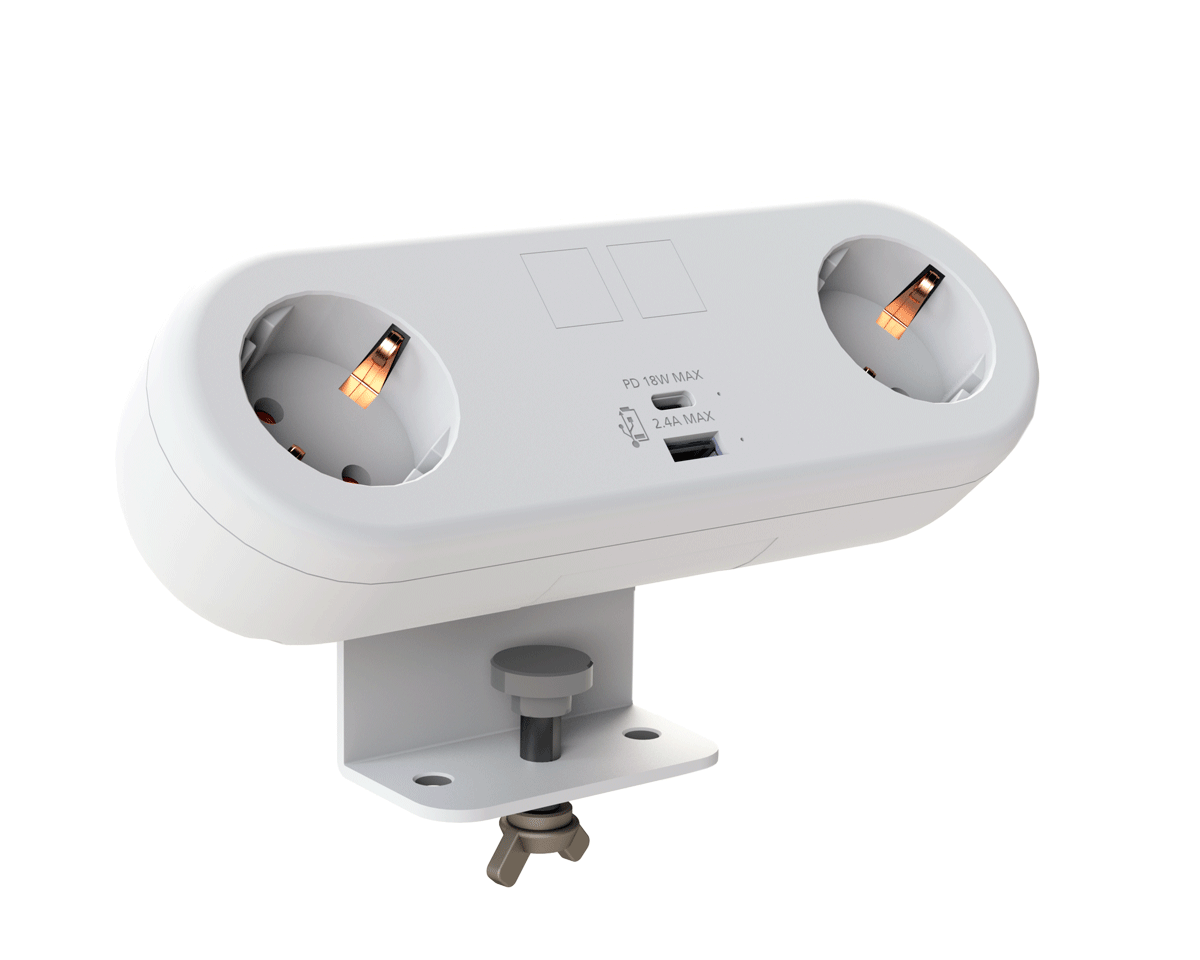
CMD White Schuko Capsule Desk Power Module
CMD LTD EXTENDS MONITOR ARM RANGE WITH THE LAUNCH OF REACH PLUS

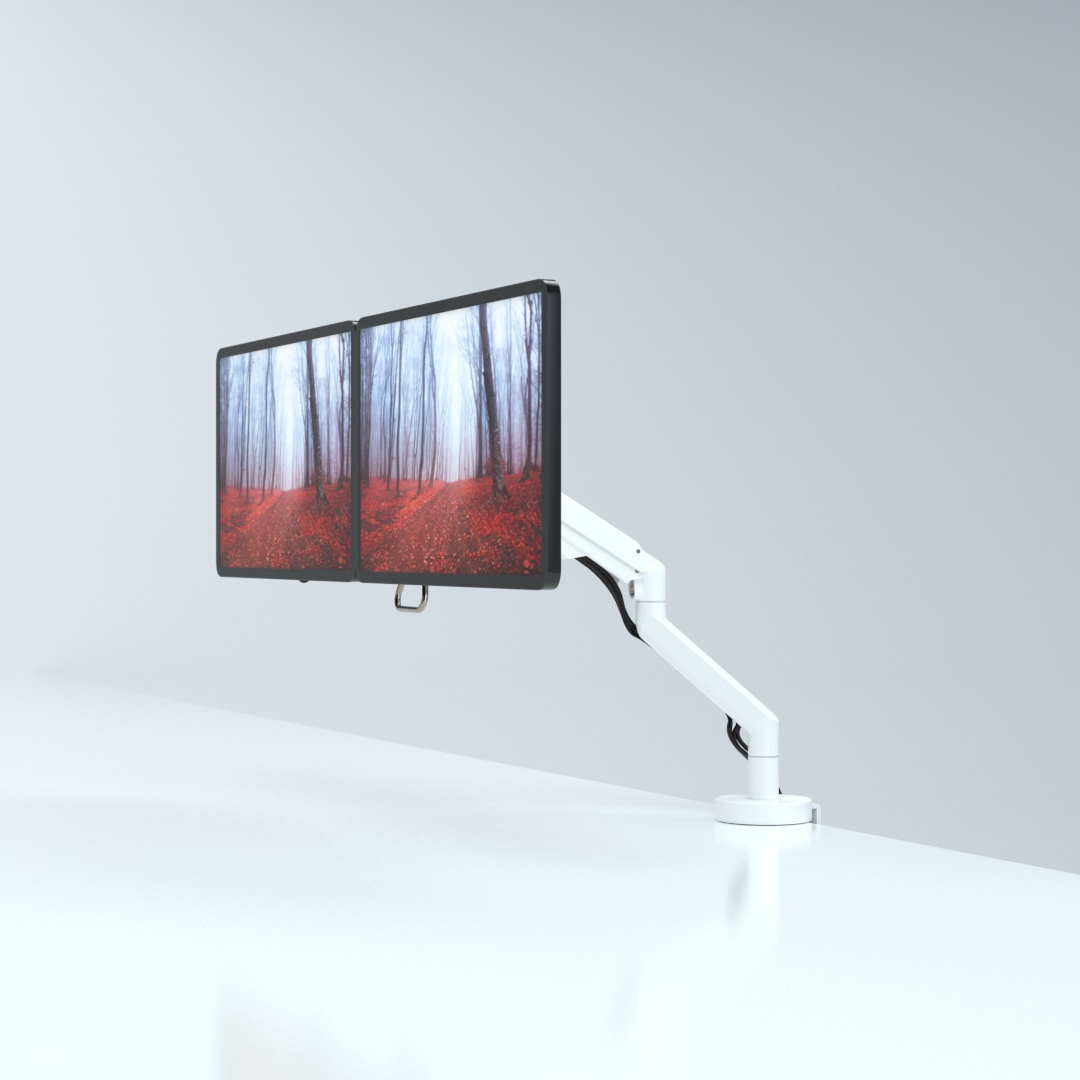
CMD Ltd, the specialist in ergonomic and connectivity solutions for commercial interiors, has completed its Reach monitor arm range with the launch of the Reach Plus. Available in single or dual screen options, the Reach Plus has been designed to provide an ideal solution for both single and dual screen workstation configurations, or can be used with next generation of large format curved screens. Suitable...

Read more
CMD Ltd DEMONSTRATES THE ART OF POWER DISTRIBUTION AT THE UNIVERSITY OF WARWICK

CMD Ltd, the specialist in workplace connectivity and ergonomic solutions, has provided Betatrak busbar power distribution and a range of electrical accessories for two major capital investment projects at the University of Warwick. Designed by Fielden Clegg Bradley Studios, the £33 million Faculty of Arts building is a showpiece development comprising four interconnected structures set around a central atrium, which will enable inter-disciplinary collaboration across...

Read more

University of Warwick
CMD BRINGS HARMONY TO COVENTRY UNIVERSITY RESEARCH FACILITIES

CMD Ltd, the specialist in power distribution solutions and workstation power and ergonomics, has provided under desk and on desk power modules for the refurbishment of three Coventry University research buildings. Located on Coventry University Technology Park, a business park designed to encourage collaboration between the university and knowledge-based businesses, the three buildings are being repurposed as office accommodation for university research teams. The refurbishment...

Read more

Coventry University

How to Choose the Best Data Transfer Cable for Your Needs?

In today's digital world, a reliable Data transfer cable is essential for effective communication between devices. Choosing the right cable can significantly impact your device performance and data transfer speed. Many options exist, but understanding your specific needs is crucial.

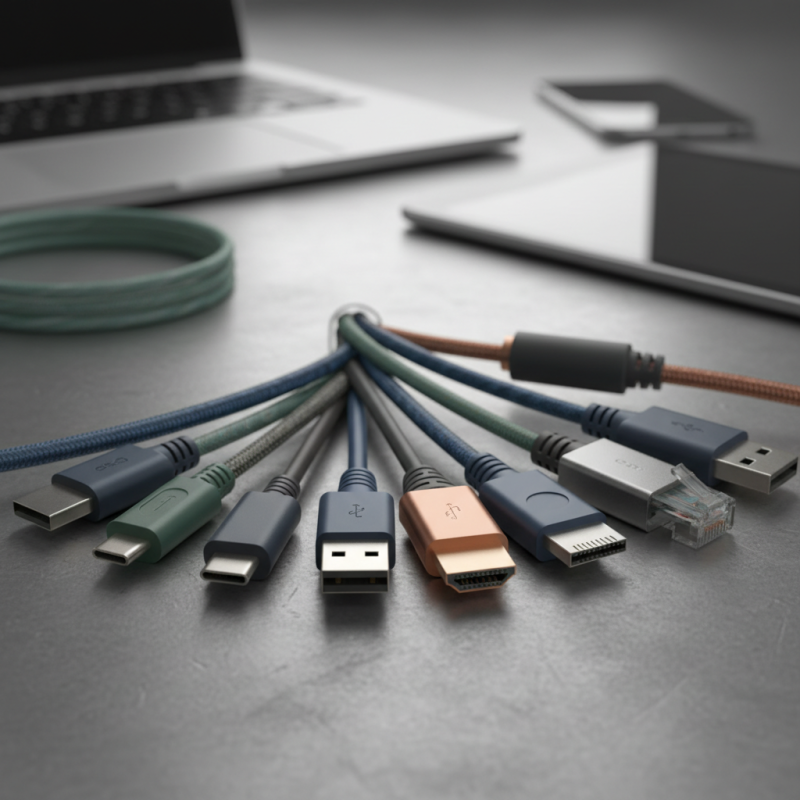
Data transfer cables come in various types, including USB, HDMI, and Ethernet. Each type serves a unique purpose. A slow or incompatible cable can lead to frustration. Take a moment to evaluate the devices you intend to connect. Compatibility and speed are key factors to consider. It is not merely about finding a cable; it's about ensuring it fits your unique requirements.

Additionally, brand reputation and customer reviews can guide your decision. However, be wary of trendy cables that may not deliver on their promises. A high price tag does not always mean better quality. Balancing quality, cost, and usability is often a challenge. Reflect on your options carefully, and aim for a cable that aligns with your needs while providing reliable service over time.

How to Choose the Best Data Transfer Cable for Your Needs?

Understanding Data Transfer Cable Types: USB, Thunderbolt, and More

When selecting a data transfer cable, understanding the different types is essential. USB cables are the most common, typically used for connecting devices like smartphones and printers. They come in various versions, including USB 2.0, 3.0, and the newer USB-C, each providing different speeds and power delivery options.

Thunderbolt, on the other hand, is known for its high-speed data transfer capabilities. It combines power, data, and video in a single cable. This makes it ideal for connecting high-performance devices, such as external hard drives and monitors. However, Thunderbolt cables tend to be more expensive and may not be necessary for everyday users.

Then there’s the more specialized cables, like Ethernet and HDMI. These cables serve unique purposes and are key in specific setups, such as networking and home theater systems. While it’s easy to choose a cable based solely on price, reflect on your actual needs. It could lead to overpaying for advanced features you may not need.

Evaluating Data Transfer Speed: Mbps vs Gbps and Its Impact

When selecting a data transfer cable, speed is crucial. Data transfer speed is often measured in megabits per second (Mbps) or gigabits per second (Gbps). Understanding these units impacts your device’s performance. Mbps represents smaller data speeds, while Gbps indicates faster transfer rates. This distinction can affect how quickly files move between devices.

Evaluate your needs carefully. For simple tasks, like transferring photos, Mbps may suffice. However, for larger files or streaming high-definition videos, Gbps is more suitable. You might find frustration when files take too long to transfer with lower-speed cables. A slow transfer can hinder productivity, especially in a fast-paced environment.

It’s important to consider the cable’s quality, too. Not all cables offer the same performance. A low-cost cable may fall short in delivering the promised speed. Check for user reviews and expert advice. This can lead you to options that stand up to scrutiny. Ultimately, making an informed choice about data transfer speed enhances your overall experience with technology.

Assessing Compatibility: Device and Operating System Requirements

When selecting a data transfer cable, compatibility is crucial. Start by checking device requirements. Some devices use USB Type-C, while others might require Micro USB. Identify your device type first. Then, verify the supported data transfer speeds. Not all cables are designed for high-speed transfers. Compatibility means not just connecting devices, but also ensuring efficiency.

Next, consider the operating system. Different systems may have distinct requirements for file transfers. Windows, Mac, and Linux could respond uniquely to data transfer methods. Using the right cable enhances this experience. Misalignment can lead to frustrating errors or slow transfers. It might be tempting to purchase the cheapest option, but lower-quality cables can cause complications.

Lastly, pay attention to sourcing quality information about cables. Not every claim meets reality. Reviewing user experiences can illuminate potential problems. Take personal preferences into account, but remain cautious about differing opinions. Choosing the right data transfer cable should be an informed decision, rooted in compatibility and knowledge.

How to Choose the Best Data Transfer Cable for Your Needs?

Cable Type Data Transfer Speed Compatibility Length Options Usage Scenario
USB 3.0 Up to 5 Gbps Windows, macOS, Linux 1m, 2m, 3m External Hard Drives, Printers
USB-C Up to 10 Gbps Latest Windows, macOS 1m, 1.5m, 2m Smartphones, Laptops
Thunderbolt 3 Up to 40 Gbps Windows, macOS 0.5m, 1m, 2m Docking Stations, High-speed Drives
HDMI N/A TVs, Monitors, Projectors 1m, 2m, 5m Video Output
Ethernet Cable Up to 1 Gbps Routers, PCs, Switches 1m, 3m, 10m Network Connections

Analyzing Cable Length vs Performance: Finding the Ideal Balance

When selecting a data transfer cable, understanding cable length and performance is crucial. The length of the cable directly affects data transmission speed and signal quality. Shorter cables often reduce the chances of interference and signal loss, ensuring optimal performance. However, many users may require longer cables for practical reasons, like connecting devices across a room. This is where compromise comes into play.

Finding the ideal balance between cable length and performance can be challenging. Longer cables may introduce latency and reduce data transfer speeds, especially if they exceed recommended lengths. It's essential to consider usage scenarios. If you frequently work with large files, a shorter, high-quality cable may be more beneficial. Yet, for convenience, you might choose a longer cable, accepting the risk of a slight performance dip.

It's worth noting that not all applications are equally sensitive to these factors. Casual users may not notice a significant drop in speed, while professionals may require precise quality. Each situation calls for a tailored approach. Reflecting on your personal needs and testing various options can lead to a more informed decision.

Determining Build Quality: Materials and Durability Factors to Consider

When selecting a data transfer cable, build quality is paramount. The materials used directly affect durability and performance. Look for cables made from premium materials like high-grade copper. This ensures optimal data transmission speeds and reliability. The outer casing should be sturdy, protecting the internal components from wear and tear. Pay attention to the connectors as well; they should fit snugly to prevent disconnections.

Tips: Always check for fraying or loose connectors before purchasing. A well-made cable can save you from future problems.

Durability is often reflected in the weight of the cable. Heavier cables are usually better built. However, not all heavy cables are of good quality. Some may use inferior materials to add weight. Look for a balance between heft and construction integrity.

Tips: Read customer reviews to gain insight into real-world durability. Don't just rely on specifications; consider the experiences of others.

Data Transfer Cable Build Quality Analysis

This chart illustrates the build quality factors of data transfer cables based on various criteria. Each factor is rated on a scale of 1 to 10, with higher values indicating better quality.