

News

Miro: A New Standard in Responsible Innovation

Miro: A New Standard in Responsible Innovation The Miro monitor arm is setting new benchmarks in sustainability. It offers a high-performance solution without compromising on environmental responsibility. Designed with careful material selection, local sourcing, and longevity in mind, Miro’s responsible approach to design and unique manoeuvrability set it apart from the competition. Sustainable Choices Miro is crafted from energy-efficient materials with a lower carbon impact....

Read more
HSE Advisor

Role Purpose Support in the development, implementation and maintenance of the company’s Health, Safety & Environmental policies, processes, operational procedures, and standards.  Ensuring best practice and championing a continually improving HSE culture within the business. Key Responsibilities Liaise with and provide support to all areas of the business to eliminate, mitigate or reduce identified HSE exposures. Partner with the production management team and team leaders,...

Read more
CMD Ltd LAUNCHES 48-HOUR TURNAROUND ON BETATRAK® RAPID ORDERING SERVICE

CMD Ltd, the specialist in power distribution systems, workstation power and monitor arms, has launched a rapid ordering service for its Betatrak® underfloor powertrack distribution systems and accessories, with a commitment to delivering within 48-hours of an approved purchase order*. The service enables customers to order up to 50 lengths of Standard or Clean Earth (C/E) low noise Betatrak, along with up to 25 feed...

Read more

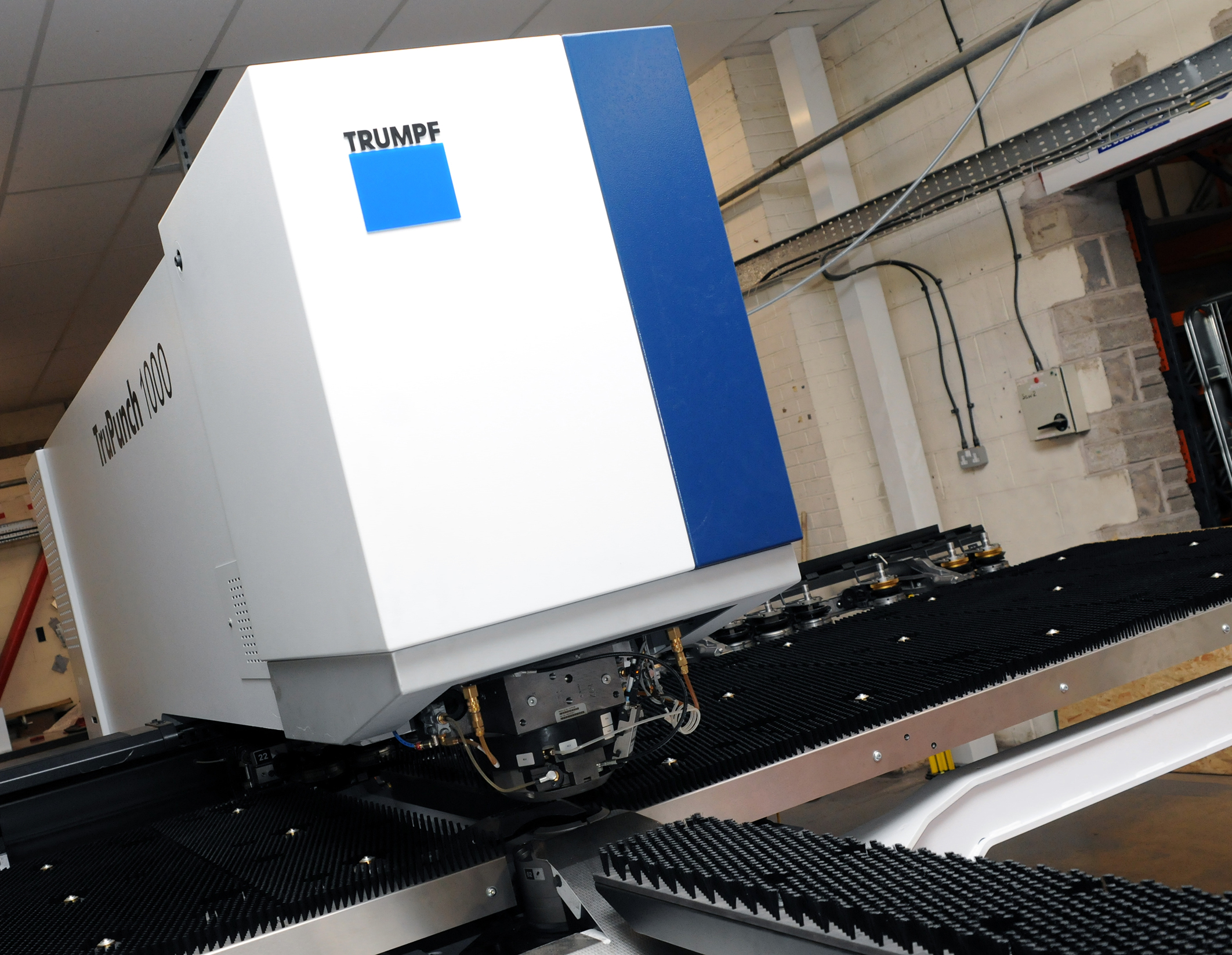
CMD INVESTS £1/4 MILLION IN NEW MACHINE AS PART OF FACTORY UPGRADE

We have invested in a new £1/4m TRUMPF CNC metal punch as part of an asset renewal strategy for our UK manufacturing capability. The new machine will be used in the production of a wide variety of our power distribution systems and workstation power products at our Rotherham factory. Suitable for handling sheet metal between 0.9mm and 3.0mm thick, the new machine will replace one...

Read more
CMD CATALOGUE PROVIDES TECHNICAL POWER DISTRIBUTION GUIDE

CMD Ltd has released a new catalogue, providing an easy to follow technical guide to our power distribution systems and plug and play desk modules. Detailing CMD’s full range of UK-manufactured power distribution systems and plug and play desk modules, the catalogue will be a helpful source of information to M&E engineers and contractors alike to understand how our power distribution systems connect together and...

Read more
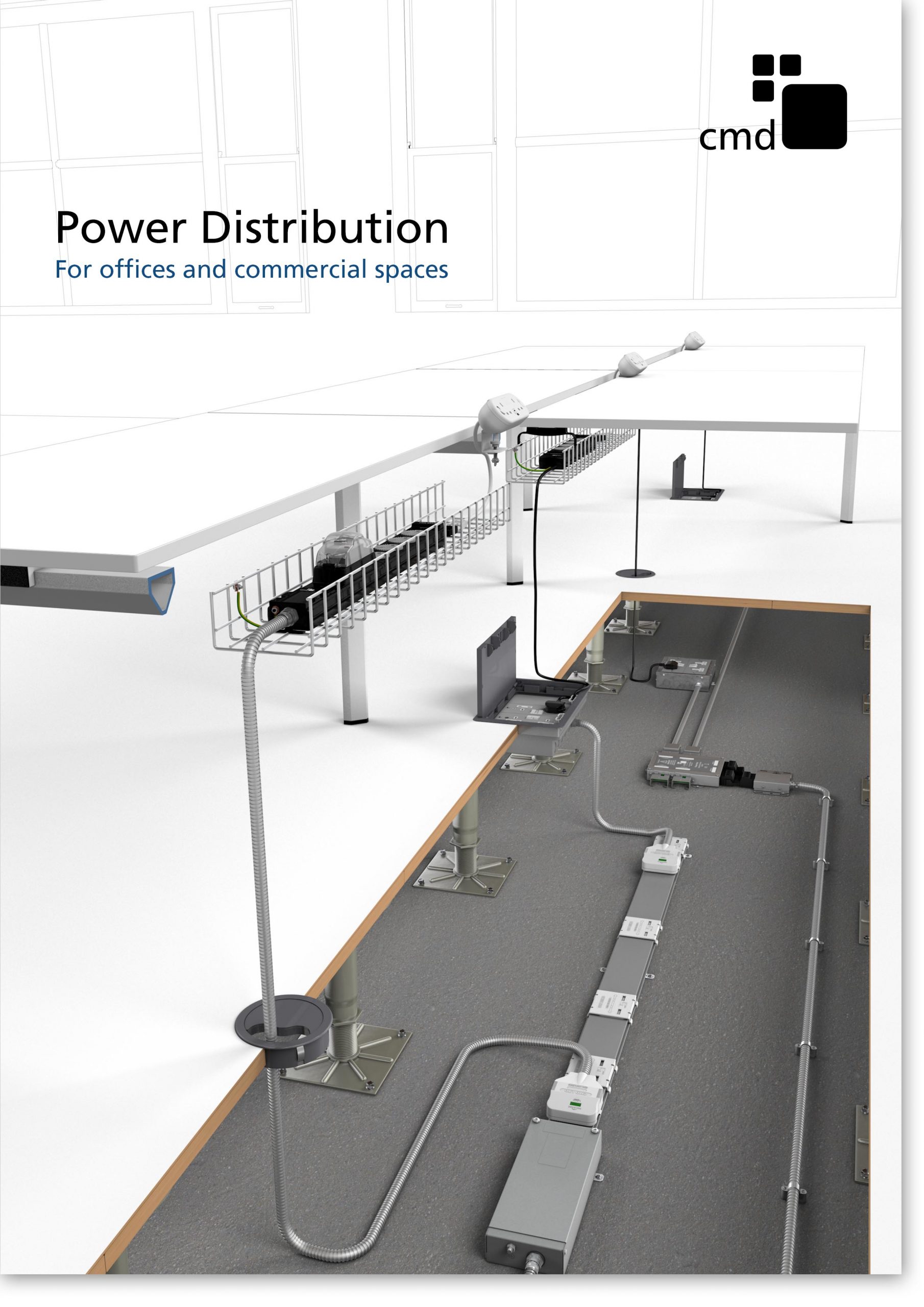
Power Distribution Catalogue
CMD Ltd PLAYS ESSENTIAL ROLE IN ELECTRICAL FIT OUT AT LONDON’S PRESTIGIOUS OFFICE DEVELOPMENT

CMD Ltd, specialist in workplace connectivity and ergonomic solutions, has provided a flexible and high-quality power distribution network for The Ray, a prestigious office development in London’s Farringdon. Well-known for being the former site of The Guardian newspaper, The Ray now stands as an 83,000ft² office development characterised by a modernised warehouse aesthetic, with level two now occupied by a global social media company. The...

Read more

The Ray
CMD plugs in to european opportunity with Schuko Capsule unit launch

CMD Ltd, the specialist in power and connectivity solutions for commercial environments, has launched a Schuko version of its popular fixed format Capsule workstation power module for export to mainland Europe and beyond. A popular on desk power module comprising two sockets and dual USB (type A and C) chargers, CMD’s Capsule unit is already widely specified in the UK as an off-the-shelf workstation power...

Read more
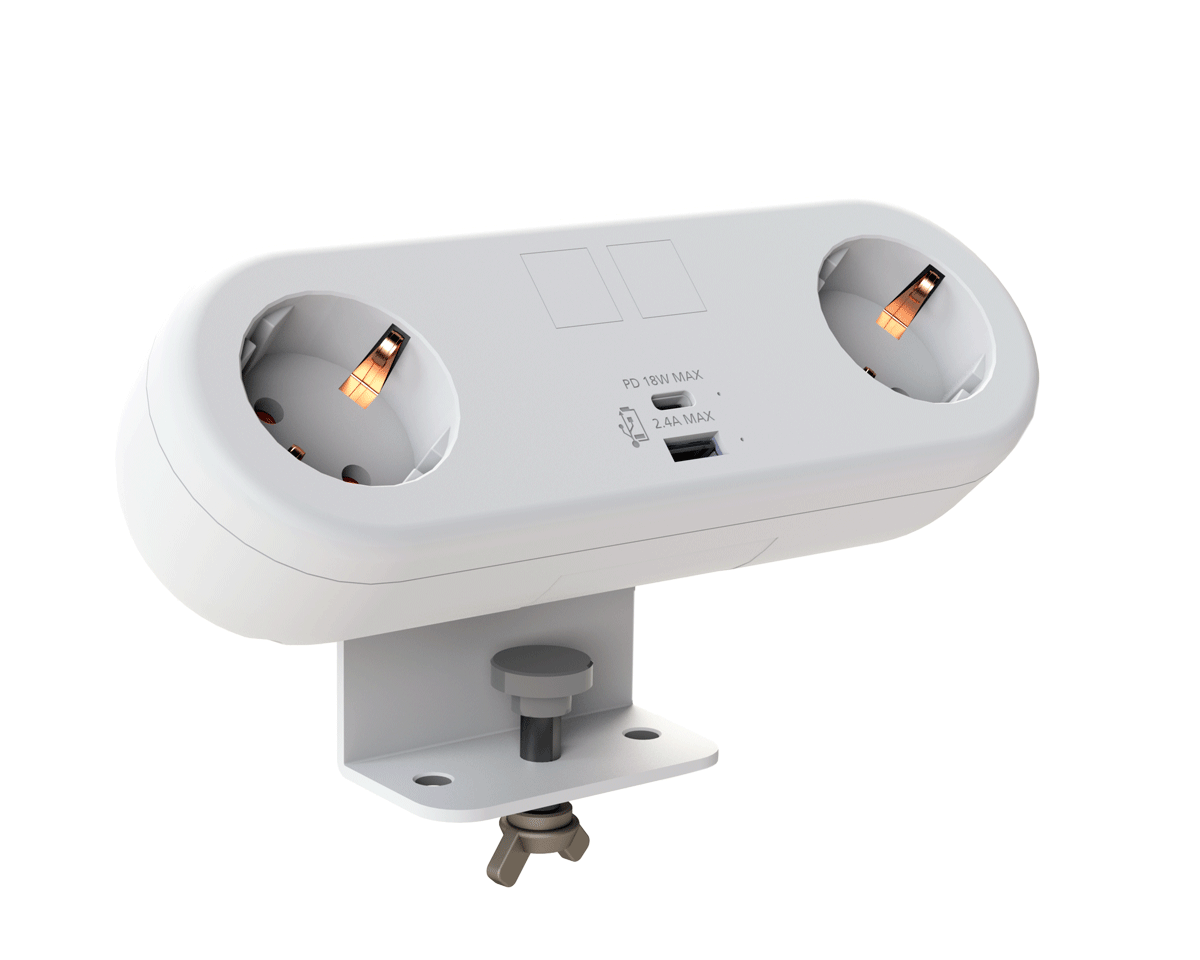
CMD White Schuko Capsule Desk Power Module
CMD LTD EXTENDS MONITOR ARM RANGE WITH THE LAUNCH OF REACH PLUS

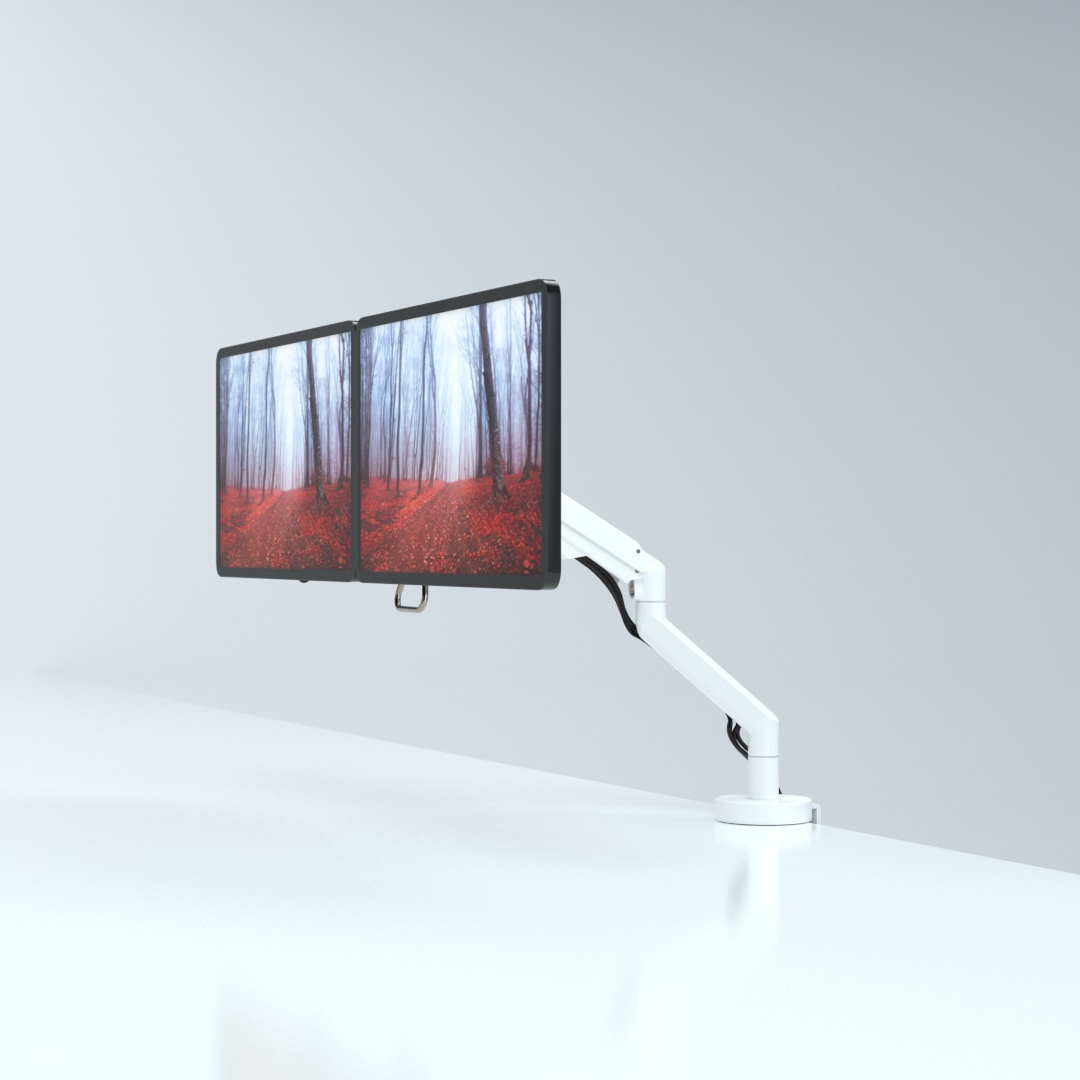
CMD Ltd, the specialist in ergonomic and connectivity solutions for commercial interiors, has completed its Reach monitor arm range with the launch of the Reach Plus. Available in single or dual screen options, the Reach Plus has been designed to provide an ideal solution for both single and dual screen workstation configurations, or can be used with next generation of large format curved screens. Suitable...

Read more
CMD Ltd DEMONSTRATES THE ART OF POWER DISTRIBUTION AT THE UNIVERSITY OF WARWICK

CMD Ltd, the specialist in workplace connectivity and ergonomic solutions, has provided Betatrak busbar power distribution and a range of electrical accessories for two major capital investment projects at the University of Warwick. Designed by Fielden Clegg Bradley Studios, the £33 million Faculty of Arts building is a showpiece development comprising four interconnected structures set around a central atrium, which will enable inter-disciplinary collaboration across...

Read more

University of Warwick
CMD BRINGS HARMONY TO COVENTRY UNIVERSITY RESEARCH FACILITIES

CMD Ltd, the specialist in power distribution solutions and workstation power and ergonomics, has provided under desk and on desk power modules for the refurbishment of three Coventry University research buildings. Located on Coventry University Technology Park, a business park designed to encourage collaboration between the university and knowledge-based businesses, the three buildings are being repurposed as office accommodation for university research teams. The refurbishment...

Read more

Coventry University

2026 How to Choose Stability Chambers in Pharmaceutical Industry?

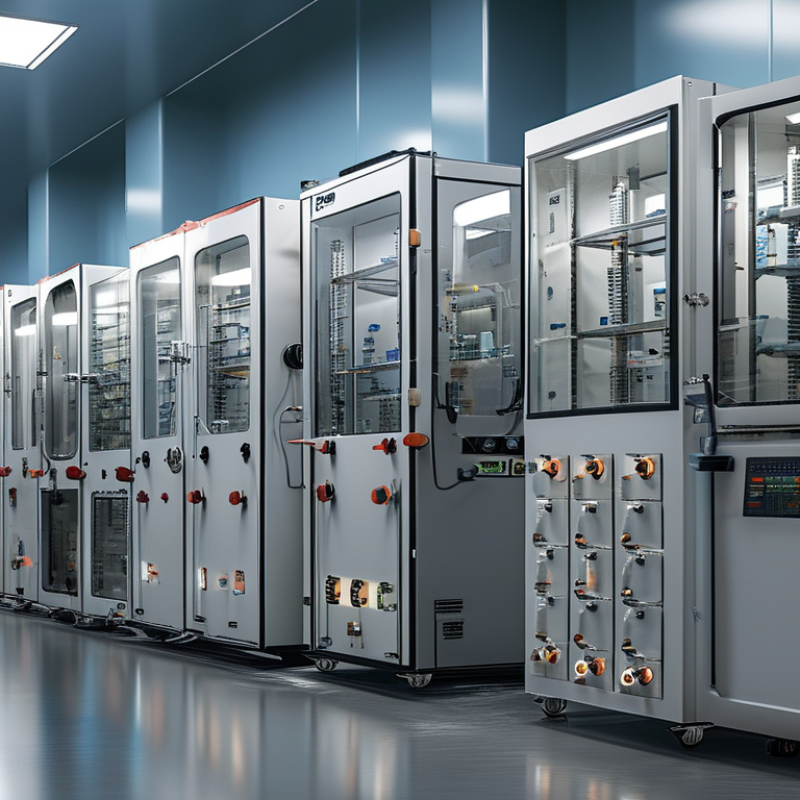
In the pharmaceutical industry, the importance of stability chambers cannot be overstated. These chambers play a crucial role in ensuring the integrity of drug products throughout their shelf life. According to a report by the International Society for Pharmaceutical Engineering (ISPE), 90% of drug failures in the market originate from stability issues. Hence, selecting the right Stability Chambers In Pharmaceutical settings becomes vital.

The diverse environmental conditions that drugs must withstand make choosing the right stability chambers essential for compliance. The ICH guidelines indicate that stability studies must simulate various climatic zones, hence the need for chambers that provide precise temperature and humidity controls. Many manufacturers face challenges in meeting these stringent requirements. Data from the Pharmaceutical Research and Manufacturers of America (PhRMA) indicates that 30% of companies still struggle with outdated stability testing equipment. This raises questions about reliability and indicates a gap that needs addressing.

While the market offers various options, not all stability chambers provide the same level of performance. Some may lack the required temperature uniformity or fail to maintain humidity levels consistently. Decision-makers must critically evaluate choices, question reliability, and seek chambers that align with their specific needs. Thus, understanding the parameters that govern these stability chambers in the pharmaceutical industry is essential for maintaining product quality.

2026 How to Choose Stability Chambers in Pharmaceutical Industry?

Understanding the Role of Stability Chambers in Pharmaceuticals

Stability chambers play a vital role in the pharmaceutical industry. They are essential for testing the shelf life and efficacy of medications. By simulating various environmental conditions, these chambers help ensure that products remain safe and effective over time.

Understanding the specific environmental parameters is crucial. Temperature, humidity, and light can significantly impact drug stability. Choosing the right chamber involves evaluating these factors. For example, does your product require specific temperature ranges? What humidity levels should be maintained? These details are important for accurate testing.

Challenges may arise during the selection process. Not all stability chambers offer the same features. Some may lack advanced monitoring systems, which can be a drawback. Reliable documentation and validation processes are also critical. Inadequate records can lead to compliance issues. Thoughtful consideration of these aspects is essential for proper stability testing in the pharmaceutical sector.

Stability Chamber Usage in Pharmaceutical Industry

Key Specifications to Consider When Selecting Stability Chambers

When selecting stability chambers in the pharmaceutical industry, there are essential specifications to consider. Temperature control is critical. The ideal temperature range for most pharmaceuticals is typically between 2°C to 8°C. These chambers maintain precise conditions to ensure the integrity of products. According to recent data, deviations in temperature can lead to a significant reduction in product efficacy.

Humidity levels also play a crucial role. A stability chamber should maintain relative humidity levels between 30% to 75%. Fluctuating humidity can cause unwanted reactions, leading to product degradation. Studies indicate that about 30% of stability tests fail due to improper humidity levels. Ensuring that chambers have reliable humidity sensors is vital for accurate monitoring.

Another important factor is the chamber's volume and capacity. Smaller chambers may be suitable for limited batches, while larger ones accommodate extensive testing. However, the cost-effectiveness of the chosen size must be assessed. Some facilities may underestimate their needs, leading to the need for future upgrades. This could disrupt operations and impact timelines. Overall, understanding these key specifications helps in making informed decisions for pharmaceutical stability testing.

Types of Stability Chambers and Their Applications in the Industry

Stability chambers play a crucial role in the pharmaceutical industry. They ensure that products maintain their efficacy and safety over time. Various types of chambers exist, tailored for specific needs. For example, environmental chambers control temperature and humidity, which are vital for drug preservation. These chambers mimic extreme conditions that products may encounter.

Walk-in stability chambers offer significant space for large quantities of samples. They promote efficient organization and allow simultaneous testing. Furthermore, refrigerated stability chambers are ideal for items requiring consistent low temperatures. This specificity prevents degradation.

Companies must reflect on their needs when selecting chambers. Different products require unique conditions. It’s not always simple to determine those needs. Inadequate testing can lead to poor product stability assessments. Therefore, experience and expertise are key in making informed decisions. Regular reviews of chamber performance determine if they meet evolving industry standards.

Factors Influencing the Performance of Stability Chambers

When choosing stability chambers for pharmaceutical applications, several factors significantly influence their performance. One critical aspect is temperature uniformity. It is essential to ensure that the chamber maintains consistent temperatures throughout. Fluctuations can adversely affect the stability of pharmaceutical products. Regular calibration and monitoring are necessary to achieve this uniformity.


Another important factor is humidity control. Many pharmaceutical products require specific humidity levels for optimal stability. It is vital to know the product’s requirements and select a chamber that can maintain the desired humidity range effectively. Failure to do so may lead to product degradation or reduced efficacy.


Additionally, the chamber’s design and construction materials matter. High-quality insulation and proper seals help minimize external influences. Consider how easy it is to access the chamber for routine maintenance and validation. A well-designed chamber not only improves performance but also supports compliance with regulatory standards.


Investing time in evaluating these elements can enhance your stability testing processes in the pharmaceutical industry, ensuring products remain safe and effective.

Regulatory Compliance for Stability Chamber Selection in Pharma

Selecting stability chambers in the pharmaceutical industry hinges significantly on regulatory compliance. The regulatory landscape demands stringent conditions that must be met. Companies must understand guidelines from regulatory bodies like the FDA and EMA. These guidelines often dictate temperature, humidity, and light exposure parameters.

Testing conditions should reflect real-world scenarios. Stability chambers simulate various environments to ensure product efficacy and safety. It is vital to choose chambers that offer precise control over these variables. However, some companies may cut corners, leading to non-compliance. This can result in data discrepancies and potentially jeopardize product approval.

Regular evaluation of equipment is essential. Calibration and validation are not mere formalities; they ensure data integrity. While some organizations may overlook the importance of these steps, doing so could have severe consequences. Embracing a culture of compliance and thoroughness promotes reliability in stability testing. Strive for excellence, yet be aware of the potential pitfalls in selecting equipment.

2026 How to Choose Stability Chambers in Pharmaceutical Industry?

Parameter Description Regulatory Standards Recommended Features
Temperature Control Maintaining precise temperature ranges. ICH Q1A(R2), FDA Guidelines Uniform distribution and accuracy of +/− 0.5°C.
Humidity Control Control of moisture levels for stability testing. ICH Q1A(R2) Ability to reach and maintain set points of 30-75% RH.
Airflow System Ensure homogeneity of environmental conditions. FDA, GMP Regulations Vertical or horizontal airflow designs for uniformity.
Data Logging Automated recording of temperature and humidity. ICH Guidelines Real-time monitoring and alarm capabilities.
Capacity Size of the chamber to accommodate products. FDA Compliance Sufficient space for future testing requirements.
Validation Verification of equipment performance. GMP, ISO 17025 Protocols for qualification and maintenance.