

News

Miro: A New Standard in Responsible Innovation

Miro: A New Standard in Responsible Innovation The Miro monitor arm is setting new benchmarks in sustainability. It offers a high-performance solution without compromising on environmental responsibility. Designed with careful material selection, local sourcing, and longevity in mind, Miro’s responsible approach to design and unique manoeuvrability set it apart from the competition. Sustainable Choices Miro is crafted from energy-efficient materials with a lower carbon impact....

Read more
HSE Advisor

Role Purpose Support in the development, implementation and maintenance of the company’s Health, Safety & Environmental policies, processes, operational procedures, and standards.  Ensuring best practice and championing a continually improving HSE culture within the business. Key Responsibilities Liaise with and provide support to all areas of the business to eliminate, mitigate or reduce identified HSE exposures. Partner with the production management team and team leaders,...

Read more
CMD Ltd LAUNCHES 48-HOUR TURNAROUND ON BETATRAK® RAPID ORDERING SERVICE

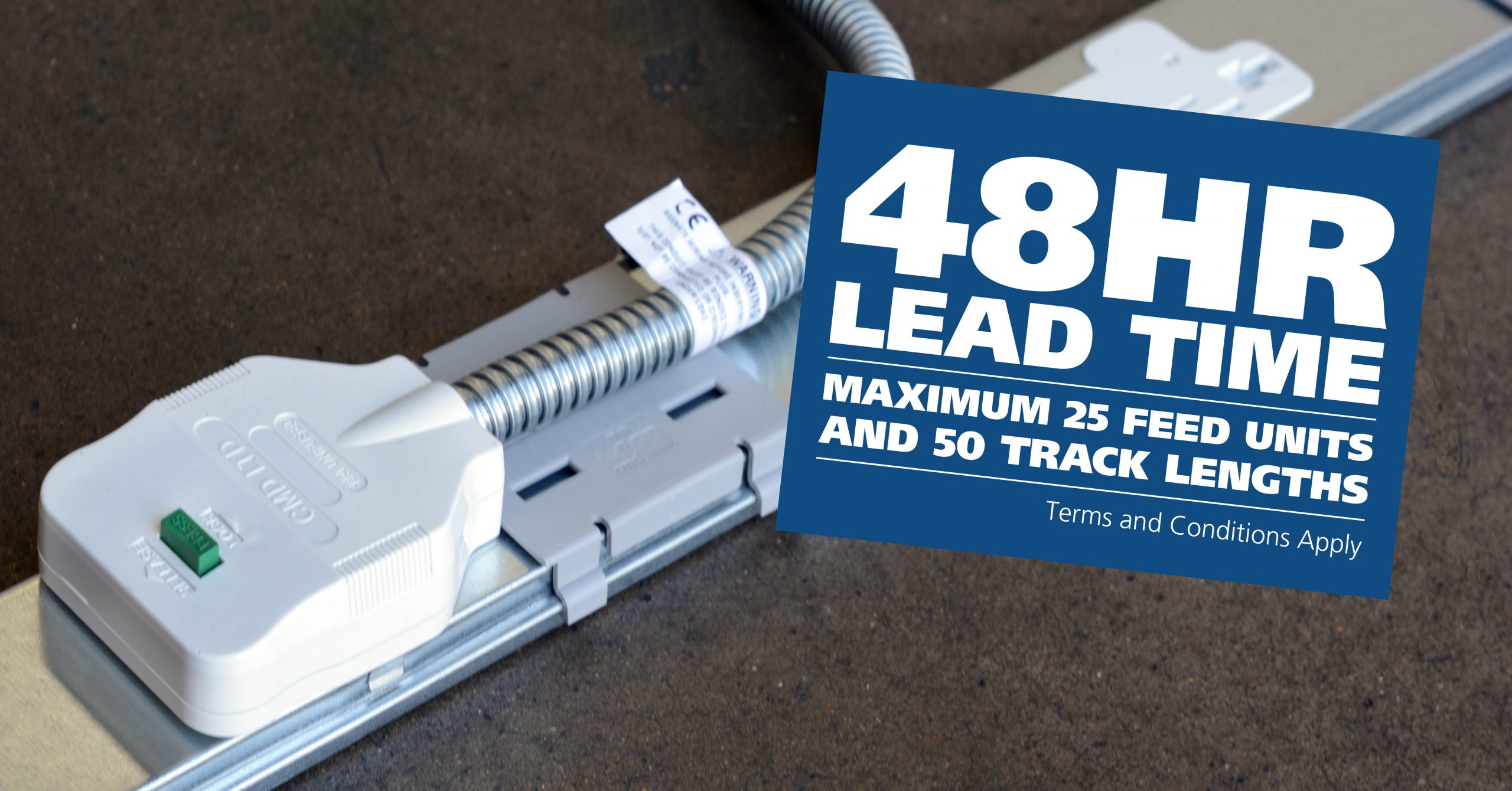
CMD Ltd, the specialist in power distribution systems, workstation power and monitor arms, has launched a rapid ordering service for its Betatrak® underfloor powertrack distribution systems and accessories, with a commitment to delivering within 48-hours of an approved purchase order*. The service enables customers to order up to 50 lengths of Standard or Clean Earth (C/E) low noise Betatrak, along with up to 25 feed...

Read more
CMD INVESTS £1/4 MILLION IN NEW MACHINE AS PART OF FACTORY UPGRADE

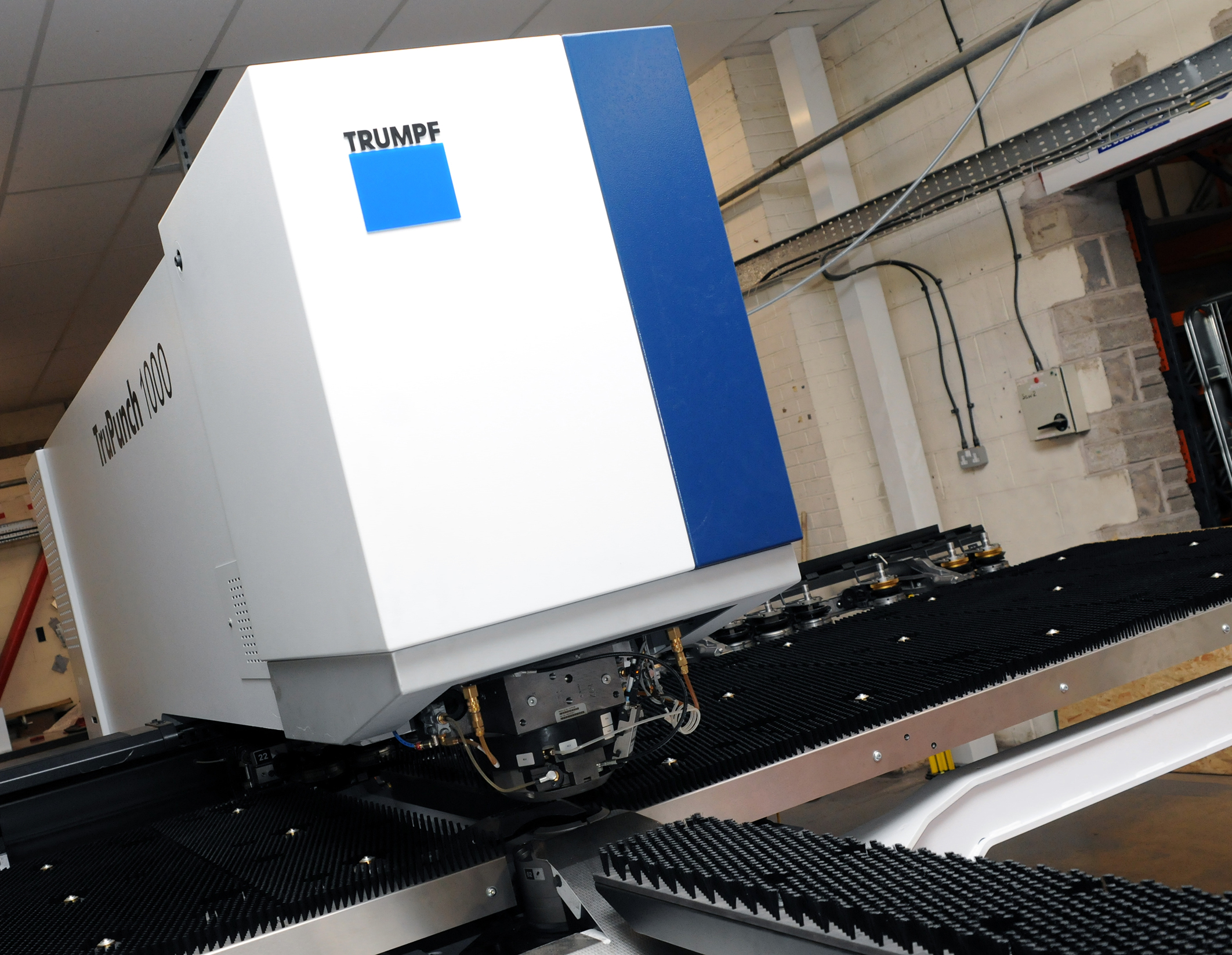
We have invested in a new £1/4m TRUMPF CNC metal punch as part of an asset renewal strategy for our UK manufacturing capability. The new machine will be used in the production of a wide variety of our power distribution systems and workstation power products at our Rotherham factory. Suitable for handling sheet metal between 0.9mm and 3.0mm thick, the new machine will replace one...

Read more
CMD CATALOGUE PROVIDES TECHNICAL POWER DISTRIBUTION GUIDE

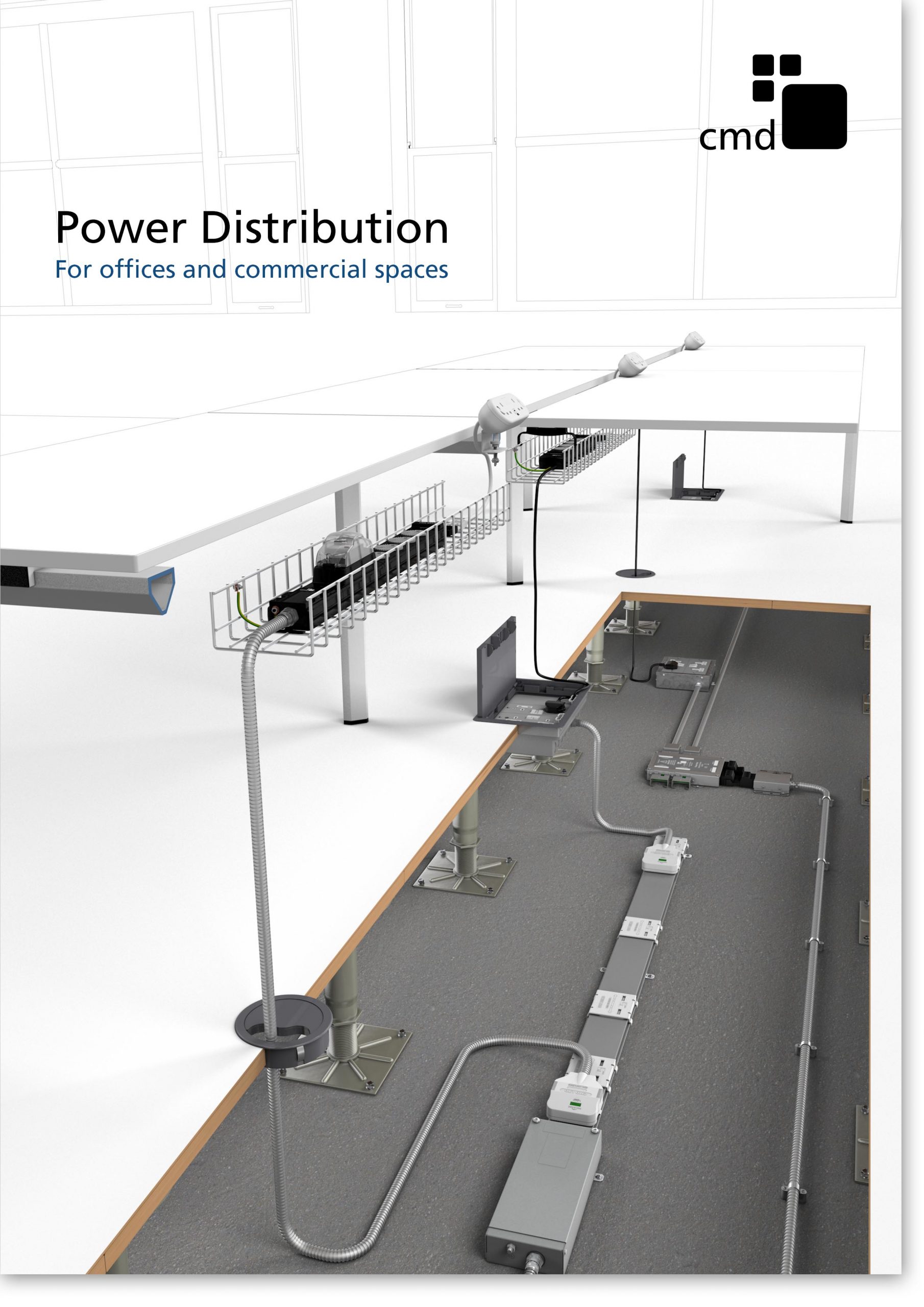
CMD Ltd has released a new catalogue, providing an easy to follow technical guide to our power distribution systems and plug and play desk modules. Detailing CMD’s full range of UK-manufactured power distribution systems and plug and play desk modules, the catalogue will be a helpful source of information to M&E engineers and contractors alike to understand how our power distribution systems connect together and...

Read more
Power Distribution Catalogue
CMD Ltd PLAYS ESSENTIAL ROLE IN ELECTRICAL FIT OUT AT LONDON’S PRESTIGIOUS OFFICE DEVELOPMENT

CMD Ltd, specialist in workplace connectivity and ergonomic solutions, has provided a flexible and high-quality power distribution network for The Ray, a prestigious office development in London’s Farringdon. Well-known for being the former site of The Guardian newspaper, The Ray now stands as an 83,000ft² office development characterised by a modernised warehouse aesthetic, with level two now occupied by a global social media company. The...

Read more

The Ray
CMD plugs in to european opportunity with Schuko Capsule unit launch

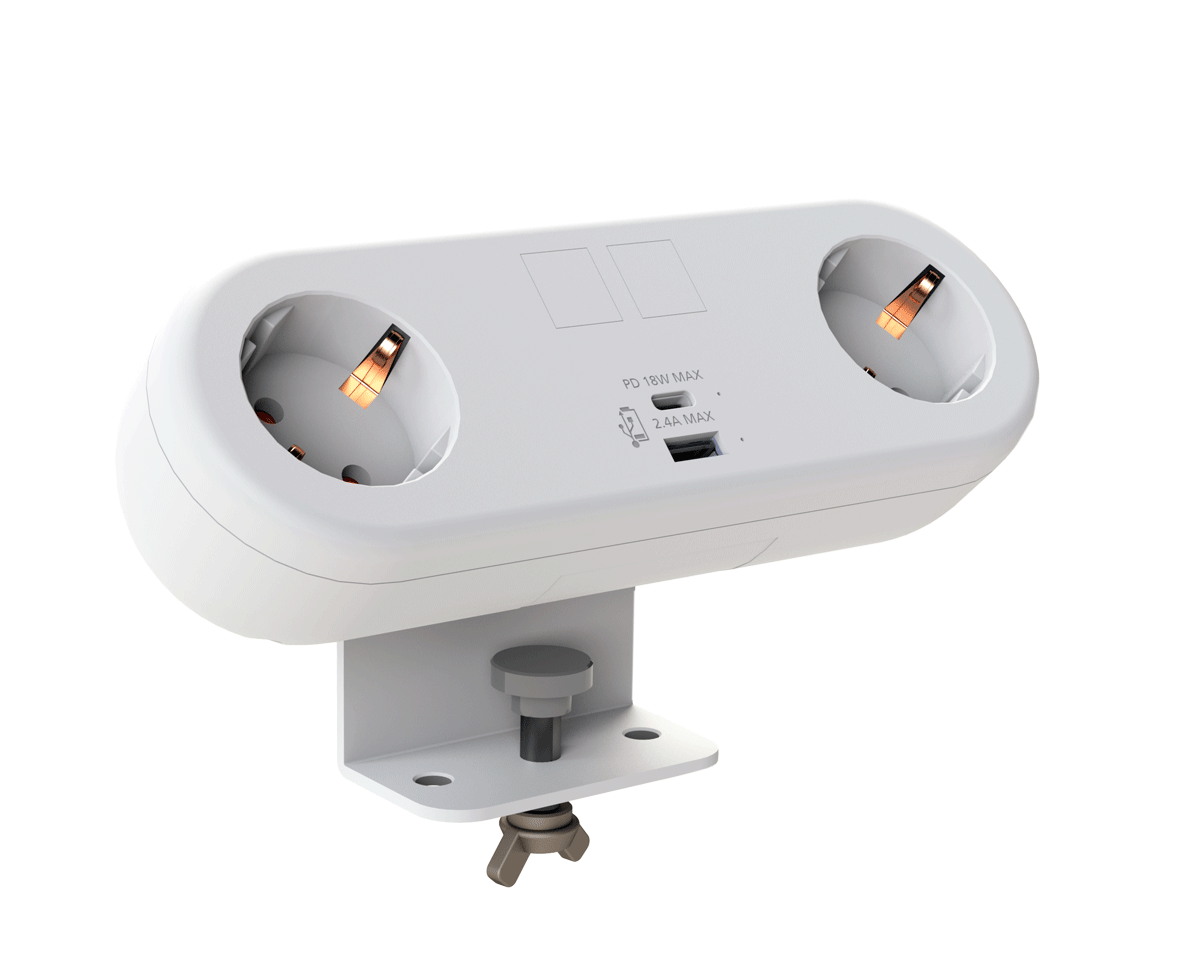
CMD Ltd, the specialist in power and connectivity solutions for commercial environments, has launched a Schuko version of its popular fixed format Capsule workstation power module for export to mainland Europe and beyond. A popular on desk power module comprising two sockets and dual USB (type A and C) chargers, CMD’s Capsule unit is already widely specified in the UK as an off-the-shelf workstation power...

Read more
CMD White Schuko Capsule Desk Power Module
CMD LTD EXTENDS MONITOR ARM RANGE WITH THE LAUNCH OF REACH PLUS

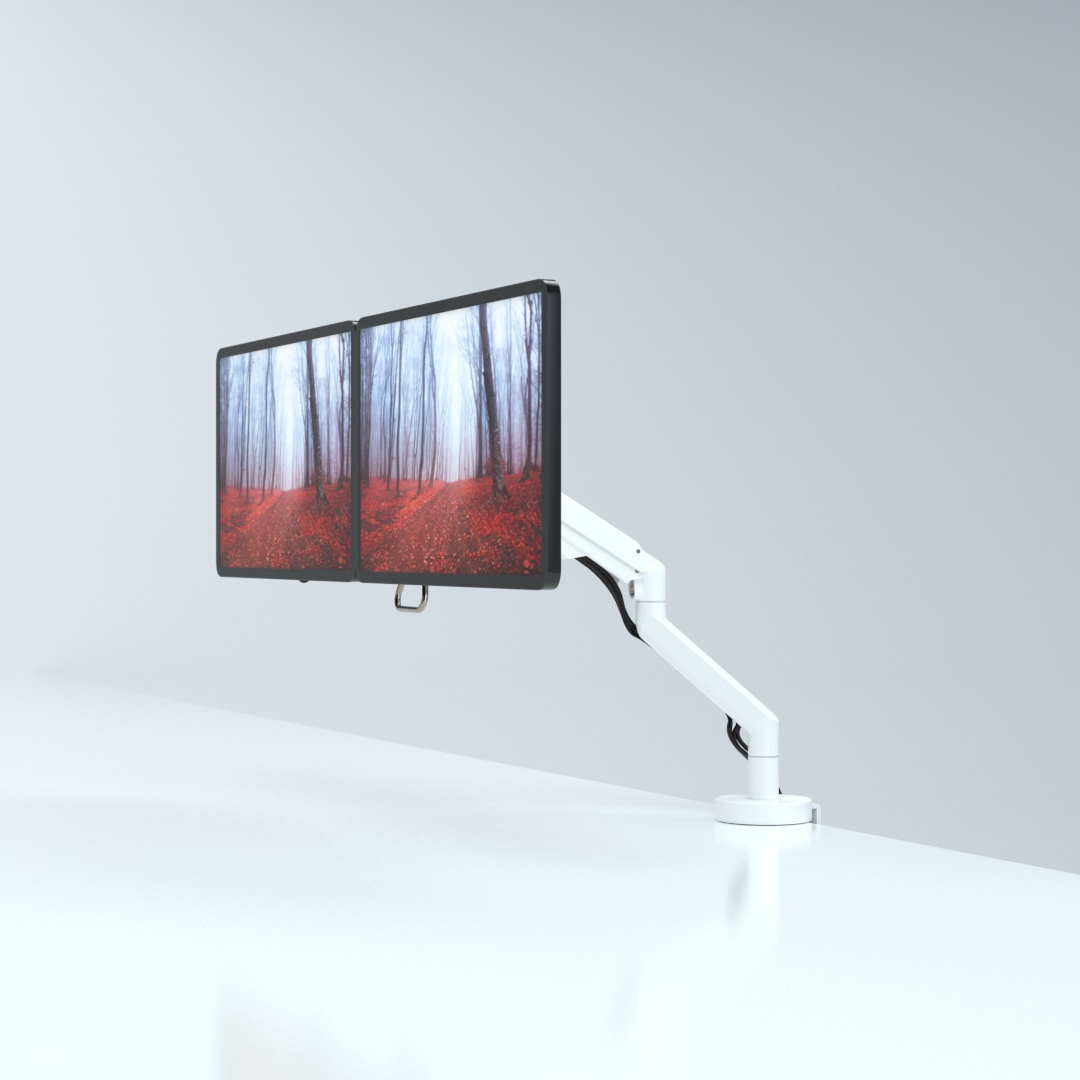
CMD Ltd, the specialist in ergonomic and connectivity solutions for commercial interiors, has completed its Reach monitor arm range with the launch of the Reach Plus. Available in single or dual screen options, the Reach Plus has been designed to provide an ideal solution for both single and dual screen workstation configurations, or can be used with next generation of large format curved screens. Suitable...

Read more
CMD Ltd DEMONSTRATES THE ART OF POWER DISTRIBUTION AT THE UNIVERSITY OF WARWICK

CMD Ltd, the specialist in workplace connectivity and ergonomic solutions, has provided Betatrak busbar power distribution and a range of electrical accessories for two major capital investment projects at the University of Warwick. Designed by Fielden Clegg Bradley Studios, the £33 million Faculty of Arts building is a showpiece development comprising four interconnected structures set around a central atrium, which will enable inter-disciplinary collaboration across...

Read more

University of Warwick
CMD BRINGS HARMONY TO COVENTRY UNIVERSITY RESEARCH FACILITIES

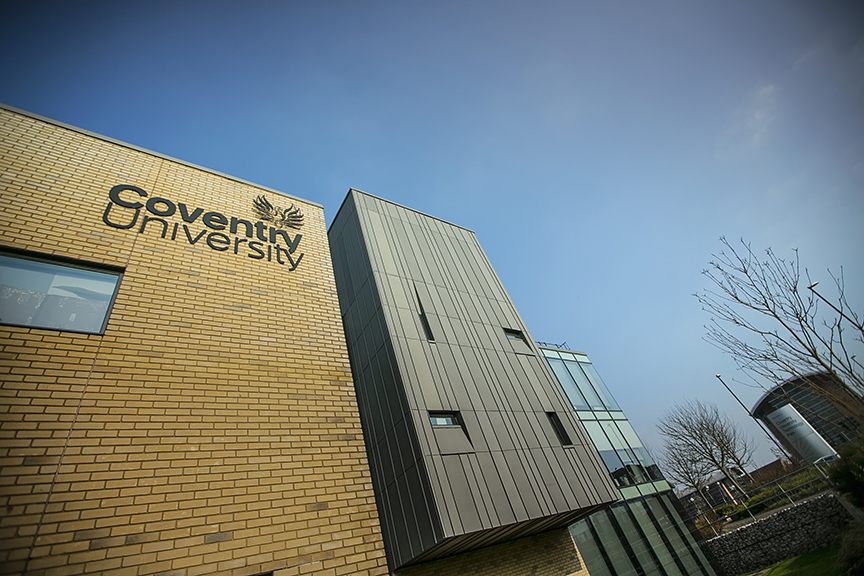
CMD Ltd, the specialist in power distribution solutions and workstation power and ergonomics, has provided under desk and on desk power modules for the refurbishment of three Coventry University research buildings. Located on Coventry University Technology Park, a business park designed to encourage collaboration between the university and knowledge-based businesses, the three buildings are being repurposed as office accommodation for university research teams. The refurbishment...

Read more

Coventry University

How to Choose the Right Formwork Turnbuckle for Your Project?

Choosing the right formwork turnbuckle is crucial for the success of any construction project. According to the Global Formwork Market report by ResearchAndMarkets, the demand for reliable formwork solutions has surged by 25% in the last two years. This trend underscores the importance of selecting high-quality turnbuckles, which provide stability and safety for formwork systems.

Industry expert John Smith, a renowned structural engineer, emphasizes, "The effectiveness of formwork systems hinges on the strength and reliability of turnbuckles." His insight points to the need for careful consideration in the selection process.

Factors such as material strength, load capacity, and compatibility with existing systems are vital. Neglecting these details can lead to costly delays and safety hazards. Additionally, understanding the specific requirements of your project will guide you toward the most suitable formwork turnbuckle options. Choosing incorrectly can compromise both the structural integrity and financial viability of a project.

How to Choose the Right Formwork Turnbuckle for Your Project?

Understanding the Purpose of Formwork Turnbuckles in Construction

Formwork turnbuckles play a crucial role in construction projects. They are essential for stabilizing formwork structures. Their primary purpose is to adjust tension and maintain alignment during the pouring of concrete. When used correctly, they ensure that the formwork withstands the pressure of wet concrete. This stability is vital for achieving the desired shape and quality of the finished product.

Choosing the right turnbuckle is not always straightforward. Variations in size and strength can make a significant difference. Assessing project requirements is essential. Some projects may require heavy-duty turnbuckles due to larger loads. Others might need lighter options for smaller tasks. Testing several types on-site can help determine the appropriate selection. However, over-relying on one type may lead to undesirable outcomes, such as structural failure.

Safety is paramount on any construction site. Incorrectly installed turnbuckles can lead to accidents. Regular inspections and maintenance are needed to ensure their effectiveness. Look for wear and tear that may compromise their reliability. Learning from previous projects can help enhance safety measures. Documenting performance issues can lead to better choices in future endeavors.

Identifying the Key Types of Turnbuckles for Formwork Applications

When selecting turnbuckles for formwork applications, understanding the different types is essential. The main types include open-body, closed-body, and wire-lock turnbuckles. Each type offers unique advantages in terms of strength, adjustability, and ease of use. Open-body turnbuckles provide quick adjustments, making them ideal for temporary supports, while closed-body options are often preferred for permanent installations due to their increased stability.

According to a report by the American Construction Industry, using the right turnbuckle can enhance formwork efficiency by up to 25%. This statistic highlights the importance of making an informed choice. The selection process should also account for load requirements and environmental conditions. Environmental factors, like moisture exposure, can cause the materials to fail if not given adequate consideration.

Issues such as improper installation may lead to structural concerns. It's crucial to review guidelines from credible sources. Engaging with industry experts can provide valuable insights. Always analyze specific project demands before finalizing a choice. Detailed assessments can prevent costly mistakes.

Evaluating Material Choices for Turnbuckles: Strength vs. Weight

When selecting a formwork turnbuckle, material choice plays a crucial role. It is essential to achieve a balance between strength and weight. Steel, often preferred for high-stress applications, provides superior strength. Reports indicate that steel turnbuckles can withstand loads exceeding 20,000 pounds. This makes them suitable for heavy-duty construction projects. However, their increased weight can pose challenges during installation.

On the other hand, aluminum is lighter and easier to handle. It typically weighs 40% less than its steel counterpart. While aluminum's load-bearing capacity is lower, often around 12,000 pounds, it is still suitable for many applications. For scaffolding and temporary structures, lighter materials can enhance efficiency. Choosing a material often means considering the specific structural requirements.

Some projects might demand more flexibility, leading to the use of composite materials. These materials can combine the strength of metal with the lightweight features of plastics. Yet, they often require more testing to ensure performance under load. This aspect may lead to initial hesitation among engineers familiar with traditional materials. Making an informed choice means carefully weighing the pros and cons of each option, tailoring decisions for specific project needs.

Assessing Load Capacity and Specifications for Your Project Needs

Choosing the right formwork turnbuckle requires careful consideration of load capacity. Each project has unique specifications that directly impact safety and performance. According to the International Concrete Institute, the load-bearing capacity of turnbuckles can impact structural integrity significantly. For example, light-duty turnbuckles typically support loads up to 2,000 pounds, while heavy-duty options can exceed 10,000 pounds.

Assessing your project's needs involves understanding not only the weight, but also how the turnbuckle’s material affects performance. Many professionals recommend using steel for higher strength, while aluminum may suffice for lighter applications. The latest standards indicate that corrosion resistance should also be a priority. Unsuitable materials can lead to failure under stress, raising questions about reliability.

Precision in dimensions is crucial. A mismatch can lead to instability. Research by construction engineers shows that 15% of project delays stem from equipment failures linked to formwork issues. Ensure your specifications align with industry standards to minimize this risk. Reflecting on past projects, evaluating choices made can be invaluable in improving future site safety and effectiveness.

Load Capacity of Different Formwork Turnbuckles

This chart illustrates the load capacity of various formwork turnbuckle types. Proper selection based on load capacity is essential for the safety and effectiveness of your construction project.

Tips for Proper Installation and Maintenance of Turnbuckles in Use

Proper installation and maintenance of turnbuckles are critical for any project. According to industry reports, improper installation can lead to a 30% increase in structural failures. Thus, understanding how to correctly install these components is essential. Start by ensuring that the attachment points are clean and free from debris. This helps in achieving a secure connection. Utilize a torque wrench to apply the recommended torque, ensuring that the turnbuckle is properly tensioned. Over-tightening can damage the components, leading to costly repairs.

Regular maintenance is equally important. Inspect turnbuckles for wear or corrosion every month. A visual inspection often reveals early signs of issues. Ensure that any damaged parts are replaced immediately. Studies indicate that regular maintenance can reduce downtime by up to 20%. Keeping records of inspections also helps in tracking the performance and lifespan of turnbuckles in use. A proactive approach fosters reliability and safety on-site, ultimately enhancing the overall project outcome.