

News

Miro: A New Standard in Responsible Innovation

Miro: A New Standard in Responsible Innovation The Miro monitor arm is setting new benchmarks in sustainability. It offers a high-performance solution without compromising on environmental responsibility. Designed with careful material selection, local sourcing, and longevity in mind, Miro’s responsible approach to design and unique manoeuvrability set it apart from the competition. Sustainable Choices Miro is crafted from energy-efficient materials with a lower carbon impact....

Read more
HSE Advisor

Role Purpose Support in the development, implementation and maintenance of the company’s Health, Safety & Environmental policies, processes, operational procedures, and standards.  Ensuring best practice and championing a continually improving HSE culture within the business. Key Responsibilities Liaise with and provide support to all areas of the business to eliminate, mitigate or reduce identified HSE exposures. Partner with the production management team and team leaders,...

Read more
CMD Ltd LAUNCHES 48-HOUR TURNAROUND ON BETATRAK® RAPID ORDERING SERVICE

CMD Ltd, the specialist in power distribution systems, workstation power and monitor arms, has launched a rapid ordering service for its Betatrak® underfloor powertrack distribution systems and accessories, with a commitment to delivering within 48-hours of an approved purchase order*. The service enables customers to order up to 50 lengths of Standard or Clean Earth (C/E) low noise Betatrak, along with up to 25 feed...

Read more

CMD INVESTS £1/4 MILLION IN NEW MACHINE AS PART OF FACTORY UPGRADE

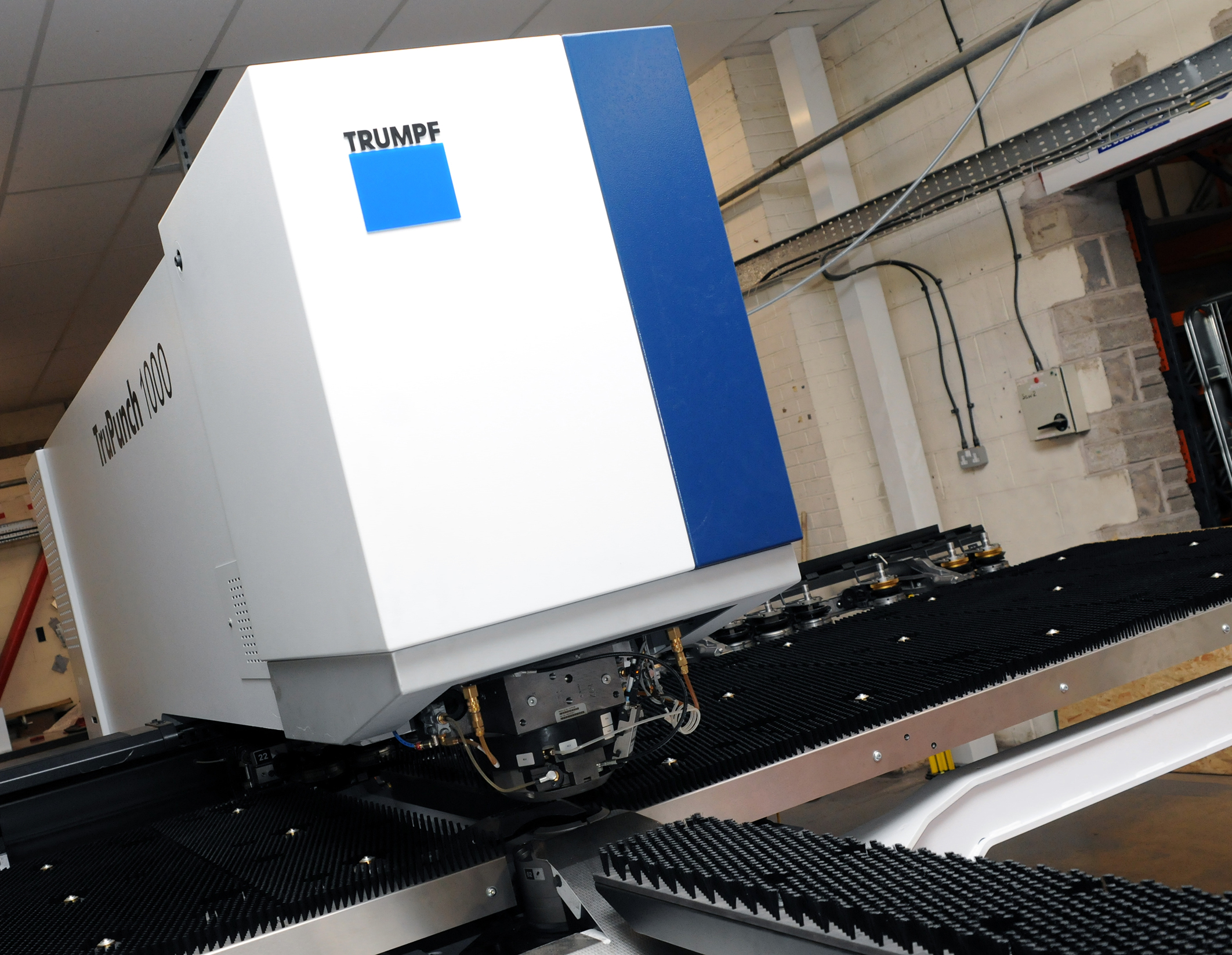
We have invested in a new £1/4m TRUMPF CNC metal punch as part of an asset renewal strategy for our UK manufacturing capability. The new machine will be used in the production of a wide variety of our power distribution systems and workstation power products at our Rotherham factory. Suitable for handling sheet metal between 0.9mm and 3.0mm thick, the new machine will replace one...

Read more
CMD CATALOGUE PROVIDES TECHNICAL POWER DISTRIBUTION GUIDE

CMD Ltd has released a new catalogue, providing an easy to follow technical guide to our power distribution systems and plug and play desk modules. Detailing CMD’s full range of UK-manufactured power distribution systems and plug and play desk modules, the catalogue will be a helpful source of information to M&E engineers and contractors alike to understand how our power distribution systems connect together and...

Read more
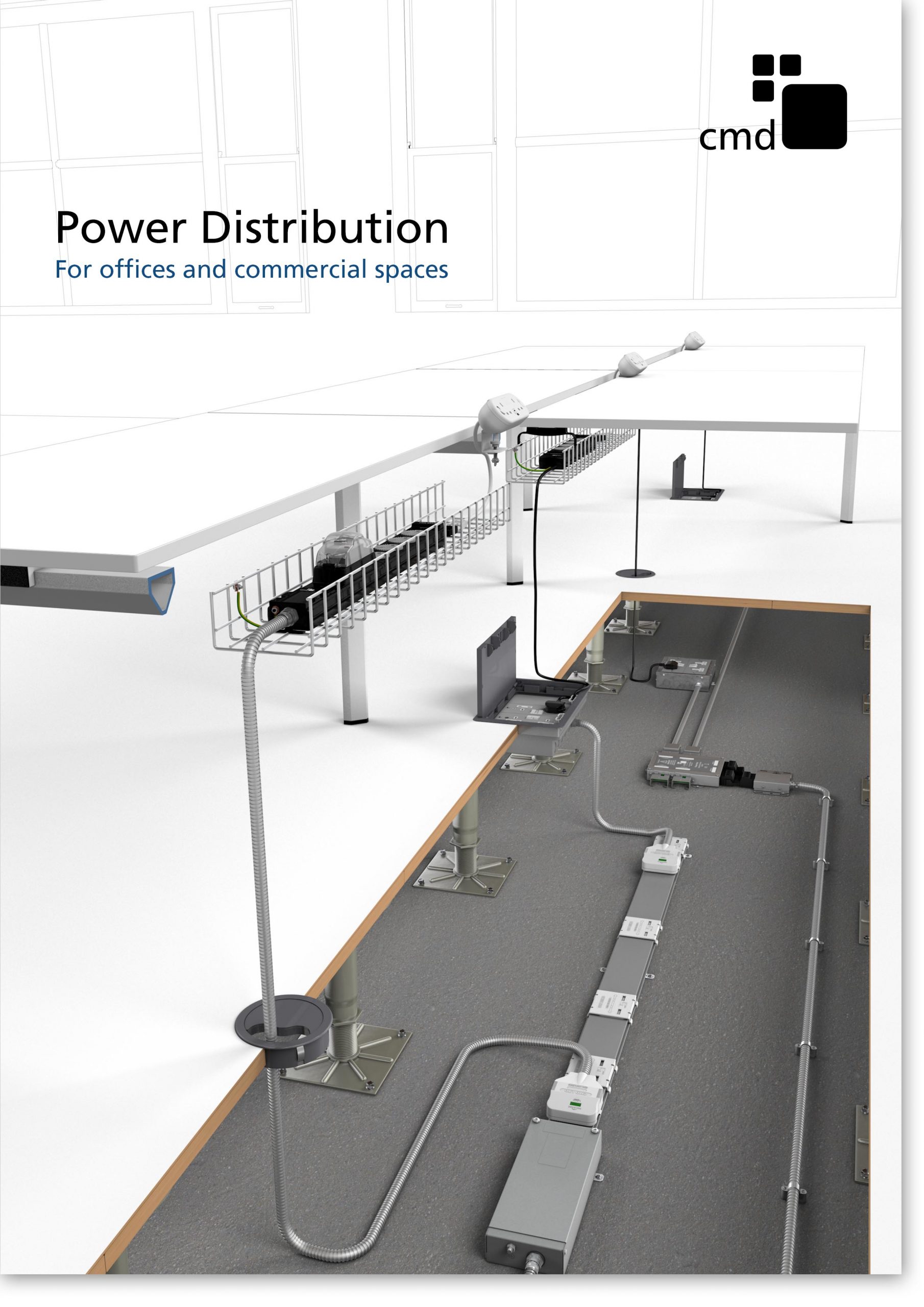
Power Distribution Catalogue
CMD Ltd PLAYS ESSENTIAL ROLE IN ELECTRICAL FIT OUT AT LONDON’S PRESTIGIOUS OFFICE DEVELOPMENT

CMD Ltd, specialist in workplace connectivity and ergonomic solutions, has provided a flexible and high-quality power distribution network for The Ray, a prestigious office development in London’s Farringdon. Well-known for being the former site of The Guardian newspaper, The Ray now stands as an 83,000ft² office development characterised by a modernised warehouse aesthetic, with level two now occupied by a global social media company. The...

Read more

The Ray
CMD plugs in to european opportunity with Schuko Capsule unit launch

CMD Ltd, the specialist in power and connectivity solutions for commercial environments, has launched a Schuko version of its popular fixed format Capsule workstation power module for export to mainland Europe and beyond. A popular on desk power module comprising two sockets and dual USB (type A and C) chargers, CMD’s Capsule unit is already widely specified in the UK as an off-the-shelf workstation power...

Read more
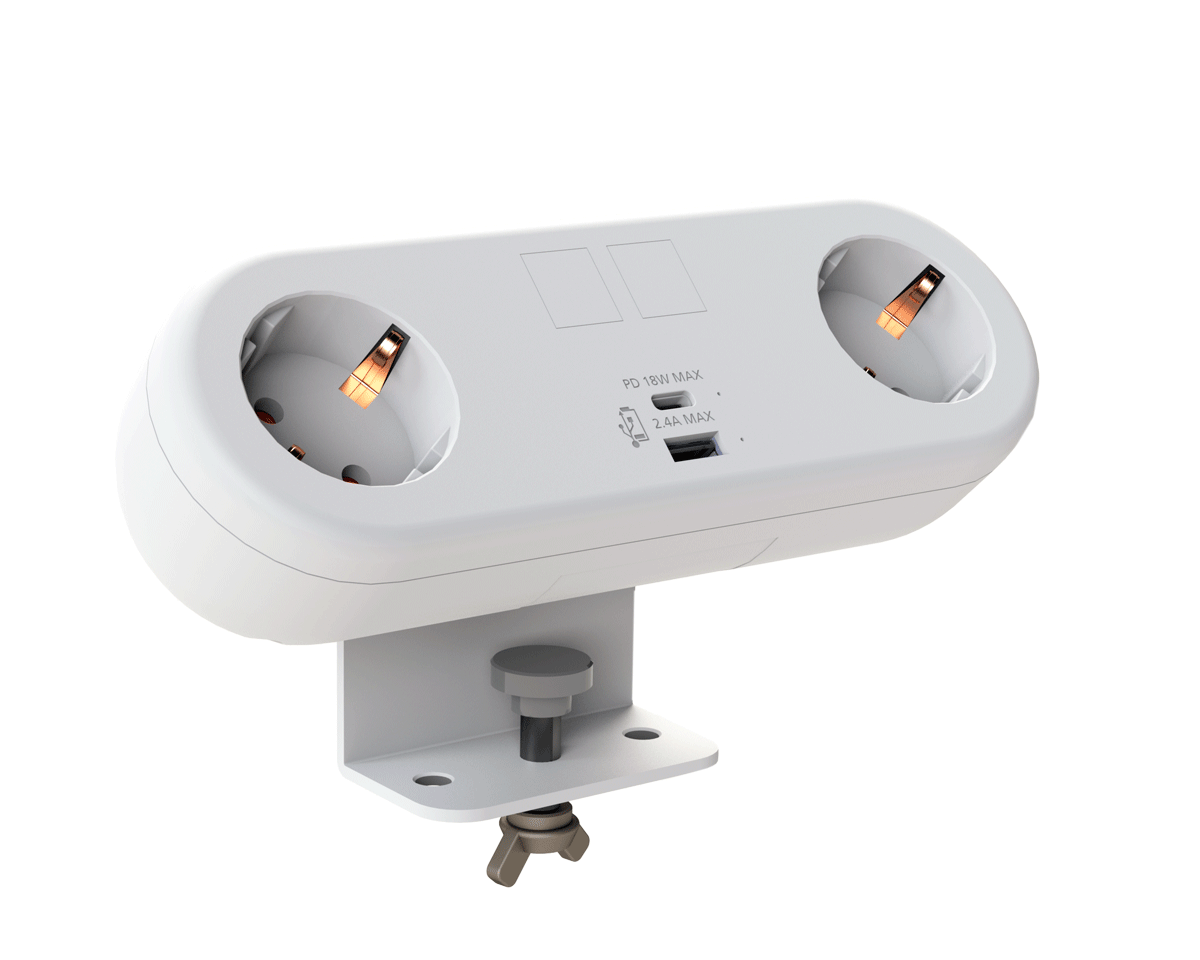
CMD White Schuko Capsule Desk Power Module
CMD LTD EXTENDS MONITOR ARM RANGE WITH THE LAUNCH OF REACH PLUS

CMD Ltd, the specialist in ergonomic and connectivity solutions for commercial interiors, has completed its Reach monitor arm range with the launch of the Reach Plus. Available in single or dual screen options, the Reach Plus has been designed to provide an ideal solution for both single and dual screen workstation configurations, or can be used with next generation of large format curved screens. Suitable...

Read more

CMD Ltd DEMONSTRATES THE ART OF POWER DISTRIBUTION AT THE UNIVERSITY OF WARWICK

CMD Ltd, the specialist in workplace connectivity and ergonomic solutions, has provided Betatrak busbar power distribution and a range of electrical accessories for two major capital investment projects at the University of Warwick. Designed by Fielden Clegg Bradley Studios, the £33 million Faculty of Arts building is a showpiece development comprising four interconnected structures set around a central atrium, which will enable inter-disciplinary collaboration across...

Read more

University of Warwick
CMD BRINGS HARMONY TO COVENTRY UNIVERSITY RESEARCH FACILITIES

CMD Ltd, the specialist in power distribution solutions and workstation power and ergonomics, has provided under desk and on desk power modules for the refurbishment of three Coventry University research buildings. Located on Coventry University Technology Park, a business park designed to encourage collaboration between the university and knowledge-based businesses, the three buildings are being repurposed as office accommodation for university research teams. The refurbishment...

Read more

Coventry University

How to Choose the Right Electrical Breakers for Your Needs?

When selecting Electrical Breakers, the choices can be overwhelming. The electrical industry reports that improper selection can lead to safety hazards and equipment damage. According to James Miller, a leading expert in electrical systems, “Choosing the right breaker is crucial for safety and efficiency.”

Understanding the specifications of Electrical Breakers is fundamental. Different applications require specific ratings and types. For instance, residential systems often use single-pole breakers, while commercial buildings may need three-pole options. Each type has unique characteristics that impact performance and protection. Statistics show that over 30% of electrical fires stem from breaker malfunctions, highlighting the importance of informed choices.

Failure to choose appropriately can lead to significant risks. While one might think a standard breaker suffices, this is not the case. Each installation presents different variables. Yet, many overlook details like voltage ratings and load capacities. Recognizing these nuances is key. Ultimately, making a thoughtful selection can enhance safety and prolong equipment life, ensuring peace of mind.

How to Choose the Right Electrical Breakers for Your Needs?

Understanding the Basics of Electrical Breakers: Types and Functions

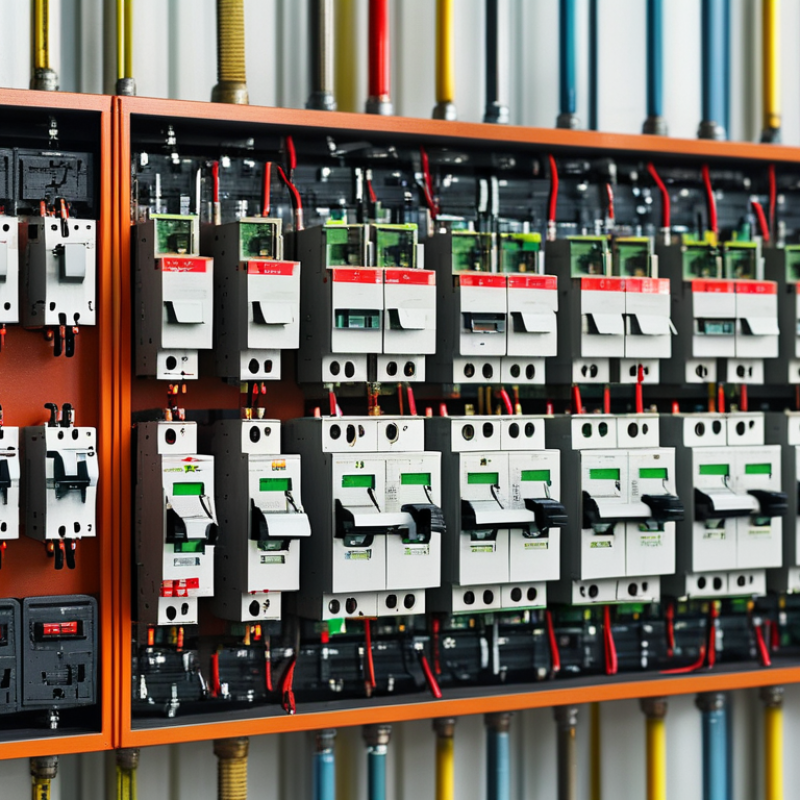
Electrical breakers are crucial for any electrical system. They protect circuits from overload and short circuits. Understanding the types of breakers available helps in selecting the right one. The two main categories include standard circuit breakers and ground fault circuit interrupters (GFCI).

Standard breakers disconnect power when a fault occurs. They reset easily, making them user-friendly. GFCI breakers provide additional protection against electrical shock. They are vital in wet locations like kitchens and bathrooms. Recognizing where to use each type is essential for safety.

When choosing a breaker, consider the specific requirements of your home. Assess the voltage and current needs of your appliances. Review existing wiring to ensure compatibility. Not every breaker suits every situation, so research thoroughly. Ignoring these details could lead to problems later. Each choice made affects the overall safety of your electrical system.

How to Choose the Right Electrical Breakers for Your Needs? - Understanding the Basics of Electrical Breakers: Types and Functions

Breaker Type Description Common Applications Ampere Rating
Single-Pole Breaker Protects single circuits and is typically used for 120V applications. Lighting, outlets, and appliances. 15A, 20A, 30A
Double-Pole Breaker Used for 240V circuits, providing protection for larger appliances. Ovens, dryers, and HVAC systems. 20A, 30A, 40A
GFCI Breaker Protects against ground faults, cutting off power to prevent shock. Kitchens, bathrooms, and outdoor circuits. 15A, 20A
AFCI Breaker Detects arc faults to prevent fires by interrupting the circuit. Bedrooms and living areas. 15A, 20A

Evaluating Your Electrical Load: Calculating Amperage Requirements

When evaluating your electrical load, calculating amperage requirements is crucial. Start by identifying all electrical devices in your home or workspace. List down their wattage and frequency of use. Appliances like refrigerators and heating systems consume more power than small electronics. This initial step will help you estimate your total load.

To calculate amperage, use this formula: Amperage = Watts / Volts. For example, if your microwave uses 800 watts and your home voltage is 120 volts, the calculation is straightforward. This results in approximately 6.67 amps needed for operation. Regularly revisiting this calculation is wise, especially if you add more devices.

Tips: Regularly check your panel's capacity. Overloading breakers can lead to tripped circuits. Understand that older homes may not support modern power needs. If in doubt, consult with a professional electrician. They can provide insights specific to your setup. Always prioritize safety and reliability when dealing with electrical systems.

Selecting the Right Breaker Types: Standard vs. GFCI vs. AFCI

When selecting electrical breakers, it’s essential to understand the differences between standard, GFCI, and AFCI types. Each type serves a unique purpose and caters to specific safety needs. Standard breakers protect circuits from overloads. This is vital for managing electrical loads effectively. However, they do not address ground faults or arc faults.

GFCI breakers are critical in moist areas like kitchens and bathrooms. They cut off electricity quickly when they detect a ground fault. This can prevent severe electric shocks. In contrast, AFCI breakers are designed to detect arc faults. These can lead to electrical fires. By using AFCI breakers, homeowners can enhance safety by preventing dangerous conditions.

Choosing the right breaker type requires understanding your home’s needs. Many people overlook this critical aspect. A common mistake is assuming that standard breakers provide complete safety. It’s crucial to evaluate your environment and usage. An informed decision can make your home safer and more efficient. Remember, investing in the appropriate breakers promotes long-term safety and reliability.

Electrical Breakers Types Usage Comparison

This chart illustrates the usage percentage of different types of electrical breakers: Standard Breakers make up 50% of usage, while GFCI Breakers account for 30%, and AFCI Breakers represent 20%. Understanding these percentages can help you choose the right breaker types for your needs.

Tips for Sizing Breakers: Industry Standards and Recommendations

Choosing the right electrical breaker involves understanding sizing standards. Breakers protect circuits by interrupting excessive current flow. It's important to match the breaker size to the wiring and load demand for safety.

Start by checking the ampacity of your wires. This represents the maximum current they can handle. Use the National Electrical Code (NEC) guidelines for reference. Typically, a 15-amp breaker works with 14-gauge wire. A 20-amp breaker suits 12-gauge wire. Ensure compatibility to prevent overheating and potential fire hazards.

Consider the load you will connect. Calculate the total amperage requirement for devices on the circuit. It’s wise to leave a buffer, usually 80% of the breaker's rating, to avoid tripping. This approach embraces both safety and efficiency. Reflect on whether you need a double-pole breaker for larger appliances. Sizing errors can lead to inadequate protection or unnecessary tripping. Double-check all calculations and consult experienced electricians if needed.

Best Practices for Installation and Maintenance of Electrical Breakers

When installing electrical breakers, adherence to best practices is paramount. Studies from the National Fire Protection Association indicate that faulty installations are a leading cause of electrical fires. To combat this, ensure that your breakers meet local codes. This includes understanding the amperage your circuits require based on usage. It’s essential to assess the demands of your appliances to prevent overloads.

Regular maintenance is equally crucial. Experts suggest checking breakers every six months for any signs of wear, such as discoloration or unusual noises. Additionally, keeping the area around the breaker box clean can prevent dust accumulation, which may lead to overheating. It’s also beneficial to test GFCI breakers monthly. This simple routine can prevent dangerous malfunctions.

Importantly, electrical systems are not static. As new appliances enter homes, the demand on older circuits may increase. Reflecting on existing setups is vital. Modifying or upgrading your breaker system can enhance safety and efficiency. However, avoid DIY approaches unless qualifications allow you to do so safely. Always consult a licensed electrician for complex issues.