

News

Miro: A New Standard in Responsible Innovation

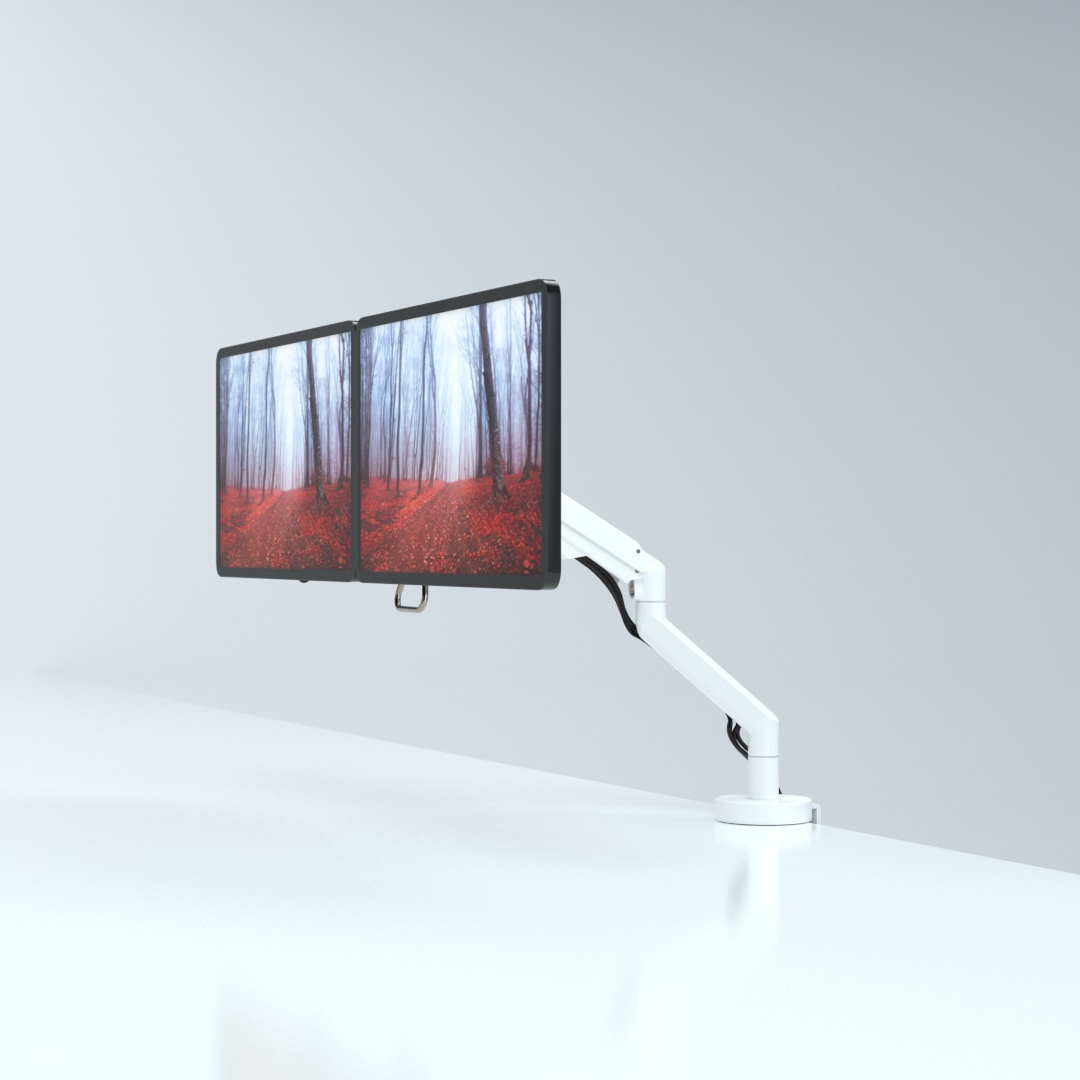
Miro: A New Standard in Responsible Innovation The Miro monitor arm is setting new benchmarks in sustainability. It offers a high-performance solution without compromising on environmental responsibility. Designed with careful material selection, local sourcing, and longevity in mind, Miro’s responsible approach to design and unique manoeuvrability set it apart from the competition. Sustainable Choices Miro is crafted from energy-efficient materials with a lower carbon impact....

Read more
HSE Advisor

Role Purpose Support in the development, implementation and maintenance of the company’s Health, Safety & Environmental policies, processes, operational procedures, and standards.  Ensuring best practice and championing a continually improving HSE culture within the business. Key Responsibilities Liaise with and provide support to all areas of the business to eliminate, mitigate or reduce identified HSE exposures. Partner with the production management team and team leaders,...

Read more
CMD Ltd LAUNCHES 48-HOUR TURNAROUND ON BETATRAK® RAPID ORDERING SERVICE

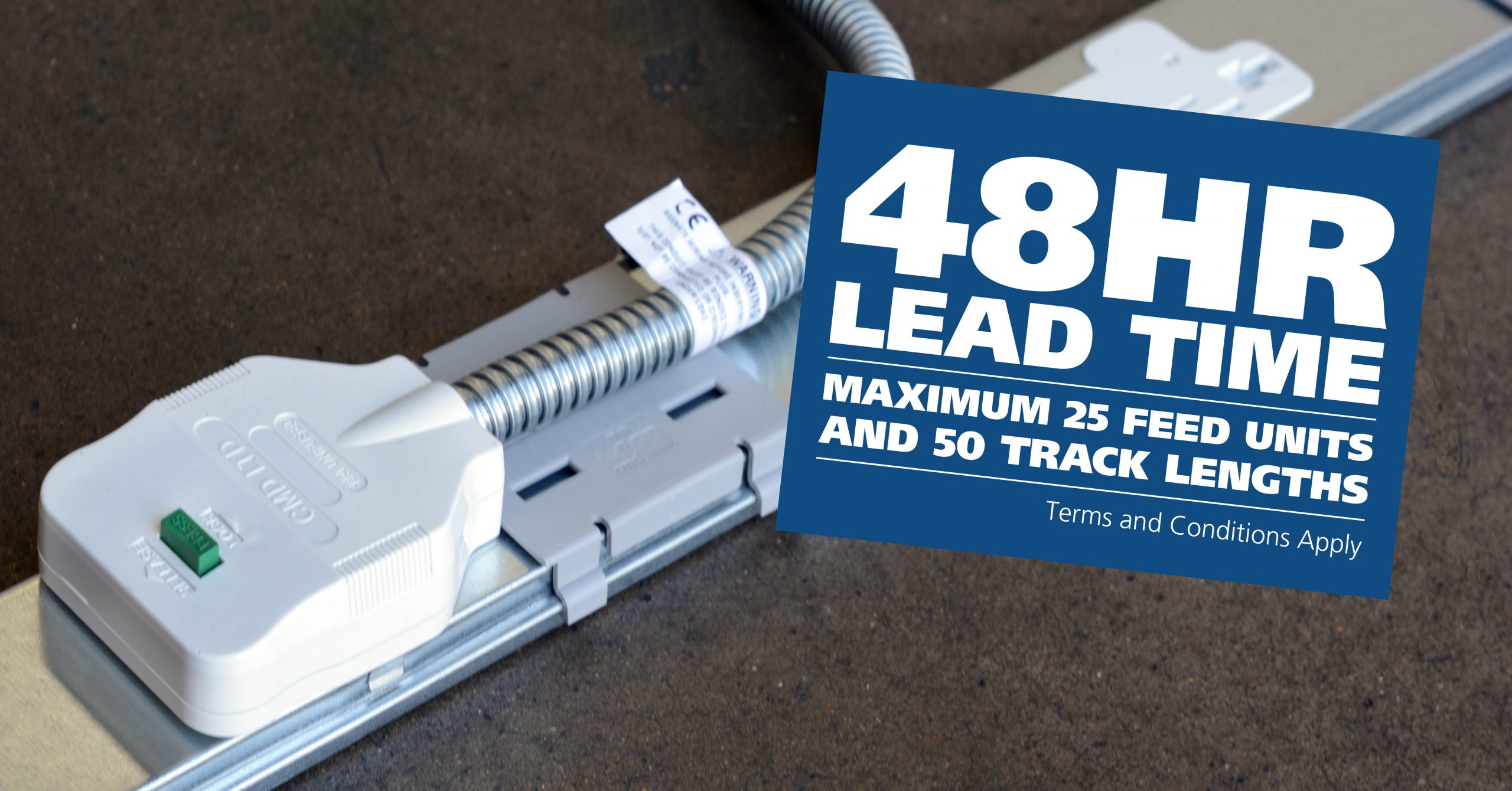
CMD Ltd, the specialist in power distribution systems, workstation power and monitor arms, has launched a rapid ordering service for its Betatrak® underfloor powertrack distribution systems and accessories, with a commitment to delivering within 48-hours of an approved purchase order*. The service enables customers to order up to 50 lengths of Standard or Clean Earth (C/E) low noise Betatrak, along with up to 25 feed...

Read more
CMD INVESTS £1/4 MILLION IN NEW MACHINE AS PART OF FACTORY UPGRADE

We have invested in a new £1/4m TRUMPF CNC metal punch as part of an asset renewal strategy for our UK manufacturing capability. The new machine will be used in the production of a wide variety of our power distribution systems and workstation power products at our Rotherham factory. Suitable for handling sheet metal between 0.9mm and 3.0mm thick, the new machine will replace one...

Read more

CMD CATALOGUE PROVIDES TECHNICAL POWER DISTRIBUTION GUIDE

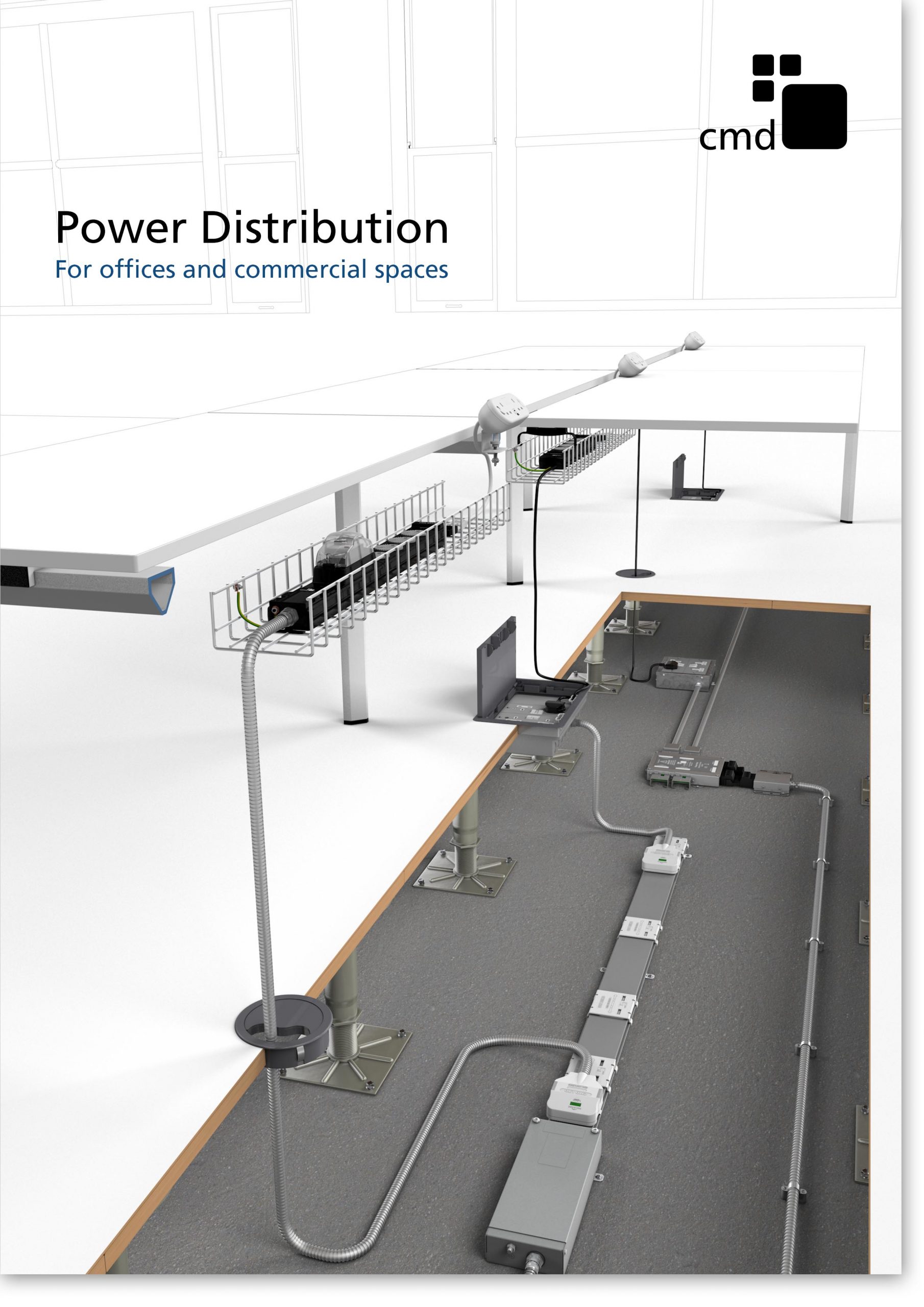
CMD Ltd has released a new catalogue, providing an easy to follow technical guide to our power distribution systems and plug and play desk modules. Detailing CMD’s full range of UK-manufactured power distribution systems and plug and play desk modules, the catalogue will be a helpful source of information to M&E engineers and contractors alike to understand how our power distribution systems connect together and...

Read more
Power Distribution Catalogue
CMD Ltd PLAYS ESSENTIAL ROLE IN ELECTRICAL FIT OUT AT LONDON’S PRESTIGIOUS OFFICE DEVELOPMENT

CMD Ltd, specialist in workplace connectivity and ergonomic solutions, has provided a flexible and high-quality power distribution network for The Ray, a prestigious office development in London’s Farringdon. Well-known for being the former site of The Guardian newspaper, The Ray now stands as an 83,000ft² office development characterised by a modernised warehouse aesthetic, with level two now occupied by a global social media company. The...

Read more

The Ray
CMD plugs in to european opportunity with Schuko Capsule unit launch

CMD Ltd, the specialist in power and connectivity solutions for commercial environments, has launched a Schuko version of its popular fixed format Capsule workstation power module for export to mainland Europe and beyond. A popular on desk power module comprising two sockets and dual USB (type A and C) chargers, CMD’s Capsule unit is already widely specified in the UK as an off-the-shelf workstation power...

Read more

CMD White Schuko Capsule Desk Power Module
CMD LTD EXTENDS MONITOR ARM RANGE WITH THE LAUNCH OF REACH PLUS

CMD Ltd, the specialist in ergonomic and connectivity solutions for commercial interiors, has completed its Reach monitor arm range with the launch of the Reach Plus. Available in single or dual screen options, the Reach Plus has been designed to provide an ideal solution for both single and dual screen workstation configurations, or can be used with next generation of large format curved screens. Suitable...

Read more
CMD Ltd DEMONSTRATES THE ART OF POWER DISTRIBUTION AT THE UNIVERSITY OF WARWICK

CMD Ltd, the specialist in workplace connectivity and ergonomic solutions, has provided Betatrak busbar power distribution and a range of electrical accessories for two major capital investment projects at the University of Warwick. Designed by Fielden Clegg Bradley Studios, the £33 million Faculty of Arts building is a showpiece development comprising four interconnected structures set around a central atrium, which will enable inter-disciplinary collaboration across...

Read more

University of Warwick
CMD BRINGS HARMONY TO COVENTRY UNIVERSITY RESEARCH FACILITIES

CMD Ltd, the specialist in power distribution solutions and workstation power and ergonomics, has provided under desk and on desk power modules for the refurbishment of three Coventry University research buildings. Located on Coventry University Technology Park, a business park designed to encourage collaboration between the university and knowledge-based businesses, the three buildings are being repurposed as office accommodation for university research teams. The refurbishment...

Read more

Coventry University

How to Choose Metal Parts Suppliers in 2026?

Choosing Metal Parts suppliers in 2026 requires more than comparing unit prices. Buyers must examine process capability, material traceability, delivery stability, cybersecurity, and environmental performance. A polished website proves little. A controlled production line does.

Recent industry reports reinforce this concern. Deloitte’s 2025 Global Manufacturing Industry Outlook highlights supply-chain resilience, digital operations, and workforce capability as major manufacturing priorities. The World Steel Association’s Short Range Outlook also continues to show pressure from uneven regional demand and changing industrial conditions. These trends affect steel, aluminum, precision machining, stamping, casting, and fabricated components. Supplier selection now influences production continuity, not only purchasing costs.

Look for evidence. Request recent inspection reports, process capability data, calibration records, and corrective-action histories. Confirm whether the supplier can maintain tolerance after thousands of cycles, not just produce one attractive sample. ISO 9001 certification helps, but certification alone is not proof of reliable execution. Shigeo Shingo, a respected manufacturing engineer, warned, “The most dangerous kind of waste is the waste we do not recognize.” That warning applies to hidden scrap, unclear specifications, late engineering changes, and weak communication.

No scorecard is perfect. Public data rarely reveals a supplier’s true scrap rate or overtime dependence. Buyers should therefore combine documents, technical audits, sample testing, and customer references. Ask uncomfortable questions. Visit the factory when possible. A dependable Metal Parts supplier should explain its limits clearly, show measurable controls, and improve when evidence exposes a weakness. That standard creates a stronger shortlist for 2026.

How to Choose Metal Parts Suppliers in 2026?

Define Your Metal Parts Requirements

Defining your metal parts requirements is the practical starting point for choosing a supplier in 2026. Describe the alloy, temper, hardness, dimensions, tolerances, surface finish, and expected service environment. A drawing alone may not be enough. Include annual volume, prototype quantity, packaging needs, inspection points, and delivery windows. If the part touches heat, chemicals, or moving loads, state those conditions clearly.

Industry data shows why material accuracy matters. The World Steel Association reported 1,888.2 million tonnes of crude steel production in 2023, reflecting a vast and complex material market. Your supplier should identify the exact material grade, heat number, mill certificate, and testing method. ISO’s Survey of Certifications reported more than 1.2 million ISO 9001 certificates worldwide in 2022. Certification helps, but it does not replace process evidence. Ask for sample inspection reports, capability data, traceability records, and corrective-action history. I have seen “standard tolerance” create costly disputes because different teams interpreted it differently.

Tips: Build a one-page requirement sheet before requesting quotations. Mark critical dimensions with clear tolerances. Separate must-have features from flexible features. Request a first-article inspection for new parts. Do not assume the cheapest quote includes tooling, testing, or secondary finishing. Leave room for revision; early specifications are rarely perfect. A short supplier questionnaire can expose missing details before production begins.

How to Choose Metal Parts Suppliers in 2026? — Define Your Metal Parts Requirements

Start supplier discussions with a clear specification covering material, dimensions, tolerances, surface finish, quantity, inspection, and delivery requirements.

Reference data: approximate density at room temperature. Actual values vary by alloy, grade, and manufacturing condition.

Material
Specify the metal grade, required mechanical properties, and applicable standard.
Part Geometry
Provide dimensions, wall thickness, critical features, drawings, and 3D CAD files.
Tolerances
Identify critical tolerances separately from general tolerances to control cost.
Finish & Quality
Define surface finish, coating, inspection method, sample approval, and documentation.

Compare Supplier Capabilities and Manufacturing Processes

How to Choose Metal Parts Suppliers in 2026?

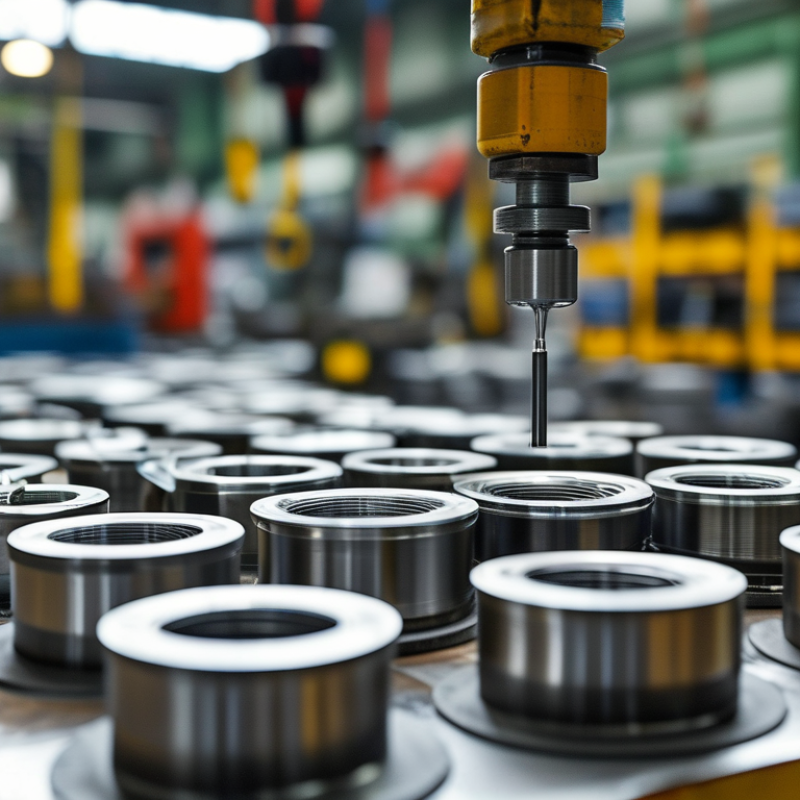
Compare suppliers by process fit, not catalog size. CNC machining suits tight tolerances and low-volume prototypes. Stamping works better for repeated sheet-metal parts. Casting can reduce cost for complex shapes, but tooling investment deserves careful review. Additive manufacturing helps with lightweight geometries, although surface finishing may require extra work.

In my supplier audits, I check five details: material certificates, machine capacity, inspection equipment, process controls, and corrective-action records. Ask for a sample inspection report. Look closely at datum references, actual tolerances, and burr control. A polished presentation proves little. The International Federation of Robotics reported 541,302 new industrial robots were installed worldwide in 2023. This suggests automation experience matters, but robot count alone cannot confirm quality. Deloitte’s 2024 Global Smart Manufacturing Survey found that 86% of manufacturers view smart manufacturing as a major competitiveness driver. Request evidence of digital traceability, not vague promises. I have learned this the hard way.

Tips: Compare three suppliers using the same drawing, material, quantity, and delivery date. Ask each supplier to explain its preferred process and its weak points. Confirm whether inspection happens during production or only before shipment. Review first-article samples under realistic loads. Do not ignore secondary operations, such as heat treatment, plating, deburring, or laser marking. These steps can quietly control the final cost. A lower quote may simply exclude them.

Evaluate Quality Systems, Certifications, and Compliance

Choosing metal parts suppliers in 2026 requires more than comparing prices. Their quality system should control every stage, from material receiving to final inspection. Ask for documented procedures, revision control, employee training records, and corrective action reports. A clean factory is helpful, but traceability matters more. Can they link a finished part to its material certificate, machine, operator, and inspection result?

Review relevant certifications carefully. A certificate should show the legal company name, scope, issue date, and accredited certification body. Verify it directly when possible. An expired certificate is not evidence of current performance. Also examine calibration records for micrometers, gauges, and coordinate measuring machines. Small gaps here can create large production problems.

Tips: Request a recent sample inspection report. Compare its measurements with your drawing tolerances. Check whether the supplier understands your destination-market requirements, restricted substances rules, packaging obligations, and import documentation. Ask how nonconforming parts are isolated and reported. Good suppliers explain failures without hiding them. That builds trust. I have learned that polished presentations can distract from weak records. One overlooked detail remains common: suppliers may pass audits but struggle with engineering changes. Test their response with a controlled drawing revision before placing a large order. Reliability appears during change, not during a showroom visit.

Assess Pricing, Lead Times, Capacity, and Supply Stability

How to Choose Metal Parts Suppliers in 2026?

Assess Pricing, Lead Times, Capacity, and Supply Stability

A low unit price can hide expensive risks. Ask suppliers to separate material, machining, tooling, finishing, packaging, and freight costs. Compare metal surcharges with published commodity benchmarks. The World Bank Commodity Markets Outlook shows that base-metal prices can shift sharply with industrial demand and energy costs. Fix the pricing formula, not only the final quote. Request validity periods and adjustment triggers. I have seen “stable” quotes change after one material revision.

Lead times need evidence. Ask for historical delivery data, not optimistic promises. The World Bank Logistics Performance Index 2023 reports that international supply-chain timing remains uneven across countries and trade lanes. Require sample purchase orders, production schedules, inspection records, and on-time delivery percentages. Confirm whether lead time starts after payment, drawing approval, or raw-material arrival. Small wording differences matter.

Capacity is more than machine count. Check available shifts, critical equipment, maintenance records, operator coverage, and subcontracting controls. Request monthly output for parts similar to yours. UNCTAD’s Review of Maritime Transport 2024 states that maritime shipping carries over 80% of global merchandise trade, making port disruption a practical supplier risk. Review alternate mills, safety stock, logistics routes, and recovery plans. A second supplier may not help if both depend on one raw-material source. Do not over-audit every detail. Focus on the bottleneck that could stop your part.

Verify Communication, Support, and Long-Term Partnership Fit

When choosing metal parts suppliers in 2026, communication deserves the same scrutiny as price and machining capability. Ask how they handle drawing changes, unclear tolerances, and urgent production questions. Request a sample communication trail, not polished promises. Can an engineer explain a tolerance stack in plain English? Can the account team respond within your working window? Small delays often expose larger coordination problems. Use a shared channel for revisions, approvals, and delivery updates.

Support should remain visible after the purchase order is signed. During supplier reviews, I look for named technical contacts, escalation rules, and documented corrective actions. Ask who owns a rejected batch, how quickly containment begins, and whether replacement parts receive priority. Evidence matters. Look for inspection reports, material certificates, process records, and production photographs. A reliable supplier explains limitations before promising capacity. That honesty may feel inconvenient, but it protects schedules.

Long-term fit depends on working habits, not friendly introductions. Discuss forecast changes, minimum order quantities, tooling ownership, payment expectations, and annual quality reviews. Run a controlled trial order with clear acceptance criteria and a realistic delivery window. Then observe the details: meeting notes, packing quality, revision control, and follow-up after delivery. I once treated fast replies as proof of commitment. It was a weak assumption. Later, missed updates created more work than the original savings justified. Leave room for doubt. Ask references about difficult periods, not only successful launches.