

News

Miro: A New Standard in Responsible Innovation

Miro: A New Standard in Responsible Innovation The Miro monitor arm is setting new benchmarks in sustainability. It offers a high-performance solution without compromising on environmental responsibility. Designed with careful material selection, local sourcing, and longevity in mind, Miro’s responsible approach to design and unique manoeuvrability set it apart from the competition. Sustainable Choices Miro is crafted from energy-efficient materials with a lower carbon impact....

Read more
HSE Advisor

Role Purpose Support in the development, implementation and maintenance of the company’s Health, Safety & Environmental policies, processes, operational procedures, and standards.  Ensuring best practice and championing a continually improving HSE culture within the business. Key Responsibilities Liaise with and provide support to all areas of the business to eliminate, mitigate or reduce identified HSE exposures. Partner with the production management team and team leaders,...

Read more
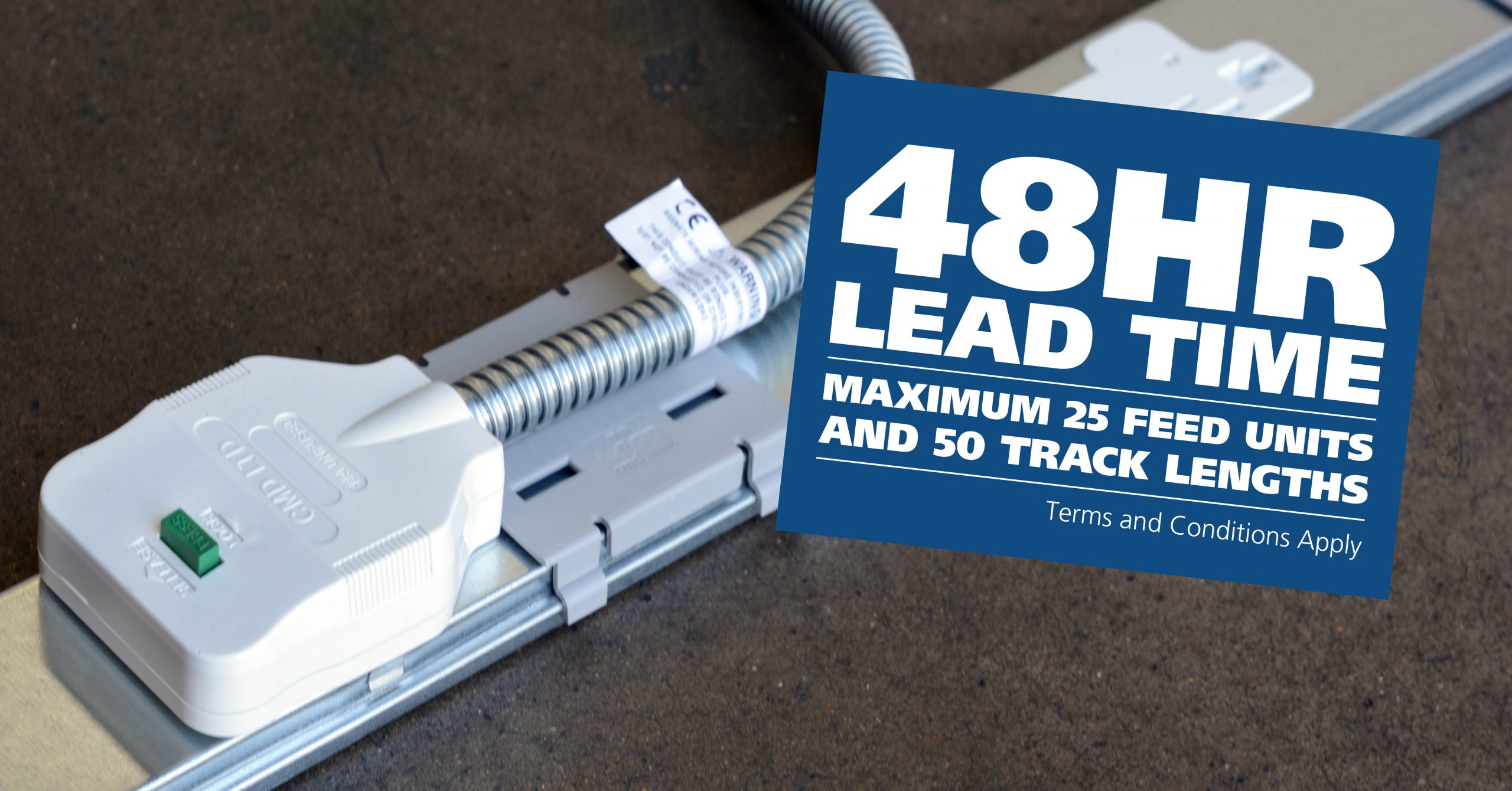
CMD Ltd LAUNCHES 48-HOUR TURNAROUND ON BETATRAK® RAPID ORDERING SERVICE

CMD Ltd, the specialist in power distribution systems, workstation power and monitor arms, has launched a rapid ordering service for its Betatrak® underfloor powertrack distribution systems and accessories, with a commitment to delivering within 48-hours of an approved purchase order*. The service enables customers to order up to 50 lengths of Standard or Clean Earth (C/E) low noise Betatrak, along with up to 25 feed...

Read more
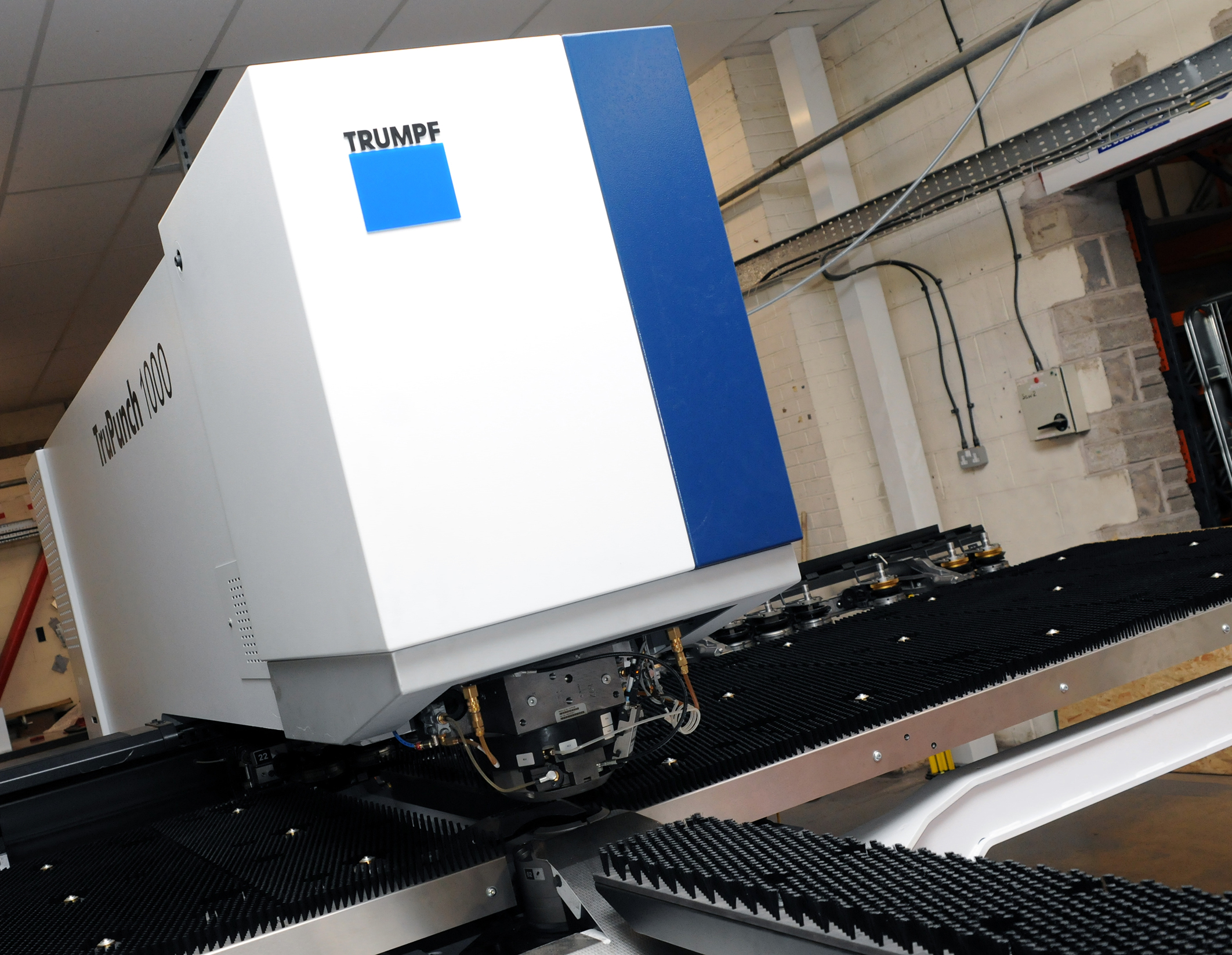
CMD INVESTS £1/4 MILLION IN NEW MACHINE AS PART OF FACTORY UPGRADE

We have invested in a new £1/4m TRUMPF CNC metal punch as part of an asset renewal strategy for our UK manufacturing capability. The new machine will be used in the production of a wide variety of our power distribution systems and workstation power products at our Rotherham factory. Suitable for handling sheet metal between 0.9mm and 3.0mm thick, the new machine will replace one...

Read more
CMD CATALOGUE PROVIDES TECHNICAL POWER DISTRIBUTION GUIDE

CMD Ltd has released a new catalogue, providing an easy to follow technical guide to our power distribution systems and plug and play desk modules. Detailing CMD’s full range of UK-manufactured power distribution systems and plug and play desk modules, the catalogue will be a helpful source of information to M&E engineers and contractors alike to understand how our power distribution systems connect together and...

Read more
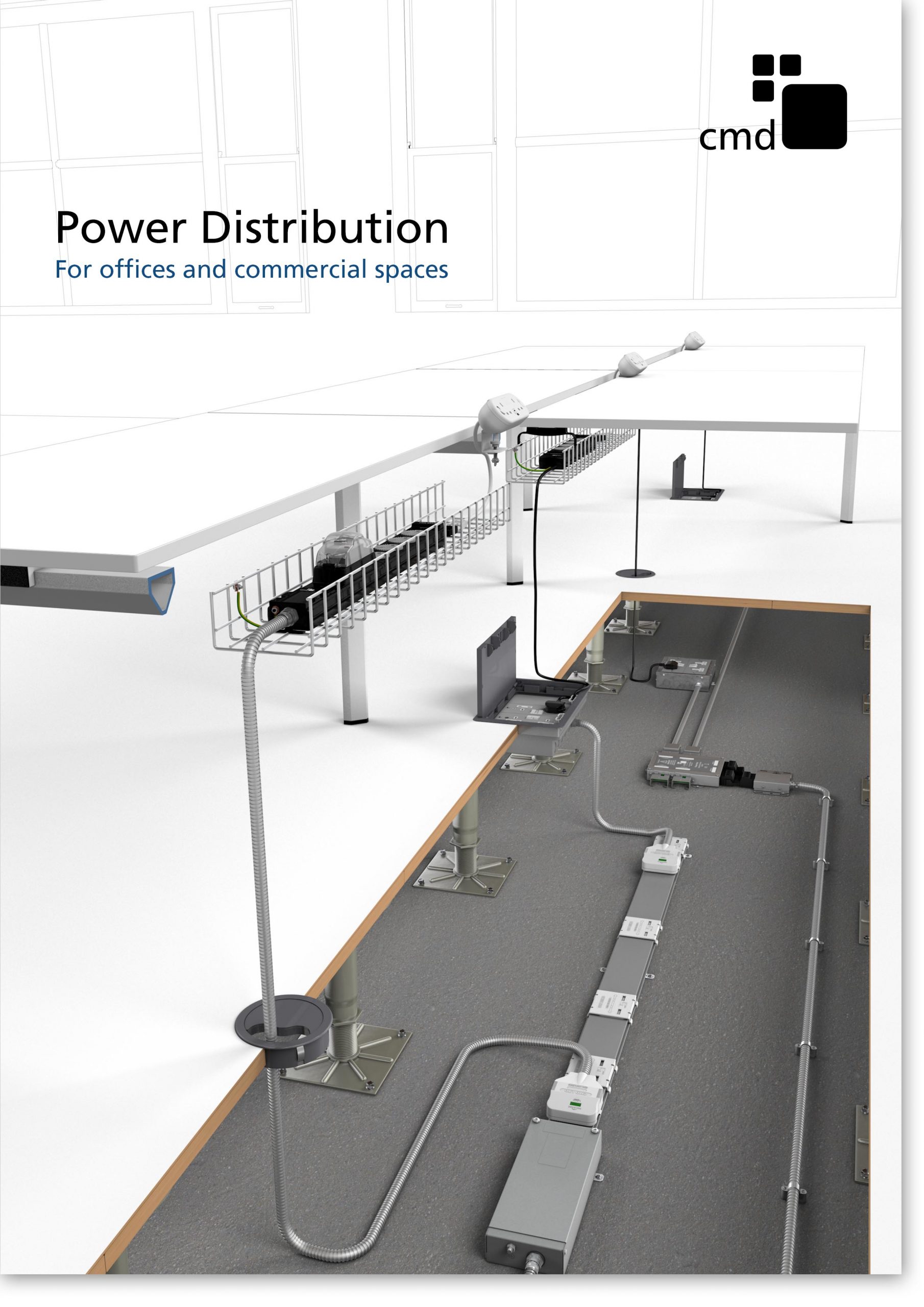
Power Distribution Catalogue
CMD Ltd PLAYS ESSENTIAL ROLE IN ELECTRICAL FIT OUT AT LONDON’S PRESTIGIOUS OFFICE DEVELOPMENT

CMD Ltd, specialist in workplace connectivity and ergonomic solutions, has provided a flexible and high-quality power distribution network for The Ray, a prestigious office development in London’s Farringdon. Well-known for being the former site of The Guardian newspaper, The Ray now stands as an 83,000ft² office development characterised by a modernised warehouse aesthetic, with level two now occupied by a global social media company. The...

Read more

The Ray
CMD plugs in to european opportunity with Schuko Capsule unit launch

CMD Ltd, the specialist in power and connectivity solutions for commercial environments, has launched a Schuko version of its popular fixed format Capsule workstation power module for export to mainland Europe and beyond. A popular on desk power module comprising two sockets and dual USB (type A and C) chargers, CMD’s Capsule unit is already widely specified in the UK as an off-the-shelf workstation power...

Read more
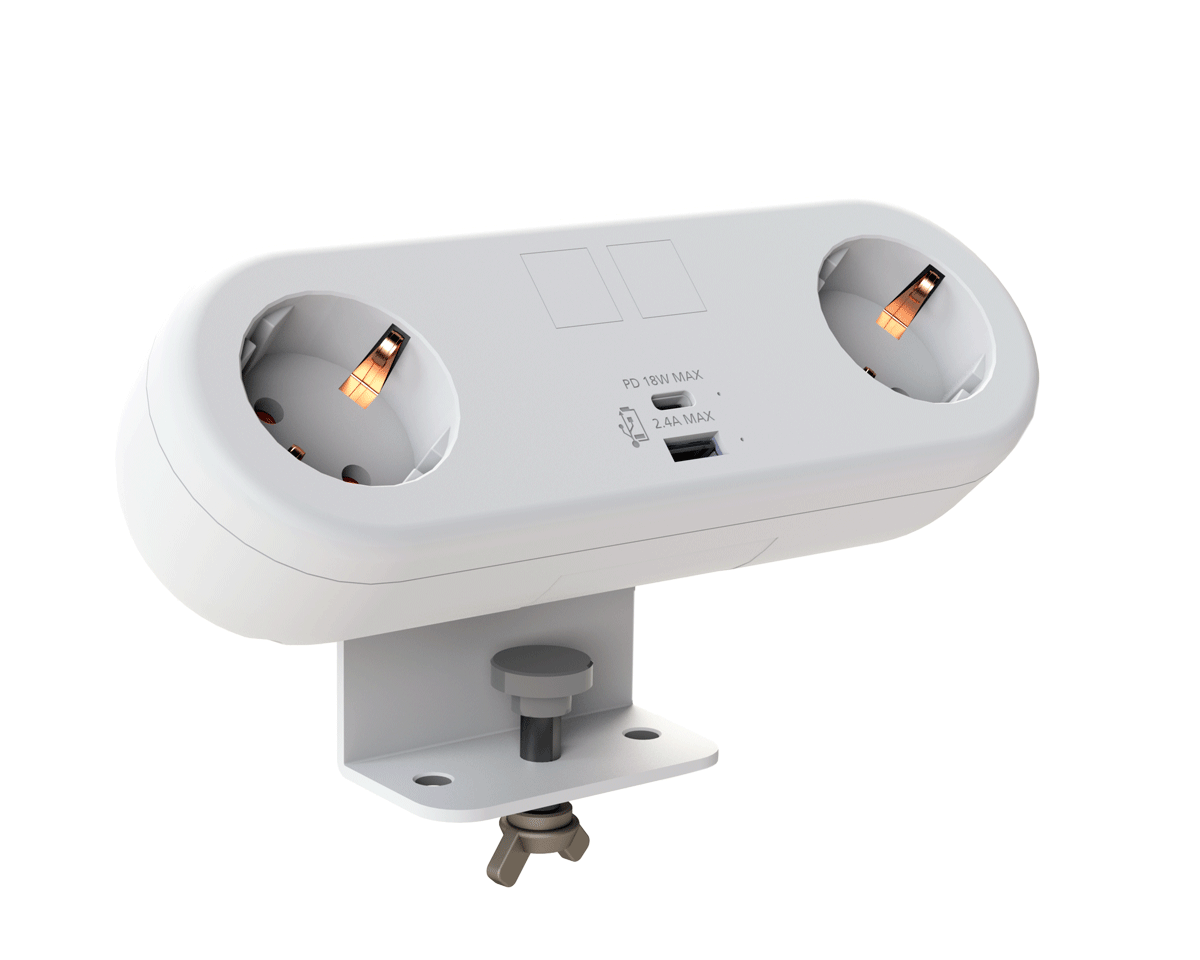
CMD White Schuko Capsule Desk Power Module
CMD LTD EXTENDS MONITOR ARM RANGE WITH THE LAUNCH OF REACH PLUS

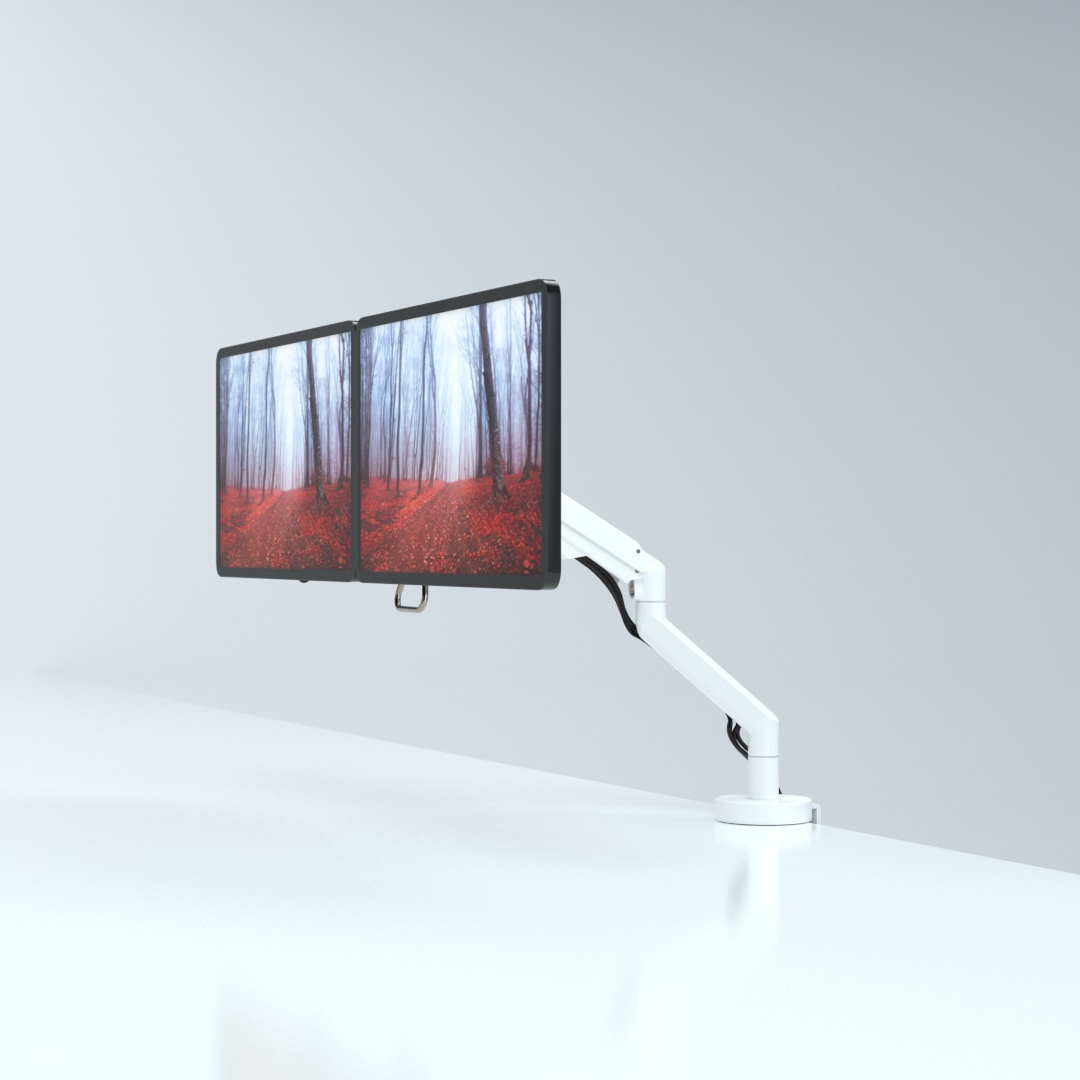
CMD Ltd, the specialist in ergonomic and connectivity solutions for commercial interiors, has completed its Reach monitor arm range with the launch of the Reach Plus. Available in single or dual screen options, the Reach Plus has been designed to provide an ideal solution for both single and dual screen workstation configurations, or can be used with next generation of large format curved screens. Suitable...

Read more
CMD Ltd DEMONSTRATES THE ART OF POWER DISTRIBUTION AT THE UNIVERSITY OF WARWICK

CMD Ltd, the specialist in workplace connectivity and ergonomic solutions, has provided Betatrak busbar power distribution and a range of electrical accessories for two major capital investment projects at the University of Warwick. Designed by Fielden Clegg Bradley Studios, the £33 million Faculty of Arts building is a showpiece development comprising four interconnected structures set around a central atrium, which will enable inter-disciplinary collaboration across...

Read more

University of Warwick
CMD BRINGS HARMONY TO COVENTRY UNIVERSITY RESEARCH FACILITIES

CMD Ltd, the specialist in power distribution solutions and workstation power and ergonomics, has provided under desk and on desk power modules for the refurbishment of three Coventry University research buildings. Located on Coventry University Technology Park, a business park designed to encourage collaboration between the university and knowledge-based businesses, the three buildings are being repurposed as office accommodation for university research teams. The refurbishment...

Read more

Coventry University

How to Choose the Right Metal Connector for Industrial Automation?

Choosing the right metal connector for industrial automation is crucial. It impacts performance and reliability. Experts highlight that not all metal connectors are created equal. John Smith, a leading authority in industrial automation, states, "Selecting the correct connector can make or break your system's efficiency."

Understanding the specific requirements of your application is essential. Metal connectors must withstand harsh environments, including temperature variations and chemical exposure. Their durability and design directly influence longevity. With various options available, picking the right one can be daunting.

Every choice involves trade-offs. Reliable connectors offer strength but may add weight. Compact designs save space but might compromise on ease of maintenance. Reflecting on these factors can lead to better outcomes in industrial processes. Proper selection of metal connectors for industrial automation ultimately creates a more efficient, safer, and cost-effective system.

How to Choose the Right Metal Connector for Industrial Automation?

Understanding the Role of Metal Connectors in Industrial Automation Systems

Metal connectors play a crucial role in industrial automation systems. They provide essential links between various components, ensuring reliable communication and energy transfer. In settings like factories or plants, durability is key. Connectors must withstand harsh environments, including dust, moisture, and extreme temperatures.

Choosing the right metal connector requires an understanding of your specific application. Consider factors like material compatibility and electrical ratings. Different metals react differently under stress. For instance, stainless steel offers corrosion resistance but may not support high-conductivity requirements. Ensure your selection aligns with the conditions your equipment will face.

Tips:
Always test a few connectors before committing to bulk orders. This provides insight into how they will perform under real conditions. Check manufacturers' specifications for thermal limits and resistance ratings.

Regular maintenance is vital. Periodically inspect connectors for signs of wear. Even slight damage can lead to system failures. Don't overlook the importance of cleaning as well; accumulated debris can interfere with performance and safety.

Key Factors Influencing the Selection of Metal Connectors in Automation

Choosing the right metal connector for industrial automation involves several critical factors. Durability is often paramount. Connectors must withstand harsh conditions, including extreme temperatures and vibrations. Materials like stainless steel or aluminum are commonly used for their robustness. These metals resist corrosion and can endure longevity in demanding environments.

Another key consideration is the connector's compatibility with existing systems. This aspect requires careful evaluation of factors like size, shape, and pin configuration. Mismatched connectors can lead to significant operational challenges. Additionally, understanding the electrical specifications is vital. Connectors must handle the required voltage and current without overheating. This can be a tricky balancing act, especially in complex systems.

Employing connectors that meet industry standards is also crucial. Certainty in performance provides peace of mind. However, many choose connectors simply based on past experiences or common preferences. This approach may overlook specific project needs. Key details should not be ignored, as they can affect reliability and safety. Each application has unique requirements that might be underestimated at first glance. A thorough assessment often reveals hidden complexities that demand attention.

Key Factors Influencing the Selection of Metal Connectors in Automation

Common Types of Metal Connectors Used in Industrial Settings

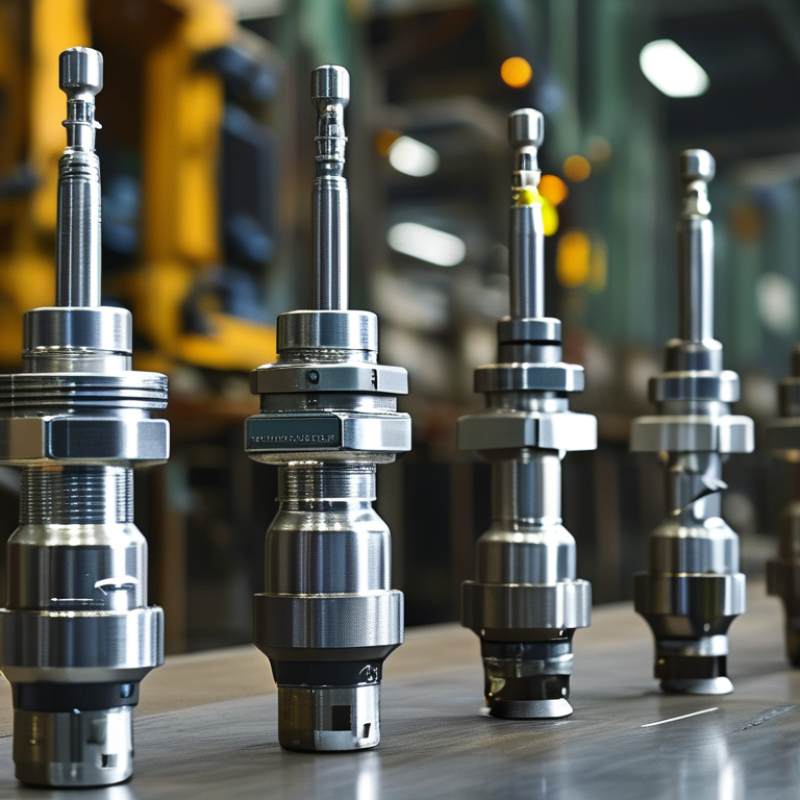
In industrial automation, selecting the right metal connector is crucial. Metal connectors ensure reliable communication and power transmission in harsh environments. Various types of metal connectors cater to different applications. Common options include circular connectors, rectangular connectors, and DIN connectors. Each type varies in design, size, and suitability for specific tasks.

Circular connectors are highly popular due to their versatility. They often feature a locking mechanism, which provides stability and reduces the risk of disconnection. According to industry reports by the International Electrotechnical Commission, the circular connector segment accounts for about 40% of the entire connector market in industrial automation.

Tips: When selecting a connector, consider the environmental conditions. If moisture or dust is present, look for connectors with an IP67 rating. Rectangular connectors are ideal for panels and PCB connections, providing a compact solution with numerous pin configurations.

Another point to consider is the ease of maintenance. Metal connectors usually require less frequent replacements, but if damaged, repairs can be complex. Understanding the compatibility with your existing systems is vital. A mismatch can lead to inefficiencies and increased downtime. Always consult technical specifications to avoid such issues.

Analyzing Environmental Conditions for Metal Connector Selection

When choosing metal connectors for industrial automation, understanding the environmental conditions is crucial. Specifically, temperature fluctuations, humidity levels, and exposure to chemicals can greatly impact the performance and lifespan of connectors. High temperatures can lead to thermal expansion, potentially causing failure or disconnection. A reliable assessment of these factors ensures the chosen connectors will perform optimally.

Humidity is another critical consideration. Excess moisture can lead to rust and corrosion. Connectors designed with seals or coatings can mitigate such risks. However, they may not always be foolproof. Consider situations where contaminants are present. In these cases, even well-protected connectors might struggle.

It’s also important to evaluate the mechanical stress in the working environment. Heavy vibrations or impacts can compromise connector integrity. Using connectors built to withstand such stress is essential. However, over-engineering can lead to increased costs and complexity. Finding a balance in connector design and application is often a reflective process. The right choice often hinges on detailed analysis and experience in the field.

Industry Standards and Regulations for Metal Connector Applications

When selecting metal connectors for industrial automation, compliance with industry standards and regulations is critical. Organizations like the International Electrotechnical Commission (IEC) have established guidelines to ensure safety and performance. For instance, IEC 60529 defines the Ingress Protection (IP) ratings for connectors, impacting how equipment handles dust and moisture. A report from the National Electrical Manufacturers Association (NEMA) suggests that choosing connectors with appropriate IP ratings can significantly reduce equipment failure in harsh environments.

Moreover, the American National Standards Institute (ANSI) emphasizes the importance of using connectors that meet specific performance criteria. These criteria often include temperature tolerance and conductivity standards. Data indicates that over 30% of industrial equipment failures can be traced back to improper connector selection. Understanding these standards helps mitigate risks associated with equipment downtime and repair costs.

Many professionals overlook the ongoing need for compliance adjustments. Industry regulations can evolve, necessitating regular reviews of selected connectors. Staying current with such changes can present challenges. Documentation can become outdated quickly, leading to potential non-compliance issues. Ultimately, a proactive approach in understanding and applying industry standards will enhance the reliability of industrial automation systems.