

News

Miro: A New Standard in Responsible Innovation

Miro: A New Standard in Responsible Innovation The Miro monitor arm is setting new benchmarks in sustainability. It offers a high-performance solution without compromising on environmental responsibility. Designed with careful material selection, local sourcing, and longevity in mind, Miro’s responsible approach to design and unique manoeuvrability set it apart from the competition. Sustainable Choices Miro is crafted from energy-efficient materials with a lower carbon impact....

Read more
HSE Advisor

Role Purpose Support in the development, implementation and maintenance of the company’s Health, Safety & Environmental policies, processes, operational procedures, and standards.  Ensuring best practice and championing a continually improving HSE culture within the business. Key Responsibilities Liaise with and provide support to all areas of the business to eliminate, mitigate or reduce identified HSE exposures. Partner with the production management team and team leaders,...

Read more
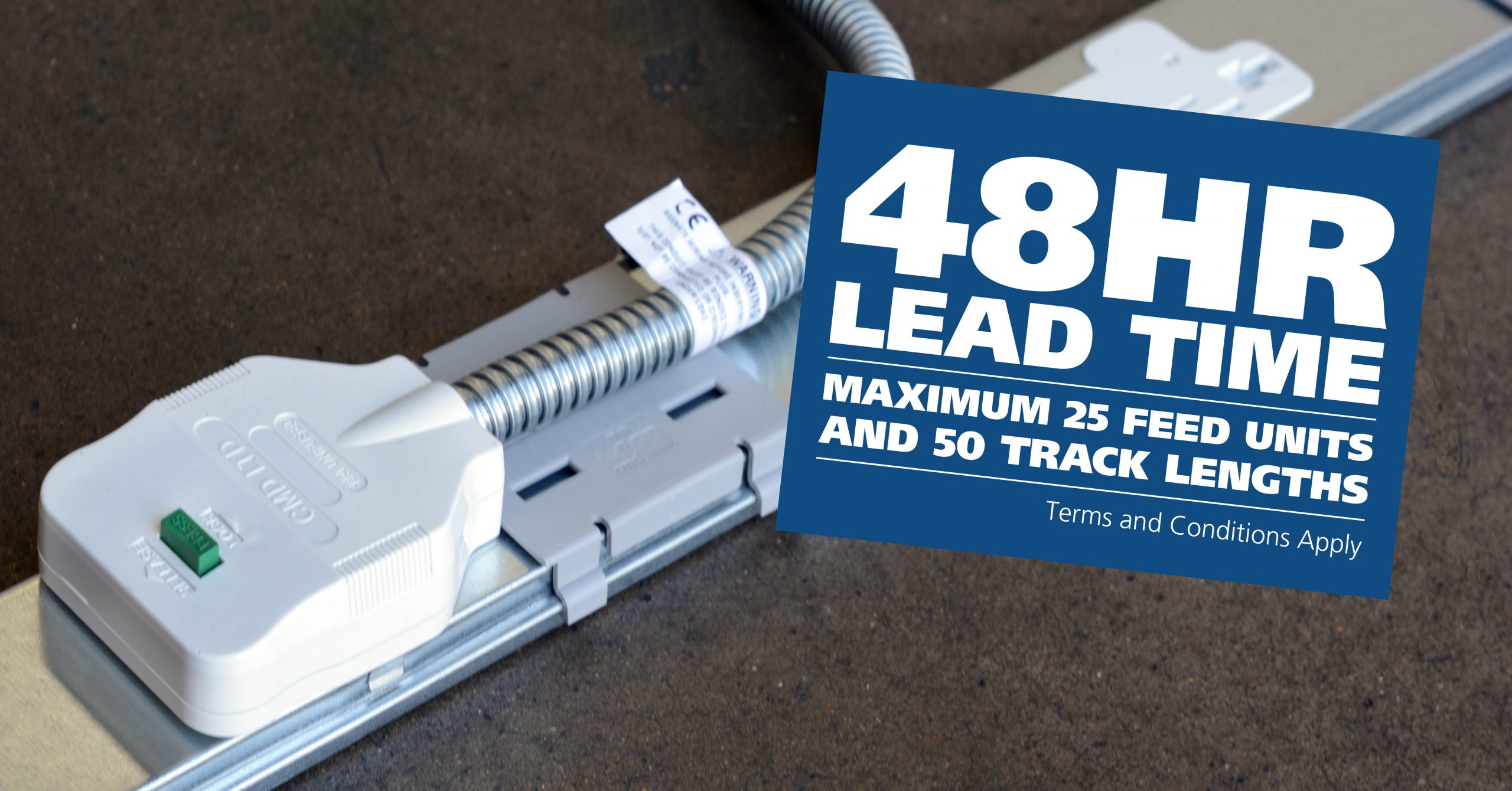
CMD Ltd LAUNCHES 48-HOUR TURNAROUND ON BETATRAK® RAPID ORDERING SERVICE

CMD Ltd, the specialist in power distribution systems, workstation power and monitor arms, has launched a rapid ordering service for its Betatrak® underfloor powertrack distribution systems and accessories, with a commitment to delivering within 48-hours of an approved purchase order*. The service enables customers to order up to 50 lengths of Standard or Clean Earth (C/E) low noise Betatrak, along with up to 25 feed...

Read more
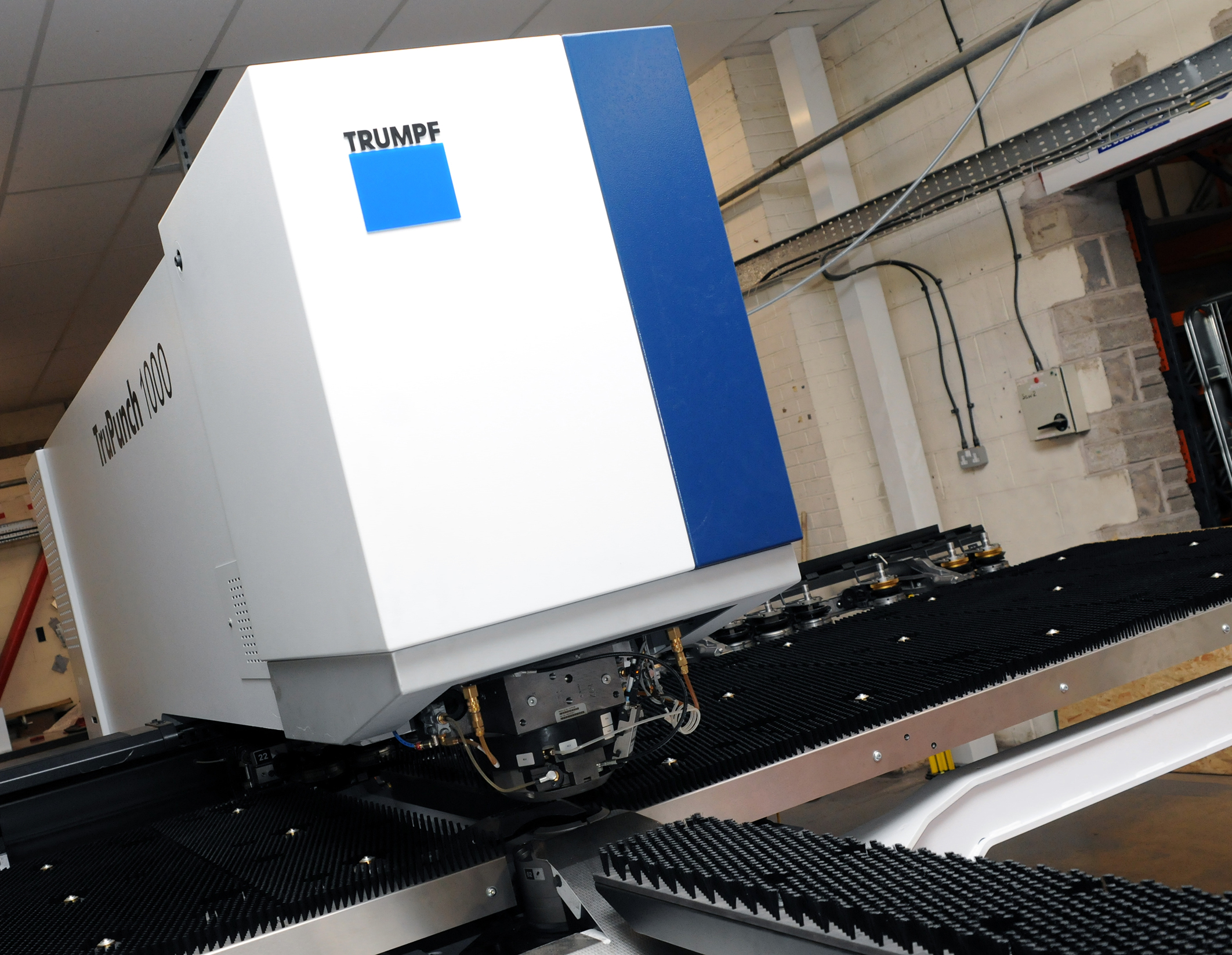
CMD INVESTS £1/4 MILLION IN NEW MACHINE AS PART OF FACTORY UPGRADE

We have invested in a new £1/4m TRUMPF CNC metal punch as part of an asset renewal strategy for our UK manufacturing capability. The new machine will be used in the production of a wide variety of our power distribution systems and workstation power products at our Rotherham factory. Suitable for handling sheet metal between 0.9mm and 3.0mm thick, the new machine will replace one...

Read more
CMD CATALOGUE PROVIDES TECHNICAL POWER DISTRIBUTION GUIDE

CMD Ltd has released a new catalogue, providing an easy to follow technical guide to our power distribution systems and plug and play desk modules. Detailing CMD’s full range of UK-manufactured power distribution systems and plug and play desk modules, the catalogue will be a helpful source of information to M&E engineers and contractors alike to understand how our power distribution systems connect together and...

Read more
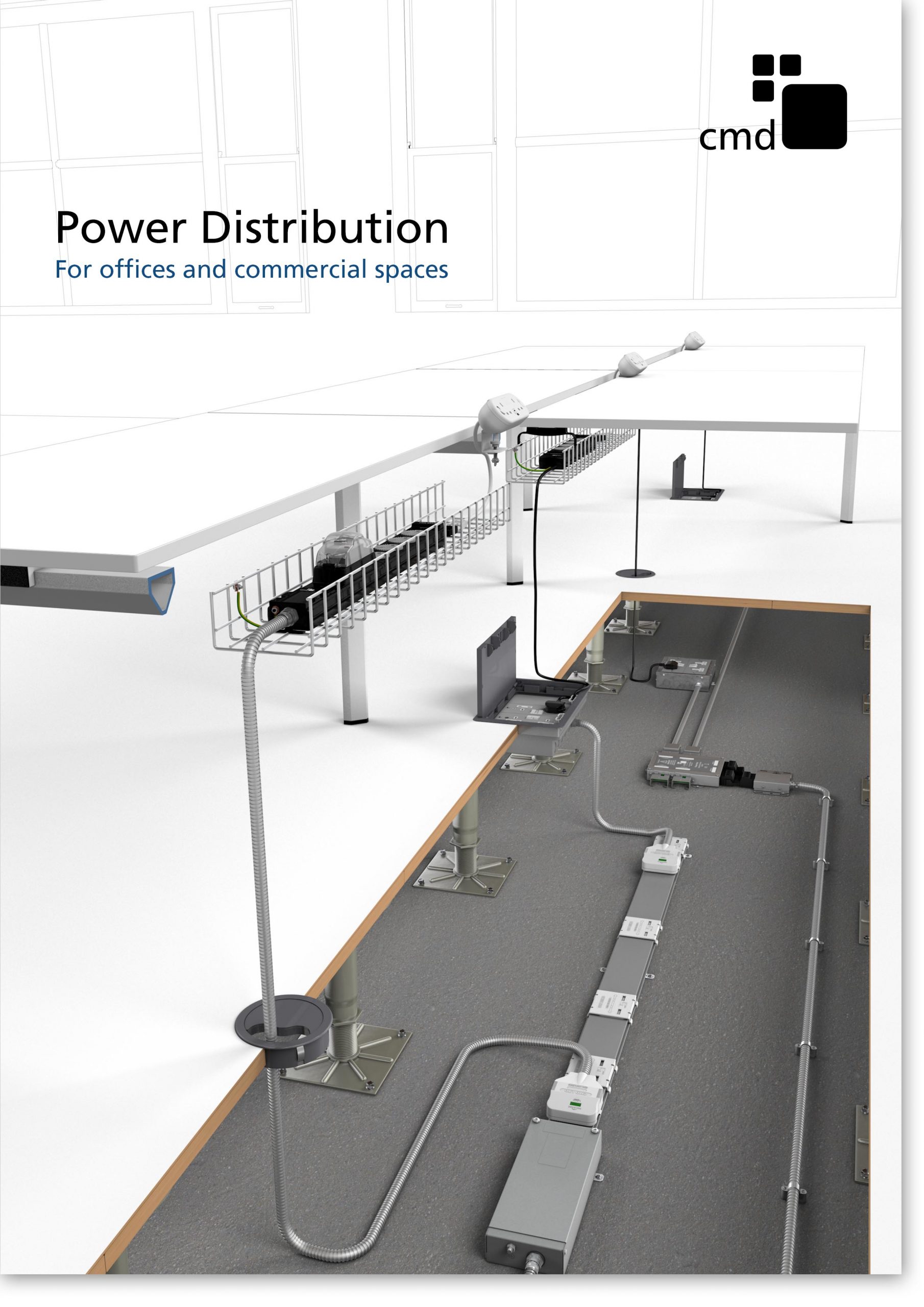
Power Distribution Catalogue
CMD Ltd PLAYS ESSENTIAL ROLE IN ELECTRICAL FIT OUT AT LONDON’S PRESTIGIOUS OFFICE DEVELOPMENT

CMD Ltd, specialist in workplace connectivity and ergonomic solutions, has provided a flexible and high-quality power distribution network for The Ray, a prestigious office development in London’s Farringdon. Well-known for being the former site of The Guardian newspaper, The Ray now stands as an 83,000ft² office development characterised by a modernised warehouse aesthetic, with level two now occupied by a global social media company. The...

Read more

The Ray
CMD plugs in to european opportunity with Schuko Capsule unit launch

CMD Ltd, the specialist in power and connectivity solutions for commercial environments, has launched a Schuko version of its popular fixed format Capsule workstation power module for export to mainland Europe and beyond. A popular on desk power module comprising two sockets and dual USB (type A and C) chargers, CMD’s Capsule unit is already widely specified in the UK as an off-the-shelf workstation power...

Read more
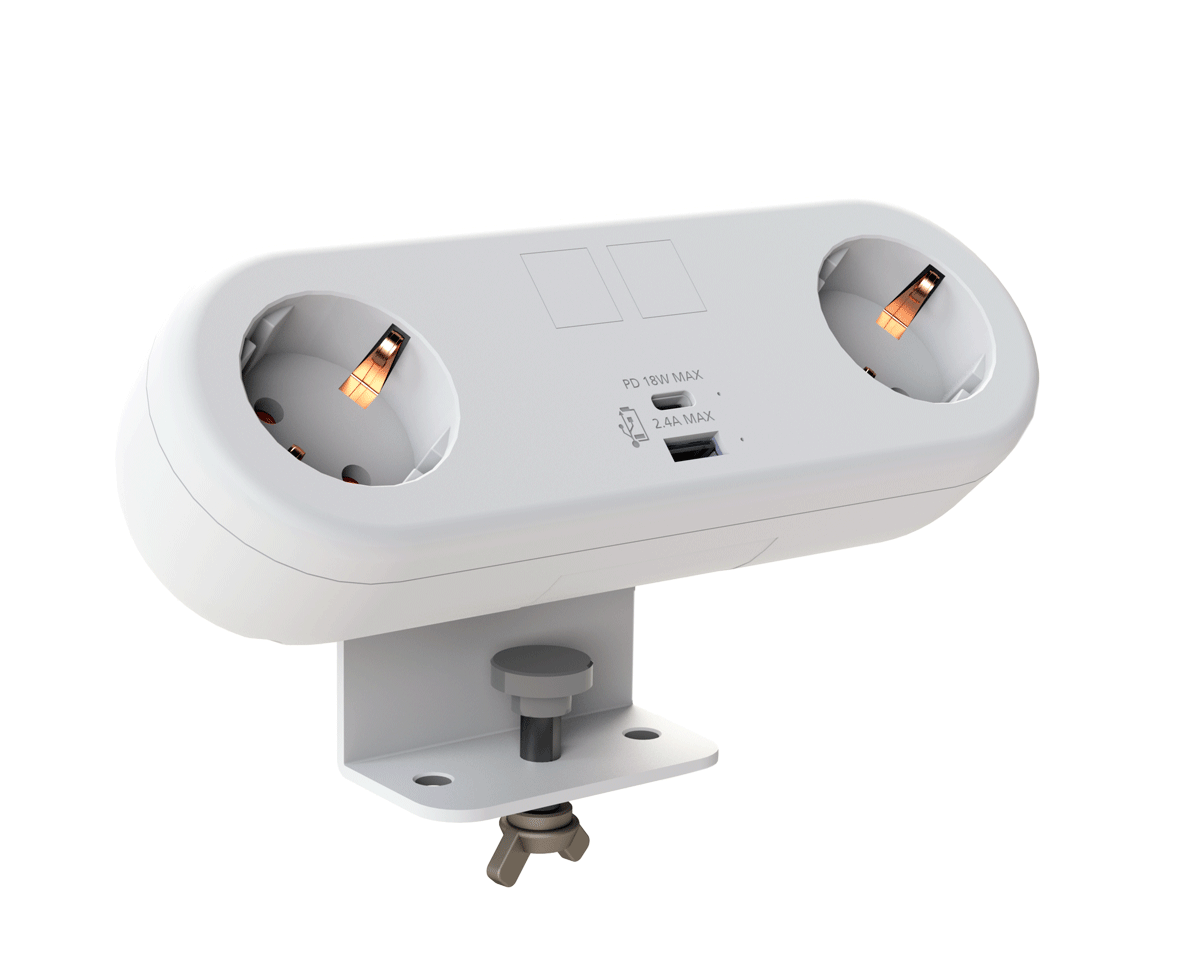
CMD White Schuko Capsule Desk Power Module
CMD LTD EXTENDS MONITOR ARM RANGE WITH THE LAUNCH OF REACH PLUS

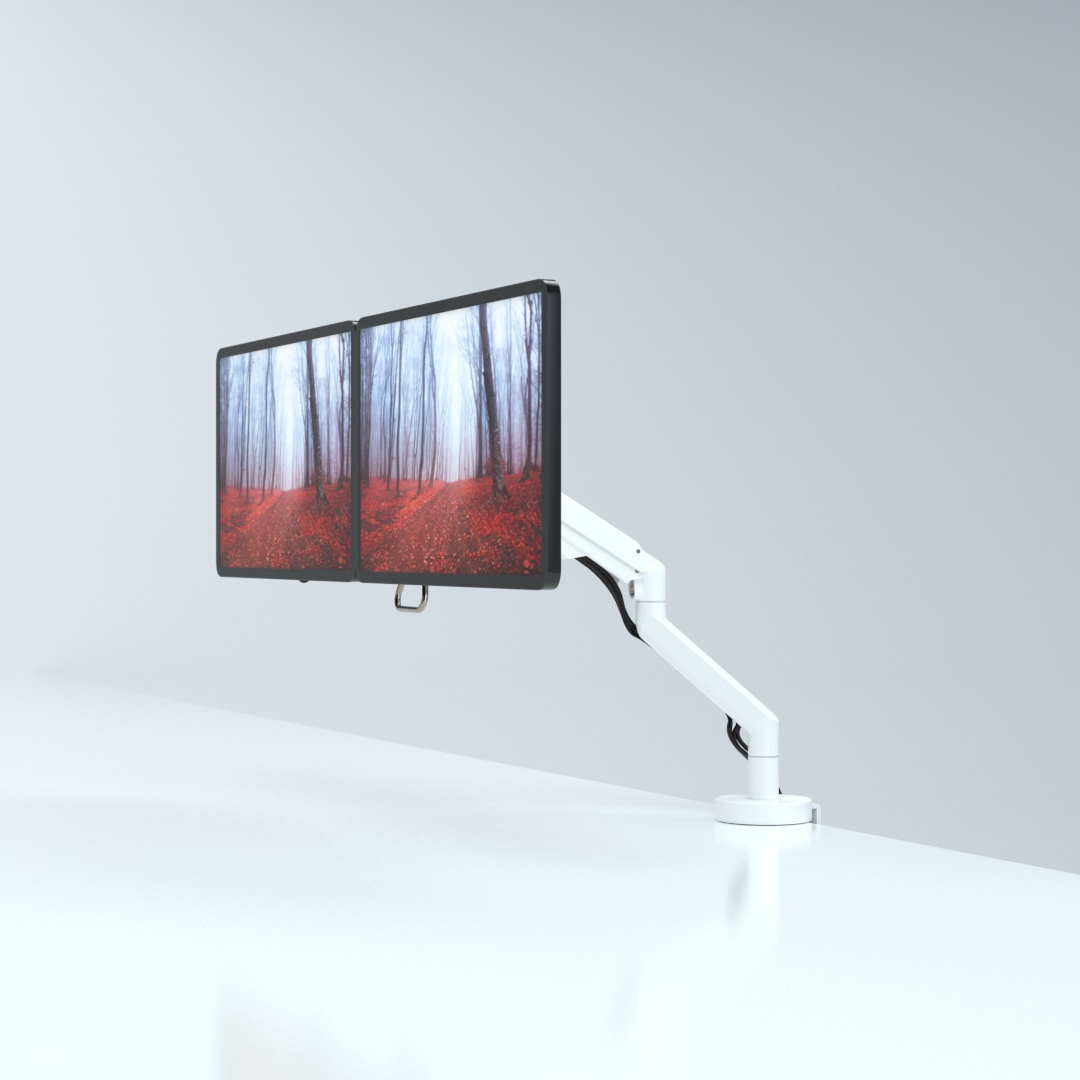
CMD Ltd, the specialist in ergonomic and connectivity solutions for commercial interiors, has completed its Reach monitor arm range with the launch of the Reach Plus. Available in single or dual screen options, the Reach Plus has been designed to provide an ideal solution for both single and dual screen workstation configurations, or can be used with next generation of large format curved screens. Suitable...

Read more
CMD Ltd DEMONSTRATES THE ART OF POWER DISTRIBUTION AT THE UNIVERSITY OF WARWICK

CMD Ltd, the specialist in workplace connectivity and ergonomic solutions, has provided Betatrak busbar power distribution and a range of electrical accessories for two major capital investment projects at the University of Warwick. Designed by Fielden Clegg Bradley Studios, the £33 million Faculty of Arts building is a showpiece development comprising four interconnected structures set around a central atrium, which will enable inter-disciplinary collaboration across...

Read more

University of Warwick
CMD BRINGS HARMONY TO COVENTRY UNIVERSITY RESEARCH FACILITIES

CMD Ltd, the specialist in power distribution solutions and workstation power and ergonomics, has provided under desk and on desk power modules for the refurbishment of three Coventry University research buildings. Located on Coventry University Technology Park, a business park designed to encourage collaboration between the university and knowledge-based businesses, the three buildings are being repurposed as office accommodation for university research teams. The refurbishment...

Read more

Coventry University

10 Tips for Choosing FM Transmitters for Global Buyers

Choosing Fm Transmitters for international projects requires more than comparing prices and output power. Buyers must examine performance, regulatory requirements, supplier reliability, and long-term operating costs. A transmitter that works well in one region may fail certification in another. Local frequency rules, electrical standards, and import documentation can change the purchasing decision.

From supplier evaluations and installation reviews, several details repeatedly affect results. Buyers should verify coverage expectations, modulation quality, cooling design, power stability, and remote monitoring options. A unit intended for a small community station needs different specifications from one serving a large, professionally licensed network. Ask for laboratory reports, factory test records, warranty terms, and firmware support. Real operating data is more useful than polished brochures.

Compliance matters.

Every buyer should confirm that the equipment will be used by an authorized broadcaster and approved for the destination market. Independent testing can reveal overheating, unstable frequency control, or misleading power claims before shipment. It is also wise to inspect connector types, voltage compatibility, spare-part availability, and the supplier’s response time. These practical details often decide whether an installation remains dependable after the first year.

No checklist is flawless. I have seen technically impressive equipment delayed by missing documents or unsuitable power systems. That experience supports a careful, evidence-based approach. The following ten tips help global buyers compare Fm Transmitters with greater confidence, reduce avoidable costs, and select equipment that fits both operational needs and lawful broadcasting requirements.

10 Tips for Choosing FM Transmitters for Global Buyers

Understanding FM Transmitter Types, Features, and Core Applications

Choosing an FM transmitter starts with its type and application. Low-power units suit campuses, factories, hotels, and small community stations. Medium-power systems cover wider rural areas. High-power transmitters serve regional broadcasters and require stronger cooling, protection, and site planning. Exciter-based designs offer flexibility, while integrated units simplify installation. I would still test both.

Core features matter more than advertised output. Check frequency stability, audio processing, stereo performance, remote monitoring, and protection against high VSWR. Efficient solid-state power stages can reduce electricity and cooling costs. Modular construction also helps technicians replace one amplifier without stopping the entire service. ITU-R BS.450-4 remains a key reference for FM planning and transmission characteristics. Local licensing rules still determine usable frequencies, field strength, and antenna conditions.

Application changes the buying decision. Ofcom’s Media Nations 2024 reported that 88% of UK adults listened to live radio weekly in 2023, showing that terrestrial broadcasting still has practical reach. However, WorldDAB’s 2024 Global Update recorded digital radio services in more than 90 countries, so global buyers should consider hybrid distribution. A rural public-information station may prioritize rugged cooling and backup power. A campus station may value compact size, RDS support, and simple software control. Ask about harmonic filtering, monitoring alarms, service access, and verified efficiency figures. Some specifications look impressive but lack operating conditions. That deserves a second check.

Defining Power, Frequency, Coverage, and Audio Performance Requirements

10 Tips for Choosing FM Transmitters for Global Buyers

Defining power, frequency, coverage, and audio performance starts with the service area, not the transmitter box. A higher wattage looks reassuring, but it can be the wrong answer. Effective radiated power, antenna height, terrain, cable loss, and receiver sensitivity shape real coverage. ITU-R P.1546 recommends location-based propagation analysis, while ITU-R BS.412 highlights field-strength planning for FM broadcasting.

Tip 1: Map the terrain before selecting power. Tip 2: Compare ERP, not amplifier watts alone. In field projects, hills and buildings often reduce coverage more than expected.

Frequency planning also requires regional discipline. Channel spacing, authorized bands, maximum deviation, and emission limits differ between markets. In many North American systems, peak deviation is 75 kHz; several European plans use 50 kHz. Confirm the local allocation and transmitter settings before purchase.

Tip 3: Request a frequency-compliant configuration. Tip 4: Check tuning range, step size, and frequency stability. A flexible unit may help global deployment, but flexibility cannot replace local engineering review.

Audio performance deserves measurable targets. EBU R 128 uses −23 LUFS for programme loudness, with true-peak control to reduce overload risk. The ATSC A/85 framework commonly references −24 LKFS for broadcast consistency. These figures are not universal rules, yet they provide useful benchmarks.

Tip 5: Ask for measured stereo separation, signal-to-noise ratio, distortion, and pilot stability. Tip 6: Test speech, music, and silence. A transmitter can look excellent on a specification sheet, but harsh speech may still appear during real modulation. That is where technical judgment, and sometimes uncomfortable re-testing, matters.

Checking Legal Standards, Regional Compatibility, and Safety Certifications

Choosing an FM transmitter for international use starts with legal standards, not output power. Each country may assign different frequency bands, power limits, and licensing requirements. Check the official telecommunications authority before comparing technical features. A transmitter approved in one market may require new testing elsewhere.

Regional compatibility also affects daily operation. Confirm the frequency range, channel spacing, plug type, voltage, and local radio standards. Ask for test reports, declaration documents, and the exact model number. Do not accept a vague “global certification” statement. The paperwork should identify the testing laboratory and applicable regulation. This step can feel slow, but missing one document may delay customs clearance or installation.

Safety certifications deserve the same attention. Look for evidence covering electrical safety, electromagnetic compatibility, overheating protection, and radio-frequency exposure. Inspect the enclosure, grounding method, ventilation openings, and emergency shutoff procedure. A crowded control room can turn poor ventilation into a real hazard. I have seen buyers focus on signal reach and overlook cable quality. That was a costly assumption. Certification marks can also be copied, so verify them through the relevant authority or certification database. Standards change, and older reports may not match current requirements. Keep a written compliance checklist for every destination, then ask a qualified local engineer to review it before purchase.

Comparing Connectivity, Controls, Installation Needs, and Equipment Reliability

Choosing an FM transmitter for international use requires more than checking output power. In field assessments, I compare connectivity, controls, installation space, and long-term service access. A transmitter may offer Ethernet, remote monitoring, and multiple audio inputs, yet those features matter only when they match the station’s workflow. Stable network ports, clear status alerts, and protected connectors reduce avoidable interruptions. Simple is often better.

Controls should remain understandable during routine operation and urgent adjustments. A bright display, physical backup controls, and responsive fault indicators help technicians work under pressure. I also examine language options, password management, and access levels. These details are easy to overlook. They should not be.

Installation requirements vary widely between studios, rooftop sites, and compact equipment rooms. Check cabinet depth, ventilation clearance, cable routing, grounding points, and power compatibility before ordering. Heavy equipment may need reinforced shelving and two-person handling. Poor airflow can shorten component life, even when the transmitter appears correctly installed. A measurement made on site is more reliable than a guess from a product sheet.

Reliability depends on design, maintenance, and realistic operating conditions. Look for temperature monitoring, overload protection, modular service access, and documented maintenance intervals. Ask whether replacement components can be sourced through authorized channels in your region. I have seen buyers focus on purchase price and underestimate downtime costs. That judgment can be corrected, but not always cheaply. Verify performance records, technical documentation, and support response times before committing. Reserve capacity may also help, although it can increase installation cost and complexity.

Evaluating Suppliers, Total Costs, Support Services, and Future Scalability

Choosing an FM transmitter for overseas deployment requires more than comparing power ratings. A supplier should provide measured efficiency, harmonic performance, thermal limits, and factory test records. Verify alignment with ITU-R BS.450-4 and applicable national spectrum rules. Ask for calibration dates, not attractive claims. A brochure is only a starting point.

Total cost includes freight, customs, installation, spare modules, electricity, and technician travel. Request a five-year ownership model using local energy prices. A small efficiency difference matters. For example, a 1 kW transmitter operating continuously consumes about 8,760 kWh yearly at full load. Multiply that figure by several sites. The ITU’s 2023 Global Connectivity Report recorded 5.4 billion internet users, but 2.6 billion people remained offline. In underserved areas, reliable FM can still support public information and local communication, especially where broadband is weak.

Support quality often decides whether a station stays operational. Require response-time targets, remote diagnostics, firmware procedures, and stocked replacement parts. Ask whether technicians can guide repairs in your language and time zone. Future scalability also deserves a written plan. Check whether the transmitter supports N+1 redundancy, audio-over-IP interfaces, remote monitoring, and controlled power expansion. ETSI EN 302 018 provides a useful reference for FM broadcast equipment requirements in relevant markets. Still, standards do not guarantee good service. I would test a supplier’s support before signing: send a technical question, request a sample failure procedure, and measure the reply. That simple test can expose weak after-sales promises.