How to Choose Circuit Breaker Manufacturers in 2026?
Choosing the right Circuit Breaker Manufacturers in 2026 requires more than comparing prices and product catalogs. A reliable supplier must understand your application, electrical environment, and long-term operating risks. A residential panel, data center, and solar farm need different protection strategies. The same breaker cannot serve every installation well.
Look for manufacturers with proven testing systems, traceable components, and clear technical documentation. Certifications should match your target markets and project requirements. Ask for test reports, short-circuit ratings, temperature data, and product lifecycle information. Experienced manufacturers can explain why a device trips at a specific current, not merely repeat a specification. Their engineers should also support selection, installation, commissioning, and troubleshooting.
Service quality matters after delivery. Check spare-part availability, warranty procedures, response times, and factory communication. A supplier with modern production lines may still offer weak technical support. That is easy to overlook. Request samples when possible, then inspect terminal strength, labeling, enclosure quality, and operating smoothness. Small details often reveal manufacturing discipline.
Market reputation is useful, but it should not replace independent verification. Review customer references from projects similar to yours. Confirm whether reported performance reflects real field conditions. No shortlist is perfect. Specifications can change, and marketing claims may sound stronger than the evidence. A careful decision combines documented compliance, practical experience, transparent communication, and realistic total cost. In 2026, the best choice will be the manufacturer that protects equipment reliably and supports people throughout the product’s working life.
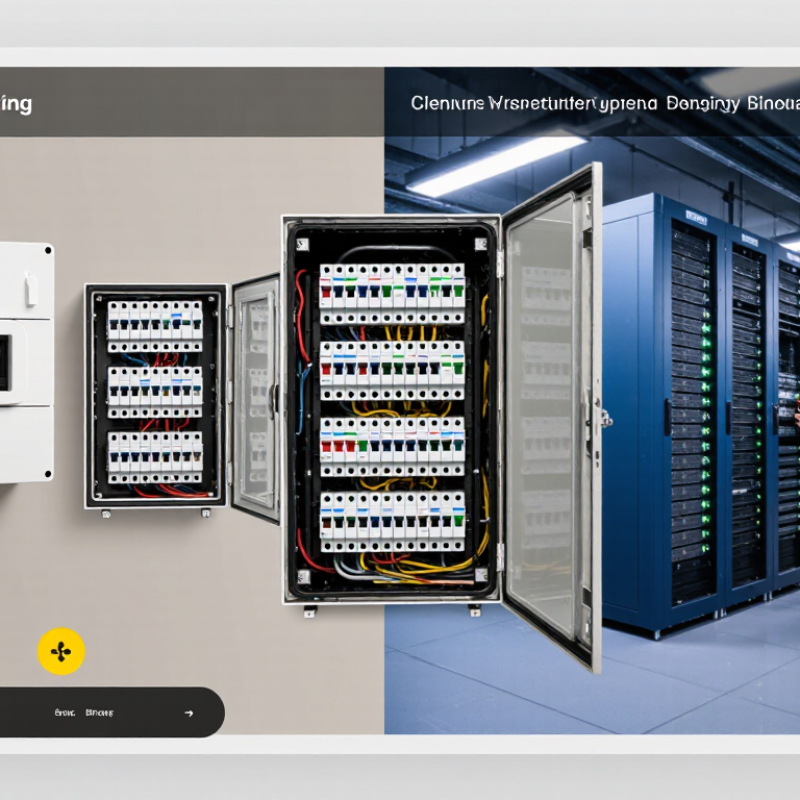
Define Circuit Breaker Types, Ratings, and IEC 60947-2 Requirements
How to Choose Circuit Breaker Manufacturers in 2026?
Defining the breaker comes before comparing manufacturers. A miniature circuit breaker may suit a small final circuit, while a molded-case or air circuit breaker can serve larger equipment. These devices are not interchangeable. Record the system voltage, frequency, pole count, expected load, and installation environment. Then identify the required rated current and breaking capacity. A panel installed near a transformer may face a much higher prospective short-circuit current than one farther downstream.
IEC 60947-2 provides requirements for circuit breakers used in low-voltage installations. Check that the proposed device’s documentation states the applicable standard and includes test evidence for its declared ratings. Look closely at rated operational voltage and short-circuit breaking capacity, such as Icu and Ics, where applicable. These values answer different questions: Icu concerns ultimate interruption, while Ics indicates a service-level performance rating. The exact selection depends on the installation and coordination study.
Ask manufacturers for current datasheets, installation instructions, and traceable test documentation. Compare the stated ratings with the actual panel design, not just a catalog headline. A breaker’s trip curve, ambient-temperature limits, and connection arrangement can affect performance. Small details matter. For example, a warm enclosure may require derating. I would also verify that replacement units fit existing busbars; assumptions here are easy to make, and sometimes wrong.
Compare Manufacturer Compliance with UL 489 and IEC 60898-1 Standards
Choosing a circuit breaker manufacturer in 2026 starts with matching the product to the installation. IEC 60898-1 covers household and similar AC breakers rated up to 440 V, 125 A, and 25 kA short-circuit capacity, according to the standard’s published scope. These limits matter. Ask for test reports showing the exact model, rated voltage, breaking capacity, and trip characteristics. A certificate for a product family may not prove that every configuration was tested.
For North American installations, UL 489 addresses molded-case circuit breakers and related equipment. Do not treat UL 489 and IEC 60898-1 as interchangeable: their test requirements and intended applications differ. Request current certificates from recognized certification bodies, then verify model numbers in the bodies’ public directories. Compare test conditions, not just logos. Check whether the manufacturer can provide traceable production records and support for routine quality audits. A neat datasheet is not enough. In practice, small details—terminal temperature limits, enclosure compatibility, and documented short-circuit testing—can decide whether a breaker suits the panel. Some paperwork is surprisingly vague; press for clarification before approval.
Evaluate Breaking Capacity from 6 kA to 100 kA for Application Safety
How to Choose Circuit Breaker Manufacturers in 2026?
Breaking capacity is not a number to select by habit. It is the maximum prospective fault current a breaker can safely interrupt under specified test conditions. IEC 60947-2:2024 defines industrial circuit-breaker requirements, including rated ultimate and service short-circuit breaking capacities, Icu and Ics. A 6 kA device may suit a small, verified panel; a 100 kA rating may be needed near a high-capacity transformer. The actual fault level matters more than the headline rating.
Ask manufacturers for test evidence matching the breaker’s voltage, pole configuration, and intended installation. Compare Icu and Ics carefully: a breaker that can interrupt a fault once may not provide the same service continuity afterward. Check coordination with upstream and downstream devices, too. A poor match can leave a long feeder exposed, even when the breaker’s kA rating appears generous. Field conditions complicate the calculation; cable length and transformer impedance change available fault current.
Tips: Request the short-circuit calculation and certified test documentation. Confirm that the stated rating applies at your operating voltage. Then review the result with a qualified electrical engineer. IEC requirements help, but they cannot replace site-specific verification. One detail is easy to miss: future load or transformer changes may raise fault levels. Recheck the selection when the installation changes.
Assess Quality Systems Through ISO 9001, Testing, and Traceability Data
When choosing a circuit breaker manufacturer in 2026, ask for evidence behind its quality claims. ISO’s 2022 Survey recorded more than 1.26 million valid ISO 9001 certificates worldwide. Certification alone, however, does not prove that a breaker performs reliably. Request the manufacturer’s current certificate, its scope, and the latest audit findings. Does the scope cover the actual production site and product family? That detail matters.
Testing records should identify the applicable IEC 60947-2 requirements, sample configuration, test date, and laboratory. Look for results covering rated performance and short-circuit interruption, not just a polished certificate. Ask how failed samples are investigated and whether design changes trigger retesting. A spreadsheet may look complete. It may still hide gaps. Independent laboratory reports can strengthen confidence, but verify that the tested model matches the offered unit.
Traceability should connect each breaker to its production batch, critical components, inspection results, and release date. Ask for a sample record and follow one serial number from incoming materials to final test. In practice, missing links often appear during supplier or component changes. This is not always a dramatic failure; sometimes one undocumented substitution is enough to complicate an investigation. Review how long records remain available and who approves corrections. No system is perfect. A manufacturer willing to show limits, exceptions, and corrective actions may offer a more credible picture than one presenting only flawless dashboards.
Rank Suppliers by Certifications, Lead Times, Warranty, and Total Cost
Choosing a circuit breaker supplier in 2026 takes more than comparing unit prices. Start with certifications relevant to your market and application. Ask for current certificates, test reports, and the exact product models they cover. A certificate for one product family may not apply to every breaker. Check details, not just logos. If documentation is unclear, treat that as a procurement risk.
Lead times deserve the same scrutiny. Request a written estimate for standard models and custom configurations, then confirm what is actually in stock. A quoted four-week delivery can change when components are scarce. Ask how suppliers communicate delays and whether they can provide staged shipments. Get dates in writing. I have seen teams focus on the promised date and overlook packaging, inspection, or dispatch time. That is an easy mistake to make.
Compare warranty terms alongside the total cost of ownership. Review coverage length, exclusions, claim steps, and who pays for return shipping. Then include freight, installation, testing, spare units, and potential downtime in your cost model. A lower purchase price may not stay lower after these items are counted. Request a sample quotation with each cost separated. Keep the comparison practical: use the same breaker specifications and order quantity for every supplier. Even a careful spreadsheet can miss assumptions, so revisit it with the maintenance team before deciding.