

News

Miro: A New Standard in Responsible Innovation

Miro: A New Standard in Responsible Innovation The Miro monitor arm is setting new benchmarks in sustainability. It offers a high-performance solution without compromising on environmental responsibility. Designed with careful material selection, local sourcing, and longevity in mind, Miro’s responsible approach to design and unique manoeuvrability set it apart from the competition. Sustainable Choices Miro is crafted from energy-efficient materials with a lower carbon impact....

Read more
HSE Advisor

Role Purpose Support in the development, implementation and maintenance of the company’s Health, Safety & Environmental policies, processes, operational procedures, and standards.  Ensuring best practice and championing a continually improving HSE culture within the business. Key Responsibilities Liaise with and provide support to all areas of the business to eliminate, mitigate or reduce identified HSE exposures. Partner with the production management team and team leaders,...

Read more
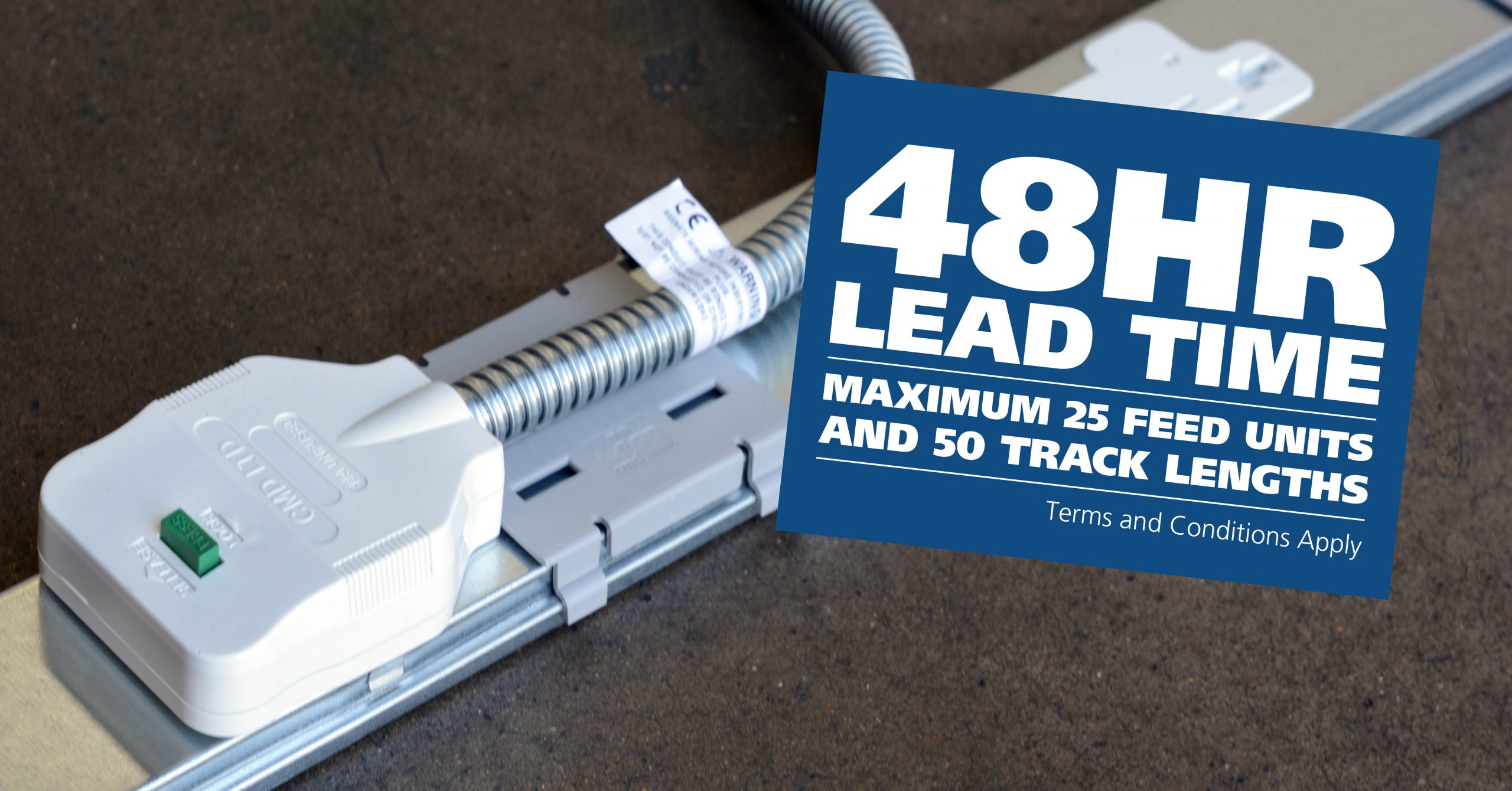
CMD Ltd LAUNCHES 48-HOUR TURNAROUND ON BETATRAK® RAPID ORDERING SERVICE

CMD Ltd, the specialist in power distribution systems, workstation power and monitor arms, has launched a rapid ordering service for its Betatrak® underfloor powertrack distribution systems and accessories, with a commitment to delivering within 48-hours of an approved purchase order*. The service enables customers to order up to 50 lengths of Standard or Clean Earth (C/E) low noise Betatrak, along with up to 25 feed...

Read more
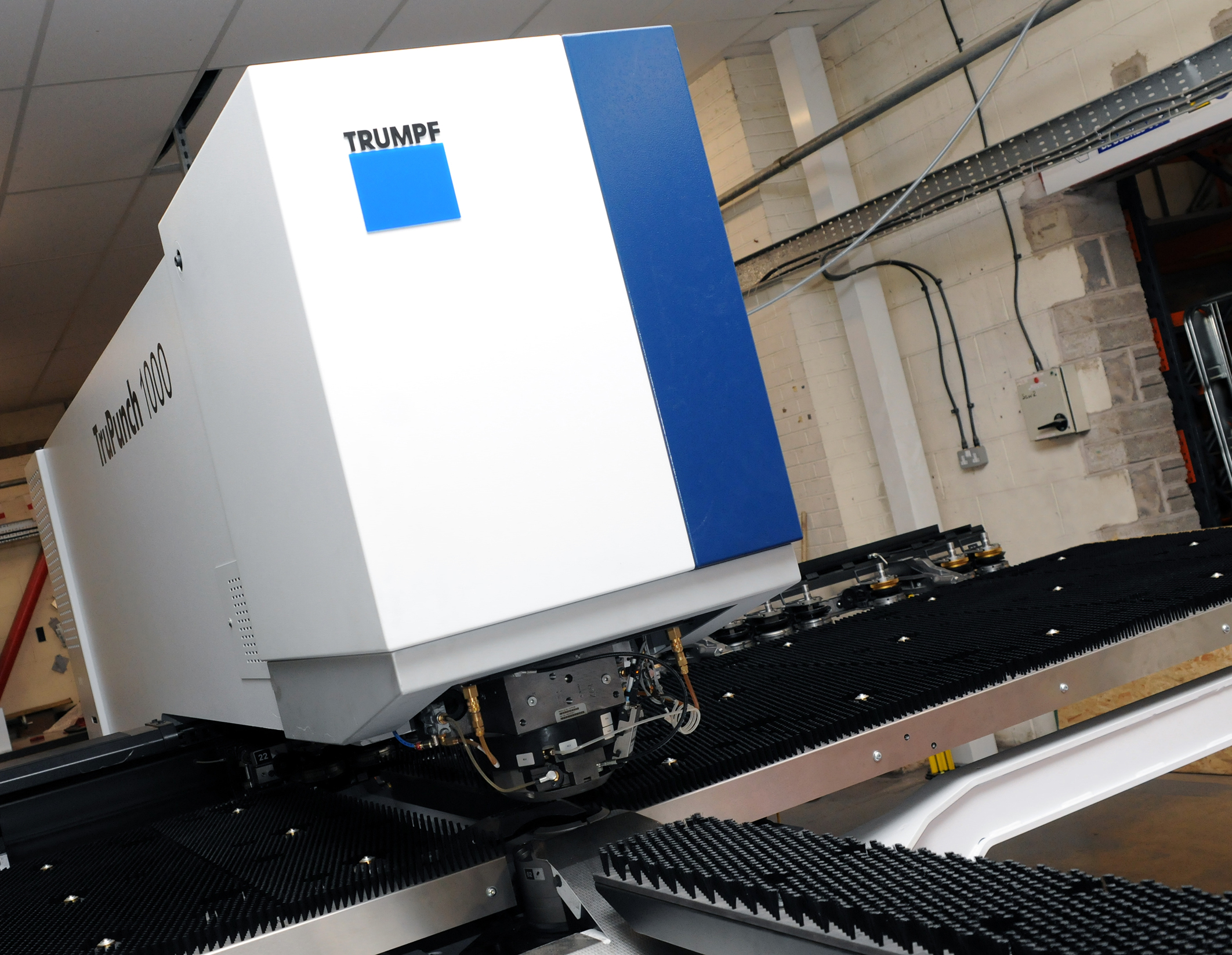
CMD INVESTS £1/4 MILLION IN NEW MACHINE AS PART OF FACTORY UPGRADE

We have invested in a new £1/4m TRUMPF CNC metal punch as part of an asset renewal strategy for our UK manufacturing capability. The new machine will be used in the production of a wide variety of our power distribution systems and workstation power products at our Rotherham factory. Suitable for handling sheet metal between 0.9mm and 3.0mm thick, the new machine will replace one...

Read more
CMD CATALOGUE PROVIDES TECHNICAL POWER DISTRIBUTION GUIDE

CMD Ltd has released a new catalogue, providing an easy to follow technical guide to our power distribution systems and plug and play desk modules. Detailing CMD’s full range of UK-manufactured power distribution systems and plug and play desk modules, the catalogue will be a helpful source of information to M&E engineers and contractors alike to understand how our power distribution systems connect together and...

Read more
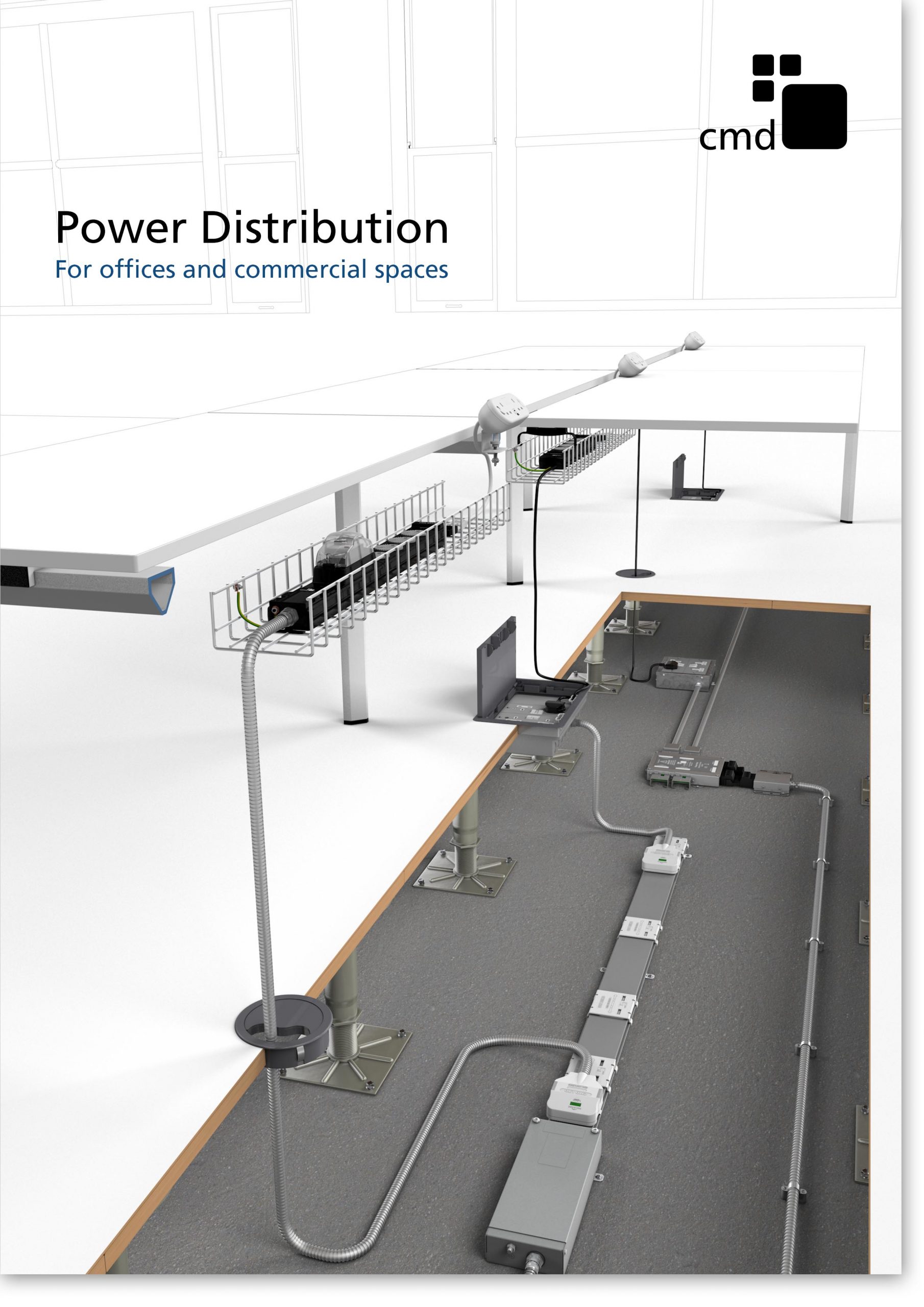
Power Distribution Catalogue
CMD Ltd PLAYS ESSENTIAL ROLE IN ELECTRICAL FIT OUT AT LONDON’S PRESTIGIOUS OFFICE DEVELOPMENT

CMD Ltd, specialist in workplace connectivity and ergonomic solutions, has provided a flexible and high-quality power distribution network for The Ray, a prestigious office development in London’s Farringdon. Well-known for being the former site of The Guardian newspaper, The Ray now stands as an 83,000ft² office development characterised by a modernised warehouse aesthetic, with level two now occupied by a global social media company. The...

Read more

The Ray
CMD plugs in to european opportunity with Schuko Capsule unit launch

CMD Ltd, the specialist in power and connectivity solutions for commercial environments, has launched a Schuko version of its popular fixed format Capsule workstation power module for export to mainland Europe and beyond. A popular on desk power module comprising two sockets and dual USB (type A and C) chargers, CMD’s Capsule unit is already widely specified in the UK as an off-the-shelf workstation power...

Read more
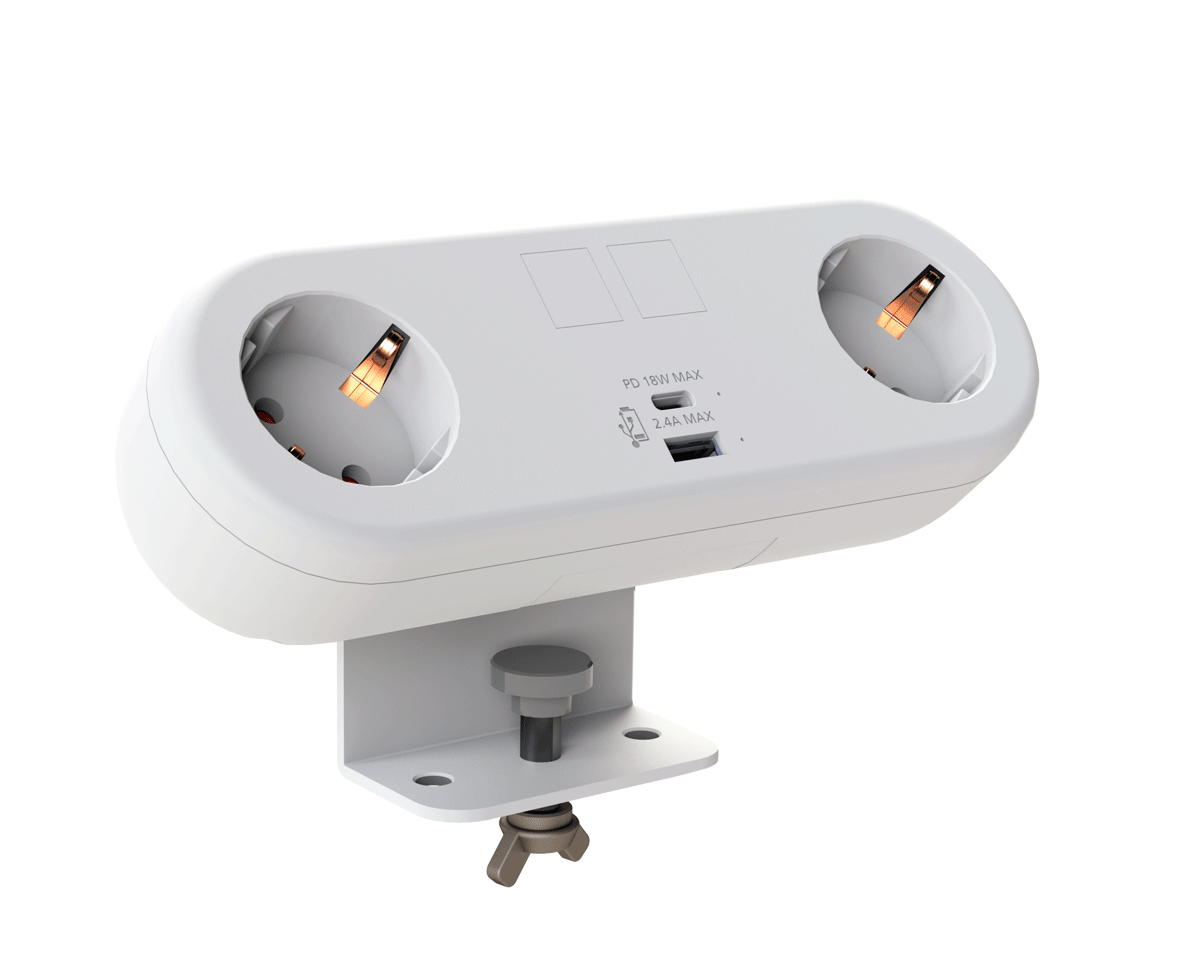
CMD White Schuko Capsule Desk Power Module
CMD LTD EXTENDS MONITOR ARM RANGE WITH THE LAUNCH OF REACH PLUS

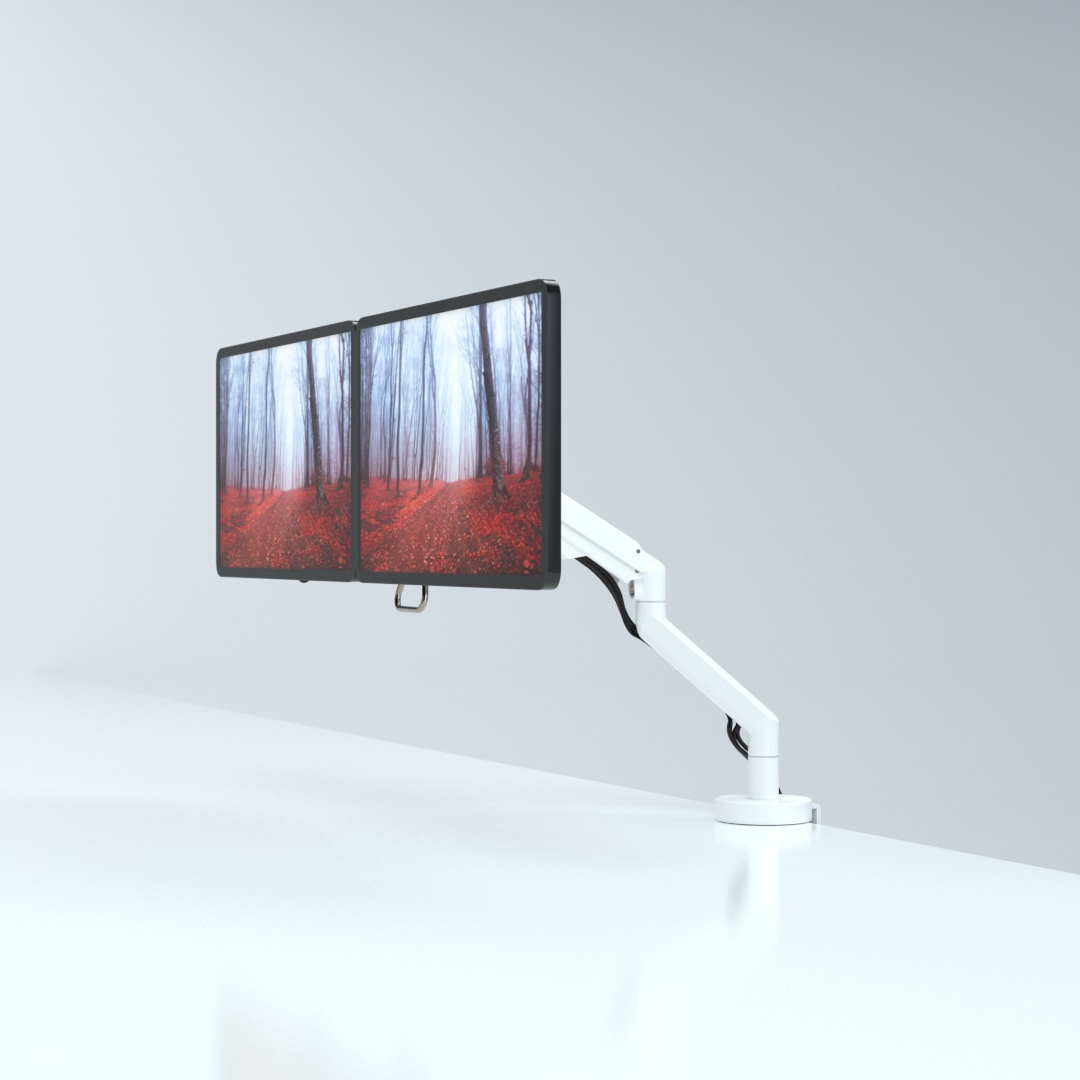
CMD Ltd, the specialist in ergonomic and connectivity solutions for commercial interiors, has completed its Reach monitor arm range with the launch of the Reach Plus. Available in single or dual screen options, the Reach Plus has been designed to provide an ideal solution for both single and dual screen workstation configurations, or can be used with next generation of large format curved screens. Suitable...

Read more
CMD Ltd DEMONSTRATES THE ART OF POWER DISTRIBUTION AT THE UNIVERSITY OF WARWICK

CMD Ltd, the specialist in workplace connectivity and ergonomic solutions, has provided Betatrak busbar power distribution and a range of electrical accessories for two major capital investment projects at the University of Warwick. Designed by Fielden Clegg Bradley Studios, the £33 million Faculty of Arts building is a showpiece development comprising four interconnected structures set around a central atrium, which will enable inter-disciplinary collaboration across...

Read more

University of Warwick
CMD BRINGS HARMONY TO COVENTRY UNIVERSITY RESEARCH FACILITIES

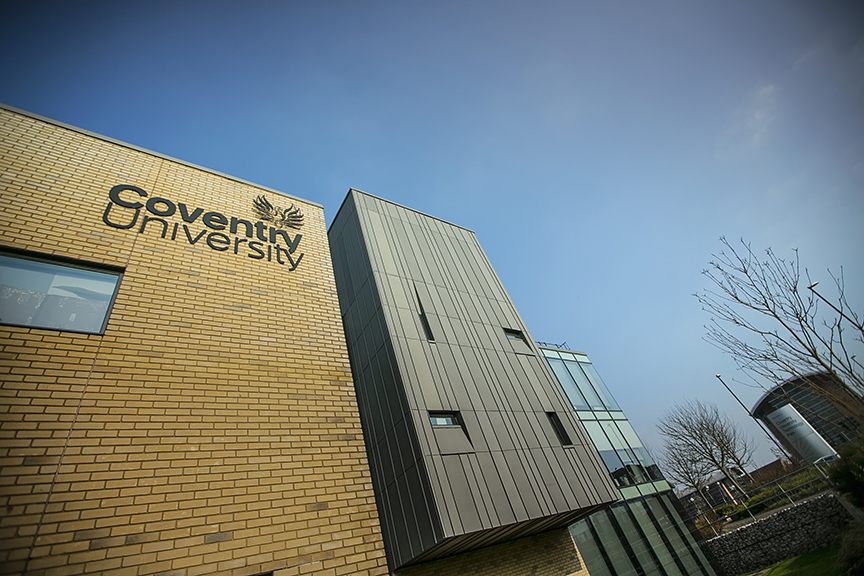
CMD Ltd, the specialist in power distribution solutions and workstation power and ergonomics, has provided under desk and on desk power modules for the refurbishment of three Coventry University research buildings. Located on Coventry University Technology Park, a business park designed to encourage collaboration between the university and knowledge-based businesses, the three buildings are being repurposed as office accommodation for university research teams. The refurbishment...

Read more
Coventry University

How to Choose Between 1550nm and 1927nm Fiber Lasers?

The choice between 1550nm and 1927nm Fiber Lasers is crucial for numerous industries. Recent industry reports highlight significant advancements in laser technology, emphasizing their efficiency and precision. Over 60% of manufacturers now prefer laser systems that minimize waste while maximizing performance.

1550nm fiber lasers are known for their versatility. They excel in applications like telecommunications where effective signal transmission is essential. According to market analyses, this wavelength offers considerable benefits in maintaining data integrity, particularly in long-distance communication.

On the other hand, 1927nm fiber lasers cater to specific niche applications, such as medical and material processing. They provide enhanced absorptivity in certain materials, leading to effective outcomes in delicate operations. Their adoption rates are on the rise, influencing market dynamics. However, the higher cost associated with 1927nm systems must be carefully evaluated against their unique advantages. Both options require thoughtful consideration in alignment with project goals and budget constraints.

How to Choose Between 1550nm and 1927nm Fiber Lasers?

Understanding the Basics of Fiber Lasers: 1550nm vs 1927nm

When considering fiber lasers, the choice between 1550nm and 1927nm can be crucial. The 1550nm wavelength is commonly used for telecommunications and medical applications. Its efficiency is well documented, with studies showing up to 95% efficacy in optical communication. This wavelength excels in long-distance transmissions, reducing signal loss significantly. This is partly due to the atmosphere's low absorption at this wavelength.

In contrast, the 1927nm fiber laser is known for its effectiveness in material processing. Its interaction with certain materials, particularly metals and plastics, provides unique advantages. Research indicates that 1927nm lasers can achieve cleaner cuts with minimal heat-affected zones. However, this wavelength isn't as widely adopted, which may raise questions about reliability. Some industries may hesitate to fully embrace it.

Understanding the basics of these wavelengths is vital for making informed decisions. Data suggest that while both wavelengths have their merits, the specific application needs to dictate the choice. For instance, in laser surgery, 1550nm might dominate due to its precision. Yet the growing interest in 1927nm, particularly among manufacturers, signals a shift. The nuanced choice requires assessing the material properties and project requirements carefully. Always consider industry reports and expert analyses for the most up-to-date insights.

Key Applications for 1550nm Fiber Lasers

The choice of fiber lasers often hinges on specific applications. The 1550nm fiber laser is widely utilized in telecommunications. Its wavelength can efficiently couple with optical fibers, enabling high-speed data transmission. According to a report by the Optical Society, this wavelength minimizes signal attenuation, ensuring reliable communication over long distances.

Medical applications also benefit from 1550nm lasers. They are effective in treating skin conditions and performing precise surgeries. Research indicates that the 1550nm wavelength is optimal for targeting water in tissue, allowing for minimal thermal damage. This precision is pivotal in enhancing recovery times and reducing post-operative complications.

Even in industrial settings, 1550nm lasers prove valuable. They are used in metal cutting and marking, offering high efficiency and clean results. However, some drawbacks exist. For instance, different materials absorb this wavelength variably. Not all metals respond well to 1550nm, potentially limiting its application scope. Still, ongoing advancements in laser technology may address these challenges, expanding its versatility.

Key Applications for 1927nm Fiber Lasers

When selecting between 1550nm and 1927nm fiber lasers, understanding the applications of 1927nm is crucial. These lasers excel in the field of medical treatments. They are particularly effective for skin procedures. The 1927nm wavelength is well absorbed by water in the skin, enhancing precision in treatments.

The 1927nm fiber laser finds significant applications in dermatology. It is used for fractional resurfacing. This process allows for shallow skin layers to be treated while minimizing damage to surrounding tissues. Patients often report shorter recovery times and improved results in terms of skin texture and tone. Additionally, this wavelength is beneficial in gynecology. It aids in treatments such as vaginal rejuvenation.

Despite these advantages, challenges remain. The technology can be costly, limiting accessibility for some clinics. Ensuring training for practitioners is essential. Improper use can lead to complications. It is crucial for professionals to stay informed about advancements and safety protocols. This continuous learning process can contribute to better patient outcomes in the long run.

Evaluating Cost and Efficiency of 1550nm and 1927nm Lasers

When evaluating the cost and efficiency of 1550nm and 1927nm fiber lasers, careful consideration is necessary. The 1550nm laser is commonly used in telecommunications due to its lower loss in optical fibers. Reports indicate that this wavelength allows for efficient signal transmission over long distances, reducing costs associated with signal repeaters. The average cost per watt for 1550nm lasers is approximately 30% lower than that for 1927nm, making it a more economical option for many applications.

In contrast, 1927nm lasers show promise in niche applications, such as material processing and medical procedures. While their upfront costs are higher, they provide unique benefits in specific scenarios. For instance, they exhibit excellent absorption in certain materials, increasing precision and minimizing waste. However, data suggests that overall efficiency can be less favorable compared to 1550nm options in broader contexts. This contrast illustrates an area where further investigation is necessary, as companies must weigh initial costs against performance outcomes.

There are trade-offs in both options. Adopting a 1550nm laser can lead to lower operational expenses, yet it might not meet all project requirements. On the other hand, while the 1927nm wave offers distinct advantages for specialized functions, their higher costs require a deeper understanding of return on investment. Businesses must continually reflect on these factors to ensure they make informed decisions that align with their long-term goals.

Making the Right Choice: Factors to Consider in Your Decision

Choosing the right fiber laser between 1550nm and 1927nm is crucial. Both wavelengths offer unique advantages and are suitable for different applications. The decision often hinges on the materials being processed and the desired outcome.

Understanding the specific requirements of your project is key. For example, the 1550nm laser is more effective for metals, while the 1927nm wavelength excels in cutting materials like plastics and textiles. Consider the interaction of each wavelength with your material. This directly affects efficiency and the quality of the finished product.

One common reflection is the cost versus performance. The higher initial investment in a 1927nm laser might seem daunting. However, for particular applications, it can save costs in the long run through increased efficiency. It's advisable to examine past projects closely to evaluate how different wavelengths performed. Careful consideration can lead to a more informed choice, ensuring that your final decision aligns with your operational goals.